










Table of Contents
Quick Summary
- Understand why cold weather exposes existing roof and heating faults rather than creating them.
- Learn the warning signs that your gas heater needs servicing before winter.
- Find out how cracked tiles, damaged flashing, blocked gutters and failing ridge mortar can lead to leaks.
- See why damp insulation and moisture can make your home harder and more expensive to heat.
- Follow a practical weekend checklist covering gutters, roof spaces, heater safety, vents and draughts.
- Discover why fixing roof problems before heating issues can help prevent bigger repair bills.
- Learn why autumn is generally a better time to arrange tradespeople than during the winter rush.
Courtesy: Magnific
Every year, in the first properly cold week, two phone calls flood tradie diaries. One is from someone whose heater has died. The other is from someone standing in a hallway with a bucket. In almost every case the fault had been sitting there quietly for months. Winter did not cause it. Winter just made it impossible to ignore.
Australian homes are built for heat, not cold. Our winters are short and mild by world standards, which is exactly why we get complacent about them. A house that felt perfectly fine in March can feel damp, draughty and expensive to run by the middle of June. The two systems that decide how bad that gets are the one keeping warm air in and the one keeping water out. Most households look at neither until something goes wrong.
Cold Weather Does Not Create Faults, It Reveals Them

Courtesy: Magnific
There is a useful way to think about this. A roof does not start leaking in June. It starts leaking whenever the mortar cracked or the flashing lifted or the valley rusted through, which is usually during a long, hot, dry stretch. It simply does not have enough water thrown at it to show you until the first real downpour.
Heaters work the same way. A gas heater sits idle for eight or nine months. Dust settles inside it. Seals dry out. Spiders and insects find their way into burners and flues, because a warm dark cavity is a genuinely attractive place to live. Then somebody flicks it on in May and expects it to behave exactly as it did last September.
The other thing worth understanding is the timing trap. Everybody discovers these problems in the same fortnight. That is the fortnight when every heating technician and every roof plumber in your area is already booked out for three weeks. So, the fault you could have sorted in an hour in autumn becomes three weeks of space heaters, damp carpet and a much larger invoice.
The Heater Nobody Has Looked at Since the Last Cold Snap

Courtesy: Magnific
Gas heaters are genuinely reliable pieces of equipment. That is the problem. They are so reliable that people assume they need nothing, and then run them for a decade without a single service.
The warning signs are usually there well before a complete failure. A flame that burns lazy and yellow instead of crisp and blue. Soot or brown staining around the vents or on the wall above the unit. A smell in the room when it first fires up that hangs around longer than a minute or two. A room that takes noticeably longer to warm than it used to. Clicking with no ignition. A pilot light that keeps dropping out for no obvious reason.
None of those are cosmetic. An unflued or poorly maintained gas heater that is not burning cleanly can put carbon monoxide into a room, and modern homes make that worse rather than better because they are sealed tighter than older ones. Run a kitchen rangehood or a bathroom exhaust fan in a closed-up house and you can pull combustion gases back down a flue that would otherwise vent fine. That is not a theoretical risk. It is the reason gas safety checks exist.
The sensible interval is every two years for a heater in regular use, and every year for anything older or unflued. If it has been longer than that in your place, book gas heater repairs and a full service before the first cold snap rather than after it, when the wait is measured in weeks. A technician will check combustion, clean the burners, test the flue draw and put a carbon monoxide meter on the unit. It is an unglamorous appointment that takes under an hour.
Water Gets in Long Before You Ever See a Stain

Courtesy: Magnific
Roof leaks are deceptive because water travels. It enters at one point, runs along a rafter or a batten, soaks into insulation, and eventually shows up on a ceiling several metres from where it actually got in. By the time a brown ring appears above the couch, that water has been in the cavity for a while.
You can spot a lot of the early warning signs from the ground with nothing more than a decent look on a clear day. Rust or dark streaking in the valleys where two roof planes meet. Tiles that have slipped, cracked or lifted at the edges. Crumbling mortar along the ridge capping, which is the single most common failure point on an older tiled roof. Gutters sagging away from the fascia, or plants growing in them. Paint bubbling under the eaves. A musty smell in a wardrobe on an external wall, even when the ceiling above it looks perfectly dry.
Blocked gutters deserve their own mention because they cause more damage than their reputation suggests. When a gutter fills, water backs up under the first row of tiles or sheets and straight into the roof cavity. Nothing is broken. The roof is doing its job. It is simply being asked to hold back a small dam. An afternoon with a ladder in autumn prevents a genuinely expensive winter.
The cost argument here is stark. Getting a plumber to fix leaking roof flashing, cracked ridge mortar or a rusted valley in March is a modest job on a dry roof in good light. The same fault in July, after water has been through insulation and plasterboard for six weeks, brings a ceiling repair, a repaint and possibly an insulation replacement with it. The repair did not get worse. The damage around it did.
The Two Problems Feed Each Other
Courtesy: Magnific
This is the part most people miss. A damp house is far harder and more expensive to heat than a dry one.
Wet insulation stops insulating. Batts that have taken on water lose most of their thermal value and hold that moisture against the ceiling for weeks. Damp air also takes more energy to warm than dry air, so the heater runs longer and harder to reach the same temperature, and your gas bill quietly reflects it.
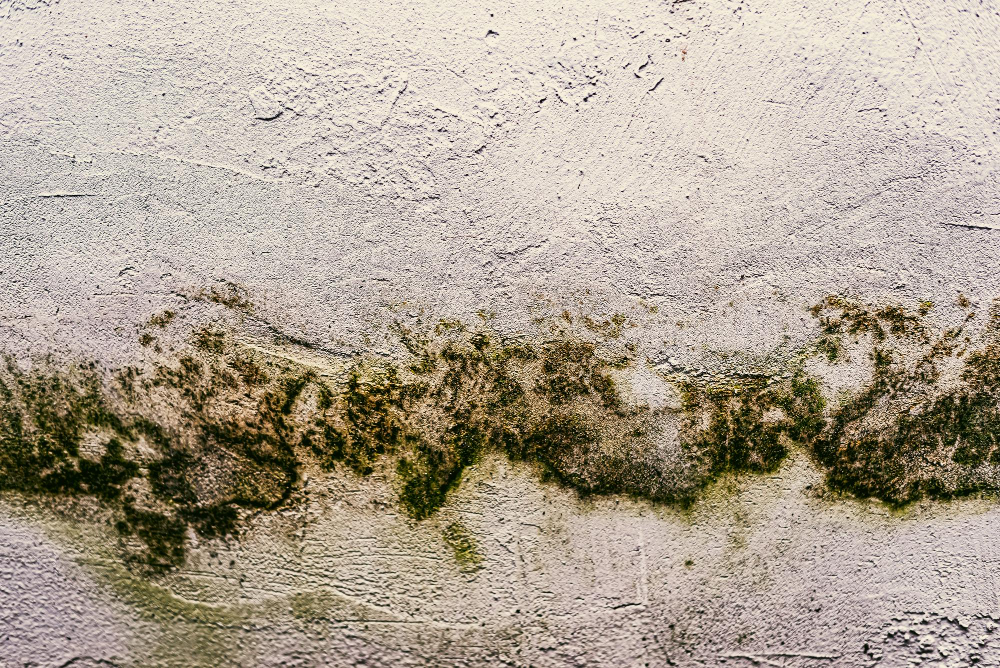
Then there is condensation. Warm moist air rises, hits a cold ceiling or a cold external wall, and gives up its moisture. If the cavity above is already damp from a slow leak, you have created ideal conditions for mould in the exact spot you cannot see. A surprising number of winter mould problems that get blamed on the heater are actually a roof problem being heated.
So the sequence matters. Sorting the water out first makes the heating cheaper. Doing it the other way round means paying to warm a wet building.
A Pre-Winter Run Through That Actually Takes One Weekend
Nothing here is complicated. It just needs to happen before the weather turns.
- Clear the gutters and check that every downpipe runs freely. Pour a bucket of water in and watch where it goes.
- Look over the roof properly, either from a ladder at the edge or by getting someone up there who does it for a living. Ridge capping, valleys, flashing around chimneys and vents, and any penetration for a skylight or aerial.
- Put your head into the roof cavity with a torch on a bright day. Daylight where there should not be any, dark staining on timber, or compressed damp insulation all tell you something.
- Book the heater service and a carbon monoxide check. Ask specifically for the flue to be inspected, not just the burner cleaned.
- Check that wall vents and flue terminals are clear of cobwebs, nests and garden growth.
- Replace perished door seals and add weather strips to the worst offenders. It is the cheapest heating upgrade available.
- Move furniture and curtains clear of heater outlets so you are not paying to warm the back of a lounge.
Get the Order Right
If you only do two things, do them in this order. Water out first, warmth in second, and both of them somewhere between February and April rather than the week the forecast turns.
The reason is availability as much as anything. In autumn you can choose your tradesperson, get a couple of quotes, and have the work done on a dry day at a normal price. In the middle of a cold snap you take whoever answers, at whatever they are charging, whenever they can get there. That gap between those two experiences is where most of the cost of putting it off actually sits.
There is a second reason too. Small faults found in autumn are still small. Cracked mortar is a repointing job. Cracked mortar that has let water in all winter is a repointing job plus a ceiling. A heater with a dirty burner is a service. A heater that has been run dirty all winter can be a replacement.
The Short Version
Houses do not fail suddenly. They fail slowly and then all at once, and the all at once part tends to land in the coldest fortnight of the year when nobody is available to help. Two appointments in autumn, one for the roof and one for the heater, buy you a winter where you never think about either of them. That is the whole point.
Also Read: 5 Common Restoration Damages That Happen in The Fall
Frequently Asked Questions – Pre-Winter Home Maintenance
01. How often does a gas heater actually need servicing?
Every two years for a flued heater in normal use, and every year for anything unflued or more than about ten years old. If the heater is in a bedroom or a small closed room, treat the annual check as nonnegotiable. A service should always include a carbon monoxide test, not just a clean.
02. Can I tell whether my roof is leaking without climbing up there?
Often, yes. Look for brown rings or bubbling paint on ceilings, damp or musty smells in cupboards on external walls, peeling paint under the eaves, and rust streaks in the roof valleys visible from the ground. Any one of those is worth a proper inspection, even if nothing has dripped yet.
03. Why does my house feel colder this year than it did last year?
Usually one of three things. Insulation that has taken on moisture and stopped working, door and window seals that have perished, or a heater running below its rated output because the burner is dirty. All three are cheap to check and none of them fix themselves.
04. When should I book this work in?
Somewhere between late summer and mid-autumn. You get dry roofs, normal pricing and your choice of tradesperson. Leave it until the first cold snap and you are joining a queue that is often three weeks long, at exactly the moment you least want to wait.
05. Is a small ceiling stain worth acting on straight away?
Yes. A stain means water has already been sitting in the cavity for a while, and the insulation above it is likely saturated. Left through a wet winter it becomes a plasterboard repair, a repaint and often an insulation replacement, which costs far more than tracing the leak did.
Courtesy - Featured Image(Magnific)
Author & Expert Review
Written By:  Gaurav Mishra | Civil Engineer & Content Writer

| Credentials: B.E. (Mahavir Swami College, Surat), Registered with Bhagwan Mahavir University (BMU). Experience: Civil Engineer with 5+ years of content writing experience, currently writing impactful articles for Gharpedia, part of SDCPL. Expertise: Specializes in writing well-researched content on residential construction, construction materials, design planning, on-site practices, and safety, blending technical accuracy with everyday clarity. Find him on: LinkedIn |
Verified By Expert: Ravin Desai – Co Founder – Gharpedia | Co Founder – 1 MNT | Director – SDCPL

This article has been reviewed for technical accuracy by Ravin Desai, Co-Founder of Gharpedia and Director at Sthapati Designers & Consultants Pvt. Ltd. With a B.Tech. in Civil Engineering from VNIT Nagpur and an M.S. in Civil Engineering from Clemson University, USA, and over a decade of international and Indian experience in the construction and design consultancy sector, he ensures all technical content aligns with industry standards and best practices.
Find him on: LinkedIn