





Table of Contents
Quick Summary
- Pedestrian safety around homes depends on more than driver behavior; property design can also affect visibility and reaction time.
- Tall hedges, solid fences, walls, gates, and decorative structures can create blind spots near driveways and sidewalks.
- Overgrown landscaping can narrow pedestrian paths and make it harder for drivers and pedestrians to see each other.
- Proper lighting around driveways and entrances can improve visibility, particularly after dark.
- Regularly trimming vegetation and reassessing sightlines after property changes can help create a safer environment.
Courtesy - Magnific
Pedestrian safety is usually framed as a matter of driver behavior and traffic rules. Speed limits, crosswalk markings, and right-of-way laws all matter, but they don’t tell the full story. The physical environment around a property, including fences, hedges, walls, gates, driveways, parked vehicles, and decorative structures, shapes what drivers can actually see at the moment it counts most.
A property doesn’t need to be obviously hazardous to create a real visibility problem. The more useful question is whether an attractive or practical feature on your property makes it harder for a driver to notice someone walking nearby.
How Property Features Can Block Visibility
Courtesy - Magnific
Most people assess their property from the sidewalk or the street. That view looks very different from inside a vehicle pulling out of a garage or making a turn onto a residential road.
Hedges and Dense Shrubs
Tall hedges along a sidewalk edge can look clean and well-maintained from the curb. From a driver’s seat, they may form a solid wall that hides an approaching jogger, child on a bicycle, or neighbor walking a dog. The problem grows as plants fill in over the seasons. Slowly, then all at once.
Solid Fences and Walls Near Driveways
A fence running close to the edge of a driveway cuts off the sightline to the sidewalk. A driver creeping forward to check for traffic may not see a pedestrian until the front of the vehicle has already crossed the walking path.
Low Tree Branches and Decorative Structures
Large trees with branches hanging at eye level can obscure parts of a sidewalk or crossing. Decorative columns, arbors, and similar structures near entrances create comparable blind spots, particularly when positioned at the corner of a property.
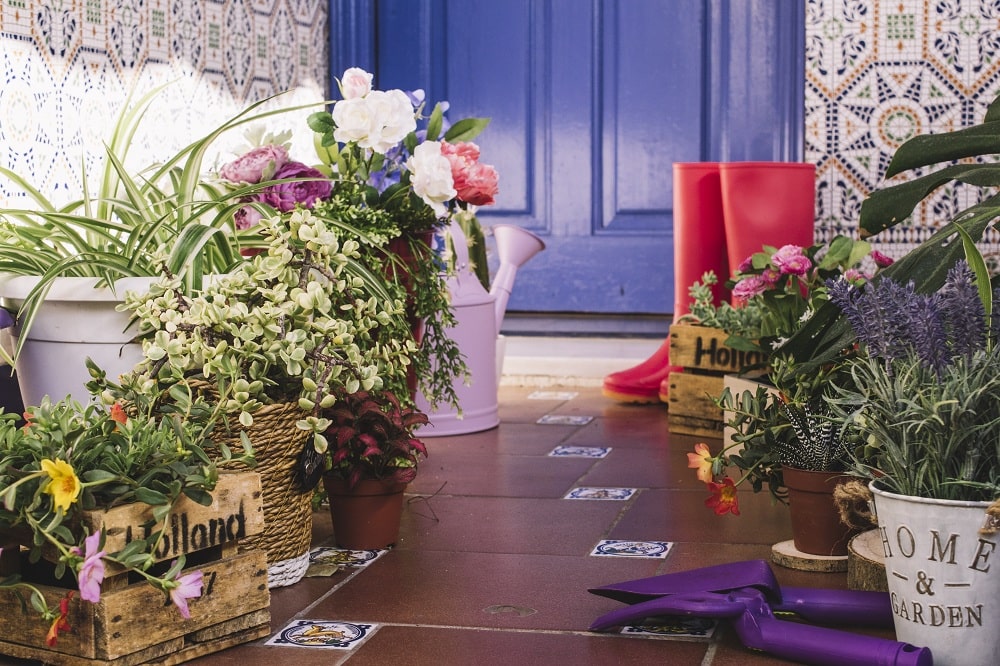
Landscaping That Grows Into Pedestrian Zones
Plants have a way of exceeding their original footprint. Shrubs that were knee-high when installed can eventually push into the sidewalk itself, narrowing the walking space and forcing pedestrians closer to the road. That shift changes where a driver needs to look and shrinks the margin for error.
The National Center for Health Statistics estimates that 8,747 pedestrians died in traffic or non-traffic incidents in 2024, with non-traffic incidents including those occurring on driveways, parking lots, and other private property. That figure is a reminder that the risks extend well beyond public roads and into the spaces immediately surrounding homes.
Driveways Are a Common Point of Conflict
Courtesy - Magnific
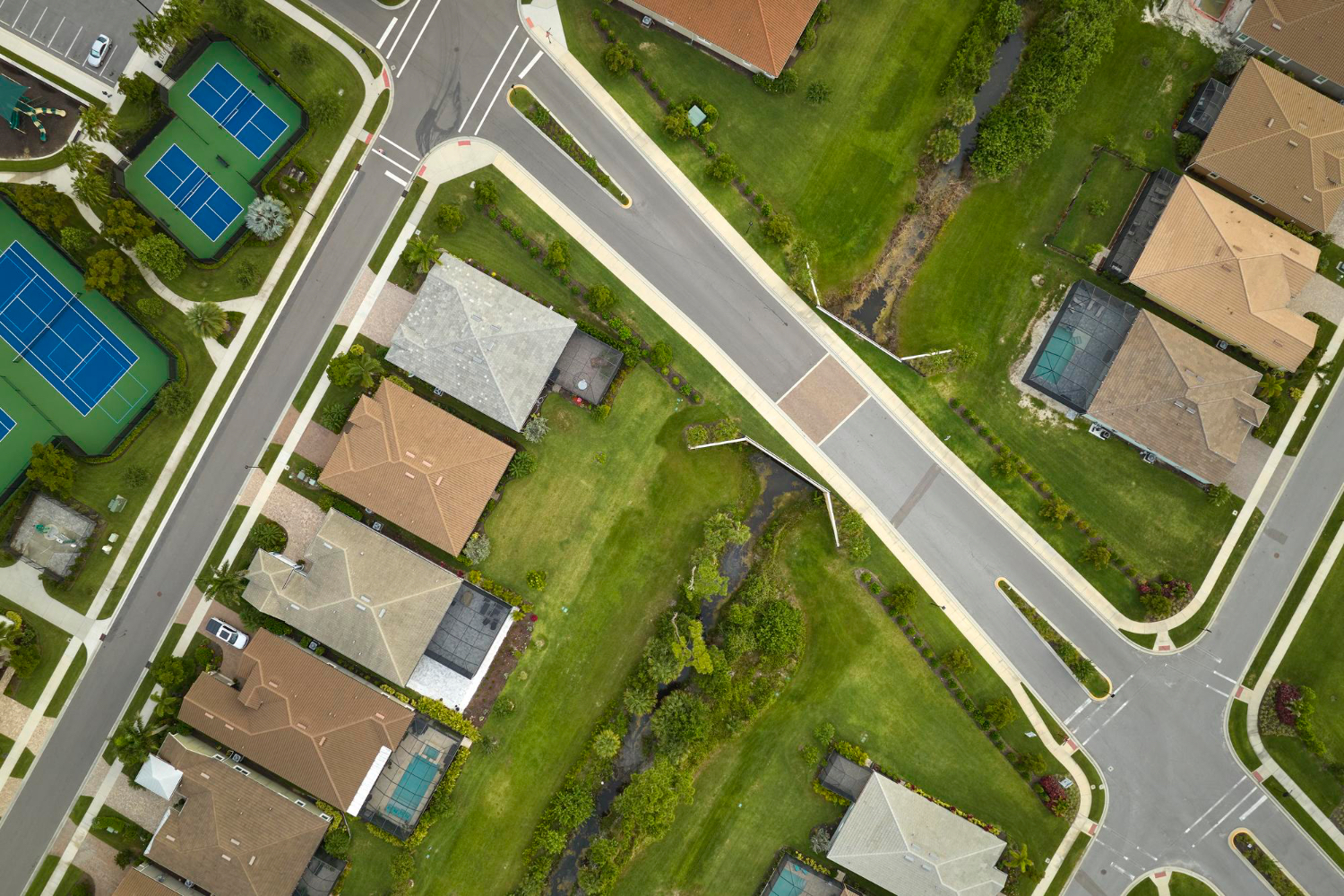
A driveway is where a vehicle and a pedestrian are most likely to occupy the same space at the same time. The driver is focused on the road ahead, checking for gaps in traffic, while a pedestrian approaching from the side may be entirely out of view.
Backing out of a garage is a particularly limited situation. The rear window shows only what is directly behind the vehicle. Anything approaching from the left or right, a child running to a neighbor’s house, a jogger mid-stride, or a cyclist cutting through the neighborhood, may not appear until the vehicle is already moving across the sidewalk.
Driveway width plays a role too. A wider driveway takes longer to cross, which means a pedestrian spends more time in the conflict zone. Surrounding walls, parked cars along the curb, or a gate positioned at the property line all add to the complexity. Trimming landscaping around the driveway helps drivers see the sidewalk and approaching pedestrians, and pedestrians also need to be able to see a vehicle pulling out.
The most practical check a homeowner can make is to sit in the driver’s seat and look at what is actually visible before backing out. Not what the property looks like from the front door. What the driver sees from inside the car.
When Property Design Contributes to an Accident
Courtesy - Magnific
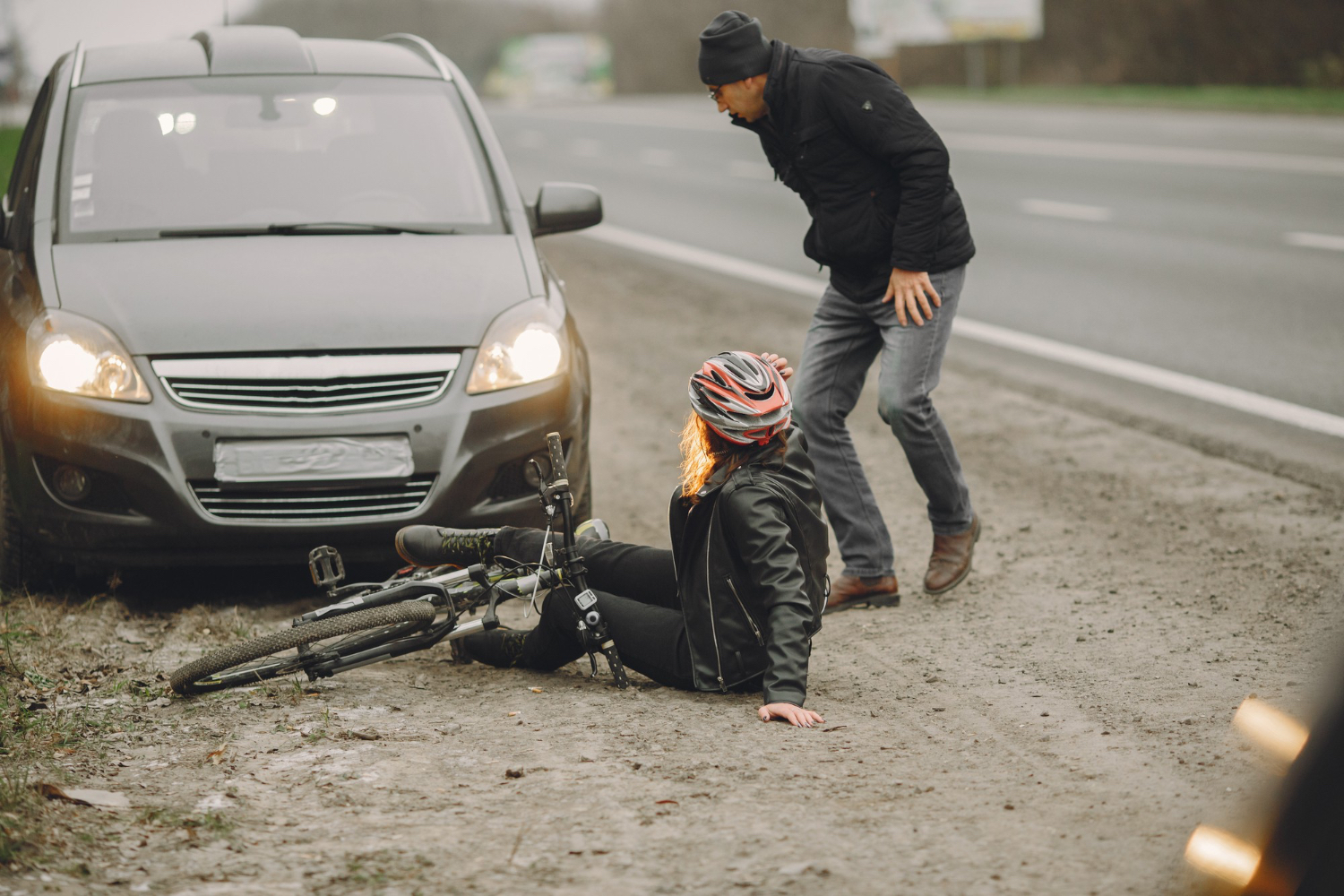
A collision between a vehicle and a pedestrian rarely has a single cause. Driver inattention, speed, lighting conditions, and the behavior of the pedestrian can all be factors. Property design or maintenance may also be part of the picture, particularly when visibility was reduced by something on or near the property.
This doesn’t mean a homeowner is automatically responsible whenever an incident occurs nearby. But it does mean the physical environment is worth examining when trying to understand what happened.
Someone involved in a collision may want to hire a pedestrian accident lawyer and pursue legal action. In that case, documenting the scene as thoroughly as possible can be important. Photographs of the surrounding area, the positions of any vehicles, nearby vegetation or structures, lighting conditions at the time of the incident, and contact information for witnesses can all provide useful evidence when determining what happened and supporting a potential claim.
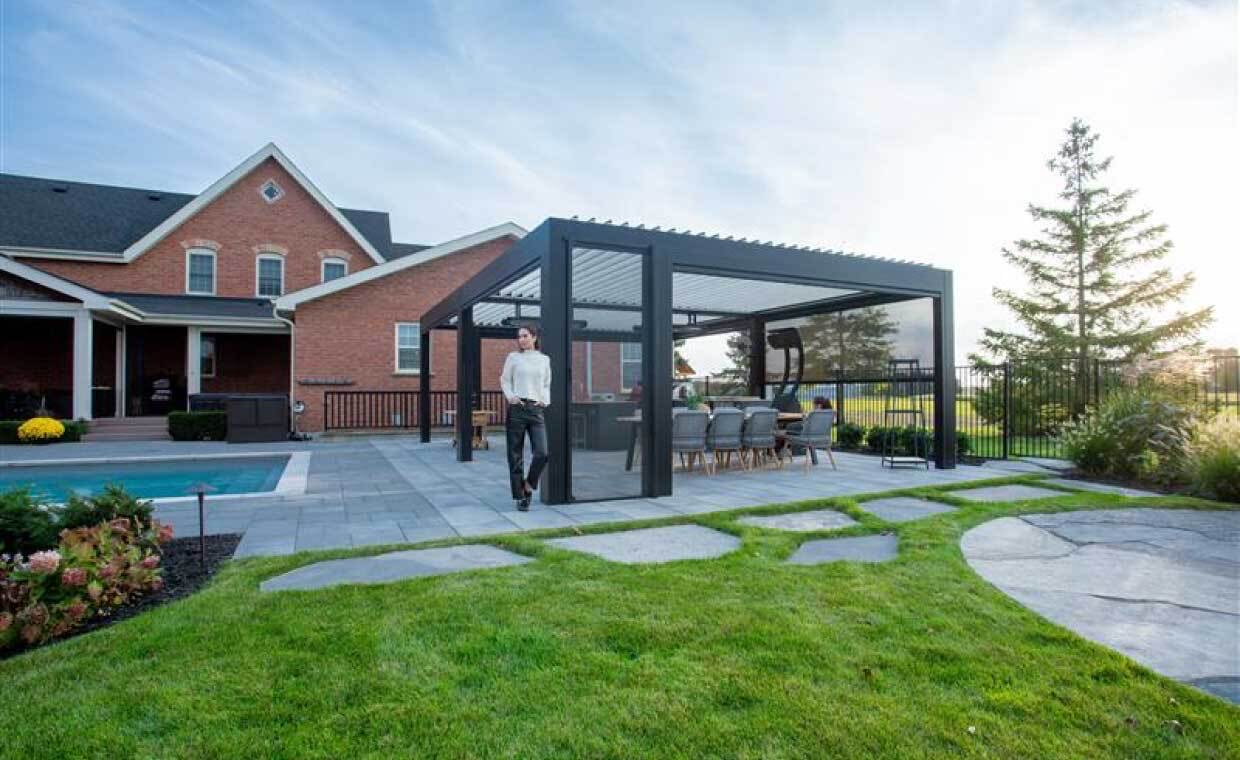
Fences, Gates, and Walls Need More Than Good Looks
Fencing serves real purposes. It provides privacy, defines property lines, and adds a layer of security. None of that changes the fact that a solid fence near a driveway, sidewalk, or intersection can create a blind spot that didn’t exist before it was installed.
Gates that swing outward toward a pedestrian path or street add another layer of risk. A person walking past may not expect a gate to open in their direction, and a driver operating the gate may not see who is approaching. It’s a simple setup for a bad outcome.
The solution is to think carefully about placement and design. Transparent sections, lower panels at critical sightline points, or a gap between the fence and the driveway edge can preserve privacy while keeping visibility open where it matters most. Property design works best when it balances aesthetics, security, and the safety of people passing by on foot.
Landscaping Can Change the Way Drivers See the Street
Landscaping decisions made years ago may look very different today. A row of shrubs planted at two feet tall can reach six feet within a few growing seasons. Trees that once had clear trunks may now have low branches filling in at eye level. What was a well-framed entrance can become a corridor that hides pedestrians from view.
Regular trimming is particularly important around driveways, sidewalk edges, and any corner where vehicles turn. The goal is to keep sightlines open at the height where a driver would be looking, not just at ground level.
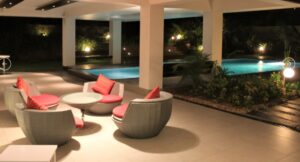
Lighting is another part of outdoor design that’s easy to overlook. According to NHTSA data, 74% of pedestrian traffic deaths in 2024 occurred during dark conditions, with or without artificial lighting. Adequate lighting around driveways and entrances helps drivers spot pedestrians and helps pedestrians see vehicles moving toward them. Good landscaping should frame a property without creating unnecessary blind spots, and good lighting should make those sightlines useful after dark.
Small Changes That Can Improve Visibility
Courtesy - Magnific
Most of the adjustments that improve pedestrian visibility around a property are straightforward:
- Keep driveway entrances clear of large planters, decorative objects, and overgrown vegetation
- Trim shrubs and hedges regularly, especially where they border sidewalks or driveway edges
- Avoid placing storage items, bins, or equipment close to the sidewalk
- Install or maintain adequate lighting near driveways and entrances
- Check what is visible from the driver’s seat before completing major landscaping changes
- Pay extra attention to areas where children frequently walk, play, or cross
- Reassess sightlines after adding any new fence, gate, tree, or structure near the property boundary
None of these steps require sacrificing the appearance of a property. They require thinking about the space from a different perspective.
The Takeaway
Property design influences more than curb appeal. The placement of fences, the height of hedges, the position of gates, and the reach of tree branches all affect what drivers can see and how much time they have to react when someone is walking nearby.
Homeowners don’t need to choose between a well-designed property and a safe one. Thoughtful placement, consistent maintenance, and attention to lighting can make a meaningful difference.
Also Read: Principles of Building Planning/Designing | Basics to Learn!
FAQs on Pedestrian Safety Around Homes
1. How can property design affect pedestrian safety?
Fences, walls, hedges, gates, trees, and other features can block sightlines and make it harder for drivers to notice pedestrians.
2. Which property features can create pedestrian blind spots?
Solid fences, tall hedges, low tree branches, decorative columns, gates, and overgrown landscaping can obstruct visibility near driveways and sidewalks.
3. How can homeowners improve visibility around a driveway?
Keep the driveway entrance clear, trim nearby vegetation, avoid placing large objects near the sidewalk, and check visibility from the driver’s seat.
4. Does lighting improve pedestrian visibility around homes?
Yes. Adequate lighting around driveways and entrances can help drivers spot pedestrians and help pedestrians see approaching vehicles.
5. How often should landscaping be checked for pedestrian safety?
Landscaping should be reassessed regularly, particularly after periods of significant growth or whenever new fences, trees, gates, or structures are added.
Courtesy - Featured Image(Magnific)
Author & Expert Review
Written By:  Nidhi Patel | Civil Engineer & Content Writer

| Credentials: B.E. (Mahatma Gandhi Institute of Technical Education and Research Centre), Registered with Gujarat Technological University (GTU). Experience: Civil Engineer with 3+ years of content writing experience, currently writing blogs for Gharpedia, part of SDCPL. Expertise: Specializing in SEO-optimized blogs and long-form articles focused on home improvement, construction, interiors and architect topics. I create well-researched, reader-focused content that balances technical accuracy with clarity, making complex subjects easy to understand. Find her on: LinkedIn |
Verified By Expert: Mansi Shah – Architect & Architectural Content Writer, SDCPL | B.Arch.
 Mansi Shah – Architect & Architectural Content Writer,
 This article has been reviewed for architectural and interior design accuracy by Mansi Shah, an Architect associated with Sthapati Designers & Consultants Pvt. Ltd. (SDCPL). With over 25 years of professional experience in architectural planning, design development, detailing, and on-site execution of residential, commercial, and institutional projects, she brings deep expertise in architecture and interior planning, material selection, construction practices, and building bylaws. Her review ensures the content reflects practical design principles, interior space efficiency, and industry-aligned architectural standards.
Find her on: LinkedIn