





Table of Contents
Quick Summary
- Planning outdoor lighting starts with understanding your exterior wall material.
- Explains how brick, stone, stucco, wood, concrete and painted walls react differently to light.
- Covers the best lighting techniques for every wall surface.
- Recommends suitable fixture placement and beam direction.
- Helps you choose the right colour temperature for a balanced appearance.
- Highlights common outdoor lighting mistakes to avoid.
- Shares practical tips for improving kerb appeal, safety and architectural beauty.
- Helps homeowners create attractive and functional exterior lighting.
Outdoor lighting can do more than make a home visible after sunset. It can highlight architectural details, improve safety, and make the exterior feel more welcoming. However, the best lighting choice depends heavily on the wall material.
Brick, stone, stucco, wood, concrete, and painted walls all reflect light differently. Some surfaces look better with strong texture and shadow, while others need a softer, more even glow. This guide explains how to choose the right outdoor lighting fixtures for different exterior wall materials, ensuring each surface looks balanced, natural, and attractive at night.
Why Exterior Wall Materials Matter in Outdoor Lighting
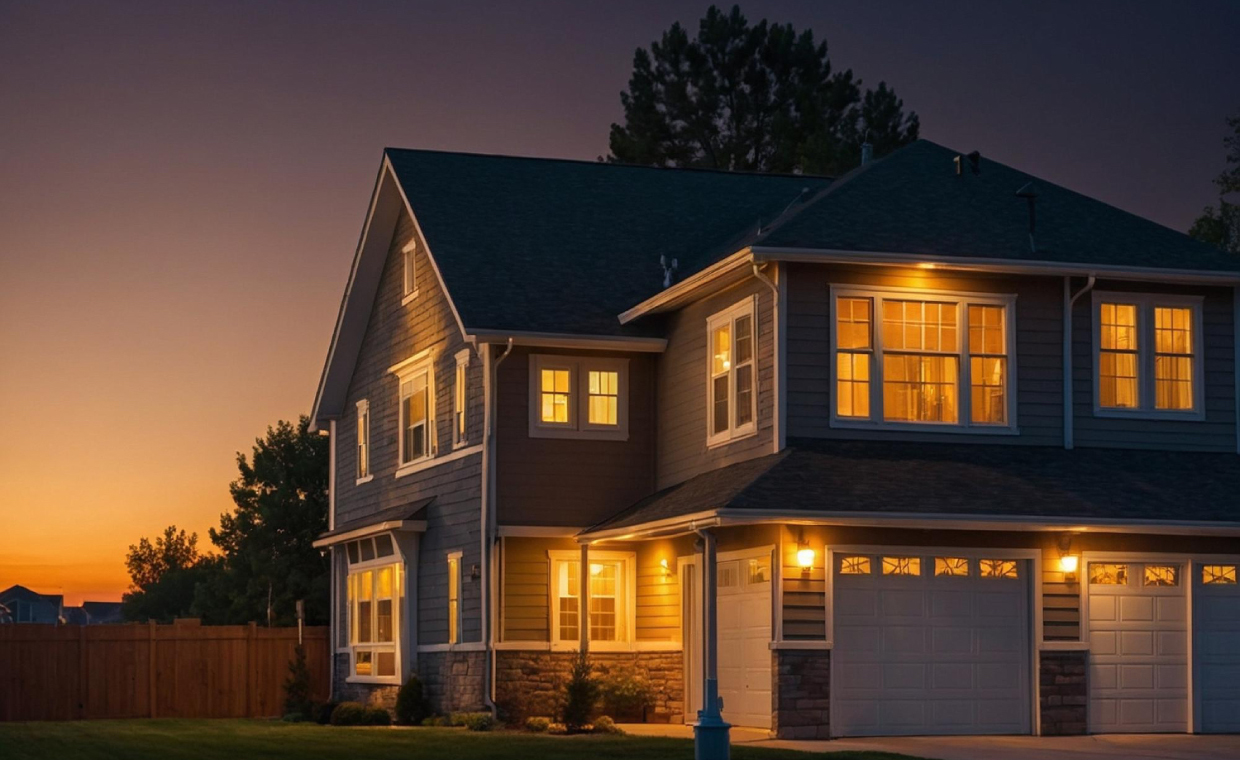
Outdoor lighting does not perform the same across all exterior wall surfaces. A fixture that enhances the texture of natural stone can appear overly harsh on smooth stucco, while a soft wall wash that works well on painted plaster may fail to bring out the character of brick or rough stone. In practice, this directly affects how you choose beam angles, brightness, and fixture placement. Before finalizing a lighting plan, using a texture replacer can help you preview how different wall finishes may respond to light and shadow.
- Texture and Shadow: Rough materials such as brick and natural stone create micro-shadows when illuminated from an angle, adding depth and a more architectural look to the façade. In contrast, smooth surfaces like stucco, painted plaster, or polished concrete reflect light more evenly. However, if the light is too intense or positioned too close, it can easily highlight surface imperfections such as cracks or uneven finishes.
- Color and Reflectance: Darker exterior walls absorb more light, often requiring higher lumen output or more focused beams to achieve a visible impact. Lighter surfaces reflect more light, so excessive brightness can lead to glare or a flat, washed-out appearance. Balancing output and beam spread is key to maintaining visual comfort and surface detail.
Best Lighting Approaches for Different Exterior Wall Materials
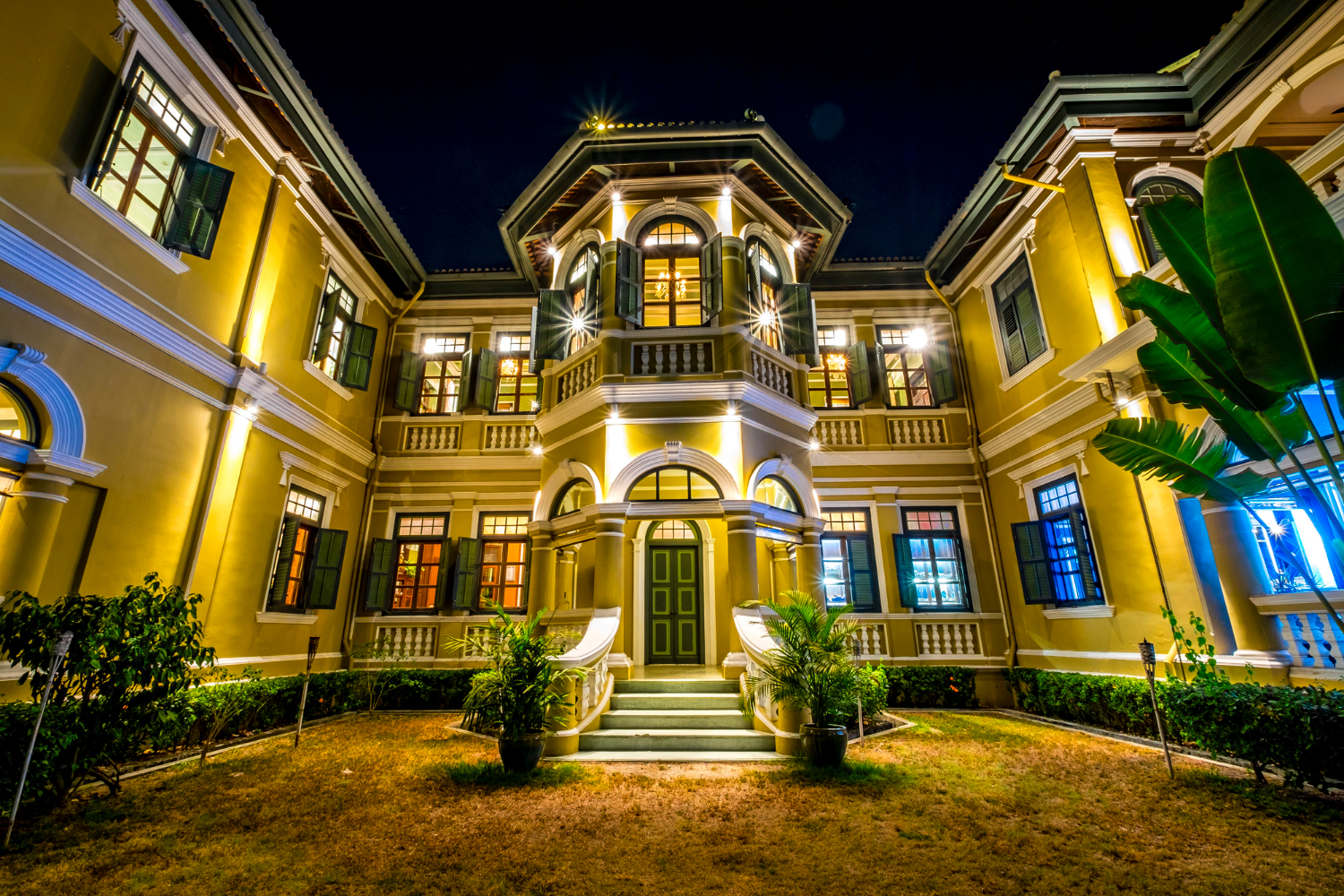
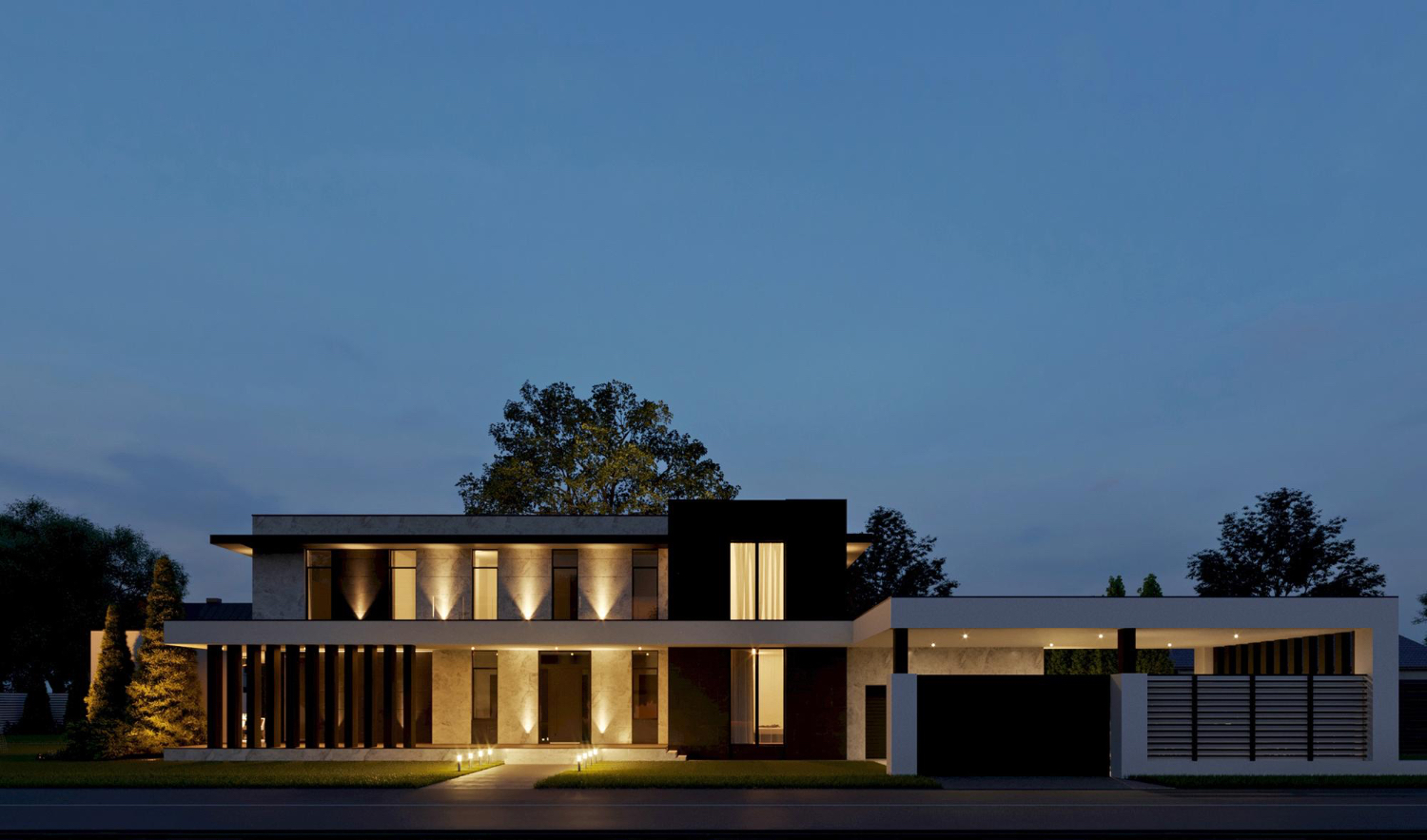
The right lighting technique depends on how each wall surface handles texture, shadow, and reflection. The table below gives a quick overview before looking at each material in more detail.
| Wall Material | Best Lighting Approach | Suggested Color Temperature | Main Purpose |
| Brick | Grazing light placed close to the wall | 2700K–3000K warm white | Highlight brick texture and mortar lines |
| Stone | Warm accent lighting or angled uplighting | 2700K–3000K warm white | Bring out natural depth and uneven surfaces |
| Stucco / Plaster | Soft wall washing with diffused light | Around 3000K warm neutral | Create an even glow without exposing flaws |
| Wood | Shielded, low-heat LED lighting | Around 2700K warm white | Enhance the natural grain while reducing glare |
| Concrete | Minimal linear lights or controlled accent lighting | 3000K–3500K neutral warm | Keep the exterior clean, modern, and understated |
| Painted Walls | Brightness adjusted to wall color | Depends on paint color | Avoid glare on light walls and add depth to dark walls |
Brick Walls: Highlight Texture with Grazing Light
Brick walls respond well to accent lighting because the surface already has natural depth. The edges of each brick and the recessed mortar lines can create attractive shadows when light hits them from the right angle.
For this material, grazing light is usually the best approach. Instead of shining light directly at the wall from a distance, place the fixture close to the surface so the beam travels upward along the brickwork.
- Best technique: Use well lights or slim linear uplights near the base of the wall to create a grazing effect.
- Best colour temperature: Choose warm white light between 2700K and 3000K to complement red, orange, brown, or clay-toned brick.
- Best areas to highlight: Focus on entry columns, porch walls, chimney details, or a small feature section near the front door.
Avoid lighting the entire brick facade with the same intensity. A few carefully lit areas often look more refined than a wall that is evenly flooded with light.
Stone Walls: Use Warm Accent Lighting to Show Natural Depth
Stone walls have irregular shapes, varied tones, and strong natural character. Whether the surface is natural stone cladding, stacked stone, slate, limestone, or textured stone panels, the right lighting can make it look richer after dark.
Unlike brick, stone does not always need a continuous line of grazing light. A more targeted accent lighting approach often works better, especially when the wall has uneven surfaces or strong architectural details.
- Best technique: Use adjustable spotlights, bullet lights, or recessed ground lights to highlight stone pillars, chimney stacks, arched entryways, or feature walls.
- Best fixture placement: Place fixtures slightly away from the wall and angle the beam upward or across the surface. This helps reveal the stone’s natural depth without making the lighting look too harsh.
- Best color temperature: Choose warm white light around 2700K to 3000K. It works well with tan, gold, brown, beige, and many natural stone tones.
For large stone surfaces, avoid lighting only one random section unless it is meant to be a focal point. A soft wall wash or a few balanced accent lights can make the stone feel warm and dimensional without looking overly dramatic.
Stucco Walls: Keep the Lighting Soft and Even
Stucco and textured plaster need a softer approach than brick or stone. Although the surface may look smooth from a distance, strong grazing light can reveal trowel marks, patch repairs, small cracks, dirt marks, or uneven areas.
Wall washing is usually a better choice for stucco. Instead of placing fixtures too close to the wall, keep the light slightly away from the surface so it spreads more evenly across the facade.
- Best technique: Use soft wall washing, shielded wall lights, or wide-beam fixtures to create an even layer of light.
- Best fixture placement: Position the fixture far enough from the wall to avoid sharp shadows, then angle the beam gently toward the surface.
- Best color temperature: Choose warm white or warm neutral light, usually around 2700K to 3000K for traditional homes and up to 3500K for modern exteriors.
For light-colored stucco, avoid excessive brightness because the surface can reflect more light than expected. For darker stucco, slightly stronger illumination may be needed, but the light should still feel diffused rather than harsh.
Wooden Exteriors: Choose Warm, Weather-Resistant Fixtures
Warm light usually works best on wood. It enhances the natural grain and keeps the exterior feeling comfortable and residential. Whether you are setting up permanent exterior fixtures or planning a seasonal Christmas light installation, using warm LEDs helps protect the wood finish while avoiding harsh glare.
Warm light usually works best on wood. It enhances the natural grain and keeps the exterior feeling comfortable and residential, while cooler light can make the surface look pale or washed out.
- Best technique: Use shielded wall sconces, soft downlights, or concealed strip lighting to bring out the lines and grain of the wood without creating harsh glare.
- Best fixture choice: Choose low-heat LED fixtures designed for outdoor use. This helps reduce heat exposure and improve energy efficiency.
- Best color temperature: Around 2700K warm white is usually ideal for natural wood tones, cedar, teak, and warm composite finishes.
- Best material finish: Powder-coated aluminium, brass, or stainless steel fixtures can work well. In humid or coastal areas, corrosion-resistant finishes become especially important.
Avoid placing strong, exposed lights too close to wooden surfaces. The goal is to make the wood feel warm and textured, not overly bright or visually heavy.
Concrete Walls: Use Minimal Lighting for a Modern Look
Concrete walls are often used in modern, minimalist, and industrial-style homes. Their appeal comes from clean lines, simple forms, and a strong architectural presence, so the lighting should feel controlled rather than decorative.
For concrete exteriors, minimal lighting usually works best. Instead of using ornate fixtures, choose simple lights that blend into the structure and let the wall shape stand out.
- Best technique: Use recessed lights, linear wall lights, low-glare uplights, or concealed strip lighting to create a clean and structured effect.
- Best fixture placement: Integrate lights into steps, boundary walls, entrance columns, rooflines, or recessed ceiling areas where possible.
- Best color temperature: Use warm neutral to neutral white light, usually around 3000K to 3500K for residential exteriors. Cooler light can work for a stronger industrial look, but it may feel harsh if overused.
- Best surface approach: For board-formed or textured concrete, angled accent lighting can bring out the pattern. For smooth concrete, soft wall washing is usually more suitable.
Avoid bright floodlights on concrete walls. They can make the exterior feel flat, cold, or commercial instead of refined and architectural.
Painted Exterior Walls: Match Lighting with Wall Color
Painted exterior walls can change dramatically under artificial light. A beige wall may look warm and soft, while the same fixture on a white wall can feel too bright. Darker colors such as navy, charcoal, deep green, or brown may need more carefully placed light to avoid looking flat after sunset.
- Best technique: Use soft wall washing or dimmable wall lights for light-colored walls. For darker walls, use focused accent lighting to add depth without simply increasing brightness.
- Best fixture choice: Choose shielded sconces, adjustable wall lights, or fixtures with dimming control to reduce glare and avoid bright hot spots.
- Best color temperature: Warm white works well with cream, beige, terracotta, and warm grey walls. Neutral white can suit white, blue-grey, charcoal, and modern monochrome exteriors.
- Helpful detail: If available, choose fixtures with good color rendering so the paint color looks closer to its true tone at night.
Test the lighting at night before final installation, if possible. Paint colors can shift noticeably under different color temperatures and brightness levels.
Common Mistakes to Avoid When Lighting Exterior Walls

Even with the right material strategy, a few installation details can quickly affect the final result. When planning exterior wall lighting, these are some of the most common issues to watch for:
- Ignoring glare control: If the light source is directly visible, it can cause discomfort and reduce the overall quality of the design. Fixtures with proper shielding, such as shrouds or baffles, help keep the light focused on the wall surface rather than shining into the eyes of people nearby.
- Over-illumination: Adding more light does not necessarily improve the outcome. Good outdoor lighting relies on contrast between light and shadow. When everything is evenly lit, the façade can appear flat and lose its visual depth, while also increasing unnecessary light spill.
- Mixing colour temperatures: Using different colour temperatures on the same façade can make the space feel inconsistent and unbalanced. For example, combining a warm 2700K accent light with a cool 5000K floodlight often creates a fragmented look. Keeping a consistent colour temperature across the main architectural surfaces usually delivers a cleaner and more cohesive result.
Final Thoughts
The best exterior lighting starts with the wall itself. Brick, stone, stucco, wood, concrete, and painted surfaces all respond to light in different ways, so the fixture, angle, and color temperature should be chosen with the material in mind.
Instead of lighting every surface the same way, focus on what each wall does best. Bring out texture where it adds character, soften the light where flaws may show, and keep the overall look balanced from the street.
Also Read: The Complete Guide to Landscape Lighting on a Budget
FAQs – Outdoor Lighting
1. Which outdoor lighting works best for brick walls?
Grazing lights placed close to brick walls highlight their texture and mortar lines, creating an attractive architectural effect.
2. What colour temperature is best for natural stone walls?
Warm white lighting between 2700K and 3000K enhances the natural colours and depth of most stone surfaces.
3. Can outdoor lighting damage wooden exterior walls?
Modern low-heat LED fixtures are safe for wooden walls when installed correctly with proper spacing and weather-resistant fittings.
4. Why should lighting differ for smooth and textured walls?
Textured walls benefit from accent lighting that creates shadows, while smooth walls usually require softer wall washing to avoid highlighting imperfections.
5. How can I avoid glare in outdoor wall lighting?
Use shielded fixtures, select appropriate brightness levels and position lights so the light source is not directly visible.
Author & Expert Review
Written By:  Gaurav Mishra | Civil Engineer & Content Writer

| Credentials: B.E. (Mahavir Swami College, Surat), Registered with Bhagwan Mahavir University (BMU). Experience: Civil Engineer with 5+ years of content writing experience, currently writing impactful articles for Gharpedia, part of SDCPL. Expertise: Specializes in writing well-researched content on residential construction, construction materials, design planning, on-site practices, and safety, blending technical accuracy with everyday clarity. Find him on: LinkedIn |
Verified By Expert: Ravin Desai – Co Founder – Gharpedia | Co Founder – 1 MNT | Director – SDCPL

This article has been reviewed for technical accuracy by Ravin Desai, Co-Founder of Gharpedia and Director at Sthapati Designers & Consultants Pvt. Ltd. With a B.Tech. in Civil Engineering from VNIT Nagpur and an M.S. in Civil Engineering from Clemson University, USA, and over a decade of international and Indian experience in the construction and design consultancy sector, he ensures all technical content aligns with industry standards and best practices.
Find him on: LinkedIn