




Table of Contents
Quick Summary
- Understand how microfibre quilts provide warmth without excessive weight.
- Learn why they are ideal for allergy sufferers and families.
- Compare microfibre quilts with down and other natural fill options.
- Discover how GSM affects warmth and seasonal suitability.
- Find out the advantages of all season combination quilts.
- Learn proper care methods to improve durability and hygiene.
- Explore the importance of cover fabric when selecting a quilt.
- Get practical buying tips to choose the right microfibre quilt for your bedroom.
Quilt shopping tends to get framed as a choice between natural fibres – wool, down, cotton – and “everything else,” with everything else quietly dismissed as the budget option. That framing undersells microfibre quilts, which have become a genuinely popular choice for a reason that has nothing to do with being cheap and everything to do with being practical for how most households actually live.
A microfibre quilt is filled with fine synthetic fibres, typically polyester, engineered to be significantly thinner than a human hair. That fineness is the whole point – it’s what allows microfibre fill to trap air efficiently for warmth while staying lightweight, and it’s also what gives microfibre its characteristic soft, slightly silky hand-feel that can genuinely rival natural down in comfort, without the natural-fibre price tag or care requirements.
Why Microfibre Exists as a Category
Down and feather quilts have long been considered the premium option for warmth-to-weight ratio, and for good reason – natural down clusters trap air exceptionally well. But down comes with real downsides: it’s expensive, it can trigger allergies in a meaningful portion of the population, it requires careful, often professional cleaning, and it performs poorly once damp, since wet down clumps and loses its insulating structure.
Microfibre was developed specifically to close that gap. Modern microfibre fill is engineered to mimic the loft and softness of down while sidestepping nearly all of its practical downsides. It’s hypoallergenic by nature, since there are no natural proteins or allergens involved the way there are with down and feather fill. It’s machine washable, in most cases, without needing to be sent out for specialist cleaning. And critically for Australian conditions, it performs consistently across humidity and temperature swings in a way natural fill sometimes struggles with.
The Allergy Question

This is worth dwelling on specifically, because it’s one of the more common reasons people search out microfibre quilts in the first place. Down and feather bedding is a well-documented allergy trigger for a meaningful share of the population – not necessarily an allergy to the feathers themselves in every case, but often to dust mites and other allergens that accumulate within natural fill over time and are harder to fully clean out. Wool, while breathable and naturally resistant to some allergens, isn’t suitable for people with a genuine wool or lanolin sensitivity.
Microfibre sidesteps both issues. There’s no protein-based material for dust mites to colonise as readily, and because most microfibre quilts are fully machine washable, allergen buildup can be addressed directly through regular washing rather than requiring specialist dry cleaning that natural-fill quilts often need. For households managing asthma, eczema, or other allergy-related conditions, this is frequently the deciding factor over natural fill options, regardless of price.
Warmth Without the Weight
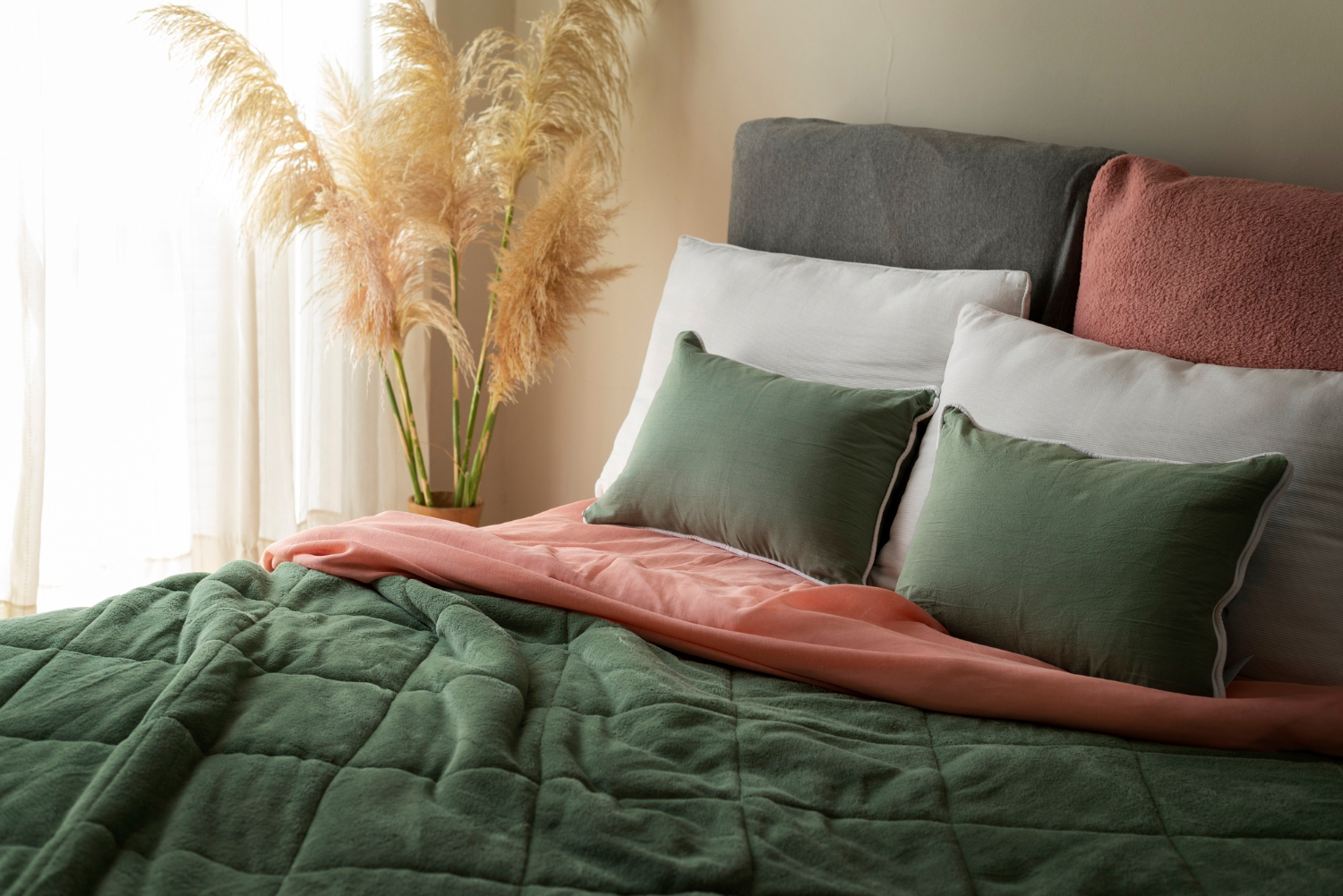
One of the more counterintuitive things about good microfibre fill is how warm it can be relative to how light it feels. This comes down to fibre engineering – because microfibre strands are so fine, more of them can be packed into a given volume than coarser natural fibres, which increases the number of tiny air pockets trapped within the fill. Air is the actual insulator in any quilt, not the fill material itself, so a well-made microfibre quilt with a high fill density can rival much heavier natural-fill alternatives for warmth while remaining noticeably lighter to sleep under.
This matters more than it might seem for sleep quality. A heavy quilt can restrict movement and create pressure points during the night, which some sleepers find disruptive even if the quilt is technically warm enough. A lighter microfibre quilt that achieves similar warmth without the weight tends to suit a broader range of sleeping styles, including side sleepers and people who move around more during the night.
Understanding GSM and Fill Ratings
When comparing microfibre quilts, GSM – grams per square metre – is the specification worth paying attention to, since it’s a reasonably reliable indicator of both warmth and quality. Lower GSM quilts, generally in the 150–200 range, suit warmer climates or summer use, offering a light layer without significant insulation. Mid-range GSM, roughly 250–350, works as an all-season option for much of Australia’s more temperate regions, balancing warmth against breathability. Higher GSM quilts, above 400, are built for genuinely cold conditions and colder states or higher-altitude regions, where a heavier, denser fill is needed to maintain warmth through winter nights.
It’s worth checking this figure specifically rather than relying on vague marketing terms like “extra warm” or “winter weight,” since these aren’t standardised across brands the way GSM generally is. A quilt described as winter-weight from one retailer might sit at a similar GSM to another brand’s mid-season option, so the number itself is the more reliable comparison point.
All-Season and Combination Options
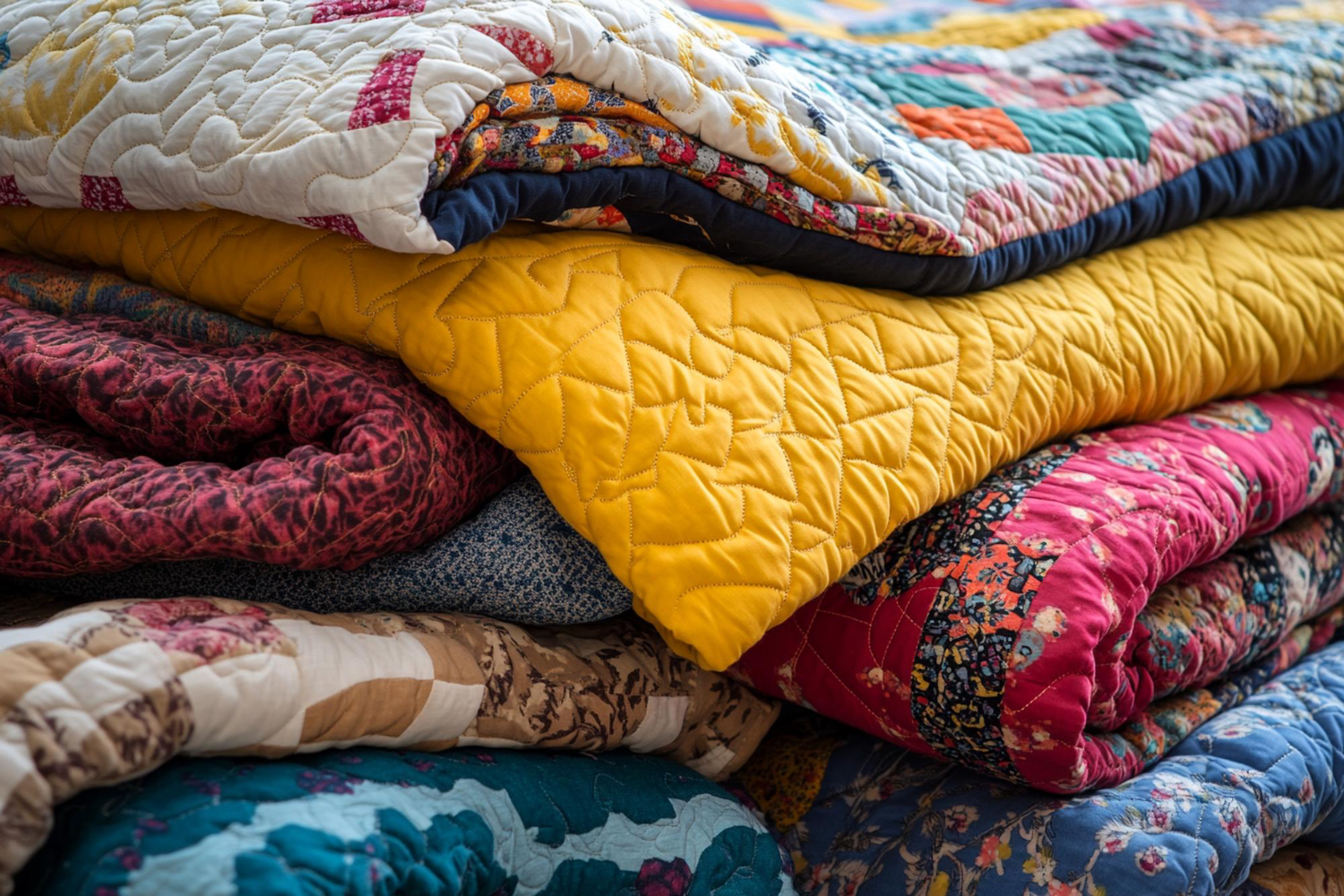
A detail that trips up a lot of first-time buyers is the difference between a single quilt and an all-season combination set, which pairs a lighter summer-weight quilt with a heavier winter-weight one, joined together with poppers or ties for use as a single, warmer quilt through the coldest months. This kind of setup offers more flexibility than a single fixed-weight quilt, since the two pieces can be used separately, together, or swapped seasonally without needing to buy multiple quilts outright. For households in regions with pronounced seasonal temperature swings, this combination approach tends to offer better year-round value than committing to one fixed weight.
Care and Longevity
One of the clearer practical advantages microfibre holds over natural fill is how straightforward ongoing care actually is. Most microfibre quilts can go through a standard home washing machine, provided it has sufficient capacity, and tumble dry on a low setting without the fill clumping the way down can if it gets even slightly damp during washing. This matters more than it might initially seem, since a quilt that’s easy to wash is a quilt that actually gets washed regularly, which has a direct effect on allergen levels, general hygiene, and how fresh a bed feels over time.
Longevity is reasonable with proper care, though it’s worth being realistic: microfibre fill can compress and lose loft faster than well-maintained down over a period of many years of heavy use, so periodic fluffing and occasional replacement, generally every few years for a well-used quilt, keeps performance consistent. This is a fair trade-off against the significantly lower upfront cost and far simpler care routine compared to natural fill alternatives.
Choosing Cover Fabric
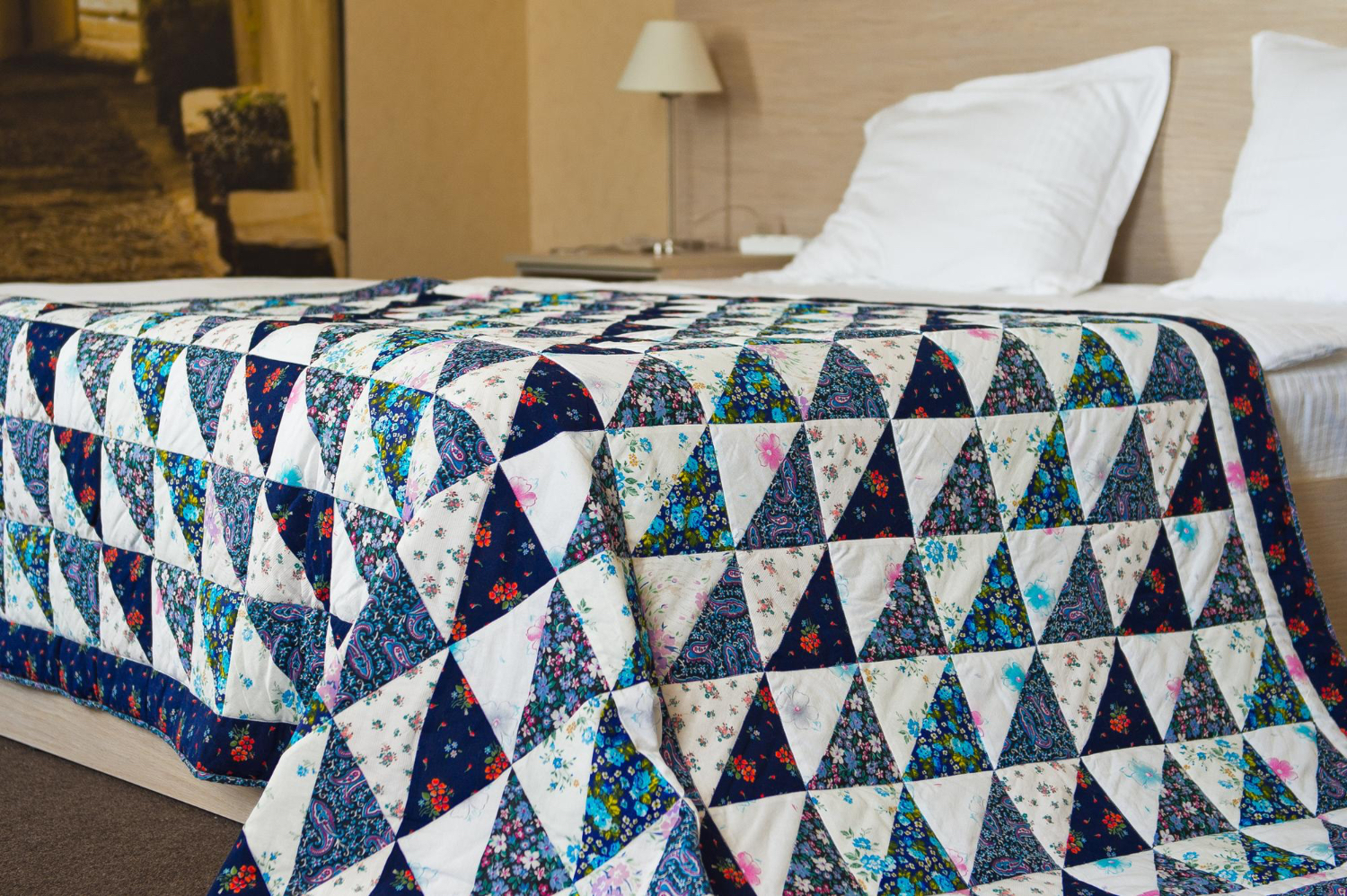
The fill isn’t the only factor worth considering – the outer cover fabric affects both feel and breathability meaningfully. Cotton-covered microfibre quilts breathe better and feel cooler against skin, which suits warmer sleepers or Australian summers specifically. Polyester or microfibre-covered options tend to be more budget-friendly and slightly more durable against repeated washing, though generally at some cost to breathability. For anyone particularly sensitive to overheating overnight, checking the cover fabric alongside the fill GSM is worth the extra minute before buying.
Who Microfibre Suits Best
Microfibre quilts are a strong fit for a fairly wide range of households, which partly explains their popularity. Allergy sufferers benefit from the hypoallergenic properties and easy washability. Budget-conscious buyers get most of the comfort and warmth benefits of down without the associated price. Families with children get a genuinely practical option – machine washable, resistant to the kind of spills and accidents that would be a real problem for a natural-fill quilt requiring specialist cleaning. And anyone furnishing a rental property, share house, or guest room benefits from microfibre’s combination of comfort, low cost, and low maintenance relative to premium natural-fill alternatives.
The exception is genuinely serious cold-climate use, where very high-GSM down still edges out microfibre for warmth-to-weight ratio at the extreme end. But for the overwhelming majority of Australian bedrooms and climate conditions, that gap is narrow enough that microfibre’s practical advantages tend to outweigh it.
Making the Right Choice
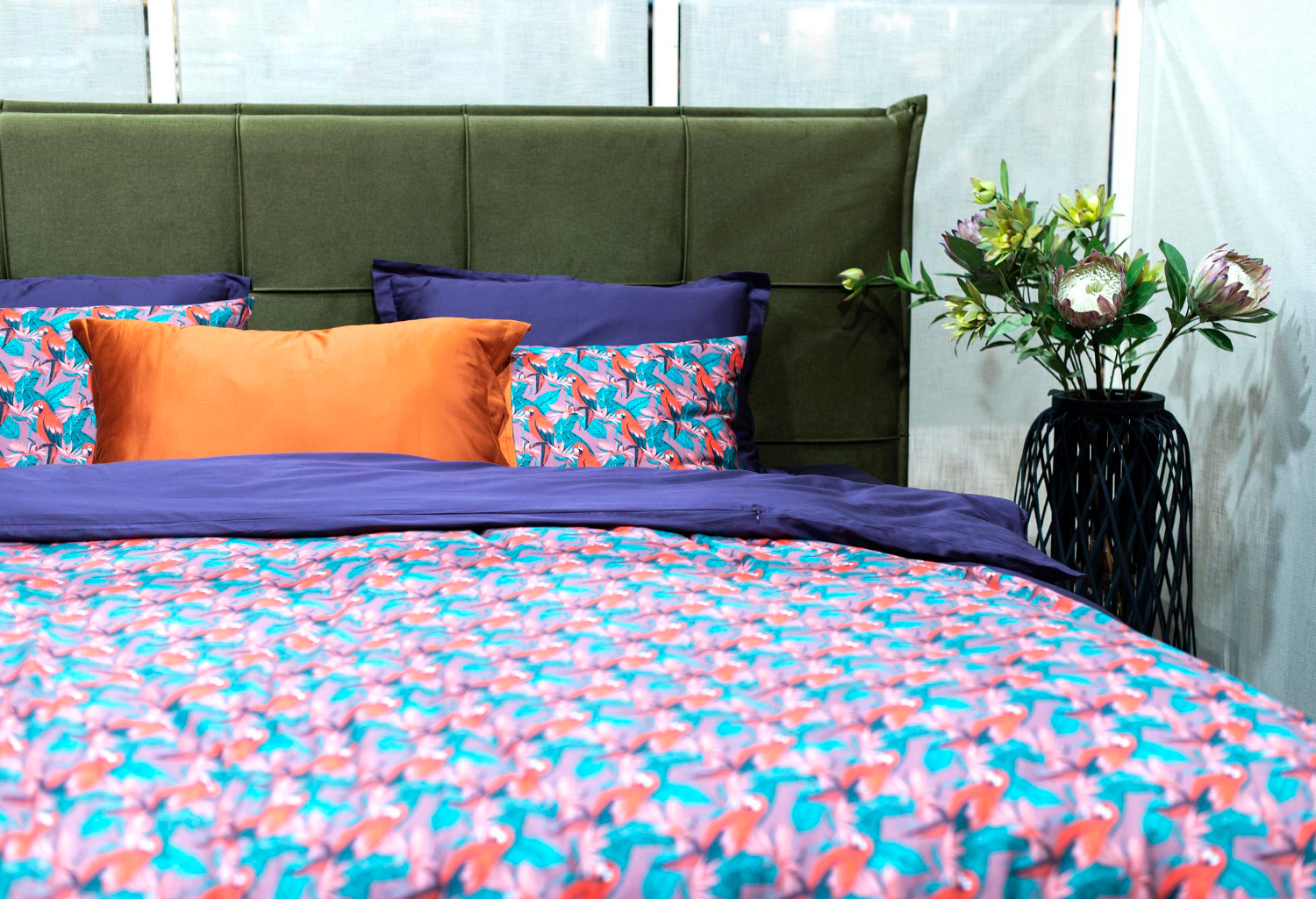
For anyone weighing up quilt options without wanting to commit to the cost and care demands of natural fill, it’s worth properly comparing a microfibre quilt against the alternatives before defaulting to whichever option looks warmest in a product photo. Checking GSM against the climate it’ll actually be used in, confirming the cover fabric suits personal temperature preference, and factoring in how often the quilt will realistically be washed all matter more to the eventual sleep experience than brand name or marketing language.
The broader case for microfibre isn’t that it’s simply the cheaper alternative to natural fill – it’s that for most households, most of the year, it delivers comparable comfort with meaningfully fewer downsides. That combination of performance and practicality is exactly why it’s become a mainstay rather than a fallback option in Australian bedrooms.
A Note on Sustainability
It’s worth addressing directly: synthetic fill has historically had a weaker sustainability reputation than natural alternatives, and that’s a fair concern to raise. The category has moved considerably in recent years, though – many microfibre quilts now use recycled polyester fill sourced from post-consumer plastic, which reduces both landfill waste and the demand for virgin synthetic material. It’s worth checking specifically for recycled-content certification if this is a priority, since it isn’t universal across all microfibre products yet, but the better-made options in this category increasingly compete favourably with natural fill on environmental grounds as well as practicality.
Common Questions About Microfibre Quilts
A question that comes up often is whether microfibre quilts are actually as warm as they feel in-store, given how light they are compared to a bulky down alternative. The honest answer is that warmth depends almost entirely on GSM and fill quality rather than how thick a quilt looks or feels when folded on a shelf – a well-engineered microfibre quilt at the right GSM for a given climate performs comparably to natural fill at a similar warmth rating, even though it will generally look and feel less bulky. Buyers judging warmth purely by hand-feel in a showroom often underestimate genuinely well-made microfibre options for exactly this reason.
Another frequent question is how often a microfibre quilt actually needs replacing. With reasonable care – regular washing on a gentle cycle, avoiding high heat when drying, and occasional fluffing to redistribute compressed fill – a good-quality microfibre quilt should perform well for several years of regular use before loft loss becomes noticeable enough to justify replacement. This compares reasonably against natural fill options, which can last longer under ideal care but require considerably more attention and expense to maintain that lifespan.
Buyers also frequently ask about noise and texture, since some synthetic fills have a reputation for feeling slightly stiff or making a faint rustling sound with movement. This is largely a quality and construction issue rather than an inherent property of microfibre itself – better-constructed quilts use baffle-box or channel stitching to keep fill evenly distributed and prevent it bunching or shifting, which also happens to reduce the rustling sensation some cheaper, flat-stitched synthetic quilts are known for. Checking construction style, not just fill type, is worth the extra attention when comparing options across different price points.
Sizing and Fit Considerations
Getting the size right matters more than buyers often expect, particularly for couples or anyone sharing a bed. A quilt sized precisely to the mattress dimensions can leave both sleepers pulling at the edges overnight, which disrupts sleep regardless of how good the fill itself is. Opting for a size larger than strictly necessary – a queen quilt on a double bed, for instance – gives enough drop over the sides to stay in place through normal movement, without requiring the added expense and washing complexity of an oversized king option. This is a small, often overlooked detail that has a disproportionate effect on how well a quilt actually performs night to night, independent of GSM or fill quality.
Also Read: How to buy bed sheets for your Beautiful Home and Better Sleep?
FAQs – Microfibre Quilt
1. Are microfibre quilts suitable for all seasons?
Yes, choosing the right GSM allows a microfibre quilt to provide comfort in summer, winter or throughout the year.
2. Can a microfibre quilt help people with allergies?
Yes. Microfibre quilts are hypoallergenic and can be machine washed regularly, helping reduce allergens such as dust mites.
3. How do I choose the correct GSM for a microfibre quilt?
Lower GSM suits warmer weather, medium GSM is ideal for year round use, while higher GSM is best for colder climates.
4. How often should a microfibre quilt be washed?
Most microfibre quilts can be washed every few months or as recommended by the manufacturer to maintain cleanliness and freshness.
5. Is a microfibre quilt better than a down quilt?
It depends on your needs. A microfibre quilt offers easier maintenance, affordability and allergy friendly benefits, while down provides superior warmth for extremely cold conditions.
Author & Expert Review
Written By:  Gaurav Mishra | Civil Engineer & Content Writer

| Credentials: B.E. (Mahavir Swami College, Surat), Registered with Bhagwan Mahavir University (BMU). Experience: Civil Engineer with 5+ years of content writing experience, currently writing impactful articles for Gharpedia, part of SDCPL. Expertise: Specializes in writing well-researched content on residential construction, construction materials, design planning, on-site practices, and safety, blending technical accuracy with everyday clarity. Find him on: LinkedIn |
Verified By Expert: Farhan Shaikh – Senior Manager – Architect, SDCPL | Associate Member – IIA

This article has been reviewed for architectural and interior design accuracy by Farhan Shaikh, Senior Manager – Architect at Sthapati Designers & Consultants Pvt. Ltd. As the lead for all architectural and interior projects at SDCPL and an Associate Member of the Indian Institute of Architects (IIA), he brings hands-on experience in architectural planning, interior design, project coordination, and sustainable strategies. His review ensures the content reflects practical design considerations, industry best practices, and real-world applicability across both architecture and interior spaces.
Find him on : LinkedIn