



Table of Contents
Quick Summary
- Explore how thoughtful landscape planning creates attractive outdoor spaces that are easier to maintain.
- Learn why choosing climate-suitable plants reduces watering, pruning, and ongoing care.
- Understand how proper spacing and layered planting improve plant health while limiting weed growth.
- Discover techniques used to manage plant growth and reduce frequent trimming.
- Find out how pathways, mulch, and companion planting simplify everyday garden maintenance.
- See how smart irrigation systems and sustainable landscaping practices help save time, water, and effort.
- Gain practical ideas for designing landscapes that remain beautiful and manageable for years.
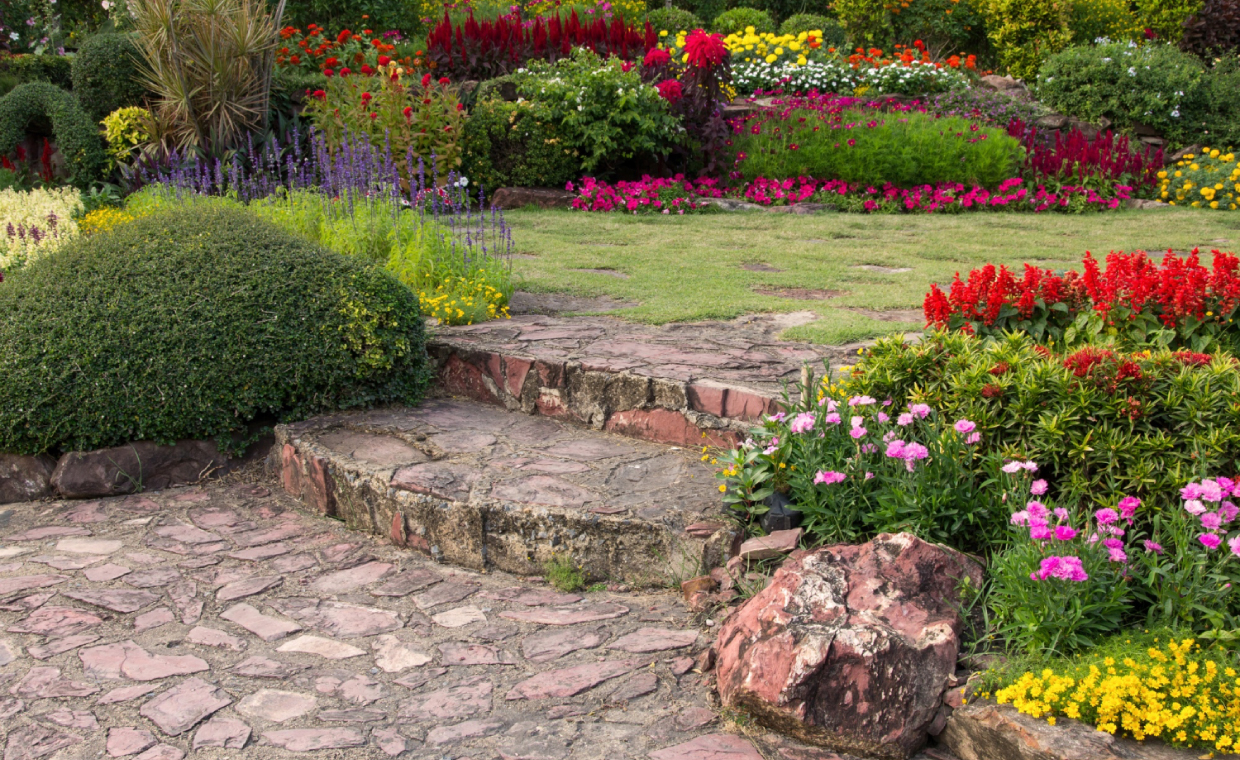
Picture a vibrant garden bursting with color, or a sleek courtyard where every plant is perfectly placed and thriving. What you might not see is all the careful planning that goes into keeping those spaces looking their best season after season. Landscape designers know that the best outdoor areas aren’t just beautiful, they are also surprisingly manageable!
By combining smart plant choices, efficient layouts, and clever techniques for encouraging growth, it is possible to create spaces that retain their beauty yet don’t demand endless hours of maintenance. If you want an outdoor area that looks great and is easy to care for, it pays to borrow a few tricks from the pros.
Thoughtful Plant Selection Sets the Stage
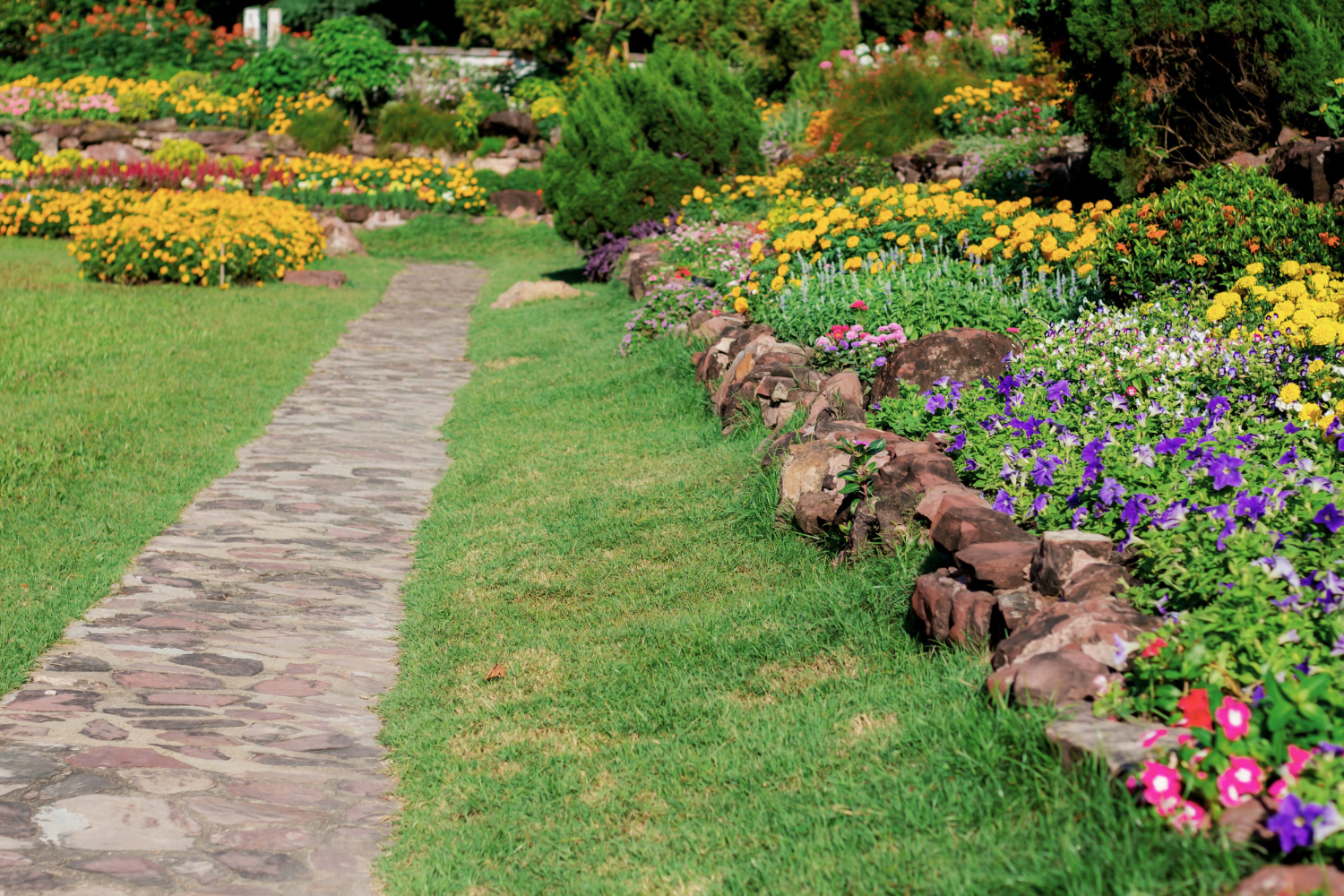
Picking the right plants is the designer’s first job. Choosing species that suit the local climate and soil cuts down on extra watering, fertilizer, and pest control. For example, drought-tolerant plants thrive with little attention in hot regions, while evergreens provide year-round color without constant raking or pruning.
If you are just getting started, consult a local specialist. Expert landscapers from your area know to steer clear of species that grow too aggressively or cause mess due to fruits, seeds, and leaves.
Spacing and Layout Make a Big Difference
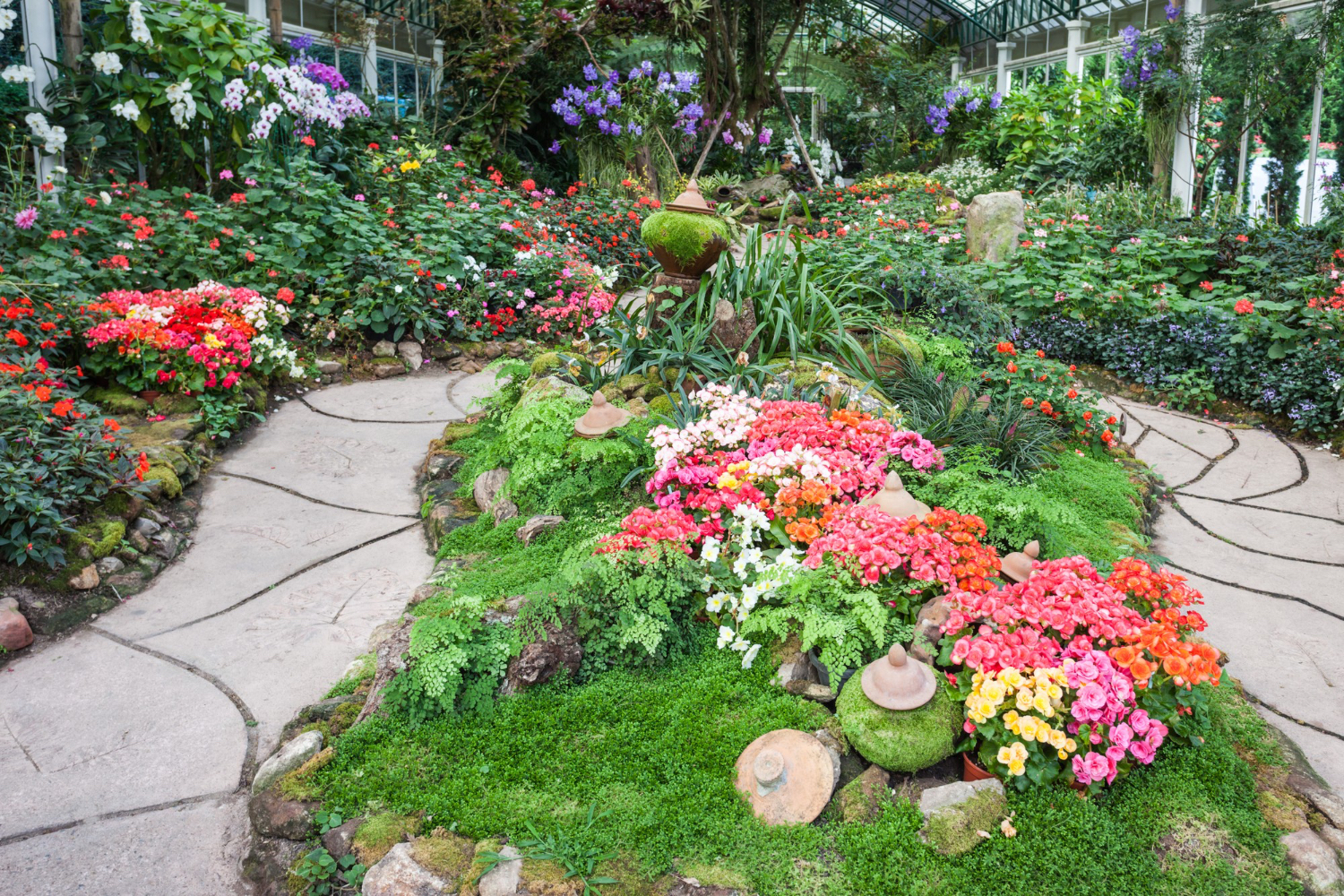
It’s tempting to pack new gardens with greenery right from the start, but smart designers think ahead. By allowing plants enough space to reach their full size, there’s less crowding and fewer disease problems down the road. Proper spacing also lets air circulate, which keeps foliage healthy and looking fresh.
Another trick is to create layered plantings, mixing taller trees and shrubs with lower-growing ground covers. This makes maintenance easier, reduces the growth of weeds, and prevents you from getting down on your hands and knees too often.
Growth Management for Lasting Beauty
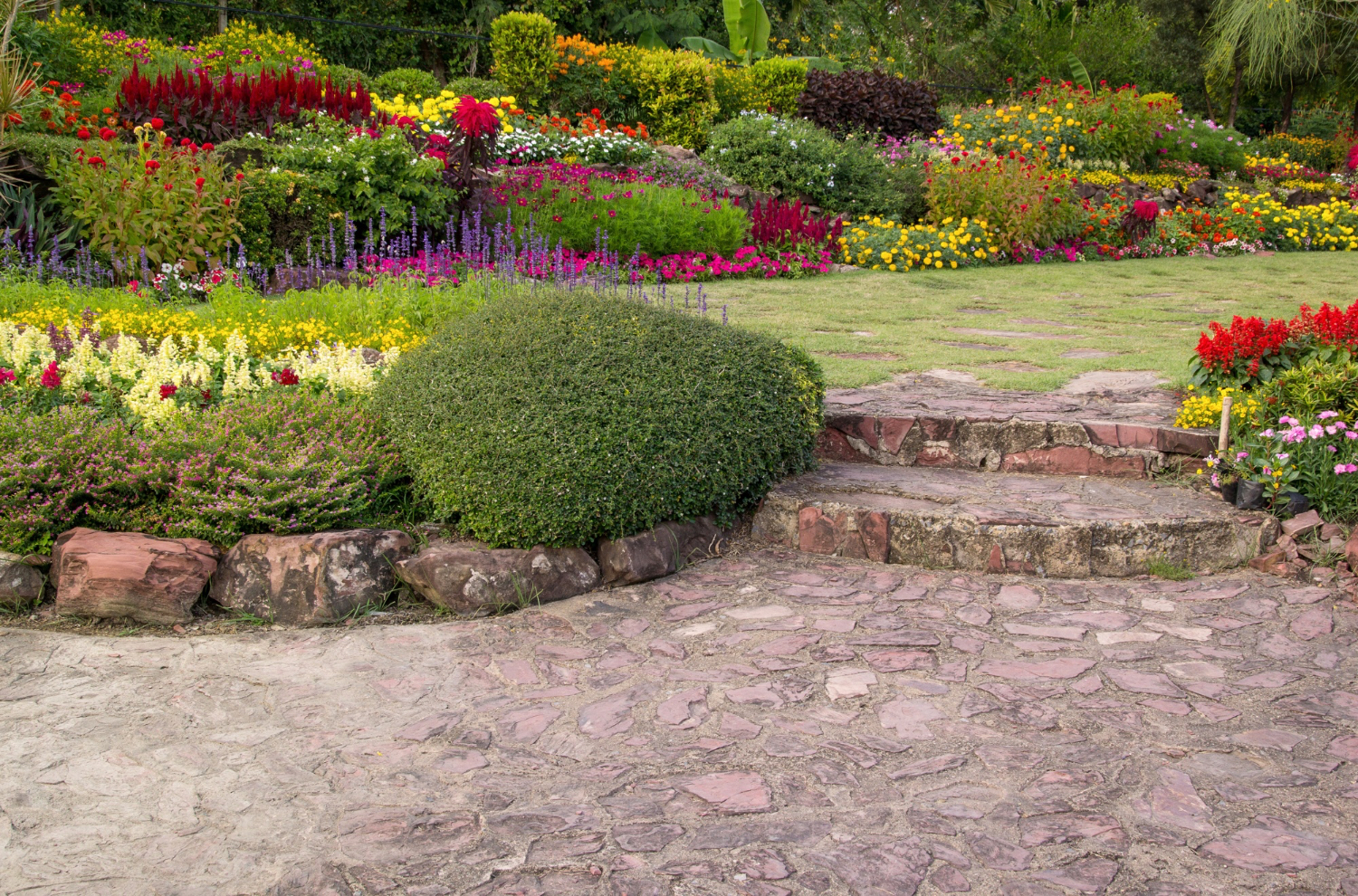
Every plant grows at its own pace, and without control, some will overrun a landscape or quickly lose their intended shape. Routine pruning and selective trimming keep beds neat and highlight focal points, but there are also innovative ways to manage plant size and vigor.
One approach used by many professionals is the addition of a plant growth regulator to the care routine. Tools like this plant growth regulator help keep shrubs, hedges, or lawns at the right height for longer stretches of time, limiting the need for frequent trimming while maintaining healthy, lush growth.
Designing With Long-Term Management in Mind
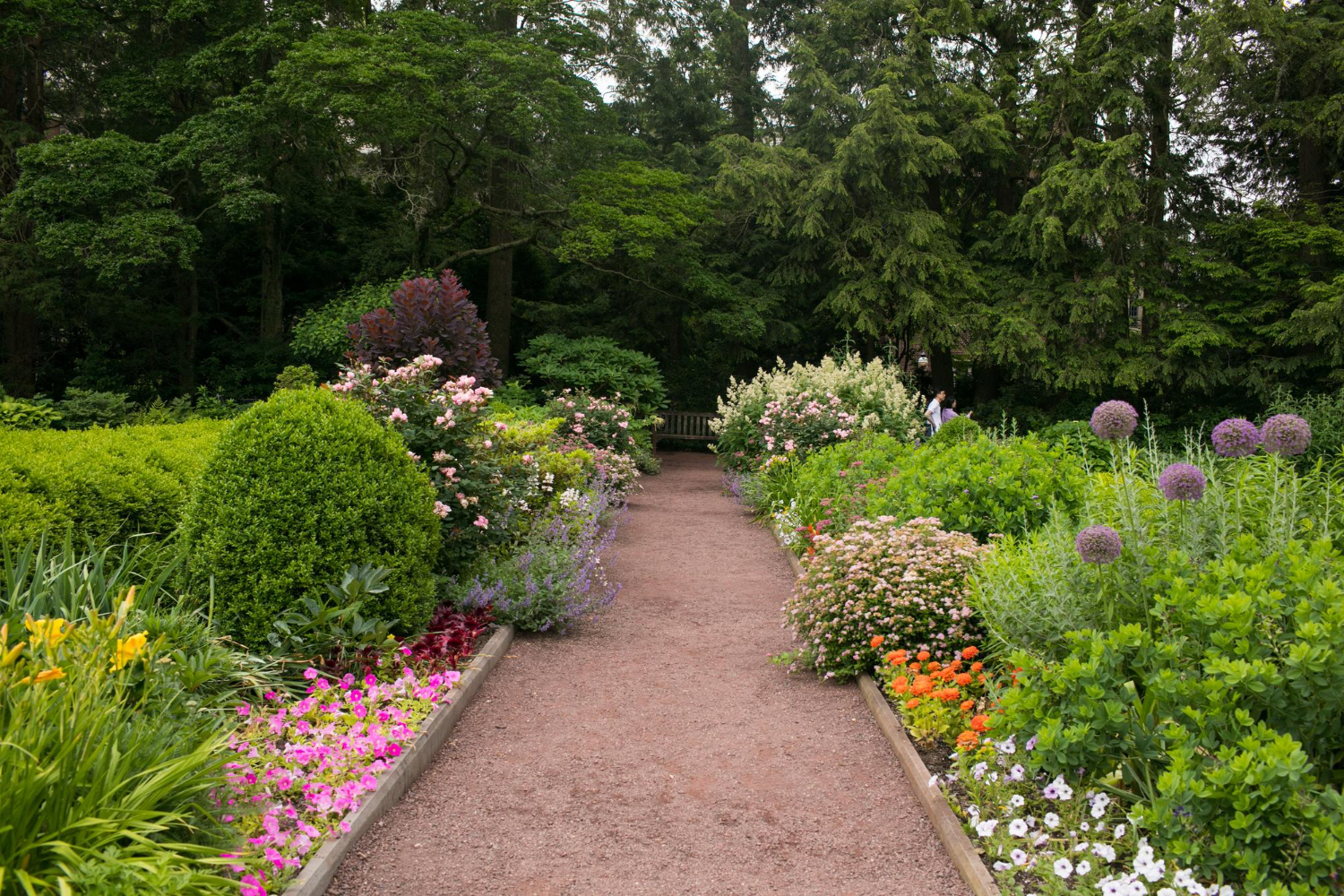
A manageable landscape isn’t just about what you plant, but how the whole space functions. Consider opting for a garden design and style that prioritizes easy access to all areas and companion planting. For instance, adding pathways and mulched borders makes routine chores like weeding, mowing, and watering take less effort. Mulch also keeps moisture in the soil and crowds out weeds naturally, reducing time spent on maintenance.
Companion planting (growing certain types of plants together) offers natural benefits, too. For example, placing pest-repelling herbs near vegetables can cut down on chemical use, while pairing nitrogen-fixing plants with heavy feeders keeps soil healthy. These combinations help the garden thrive and reduce the need for constant intervention. Lastly, rain gardens and smart irrigation systems can automate watering, saving even more time and supporting reduced water use. A win for both you and the environment!
A Space That Grows with You
The best outdoor environments look just as good years from now as they do on day one. With strategic plant choices, thoughtful layout, and a few modern management tools, any landscape can remain tranquil and tidy, and not just for one season, but for many to come!
For more ideas on creating a landscape that stays beautiful with less work, check out our in-depth guides on landscape maintenance and efficient garden design.
Also Read: How Landscaping Can Increase Your Property Value?
FAQs – Low Maintenance Landscape Design
1. What is low maintenance landscape design?
Low maintenance landscape design focuses on creating attractive outdoor spaces that require less watering, pruning, weeding, and overall upkeep while remaining visually appealing.
2. Which plants are best for a low maintenance garden?
Native plants, drought tolerant species, evergreen shrubs, and hardy ground covers are excellent choices because they adapt well to local conditions and need minimal care.
3. How does mulch help reduce garden maintenance?
Mulch retains soil moisture, suppresses weed growth, regulates soil temperature, and reduces the need for frequent watering and weeding.
4. Why is plant spacing important in landscape design?
Proper spacing allows plants to grow naturally, improves air circulation, reduces the risk of disease, and minimises overcrowding as plants mature.
5. Can smart irrigation systems reduce landscape maintenance?
Yes. Smart irrigation systems provide water only when required, helping conserve water while reducing manual watering and supporting healthier plant growth.
Author & Expert Review
Written By:  Gaurav Mishra | Civil Engineer & Content Writer

| Credentials: B.E. (Mahavir Swami College, Surat), Registered with Bhagwan Mahavir University (BMU). Experience: Civil Engineer with 5+ years of content writing experience, currently writing impactful articles for Gharpedia, part of SDCPL. Expertise: Specializes in writing well-researched content on residential construction, construction materials, design planning, on-site practices, and safety, blending technical accuracy with everyday clarity. Find him on: LinkedIn |
Verified By Expert: Ravin Desai – Co Founder – Gharpedia | Co Founder – 1 MNT | Director – SDCPL

This article has been reviewed for technical accuracy by Ravin Desai, Co-Founder of Gharpedia and Director at Sthapati Designers & Consultants Pvt. Ltd. With a B.Tech. in Civil Engineering from VNIT Nagpur and an M.S. in Civil Engineering from Clemson University, USA, and over a decade of international and Indian experience in the construction and design consultancy sector, he ensures all technical content aligns with industry standards and best practices.
Find him on: LinkedIn