




Table of Contents
Quick Summary
- Keeping your lawn in top shape starts with proper mowing habits and consistency.
- Cutting grass too short weakens roots and increases weed growth.
- Following the one third rule prevents stress and promotes steady growth.
- Sharp mower blades ensure clean cuts and healthier grass.
- Mowing at the right time avoids damage during heat or wet conditions.
- Changing mowing direction improves lawn appearance and prevents soil compaction.
- Leaving grass clippings adds nutrients back into the soil.
- Seasonal adjustments and proper watering help maintain long term lawn health
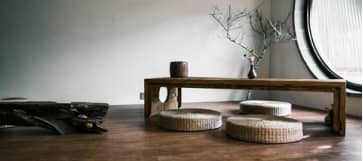
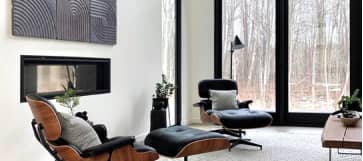
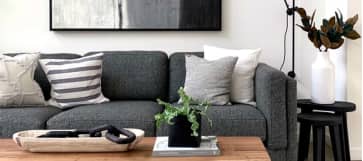
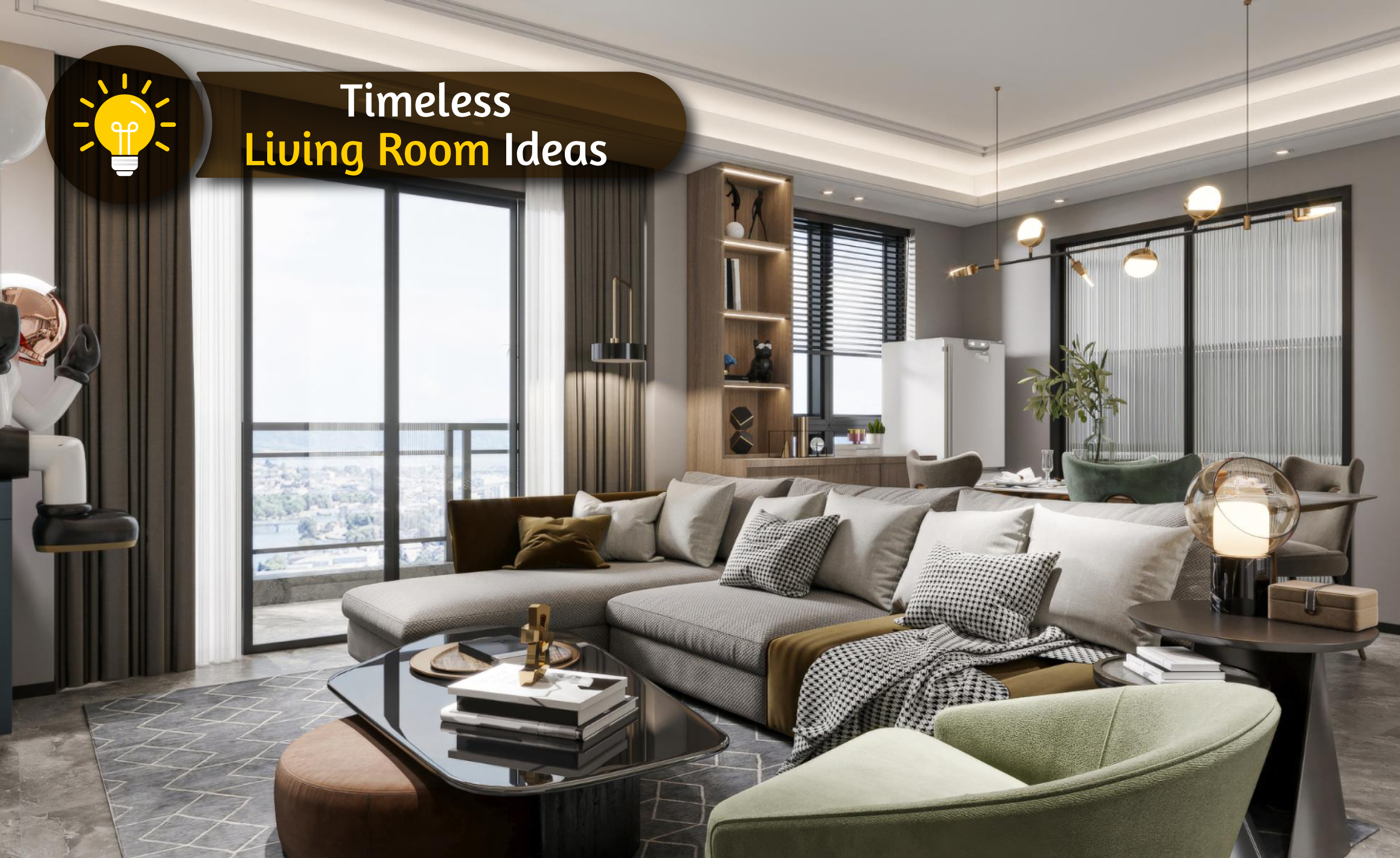
A living room has a way of setting the tone for everything else in a home. It’s where people land after long days, where conversations stretch out longer than planned, and where design choices either quietly support the moment or fight for attention in all the wrong ways. Getting it right doesn’t mean chasing trends or copying what everyone else is doing. It comes down to a handful of thoughtful decisions that make the space feel grounded, personal, and easy to live in.
Start With Foundations
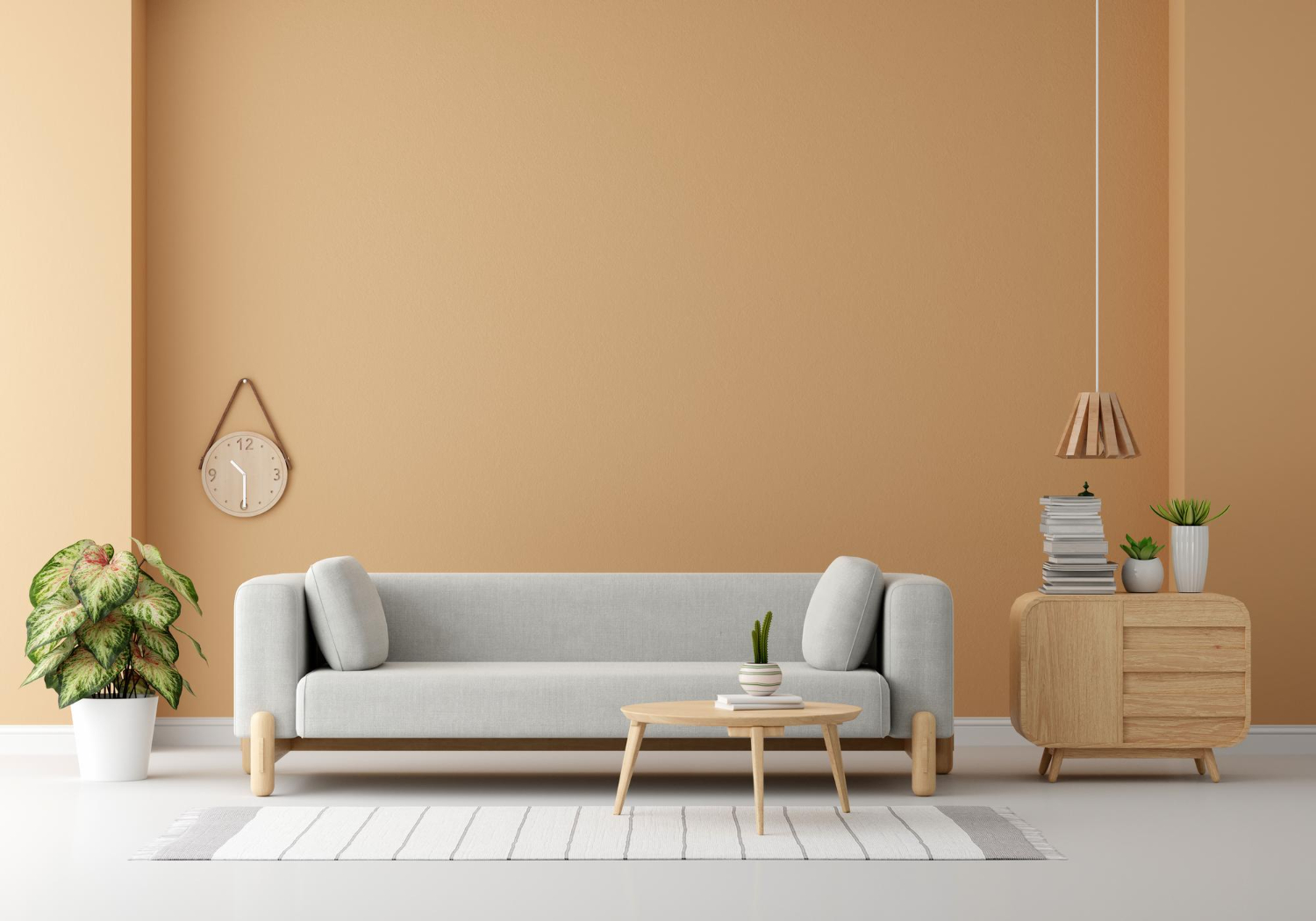
Every strong living room begins with the basics and interior design trends, and this is where a lot of people either rush or overcomplicate things. The foundation is not about filling the room quickly, it’s about giving it structure. A solid sofa that actually fits the scale of the room is the anchor. If it looks too small, everything else will feel off. If it’s oversized, it can swallow the space.
From there, the rug matters more than most people think. It should sit under the front legs of your seating at minimum, and ideally tie everything together without looking like an afterthought. This is also where color starts to settle in. Neutral does not have to mean boring, but it does give you room to layer without the space feeling chaotic.
Lighting plays a bigger role than people expect. Overhead lighting alone rarely does the job. A mix of floor lamps and table lamps brings warmth and depth, especially in the evening when the room shifts into its most lived-in version of itself.
Art That Matters
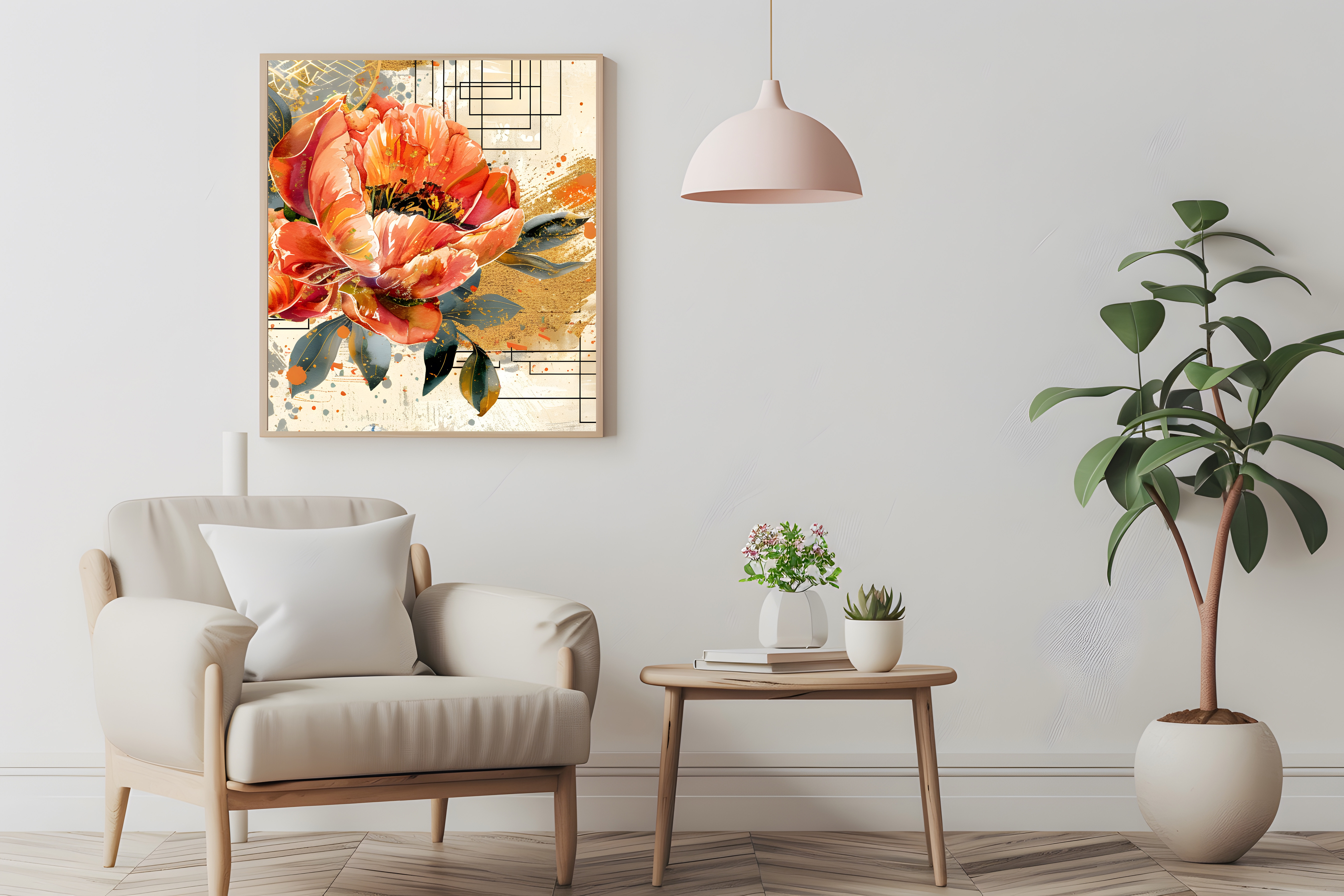
Wall art is where personality really shows up, and it is often the difference between a room that feels staged and one that feels like someone actually lives there. Prints can work, but original pieces bring a level of texture and presence that is hard to replicate.
The key is choosing pieces that resonate rather than trying to match a color palette perfectly. That tends to create rooms that feel overly coordinated and a little stiff. When you lean into work that speaks to you, the room naturally builds around it.
At some point, it becomes clear that original brutalist art, impressionist or whatever your preference – original art is always the way to go. That choice carries weight in a way mass-produced decor simply cannot. It gives the room a focal point that feels intentional, not borrowed.
Placement matters just as much as the art itself. Hanging pieces too high is one of the most common mistakes. Keeping artwork at eye level or slightly below helps the room feel grounded and connected.
Layering the Space
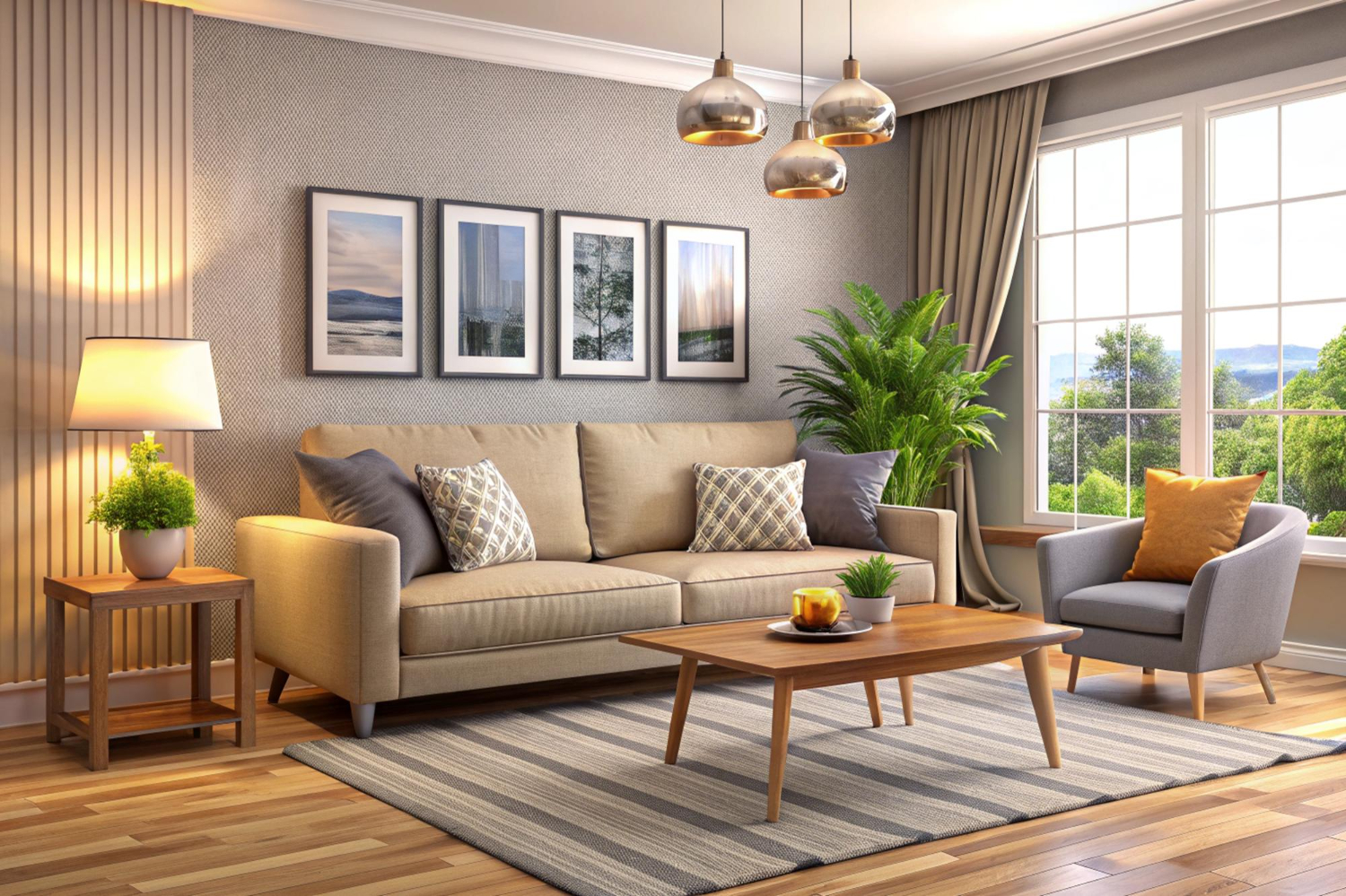
Once the main pieces are in place, the room starts to come alive through layering. This is where textures and smaller elements shift the space from functional to inviting. Throw pillows, blankets, and even the materials of your furniture all play into how the room feels.
Mixing textures keeps things interesting without needing bold colors everywhere. A linen sofa paired with a leather chair, a chunky knit throw against a smooth wood coffee table, these contrasts add depth in a way that feels natural rather than forced.
Plants deserve a mention here, not as decor for the sake of it, but as something that softens the edges of a room. Even one or two well-placed plants can make a space feel more relaxed and lived in.
This stage is also where restraint becomes important. It is easy to keep adding, but knowing when to stop is what keeps the room from feeling cluttered. A few strong choices almost always outperform a dozen average ones.
Furniture That Works
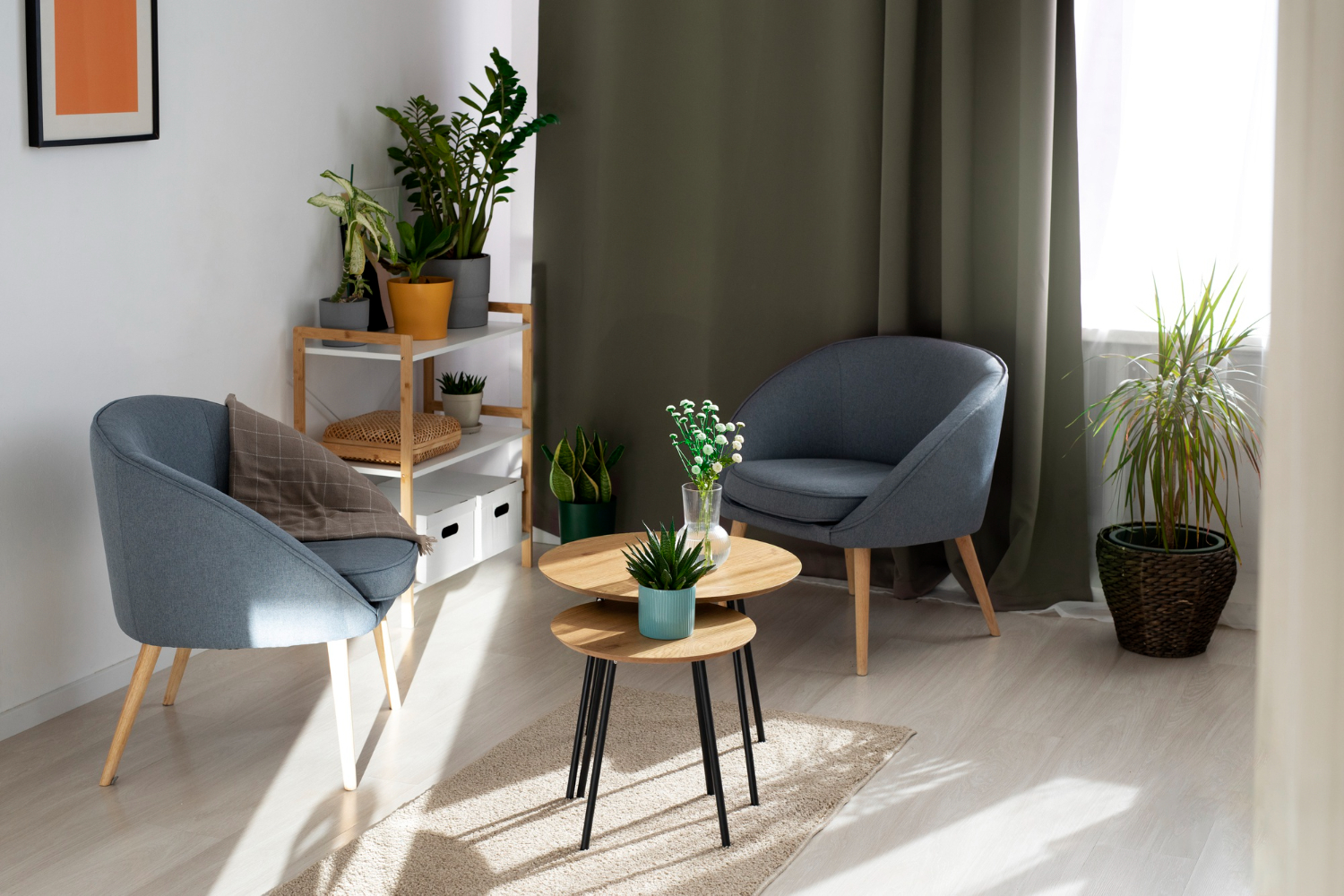
Comfort and function should never be sacrificed for the sake of aesthetics, and the best rooms manage to balance both without making it obvious. Furniture needs to support how you actually live, not how you think you should live.
That might mean choosing a deeper sofa because you like to stretch out, or adding an ottoman that doubles as extra seating when people come over. Coffee tables should leave enough room to move around comfortably, and side tables should be within reach without feeling crowded.
This is also where layout becomes critical. Pushing everything against the walls is a common instinct, but it rarely creates the best flow. Pulling furniture inward, even slightly, makes the room feel more cohesive and conversational.
Color And Mood
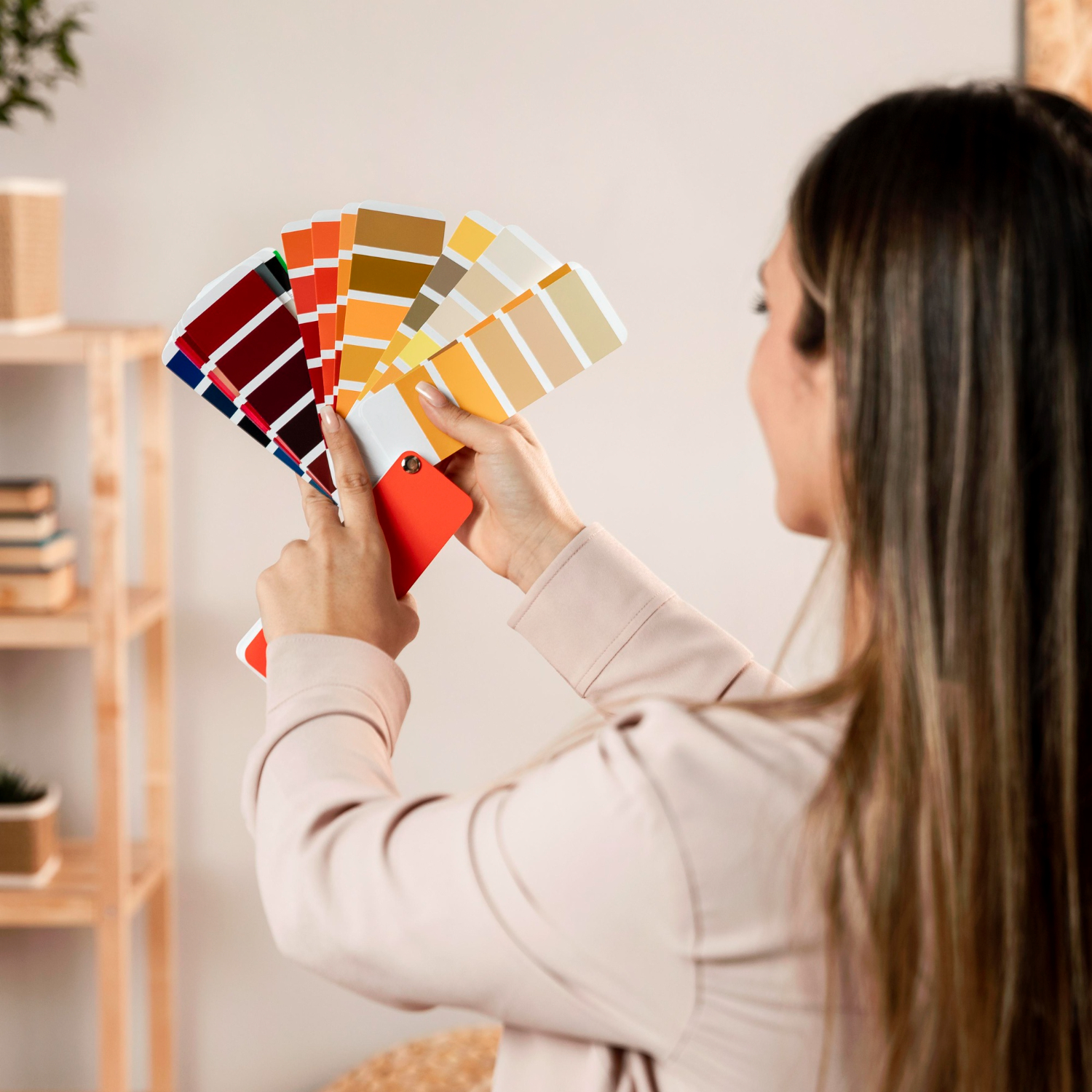
Color has a way of shaping how a room feels before you even notice it consciously. Soft, layered tones create a sense of ease, while sharper contrasts can energize the space. Neither is right or wrong, it depends on how you want the room to function.
A living room that leans calm and grounded often sticks to a tighter palette, with subtle variations rather than dramatic shifts. Think warm whites, soft grays, muted greens, or earthy tones that build on each other.
If you want more energy, that can come through accent pieces rather than dominating the entire room. A bold chair, a striking piece of art, or even a colorful rug can introduce contrast without overwhelming the space.
Natural light also plays into this more than people expect. The same color can look completely different depending on the time of day, so it helps to see how everything shifts from morning to evening before committing.
Finishing Touches
The final layer of a living room is where everything starts to feel complete. This is not about filling every surface, it is about choosing a few details that make the space feel intentional.
Books, ceramics, and personal objects can add depth without feeling staged. Grouping items in odd numbers often looks more natural, and leaving some negative space keeps things from feeling crowded.
Scent is another detail that often gets overlooked. A well-chosen candle or subtle diffuser can change how the room feels without being obvious. It is one of those finishing touches that people notice without being able to pinpoint why.
At this stage, stepping back helps. Looking at the room as a whole rather than focusing on individual pieces makes it easier to spot anything that feels out of place.
A well-designed living room does not shout for attention, it settles into itself. The best spaces feel effortless, even though every choice was considered. When the foundation is solid, the art feels personal, and the layers build naturally, the room starts to work in a way that goes beyond appearance. It becomes a place people actually want to spend time in, which is the whole point.
Also Read: Living Room Makeover_ Tips for a Stunning Transformation
FAQs – Living Room Design Ideas
1. What is the most important element in a living room design?
The foundation, including the sofa, rug, and lighting, plays the most important role in shaping the overall look and feel.
2. How do I choose the right colour scheme for my living room?
Start with neutral tones and layer subtle variations, then add accents for contrast if needed.
3. Should furniture always be placed against the walls?
No, pulling furniture slightly inward often creates a more inviting and conversational layout.
4. How can I make my living room look more personal?
Incorporate meaningful artwork, books, and objects that reflect your personality rather than matching everything.
5. What are easy ways to add warmth to a living room?
Use layered lighting, soft textures like throws and cushions, and add plants for a natural touch.
Author & Expert Review
Written By:  Gaurav Mishra | Civil Engineer & Content Writer

| Credentials: B.E. (Mahavir Swami College, Surat), Registered with Bhagwan Mahavir University (BMU). Experience: Civil Engineer with 5+ years of content writing experience, currently writing impactful articles for Gharpedia, part of SDCPL. Expertise: Specializes in writing well-researched content on residential construction, construction materials, design planning, on-site practices, and safety, blending technical accuracy with everyday clarity. Find him on: LinkedIn |
Verified By Expert: Farhan Shaikh – Senior Manager – Architect, SDCPL | Associate Member – IIA

This article has been reviewed for architectural and interior design accuracy by Farhan Shaikh, Senior Manager – Architect at Sthapati Designers & Consultants Pvt. Ltd. As the lead for all architectural and interior projects at SDCPL and an Associate Member of the Indian Institute of Architects (IIA), he brings hands-on experience in architectural planning, interior design, project coordination, and sustainable strategies. His review ensures the content reflects practical design considerations, industry best practices, and real-world applicability across both architecture and interior spaces.
Find him on : Linkedin