





Table of Contents
Quick Summary
- Understand how pipe age, material, water chemistry and installation quality affect plumbing performance.
- Identify common signs that an isolated plumbing problem may only require repair.
- Recognise recurring leaks, discoloured water and whole-house pressure loss as possible indicators of wider pipe problems.
- Compare how materials such as galvanised steel, copper, PVC, CPVC and PEX can behave as they age.
- Consider repair and replacement costs, including access and restoration work.
- Learn when professional inspection can help determine the most suitable approach.
Courtesy: Magnific
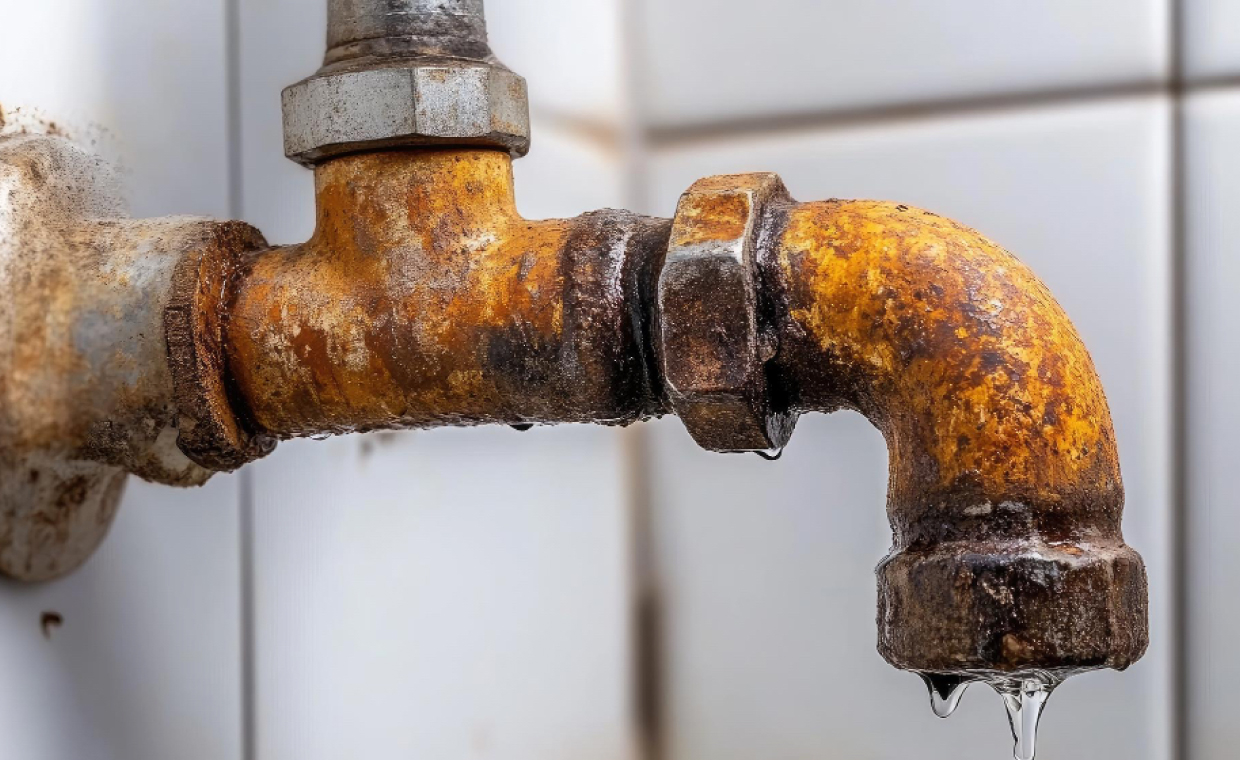
A dripping faucet is easy to ignore. A pipe that’s been corroding behind a wall for 20 years is harder to spot, and most homeowners have no clear way of knowing which situation they’re actually in. Sometimes a small leak means a five-minute fix. Other times it’s the first sign that a system is starting to fail throughout the house.
Deciding whether to patch a problem or replace the line comes down to a few things: the pipe’s age, its material, where the damage sits, and how many times you’ve already called someone out to deal with it. Here’s how to work through that decision.
Start With the Age of the System
Pipe age is one of the more useful clues to how much service life a system has left, though it’s far from the only one. Material, water chemistry, installation quality, water pressure, and the surrounding environment all factor in as well. Still, if your home is more than 40 years old and the plumbing has never been inspected, you’re working off a guess rather than any real understanding of where things stand.
A professional assessment can help here, even before anything looks obviously wrong. When an assessment is needed, homeowners can find services such as inspections, leak detection, and repiping through Plumber Arvada. A routine inspection might reveal that older supply lines are made of galvanized steel and are already showing signs of wear, which is worth a closer look before anything fails. Scheduling that kind of check early often turns what would have been a costly emergency into a planned repair instead.
Signs That Point Toward Repair
Courtesy: Magnific
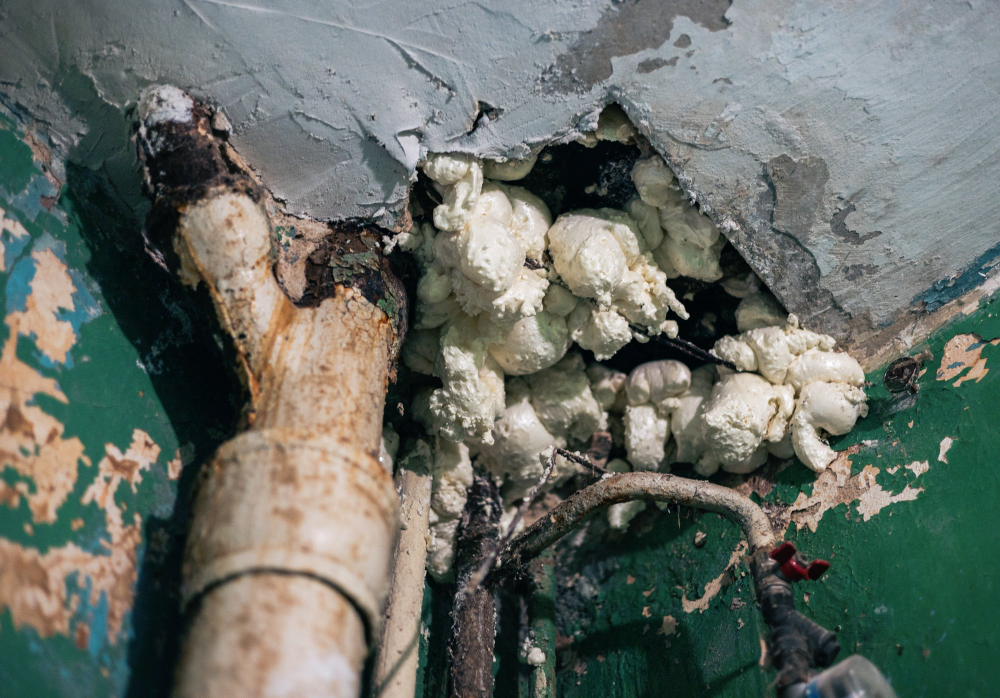
Not every issue calls for tearing out walls. Repair usually makes sense when the problem is isolated rather than spread across the system.
Look out for:
- A single leak at a joint or fitting, rather than along the pipe’s length
- Corrosion that’s contained to one spot instead of spreading to nearby sections
- Low water pressure at one fixture, not the whole house
- A pipe that’s otherwise sound but damaged by accident, such as a nail driven through a wall and into the pipe behind it
In these situations, a plumber can cut out the damaged section and replace it, or reseal a joint, without touching the rest of the system. It’s quicker, cheaper, and doesn’t mean opening up multiple walls.
Signs That Point Toward Full Replacement
Courtesy: Magnific
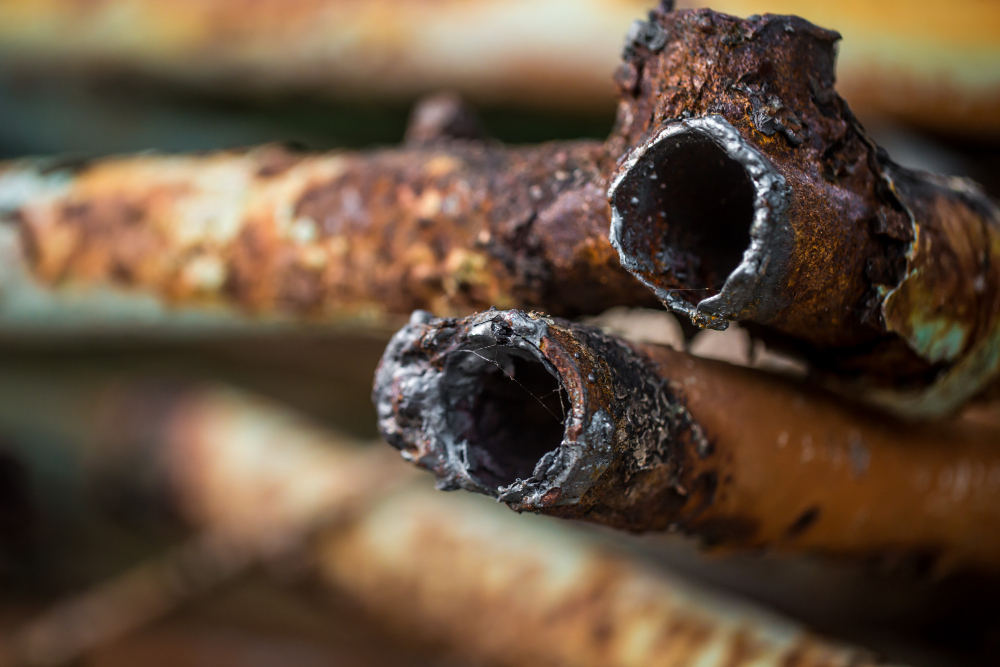
Replacement starts to make more sense once problems keep recurring or the pipe material itself becomes the issue, rather than one isolated weak spot. A pattern of failures is usually the clearest signal, more telling than any single repair. A few signs deserve particular attention.
Repeated Leaks in Different Spots
If a plumber has already been called out several times for leaks along the same line, that says more about the pipe’s overall condition than any one fix would. At that point, replacement is worth discussing instead of continuing to patch section by section.
Persistent Discolored Water
A rusty or brownish tint that shows up consistently, rather than after a one-time disturbance, can point to corrosion working its way through the pipe walls. It’s also worth checking the water heater or the public supply first, since either can produce the same symptom.
Whole-House Pressure Loss
Reduced pressure across the entire house, rather than at a single tap, is often tied to mineral buildup or corrosion narrowing the pipe’s interior. But faulty valves, a failing pressure regulator, or low municipal pressure can cause something similar, so ruling those out first helps confirm whether the pipes themselves are actually the problem.
Pipe material matters too, and it’s worth being precise about what “lead” actually means in this context. A lead service line (the underground pipe connecting a home to the water main) is a different issue from a component that may contain lead, like old solder at pipe joints or certain brass and chrome-plated brass faucets. According to the EPA, both can contribute to lead exposure through drinking water, though a service line is a far bigger project to address than a single fixture or joint. Checking exposed pipes, reviewing property records, or asking a plumber or your water utility can help you find out whether either applies to your home, since much of the piping is often hidden behind walls or underground.
What Pipe Material Tells You About Remaining Lifespan
Courtesy: Magnific
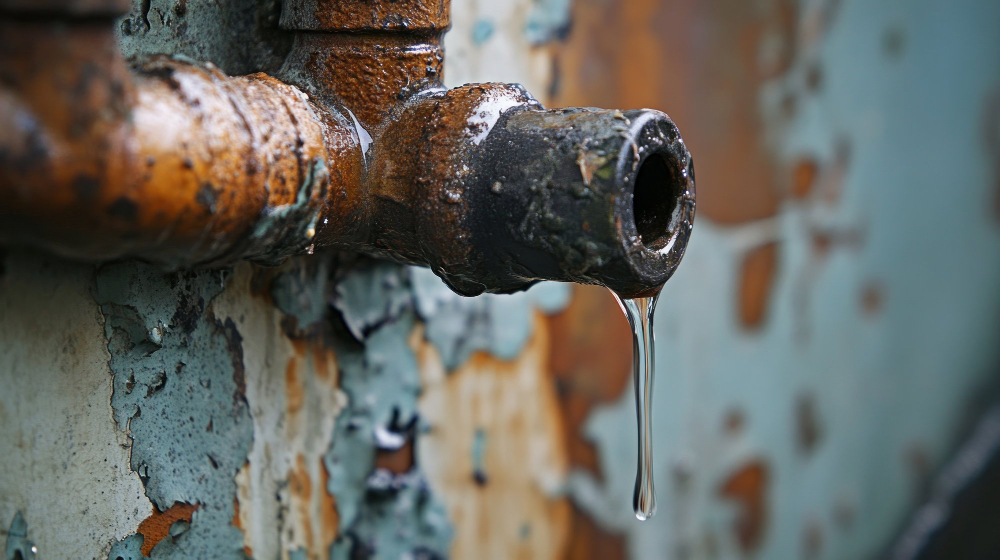
Different materials age at different rates, and knowing what’s running through your walls helps set realistic expectations, though no single number should be treated as a deadline. Galvanized steel tends to be one of the shorter-lived options, prone to internal corrosion over time, though the actual pace depends heavily on water chemistry, installation quality, and how the system is used. Copper generally holds up longer under normal conditions, though acidic water can cut that lifespan down significantly. Newer materials like PVC and PEX resist corrosion differently from older metal pipes, but that doesn’t mean they automatically outlast well-installed copper. PVC, CPVC, and PEX also differ in their applications and temperature limits, so pinning down the exact material matters before deciding how to move forward.
The bigger point here is that a pipe’s age is a starting point for evaluation, not an automatic trigger for replacement. A well-installed, well-maintained line can outlast expectations, while a poorly installed one can fail well ahead of schedule.
If you’re unsure what’s running through your home, a detailed breakdown of common pipe materials can help you identify what you’re working with and how it typically holds up over time. That’s especially useful if you’re planning renovations, since opening a wall for one project is a natural opportunity to deal with aging pipes before they turn into the next problem.
Weighing the Real Cost Difference

Courtesy: Magnific
Repair usually costs less upfront, which makes it tempting to default to patching every time something goes wrong. Actual costs vary widely depending on location, pipe access, material, and how extensive the damage is, so it’s worth getting quotes for both options rather than assuming one is automatically cheaper. A useful quote, for either route, should cover:
- The repair or replacement cost itself
- The condition of the surrounding pipe and the likely durability of each option
- Wall, floor, or ceiling access required to do the work
- Whether restoring those surfaces afterward is included
- Whether other sections of the same line are already showing signs of wear
Comparing quotes on these points, rather than price alone, gives a much clearer sense of which option holds up over time. When repairs on the same line start piling up, the combined cost can approach or even pass what a full replacement would have run from the start, though that depends on the line’s length and how accessible it is, and it won’t hold true in every case.
Replacement deals with the condition of that specific line, though it won’t prevent unrelated problems from cropping up elsewhere in the system. A repaired section is only as strong as the pipe around it, so if the rest of the line is old, a patch fixes one symptom while the rest keeps aging quietly. Full replacement, while more disruptive up front, lowers the odds of another failure along that same line.
Making the Call
If you’re dealing with one isolated issue on a system that’s otherwise in decent shape, repair is usually the practical choice. If you’re seeing a pattern of repeated failures, discolored water with other causes ruled out, pressure loss throughout the house, or pipe material that’s outdated, replacement may make more sense as a long-term solution. When in doubt, bring in a professional who can assess the pipe material, its visible condition, the leak history, and any diagnostic findings. That kind of assessment is the most reliable way to decide, rather than guessing based on symptoms alone.
Also Read: Emergency Water Damage Restoration Steps to Take Before Professionals
Frequently Asked Questions – Aging Plumbing Pipes
1. When should old plumbing pipes be replaced?
Old plumbing pipes may need replacement when they develop repeated leaks, widespread corrosion, persistent water discolouration or significant pressure problems. A professional inspection can help determine whether replacement is necessary.
2. Is it better to repair or replace a leaking pipe?
Repair can be suitable when the damage is isolated and the surrounding pipe is in good condition. Replacement may be more appropriate when leaks continue to occur in different sections of the same line.
3. What are the signs of failing plumbing pipes?
Common signs include repeated leaks, rusty or brownish water, reduced water pressure throughout the house and visible corrosion. However, some symptoms can have other causes and should be investigated before replacing pipes.
4. How long do different plumbing pipes last?
The service life varies according to the pipe material, installation quality, water chemistry, pressure and maintenance. Galvanised steel, copper, PVC, CPVC and PEX can all have different performance characteristics.
5. Does low water pressure mean the pipes need replacing?
Not necessarily. Mineral buildup and corrosion inside pipes can restrict flow, but faulty valves, pressure regulators or low supply pressure can cause similar symptoms. These possibilities should be ruled out before deciding on replacement.
Courtesy - Featured Image(Magnific)
Author & Expert Review
Written & Verified By :  Ravin Desai – Co Founder – Gharpedia | Co Founder – 1 MNT | Director – SDCPL

| Credentials: B.Tech. in Civil Engineering from VNIT Nagpur and M.S. in Civil Engineering from Clemson University, USA. Co-Founder of Gharpedia and Director at Sthapati Designers & Consultants Pvt. Ltd.. Experience: Civil engineering professional with over a decade of international and Indian experience in the construction and design consultancy sector, with expertise in technical review and industry practices. Expertise: Specializes in reviewing technical content related to civil engineering, construction, design consultancy, materials, and industry practices. He ensures content is technically accurate, aligned with industry standards, and reflects practical construction and design best practices. Find him on: LinkedIn |