





Table of Contents
Quick Summary
- Every house ages naturally, but major structural or service damage can push repair costs higher than the property’s actual value.
- Critical warning signs include foundation and wall cracks wider than 5 mm, sticking doors, sagging roofs, severe dampness, pest damage, and outdated electrical or plumbing systems.
- Assess repair needs through professional inspections, itemized contractor estimates, and a 10% to 20% contingency budget for hidden defects.
- Choosing selling house over renovation is often smarter when repair costs are disproportionately high, structural failures are severe, or you lack the time, funds, or proximity to manage a lengthy construction project.
- Selling a heavily damaged home to cash buyers or investors lets owners bypass traditional mortgage approval hurdles and close quickly without fixing defects.
Courtesy - Magnific
Every house ages. Small problems such as a dripping tap or a loose tile are part of normal maintenance. Some problems, however, point to deeper damage in the structure or services of the building. If these are ignored, repair costs can rise quickly, and in some cases, the cost of fixing the house becomes higher than its value.
In this article, we explain the common signs that a house needs major repairs, how to assess the cost, and when selling the house in its current condition may be the better decision.
Signs Your House Needs Major Repairs
1. Cracks in Walls, Floors or Foundation
Courtesy - Magnific
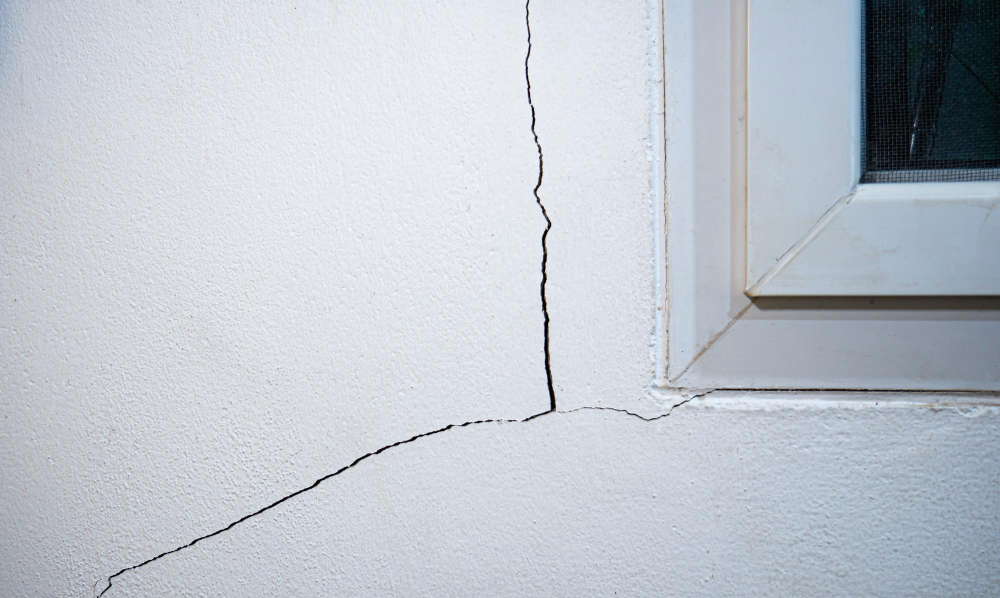
Hairline cracks in plaster are common and usually harmless. However, the following cracks need attention:
- Cracks wider than about 5 mm.
- Diagonal cracks starting from the corners of doors and windows.
- Stair-step cracks in brick or block walls.
- Cracks in the floor slab or foundation that keep widening.
These may indicate settlement of the foundation, expansive soil or structural movement. A structural engineer should inspect them.
2. Doors and Windows That Stick
Courtesy - Canva
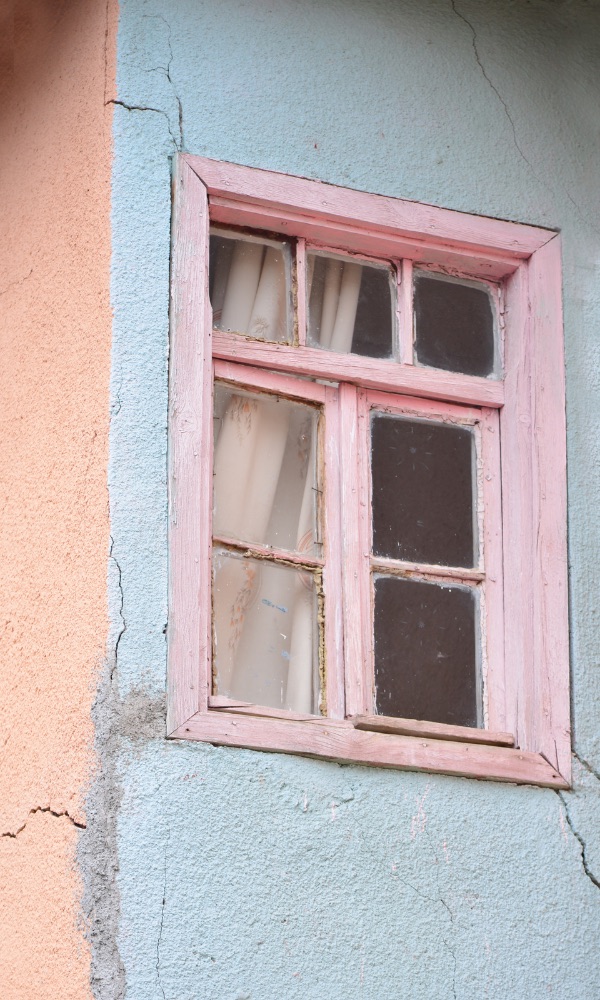
If doors and windows that once worked smoothly suddenly jam or do not close properly, the frame may be out of square. This is often caused by foundation movement or moisture in the wooden members.
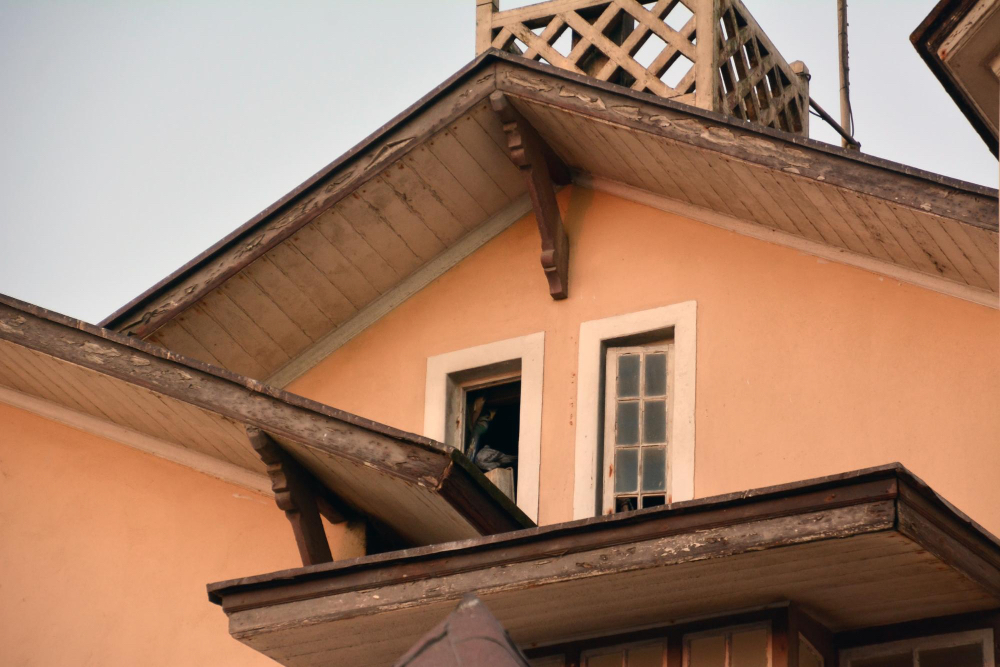
3. Sagging Roof or Ceiling
Courtesy - Magnific
A roof line that dips, or a ceiling that sags between joists, may mean rotted rafters, overloaded members or long-term water leakage. Missing or damaged roof tiles and water stains on the ceiling are early warnings.
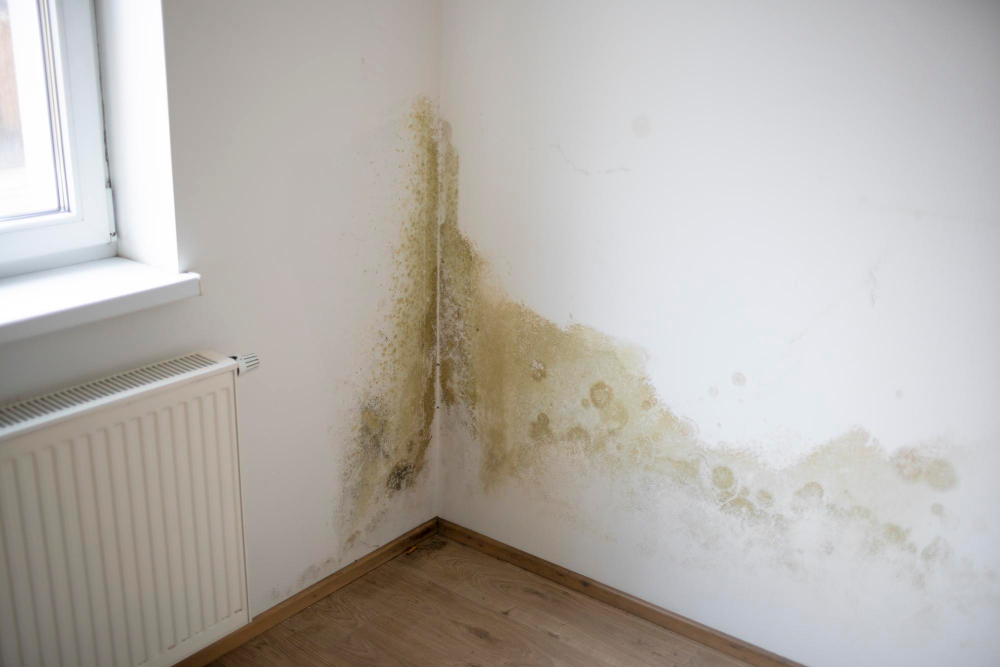
4. Dampness and Mould
Courtesy - Magnific
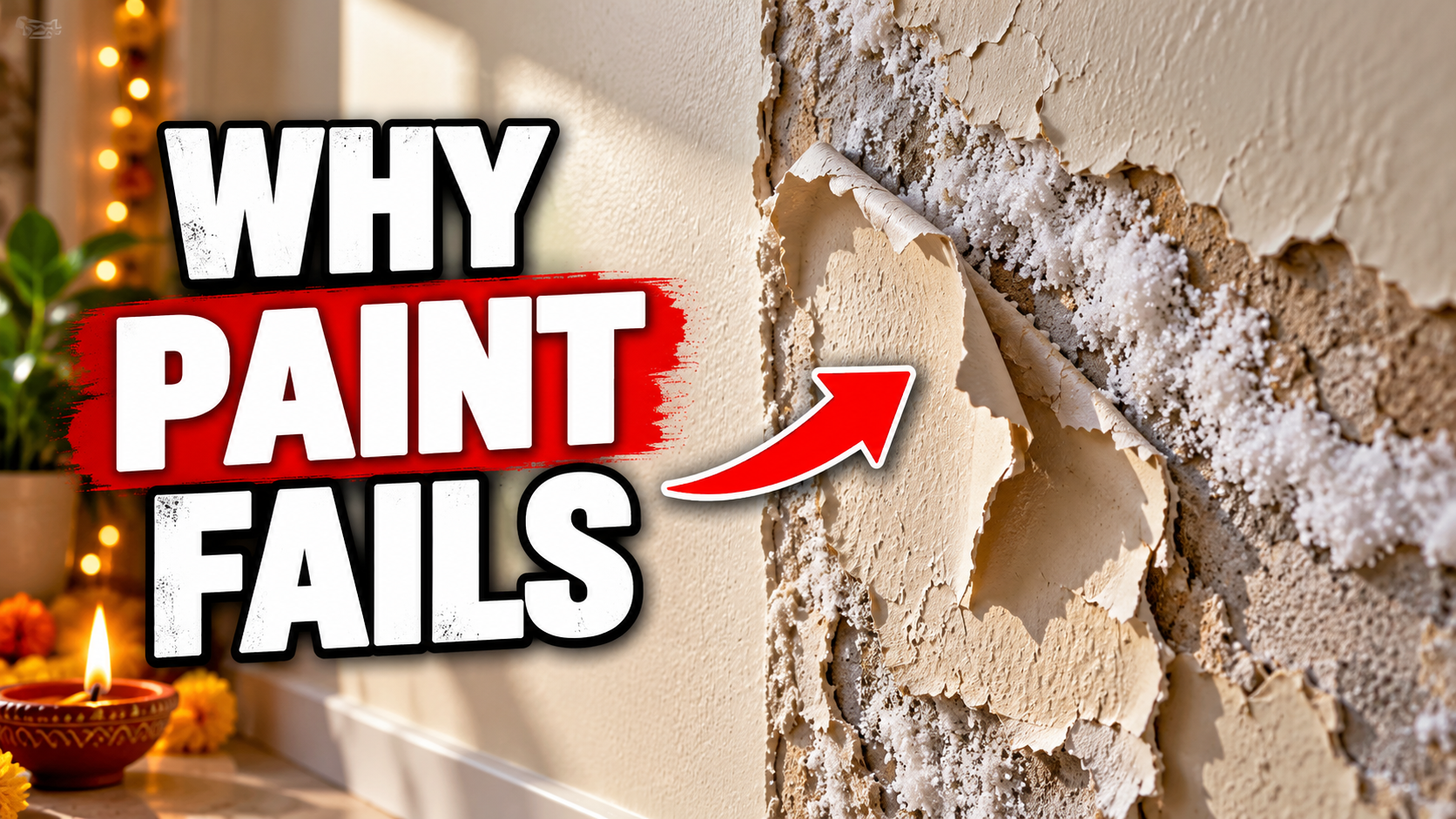
Damp patches, peeling paint, efflorescence (white salt deposits) and a musty smell show that water is entering the building. Common causes include rising damp, leaking pipes, poor waterproofing and blocked drainage. Long-term dampness weakens plaster, corrodes reinforcement steel and affects the health of occupants.
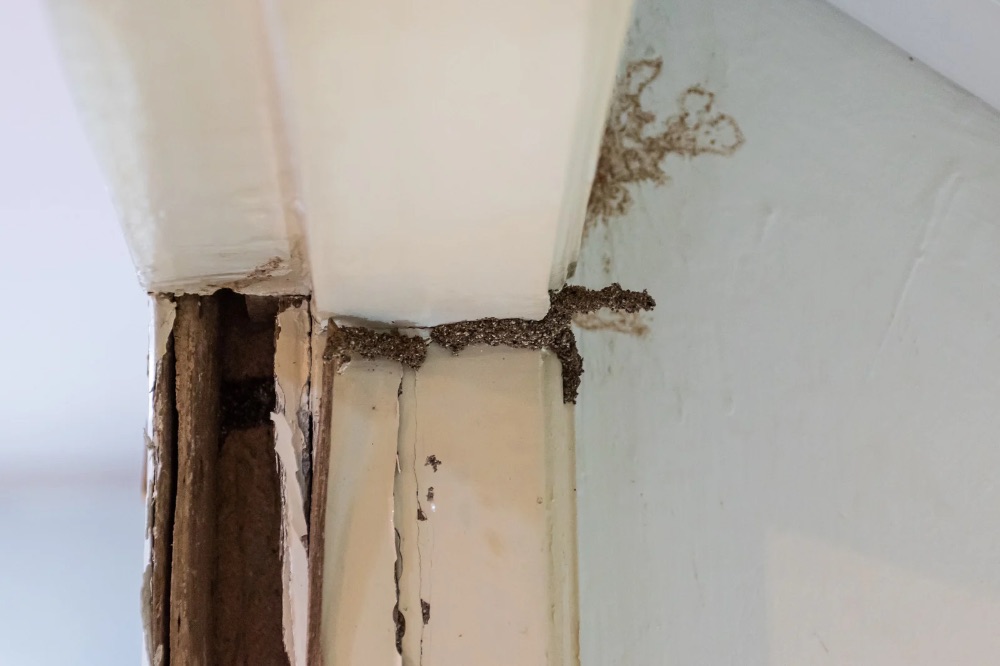
5. Termite or Pest Damage
Courtesy - Canva
Termites can destroy wooden frames, floors and furniture from the inside. Look for mud tubes on walls, hollow-sounding wood, small holes and discarded wings near windows. In warm, dry regions, termite damage is one of the most common reasons for major repairs.
6. Old Electrical Wiring
Courtesy - Magnific
Flickering lights, frequent tripping of breakers, warm switch plates and burning smells are signs of overloaded or outdated wiring. Old aluminium or cloth-insulated wiring is a fire risk and usually needs complete replacement.
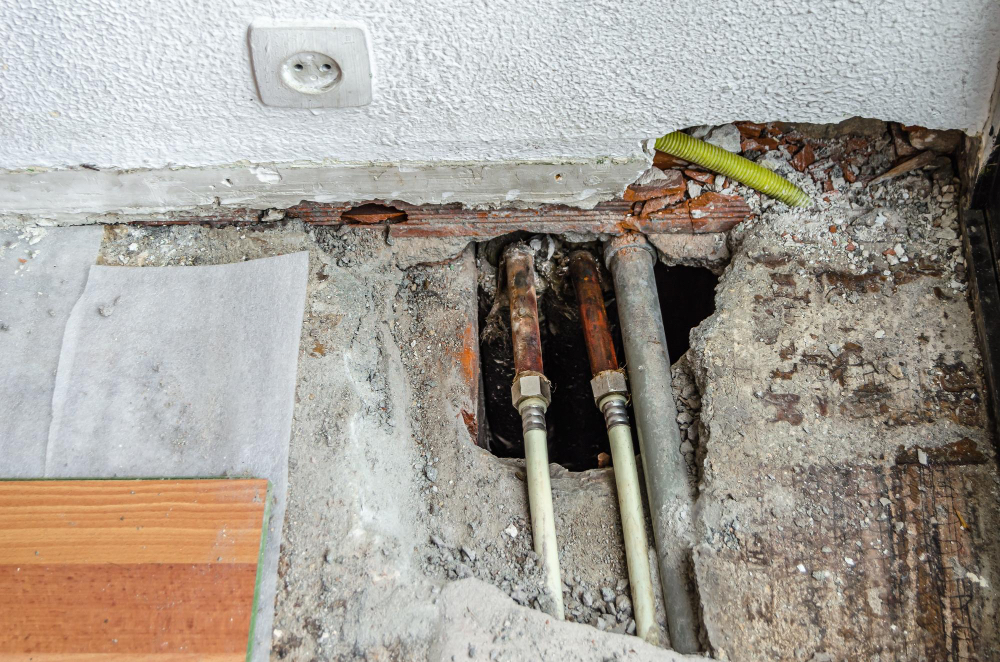
7. Plumbing Problems
Courtesy - Magnific
Low water pressure, discoloured water, slow drains and recurring leaks may point to corroded pipes or blocked sewer lines. Old galvanised iron pipes often need to be replaced throughout the house.
How to Assess the Repair Cost
Before deciding on the next step, follow this process:
- Get a professional inspection. Hire a qualified home inspector or structural engineer to identify all defects.
- Prepare a list of repairs. Divide them into urgent (safety and structure), necessary (services and waterproofing) and optional (finishes and upgrades).
- Collect quotations. Get at least two or three estimates from licensed contractors.
- Add a contingency. Keep 10% to 20% extra for hidden problems found during the work.
- Compare with property value. Find out the current market value of the house as-is and after repairs.
When Selling Makes More Sense
Repairing is a good choice when the cost is reasonable and the house will be worth more afterwards. But selling the house in its current condition may be better in the following situations:
- The repair cost is very high compared with the value the repairs will add.
- The damage is structural, such as serious foundation failure, which is costly and uncertain to fix.
- You do not have the time or funds to manage a long renovation.
- You live far away, for example an owner who has moved to another city or country and cannot supervise the work.
- You need money quickly due to job relocation, family needs, divorce or an inherited property.
Houses with major defects are often difficult to sell through the normal route, because buyers who need home loans may not get approval for a damaged property. In such cases, owners can sell to investors or cash buyers who purchase houses as-is.
This option is common in the United States, especially in California, where many homes in warm inland areas suffer from termite damage, foundation movement and ageing services. Homeowners who look for ways to sell my house fast Riverside County can receive a cash offer and close within a few weeks, without spending money on repairs. This is also helpful for non-resident owners, including NRIs who own property in the US, who find it hard to manage repairs from abroad.
Things to Remember Before Selling As-Is
- Get more than one offer and compare them with the estimated after-repair value.
- Check the buyer’s reputation and reviews.
- Read all documents carefully and confirm who pays the closing costs.
- Disclose known defects as required by local law.
Conclusion
Regular inspection and timely maintenance are the best ways to avoid major repairs. When serious problems do appear, it is important to assess them properly before deciding. If the repairs are affordable and add value, fixing the house is the right choice. If the cost, time or effort is too high, selling the house as-is can save money and stress, and help you move ahead with your plans.
Also Read: How to Sell Large Houses Without Repairs
FAQs on Selling House Over Renovation
01. When should I consider selling house over renovation?
A: You should consider it when the repair costs exceed the value the renovations will add, when you lack the time or funds to manage construction, or if the property suffers from major structural issues like foundation failure.
02. What are the main signs that a house requires major repairs?
A: Key indicators include large wall or foundation cracks, sticking doors and windows, sagging rooflines, persistent mold and dampness, termite infestations, and outdated electrical wiring.
03. Why are houses with major defects difficult to sell through normal channels?
A: Buyers who rely on traditional home loans often cannot secure mortgage approval for properties with severe structural or service damage.
04. How much contingency budget should I keep when estimating repairs?
A: It is recommended to keep an extra 10% to 20% in your contingency budget to cover any hidden problems uncovered during the repair work.
05. Who can buy a home that needs heavy repairs without fixing it first?
A: Investors and cash buyers regularly purchase homes in their current, as-is condition, allowing owners to close quickly without spending money upfront on repairs.
Author & Expert Review
Written By:  Nidhi Patel | Civil Engineer & Content Writer

| Credentials: B.E. (Mahatma Gandhi Institute of Technical Education and Research Centre), Registered with Gujarat Technological University (GTU). Experience: Civil Engineer with 3+ years of content writing experience, currently writing blogs for Gharpedia, part of SDCPL. Expertise: Specializing in SEO-optimized blogs and long-form articles focused on home improvement, construction, interiors and architect topics. I create well-researched, reader-focused content that balances technical accuracy with clarity, making complex subjects easy to understand. Find her on: LinkedIn |
Verified By Expert: Tanvi Lad – Senior Manager (Civil), SDCPL | B.E. in Civil Engineering
 Tanvi Lad – Senior Manager (Civil), SDCPL | B.E. in Civil Engineering
This article has been reviewed for technical, cost, and material accuracy by Tanvi Lad, Senior Manager (Civil) at Sthapati Designers & Consultants Pvt. Ltd. With a B.E. in Civil Engineering (2013), she leads the Estimation and Tendering Department at SDCPL and has extensive experience in design review, material specifications, project costing, estimation, tender preparation, tender evaluation, and detailed engineering for residential, commercial, and infrastructure projects. Her review ensures the content reflects appropriate material selection, accurate cost considerations, engineering feasibility, and industry-standard construction practices.
Find him on: LinkedIn