



Table of Contents
Quick Summary
- Creating a better room interior starts with selecting colours that suit the desired mood and atmosphere.
- Rearranging furniture can improve movement, functionality and the overall flow of the space.
- Considering commercial interior design shows how thoughtful layouts can support businesses and their users.
- Using natural and layered lighting can make a room more comfortable while highlighting its colours and textures.
- Introducing textiles, artwork, plants and accessories adds warmth, character and visual interest.
- Personalising the room with meaningful belongings and preferred design styles makes the space feel more individual.
- Choosing sustainable materials, energy-efficient lighting and natural fabrics can make interior design more environmentally responsible.
Courtesy: Magnific
Creating a beautiful and functional interior space goes beyond choosing the right furniture or paint. It involves understanding how all elements in a room work together to reflect personal style and meet practical needs. Whether you are designing a cozy living room, a bright office, or a welcoming dining area, improving your interior design can transform everyday spaces into something special. You don’t need to be a professional designer to make meaningful changes. small adjustments can have a big impact.
Let’s learn how to improve the interior design of a room.
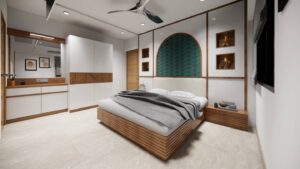
Start with Colour Selection
Courtesy - Magnific
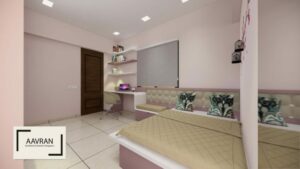
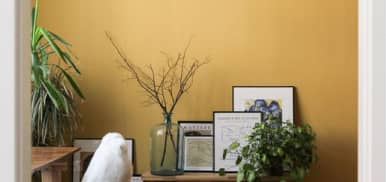
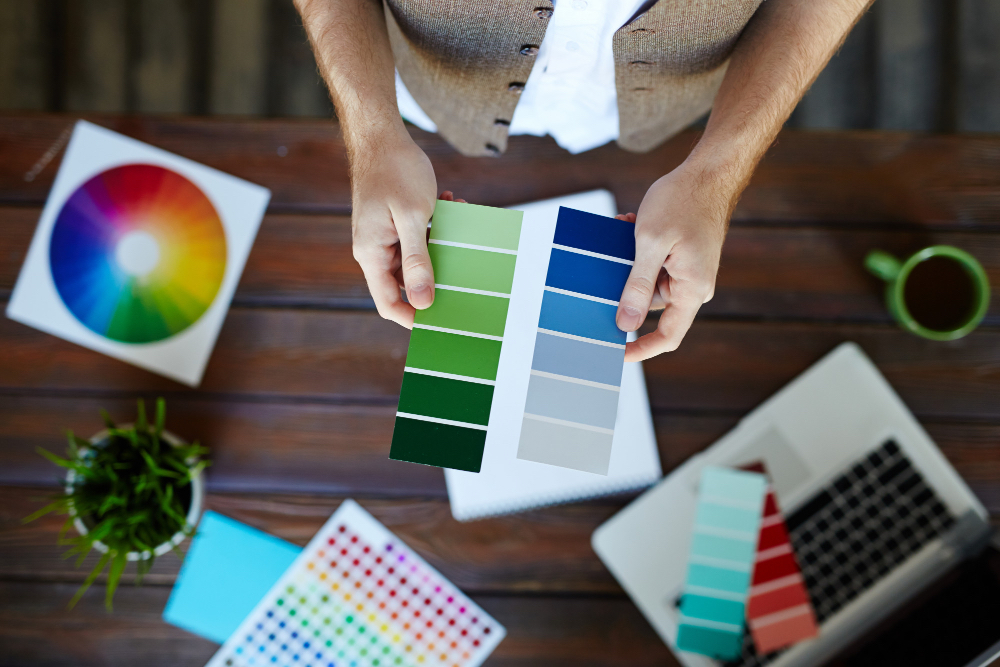
Choosing the right colours sets a room’s mood. Different colours create different feelings; warm colours like red and orange bring energy, while cool shades like blue and green create calmness. Start by choosing a base colour for your walls, then build the rest of the room around it.
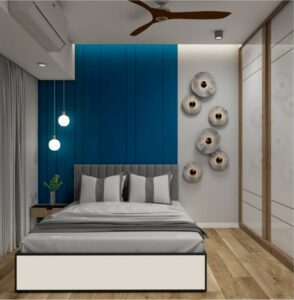
Consider colour theory. Monochromatic schemes offer a sleek look, while complementary colours can add interest. Don’t be afraid to use contrast. It adds depth and a modern touch. Accent walls are also a stylish way to use bold colours without overwhelming the room.
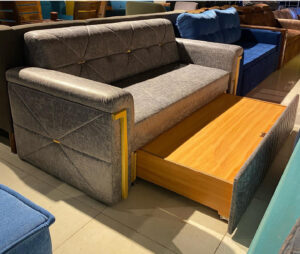
Think About Furniture Arrangement
Courtesy: Magnific
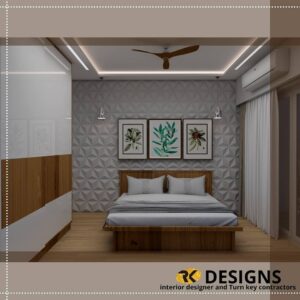
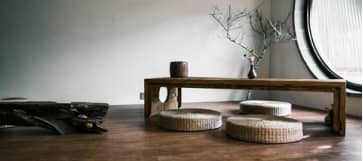
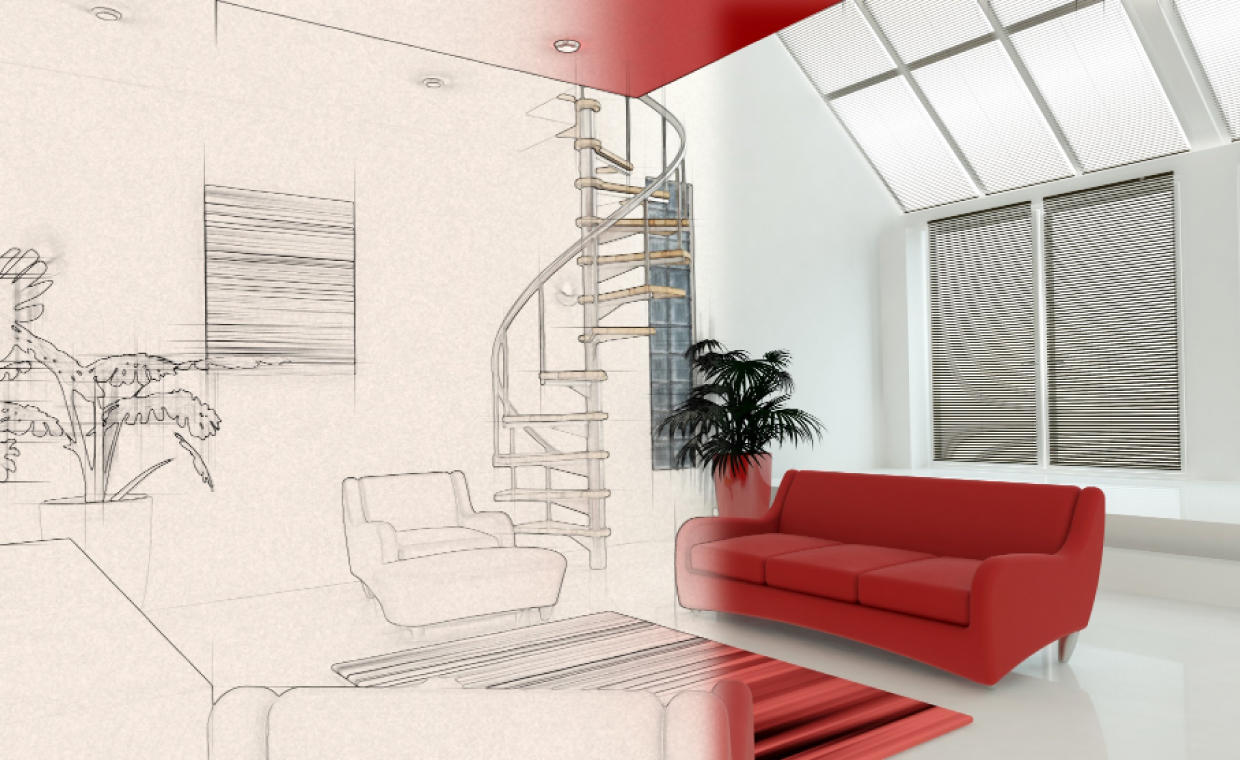
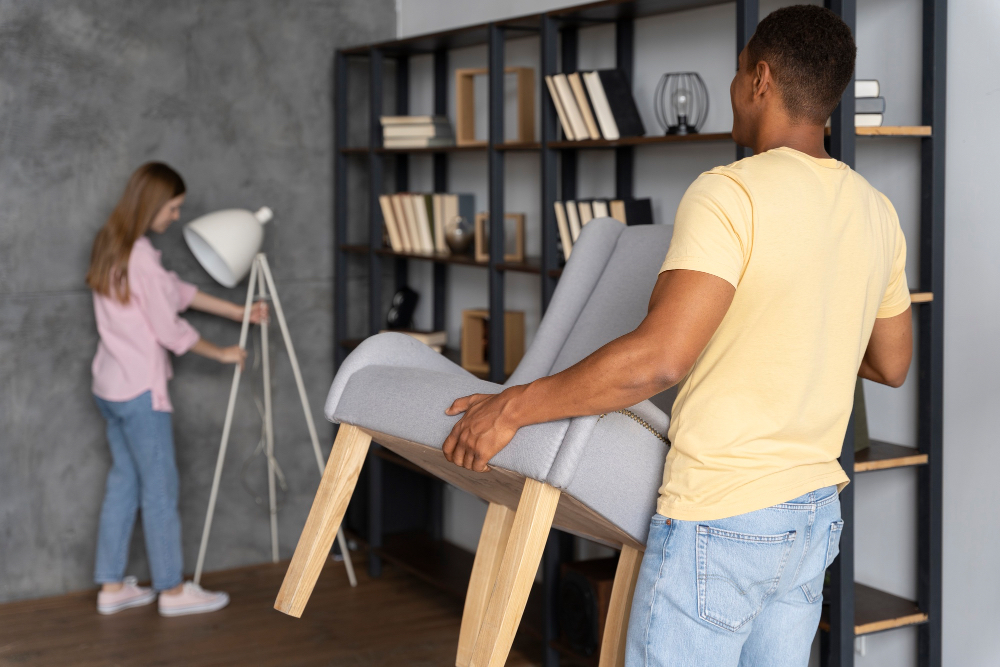
Arranging furniture wisely can improve the room’s flow and use. A common mistake is pushing all furniture against the walls, which can make a room feel disconnected. Instead, create conversation areas by grouping seating. Keep pathways clear for easy movement.
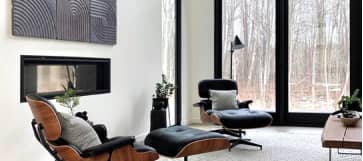
Plan your layout based on the room’s main purpose. In a living room, the focal point could be a fireplace or entertainment centre. In a home office, place the desk near a window to boost productivity and mood. Use rugs to define areas, especially in larger spaces, for a cozy feel.
Commercial Design
Courtesy: Magnific
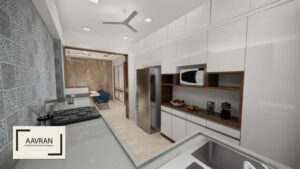
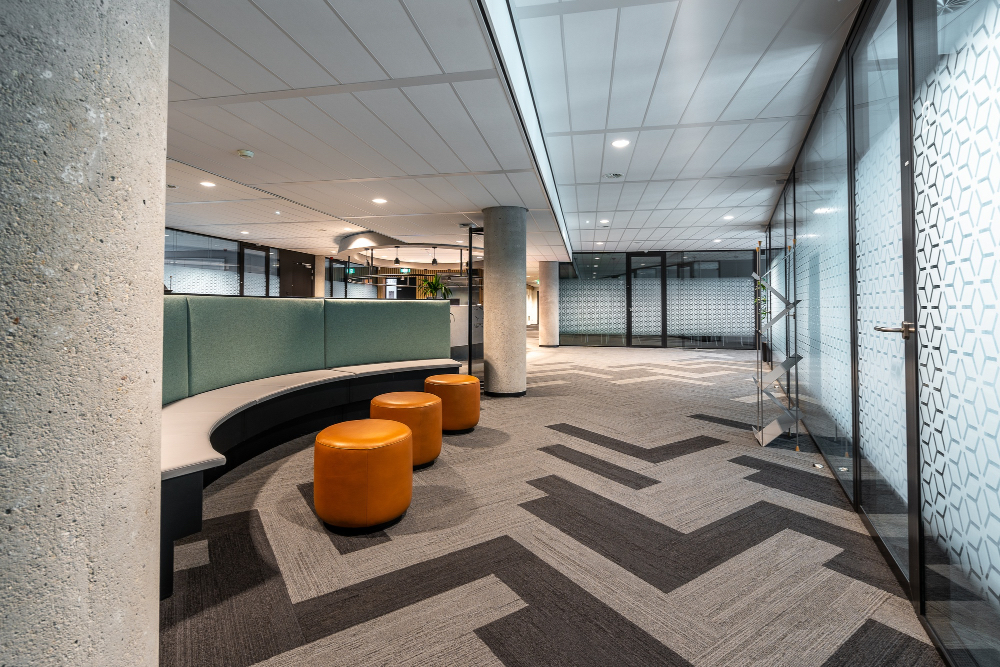
Commercial interior design helps create spaces that look good and work well for businesses. This design focuses on creating engaging, productive environments. Whether you are redesigning an office, restaurant, or retail space, commercial design considers how people move through the space, how it functions, and the brand’s identity.
A well-designed commercial space can improve how customers and employees feel. Good layouts support office interactions, and welcoming restaurant atmospheres make dining enjoyable. When companies invest in design, they often see happier employees and better connections with their customers. Overall, commercial design creates environments where both employees and customers can thrive.
Choose Good Lighting
Courtesy: Magnific
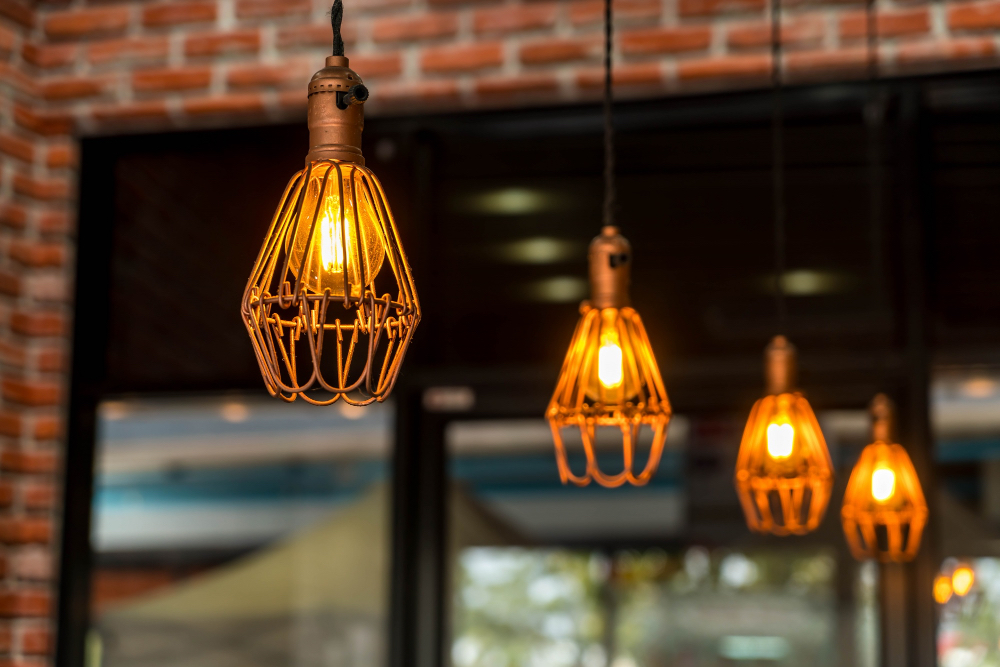
Lighting can change a room and is key to setting the right atmosphere. Natural light is ideal, so choose window treatments that let in sunshine while maintaining privacy. Use layered lighting to provide enough light for different activities.
Get creative with your light fixtures. Pendant lights or stylish chandeliers can serve as great focal points, while unique table lamps add personality to side tables or desks. Proper lighting enhances your space and affects how colours and textures appear.
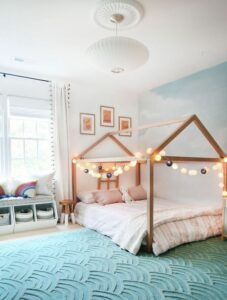
Textiles and Accessories
Courtesy: Magnific
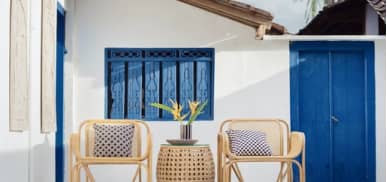
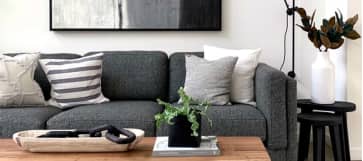
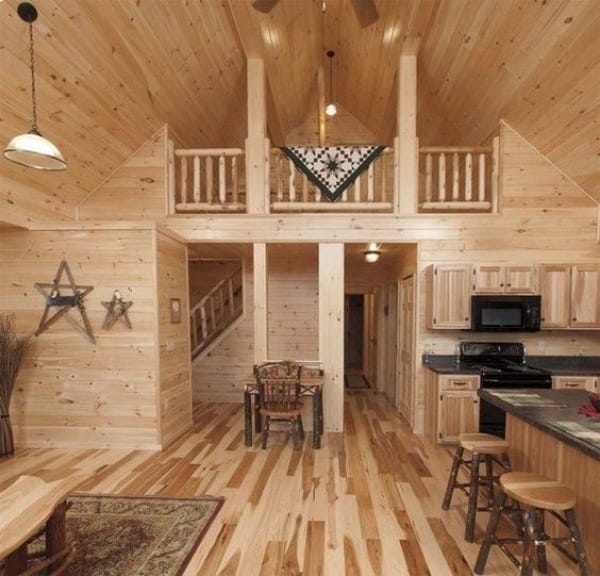
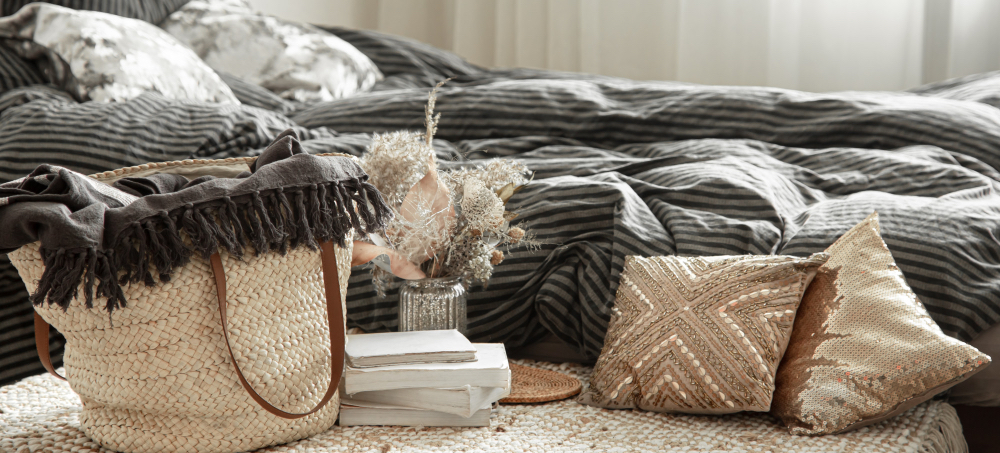
Textures and accessories can make any room feel warmer and more inviting. Use different materials like wood, metal, glass, or fabric. Soft items, like a cozy throw or a woven rug, can create a relaxing atmosphere.
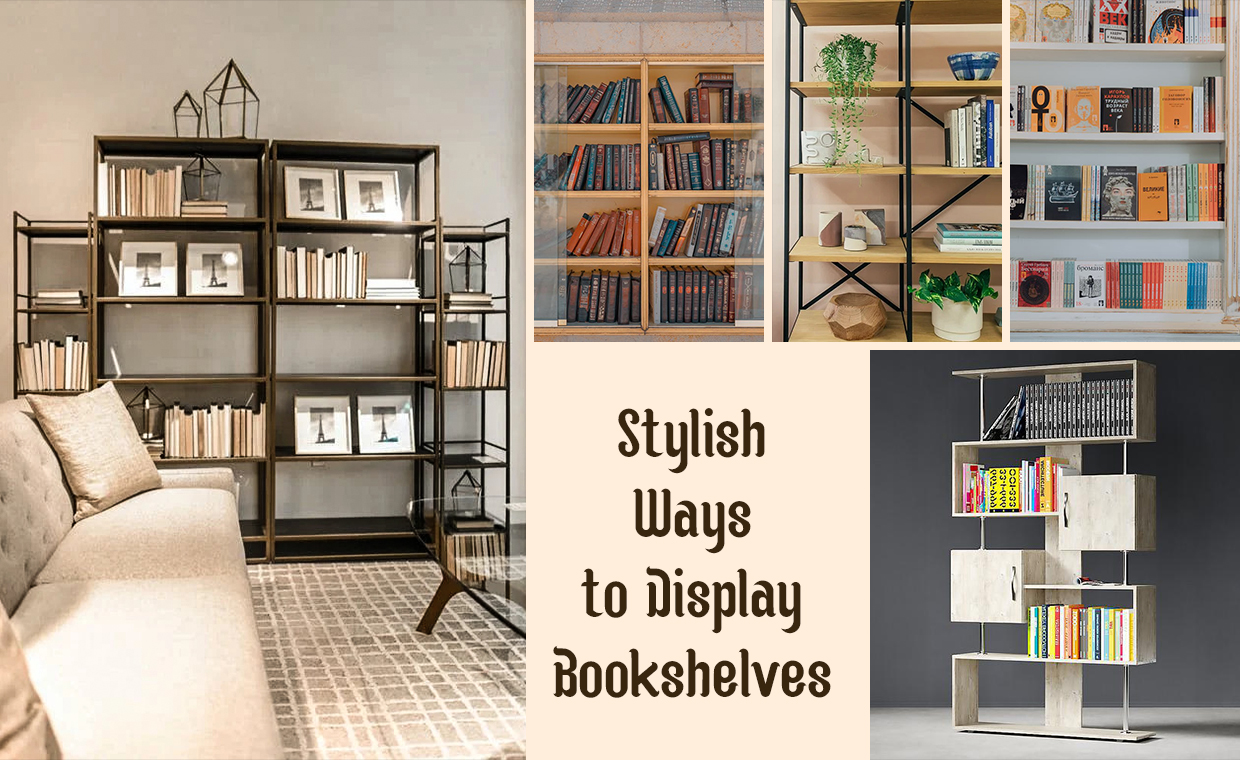
For accessories, choose items that show your personality and interests. Art, books, and plants can liven up your space. Framed photos or paintings can make a room feel personal. Avoid clutter; curate your displays to keep them attractive and manageable.
Personal Touches
Courtesy: Magnific
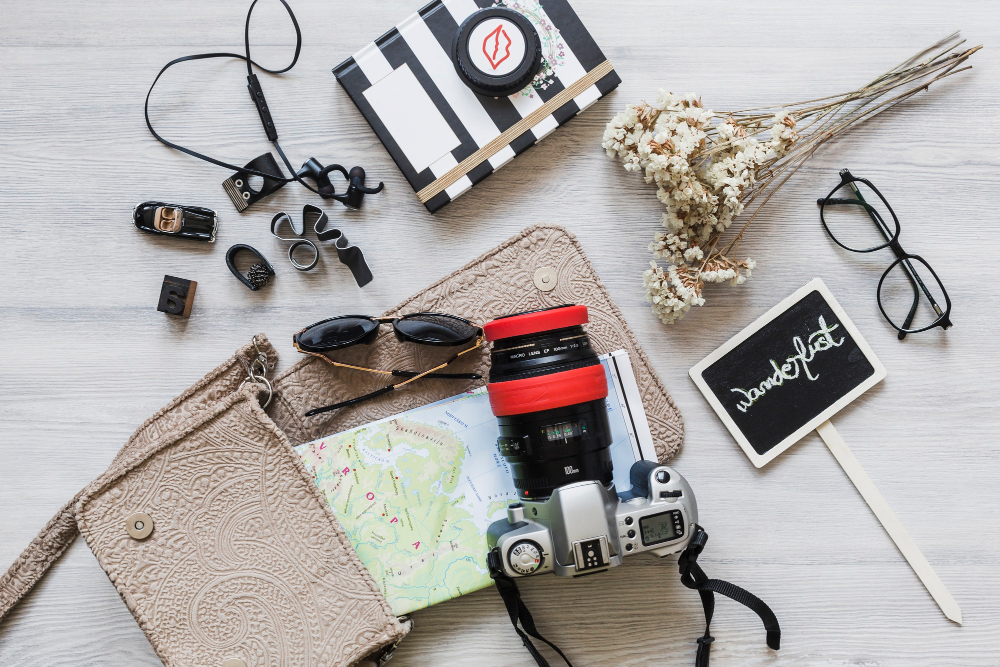
Your space should show who you are. Personalizing your design can create a warm atmosphere. Think about adding items with sentimental value, like family heirlooms or travel souvenirs. These touches add character and tell a story.
Feel free to experiment and let your creativity shine. If you love a certain style, like bohemian, minimalistic, or industrial, include that in your choices. Mixing styles can create a unique but balanced look when done thoughtfully. Remember, it’s about making a space where you feel comfortable and inspired.
Sustainable Choices

Courtesy: Magnific
More homeowners are choosing eco-friendly design options that look good and help the planet. Look for furniture made from reclaimed materials, energy-efficient lighting, and natural fabrics to reduce your carbon footprint and enhance your room’s style.
Adding plants to your decor can improve air quality while bringing a lively feel to your space. Eco-friendly choices can also help create a more meaningful design without sacrificing style. Improving your room’s interior design is a journey that allows you to express your tastes. You don’t have to make major changes. Even small adjustments can have a big impact.
Also Read: How AI Interior Design Can Help Homeowners Style a Space More Practically
Frequently Asked Questions – Interior Design of a Room
1. What is the easiest way to improve the interior design of a room?
Start with simple changes such as rearranging furniture, improving lighting, introducing suitable colours and adding carefully selected accessories. These changes can make a noticeable difference without requiring a complete renovation.
2. How does colour affect the interior design of a room?
Colour influences the mood and visual character of a room. Warm colours can create an energetic atmosphere, while cool shades can produce a calmer and more relaxing feel.
3. How can furniture arrangement improve a room?
A suitable furniture arrangement improves movement, creates functional zones and makes the room feel more connected. Furniture should be positioned according to the room’s purpose while keeping important pathways clear.
4. What types of lighting should be used in a room?
A combination of natural, ambient, task and accent lighting can provide balanced illumination. Decorative fixtures such as pendant lights, chandeliers and table lamps can also contribute to the room’s visual appeal.
5. How can accessories improve a room’s interior design?
Accessories such as artwork, books, plants, photographs, rugs and cushions can introduce colour, texture and personality. They should be selected carefully to enhance the room without making it look cluttered.
Courtesy - Featured Image(Magnific)
Author & Expert Review
Written & Verified By:  Farhan Shaikh – Senior Manager – Architect, SDCPL | Associate Member – IIA

| Credentials: Senior Manager – Architect at Sthapati Designers & Consultants Pvt. Ltd. and Associate Member of the Indian Institute of Architects (IIA). Experience: Architect with hands-on experience leading architectural and interior design projects at SDCPL, including architectural planning, interior design, project coordination, and sustainable design strategies. Expertise: Specializing in architectural planning, interior design, project coordination, and sustainable design. He reviews content to ensure it reflects practical design considerations, industry best practices, technical accuracy, and real-world applicability across architecture and interior spaces. Find him on: Linkedin |