





Table of Contents
Quick Summary
- AI helps visualize design ideas before implementation.
- Focus on room function before selecting décor.
- Test layouts, colours, and furniture arrangements easily.
- Improve space planning and daily usability.
- Ensure proper scale and proportion of furnishings.
- Experiment with textures, materials, and lighting.
- Avoid costly design mistakes through virtual previews.
- Compare multiple design styles quickly.
- Use AI for inspiration and planning stages.
- Seek professional guidance for technical renovations.
Most homeowners dream of having a home that is beautiful, comfortable, and practical. However, deciding on the right furniture layout, wall colours, lighting, or décor can often feel overwhelming. A design choice that looks perfect online may not always work well in your own space, leading to costly mistakes and disappointment.
This is where AI interior design tools can be helpful. By allowing homeowners to visualize different layouts, colour schemes, furniture arrangements, and décor styles before making actual changes, these tools make home styling more accessible and less stressful. Whether you are renovating a room, redecorating your living space, or simply exploring new ideas, AI can help you make smarter decisions and create a home that reflects your lifestyle and needs.
DecorAI is an AI interior design app for iOS, Android, and web for redesigning rooms, interiors, exteriors, and gardens from photos. It can be used as an early planning tool for interior styling, room makeovers, garden design, exterior ideas, and renovation ideas.
Start with the Function of the Room
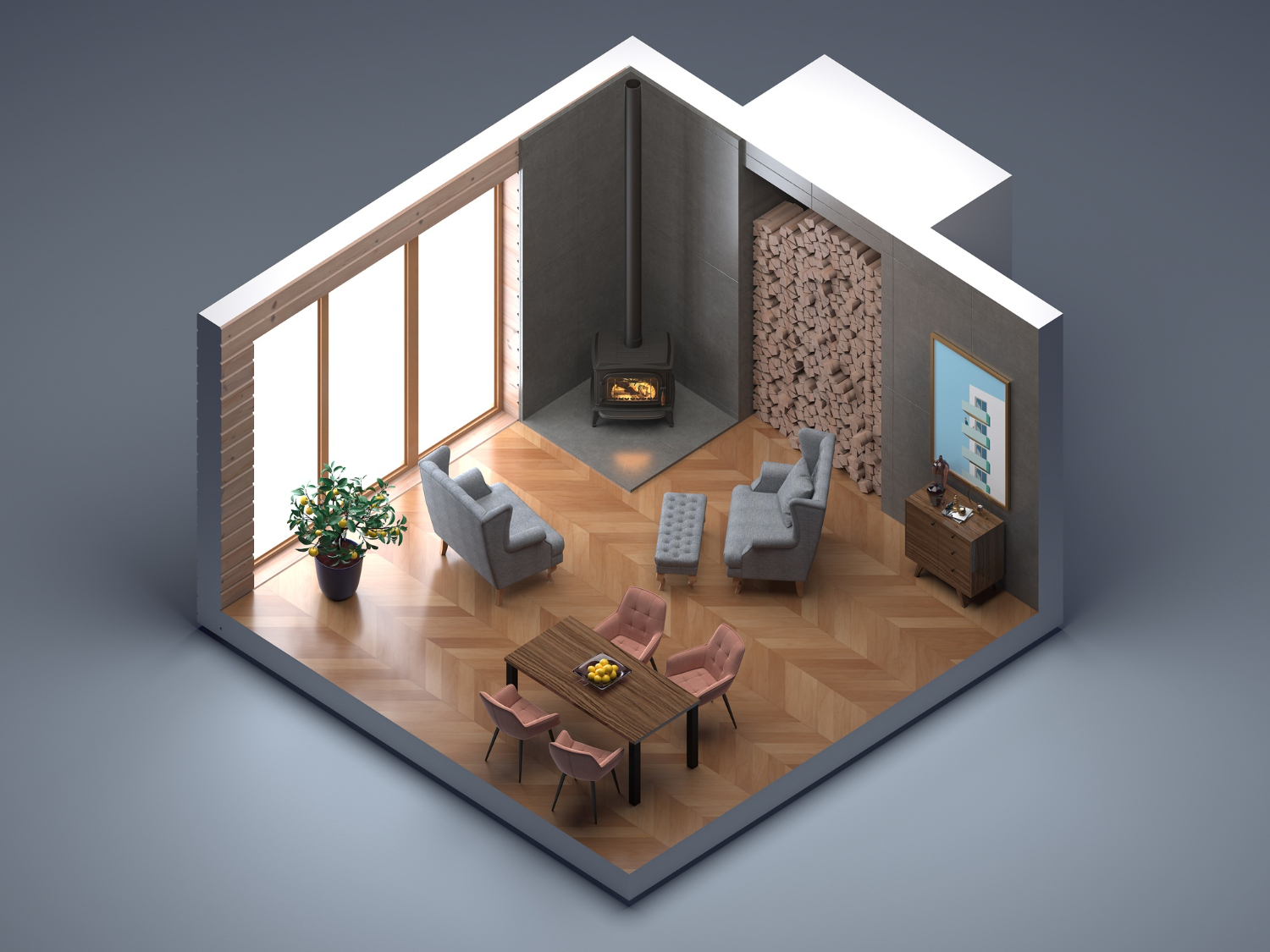
Before styling any room, the first question should be: how will the space be used? A living room may need to support guests, television, family time, reading, storage, and movement. A bedroom should feel calm, but it may also need wardrobes, a work corner, or extra storage. A kitchen needs a practical workflow before decoration.
AI room design can help users explore how furniture placement affects the function of a space. A sofa placed too close to a walkway can make a living room feel cramped. A bed positioned poorly may block movement. A dining table that is too large may look stylish in theory but uncomfortable in daily use.
When using AI-generated room ideas, homeowners should look beyond the visual style. They should ask whether the layout feels practical and whether the room supports daily habits.
Use Color Palettes with Intention
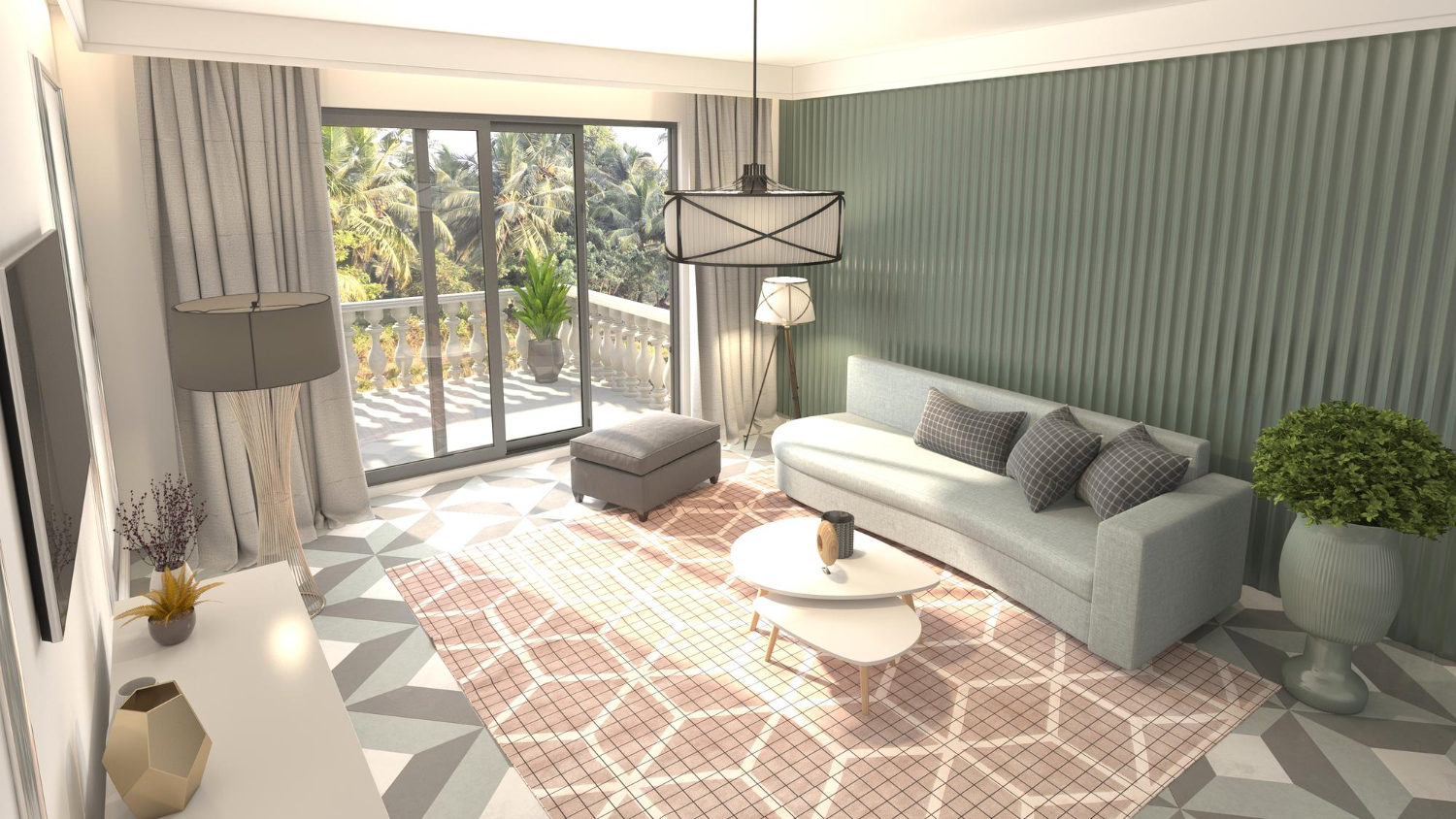
Color is one of the most powerful parts of interior styling. It affects mood, size perception, and warmth. Light colors can make small rooms feel more open, while deeper tones can add comfort and drama. Neutral palettes are flexible, but they can feel flat without texture and contrast.
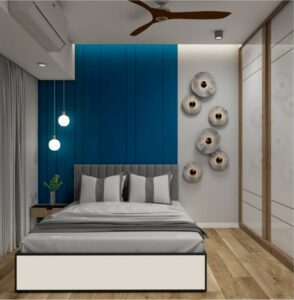
AI interior design tools can help users compare color directions quickly. A room can be tested with warm beige tones, cool gray shades, earthy greens, soft whites, or darker accent walls. This is useful because colors often look different depending on natural light, flooring, and furniture.
For a balanced room, homeowners should think in layers. The base color may come from walls and flooring. The secondary color may appear in furniture, curtains, or rugs. Accent colors can be added through cushions, artwork, lamps, plants, or small decor pieces.
Pay Attention to Scale and Proportion
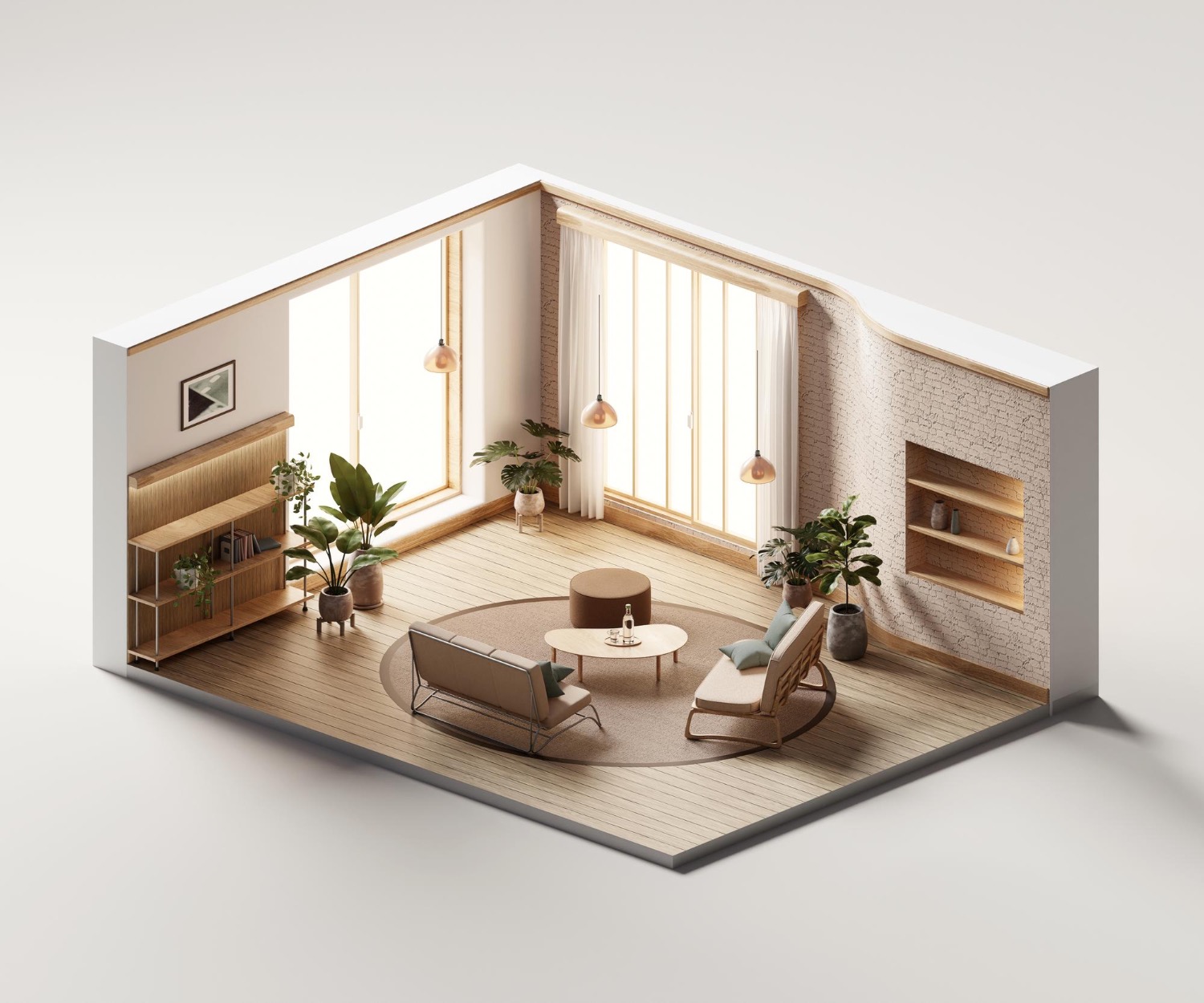
A common styling mistake is choosing furniture that does not match the scale of the room. A large sectional sofa may overpower a small living room. Tiny side tables may look lost beside a large bed. Oversized decor can make a room feel crowded, while too many small items can make it feel cluttered.
When reviewing AI-generated room makeover ideas, homeowners should study the relationship between furniture and room size. Good design ideas usually leave breathing space around the main pieces. Rugs should be large enough to connect furniture visually. Lighting fixtures should match ceiling height and room size. Wall art should be proportionate to the nearby furniture.
A visual concept can inspire the direction, but furniture dimensions should always be checked before buying.
Combine Materials, Textures, and Lighting
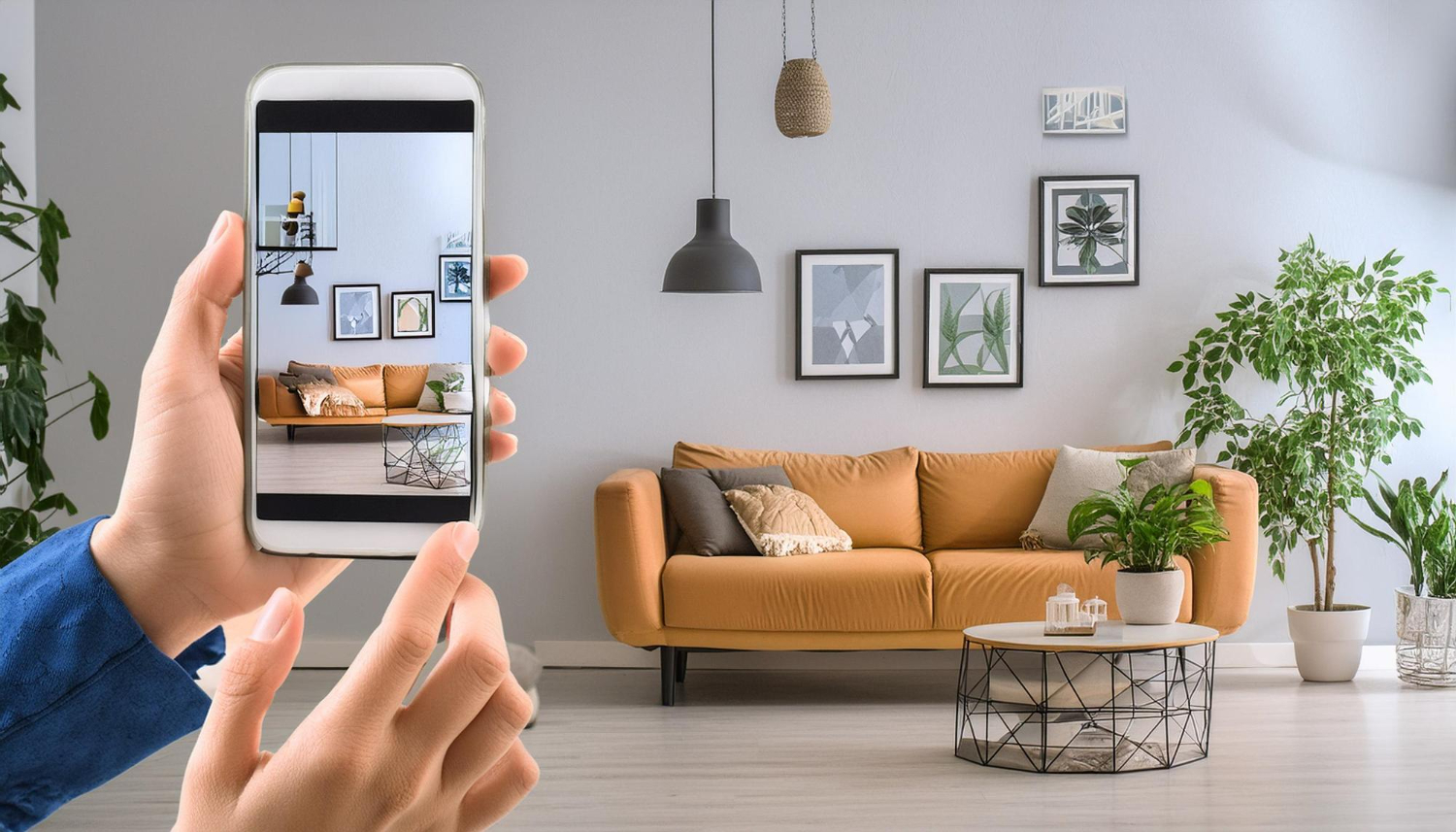
A room often feels complete when it has a good mix of textures. Wood, fabric, stone, metal, glass, plants, ceramics, and woven materials all add depth. A room that uses only smooth surfaces may feel cold. A room with too many heavy textures may feel crowded.
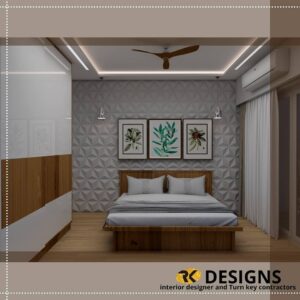
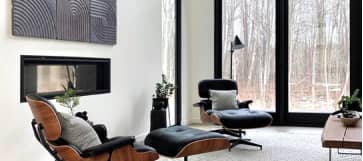
AI design tools can help users explore material combinations. For example, a Japandi living room may combine light wood, linen, neutral walls, and simple black accents. A modern farmhouse kitchen may use warm wood, stone surfaces, matte hardware, and soft lighting. A cozy bedroom may use layered bedding, a textured rug, warm lamps, and soft curtains.
Using a best free AI interior design app can be a simple way to preview these styling combinations before choosing furniture, decor, or finishes. The goal is not to copy the AI result exactly, but to identify which materials and moods work best.
Lighting also changes the entire design. A practical room may need general lighting, task lighting, and accent lighting. AI-generated designs often show how warmer lamps, pendant lights, wall lights, or indirect lighting can change the mood.
AI Is Best for Early Planning
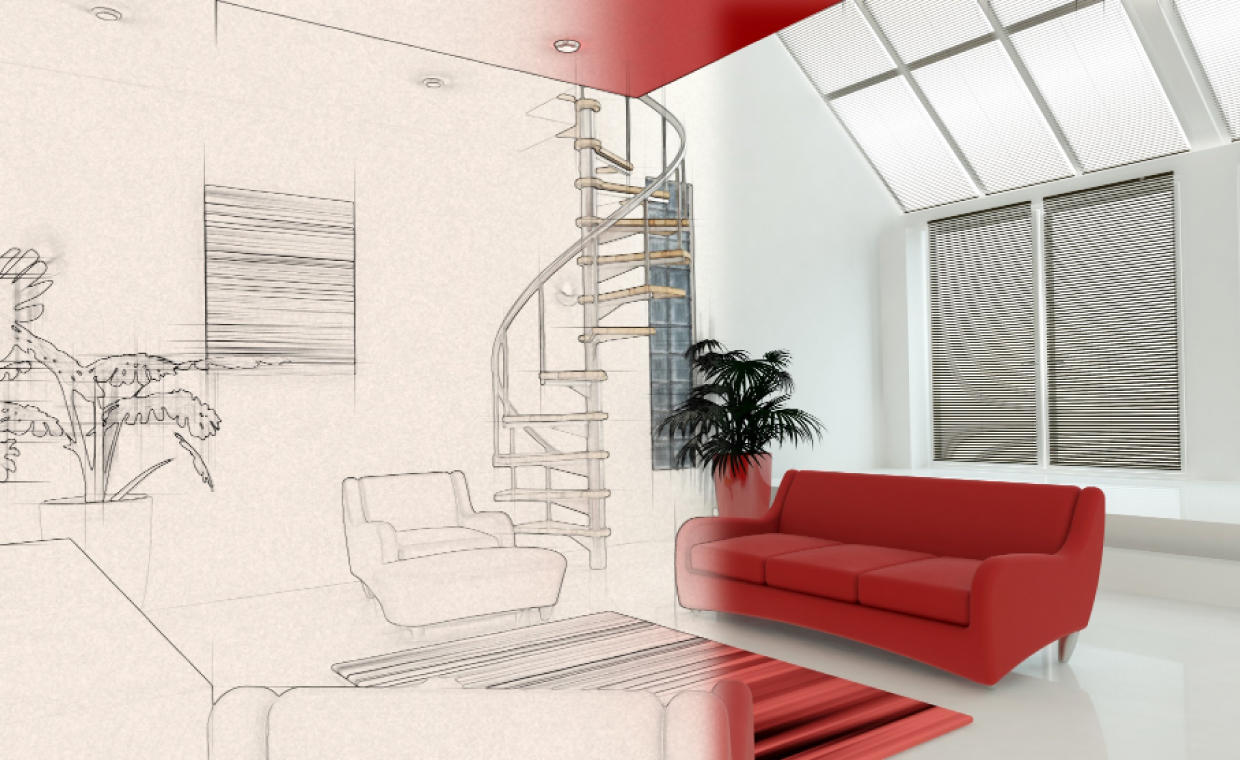
AI interior design is most useful at the inspiration and planning stage. It helps users compare styles, test color palettes, explore furniture placement, and understand how a room could feel after changes. It is especially useful before buying furniture, repainting walls, staging a property, or starting a renovation.
However, AI-generated visuals should not be treated as technical drawings. They do not replace professional advice for structural work, electrical planning, plumbing, waterproofing, permits, or construction safety. For serious renovation projects, homeowners should work with qualified professionals.
A Smarter Way to Style a Home
Good interior styling is not only about making a room attractive. It is about making the space useful, comfortable, and personal. AI tools can help homeowners start that process with more confidence by turning ideas into visual concepts.
By testing layouts, colors, textures, lighting, and design styles before making real changes, homeowners can avoid rushed decisions and better understand what their space needs. Used wisely, AI interior design can become a practical first step in creating a home that looks good and works well.
Also Read: Transforming Home Design Projects with AI Tools
How AI Interior Design Can Help Homeowners FAQs
1. What is AI interior design?
AI interior design uses artificial intelligence to generate room makeover ideas, layouts, colour palettes, and décor suggestions based on uploaded photos.
2. How can AI help homeowners design their homes?
It helps homeowners visualize changes, test different styles, optimize layouts, and make informed design decisions before investing in renovations or furniture.
3. Can AI interior design tools suggest colour combinations?
Yes, AI tools can generate and compare various colour palettes to help users choose combinations that suit their space and preferences.
4. Are AI-generated designs accurate for renovations?
AI designs are useful for inspiration and planning but should not replace professional advice for structural, electrical, plumbing, or construction work.
5. What are the benefits of using AI interior design tools?
They save time, reduce guesswork, inspire creativity, help avoid costly mistakes, and allow homeowners to explore multiple design options with ease.
Author & Expert Review
Written By:  Nidhi Patel | Civil Engineer & Content Writer

| Credentials: B.E. (Mahatma Gandhi Institute of Technical Education and Research Centre), Registered with Gujarat Technological University (GTU). Experience: Civil Engineer with 3+ years of content writing experience, currently writing blogs for Gharpedia, part of SDCPL. Expertise: Specializing in SEO-optimized blogs and long-form articles focused on home improvement, construction, interiors and architect topics. I create well-researched, reader-focused content that balances technical accuracy with clarity, making complex subjects easy to understand. Find her on: LinkedIn |
Verified By Expert: Farhan Sheikh – Senior Manager – Architect, SDCPL | Associate Member – IIA

This article has been reviewed for architectural and interior design accuracy by Farhan Shaikh, Senior Manager – Architect at Sthapati Designers & Consultants Pvt. Ltd. As the lead for all architectural and interior projects at SDCPL and an Associate Member of the Indian Institute of Architects (IIA), he brings hands-on experience in architectural planning, interior design, project coordination, and sustainable strategies. His review ensures the content reflects practical design considerations, industry best practices, and real-world applicability across both architecture and interior spaces.
Find him on : Linkedin