








Table of Contents
Quick Summary
- Explore how changing a sofa cover can alter the look and feel of an entire living room.
- Learn why accurate measurements and the correct IKEA model are essential for a tailored fit.
- Discover ways to select colours that complement existing walls, flooring, rugs and furniture.
- Understand why fabric samples should be tested in different lighting conditions.
- Compare textures such as woven fabrics, velvet and ribbed materials.
- Consider pets, everyday use, abrasion resistance, pilling and fabric maintenance.
- Check washing, drying and care requirements before ordering.
- Finish the makeover with a few carefully chosen accessories rather than over-decorating.
Courtesy - Magnific
Many IKEA sofas come with removable covers, making it easy to refresh their appearance as your home and tastes change. A new colour or texture can give a familiar sofa a completely different character and bring the rest of the room together. Whether the existing fabric looks worn or simply no longer suits your interior, a custom-made replacement cover offers a way to update the space while keeping a sofa that still feels comfortable.
One popular choice in IKEA’s sofa range is Kivik, with its low, wide armrests and generous cushions. The range includes chaises and corner arrangements. Its broad upholstered surfaces make both colour and texture especially noticeable. A custom-made ikea kivik cover can shift this familiar sofa from a quiet neutral backdrop to the room’s main feature. In a warm woven fabric, it can sit comfortably alongside oak furniture and a neutral rug; in deep blue velvet, the same shape takes on a more decorative character. The furniture stays familiar, but the room feels different as surrounding materials are seen against a new colour. It is a useful example of how a fitted cover can refresh an interior without changing its layout.
Why Changing the Sofa Changes the Room
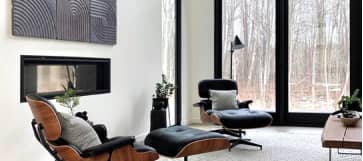
A sofa often occupies a large part of your view when you enter a living room. Its upholstery sits beside the rug, catches the light from the window and provides a backdrop for cushions. Changing that surface can influence how all those neighbouring elements look, even when everything else stays where it is.
Imagine a grey sofa against cream walls, with oak furniture and a warm-toned rug. Nothing is wrong with those pieces individually, but the grey may make the scheme feel disconnected. Replace it with a warm beige or muted olive, and the wood, walls and upholstery can suddenly look as though they belong together.
A room full of pale neutrals may need a focal point instead. A deep blue cover can define the seating area without repainting the walls. Repeat a little blue in an artwork or cushion, then leave the surrounding colours relatively quiet. You create a clear relationship between the sofa and its accessories without matching every object.
First, check the sofa itself. A cover cannot mend a damaged frame or restore collapsed cushions. If the structure is sound and the seat remains comfortable, changing the upholstery is worth considering before replacing the whole piece.
Get The Fit Right Before Choosing the Fabric
Fit matters as much as the material. A tailored replacement follows the furniture’s individual parts, preserving the outline of the arms and cushions. A universal stretch cover may offer convenient protection, but excess fabric or misplaced seams can blur the sofa’s original shape.
Start with identifying the exact IKEA model and configuration. Two sofas with the same number of seats can still have different dimensions. A two-seater, three-seater, chaise combination or corner arrangement also needs the correct set of pieces, so check the product description as carefully as the photograph.
Look for a model label or original order details, then confirm the dimensions and modules with the supplier. Include the chaise position, any corner sections and a matching footstool. It is easier to resolve uncertainty now than after a cover has been sewn.
Ask what the set includes. Cushion covers, armrest pieces and the main frame cover all play a part in the finished appearance. For a sofa positioned away from the wall, the back needs attention too. A sofa bed may require a different cover arrangement from a visually similar fixed sofa.
“Custom-made” may mean sewn to order for a specific IKEA model, rather than drafted from scratch for any sofa. Similar-looking furniture from another brand may have different proportions and fixing points. Confirming the model is essential.
Build the Colour Palette Around What You Already Own
Courtesy - Magnific
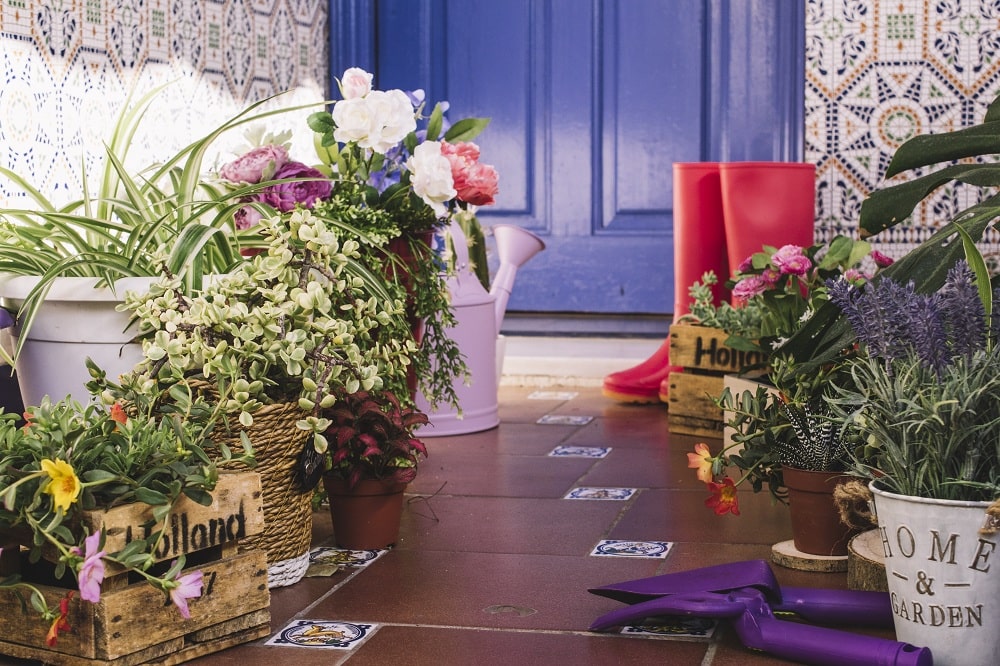
Start with the elements you intend to keep: flooring, curtains, walls and larger furniture. Notice their undertones. Cream walls and golden oak often sit comfortably beside warm neutrals, earthy greens or muted rust. Cooler finishes might work with smoky blue. Treat these as starting points to test, rather than rules that every room must follow.
Decide whether the sofa should blend in or stand out. A cover close in tone to the walls reduces visual contrast, which may help a large sectional feel less dominant. A contrasting shade gives it more presence. Neither changes the floor plan, but each changes what catches your eye first.
Check the relationship with the floor. A dark sofa on dark flooring can lose definition; a lighter rug may provide separation. Against pale flooring, a deeper cover can establish a distinct seating area. Look at the whole composition from the doorway instead of judging each colour separately.
For a patterned cover, consider the scale as well as the colours. A delicate-looking swatch may become a strong feature across a corner sofa. Pick one colour from the pattern for a plain cushion or throw, and give the pattern some breathing room with simpler nearby textiles.
You can also borrow a colour from something you already love: a painting, a ceramic bowl or the garden beyond the window. This gives the new upholstery a connection to your home, rather than making it feel like an isolated purchase.
Test Samples Where the Sofa Actually Lives
Screens are useful for narrowing down choices, but they cannot tell you exactly how a fabric will look in your room. If it is possible, order physical samples before choosing.
Compare the samples beside the rug, curtains and woodwork, in daylight and under your evening lamps. Hold each fabric flat and upright to approximate a seat and backrest. A colour you love beside a sunny window may feel different in the corner where the sofa lives.
Try your shortlist over a couple of days. Leave the samples where you can see them while using the room, rather than making the decision during a quick glance. Check them at the time you normally relax on the sofa. A room used mostly in the evening deserves an evening colour test.
Touch matters too. Rest your hand on the fabric and consider whether you enjoy its surface against bare skin. A beautiful photograph cannot tell you whether you would happily spend a long Sunday afternoon sitting on it.
Use Texture to Give the Sofa Character
Two beige covers can create noticeably different interiors. A matte weave introduces visible texture and an understated finish. Velvet’s gentle sheen brings a softer, more decorative quality. Ribbed fabric adds rhythm across the surface and can make a clean-lined sofa feel more relaxed.
Balance the finishes around the seating area. With a textured cover, try plain cushions and a smoother throw. With velvet, a matte rug or wooden coffee table provides a counterpoint. Leave some quieter surfaces so you can appreciate the textures individually.
Consider the sofa’s outline too. Rounded arms and a softer silhouette can suit relaxed neutrals or a traditional pattern. Straighter lines offer a calmer backdrop for expressive colour. With modular furniture, think about how the fabric will read across every section, especially where several pieces meet.
Choose Fabric for The Household That Actually Uses It
Picture the first evening with your refreshed sofa. The cushions are arranged, the throw is folded, and the dog returns from a walk convinced you have installed a very expensive towel. It is a useful reminder to choose fabric for everyday life as well as the photograph you hope to take.
Read the properties of the individual fabric. Look for pet-friendly options with resistance to animal scratches. That does not make a sofa indestructible. Similarly, stain-resistant treatments can make spills easier to manage, but prompt attention and the correct cleaning method still matter.
Colour can affect how visible everyday debris becomes. Pale pet hair may show clearly on dark upholstery, while darker hair can stand out on a light cover. Compare a sample with the practical realities of your household, especially if the sofa is a favourite sleeping spot for a pet.
Technical information can help you compare fabrics beyond their appearance. Martindale figures describe abrasion resistance under test conditions. Pilling ratings concern the small balls of fibre that may form on the surface. These measure different things, so an abrasion score alone cannot describe every aspect of a fabric’s performance.
When choosing an Ikea sofa cover, look for clear information about fit, composition and care.
Make Sure the Care Routine Works for You
Courtesy - Magnific
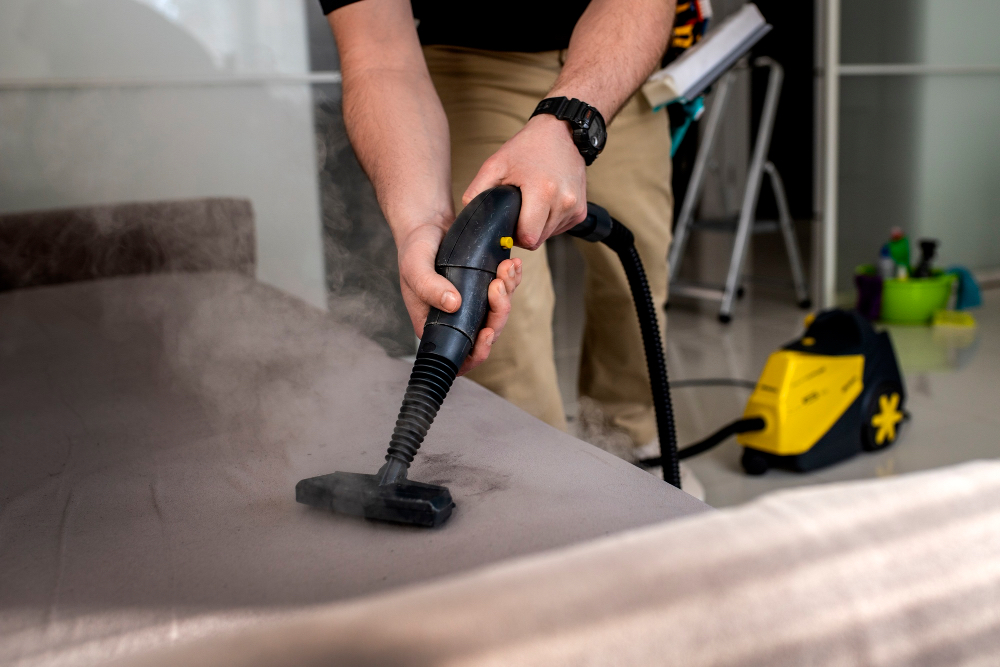
A washable cover is useful only if its care requirements fit your routine. Before ordering, check the washing temperature, drying instructions and whether the larger pieces will suit your machine’s capacity. A sectional cover is made up of several components; you may need to plan how to clean and dry them.
Follow the instructions supplied with the new cover rather than the label on the original IKEA fabric. Different textiles can require different treatment, even when they fit the same furniture.
For fabrics with stain-protective treatments, care information also notes that washing wears down protective coatings. Use the recommended spot-cleaning method where appropriate instead of automatically washing the entire set for every small mark.
Read the drying instructions before you need them. Care guidance is part of the buying decision: you want a sofa you can comfortably maintain after the excitement of the makeover has passed.
Finish the Room With A Few Thoughtful Adjustments
Once the cover is fitted, live with it before buying more accessories. The existing curtains or rug may work better than expected. Echo the sofa colour elsewhere, vary the texture of one or two cushions, and make sure a lamp reaches the place where you read.
Keep enough upholstery visible to appreciate the fit and fabric. One loosely arranged throw can soften the seating area; several blankets may hide the very change you wanted to make. On a sofa away from the wall, check the back and sides as carefully as the front.
In an open-plan space, view the sofa from the dining table or kitchen as well. Its colour should make sense from those positions, particularly when the back is visible. A repeated shade in nearby artwork or dining textiles can connect the zones while allowing each area to keep its own character.
The best result comes from choices that work together: an accurate fit, a colour tested at home, a texture you enjoy touching and care requirements you can manage. A well-chosen cover can give an existing sofa renewed purpose and make familiar furnishings feel at home together again.
Also Read: Why touch matters more in fabric choice than people assume
FAQs – IKEA Sofa Cover
1. Can an IKEA sofa cover change the look of a room?
Yes. Changing the sofa’s colour and texture can alter the visual balance of the room without replacing the furniture or changing the layout.
2. How do I choose the right IKEA sofa cover?
Identify the exact IKEA model and configuration first. Check the dimensions, modules, chaise position and the pieces included in the cover set.
3. Is a custom-made sofa cover better than a universal cover?
A custom-made cover designed for a specific IKEA model generally provides a more precise fit and helps preserve the sofa’s original shape.
4. What fabric is best for an IKEA sofa cover?
The best fabric depends on your household. Consider durability, texture, pet use, stain resistance, comfort and cleaning requirements before making a choice.
5. Should I order fabric samples before buying a sofa cover?
Yes. Physical samples allow you to see the colour and texture alongside your existing furniture in both daylight and artificial light.
Courtesy - Featured Image(Magnific)
Author & Expert Review
Written & Verified By:  Farhan Shaikh – Senior Manager – Architect, SDCPL | Associate Member – IIA

| Credentials: Senior Manager – Architect at Sthapati Designers & Consultants Pvt. Ltd. and Associate Member of the Indian Institute of Architects (IIA). Experience: Architect with hands-on experience leading architectural and interior design projects at SDCPL, including architectural planning, interior design, project coordination, and sustainable design strategies. Expertise: Specializing in architectural planning, interior design, project coordination, and sustainable design. He reviews content to ensure it reflects practical design considerations, industry best practices, technical accuracy, and real-world applicability across architecture and interior spaces. Find him on: Linkedin |