






Table of Contents
Quick Summary
- Choose high-visibility shirts based on site traffic, machinery exposure, lighting conditions and shift timings.
- ANSI/ISEA 107 Type O Class 1 suits low-risk, off-road environments with slow-moving traffic.
- Type R Class 2 is suitable for daytime roadwork and utility crews exposed to traffic.
- Type R Class 3 is essential for higher-speed traffic and low-light conditions.
- Check garment labels for certified Type and Class rather than relying on colour alone.
- Moisture-wicking polyester mesh improves comfort, breathability and sweat management.
- Segmented reflective tape allows flexibility, reduces heat build-up and minimises chafing.
- Choose fluorescent yellow-green or orange-red according to the surrounding environment.
- Dark lower panels help conceal dirt, grease and asphalt stains.
- Reinforced seams, secure pockets and proper fit improve durability, comfort and jobsite safety.
Courtesy - Magnific
Choosing high visibility shirts for site workers comes down to matching the garment’s ANSI/ISEA 107 performance class, fabric weight, and reflective tape construction to your crew’s specific traffic exposure and shift schedule. Three construction workers die every day in the US from on-the-job accidents, with struck-by vehicle incidents remaining a primary hazard on active sites. Picking the right shirt directly controls whether equipment operators and passing motorists spot your crew in time to stop.
A fluorescent shirt that works fine during a dry midday pour can become a serious liability during a humid night shift or alongside moving heavy machinery. Procurement leads and site supervisors often buy based purely on unit price, only to watch crews ditch uncomfortable shirts or fail a mid-project compliance audit.
Matching ANSI/ISEA 107 Classes and Types to Site Hazards
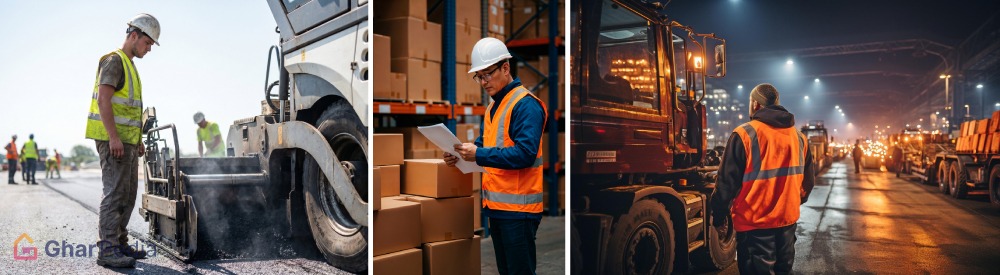
Courtesy - Magnific(image 1, 2, 3)
Start your selection by evaluating vehicle speeds and equipment proximity on your jobsite, because OSHA enforces visibility rules based on ANSI/ISEA 107 garment types and performance classes. Type O Class 1 garments only belong in off-road environments like warehouses or parking lots where traffic moves under 25 mph. Once your crew steps near public roadways, utility easements, or active heavy-haul corridors, Type R Class 2 becomes the baseline legal requirement.
Type R Class 2 shirts feature at least 775 square inches of fluorescent background material and 201 square inches of retroreflective striping, making them standard for daytime roadwork and utility crews. When traffic speeds exceed 50 mph or work shifts into low-light conditions, you need to step up to Type R Class 3 garments. Class 3 shirts require sleeves with retroreflective bands so drivers can recognize a human silhouette from much greater distances.
Under the updated ANSI/ISEA 107-2026 standard, smaller garment sizes up to medium now have adjusted background material minimums so smaller-framed workers get a proper fit without sacrificing certification. Always check the interior neck tag for the exact Type and Class designation rather than assuming a bright neon shirt meets federal roadway rules.
Selecting Fabric Weights and Reflective Tape for Shift Conditions

Courtesy - Magnific
Once you lock in the required ANSI class, look closely at fabric construction and how the reflective striping attaches to the shirt. Heavy 100% cotton blends feel familiar, yet they trap sweat, fade faster under UV exposure, and take hours to dry during wet weather. Moisture-wicking polyester birdseye mesh pulls perspiration away from the skin and holds fluorescent dye significantly better over dozens of industrial wash cycles.
Outfitting crews for overnight highway paving or poorly lit rail yards requires specialized high visibility shirts for night workers that balance breathability with 360-degree retroreflective coverage. Daylight fluorescent pigments rely on ultraviolet light to glow, meaning they lose much of their visual punch after sundown. At night, glass-bead or microprismatic silver tape does almost all the heavy lifting by bouncing vehicle headlights directly back toward the driver.
Pay attention to how that reflective tape is applied to the torso and sleeves. Traditional solid-sewn tape creates stiff, non-breathable bands that trap heat against the chest and can chafe during high-reach tasks. Heat-applied segmented reflective tape breaks the striping into flexible chevrons or dashes, letting the shirt stretch naturally while allowing body heat to escape.
Consider these three construction details before placing a bulk apparel order for your crew:
- Moisture-wicking polyester birdseye mesh prevents heat buildup during strenuous summer shifts while retaining bright fluorescent color vibrancy
- Heat-applied segmented reflective tape flexes with upper-body movement and eliminates the stiff sweat traps caused by solid sewn-on bands
- Dark-colored lower torso panels hide grease, asphalt splatter, and dirt in high-contact zones without reducing compliant upper-body visibility
Evaluating Color Contrast and Fit for Real Jobsite Durability
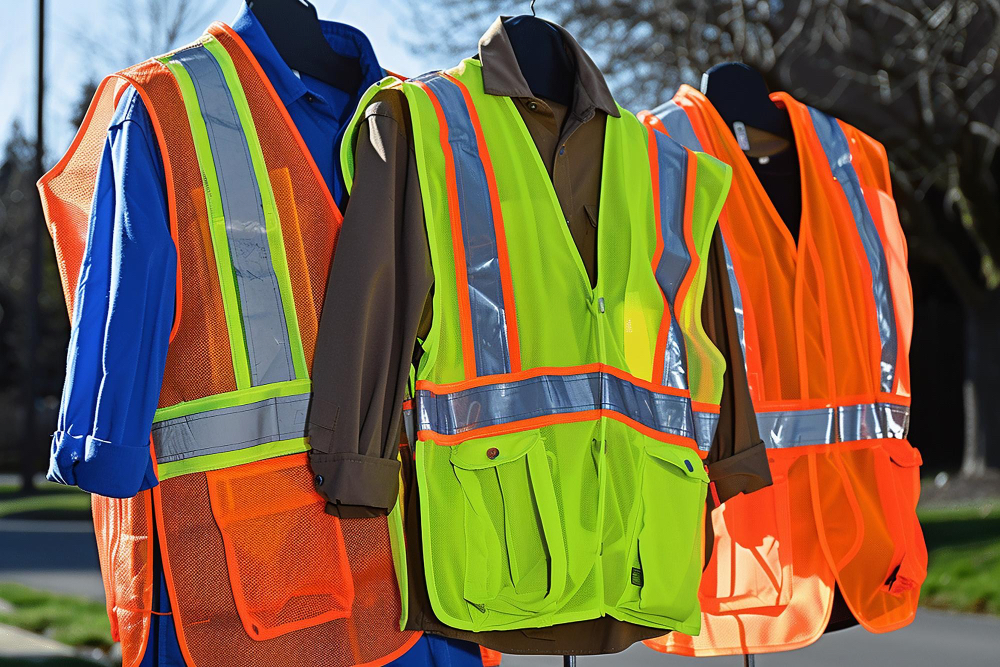
Courtesy – Magnific
Fluorescent yellow-green remains the most common choice across North American construction sites concerned with safety best practices, because the human eye processes its wavelength fastest in low-light and dawn conditions. However, fluorescent orange-red often provides sharper visual separation when crews work against dense green foliage, wooded right-of-ways, or grassy highway medians. Matching the base color to your surroundings helps workers stand out instead of blending into the scenery.
Sizing and seam durability also determine whether a shirt lasts a full season or ends up in the trash after three weeks. Look for double-stitched seams at the shoulders and reinforced chest pockets that hold radios, pens, or small notepads without sagging. A proper athletic or relaxed work fit prevents loose fabric from snagging on scaffolding, rebar, or rotating machinery controls.
Building a Practical Site Apparel Standard

Courtesy - Magnific
Standardizing your crew’s high-visibility gear removes guesswork during morning safety briefings and keeps your site ready for unannounced compliance inspections. Keep both short-sleeve Class 2 and long-sleeve Class 3 options stocked in your site trailer so workers can adapt quickly when weather or shift schedules change. Browse our blog library for practical breakdowns on a range of construction safety topics.
Also Read: Selecting Optimal Safety Work Wear for Construction Projects
FAQs on How To Choose High Visibility Shirts For Site Workers
1. What class of high-visibility shirt is best for construction workers?
Class 2 is suitable for many daytime construction activities, while Class 3 is needed for higher-risk environments, high-speed traffic and low-light conditions.
2. Which colour high-visibility shirt is best for site workers?
Fluorescent yellow-green is widely used, while orange-red can offer better contrast against green foliage and grassy surroundings.
3. Are polyester high-visibility shirts better than cotton?
Polyester shirts generally offer better moisture-wicking, faster drying and colour retention, making them practical for demanding work conditions.
4. Why is reflective tape important on high-visibility shirts?
Reflective tape returns light from vehicle headlights towards drivers, helping workers remain visible at night and in poor lighting.
5. How should site supervisors choose high-visibility shirts for different shifts?
Match the garment class, reflective coverage, fabric breathability and sleeve design to the shift, weather, traffic exposure and site hazards.
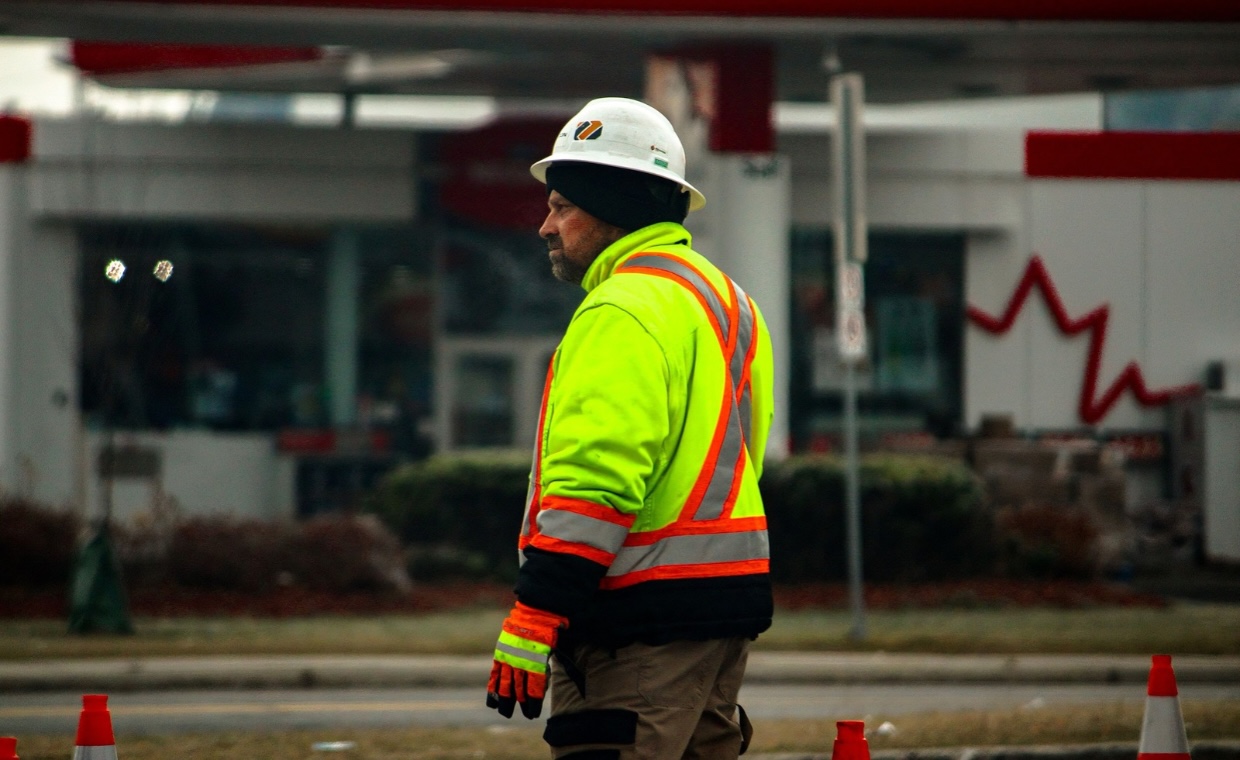
Courtesy - Featured Image(pexels)
Author & Expert Review
Written & Verified By :  Ravin Desai – Co Founder – Gharpedia | Co Founder – 1 MNT | Director – SDCPL

| Credentials: B.Tech. in Civil Engineering from VNIT Nagpur and M.S. in Civil Engineering from Clemson University, USA. Co-Founder of Gharpedia and Director at Sthapati Designers & Consultants Pvt. Ltd.. Experience: Civil engineering professional with over a decade of international and Indian experience in the construction and design consultancy sector, with expertise in technical review and industry practices. Expertise: Specializes in reviewing technical content related to civil engineering, construction, design consultancy, materials, and industry practices. He ensures content is technically accurate, aligned with industry standards, and reflects practical construction and design best practices. Find him on: LinkedIn |