






Table of Contents
Quick Summary
- Learning how to choose sofa fabric involves more than matching colours with your décor – comfort and texture play an equally important role.
- Research shows that people perceive fabric differently based on their tactile sensitivity and familiarity with various textures, making fabric choice a personal preference.
- Before making a purchase, handle multiple fabric swatches to evaluate their texture, weight, drape, temperature, and overall comfort.
- Involve all household members in the selection process, as the sofa is a shared piece of furniture and individual preferences may vary.
- Natural fabrics such as linen and cotton often become softer and more comfortable with regular use and washing, making them a worthwhile long-term investment for everyday living.
Most fabric decisions for a sofa get made through the eyes alone. A swatch arrives, the colour is approved against the room’s palette, and the order is placed. The hand, which will be the part of the body in most direct and frequent contact with the cover, rarely gets a meaningful say in the decision until the piece has already arrived and the household discovers, sometimes happily and sometimes not, what the fabric actually feels like to live with.
This is a curious gap, because touch is at least as important as appearance for a textile that people will spend hours in contact with every week. Understanding what actually shapes how a fabric feels, and why two people can disagree sharply about the same swatch, helps explain why fabric selection deserves more deliberate attention than it typically receives.
What Research Reveals About How People Actually Perceive Fabric
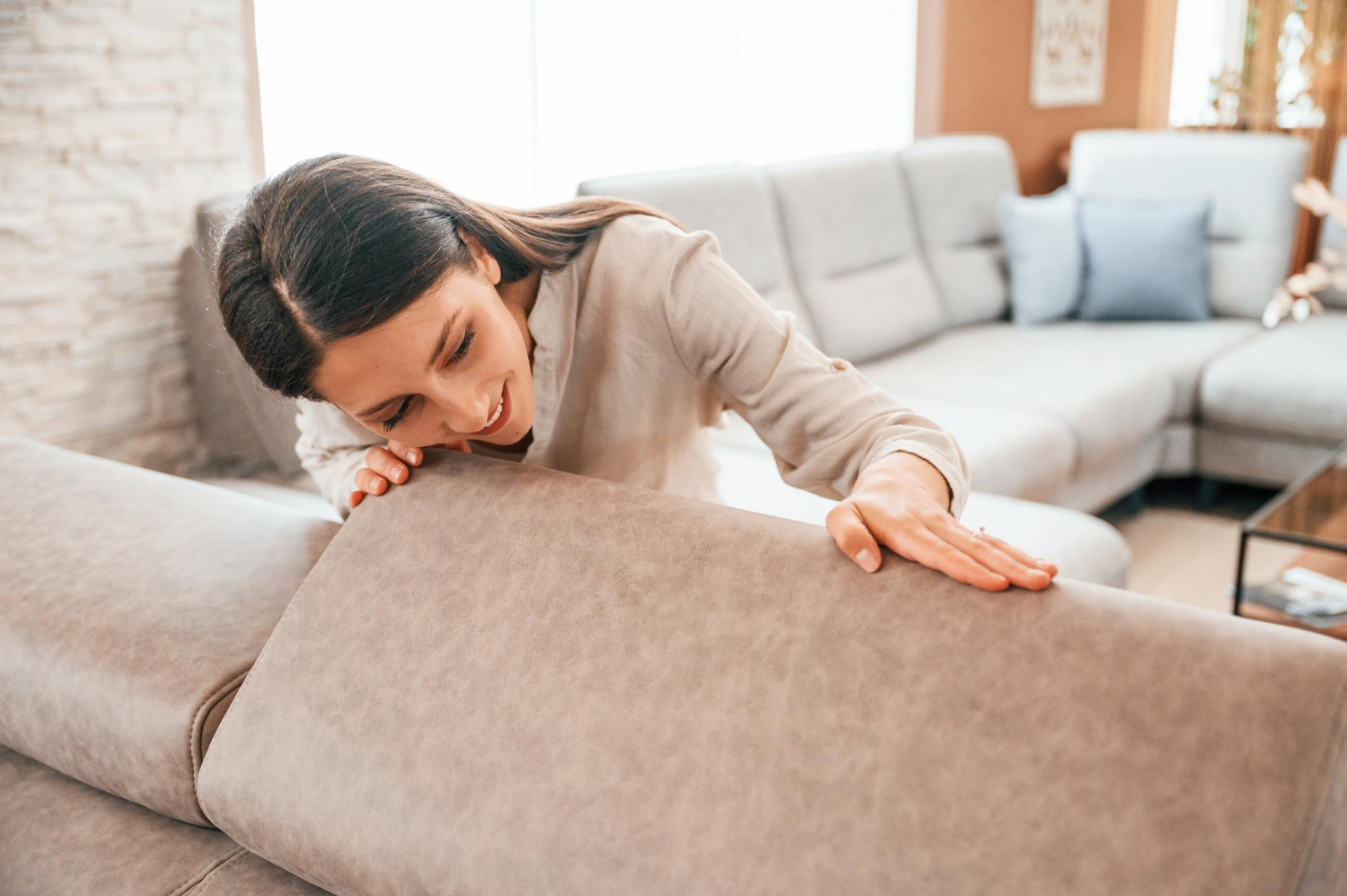
A study published in 2024 by researchers at West Virginia University examined how tactile sensitivity affects the way people perceive textile textures, testing 22 different fabric swatches across eight separate touch attributes. The study found that tactile sensitivity significantly influenced perception of textile textures, with the frequency of working with textiles having the most substantial impact on how participants rated the fabrics, followed closely by their general familiarity with different textures.
This finding has a practical and slightly counterintuitive implication. The way a fabric feels is not a fixed property of the material alone. It is shaped substantially by the person doing the touching, by how much hands-on experience they have with textiles, and by how familiar they already are with the texture in question. The same linen swatch that one person describes as pleasantly textured may register to someone else, with a different tactile experience, as rough or unrefined.
This is one of the reasons fabric choice for a household piece like a sofa cover benefits from being a shared decision involving everyone who will actually use the piece, rather than a decision made by whichever household member happens to be doing the ordering. Tactile preferences genuinely vary between people in ways that visual preferences for colour often do not, and a cover that one person finds wonderfully tactile may simply read differently to another.
Why Choosing Across Multiple Fabric Options Matters
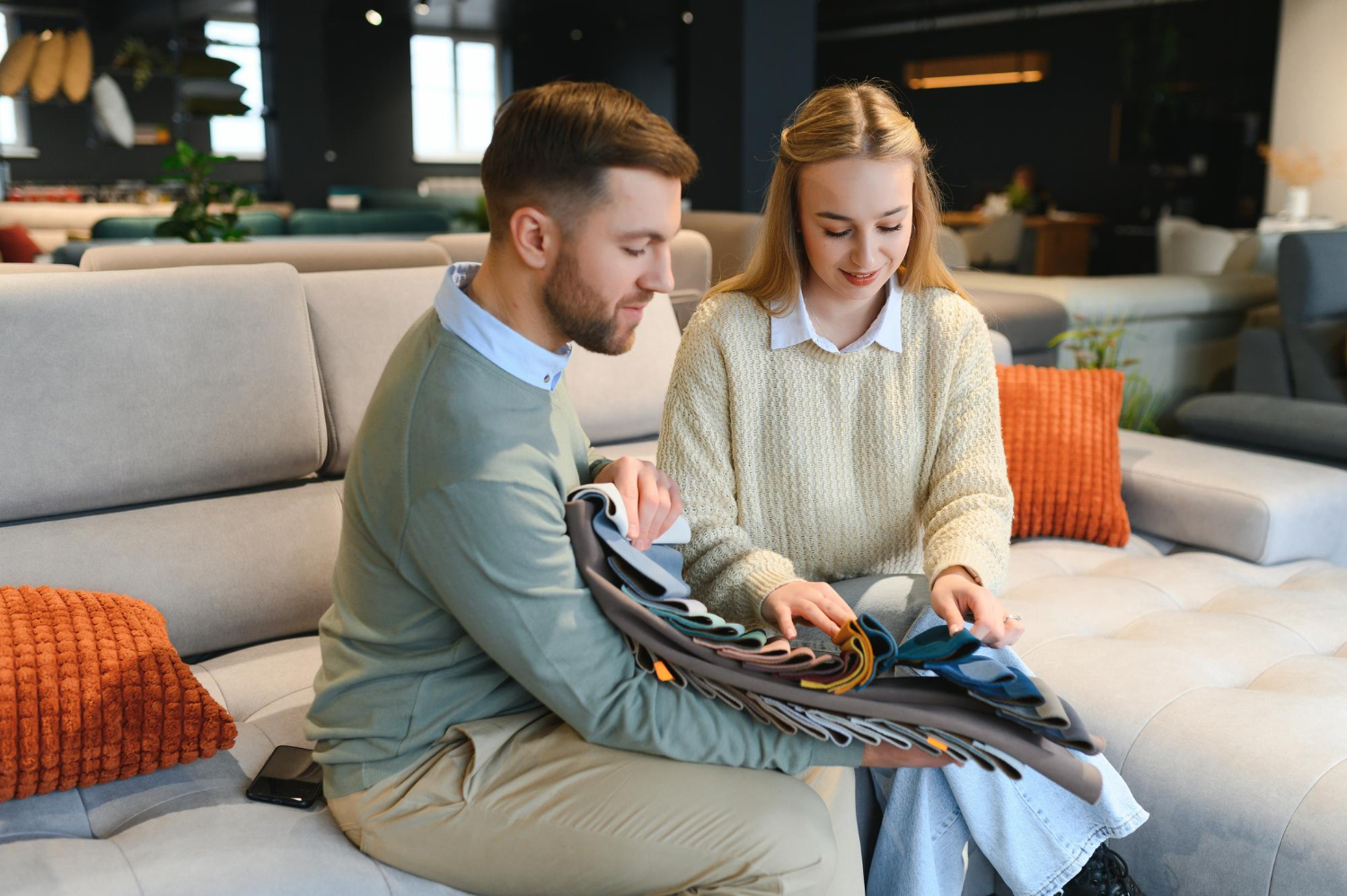
Given how much tactile perception varies between individuals, the most reliable way to choose a sofa cover that will satisfy everyone using it is to physically test multiple fabric options rather than committing to a single material sight unseen. A swatch in linen, one in heavier cotton, and one in a lighter weave can feel substantially different under the hand even when their visual appearance in a photograph looks broadly similar.
This testing process matters particularly for a sofa, given how much direct contact it receives across a typical week. Arms resting on the cushions, hands gripping the arm during conversation, bodies leaning against the back cushion for hours at a time, all of these are tactile interactions that a colour swatch viewed on a screen cannot communicate. The only reliable way to know how a fabric will feel in daily use is to handle a real sample.
This is exactly why custom Söderhamn sofa covers in different fabrics are offered as genuine alternatives rather than as variations on a single material. A household choosing between a crisp linen weave, a softer washed cotton, or a heavier textured option is making a decision that the research confirms is genuinely subjective and worth getting right through direct contact rather than visual inference alone.
What To Test For When Handling A Fabric Sample
A useful fabric test goes beyond a brief touch of the swatch’s surface. The attributes worth deliberately assessing, drawn from the kind of touch dimensions the research itself examined, include:
- Surface texture under a flat palm, assessing whether the weave reads as smooth, slightly textured, or distinctly rough, and whether that texture feels pleasant or simply present.
- Weight and drape, lifting a corner of the swatch to feel how heavy or light the fabric falls, since weight affects both how the cover sits on the sofa and how substantial it feels under contact.
- Temperature response, holding the swatch for several seconds to notice whether it feels cool to the touch initially or warms quickly against the skin, which affects comfort across different seasons.
- Resistance and give, gently pressing into the fabric to feel whether it has structure and body or collapses easily, which relates to how the cover will perform under sustained seated pressure.
Testing each swatch against these dimensions, ideally with every household member who will use the sofa taking part, produces a far more reliable basis for the final decision than colour alone.
Why Familiarity Changes How A Fabric Is Judged Over Time
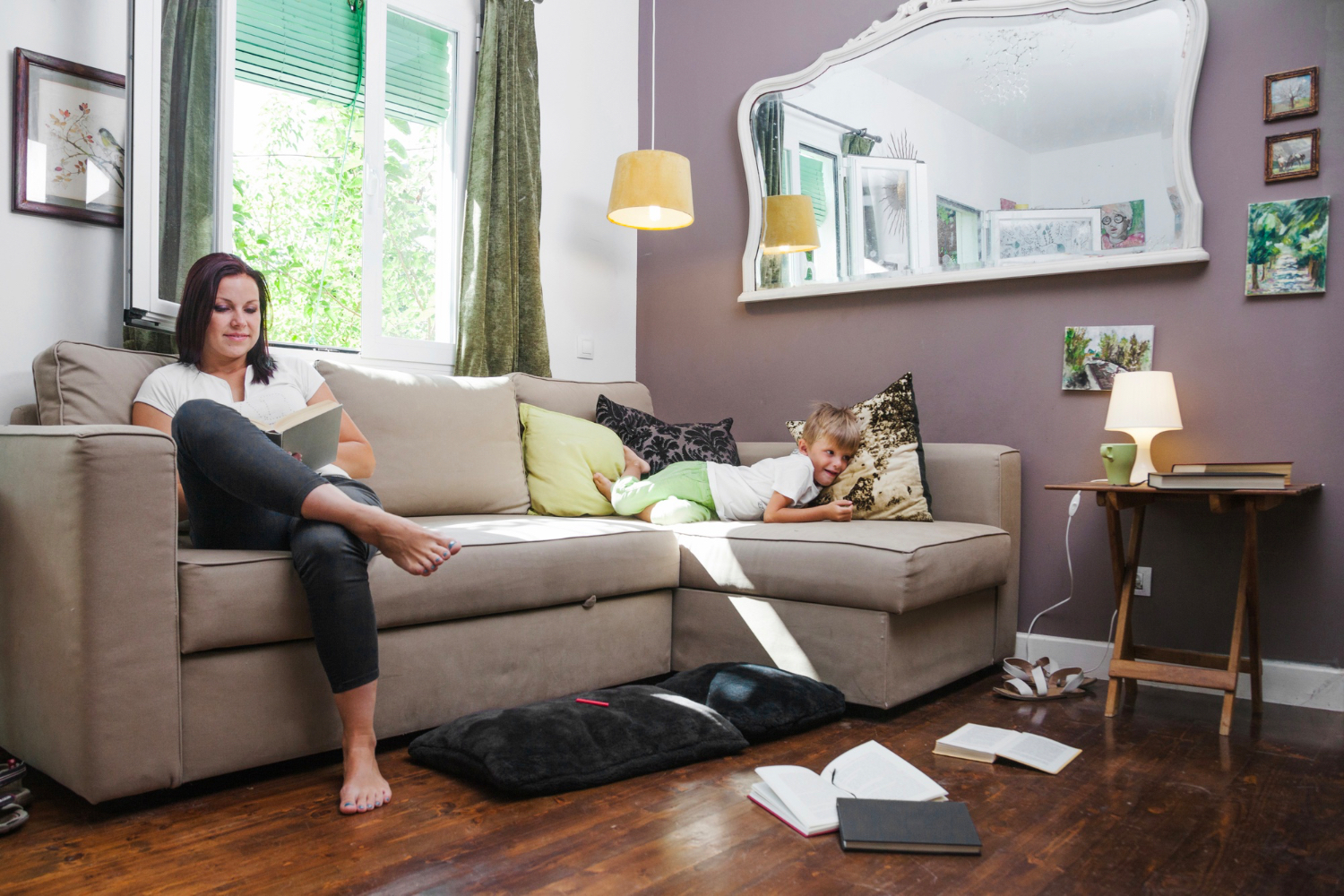
One of the more interesting implications of the research is that familiarity with a texture significantly affects how it is perceived. This suggests that a fabric’s tactile rating is not fixed even for the same person across time. A linen weave that feels slightly coarse on first contact may be judged quite differently after weeks of regular use, once the hand has become accustomed to its particular texture and the fabric itself has softened through washing and handling.
This dynamic favours natural fabrics that genuinely improve with use over fabrics that are engineered to feel immediately soft but do not develop further character over time. Linen in particular follows this trajectory closely, beginning with a structured, slightly crisp hand and settling, through repeated washing, into the relaxed drape and softened texture that most people eventually describe as its most appealing quality.
Giving A New Fabric Time Before Judging It
Households that try a natural fabric cover and find the initial texture less immediately pleasant than expected benefit from allowing a reasonable period of normal use and a few wash cycles before forming a final judgement. The combination of growing tactile familiarity and the fabric’s own physical softening over time means that the relationship between a person and a textile genuinely develops, in a way that a one-time showroom touch test cannot predict.
Choosing For The Household Rather Than For One’s Preference
Given that tactile preference genuinely varies between people and changes with familiarity, the most resilient sofa cover choice is one that performs reasonably well across a range of tactile preferences rather than one optimised entirely for a single person’s ideal texture. Quality natural fabrics in moderate weights, neither aggressively textured nor entirely flat, tend to satisfy the broadest range of hands and tactile expectations within a household.
This is a useful principle to hold onto when several household members are involved in the decision and their initial reactions to different swatches diverge. The fabric that produces moderate enthusiasm from everyone is often a more durable choice than the fabric that produces strong enthusiasm from one person and indifference from the rest, because the sofa will be touched, leaned on, and lived with by the whole household for years, not by the single person whose preference happened to dominate the original decision.
Also Read: Sofa Upholstery – What should you know before Buying?
FAQs on How to Choose Sofa Fabric
01. How do I choose the right sofa fabric for my home?
When deciding how to choose sofa fabric, consider factors such as texture, comfort, durability, maintenance, and how often the sofa will be used. Always feel fabric samples before making a final decision.
02. Why is the texture of sofa fabric important?
Texture affects how comfortable a sofa feels during daily use. Since people interact with their sofa through touch, choosing a fabric with a pleasant feel can improve long-term comfort.
03. Should I test sofa fabric samples before buying?
Yes. Handling fabric swatches allows you to assess their softness, weight, texture, and overall comfort. Testing samples helps you choose a sofa fabric that suits your household’s preferences.
04. Can different people prefer different sofa fabrics?
Yes. Fabric preferences vary from person to person based on individual tactile sensitivity and familiarity with different textures. If multiple family members use the sofa, involve them in the fabric selection process.
05. Does the feel of sofa fabric change over time?
Natural fabrics such as linen and cotton may soften with regular use and washing. As you become more familiar with the texture, the fabric may also feel more comfortable over time.
Author & Expert Review
Written By:  Nidhi Patel | Civil Engineer & Content Writer

| Credentials: B.E. (Mahatma Gandhi Institute of Technical Education and Research Centre), Registered with Gujarat Technological University (GTU). Experience: Civil Engineer with 3+ years of content writing experience, currently writing blogs for Gharpedia, part of SDCPL. Expertise: Specializing in SEO-optimized blogs and long-form articles focused on home improvement, construction, interiors and architect topics. I create well-researched, reader-focused content that balances technical accuracy with clarity, making complex subjects easy to understand. Find her on: LinkedIn |
Verified By Expert: Farhan Shaikh – Senior Manager – Architect, SDCPL | Associate Member – IIA

This article has been reviewed for architectural and interior design accuracy by Farhan Shaikh, Senior Manager – Architect at Sthapati Designers & Consultants Pvt. Ltd. As the lead for all architectural and interior projects at SDCPL and an Associate Member of the Indian Institute of Architects (IIA), he brings hands-on experience in architectural planning, interior design, project coordination, and sustainable strategies. His review ensures the content reflects practical design considerations, industry best practices, and real-world applicability across both architecture and interior spaces.
Find him on : Linkedin