



Table of Contents
Quick Summary
- Understand how to reduce AC costs with six practical strategies that improve cooling efficiency without sacrificing indoor comfort.
- Choose the right-sized air conditioner and seal air leaks to prevent energy waste while maintaining consistent indoor temperatures.
- Upgrade aging AC systems when repairs become frequent, and use programmable or smart thermostats to optimize cooling schedules and reduce electricity consumption.
- Block heat before it enters your home by using exterior shading, reflective materials, insulated curtains, and other heat-reducing improvements to ease the load on your AC.
- Perform routine HVAC maintenance, such as replacing air filters and cleaning outdoor units, to extend your system’s lifespan, improve performance, and lower long-term cooling costs.
Your air cooling system can account for more than half of your summer electricity use, particularly in hot locations. According to the United States Department of Energy, cooling often represents the largest share of household energy consumption during warm months. The good news is that you can lower those costs without giving up comfort. Small, well-planned changes often produce the biggest savings over time.
1. Choose the Right Size AC for Your Home
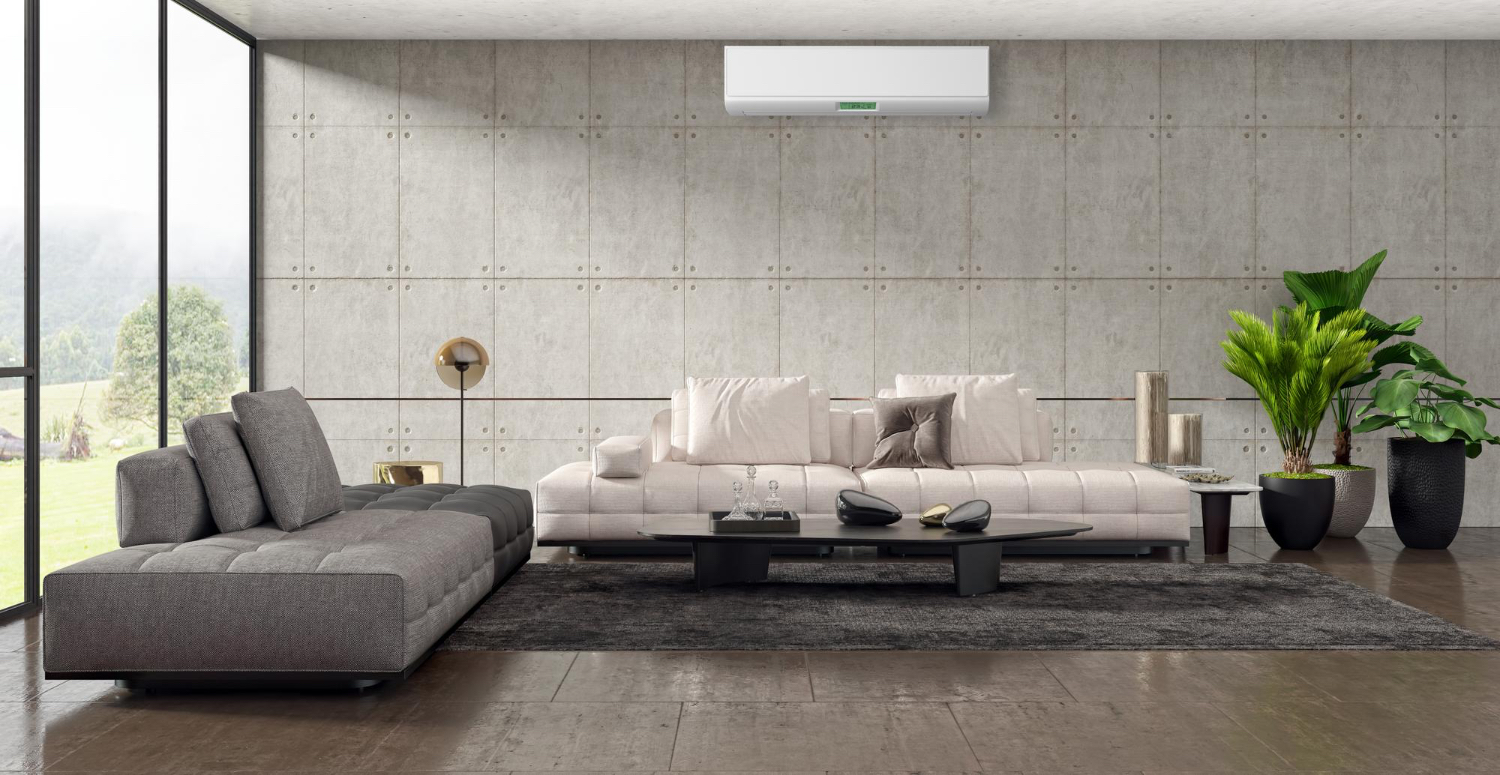
A larger air conditioner does not always cool better. At the same time, an oversized unit cycles on and off too quickly, wastes energy, and removes less humidity, making your home a lot more uncomfortable.
Ask a qualified HVAC professional to perform a proper load calculation before installing a new system. Organizations such as the Air Conditioning Contractors of America recommend Manual J load calculations because they size equipment according to your home’s floor area, insulation, windows, orientation, and local climate. Proper sizing improves comfort, reduces unnecessary energy use, and helps minimize wear caused by oversized or undersized systems.
2. Stop Cool Air From Escaping
Your air conditioner works much harder when cooled air leaks through gaps, poorly sealed ducts, or insufficient insulation. The United States Environmental Protection Agency actually estimates that sealing and insulating a home can substantially decrease heating and cooling costs, while improving indoor comfort.
You need to inspect window frames, doors, attic openings, and duct connections. Adding weather stripping, sealing air leaks, and improving attic insulation can help your system maintain the desired temperature with less effort. If you want additional practical ideas to improve home energy efficiency, some helpful structural upgrades work together to reduce cooling costs, especially during long periods of extreme heat.
3. Upgrade at the Right Time

Your aging air conditioner may increase your budget more to operate than you realize. If your system frequently needs repairs, for instance, struggles to maintain indoor temperatures, or is well over a decade old, comparing repair costs with replacement may be the smarter financial choice.
This is why, before making any decision, it might be best to visit Cool Solutions of Central Florida so you can better understand your regional cooling options, efficiency upgrades, and practical guidance for choosing the right system. New equipment built to current SEER2 efficiency standards can reduce electricity use while delivering better comfort when properly installed. Timing your replacement before peak summer demand may also provide more installation flexibility.
4. Let Your Thermostat Work Smarter
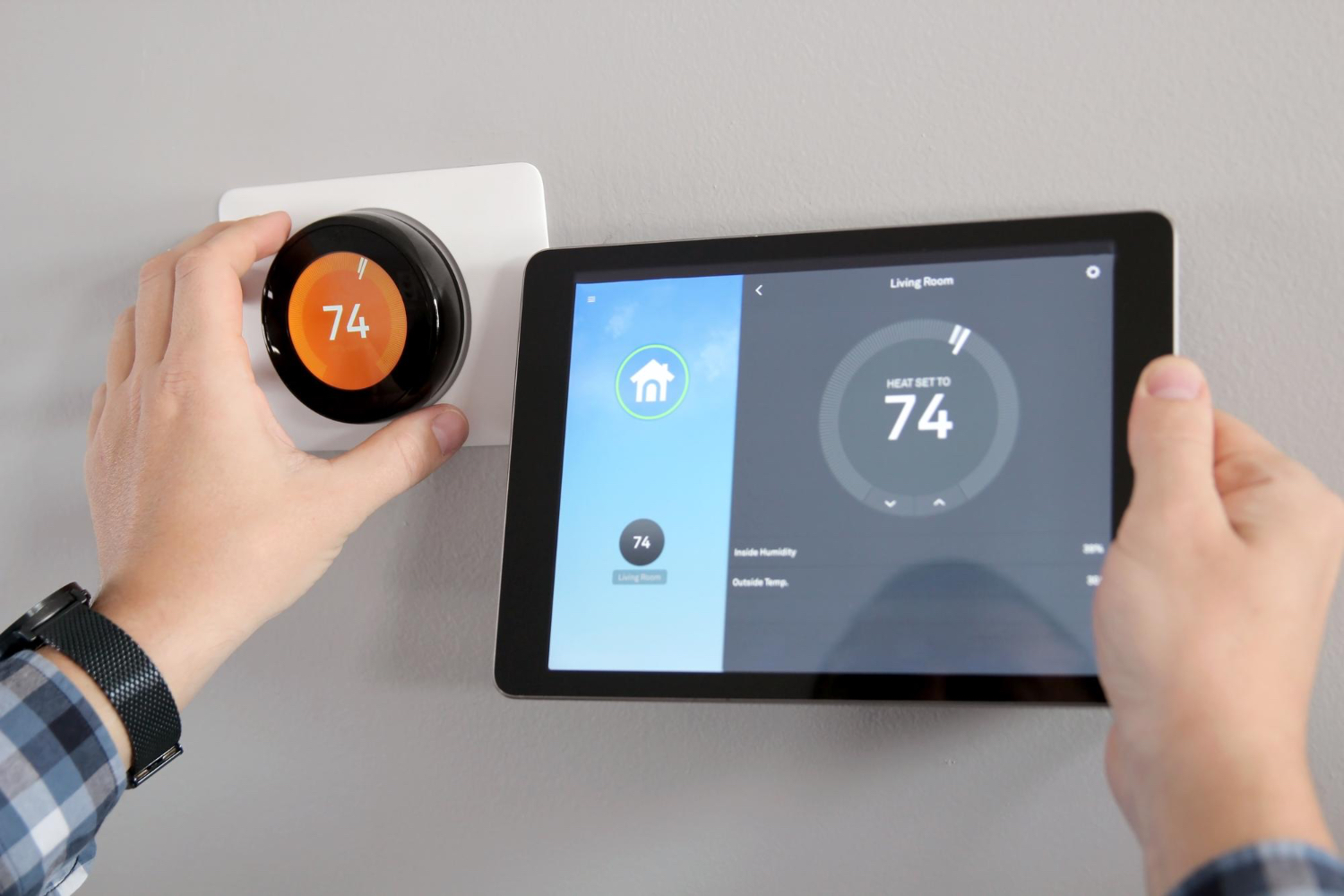
A programmable or smart thermostat helps you cool your home only when needed. The United States Department of Energy reports that adjusting thermostat settings while you sleep or when you are away can reduce annual heating and cooling expenses by as much as 10 percent.
If your home nowadays has multiple occupied areas, consider zoning controls, like cooling only the rooms you actively use. This can help you prevent unnecessary energy waste and can efficiently keep your indoor temperatures more consistent throughout the day.
5. Block Heat Before It Enters
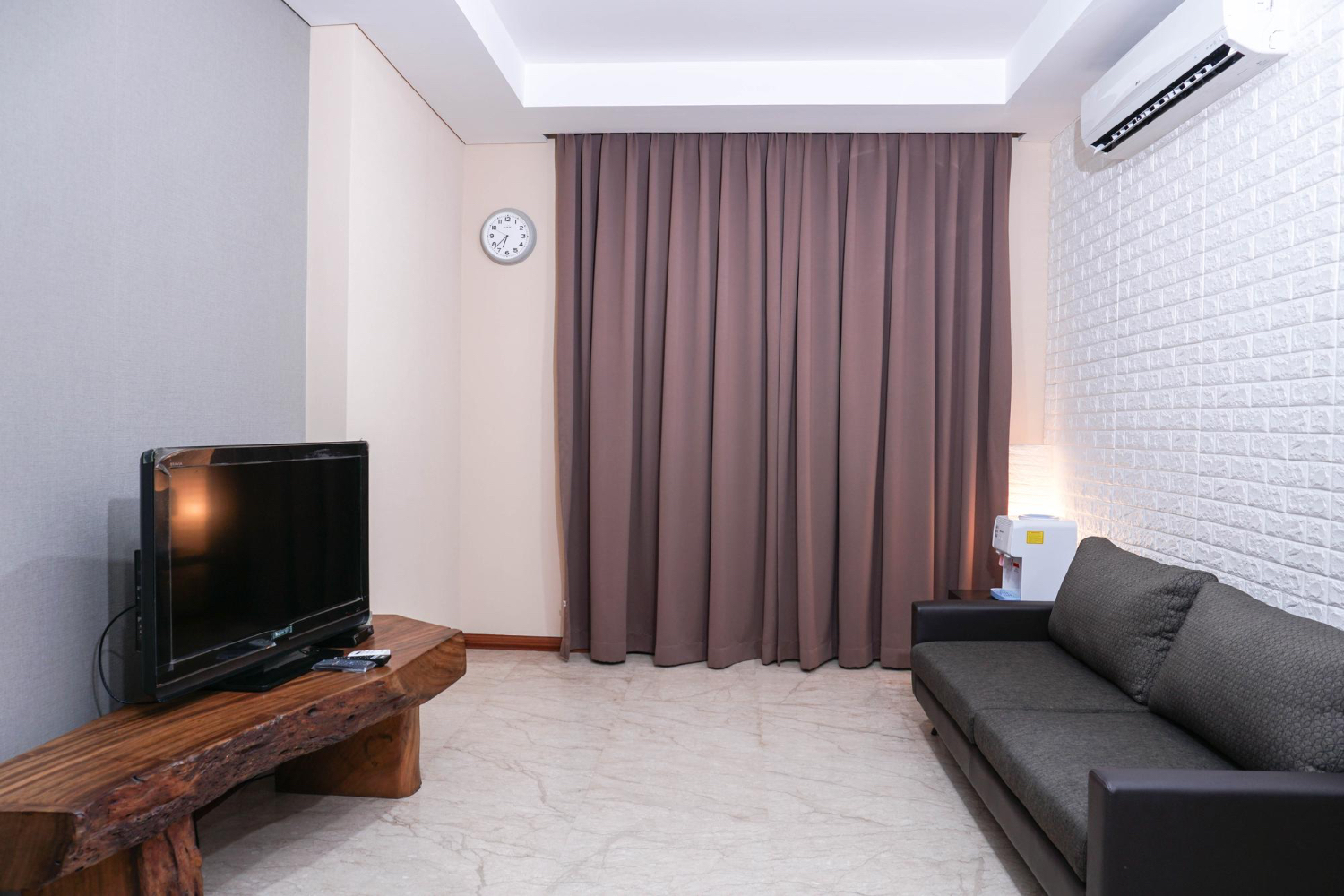
Actually, the easiest heat to remove is the one that doesn’t get to your house in the first place. Exterior shading, use of materials with a reflective surface, insulated curtains, and thoughtfully planted trees can efficiently decrease solar heat gains, as they can prevent your air conditioner from having to exert extra effort.
Some homes located in warm areas generally are good candidates for reflective roof coatings and solar control window treatments. These types of improvements can help naturally lower the indoor temperatures, thereby making your cooling system more efficient through most of the summer heat.
6. Small Maintenance Tasks on Schedule
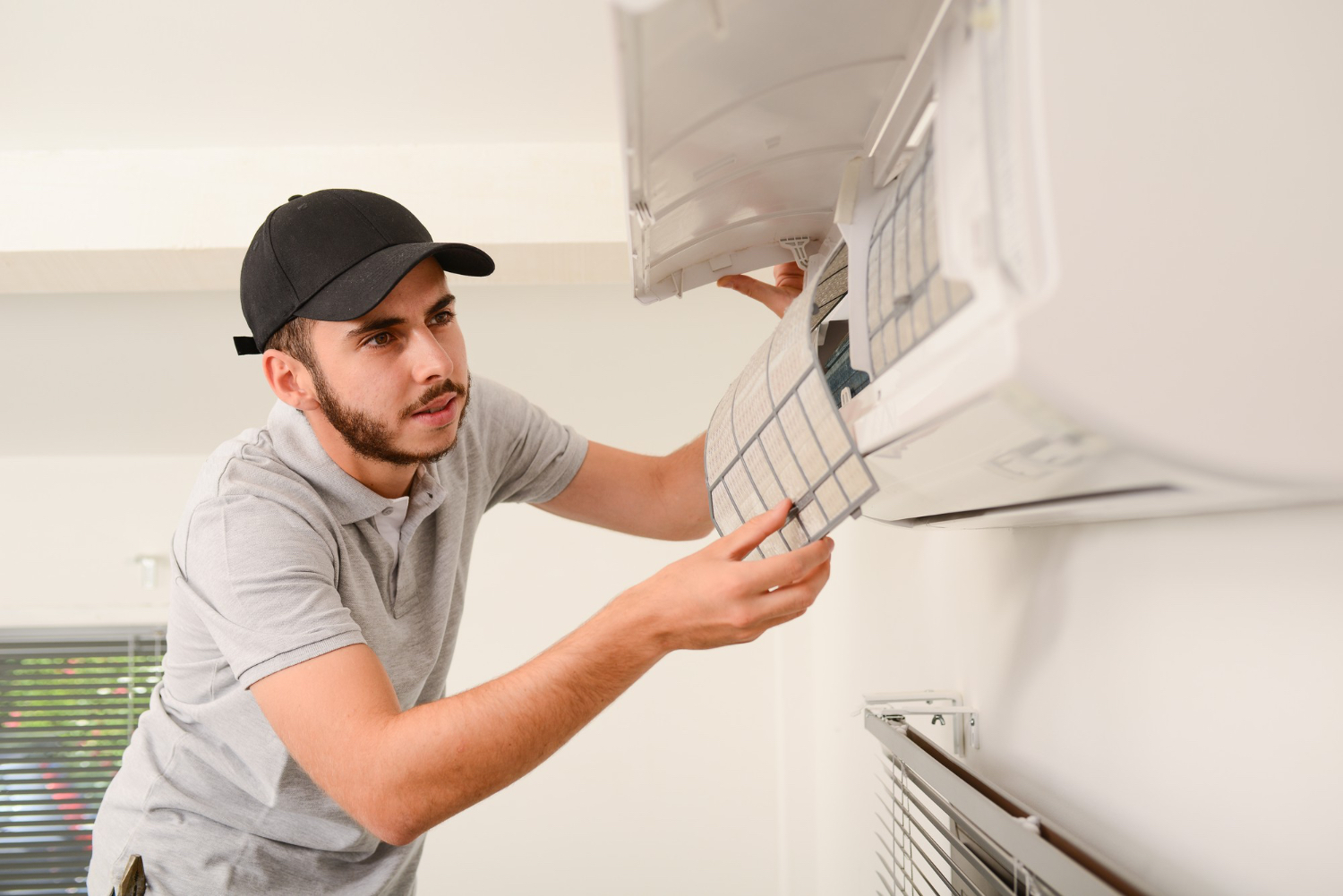
Routine maintenance is the best way to ensure a good flow of air and dependable performance of your HVAC system. You’ll have to do regular changes of dirty air filters, clean condenser drains, and make sure that your outdoor condenser units are not covered with leaves or dirt, and plant vines.
The International Energy Agency keeps highlighting that increasing the efficiency of buildings is probably the quickest and cheapest means to cut down the demand for household energy on a global level. Your HVAC system, if maintained properly, will provide you with a high level of performance each year.
Keep More Money While Staying Comfortable
Much of the savings on cooling bills is usually a result of a combination of several small factors, rather than just one major and expensive upgrade. These home comfort improvement tips may be your best bet starting today.
Soon you’ll see and feel the benefits of having cooler, fresher air with higher financial and physical comfort levels in your home spaces.
Also Read: Getting Your Air Conditioner Ready for Summer: What Homeowners Should Know
FAQs on How to Reduce AC Costs
1. How can I reduce AC costs without buying a new air conditioner?
You can lower AC costs by sealing air leaks, improving insulation, using a programmable thermostat, blocking direct sunlight, and replacing dirty air filters regularly.
2. Does the size of an air conditioner affect electricity bills?
Yes. An oversized or undersized AC consumes more energy and may cool your home inefficiently. Choosing the correct size helps improve comfort and reduce operating costs.
3. How often should I maintain my air conditioner?
Routine maintenance, such as cleaning or replacing air filters, checking condenser units, and clearing drain lines, should be performed regularly to keep your AC running efficiently.
4. Can a smart thermostat help reduce AC costs?
Yes. A programmable or smart thermostat allows you to adjust cooling schedules based on occupancy, helping reduce unnecessary energy consumption and lower utility bills.
5. What are the best ways to keep my home cooler naturally?
Using insulated curtains, exterior shading, reflective roofing materials, and proper insulation can reduce heat gain, making your air conditioner work less and improving overall energy efficiency.
Author & Expert Review
Written By:  Nidhi Patel | Civil Engineer & Content Writer

| Credentials: B.E. (Mahatma Gandhi Institute of Technical Education and Research Centre), Registered with Gujarat Technological University (GTU). Experience: Civil Engineer with 3+ years of content writing experience, currently writing blogs for Gharpedia, part of SDCPL. Expertise: Specializing in SEO-optimized blogs and long-form articles focused on home improvement, construction, interiors and architect topics. I create well-researched, reader-focused content that balances technical accuracy with clarity, making complex subjects easy to understand. Find her on: LinkedIn |
Verified By Expert: Avni Desai Environmental Engineer, SDCPL | M.E. (Environmental Engineering)
 Avni Desai Environmental Engineer,
 This article has been reviewed for environmental, MEP, and building services accuracy by Avni Desai, an Environmental Engineer at Sthapati Designers & Consultants Pvt. Ltd. (SDCPL). With over 8 years of experience in water supply, wastewater management, infrastructure design, and building services, she brings practical expertise in MEP services, sustainable solutions, design planning, and on-site practices. Her professional services include planning and design of water supply systems, sewage and wastewater treatment systems (STP/WTP), drainage, rainwater harvesting, and other sustainable building services. Her review ensures the content aligns with environmental standards, efficient services planning, and real-world applicability.
Find her on: LinkedIn