






Table of Contents
Quick Summary
- Identify your needs: Decide how you will use the room and prioritise essential furniture before buying extras.
- Set a budget: Include furniture costs, delivery, assembly and smaller essentials such as lamps.
- Measure carefully: Record wall lengths, ceiling height, doorways, windows and available walking space.
- Check access: Ensure furniture and its packaging can pass through doorways, staircases and lifts.
- Visualise the space: Use an empty-room photograph and furnishing concepts to explore styles and layouts.
- Create a shopping brief: Record dimensions, preferred materials, finishes and outstanding questions for each item.
- Inspect products: Check fabric samples, comfort, cleaning instructions, specifications and return policies.
- Review before ordering: Confirm measurements, functionality, delivery arrangements and total costs before purchasing.
Courtesy - Magnific
A bed might look right in a saved photograph, but your room still needs space to open a drawer, put down a glass of water and walk to the window. Before collecting product links, work out what the room needs to do. A furniture concept can help you settle on a look. A shopping list with measurements lets you check the pieces you find.
If you are wondering how to choose furniture without buying everything at once, start with one room. Make a short list of essentials and check each one before adding it to your order.
1. Give Each Proposed Purchase A Job
Courtesy - Magnific
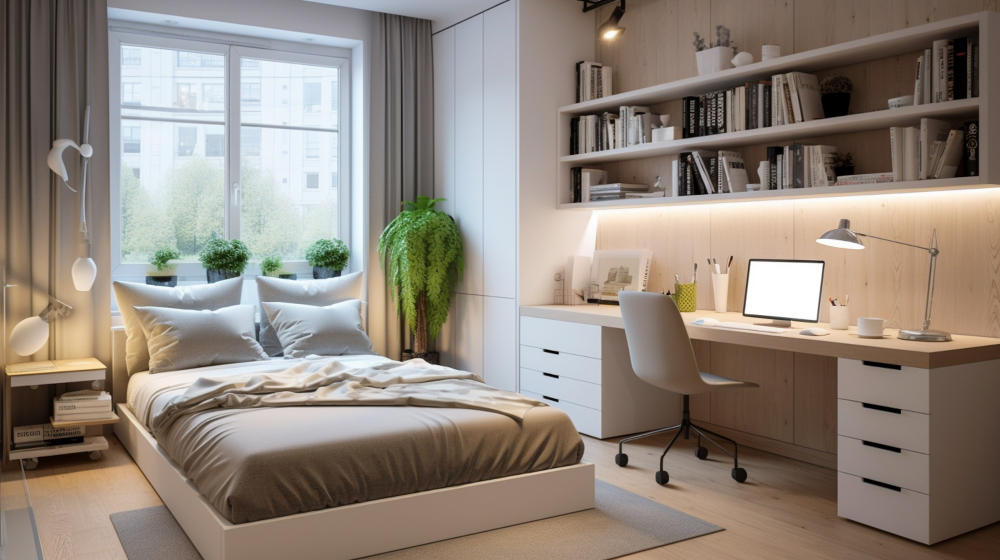
Write a few sentences about an ordinary day in the room. In a bedroom, that might mean getting dressed before your partner wakes, reading for twenty minutes and keeping tomorrow’s clothes off the floor. Those activities suggest different purchases from a bedroom used mainly by overnight guests.
Separate what you need immediately from what can wait. A bed and somewhere to put a lamp may belong in the first order. A bench at the foot of the bed can wait until you know whether anyone would use it. A dressing table deserves a place only if it solves a problem that the existing storage does not.
Account for furniture you are keeping, too. Measure it, photograph it and note anything that affects the next purchase. An inherited chest might establish the wood tone you want to work with. Its drawers also need space to open. Forgetting either detail can leave you shopping for pieces that look fine individually but are awkward together.
For a shared room, ask each person to name one practical requirement before discussing styles. “A place to read with my feet up” gives you something to evaluate. “Make it cozy” leaves plenty of room for disagreement.
Decide how much of the room budget you can spend on the essential pieces. Leave room for delivery, assembly and smaller things you need, such as a lamp. An attractive extra is easier to pass up when you know what it would take out of that budget.
2. Measure The Space And The Journey Into It

Courtesy - Magnific
Draw a simple plan and record wall lengths, ceiling height and the positions of doors and windows. Include fixed cupboards, radiators, sockets and anything projecting from the walls. Mark which way doors open. Measurements written on a sketch are easier to use in a shop than a set of unlabeled numbers on your phone.
Next, think about the space furniture occupies while you use it. A wardrobe needs more than its footprint if its doors swing outward. A desk chair needs room to move back. A bed with storage drawers may fit against a wall while leaving one set of drawers unusable.
For a shortlisted item, mark its actual width and depth on the floor with removable tape suitable for your flooring. Use boxes to suggest its height if that helps. Walk through your normal routines: enter with a laundry basket, reach the curtains and open the cupboard. Adjust the proposed position until those movements feel workable.
Record the delivery route separately. IKEA’s delivery guidance asks shoppers to check passages such as doorways, stairs and lifts against furniture packaging dimensions. Follow that distinction when speaking to a seller: the assembled size and the largest package size may be different. A wide hallway can still have a tight turn at the entrance.
Ask whether the item arrives assembled, whether legs or other parts detach, and who handles assembly. If access looks close, send measurements and photographs to the retailer before ordering. Get their advice about the specific item and delivery service. A photograph of a beautiful room cannot answer whether a rigid bed base will turn on your staircase.
Also read: 9 Basics of Furniture Arrangement in Home!
3. Use An Empty-Room Photo To Compare A Direction
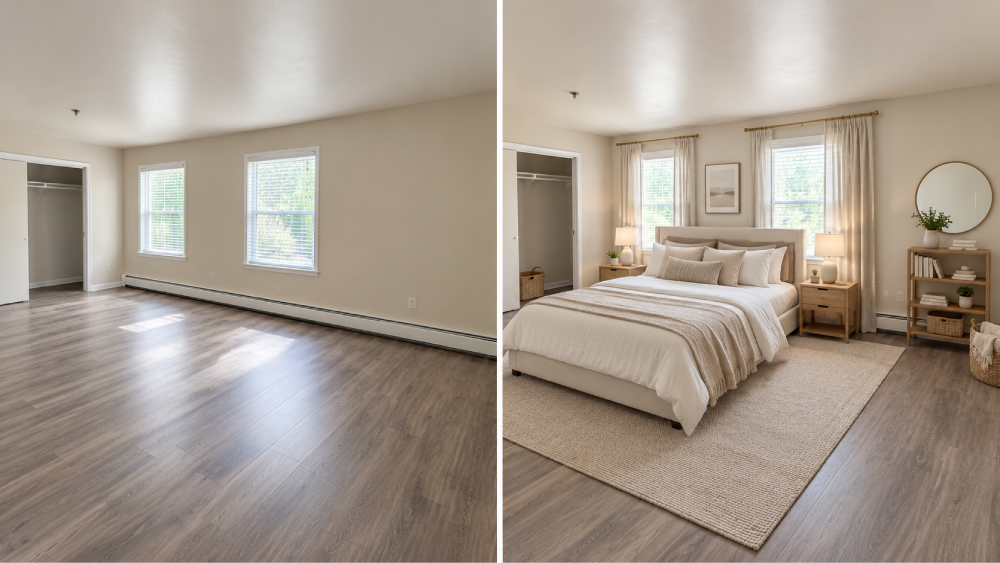
Once the practical constraints are recorded, take a clear photograph that includes the floor and the room’s fixed features. Keep the camera level and avoid stretching the view with an extreme wide-angle setting. Save this original alongside any concepts so you can return to the room as it actually is.
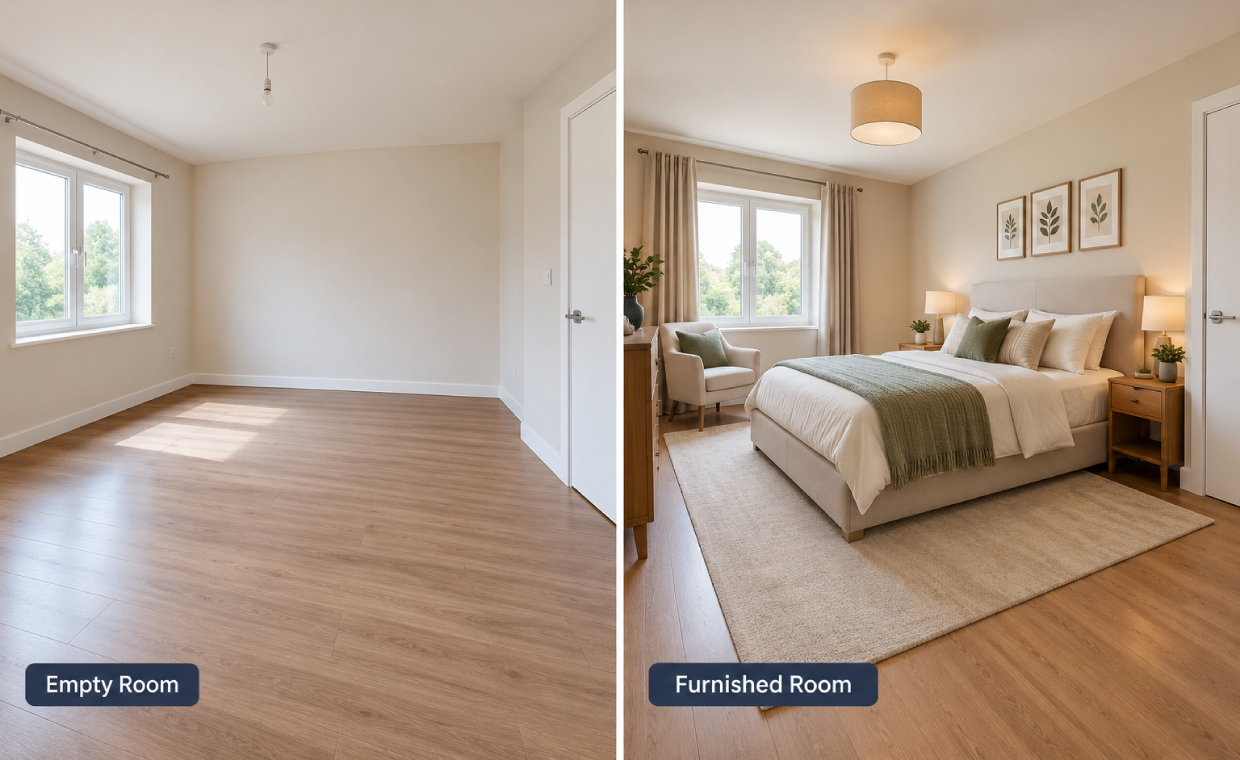
InteriorStage creates furniture and decor concepts from photos of empty rooms. Its room visualizer lets you choose a room type and style to explore a furnished direction. You can use the result to discuss the shape of a bed, the warmth of the upholstery or whether a room feels too crowded.
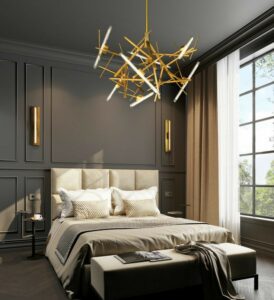
In this bedroom concept, the pale upholstered bed, light rug and wood side table offer a starting point for a shopping brief. The chair is a separate decision: keep the idea if you need a reading seat and have measured space for it.
Check the concept against the original photograph, especially around doors, windows and fixed fittings. Generated images can introduce visual changes. Treat the result as a suggestion for movable furniture and decor; it does not establish product dimensions or identify exact items available to buy.
Save a preferred direction with a few written comments. “Keep the upholstered headboard; look for a smaller bedside table” is useful later. Without those notes, it is easy to forget why you preferred one image over another.
Must read: Want to Design a Room Like a Pro? Here’s Your Guide
4. Turn The Picture Into A Shopping Brief

Courtesy - Magnific
Write a short specification for each essential piece. Start with the feature you liked in the concept, then add the limits you measured. For example, a bed brief could read: “Low upholstered headboard in a warm neutral fabric; overall frame must fit the measured position; drawer access required on both sides.”
Be clear about what belongs to the style and what belongs to the particular image. You may like the lightness of a table on slim legs without needing its exact wood finish. You may prefer a room’s quiet palette while wanting a more supportive chair than the one shown.
A useful item record includes:
- The daily activity or storage need it serves.
- Maximum dimensions and the space needed to use it.
- The shape, finish or fabric qualities you want to keep.
- Samples, measurements or questions you still need to resolve.
Keep a separate note of anything you cannot yet verify. If a bed listing gives the mattress size but omits the frame’s overall width, ask the retailer for it before treating the bed as a candidate. The mattress measurement will not account for a thick upholstered frame.
Keep optional accessories on a separate list. A concept may include a rug, artwork and several cushions because they help communicate a style. That does not make them part of the first order. You can use the room before deciding whether an accent chair earns its floor space or whether a larger bedside surface would be more useful.
5. Check The Actual Product Beyond Its Photograph

Courtesy - Magnific
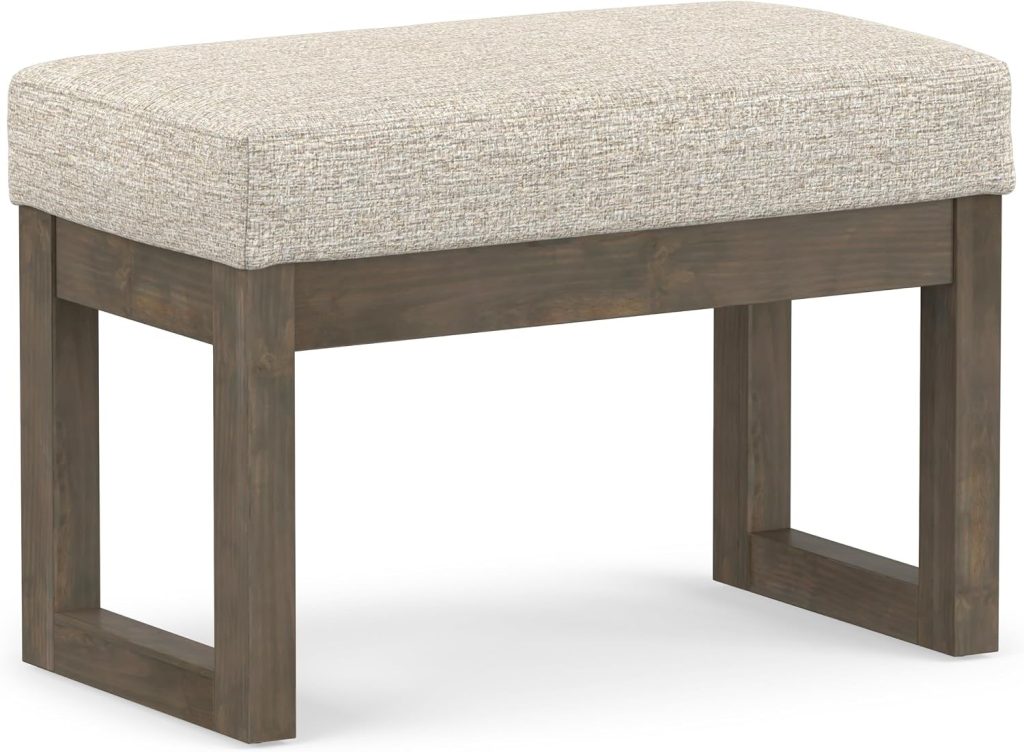
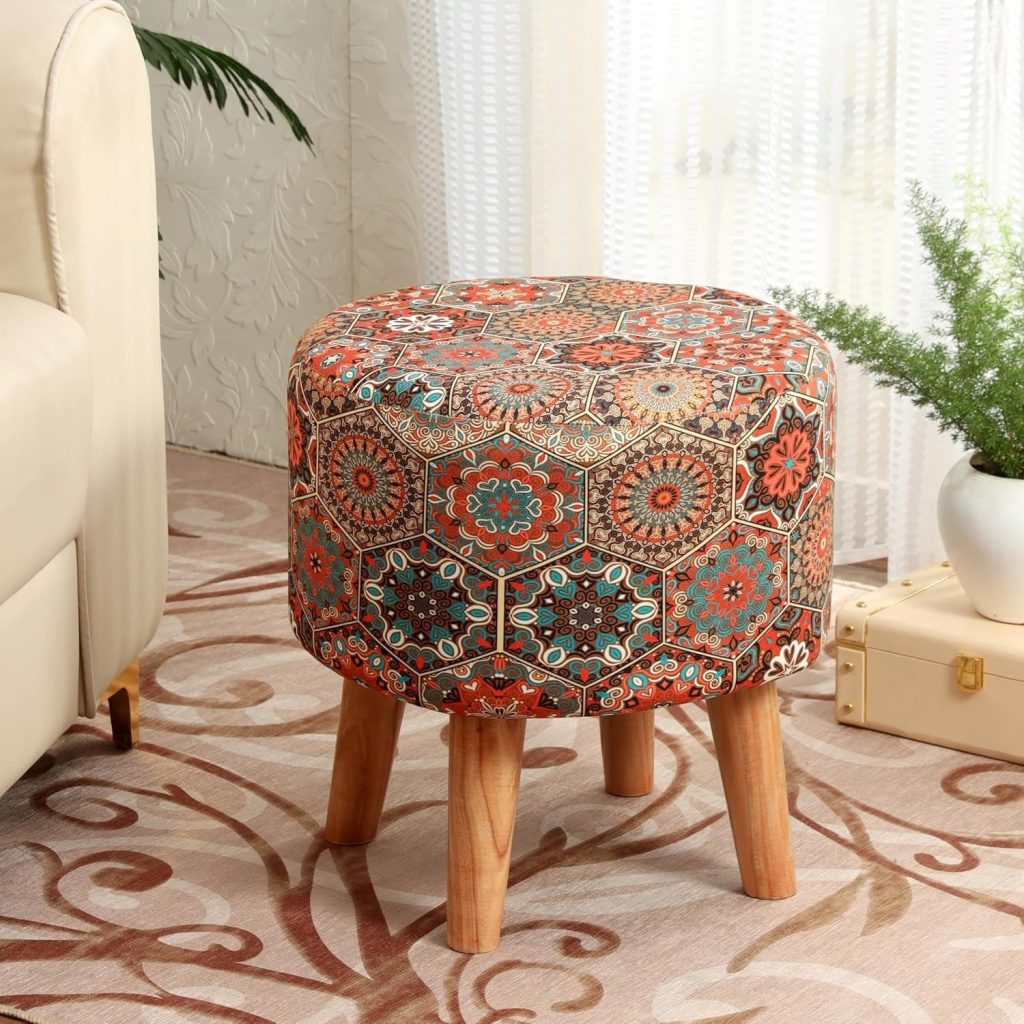
Once you have a shortlist, inspect what the listing cannot communicate well. For upholstered furniture, order samples where available and place them beside the floor, curtains and pieces you are keeping. Room & Board’s swatch guidance recommends comparing materials in the room and under different lighting conditions. Look again in the evening if that is when you use the space most.
Touch the fabric as well as looking at it. Read the manufacturer’s cleaning instructions for that particular covering. Check whether removable covers can be washed, need professional cleaning or have other restrictions. A fabric’s color tells you little about the care it will need.
Try seating in person when possible. Sit as you would at home: upright for conversation, leaning back to read, or getting up after a while. If several people will use it, include their needs. A chair that photographs well beside a bed may still be uncomfortable for the person who wants to read there.
For online purchases, check the return policy before choosing a fabric or finish. Find out whether the item is made to order, whether return collection is available and what charges apply. Save the product specification and your selected options with the order. That record is more useful than a screenshot of the styled room if you need to discuss a delivery or product issue.
6. Run The Checklist Before You Place The Order
Review the shortlist with your measurements beside it. For every item you are ready to buy, check that:
- It has a clear use in the room, and you have decided it belongs in this order.
- The complete product dimensions are recorded, including any projecting arms, frame or handles.
- Doors, drawers and moving parts have the space they need.
- You have checked the delivery route and raised any access concerns with the seller.
- The selected material suits your preferences and the care you are willing to provide.
- You understand assembly, delivery timing and the applicable return terms.
- The total fits the room budget after delivery and other necessary costs.
Leave unresolved items off the order. You can buy a bed while continuing to compare chairs, provided the bed’s position and access are settled. There is no need to purchase every object in a concept image to make progress.
Keep the original room photo, preferred concept and measured item list together. When a new product catches your eye, compare it with that brief. If it suits the look but fails a requirement, keep looking. If it meets the requirements in a slightly different finish, bring home a sample and see whether it works.
Conclusion
Choosing furniture for an empty room becomes easier with careful planning, accurate measurements and a clear budget. Prioritise essential pieces, explore furniture styles using room visualisation tools, and check product specifications before buying. By following this checklist, you can create a functional, comfortable space that suits your needs without making unnecessary purchases.
Also Read: 9 Tips to Buy Furniture for Your Home!
FAQs – How to Choose Furniture for an Empty Room
1. How do I choose furniture for an empty room?
Start by identifying the room’s purpose and your everyday needs. Prioritise essential pieces, measure the available space and set a budget before exploring furniture styles and options.
2. Why should I measure a room before buying furniture?
Measuring helps you select furniture that fits comfortably without obstructing doors, windows, cupboards or walking routes. You should also check whether the furniture can pass through doorways and staircases during delivery.
3. How can I visualise furniture in an empty room?
Take a clear photograph of the room and use a room visualisation tool to explore different furniture styles and layouts. Treat generated images as inspiration, and verify actual product dimensions separately.
4. What should I check before purchasing furniture online?
Check the complete dimensions, materials, fabric samples where available, cleaning instructions, delivery arrangements, assembly requirements and return policy. Confirm any missing product specifications with the retailer before ordering.
5. How do I prioritise furniture when decorating an empty room?
Begin with essential pieces that support your daily activities, such as a bed, wardrobe or desk, depending on the room’s purpose. Keep optional accessories on a separate list and purchase them once you understand how the space works.
Courtesy - Featured Image(Magnific)
Author & Expert Review
Written & Verified By:  Farhan Shaikh – Senior Manager – Architect, SDCPL | Associate Member – IIA

| Credentials: Senior Manager – Architect at Sthapati Designers & Consultants Pvt. Ltd. and Associate Member of the Indian Institute of Architects (IIA). Experience: Architect with hands-on experience leading architectural and interior design projects at SDCPL, including architectural planning, interior design, project coordination, and sustainable design strategies. Expertise: Specializing in architectural planning, interior design, project coordination, and sustainable design. He reviews content to ensure it reflects practical design considerations, industry best practices, technical accuracy, and real-world applicability across architecture and interior spaces. Find him on: Linkedin |