







Table of Contents
Quick Summary
- Swollen wooden doors are usually caused by moisture absorption, especially during the monsoon, due to unsealed edges, poor ventilation, or damaged paint and sealant.
- Not every sticking door is swollen. Loose screws, sagging hinges, warped frames, or strike plate issues can produce similar symptoms, so proper diagnosis is essential before repairs.
- Simple DIY fixes often solve the problem, including tightening hinges, reducing moisture, sanding only the swollen section, and resealing or repainting the exposed wood.
- Preventive maintenance is the best long-term solution. Leave a 2–3 mm installation gap, seal all six sides of the door, repaint periodically, lubricate rubbing edges, and improve indoor ventilation to minimise moisture damage.
- Call a carpenter if DIY methods fail or if the door has severe swelling, warped frames, structural damage, or recurring problems despite repeated repairs.
Courtesy - Magnific
Have your wooden doors and windows become difficult to open or close, especially during the monsoon or in humid weather? Does the door rub against the frame or refuse to latch properly? If so, you’re not alone. Swollen wooden doors are a common problem in humid weather, and in most cases, the culprit is moisture.
The wood may have absorbed moisture through unsealed edges of the door, causing it to expand and the door to stick to the frame. Fortunately, this problem is usually easy to diagnose and, in many cases, simple enough to fix yourself.
This guide will help you understand why doors swell, how to fix a swollen door, when DIY repair works, and when it is time to call a carpenter.
What Causes a Door to Swell?
Courtesy - Magnific
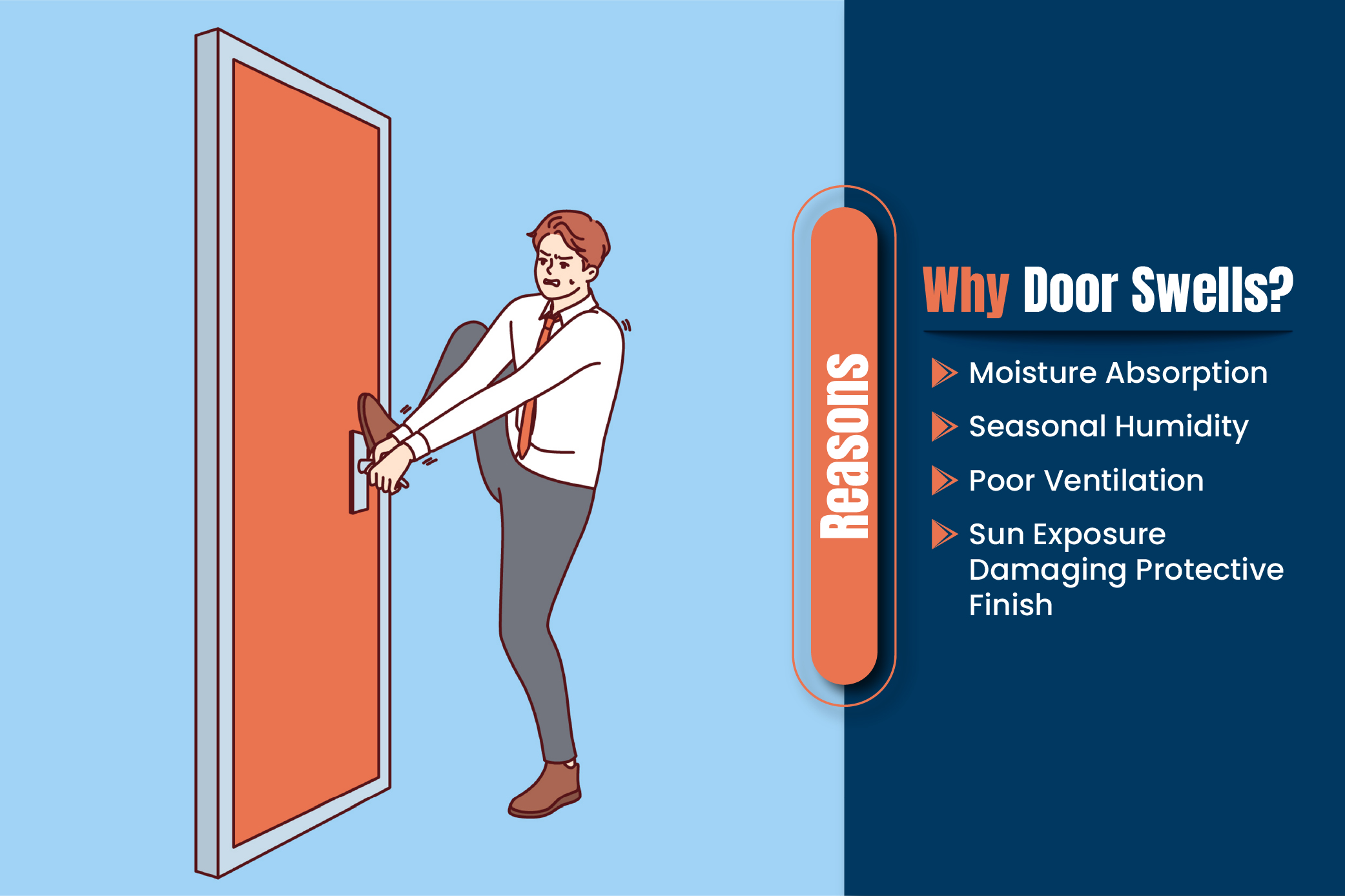
The most common reason behind a swollen door is moisture absorption. Wood is a natural material that absorbs and releases moisture depending on the surrounding environment. When excess moisture enters the wood, it expands, making the door rub against the frame. Here are the major swollen door causes:
1. Moisture Absorption Through Unsealed Edges
When the top, bottom and side edges of a wooden door are not sealed properly, the exposed sections absorb moisture, causing the wood to expand. This is one of the biggest reasons behind a door swollen due to moisture.
2. Seasonal Humidity and Monsoon
Homeowners notice a swollen door during the monsoon season due to increased humidity. The wood expands after absorbing moisture from the damp air. In colder regions, winter condensation can create a similar impact.
3. Sun Exposure Damaging Protective Finish
Exterior doors facing south or west receive prolonged sunlight. Over time, sunlight damages paint, varnish and sealant layers. Meanwhile, old doors also lose their protective coating, making them vulnerable to swelling due to moisture.
4. Indoor Dampness and Poor Ventilation
High indoor moisture levels due to poor ventilation in rooms, wet clothes drying indoors, bathrooms left open after showers, and damp walls or inadequate insulation can also result in swollen doors.
Is It Really Swelling, or Something Else?
Many homeowners connect every door problem to swelling, but that isn’t always the case. Before attempting repairs, identify the actual problem. Sometimes the issue lies with the hardware rather than the wood itself.
1. Loose Hinge Screws

Courtesy - Magnific
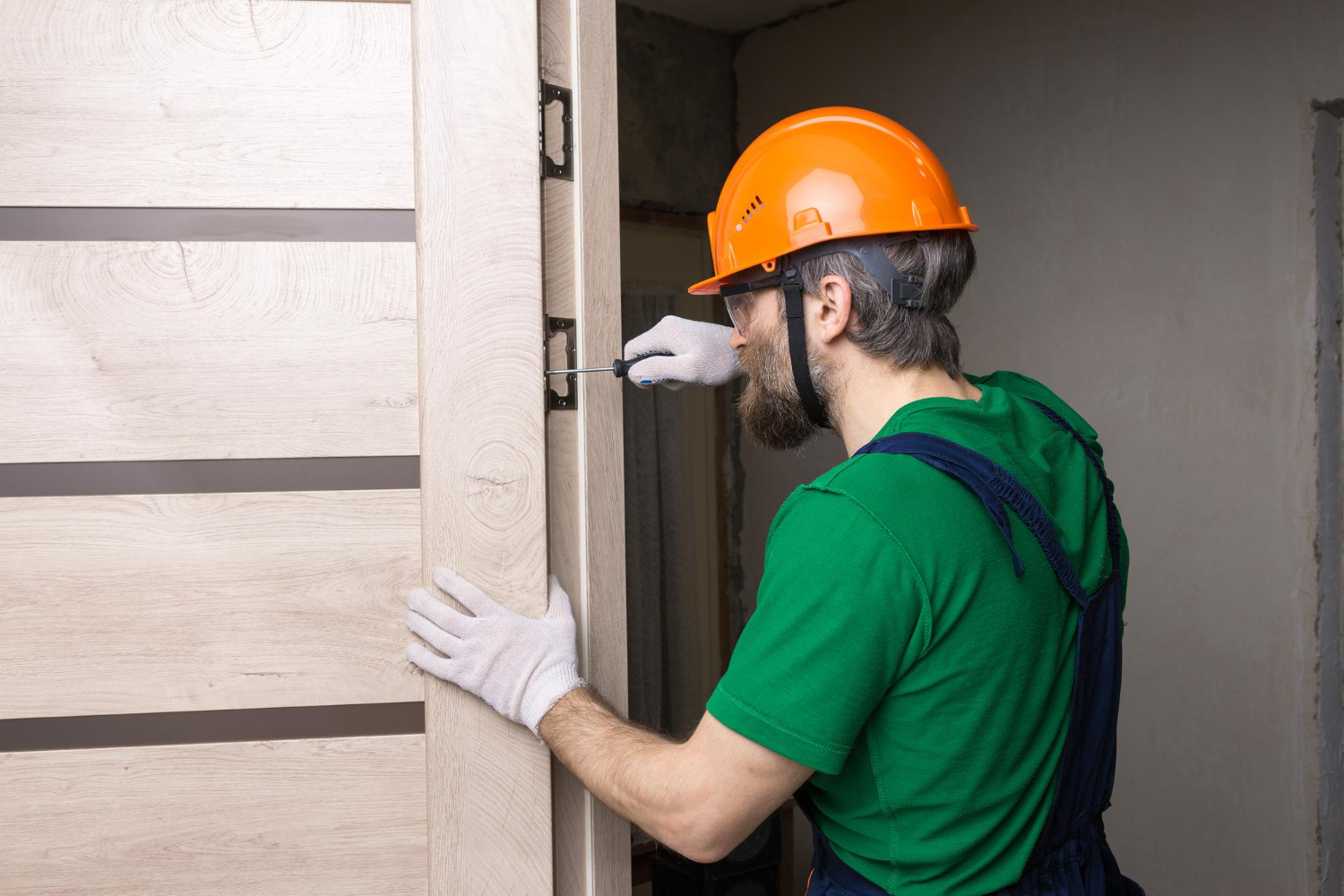
Door rubbing on the frame? When the screws loosen, it shifts the door slightly, causing it to rub against the frame.
2. Sagging Hinges
Courtesy - Magnific
Old or worn-out hinges cause the door to drop. This may look like swelling, but it is actually a mechanical issue that can usually be resolved by repairing or replacing the hinges.
3. Warped Door Frame
Sometimes, the door itself is perfectly fine. Instead, the frame may have warped due to natural building settlement or structural movement over time, causing the door to stick.
Also read: How to Take Care of Your Home in Monsoon
Quick Test to Identify the Problem
Before repairing the door sticking in the frame, evaluate these questions:
- Does the problem happen only during the rainy season? If yes, it is likely moisture-related swelling.
- Does the door stick throughout the year? If yes, it is likely to be a hinge or frame issue.
- Does the door rub only at one corner? Sagging hinges are the likely cause.
- Does it rub evenly along multiple edges? It may be wood expansion.
How to Fix a Swollen Door (Step-by-Step)
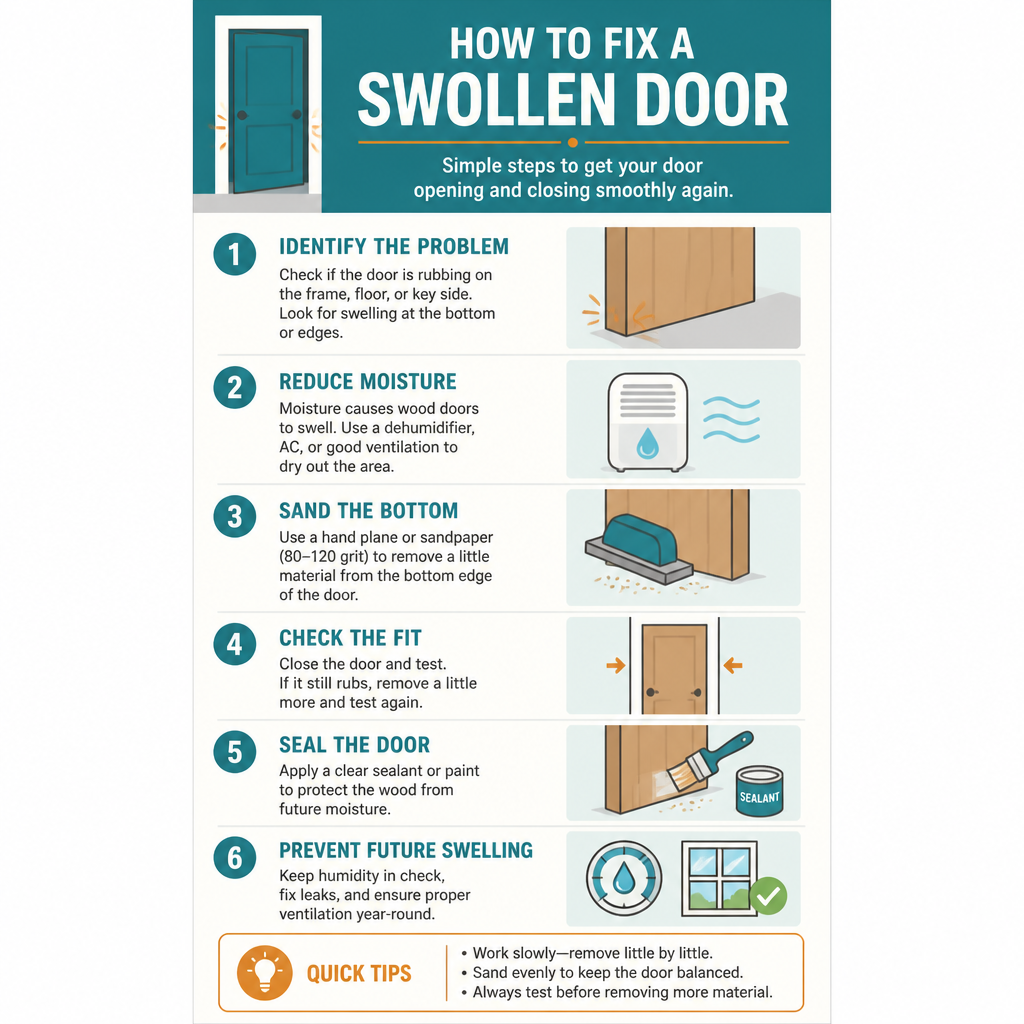
Once you have confirmed that moisture is causing the problem, follow these repair steps.
Step 1: Identify The Problematic Spot
To accurately identify the swollen portion, open and close the door slowly. Use a pencil or chalk to mark the area where the door rubs against the frame.
Step2: Try Easy Fixes First
Do not plunge into dismantling the door. Try tightening the loose hinge screws, check the strike plates or lubricate rubbing edges with petroleum jelly, paraffin wax, or dry soap.
Step 3: Moisture Reduction
Try reducing the moisture using a hair dryer, heat gun, or rotating fan for painted doors. Use the heat sources approximately 30 cm away from the door surface to avoid damaging the paint or wood. This works well if the swollen door won’t open smoothly because of temporary moisture buildup.
Step 4: Sand the Swollen Door
When easy fixes don’t work, remove the door from its hinges and sand only the marked swollen section using sandpaper or a hand planer. However, when you sand a wooden door, make sure you do not remove too much material, because the gaps may widen when humidity decreases.
Step 5: Reseal and Repaint
Never leave exposed wood untreated. Once you finish sanding, apply wood sealer, primer, exterior-grade paint, or varnish. Sealing or painting prevents future swelling.
How to Prevent Doors from Swelling
As the adage goes, prevention is better than cure; preventive maintenance is always cheaper than repairs.
1. Leave Gap While Fixing the Door
Courtesy - Magnific
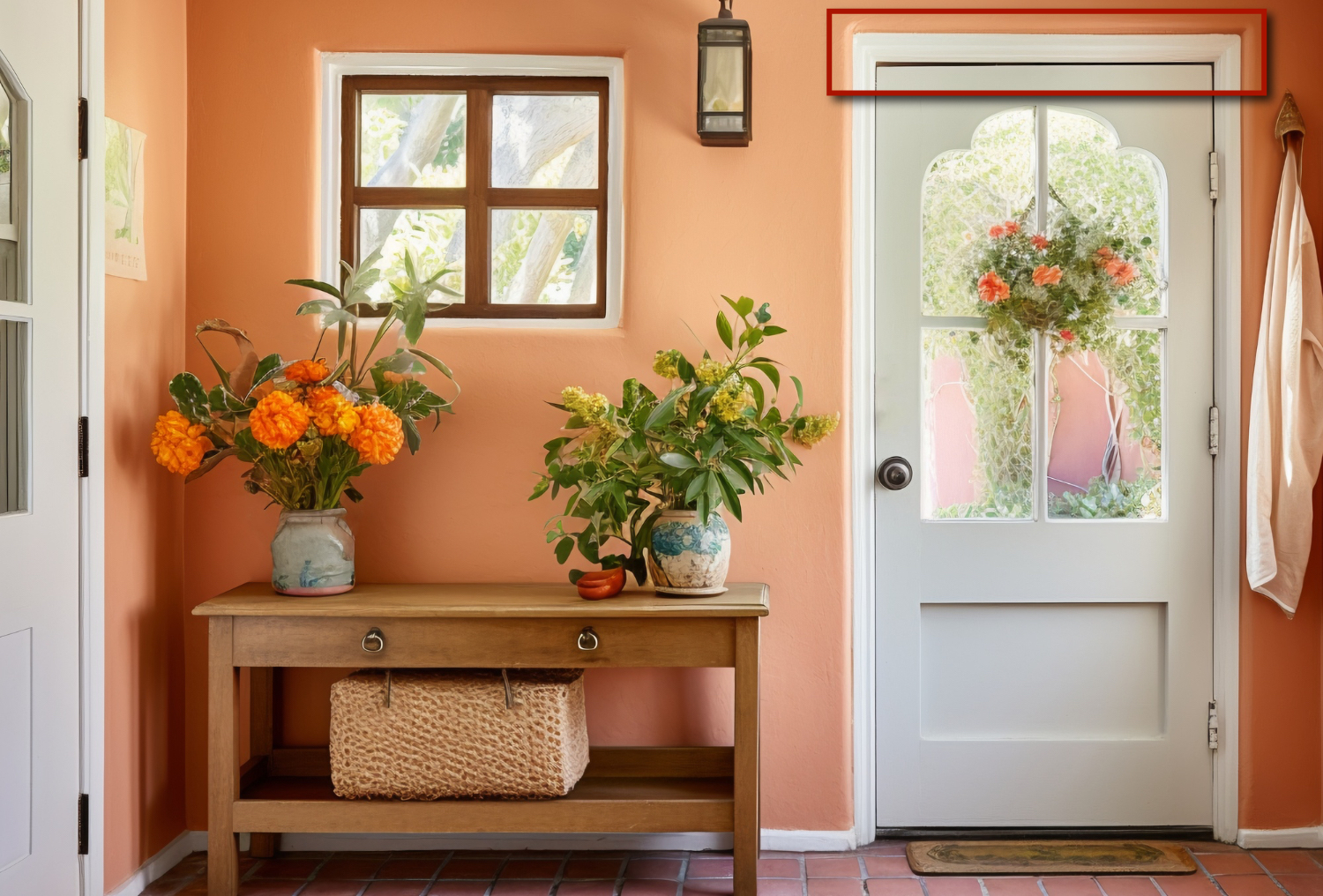
A good carpenter or builder will always provide a gap of 2 to 3 mm while initially fixing the door. This allows seasonal expansion.
2. Seal All Sides of the Door
Courtesy - Magnific
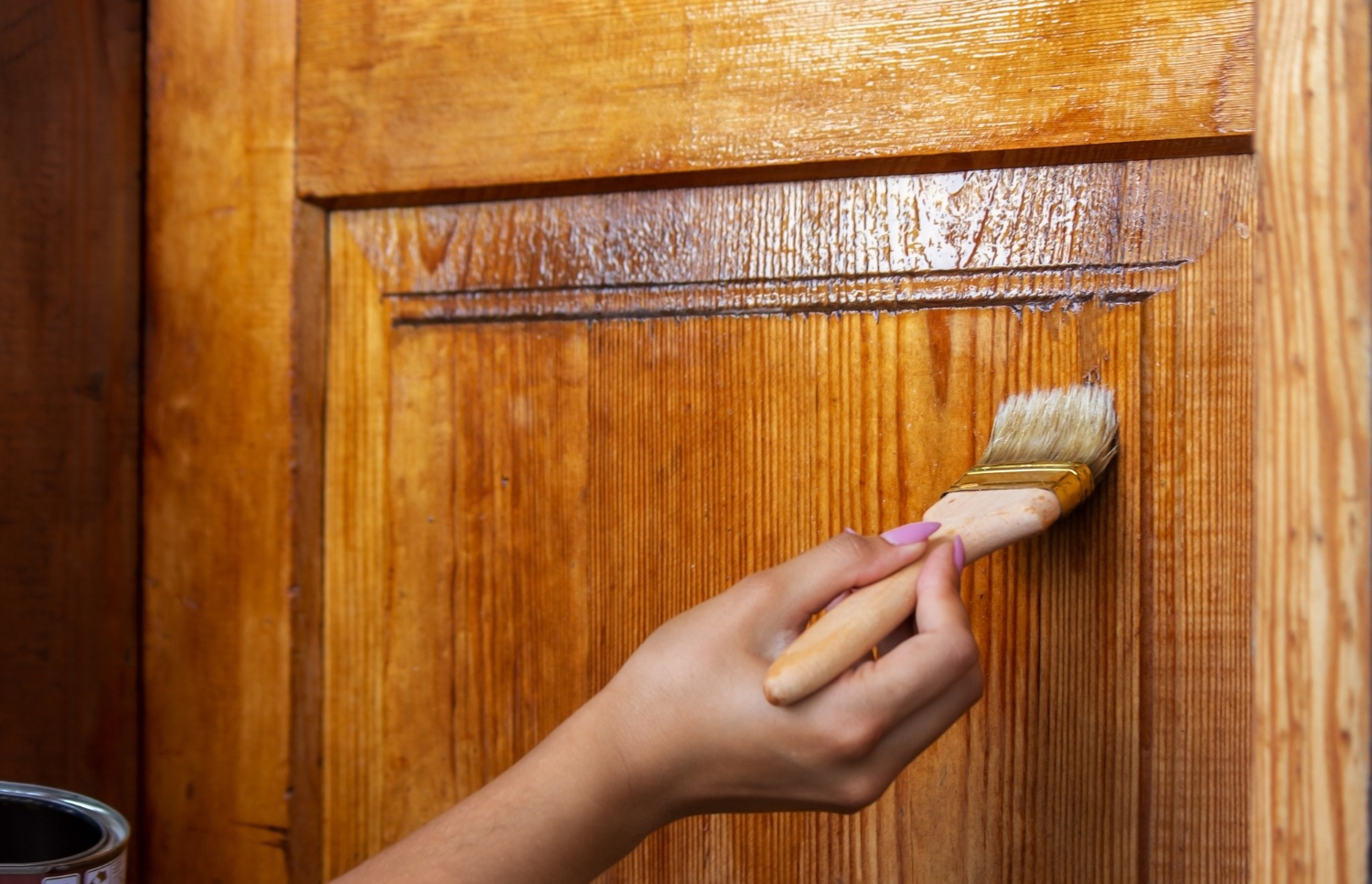
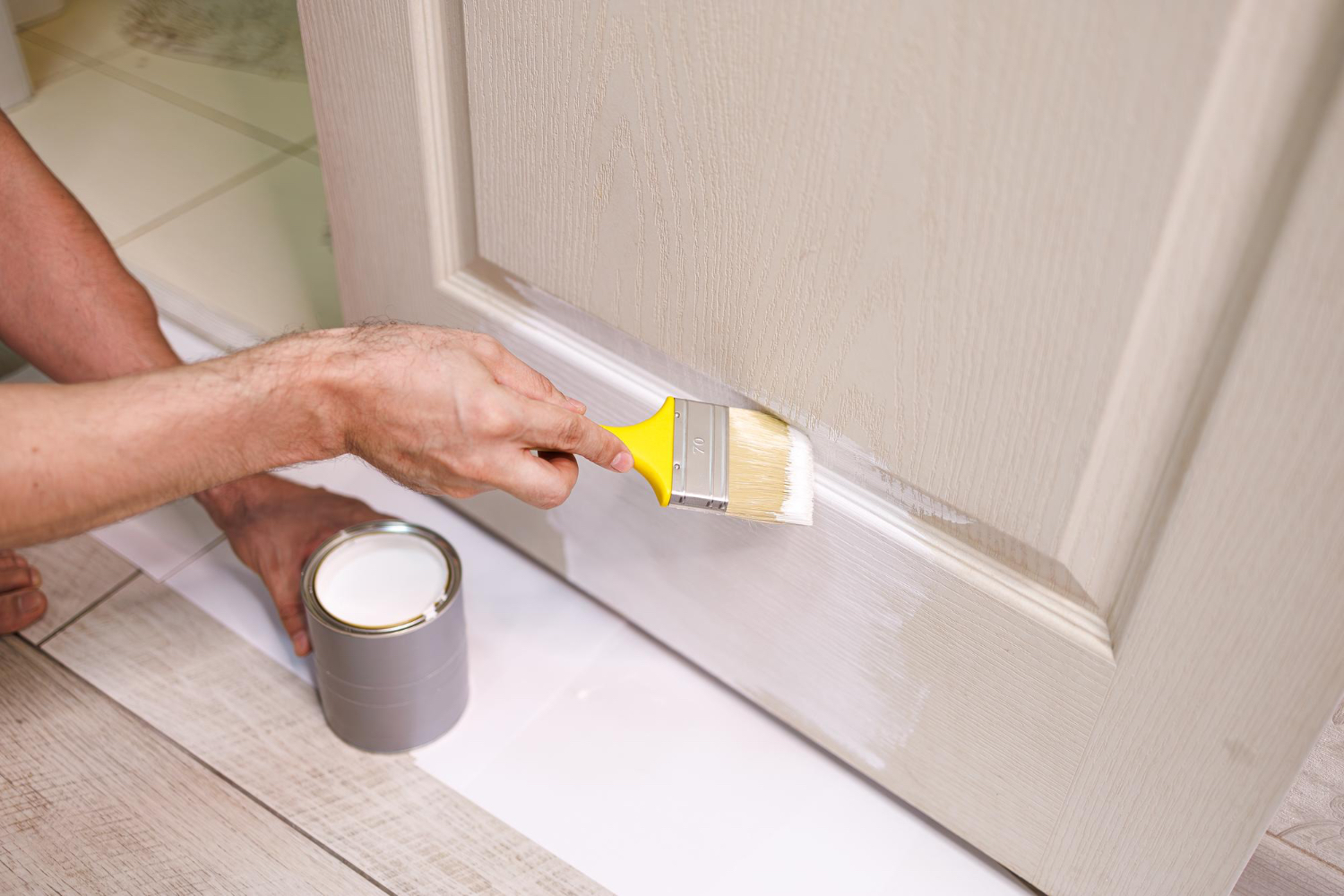
Many homeowners seal only the visible surfaces of wooden door or window. But sealing all the sides, i.e., the front, back, top, bottom, and both side edges, with exterior-grade sealant is important. Reapply periodically depending on the climate conditions.
If your garage door is causing problems, read: 5 Things You Need to Know About Garage Door Spring Repair
3. Priming and Painting
Courtesy - Magnific
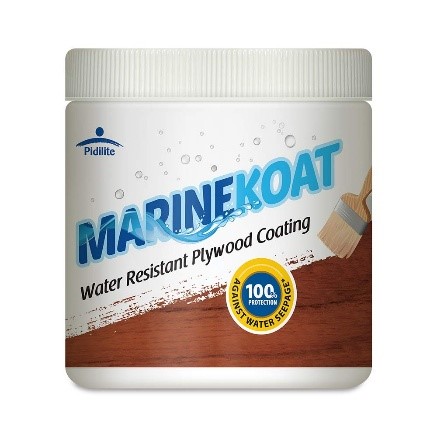
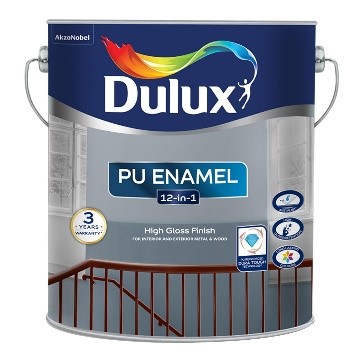
For external wooden doors, always use wood primer, exterior paint and waterproof protective coating. Wooden door maintenance in the monsoon is a must, as this step can block the entry of moisture, while also giving a splash of colour.
4. Lubricate to Prevent Swelling of Door
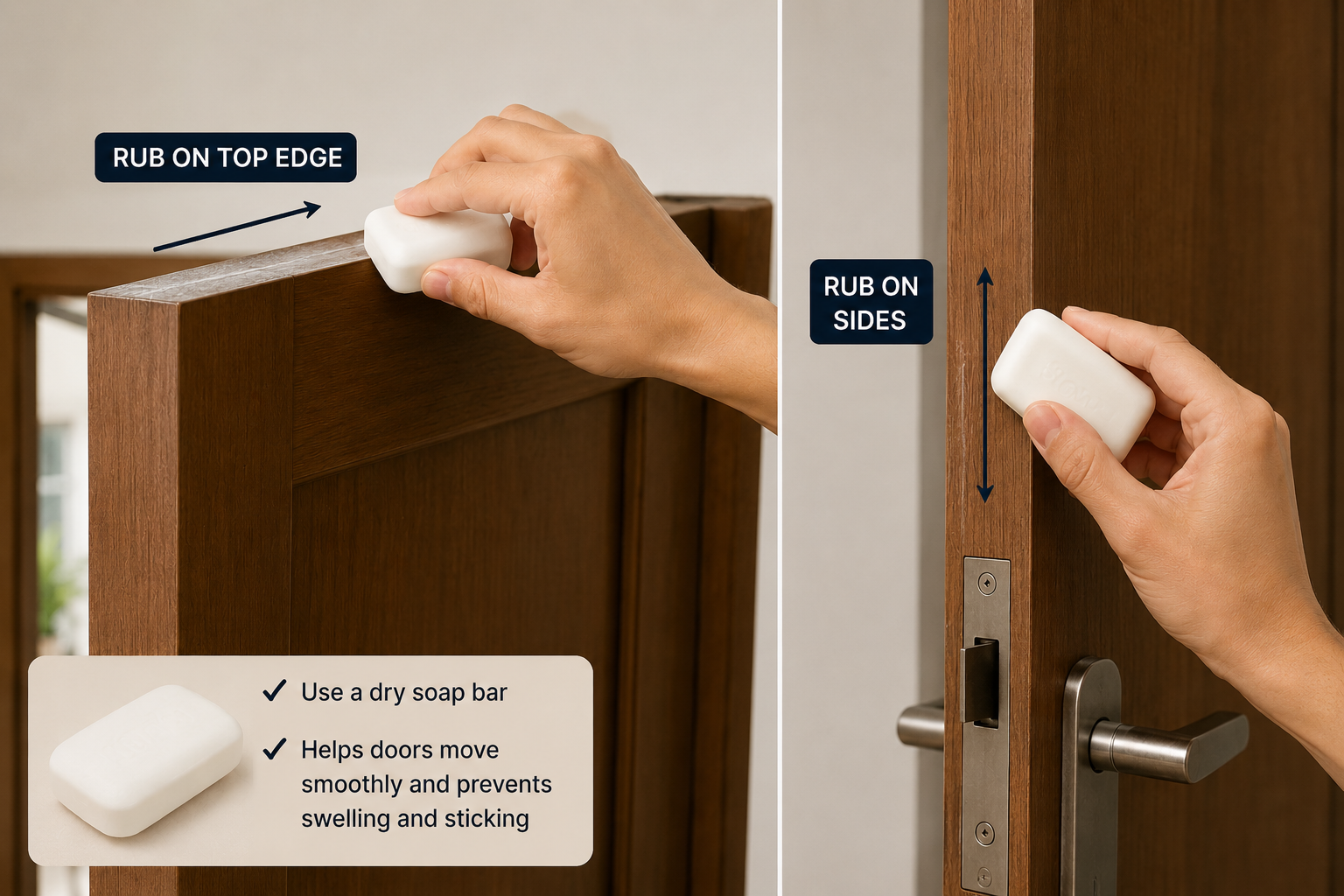
Lubricate the surface of doors by rubbing the top and sides of the door with a dry soap bar, paraffin wax, petroleum jelly or household lubricant spray to avoid sticking.
5. Improve Indoor Ventilation
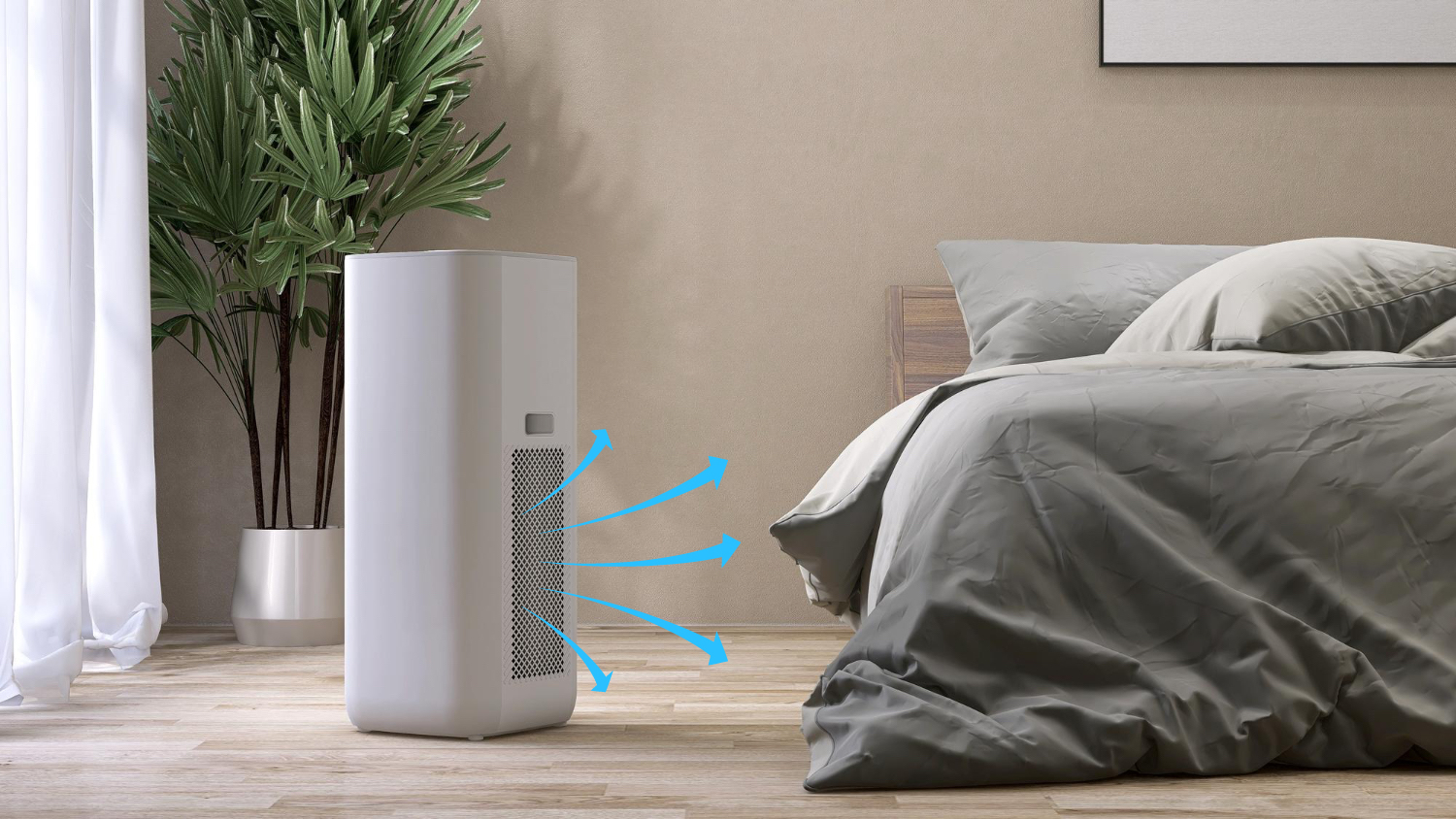
Courtesy - Magnific


Reduce humidity inside the house. Use exhaust fans, improve air circulation, avoid drying wet clothes indoors and keep bathrooms ventilated.
A dehumidifier helps in persistently damp homes.
Swollen Door: Quick Diagnosis and Fix
| SYMPTOMS | CAUSE | FIX | DIY or Pro? |
| Sticks only during the monsoon | Humidity absorption | Dry+ Seal door | DIY |
| Rubs only at the top | Sagging hinge | Tighten screws | DIY |
| Rubs evenly on all sides | Wood swelling | Sand +Reseal | DIY |
| Latching problem; No rubbing | Strike plate issue | Adjust hardware | DIY |
| Soft wood or visible cracks | Rot, structural damage | Repair or replace | Professional |
When Should You Call a Carpenter Instead of DIY Repairs?
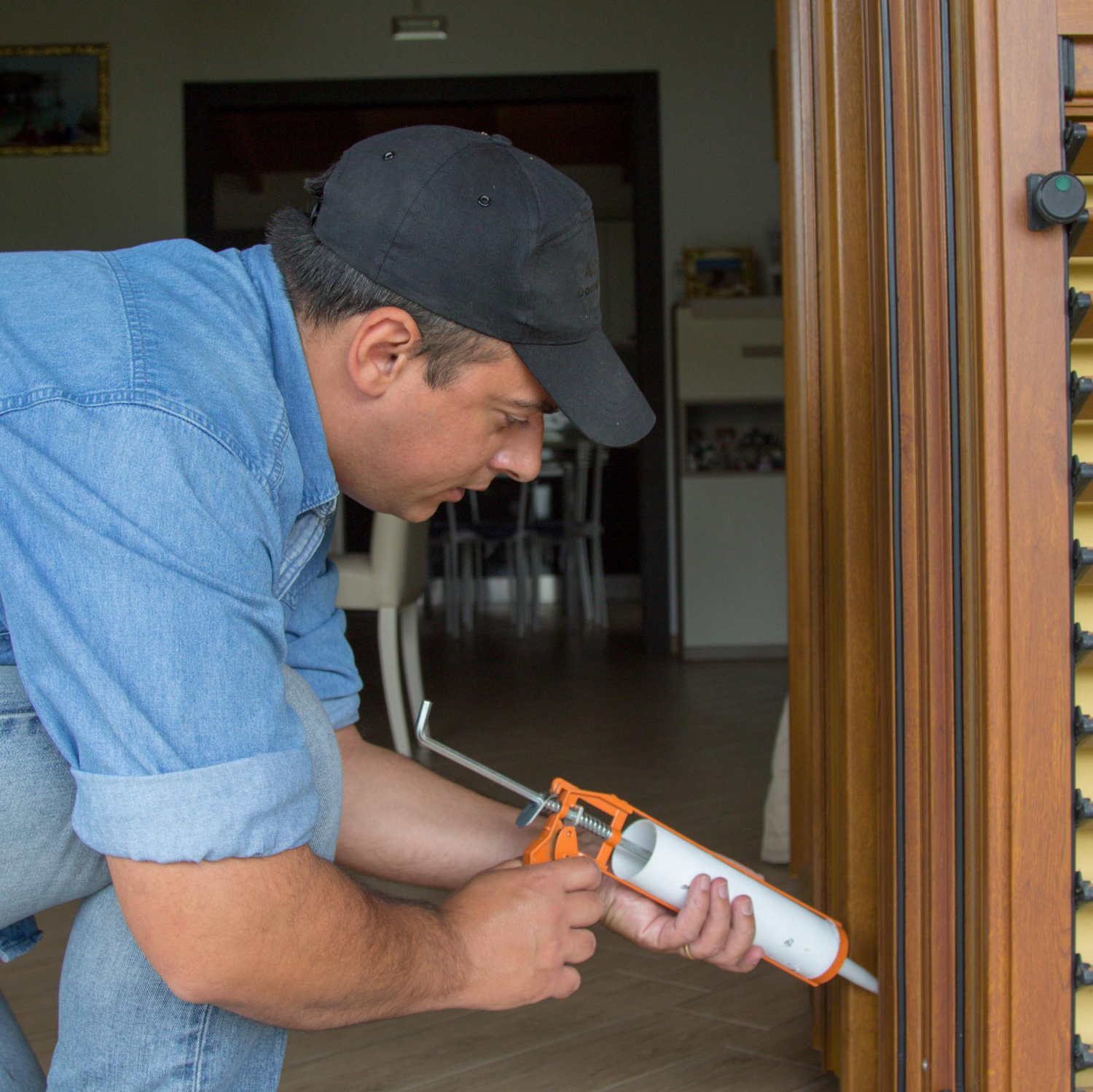
Courtesy - Magnific
DIY repairs work well only when the swelling is mild. Call a professional if:
- The door won’t close at all, even after trying basic fixes.
- If you notice soft, crumbling wood signalling internal damage
- The problem returns every monsoon despite repeated repairs.
- The door frame itself appears warped or damaged.
- Large sections of the door require planing or replacement.
Conclusion
A swollen door may seem like a minor issue initially, but ignoring it can damage the door, frame and hardware. However, early intervention can avoid the need to replace the door. Remember, prevention matters more than repair, especially if you do not ever want to reach the question of how to fix a swollen door. Proper sealing, good ventilation and periodic maintenance can keep your wooden doors functioning smoothly for years.
Must Read: 24 Different Types of Doors | Comprehensive Classification!
FAQs on How to Fix Swollen Doors
1. Can a swollen door shrink back to normal on its own?
Yes. The swelling caused by temporary humidity may shrink back once the weather becomes drier. However, repeated moisture exposure can cause permanent damage.
2. How much wood should you sand off a swollen door?
Always sand only the minimum amount needed for the door to function smoothly. Keep testing the fit as you sand the problematic portion. Sanding more leaves the door with excessive gaps when the wood dries.
3. Do metal or PVC doors swell like wooden ones?
No, metal and PVC doors do not absorb moisture. Hence, they do not swell. However, they can still develop sticking issues due to thermal expansion, frame misalignment or hardware problems.
4. How often should you reseal a wooden door to prevent swelling?
Exterior wooden doors may require resealing once every two to three years. If you notice cracks, peeling paint or water penetration, you may have to reseal sooner. The frequency may also depend on climate and exposure to exterior elements.
5. Is it safe to use a heat gun on a painted or varnished door?
Yes. But make sure you keep moving the gun while also maintaining a safe distance from the surface. You may blister the paint or damage the varnish if you use it carelessly. A hairdryer is a safer option for mild moisture problems.
Author & Expert Review
Written By:  Nidhi Patel | Civil Engineer & Content Writer

| Credentials: B.E. (Mahatma Gandhi Institute of Technical Education and Research Centre), Registered with Gujarat Technological University (GTU). Experience: Civil Engineer with 3+ years of content writing experience, currently writing blogs for Gharpedia, part of SDCPL. Expertise: Specializing in SEO-optimized blogs and long-form articles focused on home improvement, construction, interiors and architect topics. I create well-researched, reader-focused content that balances technical accuracy with clarity, making complex subjects easy to understand. Find her on: LinkedIn |
Verified By Expert: Ravin Desai – Co Founder – Gharpedia | Co Founder – 1 MNT | Director – SDCPL

This article has been reviewed for technical accuracy by Ravin Desai, Co-Founder of Gharpedia and Director at Sthapati Designers & Consultants Pvt. Ltd. With a B.Tech. in Civil Engineering from VNIT Nagpur and an M.S. in Civil Engineering from Clemson University, USA, and over a decade of international and Indian experience in the construction and design consultancy sector, he ensures all technical content aligns with industry standards and best practices.
Find him on: LinkedIn