






Table of Contents
Quick Summary
- Design garden beds to complement your home’s architecture, exterior finishes and overall landscape.
- Choose straight bed lines for modern homes and curved edges for traditional homes or winding pathways.
- Assess sunlight, soil moisture, drainage and snow accumulation before selecting plants.
- Connect separate beds using consistent edging, mulch colours and repeated plant varieties.
- Use dark mulch with light siding and brown mulch with brick for a harmonious look.
- Layer shrubs, small trees, perennials and ornamental grasses to create depth and structure.
- Select plants suited to the light and moisture conditions of each garden bed.
- Place taller plants at the back of one-sided beds or near the centre of island beds.
- Repeat colours, foliage shapes and textures to create visual continuity.
- Choose durable edging such as brick, stone or metal that can withstand winter conditions.
- Apply 2–4 inches of organic mulch, keeping it away from tree trunks.
- Start with one garden bed near the entrance or patio and gradually expand the landscape.
Courtesy - Magnific
Great plants can still look awkward next to your house when bed shapes, sightlines, and materials clash. Smart layout choices turn separate planting spots into a unified yard.
For Plainfield homes, tying bed lines to architecture, sun, drainage, and snow piles prevents costly guesswork later. You can start with a single high-impact bed near the entry or patio and build momentum without overhauling the whole yard. When planning your landscape, how to design garden beds that complement your home involves choosing suitable shapes, plants, edging, and mulch to create a cohesive and visually appealing outdoor space.
Design Garden Beds Around Your Home
Courtesy - Magnific
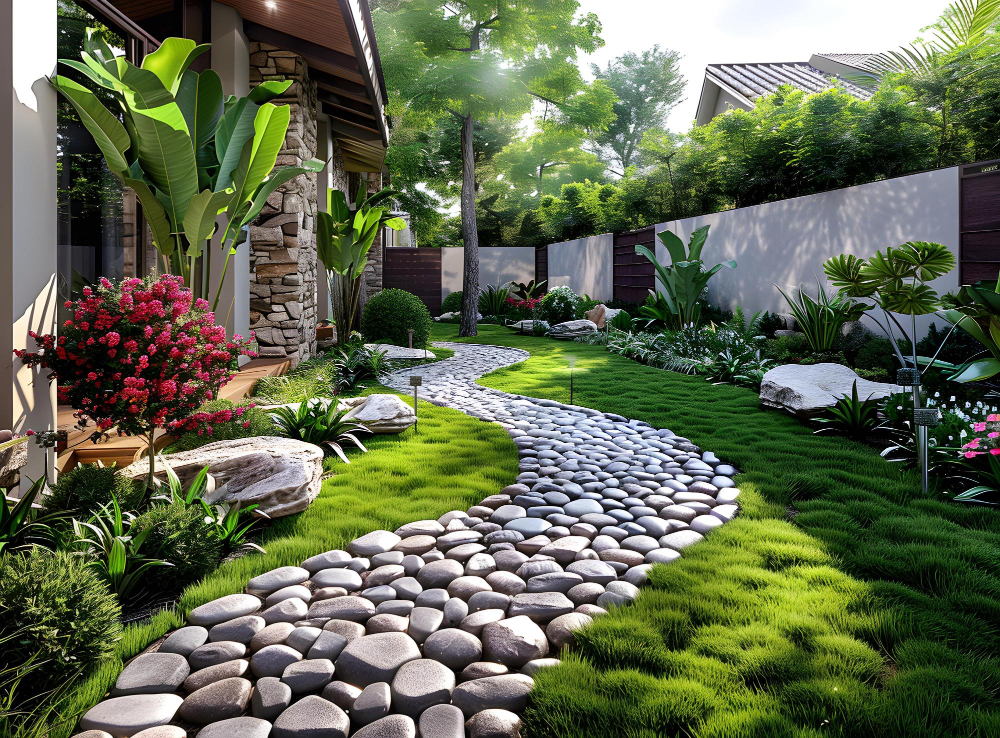
Start by viewing your home from the sidewalk or driveway. Whether you are softening a tall concrete foundation in a newer Plainfield subdivision or framing an older porch, a well-proportioned bed anchors the house to the lot.
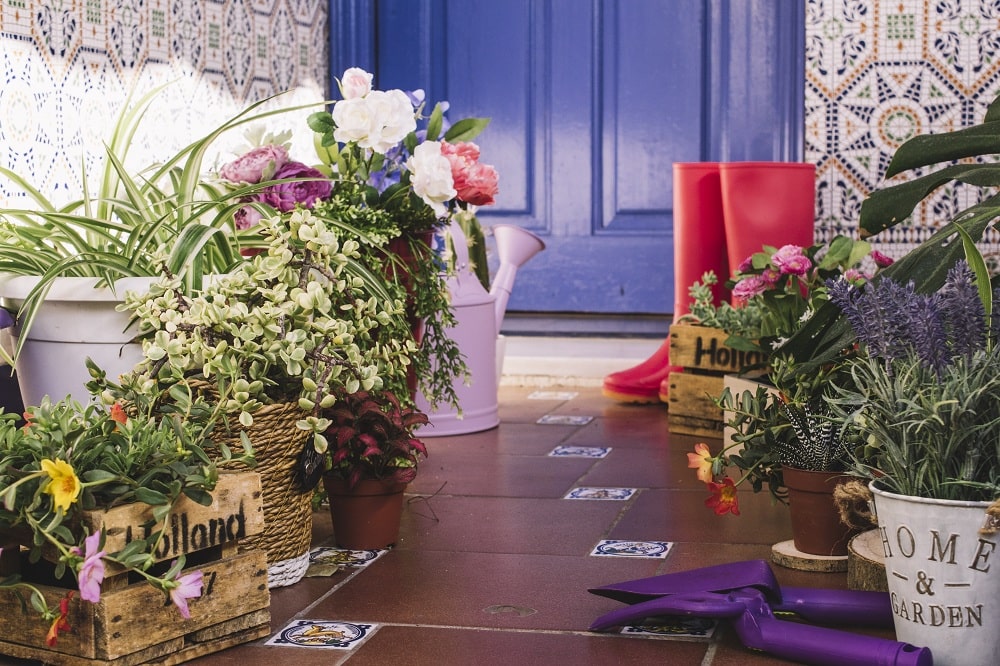
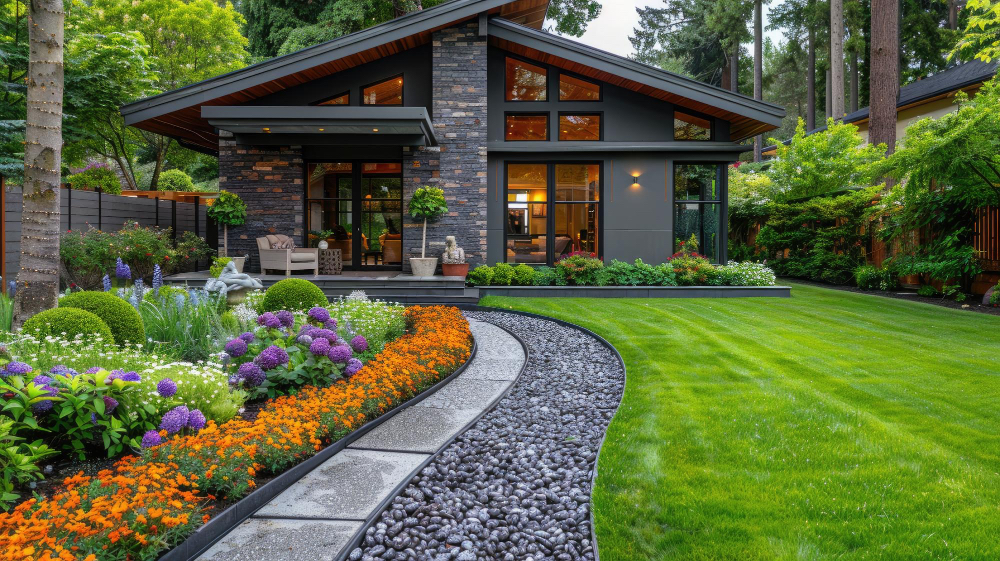
Let the shape of your home guide the bed’s outline. Straight edges can complement a home with clean lines, while broad curves can soften a traditional facade or follow a winding walkway. Repeat a few plants or colors in nearby beds to help the spaces feel connected.
For more inspiration on creating a visually appealing and functional outdoor space, explore these garden design ideas for your home gardens to make the most of your garden layout and planting choices.
Before planting, watch how sunlight moves across each spot. A bed beside a sunny driveway will need different plants than one shaded by a mature tree. Also check where rainwater gathers and where shoveled snow lands so that you can choose plants suited to each location.
Connect the Beds With Shape and Mulch
Courtesy - Magnific
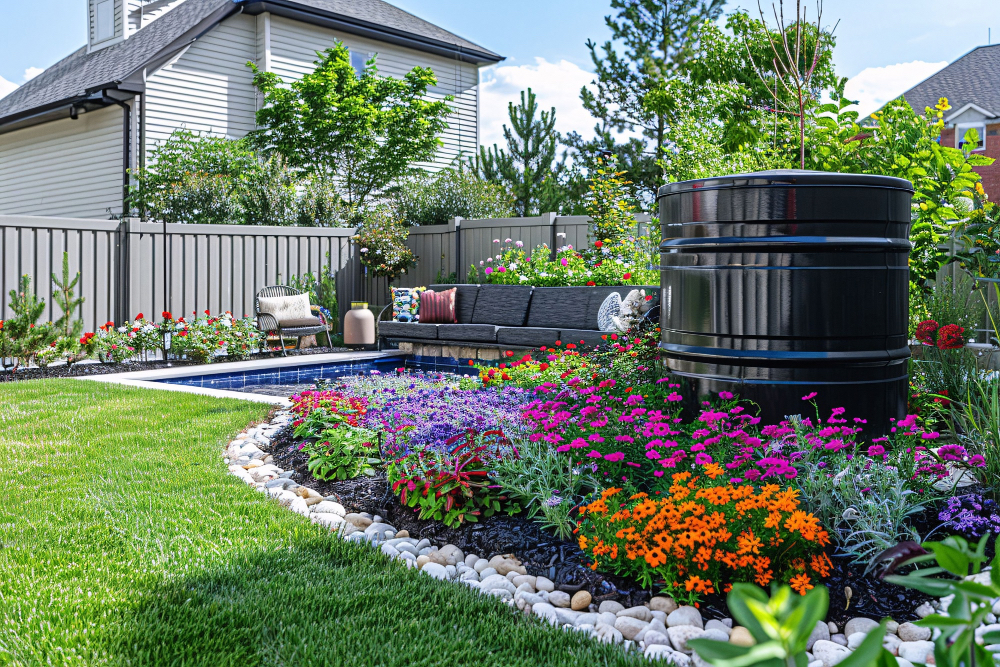
Scattered planting beds can make a yard feel fragmented unless shared design cues tie them together. Repeating the same edging style along the front walk and around a patio, paired with one consistent mulch color, creates an immediate visual thread without making every bed identical.
Match your border materials and groundcover to your home’s exterior so plants remain the focal point:
- Dark mulch beside light siding for crisp, clean contrast
- Natural brown mulch near brick to echo warm, earthy tones
- Clean edging along curved beds to mirror winding walkways
Spreading mulch across multiple beds makes color consistency essential because small bags often vary slightly in shade from batch to batch. For larger layouts, ordering quality bulk mulch in Plainfield, IL from a single local source like Fox Landscape Supply keeps the hue and texture uniform from one load. That steady finish pulls separate planting areas into one cohesive landscape.
Layer Plants for Year-Round Interest
Courtesy - Magnific
A mix of plants can give your beds structure even when flowers aren’t blooming. Start with shrubs or small trees, then add perennials and ornamental grasses around them. Leave enough space for each plant to reach its mature size without crowding a path or window.
Choose Plants for Each Site
Match plants to the light and moisture in each bed. A sunny area could include little bluestem, while wild geranium is an option to consider for partial shade. Check the growing conditions on each plant’s label before buying, since conditions can vary across a single Plainfield yard.
Place taller plants toward the back of a bed viewed from one side. In a bed visible from all directions, taller plants can sit nearer the center. Keep lower plants near the edges so they don’t hide what’s behind them.
Repeat Colors and Textures
Choose a few favorite plants and use them in groups throughout the yard. Repetition helps the eye move from one bed to another without making the landscape feel cluttered. Mix fine grass blades with broad leaves or pair rounded shrubs with upright flowers for contrast.
Plan for more than spring color. Plants with interesting foliage, seed heads, or evergreen branches can add structure later in the year. Look at how each selection will fit alongside its neighbors as the seasons change.
Finish Beds With Care
Courtesy - Magnific
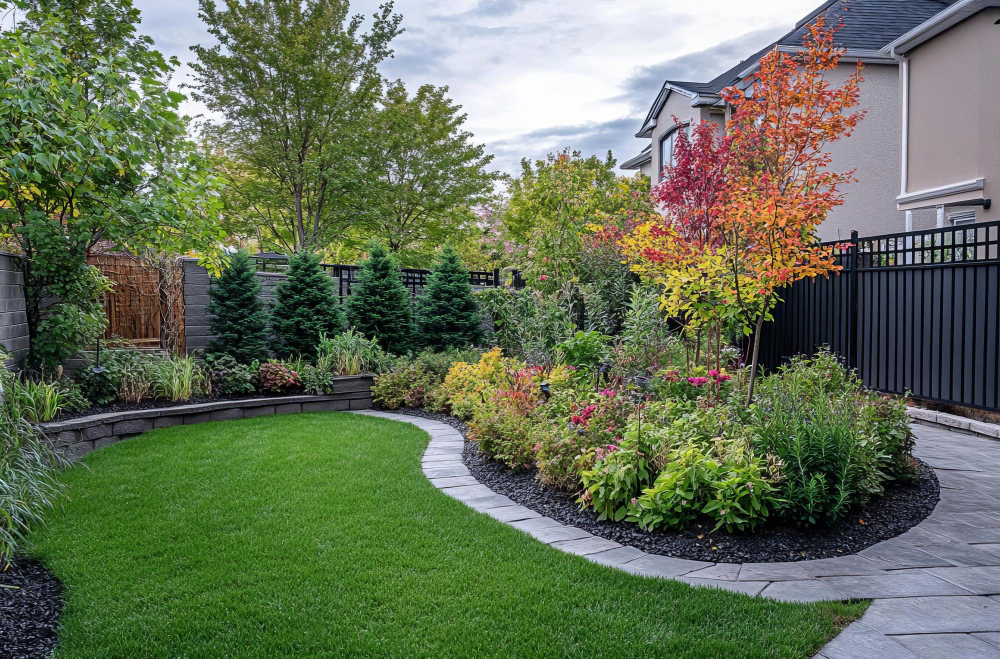
Edging gives a garden bed a crisp boundary and simplifies mowing, though northern Illinois winters test shallow borders. Along driveways and front walks in Plainfield, choose flush-set stone, brick, or heavy-gauge steel edging that resists frost heave and won’t catch a snow shovel or snowblower blade.
A few options can give your beds different looks:
- Brick for a traditional finish
- Stone for a natural appearance
- Metal for a clean narrow edge
Once the edging is in place, mulch can give the bed a finished look while helping retain soil moisture. For Illinois landscapes, the University of Illinois Extension recommends a layer of organic mulch 2 to 4 inches deep around trees, kept away from the trunk. Leave room to reach shrubs and perennials for watering and pruning as they grow.
Build a Cohesive Plainfield Yard One Bed at a Time
Designing garden beds that complement your Plainfield home doesn’t require a massive overhaul. Aligning bed shapes with your house, picking plants for each spot’s light and moisture, and repeating key materials ties the yard together.
Start with one well-placed bed near your entrance or patio to build momentum. Use the plants, textures, and finishes that work best there to guide your next addition at a pace that fits your schedule.
FAQs On How to Design Garden Beds
1. How do I design garden beds that complement my home?
Match garden bed shapes, edging materials, plant colours and textures to your home’s architecture, exterior finishes and surrounding landscape.
2. What should I consider before planting a garden bed?
Assess sunlight, soil moisture, drainage, available space, mature plant size and areas where snow accumulates before choosing plants.
3. How can I make multiple garden beds look cohesive?
Repeat selected plants, mulch colours, edging materials and foliage textures across different beds to create a consistent landscape design.
4. How should I arrange plants in a garden bed?
Place taller plants towards the back of beds viewed from one side or near the centre of beds visible from all directions. Position shorter plants along the edges and layer shrubs, perennials and grasses for depth.
5. How much mulch should I apply to garden beds?
Apply approximately 2–4 inches of organic mulch to help retain soil moisture and create a neat finish. Keep mulch away from tree trunks and allow access for watering and pruning.
Courtesy - Featured Image(Pixabay)
Author & Expert Review
Written & Verified By :  Ravin Desai – Co Founder – Gharpedia | Co Founder – 1 MNT | Director – SDCPL

| Credentials: B.Tech. in Civil Engineering from VNIT Nagpur and M.S. in Civil Engineering from Clemson University, USA. Co-Founder of Gharpedia and Director at Sthapati Designers & Consultants Pvt. Ltd.. Experience: Civil engineering professional with over a decade of international and Indian experience in the construction and design consultancy sector, with expertise in technical review and industry practices. Expertise: Specializes in reviewing technical content related to civil engineering, construction, design consultancy, materials, and industry practices. He ensures content is technically accurate, aligned with industry standards, and reflects practical construction and design best practices. Find him on: LinkedIn |