





Table of Contents
Quick Summary
- A bonsai balcony is a perfect way to bring nature into apartments or multi-story homes.
- Bonsai means “growing trees in trays” and suits both small and large spaces.
- Start by choosing bonsai species that match your climate, sunlight, and experience level.
- Observe sunlight patterns; most bonsais prefer 3–6 hours of morning light.
- Measure floor and vertical space before planning shelves or stands.
- Use shelving to protect trees from wind, harsh sun, and save space.
- Design the layout thoughtfully to balance light, airflow, and aesthetics.
- Proper care includes correct watering, feeding, pest control, and drainage.
- Secure bonsais against wind and pets.
- Protect sensitive species during winter to ensure long-term health.
In today’s urban homes, where space is limited but the need for greenery is growing, we strive to strike a balance between nature and design. Relatable? If you live in an apartment, a bonsai balcony is an incredible way to bring nature into your compact urban space. These miniature trees are not just decorative elements; they are living art forms that offer us nature’s calm and mindfulness in our compact spaces.
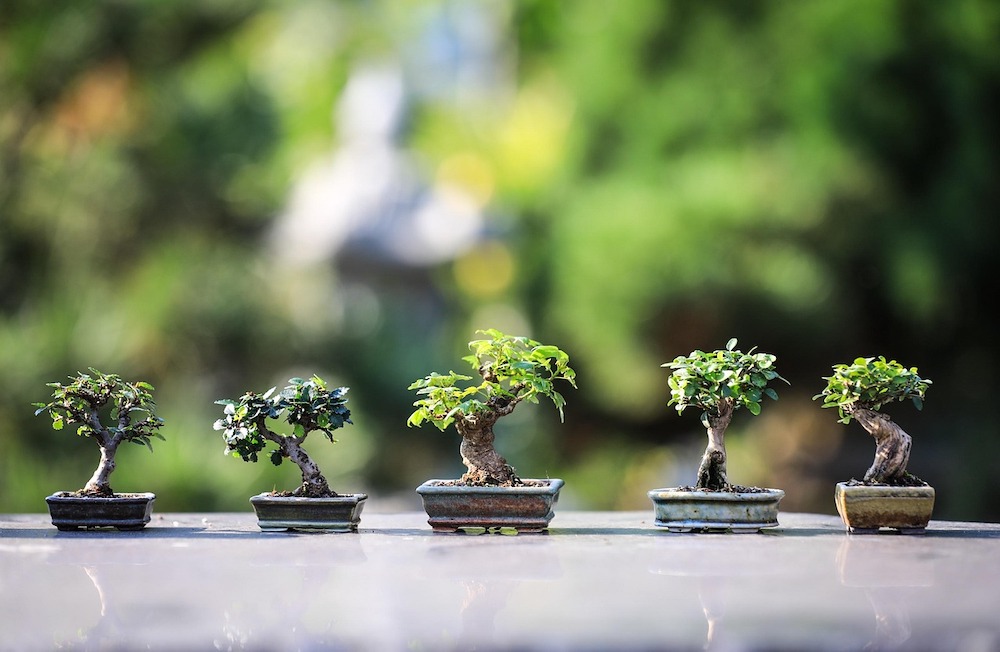
Courtesy - Pixabay
Whether you are a beginner or a plant enthusiast, creating a bonsai balcony requires thoughtful planning by understanding sunlight, space and seasonal care.
This guide walks you through everything you need to transform your balcony into a thriving bonsai heaven.
What is a Bonsai Balcony?
The word ‘bonsai’ comes from two Japanese words: ‘bon,’ meaning tray or shallow container and ‘sai,’ meaning growing or planting. So basically, bonsai means the art of growing miniature trees in trays, while maintaining the appearance and proportions of full-sized trees.
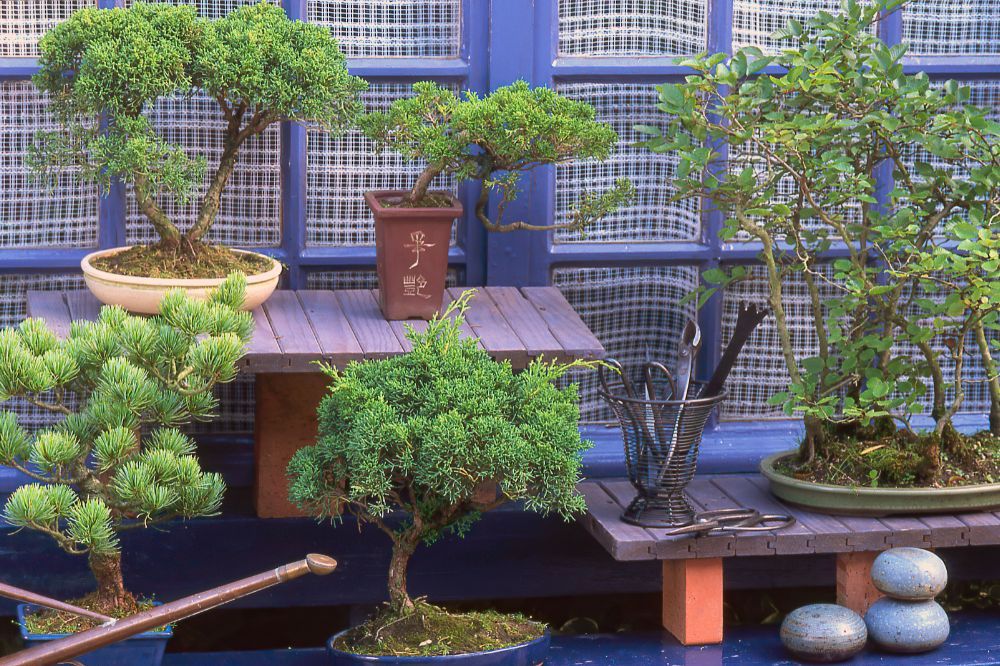
A bonsai balcony is essentially a curated outdoor space where these miniature trees are arranged thoughtfully to create a serene, visually balanced environment, ideal for apartments and compact homes.
Steps To Create A Bonsai Balcony
Courtesy - Canva
1. Choosing The Right Bonsai Species
Courtesy - Magnific
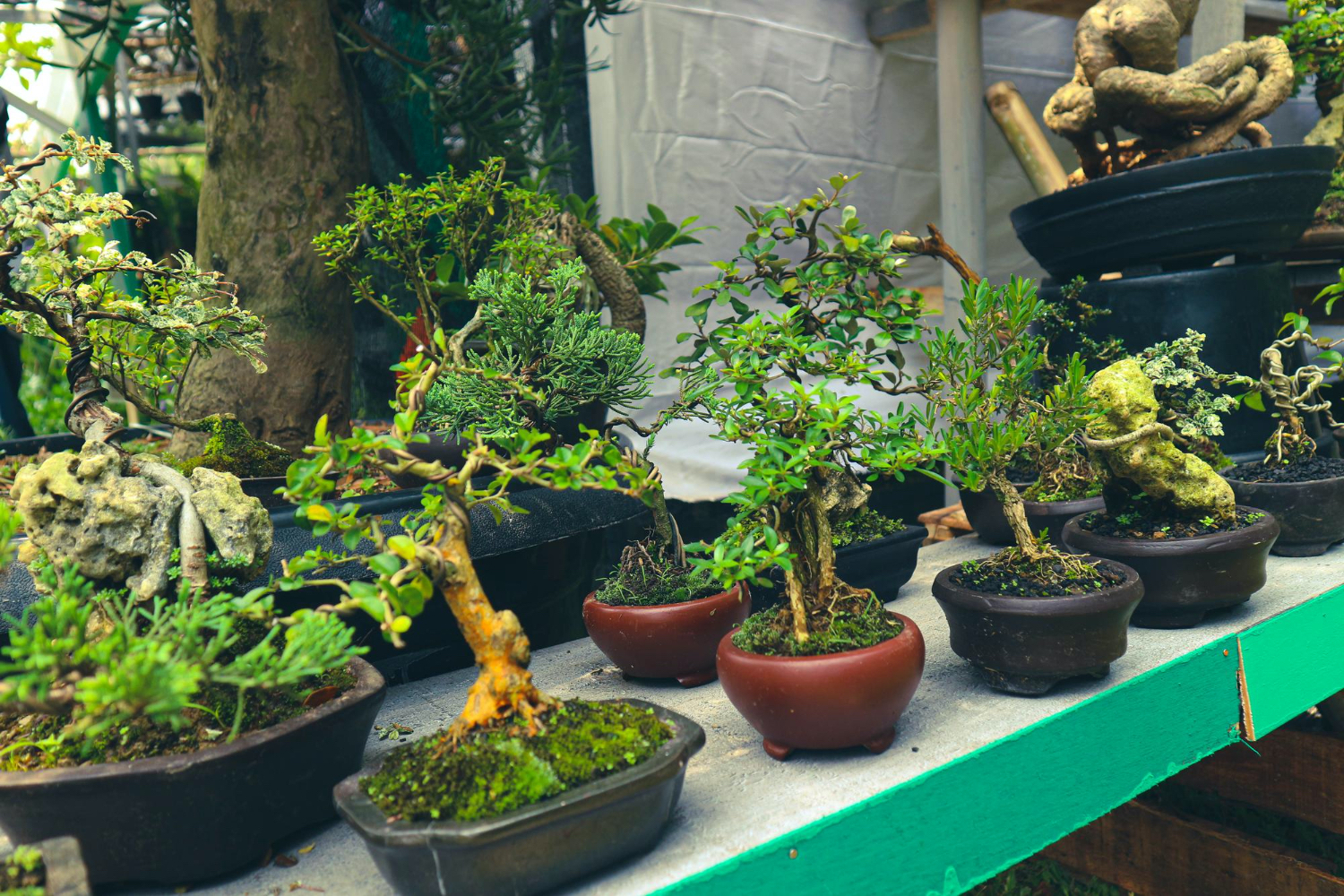
The success of your bonsai balcony begins with selecting the right type of bonsai species. Not all bonsai trees thrive in every environment, so consider climate, sunlight availability, and maintenance requirements before choosing a variety.
If you want a splash of colour, select flowering bonsai species and go for evergreen conifers if you want something low-maintenance with minimal pollen. Opt for fruit-bearing bonsai cautiously, as fallen fruits attract insects and create a mess on the balcony floor.
If you are new to bonsai, check which varieties are ideal for beginners. Many believe that beginners should select hardy and easy-to-maintain species. Ficus, Jade, Juniper and Chinese Elm are some species that are consider beginner friendly.
Also see how different types of bonsai trees complement each other in terms of colour, shape and foliage texture.
2. Analyse The Sunlight Needed For Your Bonsai
Courtesy - Canva
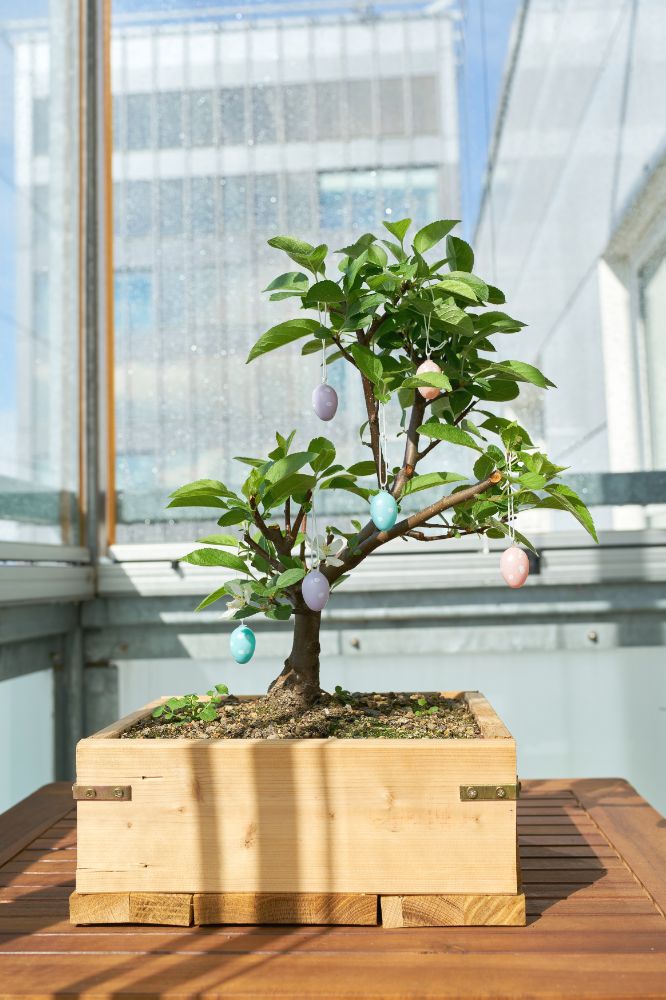
Sunlight is one of the most important factors in maintaining healthy bonsai growth. Observe your balcony and note how sunlight changes throughout the day and through different seasons.
Most bonsai trees need three to six hours of morning sunlight. But this varies depending on the species. Some thrive in shade and low-light, while others require full sunlight for most of the day.
Use shade nets or pergola-style covers to filter sunlight and introduce grow lights if natural light is insufficient.
3. Measure and Plan Your Space For Bonsai Balcony
Courtesy - Canva(Image1), Canva(Image2)
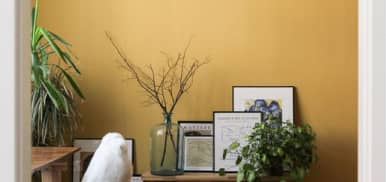
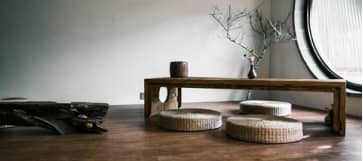
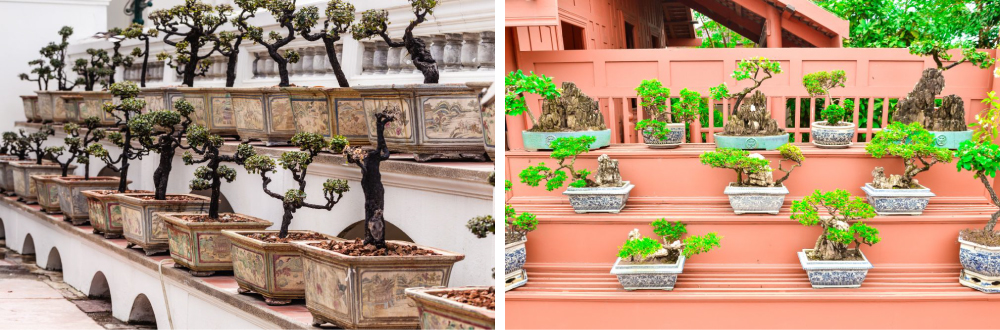
Before placing your bonsai trees, measure the floor area, vertical space and movement space for maintenance. This is important if you plan to install shelves, racks or storage units. Measuring the available space will also help you with designing the layout at a later stage. Knowing your space limitations prevents overcrowding and helps you determine how many bonsai trees you can realistically accommodate. Prune and downsize them regularly to manage plant size and maintain a balanced layout. This way, you can make room for that Juniper bonsai you’ve had your eye on for months.
4. Shelving And Storage For Bonsai
Courtesy - Magnific(Image1), Magnific(Image2)
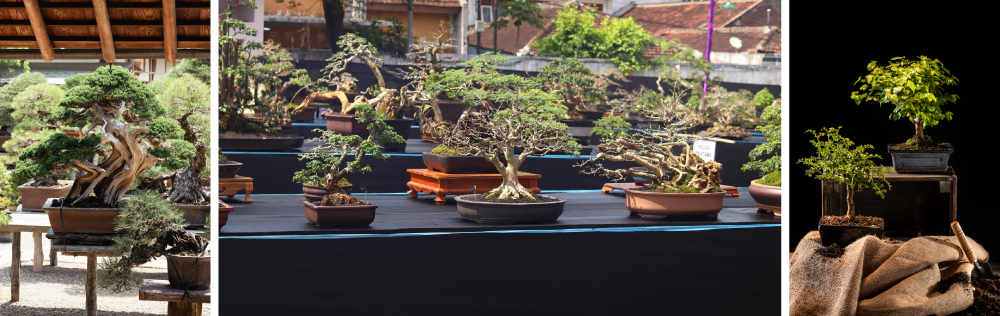
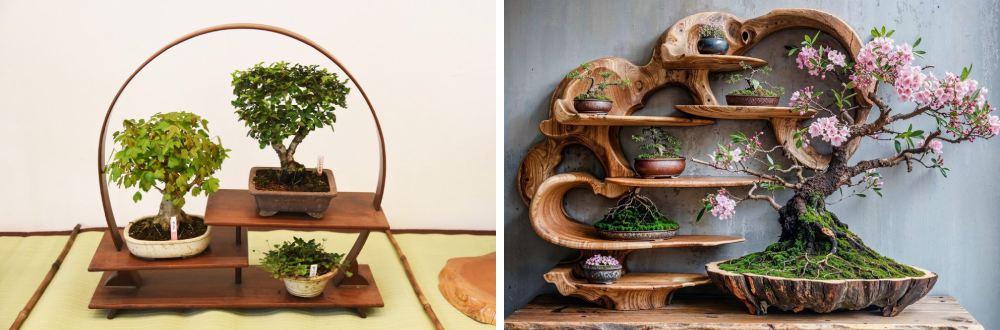
Once you have clarity on the space available, decide on the type of shelving or display racks for your bonsai collection. Shelves are not mandatory, but they are highly recommended because they are beneficial in organising your bonsai collection and optimising space usage. Shelving allows you to display multiple plants without cluttering the floor while also improving light distribution. Additionally, it provides some level of protection from strong winds and harsh sunlight.
Organise and keep your bonsai tools, such as pruning shears, wires and cutters, accessible. However, you need not store them in the balcony itself.
5. Designing The Layout For Your Bonsai Balcony
Courtesy - Magnific
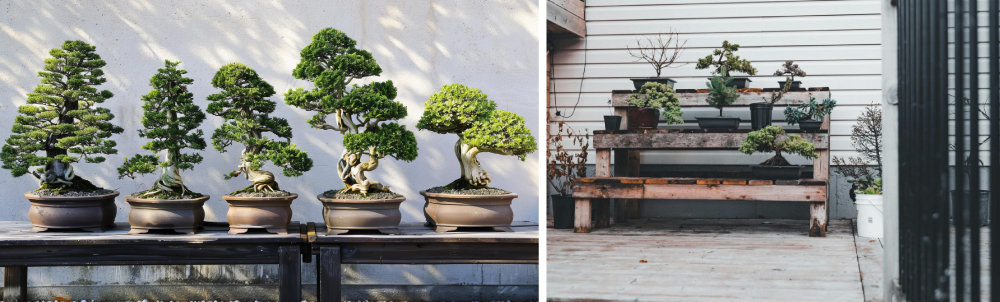
You can now go ahead and start designing the balcony layout based on the measurements, the bonsai species you want, and the shelving and storage. Many people prefer sketching the design by hand, while others use digital planning tools or simple design software to visualise the arrangement. Whichever method you choose, consider sunlight exposure for each plant, watering and pruning arrangements and visual balance of different bonsai shapes and sizes.
Courtesy - Canva(image1), Canva(image2)
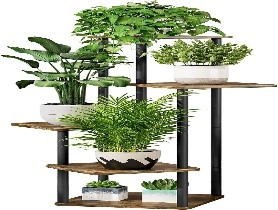
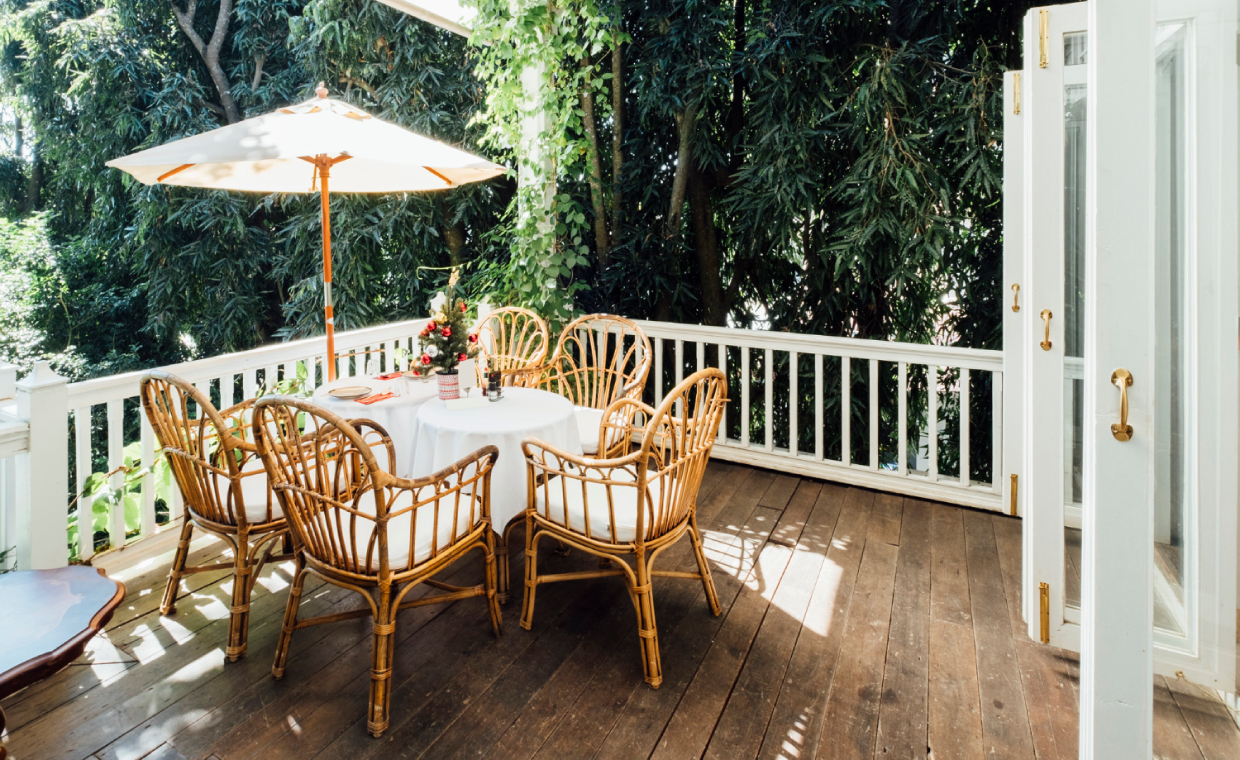
You can also place your bonsai trees on stands, shelves, railings or even the balcony floor. But, ensure the railings and walls do not block sunlight or airflow.
Benefits Of Bonsai Balcony
Bonsai balcony is not about aesthetics alone. It provides several other benefits. Let’s have a look:
1. Stress Relief: Caring for bonsai trees can be relaxing.
2: Connect With Nature: For urban residents, bonsai allows you to stay close to nature.
3. Space-efficient Gardening: Bonsai trees require minimal space, making them ideal for small balconies.
4. Enhanced Balcony Aesthetics: It transforms your balcony space into a green pocket.
Caring For Your Bonsai Balcony
Courtesy - Canva
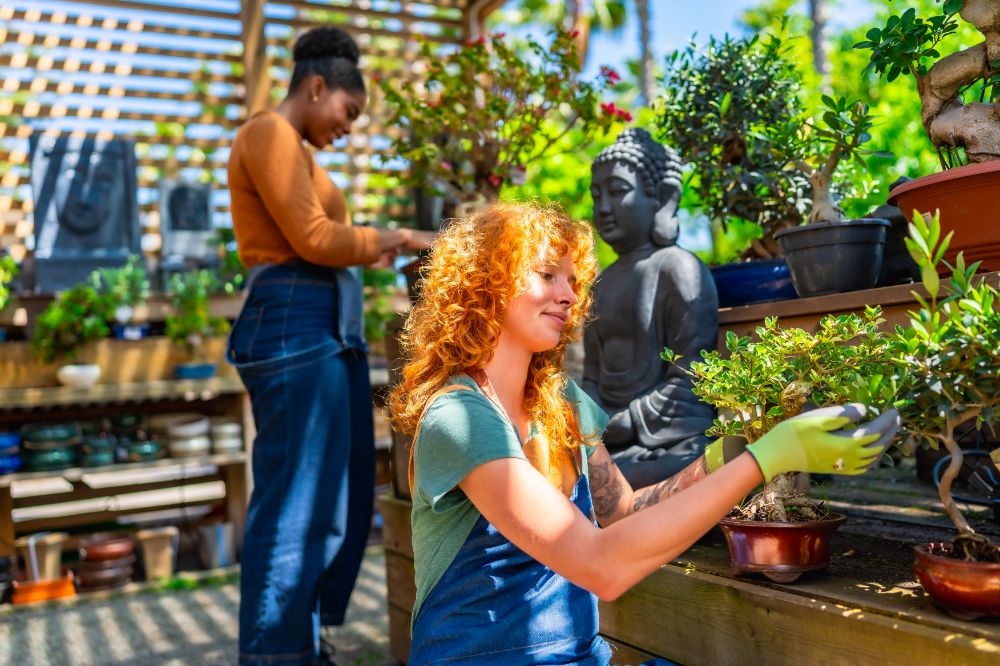
With your design in hand, you can now go ahead and buy what you need for your balcony. But pause and research all the efforts and care your bonsai species will need.
Here are some aspects:
1. Water Requirements
Courtesy - Canva
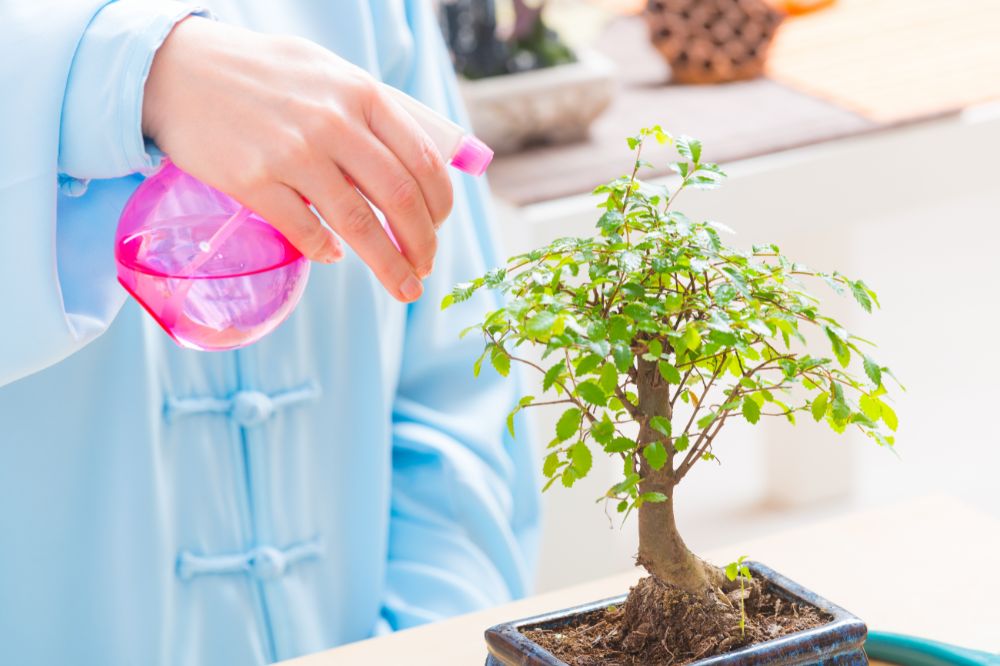
There are various watering needs for different Bonsai species. Some species tolerate dry conditions, while others require daily watering during warm seasons. Another important factor is drainage. Skip the water trays for bonsai, as stagnant water causes root rot. However, to protect your balcony floor from damage, you may consider using humidity trays. These trays collect excess water while also helping maintain humidity around the plants. If your bonsai are placed on open racks, excess water may drip onto the pots below.
2. Feeding Your Bonsai
When spring and summer arrive, your bonsais will need some nutrients to develop new leaves, flowers, and seeds. Fertilisers provide essential nutrients such as nitrogen, phosphorus, or potassium (NPK) that it needs. Each bonsai variety had a different preference regarding soil acidity and alkalinity. When you select bonsais for your balcony, do some research on the best fertiliser for them. Regular fertiliser application encourages healthy foliage, flowers and strong roots.
3. Pests And Diseases
Balcony environments expose bonsai trees to pests and diseases, making regular inspection necessary. Common issues include aphids, spider mites, scale insects, mould growth etc. Early detection is key to preventing damage, so it is advisable to routinely check leaves, branches, and soil surface. Maintaining cleanliness and proper plant care practices can also reduce the likelihood of infestations.
4. Securing Your Small Trees
Courtesy - Canva
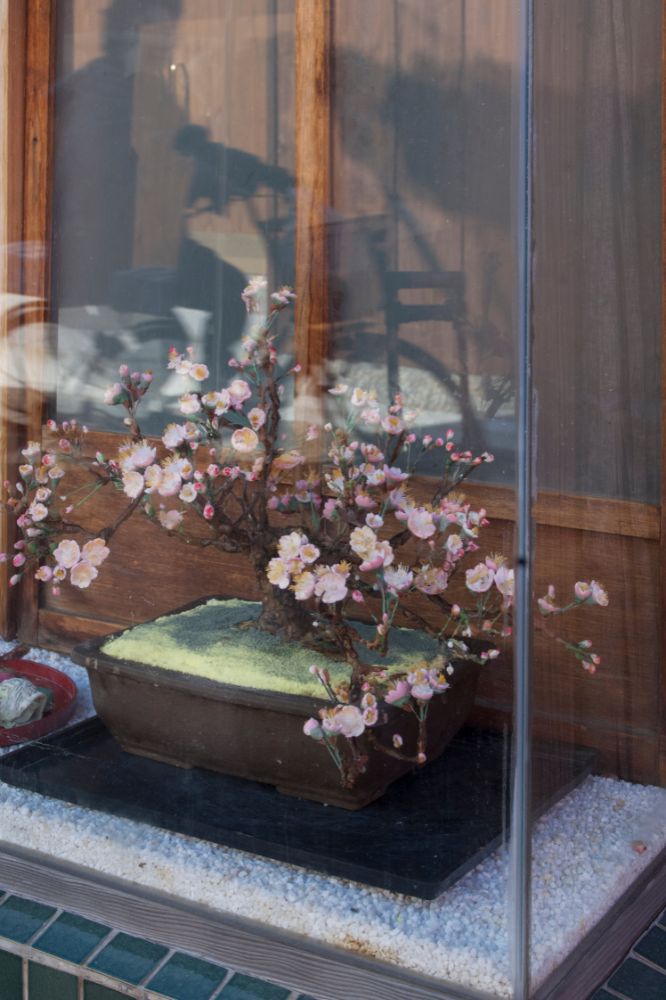
Protecting your bonsai from external elements is another critical aspect of care. Strong winds will quickly blow over the lighter containers and also damage branches and leaves. You should secure the pots to the shelves or support structures, especially if children and pets frequently access the balcony.
5. Watch Out For Winter
Courtesy - Canva
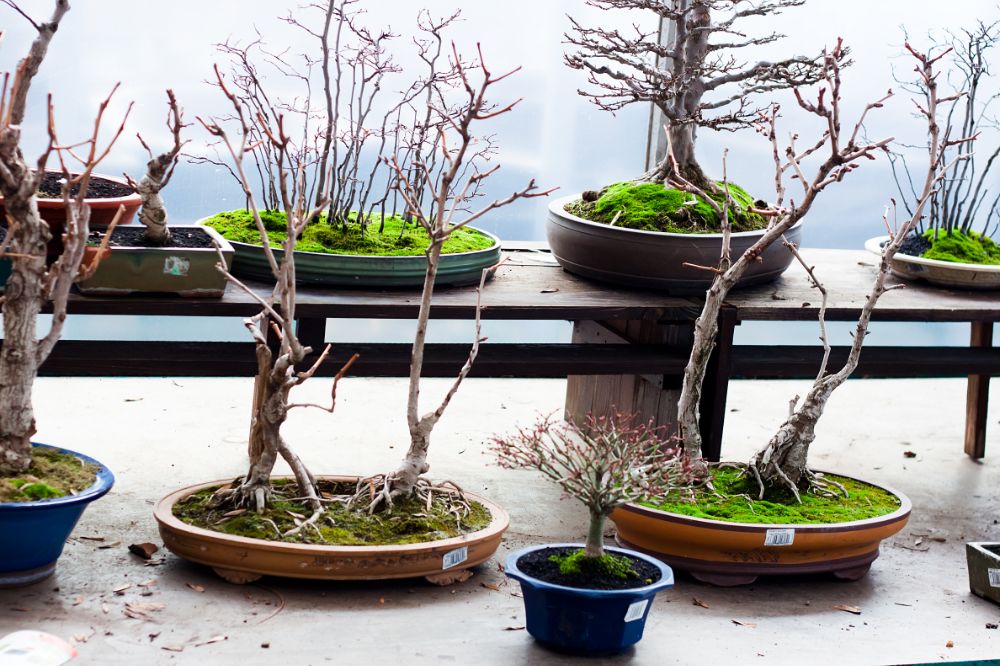
There are many bonsai trees that are sensitive to cold temperatures and frost. Extended exposure to extreme cold can damage or even kill the plant. If you live in colder regions, consider moving tropical bonsai indoors during winter or using protective covers. Placing them in sheltered balcony corners, too, will help.
If you’re planning to design a bonsai balcony, this video will guide you through the complete process: https://youtu.be/PZG1wtlvL2w
Enjoy Your Peaceful Bonsai Corner
Creating a bonsai balcony is a brave decision because it involves a lot of patience, observation and care. The result can be truly satisfying, but the journey will not be easy. You may not succeed initially, but persistence is the key. With the right balance of design and care, your bonsai balcony can become a lasting source of peace, beauty and connection with nature. Once you get the trick right, then there is this little world of green treasure unlocking for you!
If you want to explore some design ideas to decorate your balcony with a variety of indoor plants, including bonsai,
read: A complete guide to apartment balcony gardens!
FAQs On How To Create A Bonsai Balcony
01. Which Bonsai Trees Are Best For Balconies?
Juniper, Ficus, Jade, Maple, and Pine are popular balcony-friendly bonsai trees.
02. How Much Sunlight Do Balcony Bonsais Need?
Most of them need 3–6 hours of indirect or morning sunlight, depending on the species.
03. Can Bonsai Survive Strong Balcony Winds?
Yes, if secured properly using wires, heavy pots, or sheltered shelving, they can survive strong balcony winds.
04. How Often Should I Water Balcony Bonsai Trees?
Watering varies by species, season, and climate. Some need daily watering in summer.
05. Do Bonsai Need To Be Moved Indoors During Winter?
Tropical bonsais usually do, while hardy species may need frost protection outdoors.
Author & Expert Review
Written By:  Nidhi Patel | Civil Engineer & Content Writer

| Credentials: B.E. (Mahatma Gandhi Institute of Technical Education and Research Centre), Registered with Gujarat Technological University (GTU). Experience: Civil Engineer with 3+ years of content writing experience, currently writing blogs for Gharpedia, part of SDCPL. Expertise: Specializing in SEO-optimized blogs and long-form articles focused on home improvement, construction, interiors and architect topics. I create well-researched, reader-focused content that balances technical accuracy with clarity, making complex subjects easy to understand. Find her on: LinkedIn |
Verified By Expert: Ravin Desai – Co Founder – Gharpedia | Co Founder – 1 MNT | Director – SDCPL

This article has been reviewed for technical accuracy by Ravin Desai, Co-Founder of Gharpedia and Director at Sthapati Designers & Consultants Pvt. Ltd. With a B.Tech. in Civil Engineering from VNIT Nagpur and an M.S. in Civil Engineering from Clemson University, USA, and over a decade of international and Indian experience in the construction and design consultancy sector, he ensures all technical content aligns with industry standards and best practices.
Find him on: LinkedIn