




Table of Contents
Quick Summary
- Garden sheds are used in various ways, including outdoor storage, sunrooms, guesthouses, and play areas.
- You need to define the shed’s purpose first to decide its size, layout, and features.
- Ready-made sheds from suppliers like Duratuf can save time and effort.
- Select materials such as timber, steel, or plastic. However, the selection should be based on climate, budget, and availability.
- You need to check local building codes to know if permits are needed for larger sheds.
- It is better to select a convenient, visible location in the garden for easy access and use.
- Strong foundations protect against moisture, support heavy loads, and extend the shed’s lifespan.
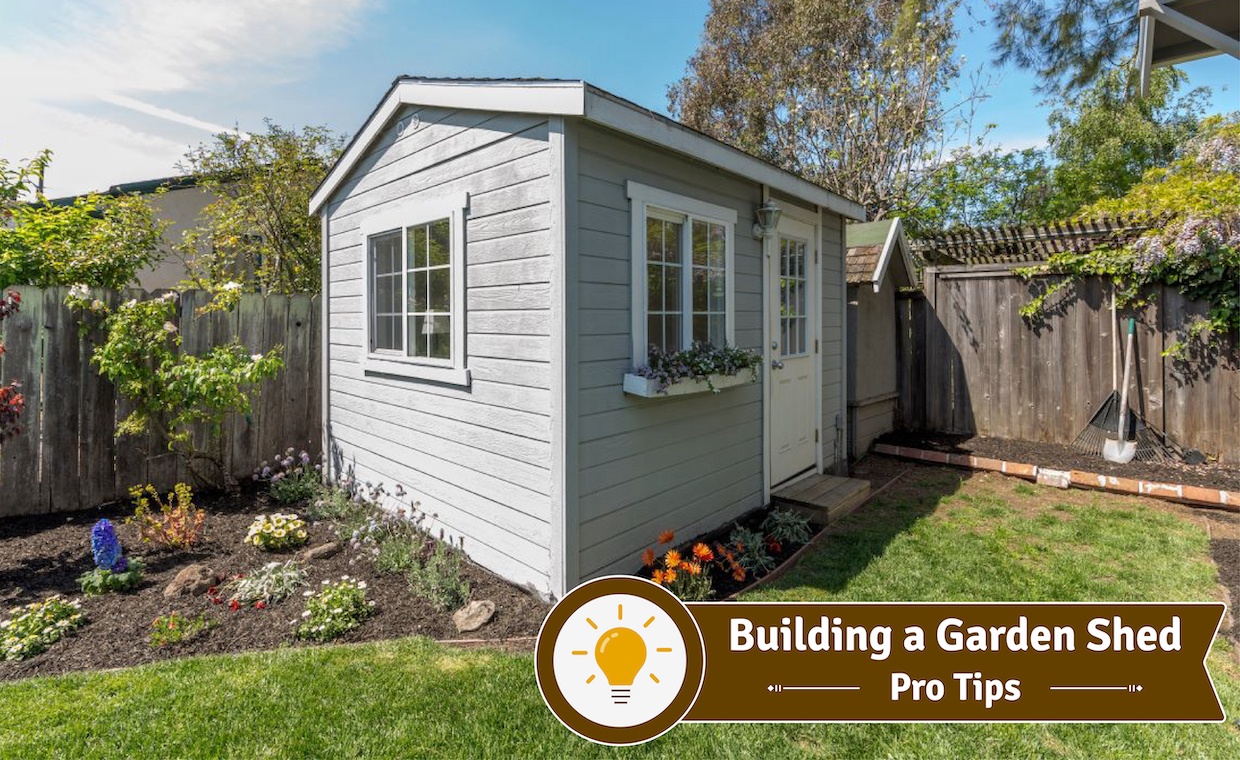
Garden sheds are quite common in many households these days. They’re an outdoor structure in the backyard, generally utilized as an outdoor storage space. Gardening tools and other outdoor equipment call garden shed their home, but nowadays, there’s more to them than that.
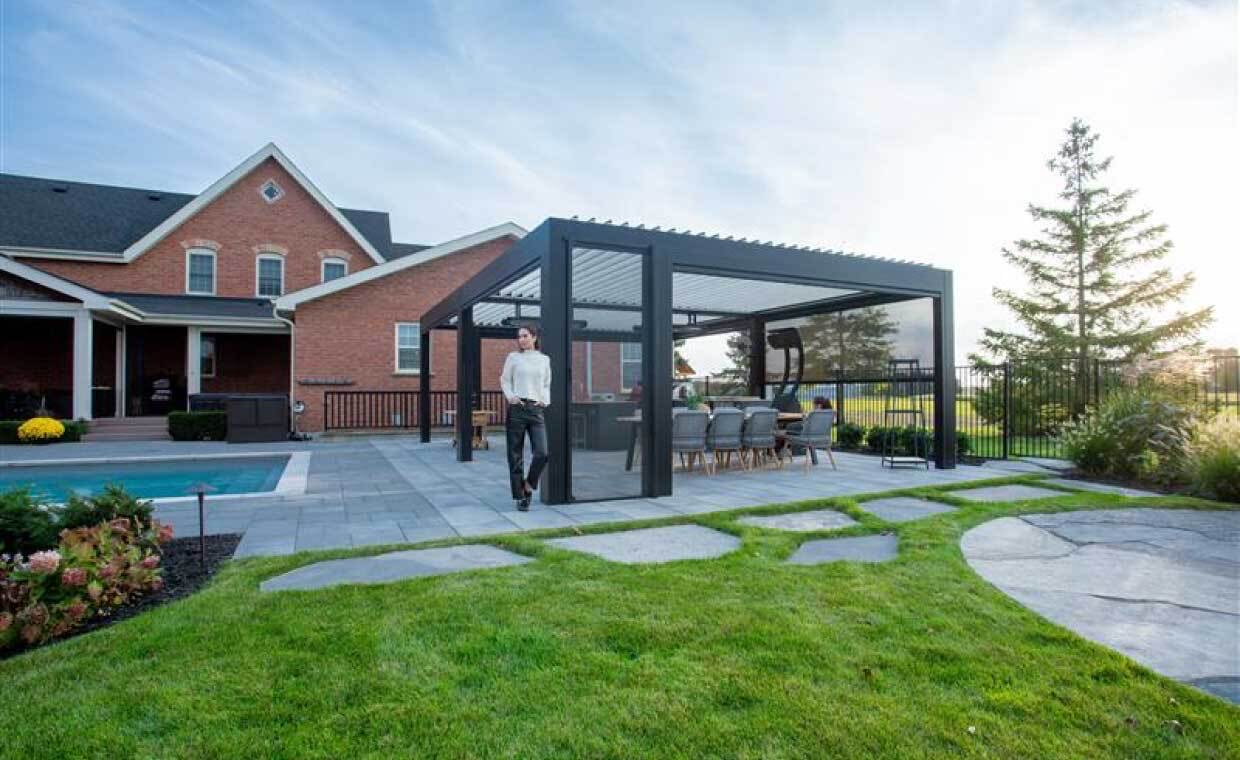
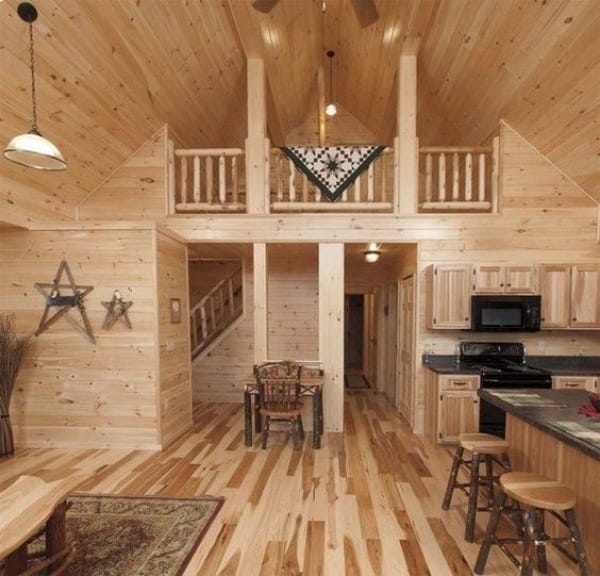
Some homeowners also build sheds as a sunroom or conservatories, a place to grow vegetables, outdoor living or dining spaces, and even mini guest houses. If you’re a homeowner keen on having your own shed, its small size makes it an easy do-it-yourself or DIY job – given that you’re ready to go through all the hard work to have a lasting structure. From the foundation to the roof and interior design, many useful tips guide you in this construction project.
How to Build a Garden Shed? – Pro Tips
These tips are what you’ll gather from this read today. Here you’ll have insights on building a garden shed so it stays useful and strong for many years.
01. Look for a Good Supplier of Readymade Shed
While you may be ready to go through a DIY build of your shed, some companies sell ready-made sheds. Buying one makes your life a lot simpler, as right there and then, you have a shed. Any building work you’ll have to do would now be limited only to positioning the shed in place or any renovation you desire so the shed lives up to your intended purpose.
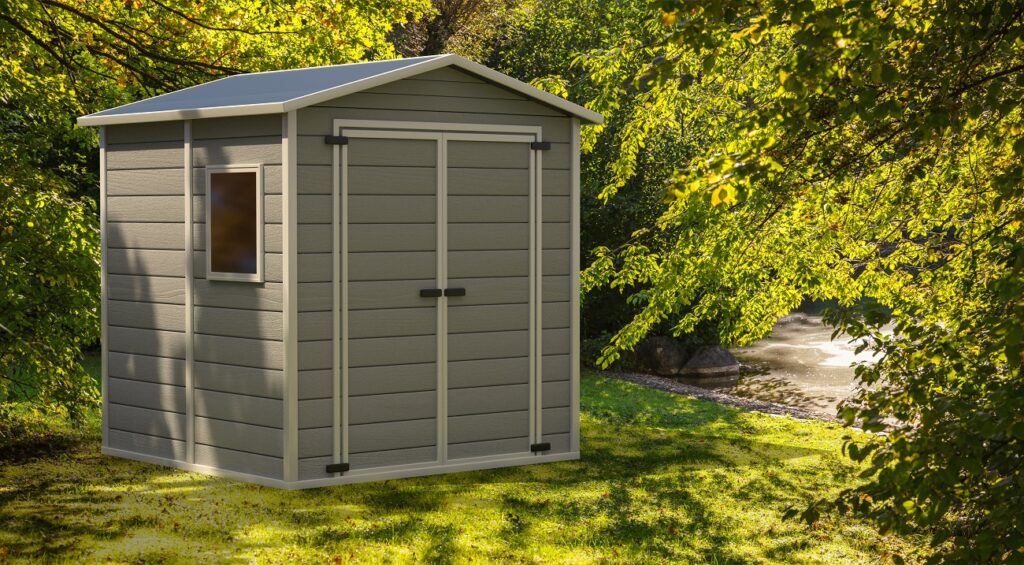
There are many suppliers you can browse from, starting with Duratuf Sheds, among others. Who knows, you may be able to find one that ticks everything you’re looking for in a garden shed.
02. Decide What’s Going to Be Your Shed’s Purpose
Before you even purchase the necessary construction materials and start with construction, you must first define your intended purpose for the shed. This is a very important beginning point as it determines the features and your shed size.
Here’s a quick comparison to explain this point. Garden sheds to be used as an outdoor storage space won’t need windows, a fancy window, and all other aesthetically-pleasing interior features that a shed used as a guest house would. Only the exterior will matter so the shed won’t stick out awkwardly as an unpleasant sight in your garden.
Once the purpose is determined, you’ll have an overall idea of how expensive this build will be, what type of shed you’ll be constructing, what the features are, and what the size will also be.
03. Pick Out the Materials You Need to Build a Garden Shed
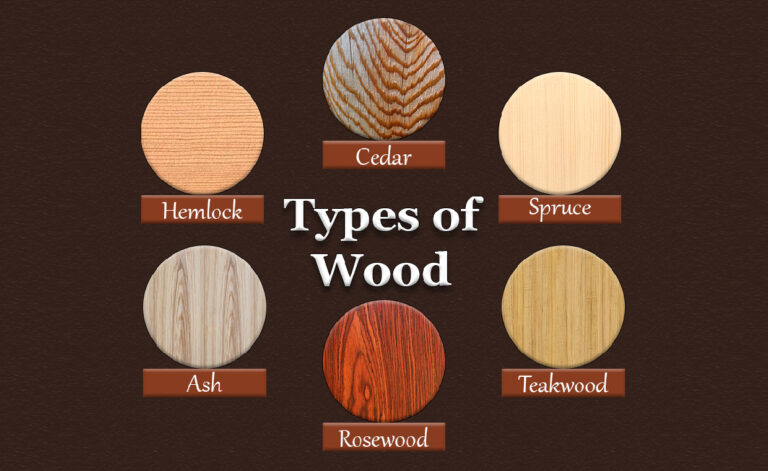
The materials you’ll need for your shed depend on your preference and budget. Garden sheds are generally made of three main materials: timber for cedar garden sheds, plastic, or steel (as in the case of shipping containers converted into garden sheds).
When selecting and purchasing the materials, answer the question first as to what materials are readily available in your local area. That way, you won’t have to spend even more on the shipping or wait for the materials to arrive.
Most importantly, factor in the climate and external conditions in your area. Do you have a predominantly tropical and humid climate? Or is it mostly cold? Is there a well-known issue with termites where you’re from? If that’s the case, plastic or steel may be your best bet. Otherwise, soil and wood-treating processes will also be called for.
04. Obtain the Necessary Building Permits
Some local codes require building permits only when a structure exceeds a specific size, so check on this. You shouldn’t have to worry if you know what you have in mind is only a relatively small structure. Yet grander sheds, like outdoor living spaces or guest houses, may be bigger, hence the need for permits.
Compliance with the necessary building permits isn’t only a matter of obedience to the laws. Still, it assures you that the location in your garden you’re planning to build on is safe for the garden shed too.
05. Pick the Best Location in Your Garden
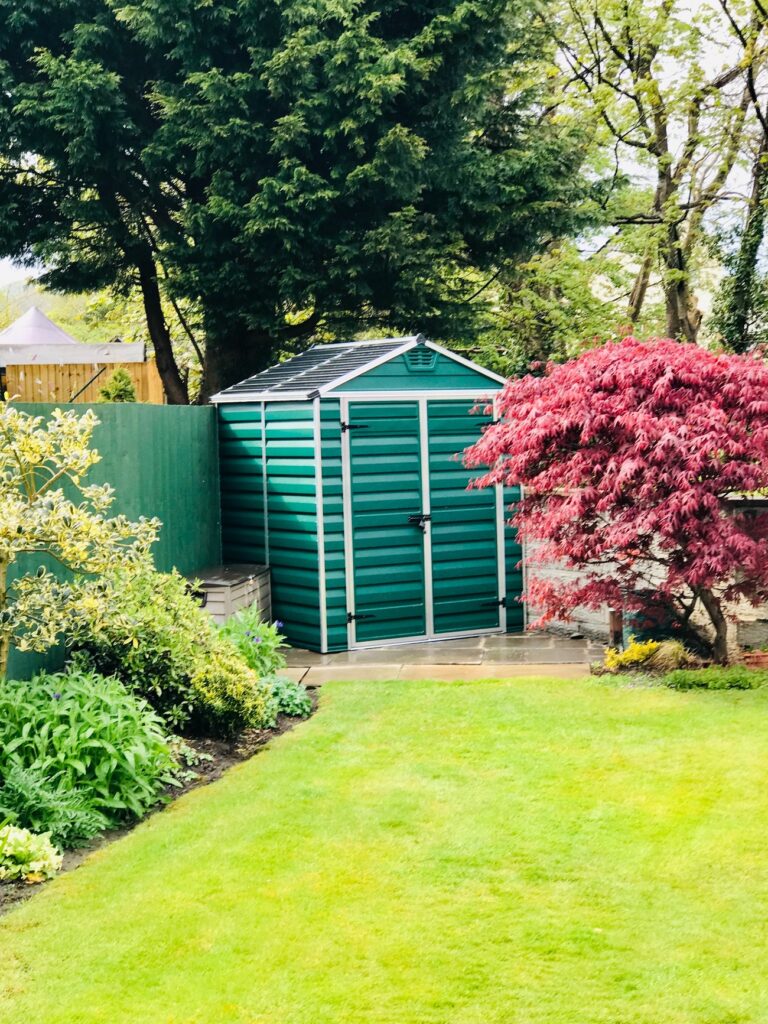
What ‘the best location’ for your garden shed is relative to its intended purpose. To decide, think about how you’ll use the garden shed to pinpoint the most convenient location.
A garden shed intended as your children’s playhouse should, for instance, be located near your deck or back windows and doors, so it’s easy for you to keep an eye on the kids when they’re playing. For instance, a garden shed for gardening purposes is better off near your vegetable patch.
Most importantly, position the shed where it’s visible and accessible. Otherwise, putting it far away in your law, covered by trees and bushes, only increases the likelihood of forgetting about it or deeming it challenging to use as it’s not too close to your main home.
06. Build a Strong Foundation for a Garden Shed
Garden sheds smaller than six by eight feet generally won’t need a foundation. When you go bigger than that, then it’s important to start from the ground up with a durable foundation. Here are reasons why this step shouldn’t be left out:
01. It Helps to Prevent Moisture
One of the biggest threats to a shed’s structural integrity is moisture exposure. A strong foundation stops the wood from your garden shed from contacting standing water, which rots over time.
02. It Provides Support for Any Heavy Load
Whatever your shed’s purpose, one of your main goals should be to protect your shed’s floor from collapsing due to the weight of everything and everyone inside the shed. A foundation can help hold up that weight, so you have a strong structure for the years to come.
03. It Extends Your Shed’s Life
Even if you may be building a small shed, it’s still advisable to mount a strong foundation. Surely you wouldn’t want to be faced with the work and expense of frequently rebuilding your shed because its structure has deteriorated.
A foundation is that one essential part that can help preserve your garden shed and increase its lifespan. With a foundation, your garden shed’s floors aren’t in direct contact with the ground. This means the likelihood of suffering from weather-related damage is significantly reduced.
Summing Up
Outdoor garden sheds can be used for various purposes according to the homeowner’s preference and the shed size. Nevertheless, the most important point is that the shed must be well-constructed. You can either get your hands dirty and DIY this, or you can call in the help of tradesmen and laborers. Whatever route you take, the tips above are worth returning to build a durable, functional, beautiful garden shed.
Apart from this, we have also written other article on garden shed. Do refer below link:
Interesting Ways to Use a Shed
FAQs on How to Build a Garden Shed
1. What Is the First Step in Building a Garden Shed?
The first step is deciding the shed’s purpose. It determines the size, design, materials, and budget required to build a functional and lasting structure.
2. Do I Need a Foundation for A Small Garden Shed?
Small sheds under six by eight feet may not need one. Larger sheds require a strong foundation to prevent moisture damage, support heavy loads, and increase durability.
3. Which Material Is Best for Garden Sheds in Humid Areas?
In humid climates, plastic or steel sheds are better choices. They resist moisture, termites, and weather damage, making them more durable and low-maintenance compared to timber.
4. How Do I Choose the Correct Location for My Shed?
You need to select, a visible and accessible location near where it’s most frequently used. Proper placement enhances convenience, safety, and functionality, preventing the shed from being neglected or difficult to access.
5. Are Building Permits Required for Garden Sheds?
Permits depend on shed size and local regulations. Small sheds often don’t require one, but larger structures, such as guest houses or sunrooms, usually necessitate proper permits for compliance.
Author & Expert Review
Written By:  Nidhi Patel | Civil Engineer & Content Writer

| Credentials: B.E. (Mahatma Gandhi Institute of Technical Education and Research Centre), Registered with Gujarat Technological University (GTU). Experience: Civil Engineer with 3+ years of content writing experience, currently writing blogs for Gharpedia, part of SDCPL. Expertise: Specializing in SEO-optimized blogs and long-form articles focused on home improvement, construction, interiors and architect topics. I create well-researched, reader-focused content that balances technical accuracy with clarity, making complex subjects easy to understand. Find her on: LinkedIn |
Verified By Expert: Ravin Desai – Co Founder – Gharpedia | Co Founder – 1 MNT | Director – SDCPL

This article has been reviewed for technical accuracy by Ravin Desai, Co-Founder of Gharpedia and Director at Sthapati Designers & Consultants Pvt. Ltd. With a B.Tech. in Civil Engineering from VNIT Nagpur and an M.S. in Civil Engineering from Clemson University, USA, and over a decade of international and Indian experience in the construction and design consultancy sector, he ensures all technical content aligns with industry standards and best practices.
Find him on: LinkedIn