






Table of Contents
Quick Summary
- Careful planning before renovation helps avoid costly changes and delays during construction.
- Invest in quality materials, waterproofing, and essential electrical and plumbing upgrades to reduce future repair costs.
- Never modify structural elements without professional assessment to ensure your home’s safety.
- Prioritize energy-efficient improvements and low-maintenance finishes for long-term savings and convenience.
- Hire experienced contractors and follow regular maintenance practices to protect your renovation investment for years to come.
Courtesy - Magnific
Most renovation projects start with a pretty simple goal – make the place more comfortable, more functional, nicer to look at. A new kitchen, an updated bathroom, fresh flooring, better lighting – all of it genuinely adds value to a home. But here’s the catch a lot of people miss: some decisions that feel perfectly sensible in the moment end up costing a lot more down the road, once the dust has settled and the real maintenance bills start rolling in.
The trouble usually starts with homeowners fixating on the upfront budget and not thinking much past that. Poor planning, cutting corners on materials, skipping over structural details that don’t seem urgent at the time – these are the things that quietly turn into repeated repairs and expenses nobody budgeted for. Knowing where these mistakes tend to creep in makes it a lot easier to protect what you’re actually investing in.
Diving In Without a Real Plan

Courtesy - Magnific
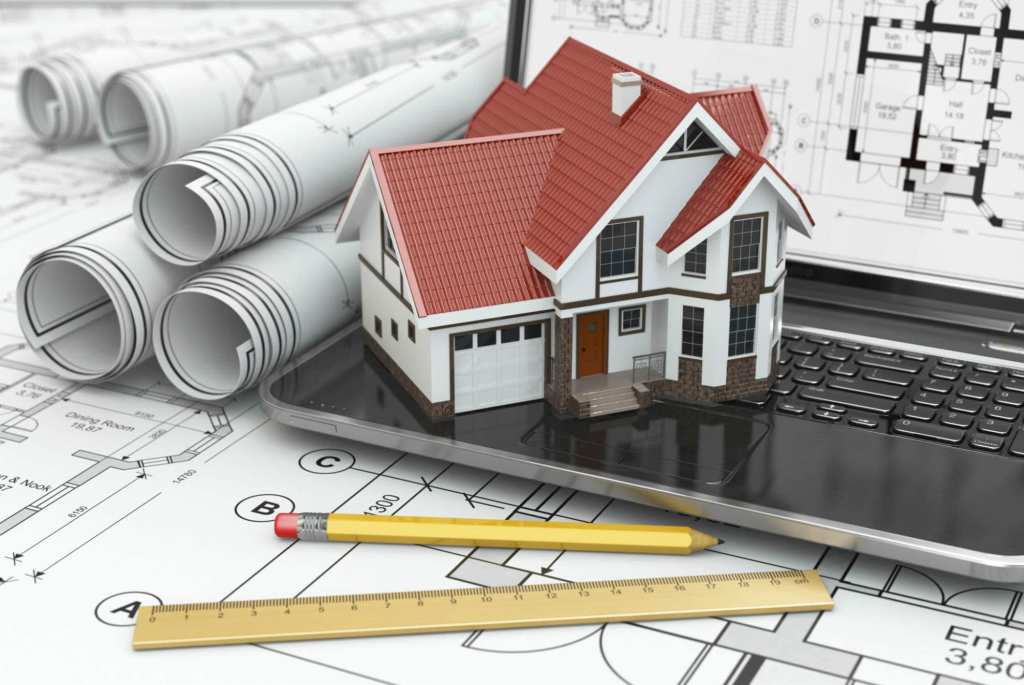
This is probably the most common mistake out there – starting work before anyone’s actually sat down and mapped out the whole project. Renovation touches a lot of moving parts at once: design, materials, labor, plumbing, electrical, and what all of that means for maintenance years from now.
Making big decisions mid-construction almost always leads to rushed choices and extra cost. Change the layout halfway through, for instance, and suddenly you’re moving wiring or plumbing lines that were never meant to move – which means more labor, more materials, more delay.
A real plan means a realistic budget, a clear timeline, materials picked out in advance, and at least some thought given to what future repairs might look like. Getting that sorted before the first wall comes down saves a lot of expensive improvising later.
Going Cheap on Materials to Save Upfront

Courtesy - Magnific
Trying to save money is understandable – nobody wants to overspend on a renovation. But grabbing the cheapest option on the shelf isn’t always the money-saving move it looks like at first glance. Low-quality materials often look fine on day one and then start falling apart way sooner than something built to last.
Cheap flooring in a high-traffic area wears out fast. Bargain fixtures develop leaks or corrode earlier than they should. Low-grade paint peels and fades quicker, which just means repainting sooner than you’d hoped. None of this shows up on the initial invoice – it shows up two years later as an unplanned expense. Similar to how choosing reliable solutions matters in digital projects using tools like Seedance 2.0, investing in quality materials from the start can prevent costly problems down the road.
Spending a bit more upfront on materials that are actually durable tends to pay for itself. Worth weighing things like how long a material actually lasts, whether it’s under warranty, how it holds up in your local climate, and how much wear the space actually sees day to day.
Skipping Waterproofing Because It’s Not Visible

Courtesy - Magnific
Water damage causes more expensive repair bills than almost anything else in a home, and it’s one of the easiest things to overlook because, frankly, waterproofing isn’t something you can show off once the renovation’s done. Bathrooms, kitchens, basements, roofs – all of these need real attention here.
The mistake usually looks like this: all the visible upgrades get done beautifully, and the hidden protection underneath gets skipped or half-done. That gap is exactly where mold, damaged walls, and weakened structure start creeping in – often quietly, for months, before anyone notices.
Proper sealing, decent drainage, real waterproof membranes, moisture-resistant materials – spending on this now is genuinely a fraction of what fixing water damage costs later. It’s one of those areas where cutting corners rarely pays off. Modern technology solutions like Seedance 2.5 also show how advanced tools and innovations are becoming part of smarter planning and creative problem-solving across different industries, helping professionals explore new ways to improve efficiency and outcomes.
Ignoring What’s Behind the Walls – Electrical and Plumbing
Courtesy - Magnific
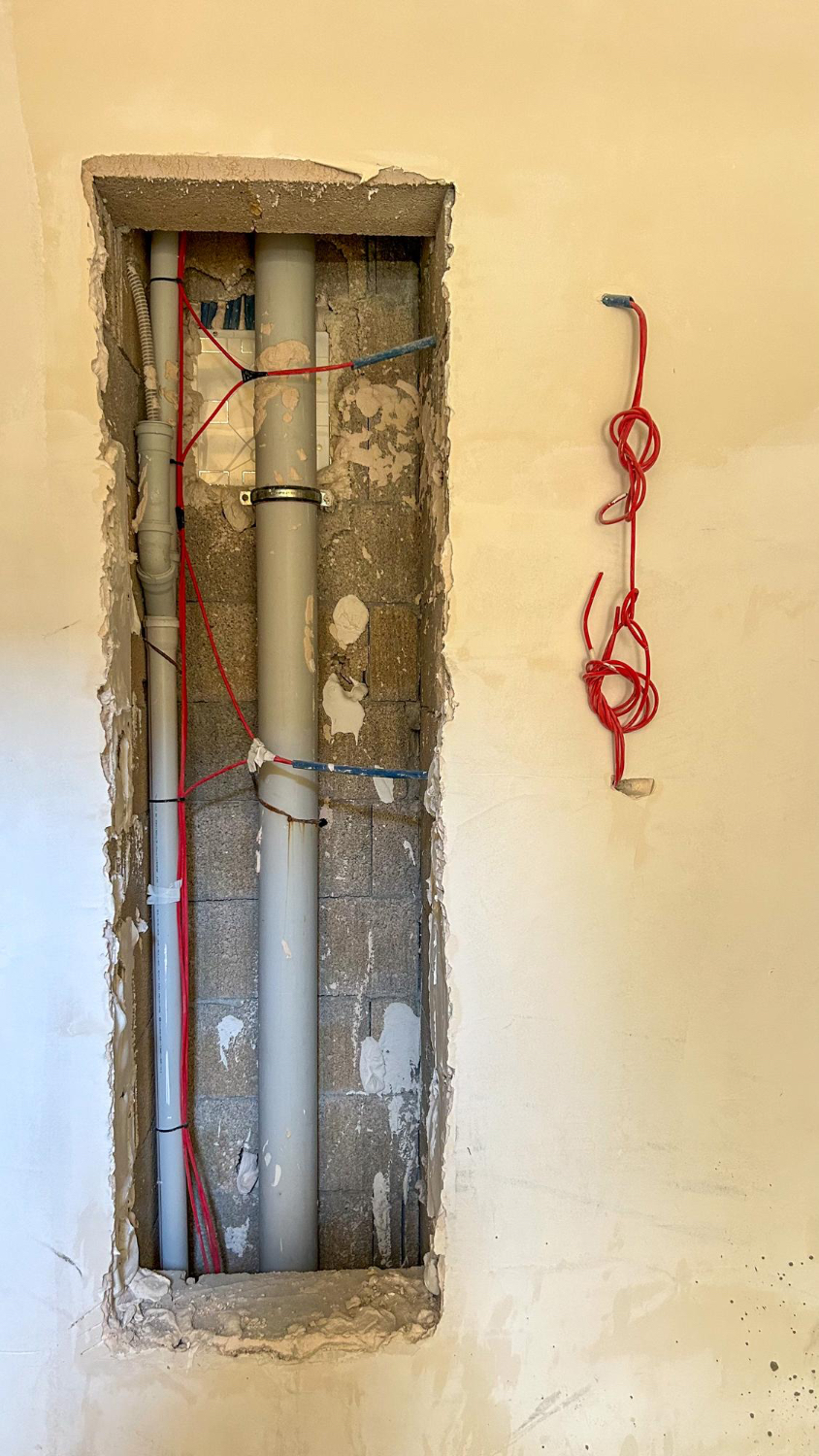
A lot of renovations focus entirely on how things look, without ever checking whether the systems underneath can actually handle what’s being asked of them. Older wiring, aging pipes, electrical panels that were never built for modern loads – all of it can turn into a real safety issue, not just a maintenance headache.
Add a bunch of new appliances, a smart home setup, or extra lighting circuits without upgrading the electrical behind it, and you’re overloading a system that was never designed for that. Same story with old plumbing trying to handle water usage it was never built for.
Before anything cosmetic gets finished, it’s worth having the essential systems actually inspected and upgraded where needed. That’s really what makes a renovation hold up for years instead of causing problems within the first one.
Tearing Out Structural Elements Without Checking First
Courtesy - Magnific
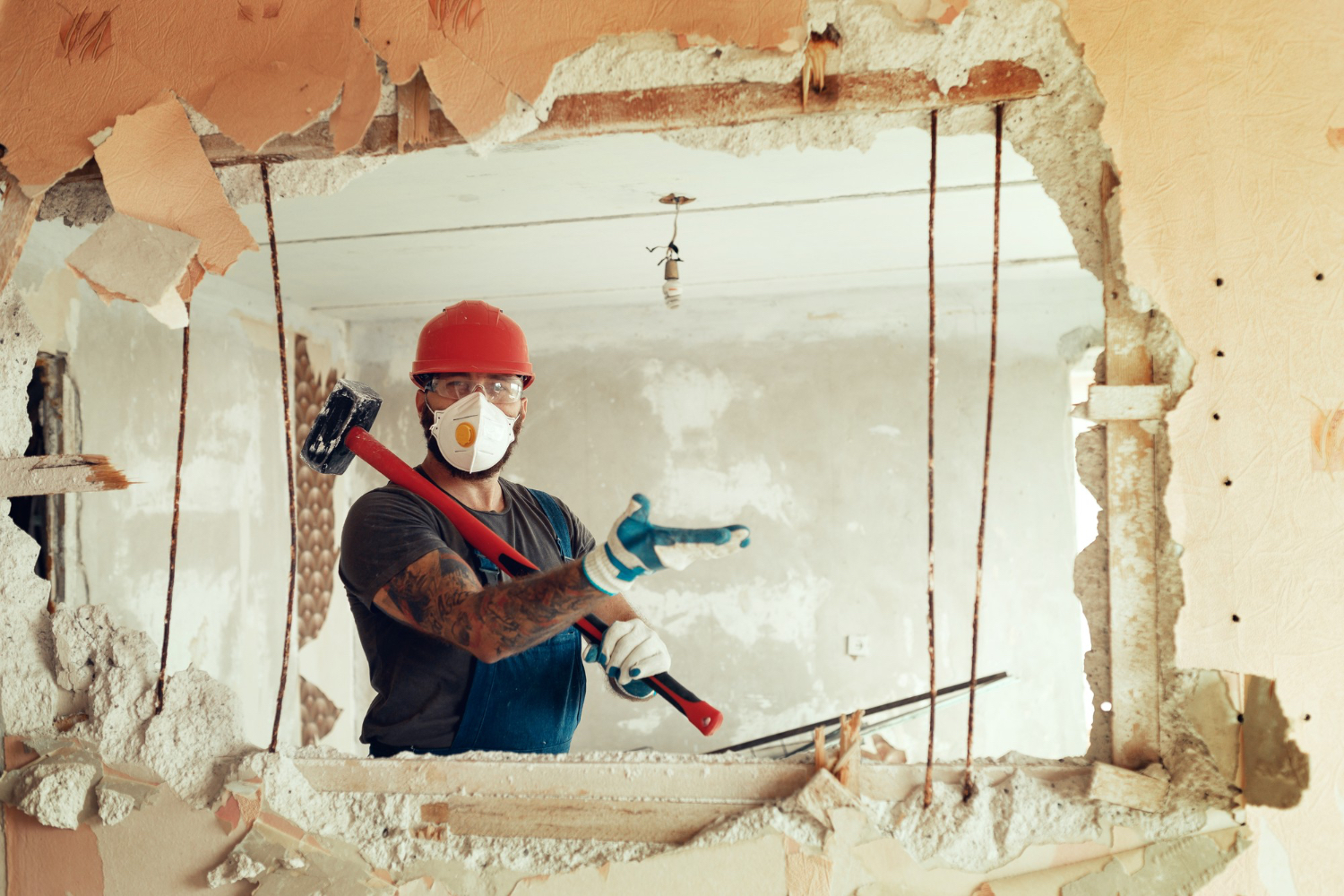
Opening up a floor plan can genuinely improve how a home feels, but removing walls or altering the structure without a professional actually looking at it first is a real gamble. Some walls are quietly doing load-bearing work, and taking one out incorrectly can affect the whole building’s stability.
Even if a wall looks like it’s “just there,” it’s worth confirming whether it’s load-bearing before anyone takes a sledgehammer to it. Get that wrong, and you’re looking at cracks, uneven floors, and corrective work that costs way more than the wall removal ever would have saved.
A proper evaluation before major structural changes isn’t an unnecessary expense – it’s what keeps the property safe and actually standing the way it should.
Overlooking Energy Efficiency
Courtesy - Magnific
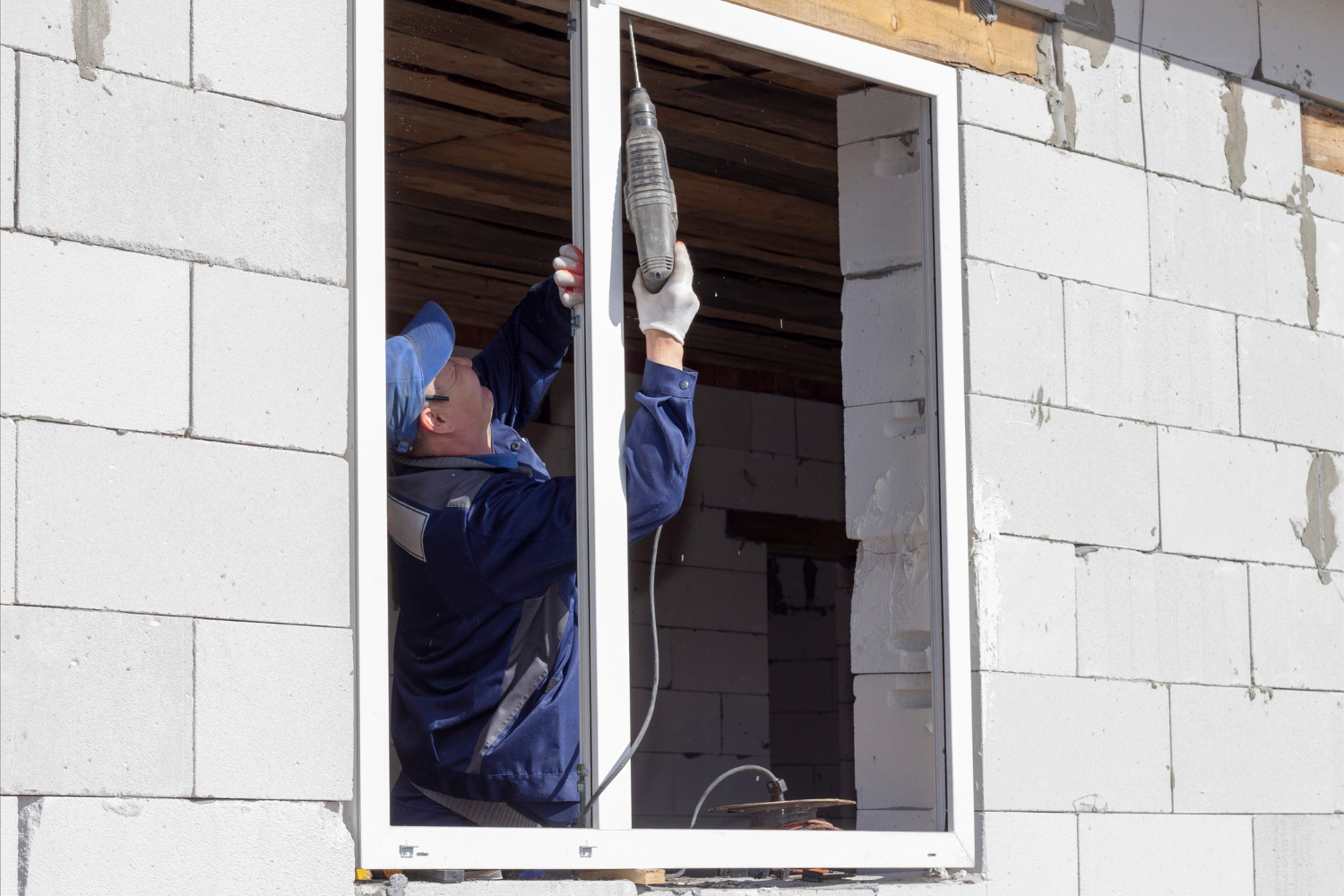
Renovations are honestly a great opportunity to fix energy efficiency issues, but this is one of the areas people skip most often. Poor insulation, old windows, inefficient lighting – all of it quietly drives up utility bills and adds to ongoing maintenance.
Upgrading to energy-efficient windows, improving insulation, switching to better lighting, and sealing up air leaks all help with comfort while cutting down what you’re paying to run the place month to month.
Yes, these upgrades usually cost more upfront. But the payoff shows up steadily over time through lower utility bills and a home that just performs better overall – it’s an investment that pays itself back rather than one that just sits there.
Not Thinking About What Comes After
Courtesy - Magnific
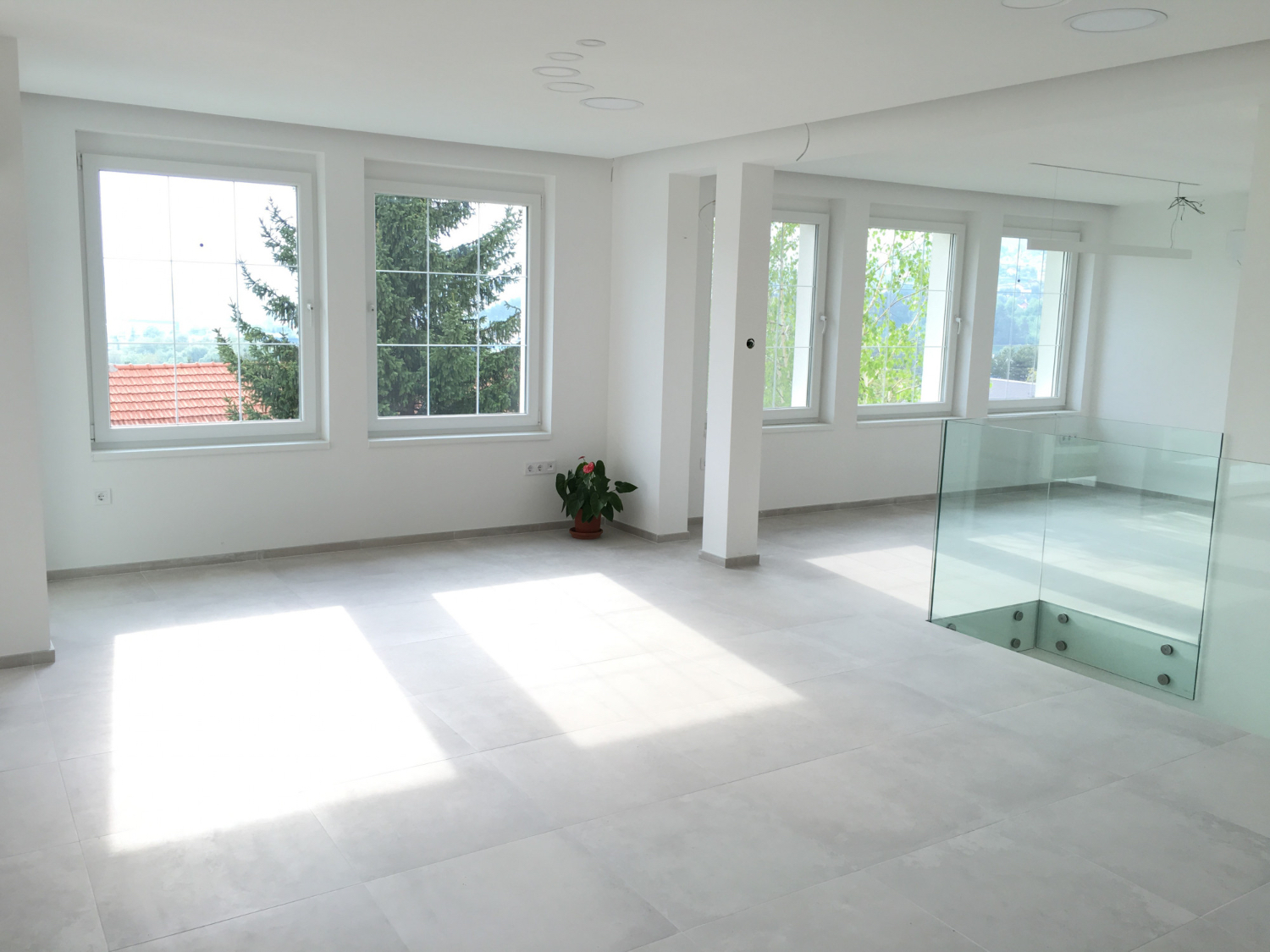
A renovation shouldn’t just look good the day it’s finished – it needs to actually be manageable to live with afterward. Some design choices look great in photos and turn into a genuine headache to maintain.
Overly intricate architectural details, awkward hard-to-reach corners, delicate finishes that need special care – all of these quietly increase how much upkeep a home demands. And trend-driven designs have a way of aging fast, pushing homeowners into another renovation sooner than they expected, just to keep up.
Sticking with practical designs and durable finishes tends to age a lot better – both visually and in terms of what it actually takes to keep the place looking good.
Hiring Based on Price Alone

Courtesy - Magnific
How a renovation actually turns out depends heavily on who’s doing the work. Picking a contractor purely because they quoted the lowest price is a gamble that doesn’t always pay off – poor workmanship has a way of showing up later, not on day one.
Flooring installed wrong, tiles that don’t sit right, electrical or plumbing work that wasn’t done to standard – all of this tends to mean repeat repairs and costs that erase whatever was saved on the original quote. A contractor with real experience, solid references, and genuine knowledge of building codes is usually worth paying a bit more for.
Doing the homework here – checking past projects, actually talking through expectations before work starts – saves a lot of grief down the line.
Assuming Maintenance Stops After Renovation
Even a renovation done exactly right still needs ongoing care afterward. It’s easy to assume new materials and fresh upgrades mean you’re done thinking about maintenance, but that’s rarely how it actually works.
Cleaning out ventilation systems, checking plumbing fixtures periodically, keeping exterior surfaces maintained, catching small issues before they grow – these habits are what keep a renovation looking and functioning the way it did on day one. Handling a small repair quickly is almost always cheaper than letting it turn into a much bigger restoration job later.
Wrapping Up
A real renovation is not about what the space looks like at the end, but the decisions that hold up over time once the paint is dry and the contractors are gone. Poor planning, cutting corners on materials, ignoring what’s happening behind the walls, skipping maintenance afterwards – these are the mistakes that quietly turn a beautiful renovation into an expensive ongoing project.
The benefits of quality, functional and realistic preparation from the outset are not always immediately apparent. A good renovation plan minimizes unexpected repairs, and helps ensure a home remains comfortable, safe and economical to operate for many years, not just for the first photo op after the work is complete.
Also Read: How to Budget & Track Costs during Home Renovation Projects?
FAQs on Home Renovation Mistakes
1. What is the biggest mistake homeowners make during renovation?
Starting a renovation without a detailed plan is one of the biggest mistakes. It can lead to unexpected expenses, project delays, and frequent design changes.
2. Why is waterproofing important during home renovation?
Proper waterproofing prevents leaks, mould growth, structural damage, and expensive repairs, especially in bathrooms, kitchens, basements, and roofs.
3. Should I upgrade electrical and plumbing systems during renovation?
Yes. Renovation is the ideal time to inspect and upgrade outdated electrical wiring and plumbing to improve safety, efficiency, and long-term performance.
4. How can I reduce long-term maintenance costs after renovating?
Choose durable materials, incorporate energy-efficient features, hire qualified professionals, and perform routine maintenance to keep your home in excellent condition.
5. Is hiring the cheapest contractor a good idea?
Not always. Low-cost contractors may compromise on workmanship, leading to costly repairs later. Choose experienced professionals with good references and a proven track record.
Author & Expert Review
Written By:  Nidhi Patel | Civil Engineer & Content Writer

| Credentials: B.E. (Mahatma Gandhi Institute of Technical Education and Research Centre), Registered with Gujarat Technological University (GTU). Experience: Civil Engineer with 3+ years of content writing experience, currently writing blogs for Gharpedia, part of SDCPL. Expertise: Specializing in SEO-optimized blogs and long-form articles focused on home improvement, construction, interiors and architect topics. I create well-researched, reader-focused content that balances technical accuracy with clarity, making complex subjects easy to understand. Find her on: LinkedIn |
Verified By Expert: Farhan Shaikh – Senior Manager – Architect, SDCPL | Associate Member – IIA

This article has been reviewed for architectural and interior design accuracy by Farhan Shaikh, Senior Manager – Architect at Sthapati Designers & Consultants Pvt. Ltd. As the lead for all architectural and interior projects at SDCPL and an Associate Member of the Indian Institute of Architects (IIA), he brings hands-on experience in architectural planning, interior design, project coordination, and sustainable strategies. His review ensures the content reflects practical design considerations, industry best practices, and real-world applicability across both architecture and interior spaces.
Find him on : Linkedin