







Table of Contents
Quick Summary
- Failures rarely happen suddenly; systems show subtle warning signs months before major breakdowns occur.
- Slow heating recovery, rumbling noises, rusty water, damp rings under the tank, and constantly leaking relief valves signal an aging system nearing failure.
- Slow showers, gurgling toilets, and soggy lawn patches indicate partial blockages – often caused by tree root intrusion in older pipes.
- Drainage and hot water systems age together and compound each other’s damage during sudden leaks.
- Waiting leads to expensive emergency call-out fees, lost equipment choices, denied insurance claims, and invasive excavations.
- Bi-annual valve testing, post-storm yard inspections, and keeping grease and wet wipes out of pipes prevent catastrophic damage.
Courtesy - Magnific
Hot water and drainage almost never break without notice. They give you months of small hints first, and the households that read those hints early are the ones who never end up ringing a plumber at 9pm on a Sunday.
Most household plumbing does not break. It degrades, slowly, over a period of months or years, and by the time anyone treats it as urgent the cheap version of the fix has already expired.
Ask around any street of forty year old brick homes in Sydney and you will hear the same two stories. Someone’s hot water went cold on a Sunday morning with a house full of visitors. Someone else had waste water rise through the laundry floor waste after a wet week. Both households describe the event as sudden. Neither event was sudden. In both cases the house had been dropping hints for a long time and nobody was listening, because a shower that drains a bit slowly does not feel like an emergency. It feels like a Saturday job you will get to eventually.
The useful skill, for anyone who owns a house here, is learning what those early hints look like. It is not complicated. It just requires paying attention to two systems that most of us actively ignore until they embarrass us.
Hot Water Almost Never Fails All at Once
Courtesy - Magnific
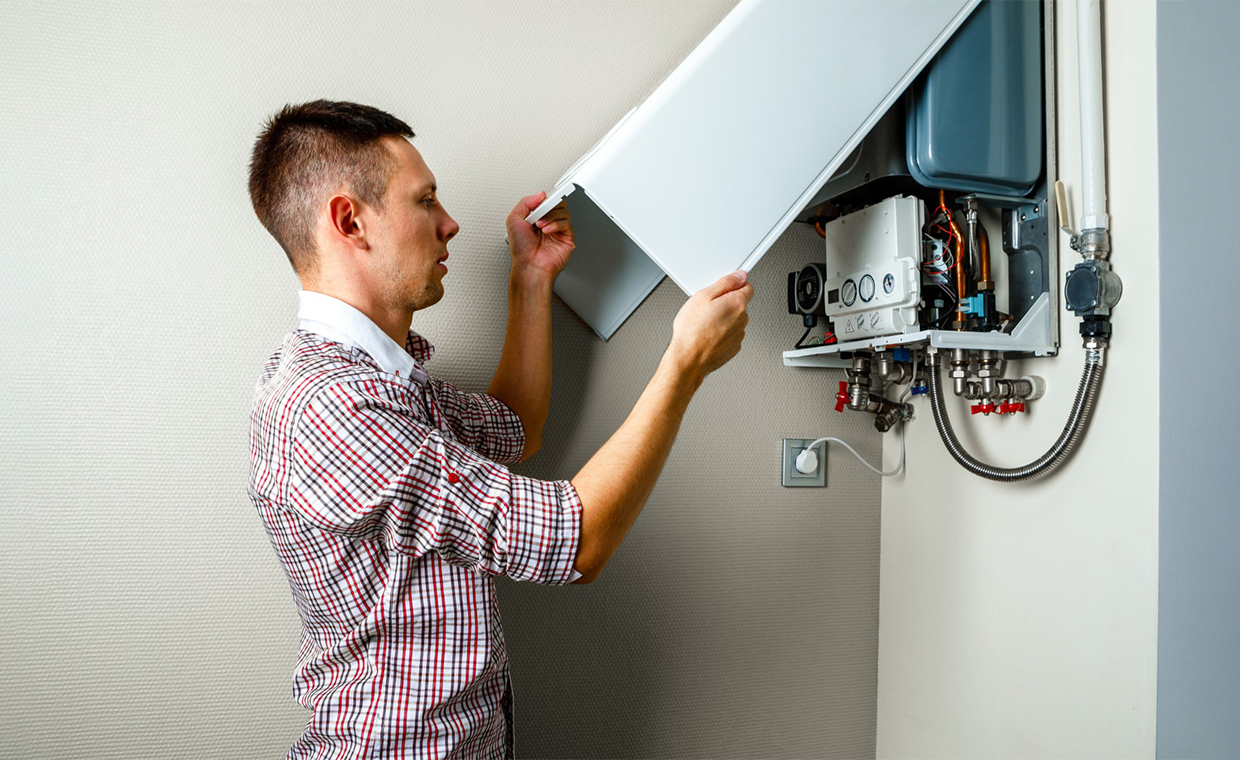
A storage tank is a metal drum full of heated water sitting in a laundry, a garage, or against a side fence, and it spends its entire working life corroding from the inside. The sacrificial anode does its job for a while. Then it stops. Sediment builds up on the base. The heating element or the burner has to work through that layer, which means the unit works harder every year to deliver less.
You feel the decline before you see it. The shower that used to run comfortably for two people starts running out on the second one. Recovery takes noticeably longer than it did last winter. There is a rumble or a kettling noise when the burner fires. The water runs faintly rusty first thing in the morning, or carries a metallic smell. There is a damp ring under the tank that dries out and comes back. The temperature and pressure relief valve, which is meant to release a small amount of water, starts dribbling all day.
Any one of those on its own is worth a service call. Two or three together, in a unit that is past eight years old, is the house telling you it has entered its final chapter. That is the moment to look at replacement on your own terms, while you can compare featured hot water systems properly, work out whether a heat pump or a gas continuous flow unit suits the household, and book installation for a weekday. Leave it until the tank splits and the decision gets made for you. At that point you are choosing between whatever can be delivered and fitted that afternoon, at emergency rates, with water through the garage.
The difference between those two scenarios is rarely about money at first. It is about having options.
A Slow Drain Is a Schedule, Not A Nuisance
Courtesy - Magnific
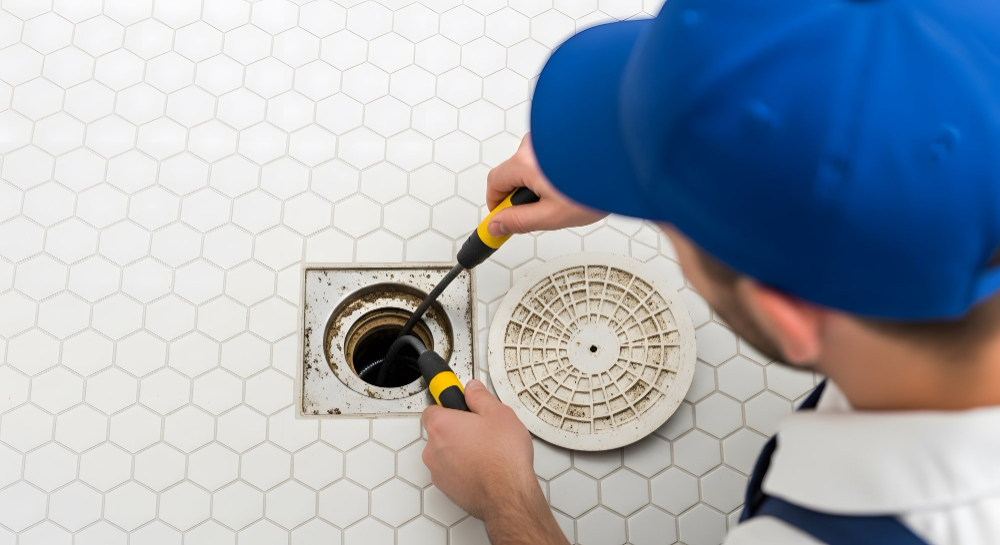
Drainage gives even clearer warnings, and gets ignored even more thoroughly, because the symptoms are so easy to normalise. Water pools around your feet in the shower for a few seconds longer than it used to. The toilet gurgles when the washing machine empties. There is a faint smell near the overflow relief gully outside after rain. One patch of lawn stays greener and softer than the rest through a dry spell.
Read together, those are the signs of a partial obstruction in a line that is still moving water, just not freely. In older Sydney suburbs the cause is very often tree roots. Clay pipes laid decades ago have joints every metre or so, those joints move as the ground shifts, and fine roots from a fig, a jacaranda, a camphor laurel or the neighbour’s palm find the moisture and work their way in. Once inside, they mesh and catch everything that passes.
Two blockages in a twelve month period is the threshold worth remembering. One might be bad luck or a stray wet wipe. Two in the same year means something structural is sitting in that line, and clearing it repeatedly is just paying to reset the clock. That is the point of bringing in a blocked drain specialist who will put a camera through the line and show you what is actually down there, rather than reaching for another bottle of caustic drain cleaner. Knowing whether you are dealing with a root intrusion at a single joint, a sag holding water, or a collapsed section changes the repair completely, and it changes the cost by thousands.
It also settles the question of whether the problem sits on your side of the boundary or Sydney Water’s, which is not something you want to be guessing about while the laundry floods.
Why The Two Jobs So Often Turn Up in the Same Year

Courtesy - Magnific
Homeowners find this coincidence suspicious. It is not. A house is a cohort. The drainage was laid when the place was built, the hot water unit was probably replaced once about a decade in, and both were installed by trades working to the standards of their day. Things that go in together tend to wear out together.
There is also a direct relationship between the two. A relief valve that has been discharging for months is putting water somewhere, usually into a drain or a gully that was never designed for a constant trickle. A tank that finally lets go dumps a couple of hundred litres in a few minutes, and that volume has to find a floor waste that is already half obstructed. Plenty of the water damage claims that follow a hot water failure are made significantly worse by a drain that could not cope.
Which is why plumbers who see both problems in the one visit are rarely surprised. The house was never going to fail politely, one system at a time.
What Waiting Actually Costs
The obvious cost of leaving these jobs is the after hours rate, and that is real. The bigger costs are less visible.
You lose choice. Replacing a hot water system on a planned basis lets you look at running costs, available rebates, the size that matches how the household actually uses water, and where the unit should sit. An emergency replacement is a like for like swap with whatever is on the truck.
You lose the cheap version of the drainage repair. A root intrusion caught at one joint can often be relined without opening up the yard. The same line left to keep catching debris can crack, sag and eventually collapse, and then you are looking at excavation, replacement, and reinstating whatever was on top of it, which in a lot of Sydney backyards means concrete, paving or a driveway.
You may also lose the insurance argument. Policies typically respond to sudden damage rather than damage that developed gradually, and a relief valve that has been dripping since autumn or a drain that has backed up three times is not a strong position to argue from.
A Maintenance Rhythm That Suits This Climate
Courtesy - Magnific
None of this needs a spreadsheet. A few habits, twice a year, cover most of it.
Lift the lever on the temperature and pressure relief valve every six months and let it discharge briefly, then check it seals again. Look under and behind the tank for staining or rust while you are there. Note the age of the unit somewhere you will find it later, because almost nobody remembers when it went in.
After the first heavy storm of the season, walk the yard and look for pooling near gullies, soft ground over the sewer line, or water sitting where it did not sit last year. Keep gutters and stormwater outlets clear, since overflowing gutters push water into ground that then moves, and moving ground is what opens pipe joints in the first place.
In the kitchen, keep fat and oil out of the sink. In the bathroom, keep wipes out of the toilet, including the ones sold as flushable. Neither habit will save a pipe that is already compromised, but both slow down the rate at which a marginal line becomes a blocked one.
That is roughly twenty minutes of attention a year against two of the more expensive and disruptive repairs a house can hand you.
One Last Thought
Houses are honest. They tell you what is coming, in small and boring ways, for months before anything dramatic happens. The households that never seem to have plumbing disasters are not lucky and they are not spending more. They simply treat a slow drain and a lukewarm shower as information rather than an inconvenience, and they act while the fix is still small.
Also Read: 10 Signs Your Hot Water System Needs Replacement
FAQs on Hot Water and Drain Warning Signs
01. How long should a hot water system last?
Most storage units run somewhere between eight and twelve years, and continuous flow units often go longer. Water quality, how hard the household works the unit, and whether the anode was ever replaced all move that figure. Once a tank is past ten, treat every new symptom as a countdown rather than a one off repair.
02. Can I clear a blocked drain myself?
A plunger or a drain snake will often shift a soft blockage close to a fixture, and that is fine. Caustic cleaners are a different matter. They can damage older pipework, they rarely reach a root mass further down the line, and they make the job more hazardous for whoever opens the drain afterwards. If the blockage keeps returning, the problem is not where you can reach.
03. Do tree roots always mean digging up the yard?
No. Where the pipe is structurally intact, roots can usually be cut out and the line relined with a resin sleeve that seals the joints they came through, without excavation. Digging becomes necessary when a section has collapsed or the pipe has lost its shape. A camera inspection is what tells you which situation you are in.
04. Why does my hot water look rusty or smell metallic?
It usually points to corrosion inside the tank or a spent anode. A discoloured first draw in the morning that clears quickly is worth a service call. Water that stays discoloured, especially alongside slow recovery or noise from the unit, generally means the tank is near the end of its life.
05. Is it worth replacing a hot water unit before it actually fails?
If the unit is past ten years and showing two or more warning signs, yes. You get to compare options, you avoid emergency rates, and you avoid the water damage that comes with a tank letting go inside the house. Replacing a healthy five year old unit for no reason is a waste of money, and nobody is suggesting that.
Courtesy - Featured Image(Magnific)
Author & Expert Review
Written By:  Nidhi Patel | Civil Engineer & Content Writer

| Credentials: B.E. (Mahatma Gandhi Institute of Technical Education and Research Centre), Registered with Gujarat Technological University (GTU). Experience: Civil Engineer with 3+ years of content writing experience, currently writing blogs for Gharpedia, part of SDCPL. Expertise: Specializing in SEO-optimized blogs and long-form articles focused on home improvement, construction, interiors and architect topics. I create well-researched, reader-focused content that balances technical accuracy with clarity, making complex subjects easy to understand. Find her on: LinkedIn |
Verified By Expert: Avni Desai Environmental Engineer, SDCPL | M.E. (Environmental Engineering)
 Avni Desai Environmental Engineer,
 This article has been reviewed for environmental, MEP, and building services accuracy by Avni Desai, an Environmental Engineer at Sthapati Designers & Consultants Pvt. Ltd. (SDCPL). With over 8 years of experience in water supply, wastewater management, infrastructure design, and building services, she brings practical expertise in MEP services, sustainable solutions, design planning, and on-site practices. Her professional services include planning and design of water supply systems, sewage and wastewater treatment systems (STP/WTP), drainage, rainwater harvesting, and other sustainable building services. Her review ensures the content aligns with environmental standards, efficient services planning, and real-world applicability.
Find her on: LinkedIn