





Table of Contents
Quick Summary
• Why Your Material Choice Matters More Than You Think
• Wood: Warm, Classic & High Maintenance
• Metal: Tough, Modern & Low Fuss
• Glass: Bright, Bold & A Little Tricky
• How To Pick The Right Mix For Your Home
Courtesy: Magnific
Want your house to look as great in 15 years as it does today?
All homeowners want their exterior to be eye-catching from day one. But the real test comes … years later, after harsh winters, hot summers and rain beating down on those surfaces for years.
Here’s the problem:
When choosing exterior materials, most individuals look at aesthetics first. 5 years down the road they find themselves with:
- Peeling paint
- Rust spots
- Foggy, leaking glass
Pretty materials don’t always age pretty.
The great thing? Wood, metal and glass can all have decades of life. You just have to understand where each excels (and where they don’t).
Time to dig in!
Why Your Material Choice Matters More Than You Think

Courtesy: Magnific
The exterior of your home serves two purposes. It keeps everything inside safe… and it gives everyone who drives by a first impression.
Get it right and you increase your home’s value. Take the 268% average return on garage door replacement from the 2025 Cost vs. Value report. Buyers notice what’s visible from the street.
But looks are only half the story.
The materials you select also dictate how much heat escapes from your home. One of the biggest weak points is often the one that most people overlook… the garage.
Think about it:
The double garage door is often the largest single opening on the front of your house. When that door is thin metal with little or no insulation or aging, warped wood, cold air is blasting into your garage every winter. If your garage is attached to your house, that cold transfers into rooms adjoining the garage. That’s why adding insulation to your garage door should be at the top of your list every time you make exterior material decisions about your home. And when your door starts to sag, stick or just let drafts in, let a local team like A1 Garage Door Repairs check the seals, panels and insulation before small issues become high energy bills.
Wood: Warm, Classic & High Maintenance

Courtesy: Magnific
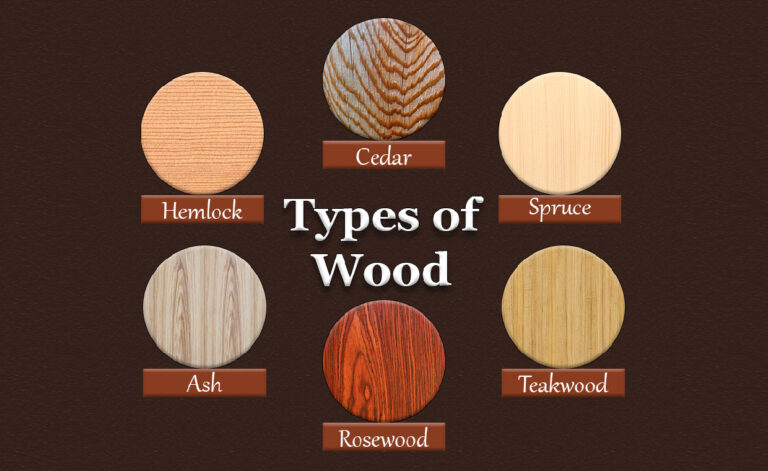
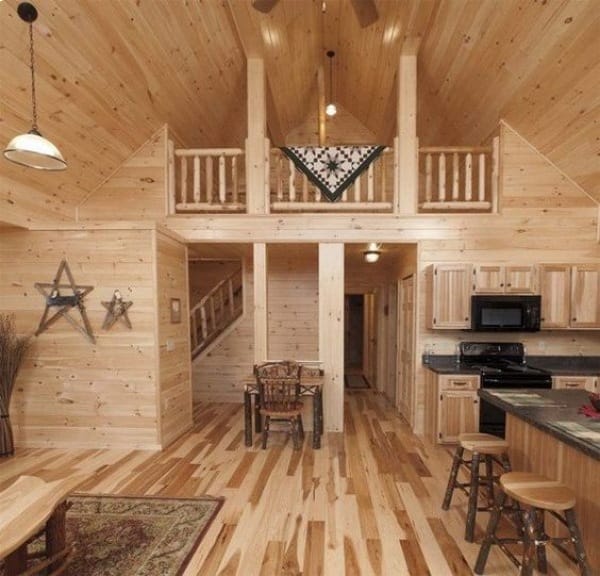
Nothing beats the look of real wood.
It’s cozy. It’s organic. And it makes any house feel unique.
But here’s the thing…
Wood is organic. It absorbs water, expands when wet and contracts when dry. Eventually that expansion and contraction causes checking, decay and paint that peels off in sheets.
And that’s likely why wood siding has become so uncommon in new construction these days. Wood was only used as the primary exterior material on 5.1% of new homes in NAHB’s most recent study.
Should you steer clear of it then? Absolutely not. Wood can look great as it ages, if you maintain it:
- Reseal or repaint every 3-5 years
- Choose rot-resistant species like cedar
- Keep gutters clear so water never sits on the surface
Wood Garage Doors & Insulation
Wood garage doors are gorgeous. However, most of them have minimal (if any) insulated core. Meaning heat transfers right through the panels.
If you like the style, request a wood (or wood imitation) door with a foam filled core. That way you get the aesthetic with actual garage door insulation.
Metal: Tough, Modern & Low Fuss
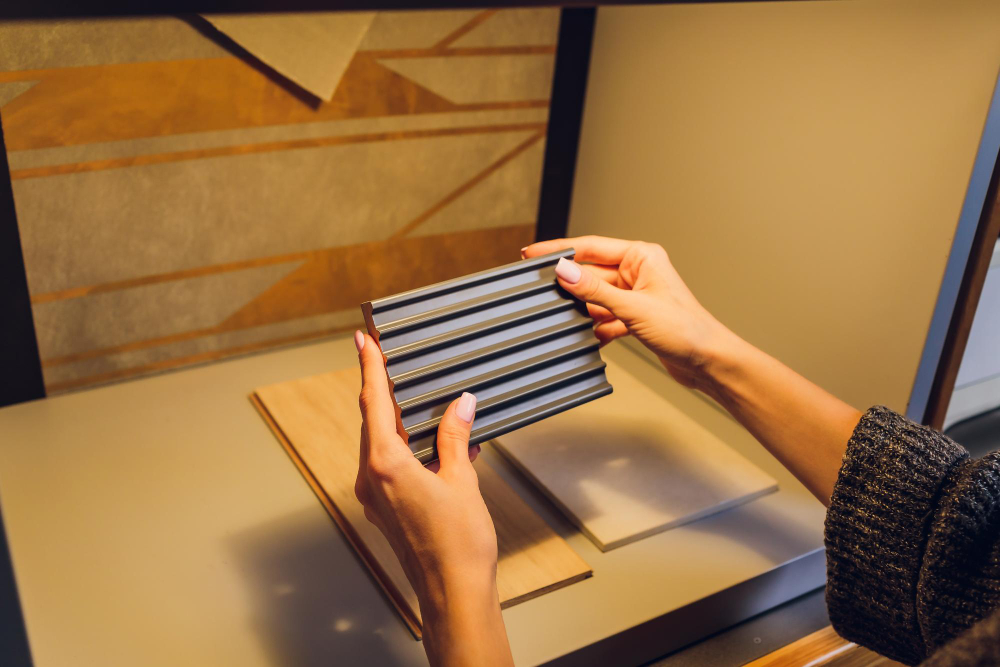
Courtesy: Magnific
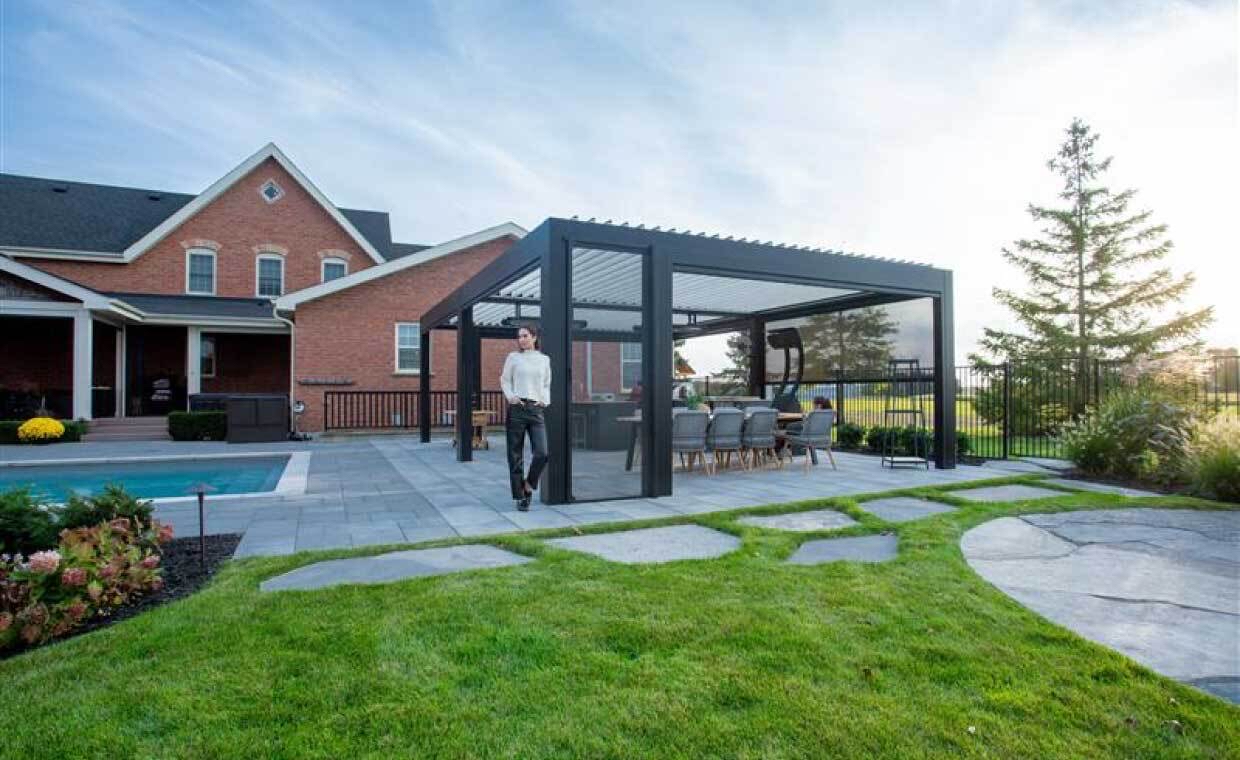
If you want something that shrugs off bad weather… metal is hard to beat.
Steel and aluminium don’t rot, won’t attract termites and won’t warp in the heat. A good factory finish will last years without fading if you give it an occasional wash.
Why is metal so popular for garage doors? Because it’s:
- Strong
- Affordable
- Easy to care for
Pretty good, right?
But there’s a catch.
Bare metal is not a good insulator at all. Heat transfers easily through a single sheet of steel. That’s why high quality metal doors are made with a “sandwich” construction — two layers of steel with polyurethane or polystyrene foam in between.
Check The R-Value
When shopping around for garage door insulation on metal doors, check the R-value. The higher the number, the better insulated your door is to keep heat in…(or out!).
A lightweight single layer steel door might not register at all. A heavy, foam filled door can rate many times better.
Keep an eye out for rust as well. Scratches and dents can compromise the coating. Fix them quickly and metal will easily surpass the longevity of most other materials.
Glass: Bright, Bold & A Little Tricky

Courtesy: Magnific
Full-view glass garage doors, large picture windows and glass panel accents bathe a home with light.
Here’s what most people don’t realise…
Glass ages in a completely different manner than wood and metal. The glass itself does not change much. Everything around it deteriorates — the seals, the frames and the rubber gaskets that keep moisture and air out.
When those seals fail, you’ll start to notice:
Fogging between panes
Drafts around the edges
Water stains on the frames
Glass is the weakest of the three in terms of heat retention. Simply adding a sheet of window insulation film can reduce heat loss by as much as 20%.
How To Make Glass Last
If it’s glass you want, think smart. Look for double or triple-pane insulated glass, Low-E coatings that repel heat, frames with integrated thermal breaks.
For garage doors, use insulated glass panels in an insulated aluminium frame. That way you have the wow factor without freezing your garage.
How To Pick the Right Mix for Your Home
So… which material wins?
Frankly, none of the above. Homes that age gracefully rarely use only one building material. They combine them wisely.
Builders have learned this lesson. Fibre cement (a wood look-alike that doesn’t rot) has increased its market share of new homes by nearly 20 percentage points in the last quarter century.
Here’s a simple way to think about it:
- Cold climate? Lean on insulated metal and keep glass to sealed, double-pane panels.
- Hot, sunny climate? Go with light-coloured metal finishes and heat-rejecting Low-E glass that won’t fade or overheat.
- Wet climate? Avoid using raw wood completely. If you must use it, place it in sheltered locations beneath overhangs and porches.
No matter what you choose, remember the garage. The proper material combined with quality garage door insulation will not only look better and last longer, it will help you keep energy bills low for years to come.
The Final Word on Materials That Last
Choosing exterior materials that age well comes down to 3x things:
- How much maintenance you’re willing to do
- The climate you live in
- How well each material holds heat
Wood feels warm but requires maintenance. Metal is durable and hassle free but only performs well with a quality insulated core. Glass is beautiful but reliant on seals and frames.
Strike the right balance — and pay special attention to garage door insulation — and your house will look good and feel cozy years after your neighbours start losing their paint jobs.
Also Read: Why Construction Material Prices Are Increasing in 2026
FAQs – Exterior Materials That Age Well
1. Which exterior material lasts the longest?
Metal, properly treated wood and well-installed glass systems can all last for decades. Their lifespan depends on material quality, installation, exposure to weather and regular maintenance.
2. Is wood suitable for exterior applications?
Yes, wood is suitable for exterior applications when the right species and protective treatments are selected. Regular sealing or repainting and adequate protection from moisture help prevent decay and surface damage.
3. Is metal better than wood for exterior cladding?
Metal generally requires less routine maintenance and resists rot and termites. Wood offers a natural appearance but usually needs more frequent protective treatment. The best choice depends on the climate, budget and preferred appearance.
4. How can glass improve a home’s energy efficiency?
Double or triple glazing, Low-E coatings and thermally efficient frames can reduce heat transfer through windows and glazed doors. Properly installed seals also help prevent unwanted air leakage.
5. Why is garage door insulation important?
An insulated garage door reduces heat transfer through the door panels and can improve comfort in an attached garage and adjoining rooms. Its effectiveness depends on the insulation, seals, installation quality and the overall thermal performance of the building.
Courtesy - Featured Image(Magnific)
Author & Expert Review
Written By:  Gaurav Mishra | Civil Engineer & Content Writer

| Credentials: B.E. (Mahavir Swami College, Surat), Registered with Bhagwan Mahavir University (BMU). Experience: Civil Engineer with 5+ years of content writing experience, currently writing impactful articles for Gharpedia, part of SDCPL. Expertise: Specializes in writing well-researched content on residential construction, construction materials, design planning, on-site practices, and safety, blending technical accuracy with everyday clarity. Find him on: LinkedIn |
Verified By Expert: Ravin Desai – Co Founder – Gharpedia | Co Founder – 1 MNT | Director – SDCPL

This article has been reviewed for technical accuracy by Ravin Desai, Co-Founder of Gharpedia and Director at Sthapati Designers & Consultants Pvt. Ltd. With a B.Tech. in Civil Engineering from VNIT Nagpur and an M.S. in Civil Engineering from Clemson University, USA, and over a decade of international and Indian experience in the construction and design consultancy sector, he ensures all technical content aligns with industry standards and best practices.
Find him on: LinkedIn