




Table of Contents
Quick Summary
- Ever noticed how some areas instantly feel calm while others feel messy and unmanaged
- The difference lies in systems like maintenance routines and clear communication
- Poorly managed neighbourhoods often suffer from inconsistency and unclear rules
- Well-run communities focus on structure, predictability, and early problem solving
- Transparent communication reduces confusion and builds trust among residents
- Both management and residents share responsibility for a smooth environment
- Small improvements like regular updates and defined processes can create big impact
- Ultimately, consistency and clarity turn a neighbourhood into a comfortable place to live
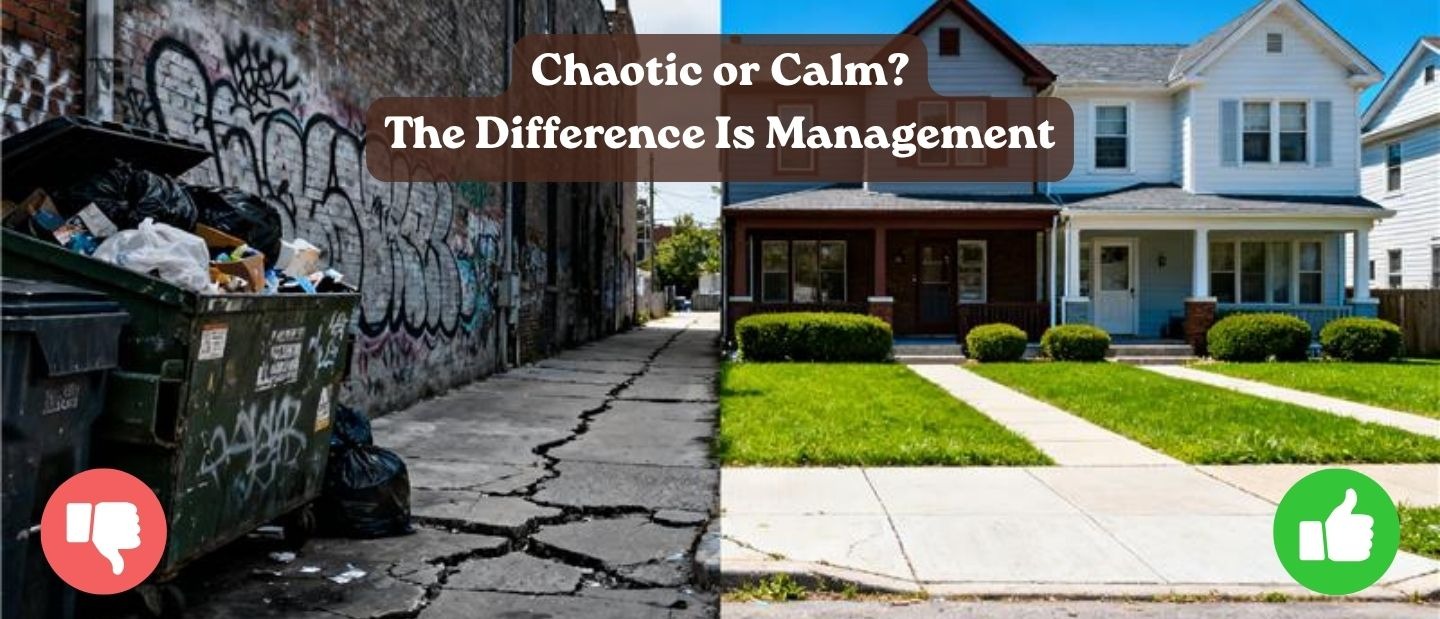
You can usually feel the difference the moment you enter a neighbourhood. Some places feel calm, organised, and easy to live in. Others feel slightly off-things aren’t maintained properly, communication feels unclear, and small issues seem to pile up.
It’s rarely about the size of the homes or how new the area is. The real difference comes down to how things are managed behind the scenes. The systems, communication, and consistency all shape how a community functions day to day.
Understanding what separates a well-run neighbourhood from a chaotic one can help you recognise the difference-and avoid the frustrations that come with poor management.
The Hidden Systems that Shape Daily Life
It’s Not Just About Appearances
A tidy street or freshly maintained landscaping can make a good first impression. But a well-run neighbourhood goes deeper than surface-level upkeep.
Behind the scenes, there are systems that keep everything running smoothly:
- Clear communication between residents and management
- Consistent maintenance schedules
- Defined processes for handling issues
These systems are often invisible, but their impact is noticeable.
Structure Creates Stability
Communities that feel organised usually have a structured approach to HOA Management, where responsibilities, expectations, and processes are clearly defined.
This structure reduces confusion and keeps things predictable for everyone involved.
Why Some Neighbourhoods Feel Chaotic
Inconsistent Maintenance
When maintenance isn’t handled regularly, small issues start to stand out. Overgrown areas, delayed repairs, or neglected shared spaces can quickly change how a neighbourhood feels.
It’s not just about appearance. It signals that things aren’t being managed consistently.
Poor Communication
One of the biggest differences between a well-run and chaotic neighbourhood is how information is shared.
In less organised communities, you might notice:
- Delayed or unclear updates
- Residents unsure about rules or changes
- Limited ways to ask questions or raise concerns
This creates uncertainty and frustration.
Lack of Clear Expectations
When rules and guidelines aren’t clearly communicated, people are left to interpret them on their own.
This often leads to:
- Inconsistent behaviour across residents
- Disagreements about what’s acceptable
- Tension within the community
Clarity helps prevent these issues before they start.
Reactive Instead of Proactive Management
Chaotic communities often operate in reaction mode. Problems are addressed only after they become noticeable or disruptive.
In contrast, well-run neighbourhoods anticipate issues and deal with them early.
What Well-Run Neighbourhoods Do Differently
They Prioritise Consistency
Consistency is one of the most important factors in creating a sense of order.
This shows up in:
- Regular maintenance schedules
- Predictable communication
- Clear processes for handling issues
When things happen consistently, residents know what to expect.
They Communicate Clearly and Regularly
Good communication doesn’t have to be constant, but it does need to be reliable.
Effective communities:
- Share updates in a timely manner
- Use simple, clear language
- Provide a clear point of contact
This keeps everyone informed without overwhelming them.
They Make It Easy to Get Information
Residents shouldn’t have to search for basic details.
Well-managed communities ensure that:
- Rules and guidelines are easy to access
- Updates are clearly shared
- Contact information is readily available
Accessibility reduces confusion and unnecessary frustration.
They Handle Issues Early
Small problems are much easier to manage than large ones. Well-run neighbourhoods focus on addressing concerns before they escalate.
This might include:
- Responding quickly to maintenance requests
- Resolving minor disputes early
- Keeping shared spaces in good condition
Proactive management keeps things from getting out of control.
The Role Residents Play
Community Isn’t One-Sided
While management plays a major role, residents also shape the overall experience.
Communities tend to function better when residents:
- Follow guidelines
- Communicate respectfully
- Report issues early
A cooperative environment makes everything run more smoothly.
Shared Responsibility Leads to Better Outcomes
When both management and residents contribute, the result is a more balanced and enjoyable place to live.
It creates a sense of ownership rather than frustration.
Simple Ways to Improve a Chaotic Environment
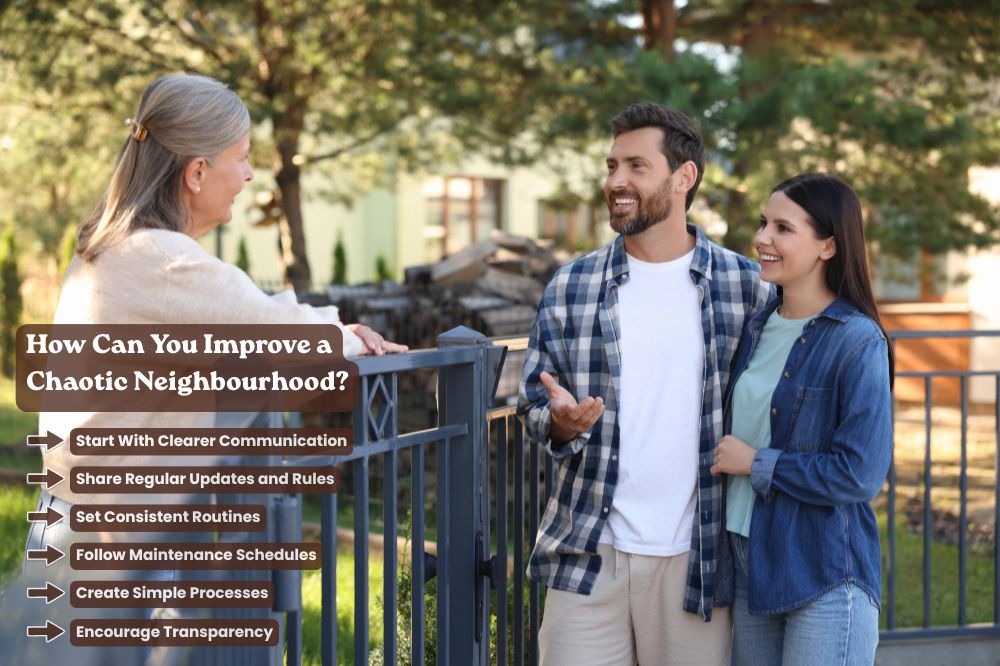
If a neighbourhood feels disorganised, it doesn’t require a complete reset to improve things. Small, practical changes can have a noticeable impact.
Start with Clearer Communication
Improving how information is shared is often the fastest way to create positive change.
Focus on:
- Regular updates
- Clear explanations of rules
- Open channels for feedback
Establish Consistent Routines
Even simple routines can bring structure to a community.
Examples include:
- Scheduled maintenance checks
- Regular updates or newsletters
- Defined processes for handling requests
Consistency builds trust over time.
Encourage Transparency
When decisions are explained clearly, residents are more likely to understand and accept them.
Transparency reduces confusion and builds confidence in how things are managed.
Why the Difference Matters
The way a neighbourhood is run affects more than just convenience. It shapes how people feel about their living environment.
In well-managed communities, residents tend to feel:
- More comfortable
- More informed
- More connected
In chaotic ones, frustration and uncertainty become part of daily life.
Creating a Neighbourhood That Works
A well-run neighbourhood isn’t about perfection. It’s about clarity, consistency, and communication.
When systems are in place, expectations are clear, and issues are handled early, everything feels more manageable. Residents know what’s happening, who to contact, and what to expect.
And that’s what turns a collection of homes into a place that actually feels organised, functional, and easy to live in.
Also Read: The Yard Problems That Only Show Up in Certain Weather
FAQs – HOA Management
1. What makes a neighbourhood feel well managed?
Clear communication, regular maintenance, and defined processes help create a structured and organised environment.
2. Why do some communities feel chaotic?
Lack of consistency, unclear rules, and poor communication often lead to confusion and frustration.
3. How important is communication in neighbourhood management?
It is essential, as it keeps residents informed and prevents misunderstandings.
4. Can a poorly managed neighbourhood improve over time?
Yes, small changes like consistent routines and better communication can significantly improve organisation.
5. Do residents play a role in maintaining order?
Yes, following guidelines and reporting issues early helps keep the community running smoothly.
Author & Expert Review
Written By:  Gaurav Mishra | Civil Engineer & Content Writer

| Credentials: B.E. (Mahavir Swami College, Surat), Registered with Bhagwan Mahavir University (BMU). Experience: Civil Engineer with 5+ years of content writing experience, currently writing impactful articles for Gharpedia, part of SDCPL. Expertise: Specializes in writing well-researched content on residential construction, construction materials, design planning, on-site practices, and safety, blending technical accuracy with everyday clarity. Find him on: LinkedIn |
Verified By Expert: Ravin Desai – Co Founder – Gharpedia | Co Founder – 1 MNT | Director – SDCPL

This article has been reviewed for technical accuracy by Ravin Desai, Co-Founder of Gharpedia and Director at Sthapati Designers & Consultants Pvt. Ltd. With a B.Tech. in Civil Engineering from VNIT Nagpur and an M.S. in Civil Engineering from Clemson University, USA, and over a decade of international and Indian experience in the construction and design consultancy sector, he ensures all technical content aligns with industry standards and best practices.
Find him on: LinkedIn