





Table of Contents
Quick Summary
- A house and land package combines the purchase of a residential plot with the construction of a new house, usually through a developer, builder or coordinated development scheme.
- In India, the closest equivalent is often called a plot and construction package, plot + house package or turnkey plot-and-house package.
- The headline package price does not automatically mean the cheapest option; compare it with the complete cost of buying a plot and appointing your own architect and builder.
- The most important checks are land title, approvals, RERA applicability/registration, builder reputation, inclusions and the actual contract price.
- A genuinely fixed-price agreement can reduce uncertainty, but “fixed price” does not necessarily mean every expense is included.
- Site conditions, approvals, utility connections, registration charges, taxes, landscaping, compound walls and upgrades can significantly change the final cost.
- A package can be particularly attractive to first-time buyers who want one coordinated process rather than separately finding land, an architect and a contractor.
- Before paying a substantial advance, independently verify the land documents and have the agreement reviewed by a qualified property lawyer.
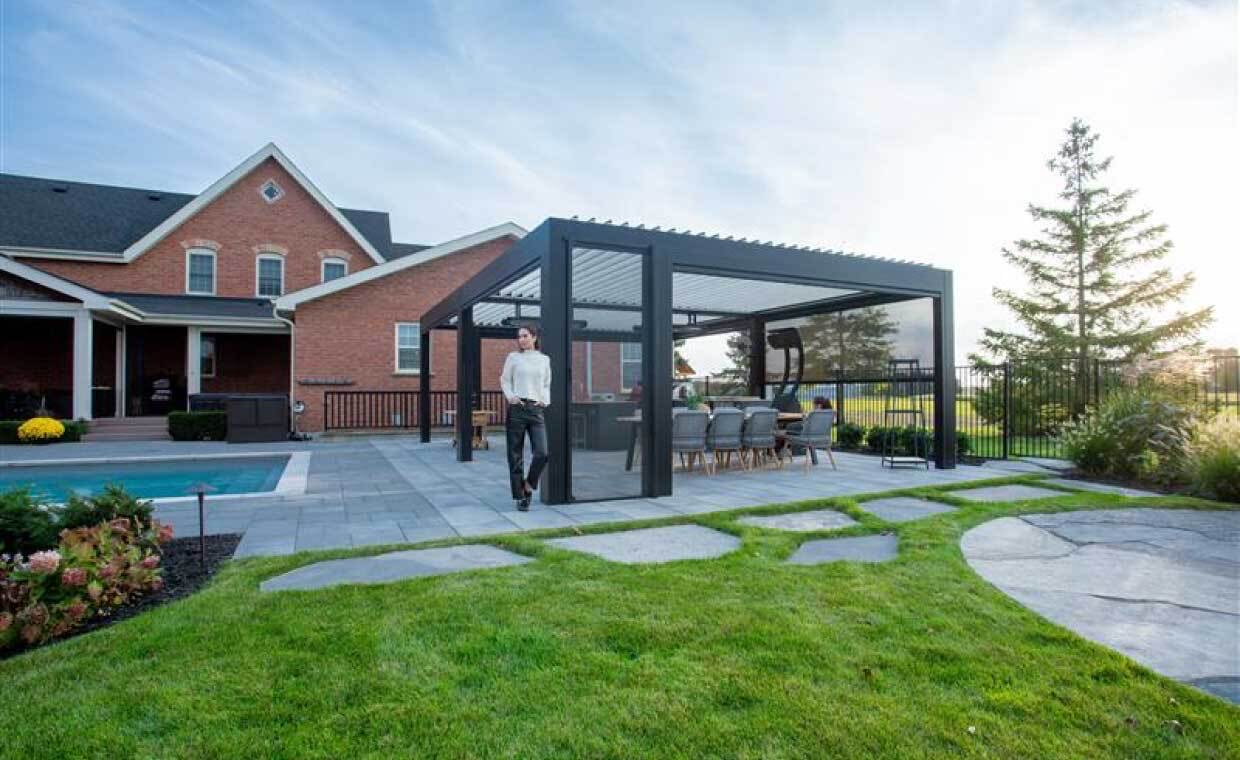
Courtesy - Magnific
What Is a House and Land Package?
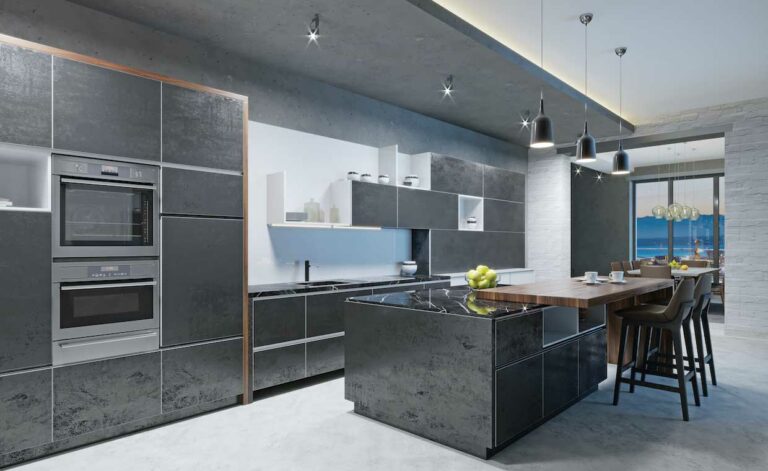
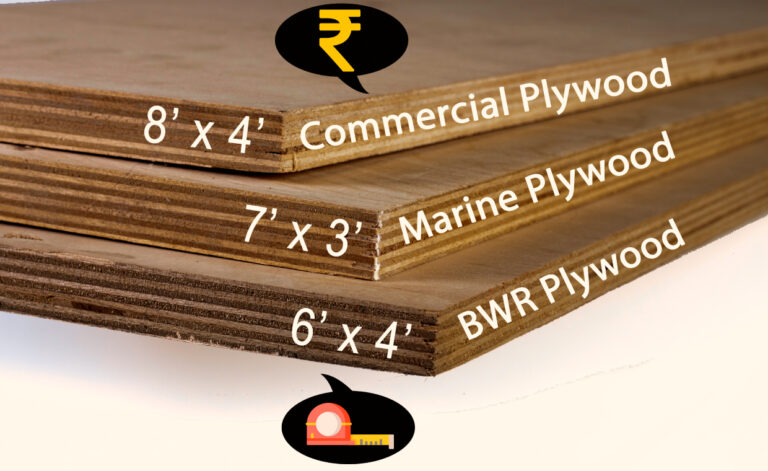
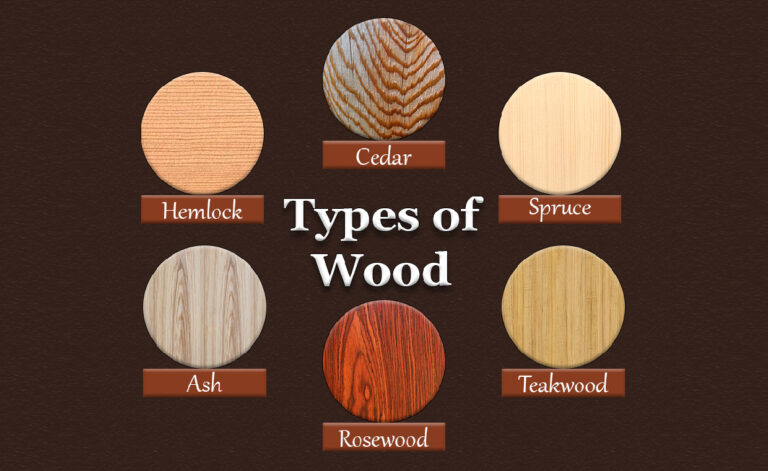
Courtesy - Canva(Image 1, 2, 3)
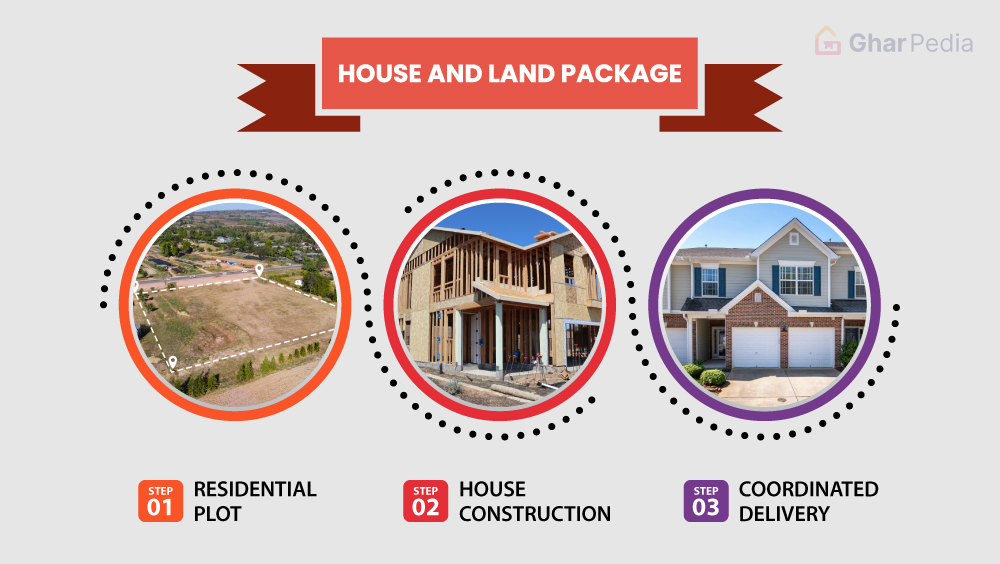
A house and land package is a property arrangement in which the buyer acquires a residential plot and a newly constructed house as part of one coordinated offering.
Instead of separately searching for a plot, purchasing it, finding an architect, obtaining approvals and then appointing a builder, the buyer deals with a package provider or a coordinated group of developers and construction professionals.
In simple terms: House and land package = residential plot + house construction + coordinated delivery
In the Indian market, however, you may not always see the exact phrase house and land package. Similar offerings may be advertised as:
- Plot + construction package
- Plot + house package
- Land and house package
- Turnkey house package
- Villa plot + villa package
- Residential plot with construction
- New home and land package
- Gated community plot + villa package
- Custom home package
Some developers may also market this as a turnkey house and land package, implying that everything from land to finished construction is handled for you — though the label itself doesn’t guarantee that every element is actually included.
The terminology matters less than what is actually included in the contract.
A ₹X package may appear to include everything, while the actual agreement may cover only the plot and a basic house construction specification. Items such as registration, approval charges, utility connections, compound walls, landscaping, wardrobes, modular kitchen, premium sanitaryware or upgraded flooring may be additional.
That is why the first question should not be: “How much is the package?” It should be: “What exactly am I receiving for that price?”
However, if you are a resident of Queensland, you can explore house and land packages in QLD and build a home that suits your lifestyle and taste.
How Does a House and Land Package Work?
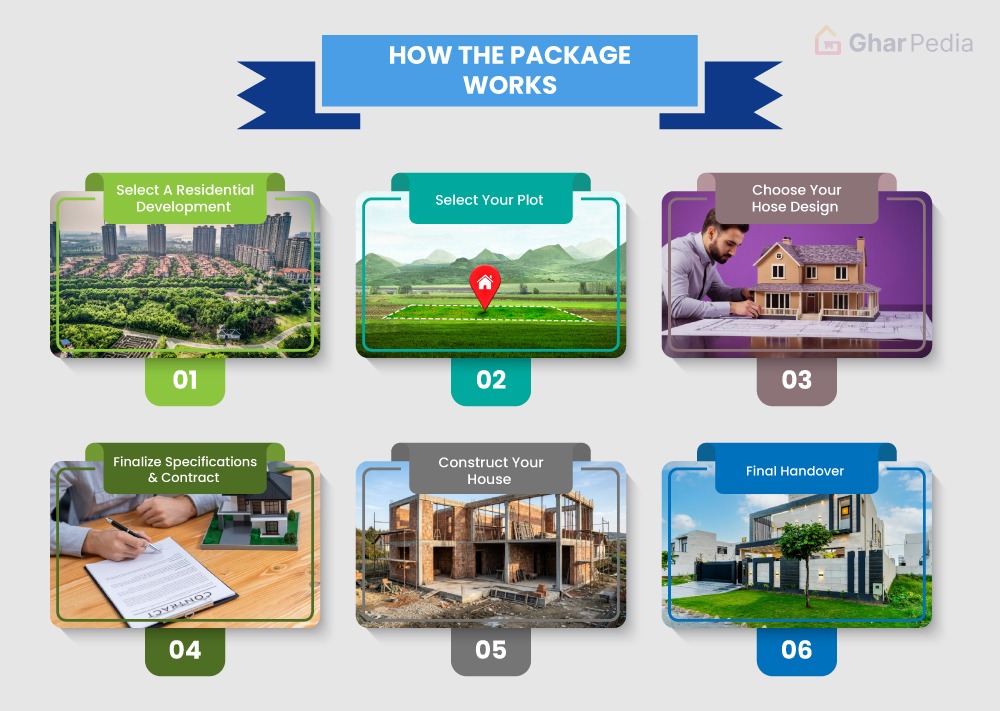
Although the process varies between developers, a typical package follows this sequence:
1. The Buyer Selects A Location Or Development
The package may be offered inside a plotted development, gated community, township or residential layout.
You may have a choice of:
- Plot size
- Plot location
- House size
- Number of bedrooms
- House elevation
- Floor plan
- Construction specification
Some developments offer only a few predetermined combinations.
2. The Buyer Selects A Plot
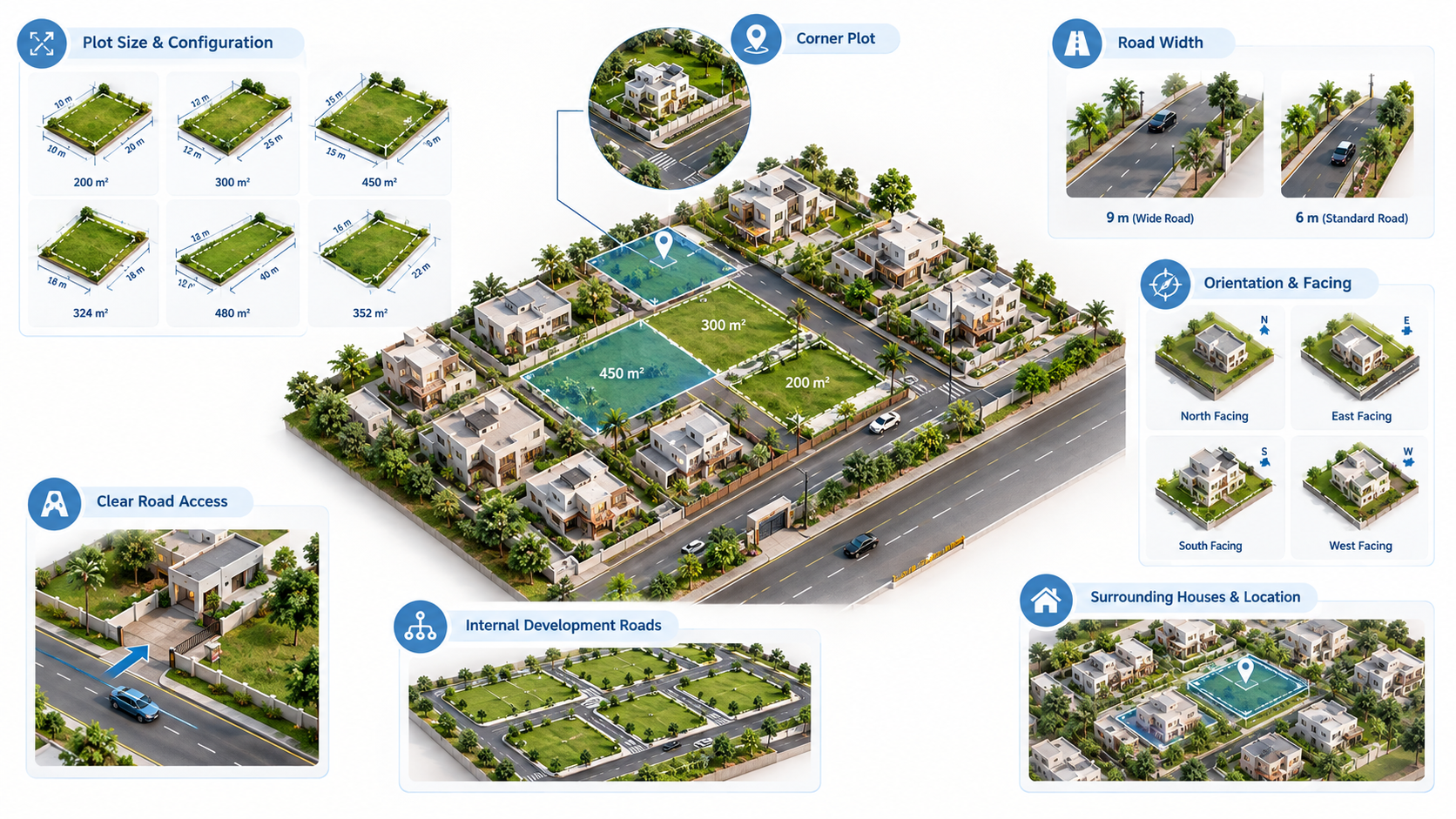
The land component is usually one of the biggest variables in the package price.
Two otherwise identical houses can have substantially different total prices because of differences in:
- Plot area
- Road width
- Corner location
- Orientation
- Facing
- Internal road location
- Distance from amenities
- Topography
- Development charges
- Location within the project
Do not assume that a larger or corner plot automatically represents better value. A premium plot can make the overall package significantly more expensive without adding equivalent practical value.
3. The House Design Is Selected
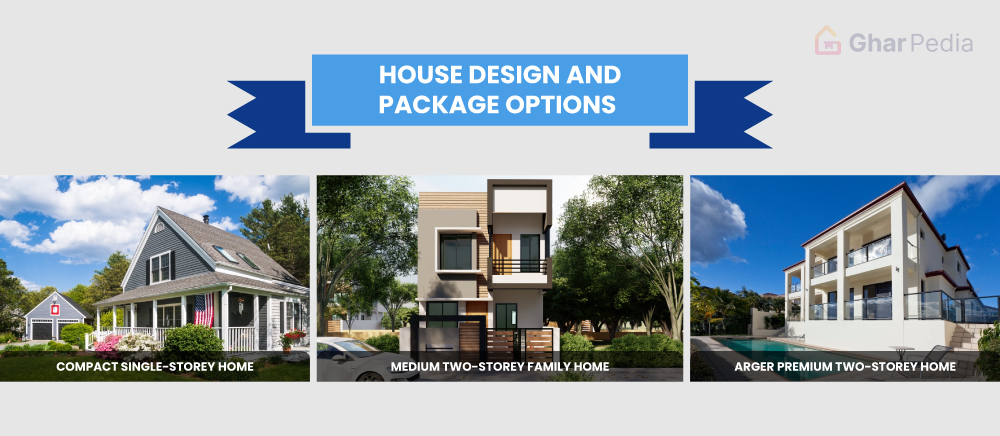
Courtesy - Canva(Image 1, 2) Magnific
The builder may provide several standard designs.
For example:
Package A
- 1,200 sq ft house
- 30 × 40 ft plot
- 2 bedrooms
- Standard flooring
- Standard sanitaryware
- Basic electrical fittings
Package B
- 1,600 sq ft house
- 40 × 50 ft plot
- 3 bedrooms
- Better finishes
- Larger kitchen
- Additional utility area
Package C
- 2,000 sq ft house
- Larger plot
- 3 or 4 bedrooms
- Premium finishes
- Optional first-floor construction
The important point is that the advertised house size and the actual usable space are not necessarily the same thing.
Ask whether the quoted area refers to:
- Built-up area
- Carpet area
- Plinth area
- Super built-up area
- Floor area
- Total construction area
For an independent house, also establish whether balconies, verandahs, staircases, terraces, parking structures and utility areas are included in the stated construction area.
If you are looking for option on cusyomised house, have a look at ECM Homes.
Who Usually Offers House and Land Packages?
There are several common models.
1. Developer + Builder Package
A developer sells the plot while an associated or empanelled builder constructs the house.
This can provide a relatively streamlined experience because the land development and construction are coordinated.
However, check whether you are actually entering:
- One agreement,
- Two separate agreements, or
- Multiple agreements with different parties.
The distinction can become important if something goes wrong.
2. Developer-Built Villa Package
Here, the developer controls both the land and construction.
The buyer essentially purchases a completed or under-construction villa within a larger development.
This is closer to buying a new house than independently buying land and building a house.
3. Plot Developer + Independent Builder
Some plotted developments allow buyers to select their own architect and contractor.
In this situation, the land may be purchased from the developer, but construction is separately contracted.
This can offer more flexibility but requires greater coordination from the buyer.
4. Builder-Owned Plot + Construction
A builder may already own or control a parcel of land and offer a combined plot-and-house deal.
Here, title verification becomes particularly important because the buyer needs to understand:
- Who owns the land?
- Who is selling it?
- Who will construct the house?
- Is there a joint-development arrangement?
- Are there mortgages or encumbrances?
- Are all approvals in place?
House and Land Package vs. Buying Land and Building Separately
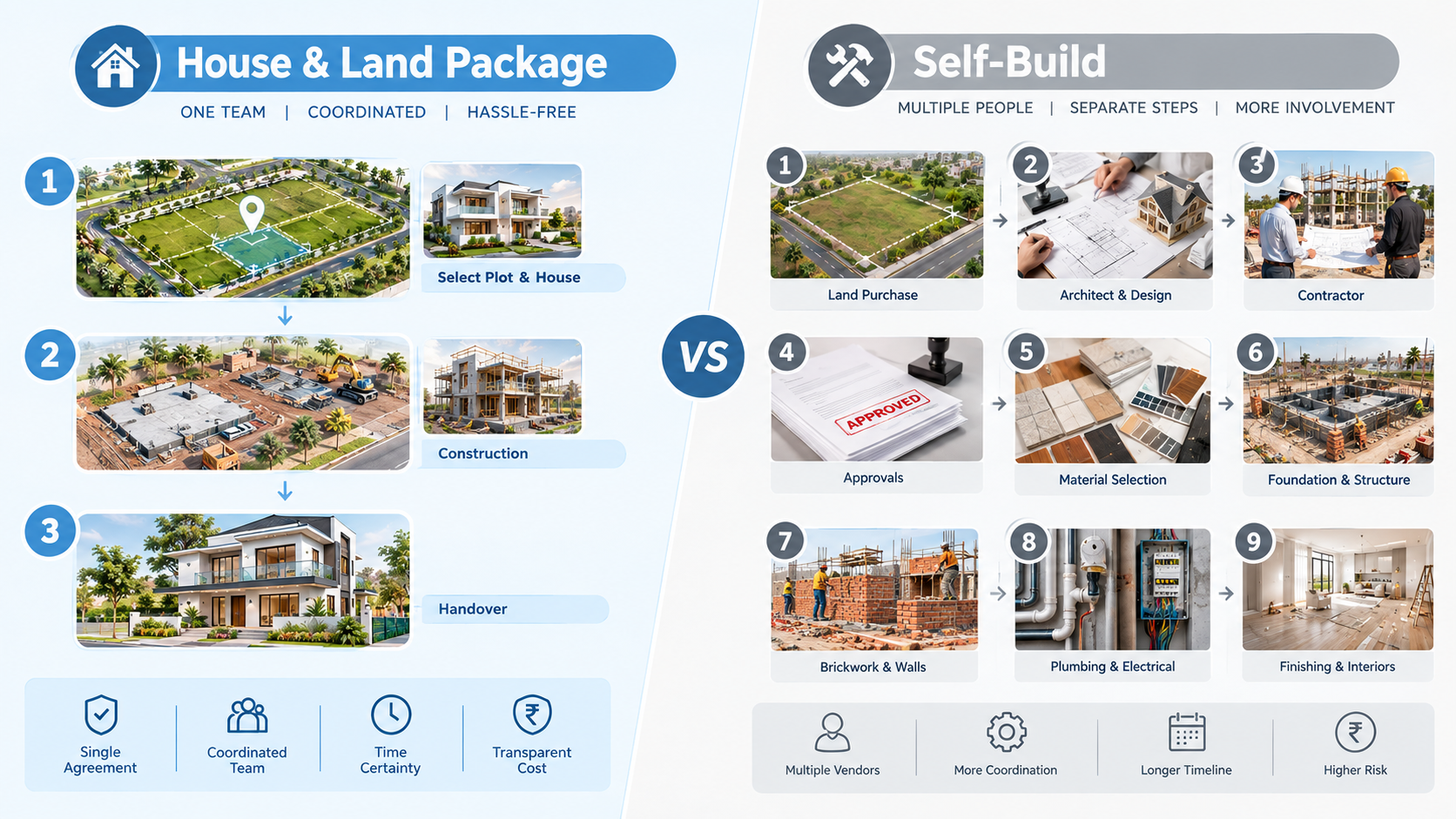
Many buyers weighing their options search for a house and land package vs build-only comparison before deciding which route actually suits their budget, timeline and appetite for hands-on involvement. The major attraction of a package is convenience.
With a traditional self-build route, the buyer may have to:
- Search for land.
- Verify title.
- Negotiate the land price.
- Register the plot.
- Hire an architect.
- Conduct soil/site investigations.
- Prepare drawings.
- Obtain required approvals.
- Tender or negotiate construction work.
- Appoint a contractor.
- Purchase materials or approve specifications.
- Monitor construction.
- Coordinate inspections.
- Arrange utilities.
- Complete the house.
- Obtain applicable completion/occupancy documentation.
A house and land package deals attempt to consolidate many of these activities.
That convenience is valuable—but it should not be confused with automatically getting a better financial deal.
Must Read:
Buy or Build A New House? Here’s What You Need to Know
Is a House and Land Package Cheaper?
There is no universal percentage by which a house and land package is cheaper.
That is one of the most important points to establish before publishing or marketing a package as a “saving”.
A package may be cheaper because the developer can:
- Buy or develop land at scale.
- Repeat the same house design.
- Purchase construction materials in bulk.
- Use standard specifications.
- Employ established subcontractors.
- Reduce design and project-management costs.
- Coordinate infrastructure and construction together.
But a package can also cost more than a carefully managed independent build because you are paying for:
- Convenience
- Project coordination
- Developer margin
- Builder margin
- Standardised specifications
- Certain bundled services
Therefore, do not compare: Package price vs. plot price
Instead compare: Complete package cost vs. complete self-build cost
The Correct Way to Compare the Price
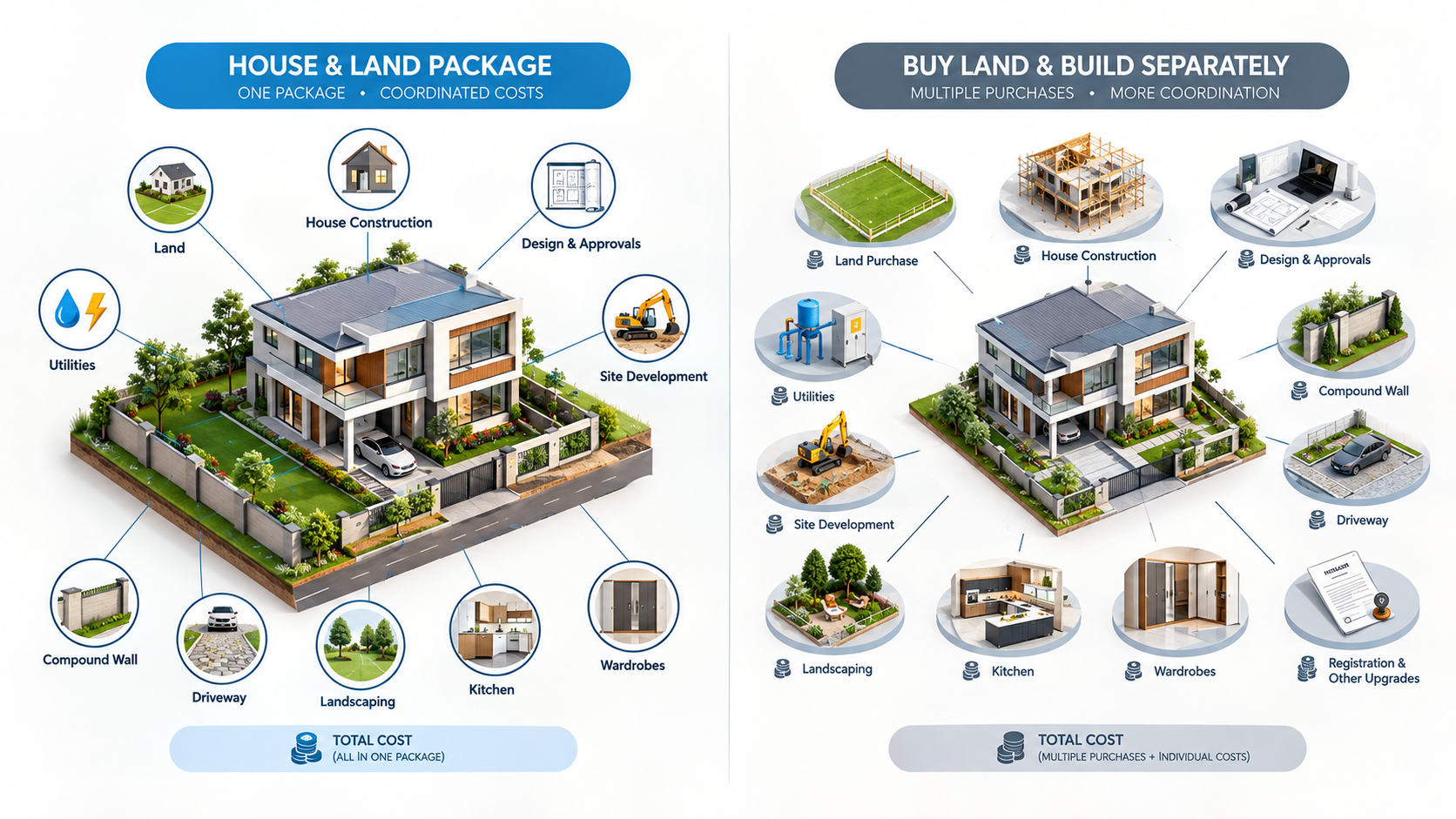
Suppose a package is advertised at: ₹80 lakh
That number is meaningless until you establish what the ₹80 lakh includes.
A realistic comparison could look like this:
| Cost component | House & Land Package | Buy Land + Build Separately |
| Land | Included | ₹X |
| House construction | Included | ₹X |
| Architect/design | Maybe included | ₹X |
| Approvals | May be included/excluded | ₹X |
| Soil investigation | Check | ₹X |
| Site development | Check | ₹X |
| Electricity connection | Check | ₹X |
| Water connection | Check | ₹X |
| Drainage/sewer connection | Check | ₹X |
| Compound wall | Check | ₹X |
| Gate | Check | ₹X |
| Driveway | Check | ₹X |
| Landscaping | Often optional | ₹X |
| Kitchen | Check specification | ₹X |
| Wardrobes | Often optional | ₹X |
| Light fittings | Check | ₹X |
| Registration/stamp duty | Usually additional | Usually additional |
| Taxes/charges | Verify | Verify |
| Upgrades | Additional | Buyer controlled |
| Contingency | Buyer should keep | Buyer should keep |
Only after completing this exercise can you determine whether the package represents genuine value.
What Is Usually Included in a House and Land Package?
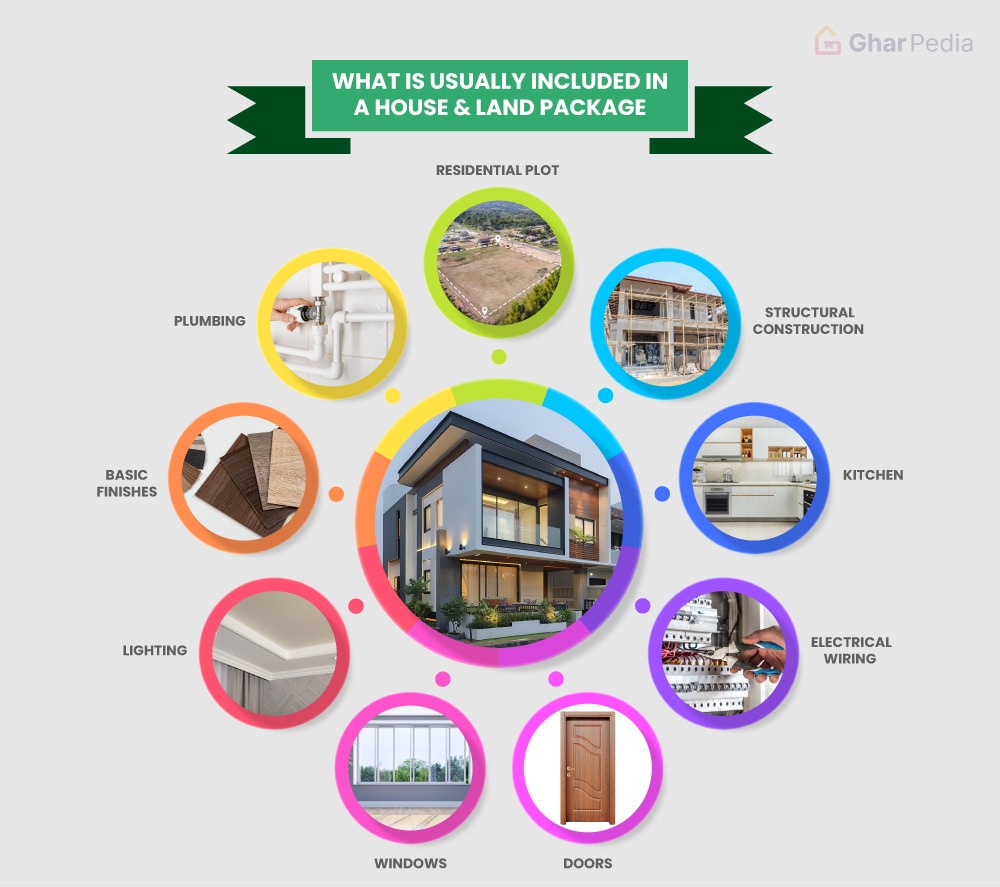
There is no universal inclusions list.
This is one of the biggest mistakes buyers make: assuming that the words turnkey or house and land package automatically mean everything is included.
A package may include some or all of the following.
1. Land
Usually:
- Specified plot
- Plot dimensions
- Internal road access
- Basic development works, depending on the project
But verify the actual land area and title documentation.
2. House Construction
The construction component may include:
- Foundation
- Structural frame
- Masonry
- Roof/slab
- Internal plaster
- External plaster
- Flooring
- Doors
- Windows
- Plumbing
- Electrical wiring
- Sanitary fittings
- Painting
However, specifications can vary enormously.
“Premium tiles” is not a specification.
A proper contract should identify the relevant:
- Brand or acceptable equivalent
- Size
- Grade
- Model/category
- Quantity
- Installation scope
3. Kitchen
A basic construction package may provide only:
- Plumbing points
- Electrical points
- Countertop
- Sink
A premium package might include:
- Modular cabinets
- Hardware
- Hob
- Chimney
- Sink
- Backsplash
Never assume a “fully equipped kitchen” means a modular kitchen with appliances.
4. Electrical and Lighting
Check whether the package includes:
- Wiring
- Switches
- Distribution board
- MCB/RCCB
- Light fixtures
- Fans
- External lights
- AC points
- Geyser points
- Internet/TV points
- EV charging provision
The difference between electrical points and installed fixtures can be substantial.
What Is Usually NOT Included?
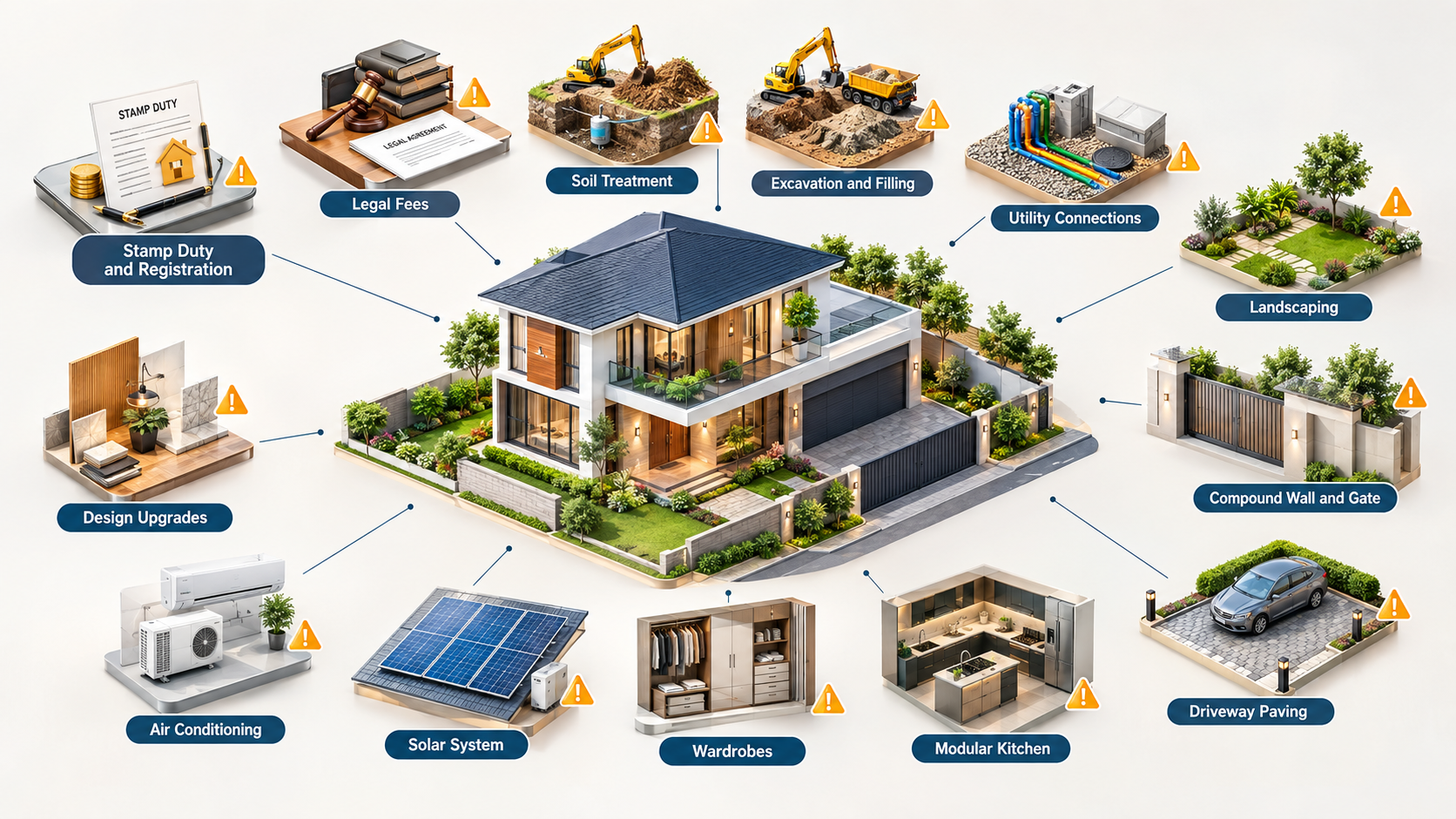
This is where package buyers can encounter unexpected costs.
Depending on the project, exclusions may include:
- Stamp duty
- Registration charges
- Legal fees
- Loan processing fees
- Mortgage-related charges
- Site-specific soil treatment
- Additional foundation work
- Retaining walls
- Rock excavation
- Additional filling
- Utility connection charges
- Development charges
- Betterment charges
- Landscaping
- Compound wall
- Gate
- External paving
- Driveway
- Modular kitchen
- Wardrobes
- Curtains/blinds
- Air conditioners
- Solar systems
- Water-heating systems
- Premium sanitary fittings
- Premium electrical fittings
- Additional floor construction
- Design changes
- Structural modifications
- Boundary works
The exact treatment varies by contract and location.
Therefore, a buyer should obtain a written inclusions and exclusions schedule, not rely on a brochure or sales presentation.
If additional foundation work is required due to site conditions, use our foundation cost calculator to estimate the potential foundation cost and factor it into your overall budget.
What Are the Risks of a House and Land Package?
A package combines two major transactions—land and construction—so the buyer needs to assess both.
Major risks include:
- Unclear land title
- Encumbrances or mortgages
- Unapproved layouts
- Missing development permissions
- RERA non-compliance where registration is required
- Construction delays
- Builder insolvency
- Poor workmanship
- Cost variations
- Incomplete infrastructure
- Ambiguous specifications
- Delayed handover
- Difficult cancellation/refund terms
- Restrictions on changing the house design
- Financing delays
The biggest mistake is evaluating the house while ignoring the land.
A beautiful elevation cannot compensate for defective land documentation.
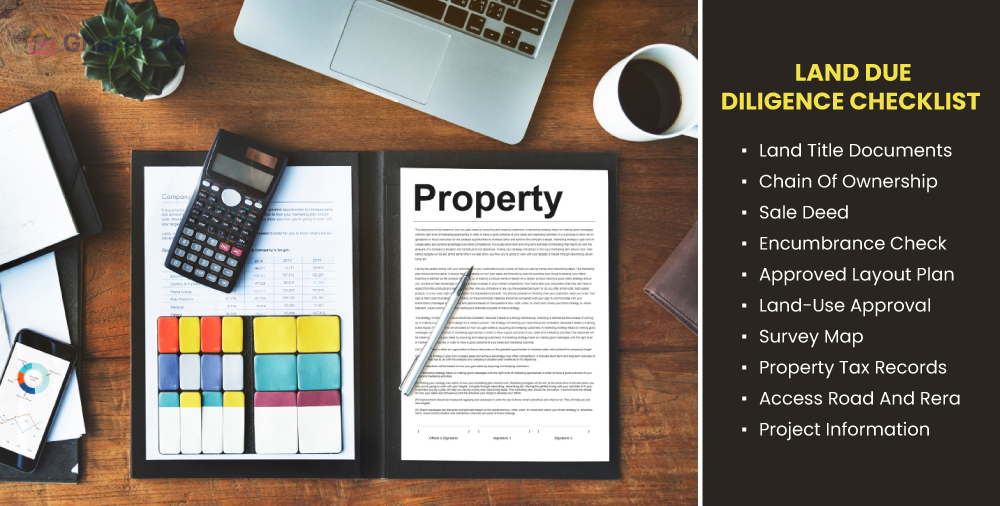
Why Land Due Diligence Matters in India
Courtesy - Magnific
The land component deserves independent legal verification.
For a plotted development or house-and-land project, ask for the documents relevant to the property and local jurisdiction, which may include:
- Parent/title documents
- Chain of title
- Current sale deed or development rights documents
- Encumbrance records/certificate, as applicable
- Land conversion documents where applicable
- Approved layout
- Development permissions
- Survey records
- Property tax records
- Applicable local authority approvals
- RERA registration details, where applicable
- Project plans and disclosures
- Access/right-of-way documentation
The exact documents vary by state and property type, so this is not a substitute for local legal advice.
Check RERA Registration
This is particularly important for package projects marketed by developers.
Under the Real Estate (Regulation and Development) Act, 2016, Section 3 generally requires a promoter to register a covered real estate project before advertising, marketing, booking or selling plots, apartments or buildings, subject to statutory exemptions. The Act also provides for public project information through the regulatory authority’s website. This gives buyers another source against which to compare the developer’s sales claims.
Check:
- Project name
- RERA registration number
- Promoter name
- Project location
- Approved project details
- Declared completion timeline
- Development status
- Complaints/orders where publicly available
- Past projects of the promoter
Do not treat a brochure as more authoritative than the applicable regulatory records and approved documents.
The 15-Point House and Land Package Checklist
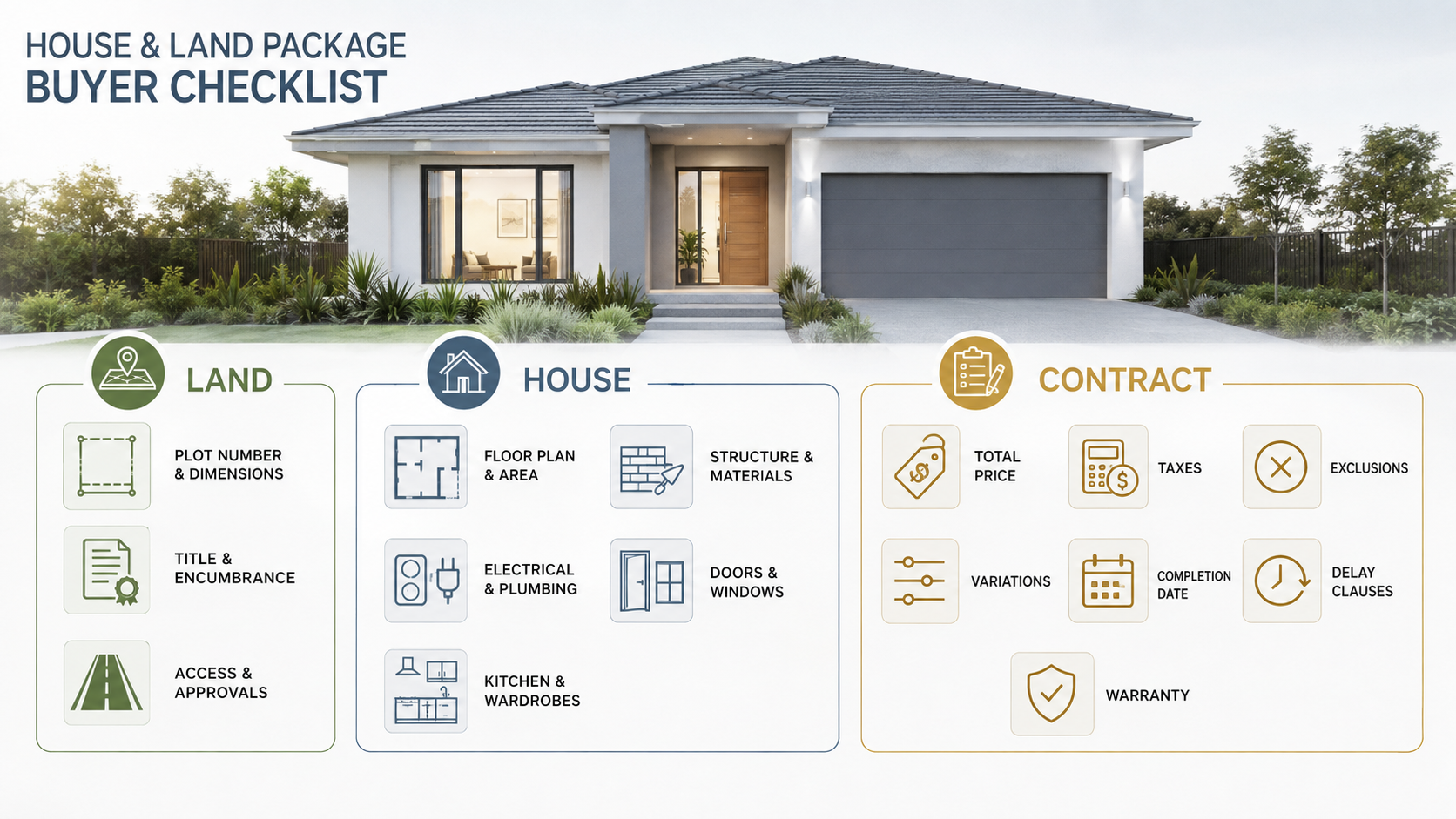
Before paying a substantial booking amount, work through this checklist.
1. Land
- Exact plot number identified
- Plot dimensions verified
- Survey details verified
- Title checked
- Encumbrance position checked
- Access road verified
- Approved layout obtained
- Applicable land conversion/use permissions checked
- RERA status checked where applicable
2. House
- Floor plan attached
- Construction area clearly defined
- Structural specifications provided
- Material specifications listed
- Electrical specifications listed
- Plumbing specifications listed
- Door/window specifications listed
- Kitchen scope defined
- Wardrobe scope defined
- External works defined
3. Contract
- Total price clearly stated
- Taxes/charges identified
- Exclusions listed
- Variation clause understood
- Completion date stated
- Delay consequences stated
- Cancellation/refund terms understood
- Defect liability/warranty provisions understood
- Handover requirements defined
What Should You Check in the Contract?
Never sign a house and land package agreement based only on the sales quotation.
At minimum, examine these areas.
1. Total Contract Price: The agreement should make it possible to identify the total price. Avoid a situation where the sales team gives one number verbally but the contract contains multiple open-ended charges.
2. Fixed-Price Clause: A genuinely fixed price house and land package can go a long way toward reducing cost uncertainty, but the phrase “fixed price” alone is not sufficient — it only means something once you’ve checked what it actually locks in. Look specifically for language concerning:
- Price escalation
- Material price increases
- Labour cost increases
- Site conditions
- Government charges
- Taxes
- Statutory changes
- Buyer variations
- Delays
The words “fixed price” alone are not sufficient.
3. Variation Clause: A variation occurs when the agreed scope changes.
For example: You choose a standard tile and later request premium Italian tiles.
That is an obvious variation. But the contract may also permit variations for site conditions or other circumstances. Find out who can approve a variation, how its price is calculated and whether written approval has to be obtained before the additional work begins. A strong contract should not leave major additional costs to verbal discussions.
4. Construction Specifications:A specification such as “good quality sanitary fittings” is too vague.
Prefer measurable descriptions such as:
- Product category
- Brand/model where appropriate
- Size
- Grade
- Quantity
- Installation method
The more expensive the item, the more important the specification becomes.
What Happens If the Builder Delays the Project?
The answer depends on:
- Contract terms
- Applicable law
- Project type
- RERA applicability
- Stated completion date
- Reason for delay
- Force majeure provisions
- Buyer obligations
A contract should clearly state:
- Scheduled completion date
- Handover process
- Consequences of delay
- Compensation/interest provisions where applicable
- Extension circumstances
- Cancellation rights, where applicable
Under RERA, agreements for sale are required to specify important project and payment particulars, including the manner of payments and the date of possession, along with applicable interest provisions for defaults. Do not assume that every delay automatically entitles you to the same remedy. The actual contract and applicable state law matter.
House and Land Package vs. Other Routes
Courtesy - Canva(Image 1, 2) Magnific
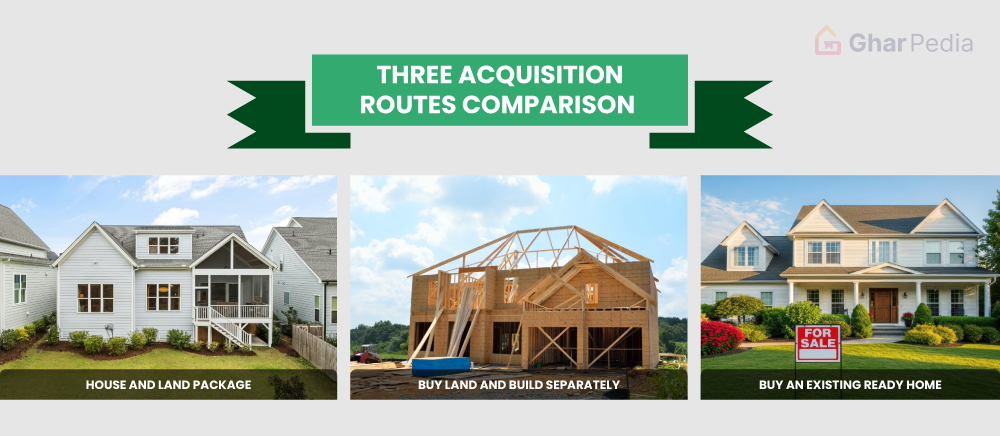
There are three common ways to acquire a home.
| Factor | House & Land Package | Buy Land + Build Separately | Buy Existing Home |
| Upfront cost clarity | Medium to high if inclusions are detailed | Medium; depends on design and contractor | Usually high |
| Time to move in | Medium; depends on construction stage | Usually longer | Usually fastest |
| Design customization | Low to medium | High | Very low |
| Loan/financing process | Can be coordinated, but lender rules vary | Often involves construction-stage financing | Usually simpler |
| Risk of cost overruns | Lower if genuinely fixed-price; exclusions matter | Higher | Lower construction-cost risk |
| Risk of delays | Medium | Medium to high | Usually lower |
| Warranty coverage | New construction warranty/defect provisions may apply | Depends on contracts and professionals | Depends on age, seller and applicable law |
| Choice of land | Limited to available plots | Very high | Limited to homes on market |
| Control over builder | Often limited | High | Not applicable |
| Construction involvement | Lower | High | None |
| Personalisation | Moderate | High | Limited |
| Convenience | High | Lower | High |
How to Choose the Right House and Land Package
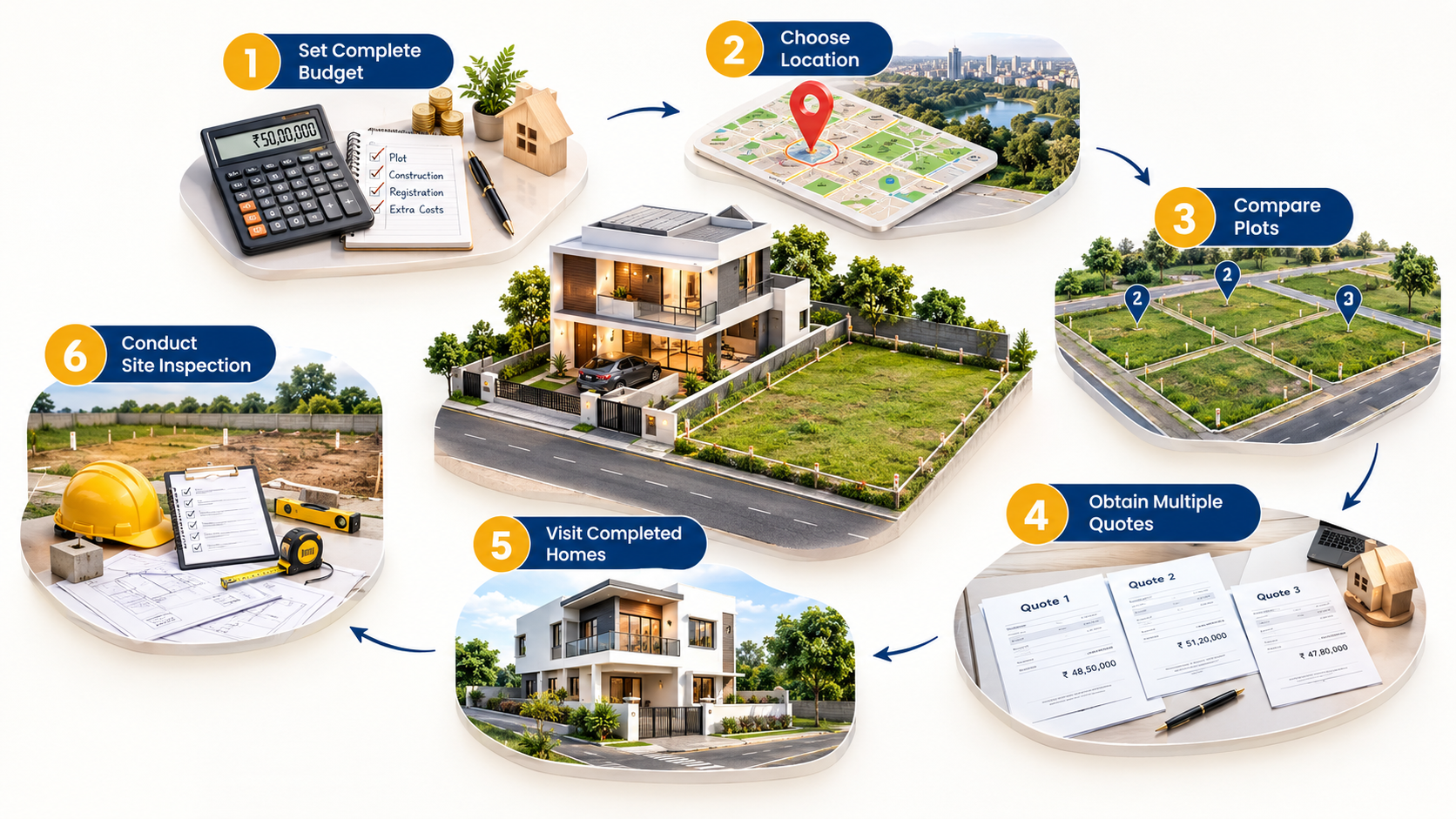
Step 1: Set the Complete Budget
Don’t start with the headline package price — start by asking what it will actually cost you to own and occupy the house. Build separate budgets for land, construction, registration, taxes, legal fees, loan costs, site works, and finishing items like kitchen, wardrobes, landscaping and appliances, plus a contingency fund.
Step 2: Choose the Location Before Falling in Love With the House
A beautiful house in the wrong location is still a poor long-term decision. Evaluate connectivity, schools, hospitals, utilities, flood risk, and future infrastructure in the area — the house can be modified later, but the location can’t.
Also Read: Where To Build A House – A Perfect Guide
Step 3: Compare the Plot, Not Just the House
Two plots of identical area can behave very differently depending on road width, orientation, slope, soil and setbacks, so evaluate the land on its own merits rather than just the house built on it. A 30×40 ft plot and a 40×30 ft plot may look the same on paper but offer very different planning outcomes. Before finalising a package, review the house plan against the actual plot dimensions, orientation and access conditions.
Step 4: Compare at Least Three Package Quotes
Never compare packages on headline price alone — build a spreadsheet covering land, house, specifications, exclusions, taxes, external works and upgrades for each one. A ₹75 lakh package with ₹10 lakh of likely extras can end up costing more than an ₹80 lakh package that already includes them.
Step 5: Visit Completed Homes
Brochures, 3D elevations and sample houses show you the best-case version — visiting homes the builder has actually completed shows you the real one. Check finishes, workmanship and drainage in person, and ask previous buyers what they ended up paying versus their original quote.
Also Read: How to Check whether Builder is Genuine or Not?
Step 6: Don’t Ignore Site Inspection
Even in a finished-looking development, walk the actual plot yourself and check ground level, drainage, access and boundary markers. A house doesn’t exist in isolation — it sits on a specific piece of land with its own physical and legal context.
If the site requires additional soil filling to achieve the required ground level, use our earth filling cost calculator to get a preliminary estimate of the filling cost before finalising the package.
What Should You Inspect Before Final Handover?

Courtesy - Magnific
Before accepting the house, conduct a systematic inspection.
Structural and external — Cracks, settlement signs, roof/slab condition, external plaster, waterproofing, drainage, site grading, compound wall, gate
Doors and windows — Smooth operation, locks, alignment, glass condition, sealing, hardware
Electrical — Switches, sockets, earthing, MCB/RCCB, light points, fan points, AC points, internet/TV points
Plumbing — Water pressure, leakage, drainage, taps, toilets, basins, kitchen sink, water heaters
Finishes — Tile cracks, hollow tiles, uneven flooring, paint defects, dampness, grout quality, door-frame finishing
Prepare a written snag list and have defects recorded before final acceptance wherever the contract/process permits. For a more detailed inspection, use this home inspection checklist to review the major areas of the property before acceptance.
Pros and Cons of House and Land Packages
Advantages
- Convenient land + construction arrangement
- Less coordination for the buyer
- New construction
- Standardised designs
- Potential economies of scale
- Easier initial budgeting
- Suitable for buyers with limited construction experience
- Can be useful for remote/NRI buyers when the developer is trustworthy
Disadvantages
- Limited plot selection
- Limited customisation
- Builder dependency
- Possible hidden/excluded costs
- Site-condition risks
- Construction delays
- Less control over materials and subcontractors
- Package price may not be lower than independent construction
- Legal and approval due diligence is still necessary
When Is a House and Land Package Worth Buying?
A house and land package is not automatically a bargain — and it is not automatically risky. Its value depends on five things:
- The land is legally sound. Title, encumbrances, access, approvals and applicable RERA requirements have been checked independently.
- The builder is reliable. Past projects, construction quality, delays and post-handover service have been investigated.
- The price is genuinely understood. The buyer knows exactly what is included, excluded and potentially variable.
- The contract protects the buyer. Payment milestones, completion dates, variations, delays, defects and cancellation provisions are clearly documented.
- The total cost fits the buyer’s finances. The buyer has budgeted for registration, taxes, interiors, external works and contingencies rather than relying on the headline package price.
A house and land package can be a genuinely good option — or an expensive way to buy convenience — and the difference comes down to how carefully you look past the headline price. The land needs the same legal scrutiny as any independent plot purchase, the builder’s track record deserves real investigation, and the contract needs to spell out exactly what’s included, what’s excluded, and what happens if things go wrong or run late. None of that changes just because “land” and “house” are being sold to you as one product instead of two. Do the comparison properly, get independent advice before you commit a large sum, and the package becomes what it should be: a shortcut through the process, not a shortcut around due diligence.
FAQs on House and Land Package
1. Is a house and land package the same as buying a plot and building separately?
No. A package bundles the land and construction into one coordinated offering, usually through a developer or builder, whereas a self-build means you separately source the land, hire your own architect and contractor, and manage the process yourself.
2. Does “fixed price” mean there are no extra costs?
Not necessarily. A fixed-price clause typically locks in the price for the scope defined in the contract, but items like registration, utility connections, landscaping, compound walls and upgrades are commonly excluded and billed separately.
3. How long does a house and land package usually take to complete?
This depends on the builder, the construction stage at which you buy in, and local approval timelines. The contract should state a specific completion date along with what happens if that date is missed — always confirm this rather than relying on a verbal estimate.
4. What’s the single most important check before signing?
Land title verification. A well-built house on land with unclear title, encumbrances, or missing approvals can create serious legal and financial problems regardless of construction quality.
5. Should I still hire a lawyer if the builder has their own legal team?
Yes. The builder’s lawyer works for the builder. An independent property lawyer reviewing the sale agreement, construction agreement, and payment/cancellation terms protects your interests specifically, not the seller’s.
Courtesy - Featured Image(Canva)
Author & Expert Review
Written & Verified By:  Shekhar J. Parikh – Co Founder – Gharpedia | Director – SDCPL

| Credentials: Director and Consulting Engineer at Sthapati Designers & Consultants Pvt. Ltd., with over 40 years of experience in civil engineering, project execution, and construction management. Experience: Civil engineering professional with 40+ years of practical experience across Gujarat and Maharashtra, specializing in construction projects, project execution, quality control, and construction management. Expertise: Specializing in civil engineering, construction management, project execution, site practices, and quality control. He reviews technical content to ensure it reflects practical site knowledge, industry standards, and best practices, while supporting informed decision-making related to property buying, selling, and renting. Find him on: LinkedIn |