





Table of Contents
Quick Summary
- At first glance, flooring may seem like a background element, but it strongly influences the overall character of a room.
- The article explains how flooring colour, material and texture affect furniture, walls and decorative features.
- It discusses the importance of considering colour undertones when creating a coordinated interior.
- You will also learn how flooring can connect or separate different zones in an open-plan home.
- Practical considerations such as durability, maintenance and room suitability are covered.
- The article concludes by explaining why flooring should be selected early rather than treated as an afterthought.
Courtesy - Magnific
When designing a room, attention often goes straight to wall colours, furniture and decorative accessories. Yet flooring is one of the largest uninterrupted surfaces in most interiors, making it an important part of the overall design.
The right flooring can make a room feel warmer, brighter, more spacious or more traditional before any furniture is added. Because replacing it can involve considerably more work than repainting a wall or changing a sofa, it makes sense to consider flooring early in the design process.
Flooring Creates the Foundation
Courtesy - Magnific
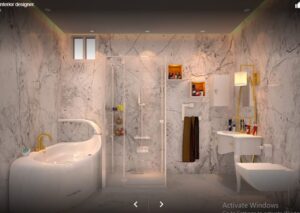
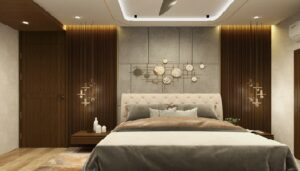
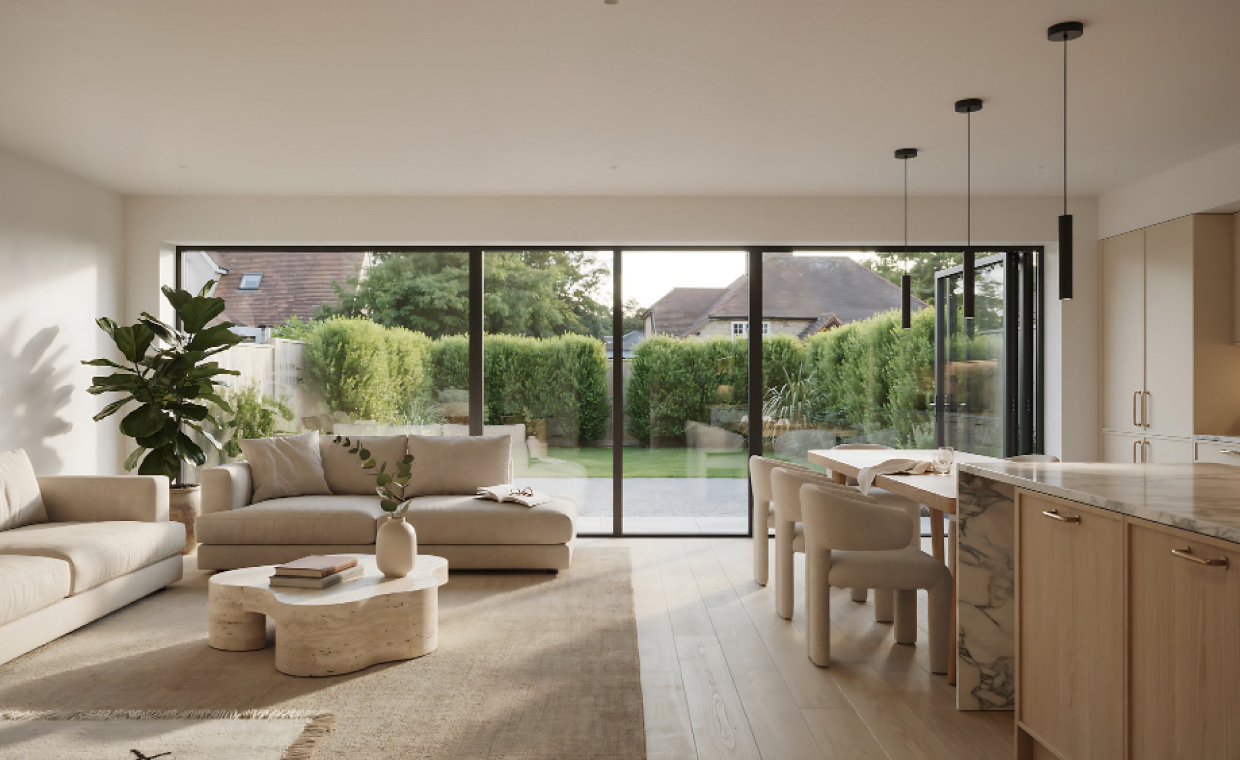
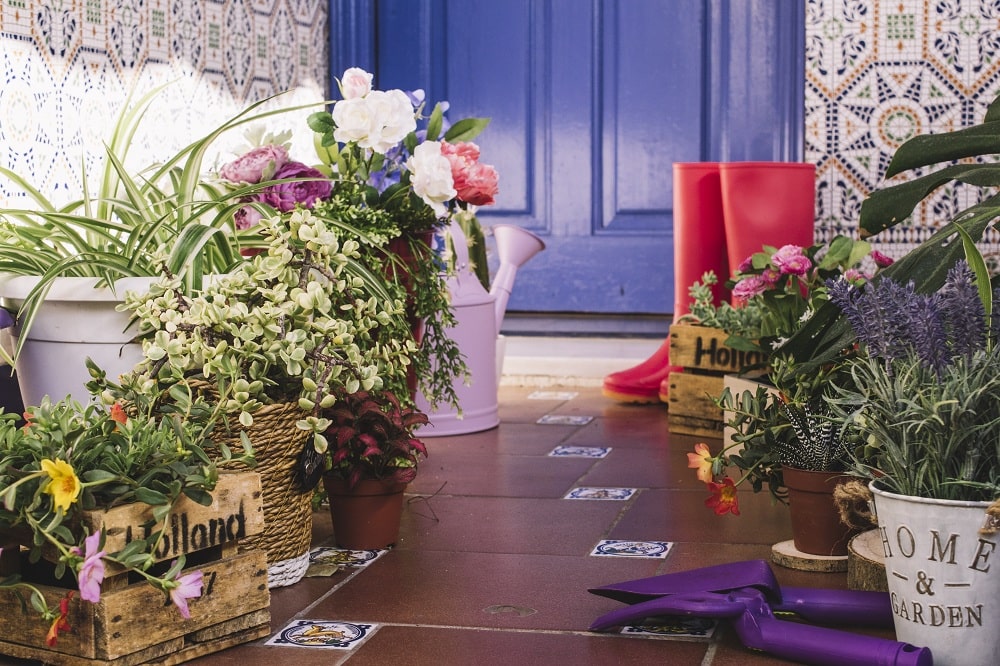
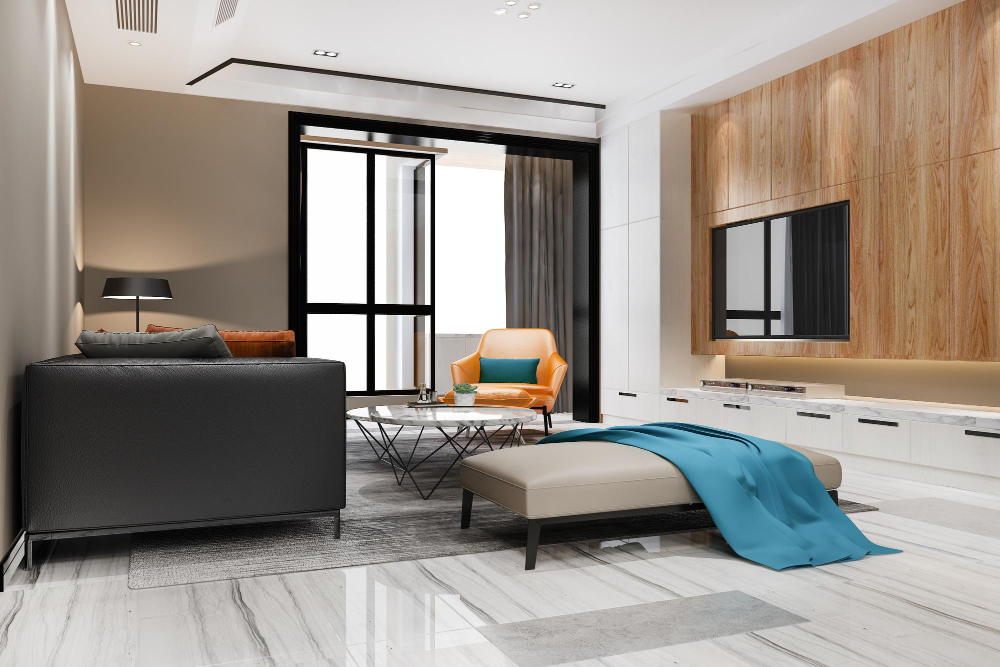
Every other element in a room sits alongside or directly on the floor, so its colour and texture inevitably influence how those features appear. Pale flooring can contribute to a light, airy atmosphere, while deeper shades can bring warmth and definition.
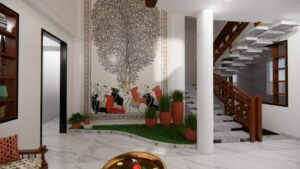
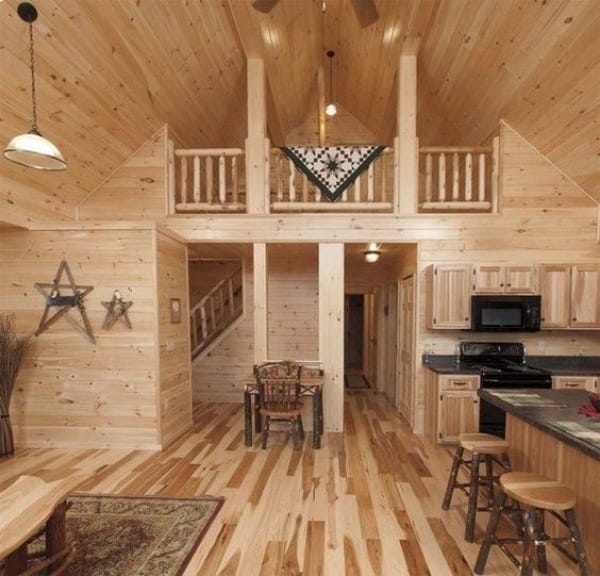
Material also makes a difference. Timber can create a warm and familiar character, while stone introduces natural variation and texture. Homeowners interested in the latter might explore natural stone tiles by Quorn Stone when considering how different stones, shades and finishes could work within an interior. Starting with the flooring can provide a useful foundation for choosing everything else.
Consider Colour Undertones
Courtesy: Magnific
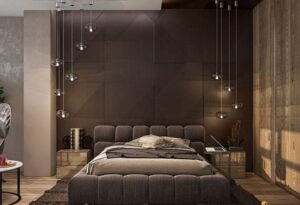
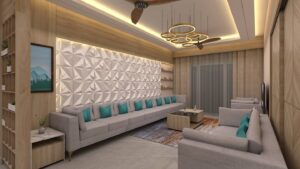
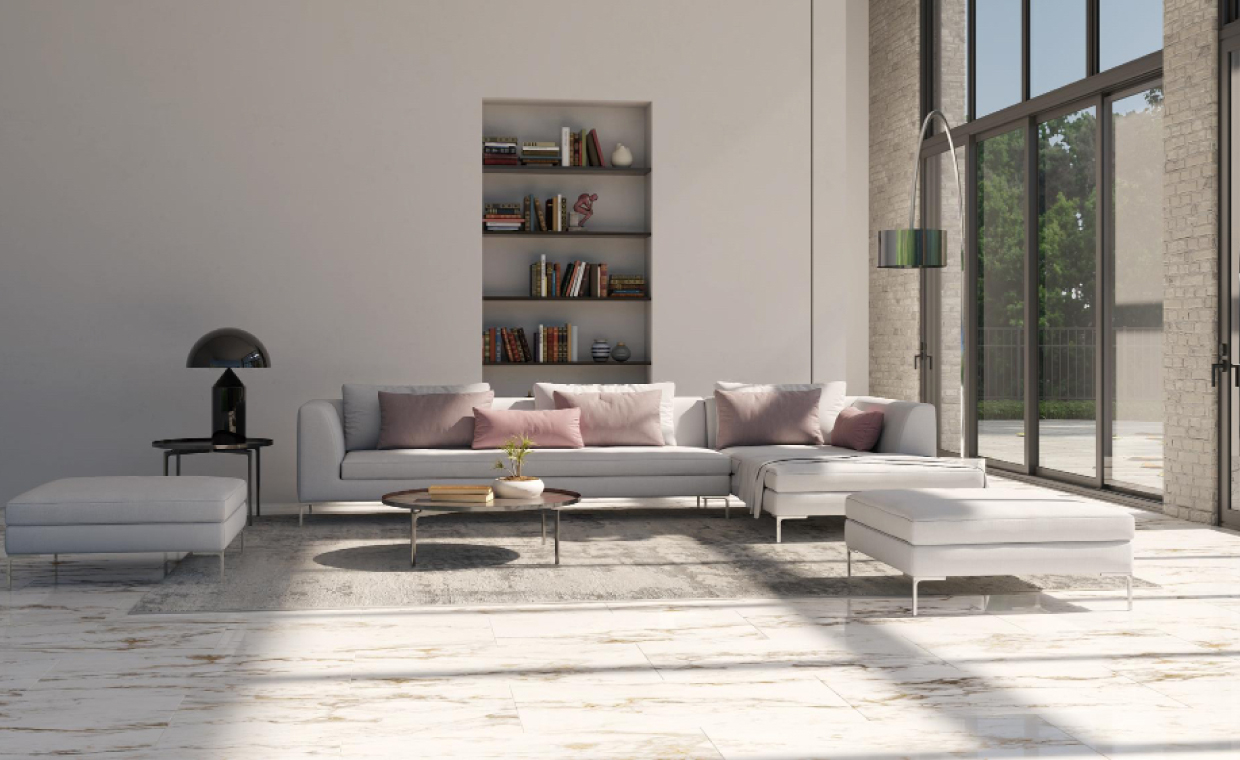
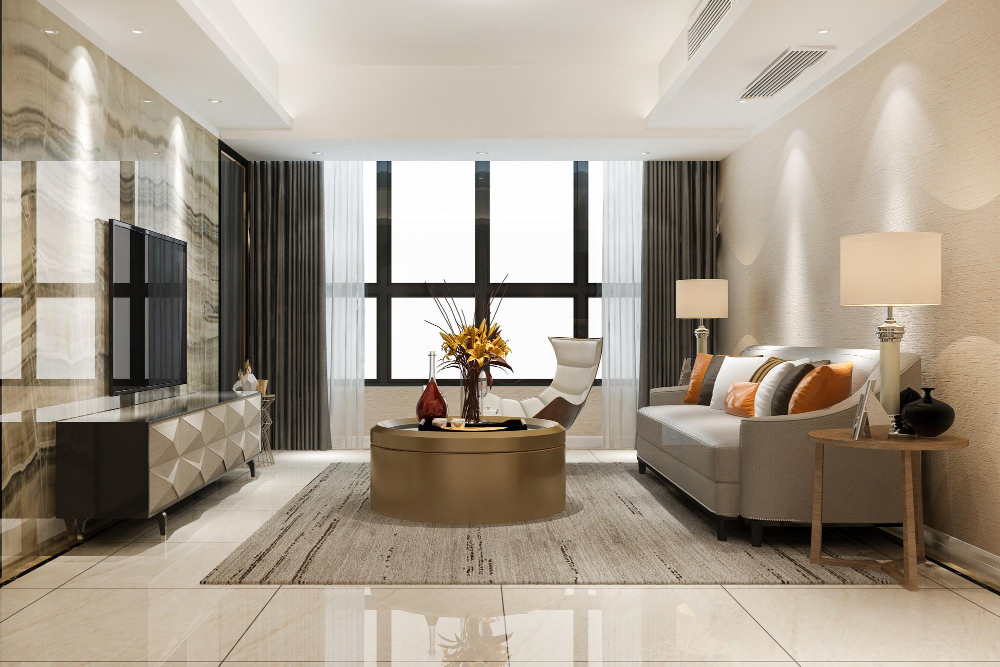
Flooring does not need to match every element in a room, but the undertones should work comfortably with the wider colour palette. For example, flooring with warm beige or golden undertones can pair naturally with creams, earthy greens and warm neutrals. Cooler grey flooring may complement crisp whites, blues and contemporary colour schemes.
Looking at samples alongside paint colours, cabinetry and furniture finishes can make it easier to see whether everything works together before committing to a design.
Texture Influences Character
Courtesy - Magnific
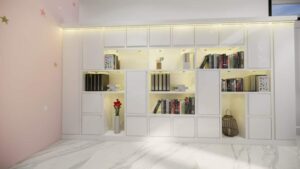
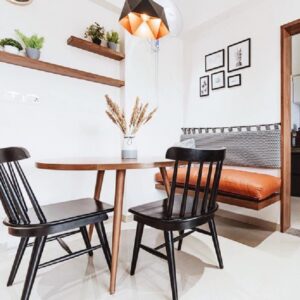
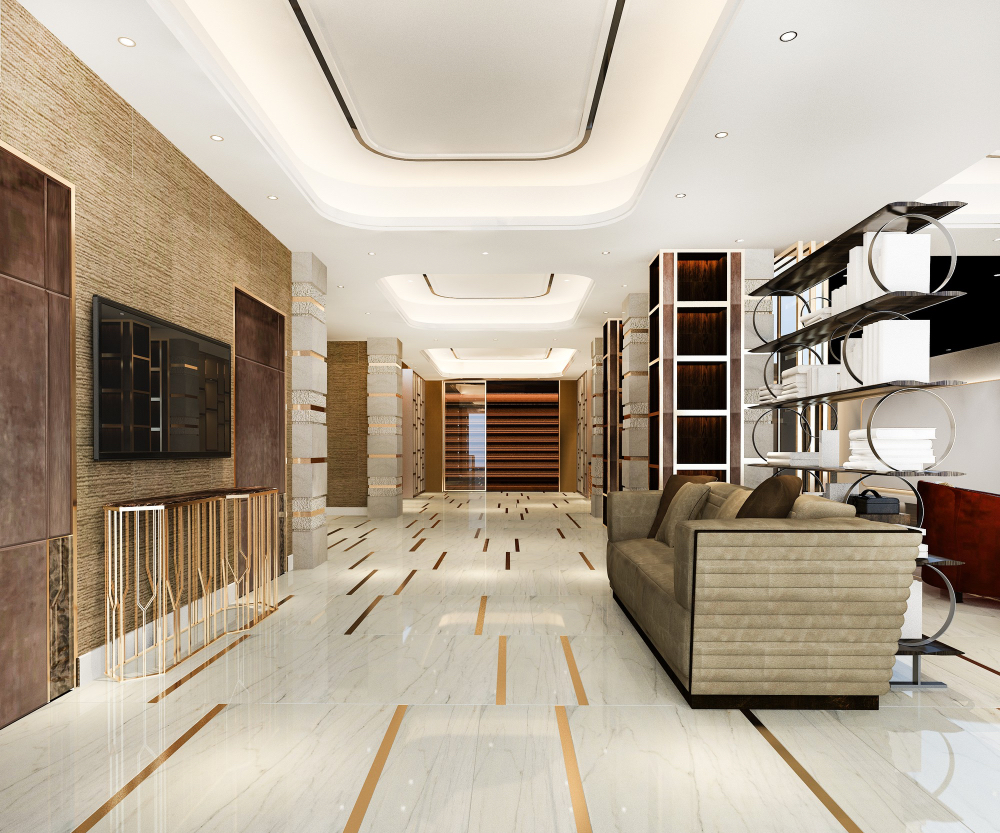
Texture can change the personality of an interior just as much as colour. A smooth, uniform floor can create a more refined appearance, while natural variation can introduce character and visual interest.
This can be particularly useful in relatively simple rooms. If walls and furniture are deliberately understated, variations in stone or timber can prevent the space from appearing flat without requiring additional decoration.
Flooring Can Connect Different Spaces
Courtesy - Magnific
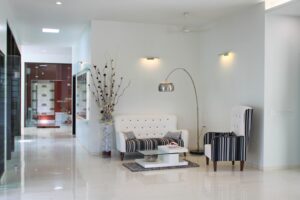
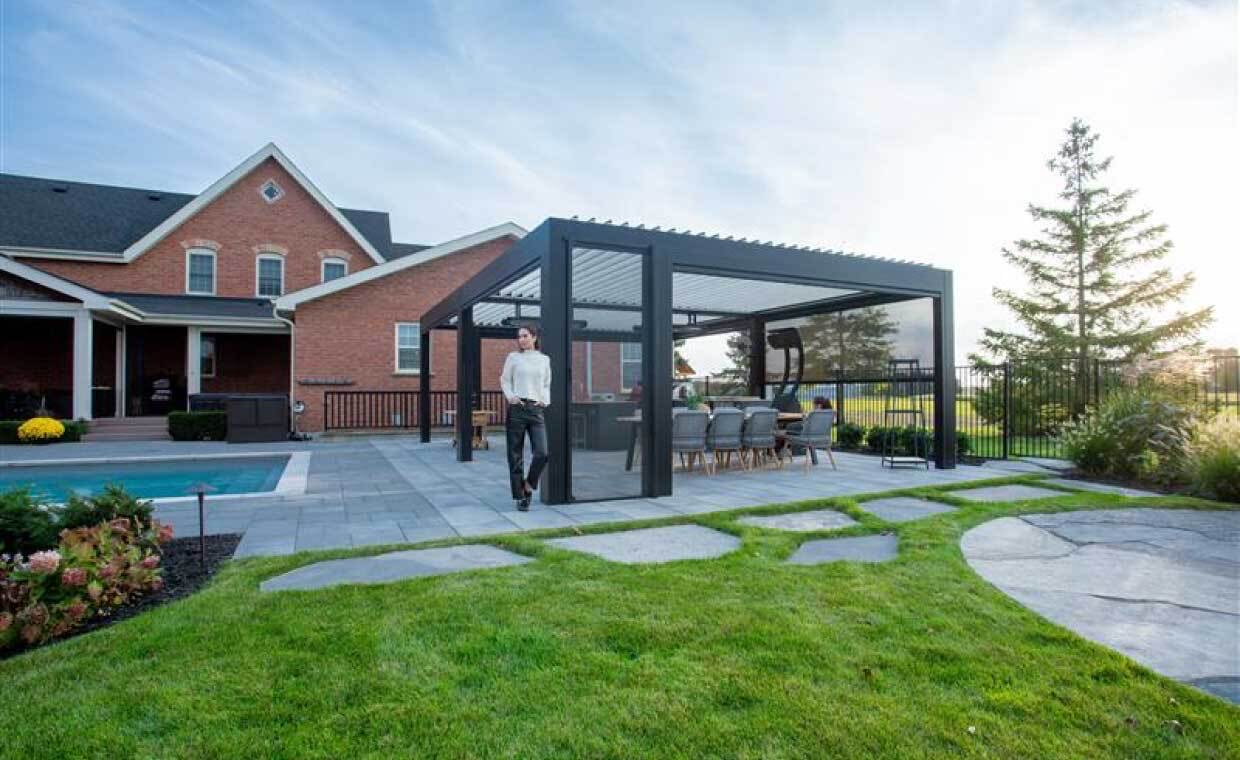
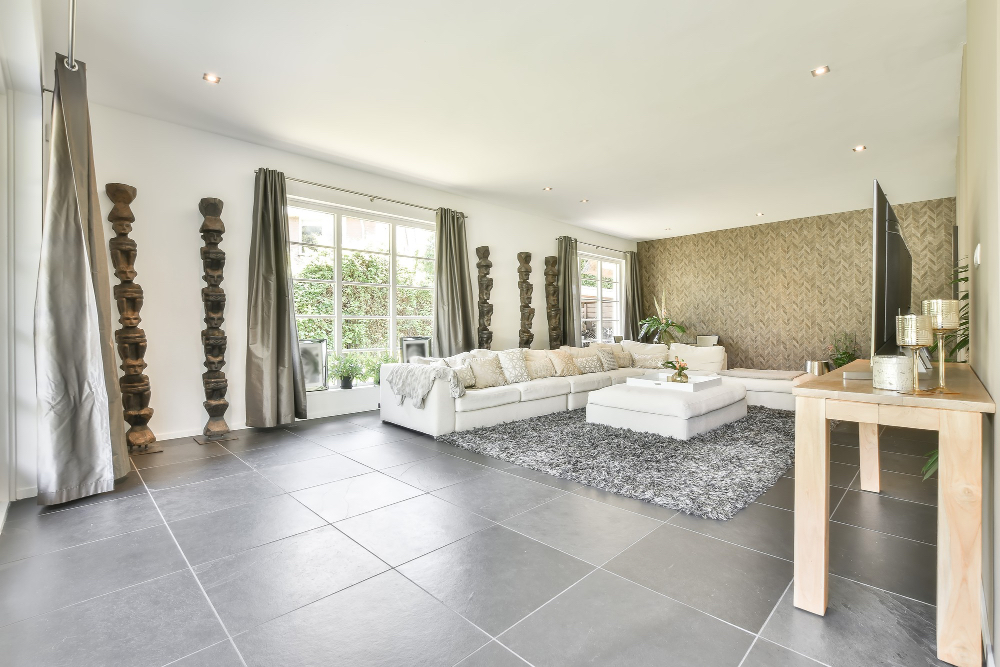
In open-plan homes, flooring can help create visual continuity between different functional areas. Using the same or complementary flooring across a kitchen, dining area, and living space can make the overall interior feel more cohesive. Conversely, changing flooring can subtly indicate that you are entering a different zone. The important point is to make these transitions feel deliberate rather than accidental.
Think Beyond Appearance
Courtesy - Magnific
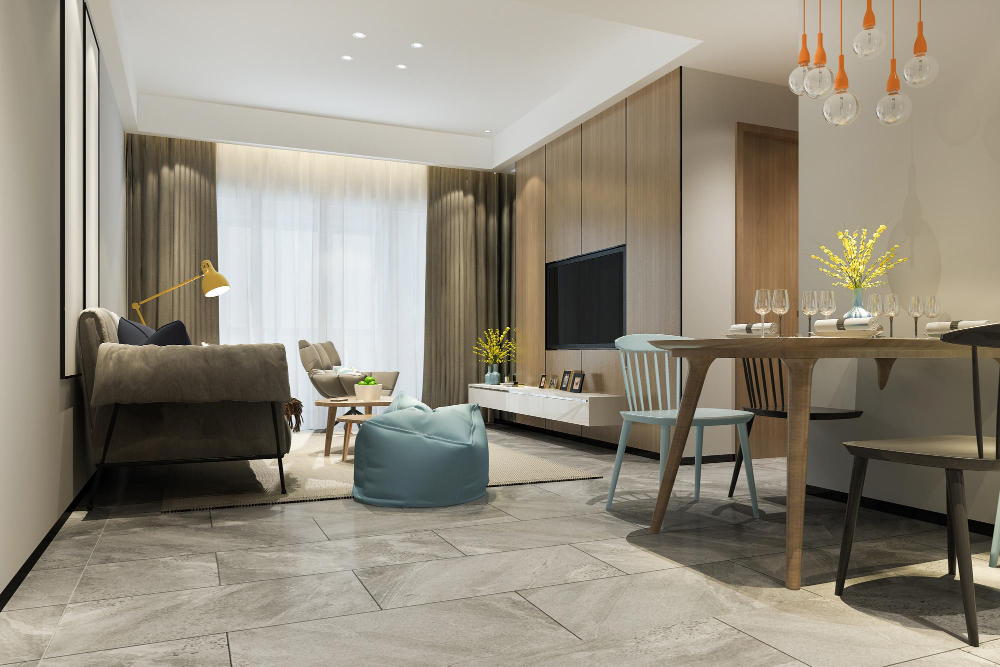
A beautiful floor still needs to suit everyday life. Kitchens, hallways and other busy areas may require particularly durable and easy-to-maintain surfaces, while bedrooms may place greater emphasis on warmth and comfort. Maintenance requirements should also be considered before choosing a material. Some natural surfaces require sealing or specific cleaning products, for example.
Build the Room from the Ground Up
Courtesy - Magnific
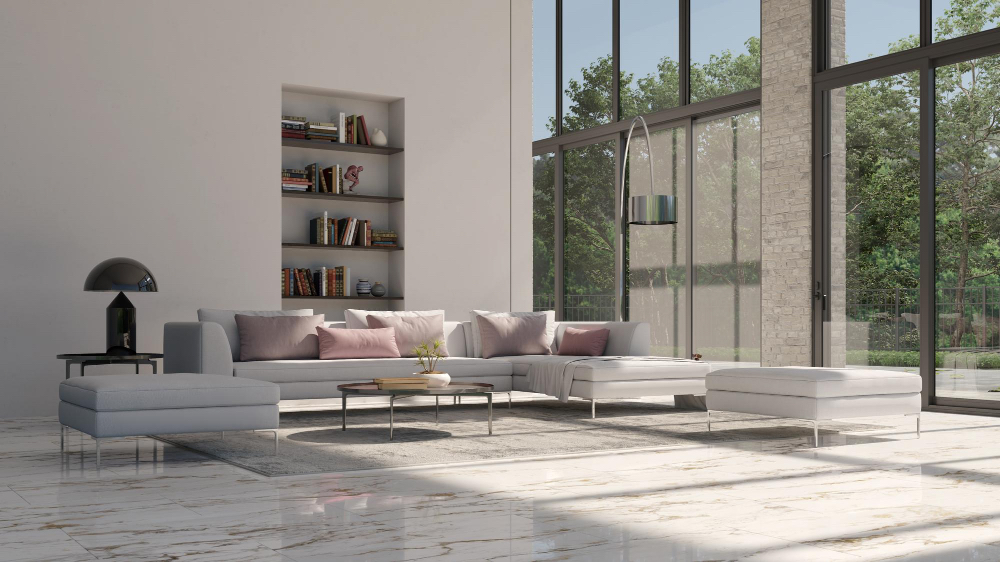
Flooring should not be treated as an afterthought. Its colour, material, texture and practical qualities all influence how the rest of an interior comes together. So long as you choose the floor early and use it as a starting point for other design decisions, it becomes easier to create a room where the furniture, walls and decorative details feel connected. The result can be a more balanced interior that remains appealing long after short-lived design trends have changed.
Also Read: How to Choose the Right Flooring for Every Room in Your House
Frequently Asked Questions – Flooring in Interior Design
1. Why is flooring important in interior design?
Flooring covers a significant area of a room and can influence its colour, atmosphere, texture and overall visual character.
2. How does flooring affect the appearance of a room?
The colour, material and texture of flooring can make a room feel warmer, brighter, more spacious, traditional or contemporary.
3. Should flooring match the furniture and walls?
Flooring does not have to match them exactly. However, its colour undertones and texture should complement the room’s overall colour palette.
4. Is natural stone flooring suitable for every room?
Natural stone can work well in many areas, but its suitability depends on factors such as traffic, moisture, maintenance requirements and the specific type of stone.
5. How can flooring improve an open-plan interior?
Using the same or complementary flooring across connected areas can create visual continuity, while deliberate changes in flooring can help define separate zones.
Courtesy - Featured Image(Magnific)
Author & Expert Review
Written & Verified By:  Farhan Shaikh – Senior Manager – Architect, SDCPL | Associate Member – IIA

| Credentials: Senior Manager – Architect at Sthapati Designers & Consultants Pvt. Ltd. and Associate Member of the Indian Institute of Architects (IIA). Experience: Architect with hands-on experience leading architectural and interior design projects at SDCPL, including architectural planning, interior design, project coordination, and sustainable design strategies. Expertise: Specializing in architectural planning, interior design, project coordination, and sustainable design. He reviews content to ensure it reflects practical design considerations, industry best practices, technical accuracy, and real-world applicability across architecture and interior spaces. Find him on: Linkedin |