







Table of Contents
Quick Summary
- Granite sinks are made from granite composite, combining natural stone and resin for strength.
- Highly durable and resistant to daily wear and tear.
- Offer excellent scratch, heat, and impact resistance.
- Feature a non-porous surface, preventing stains and bacterial growth.
- Available in modern designs and multiple colours to suit any kitchen.
- Provide low maintenance with easy cleaning using mild soap.
- Maintain their finish and appearance for years.
- Ideal for busy kitchens due to their toughness and longevity.
- Can be installed as top-mount or under-mount sinks.
- A perfect blend of style, hygiene, and long-term performance.
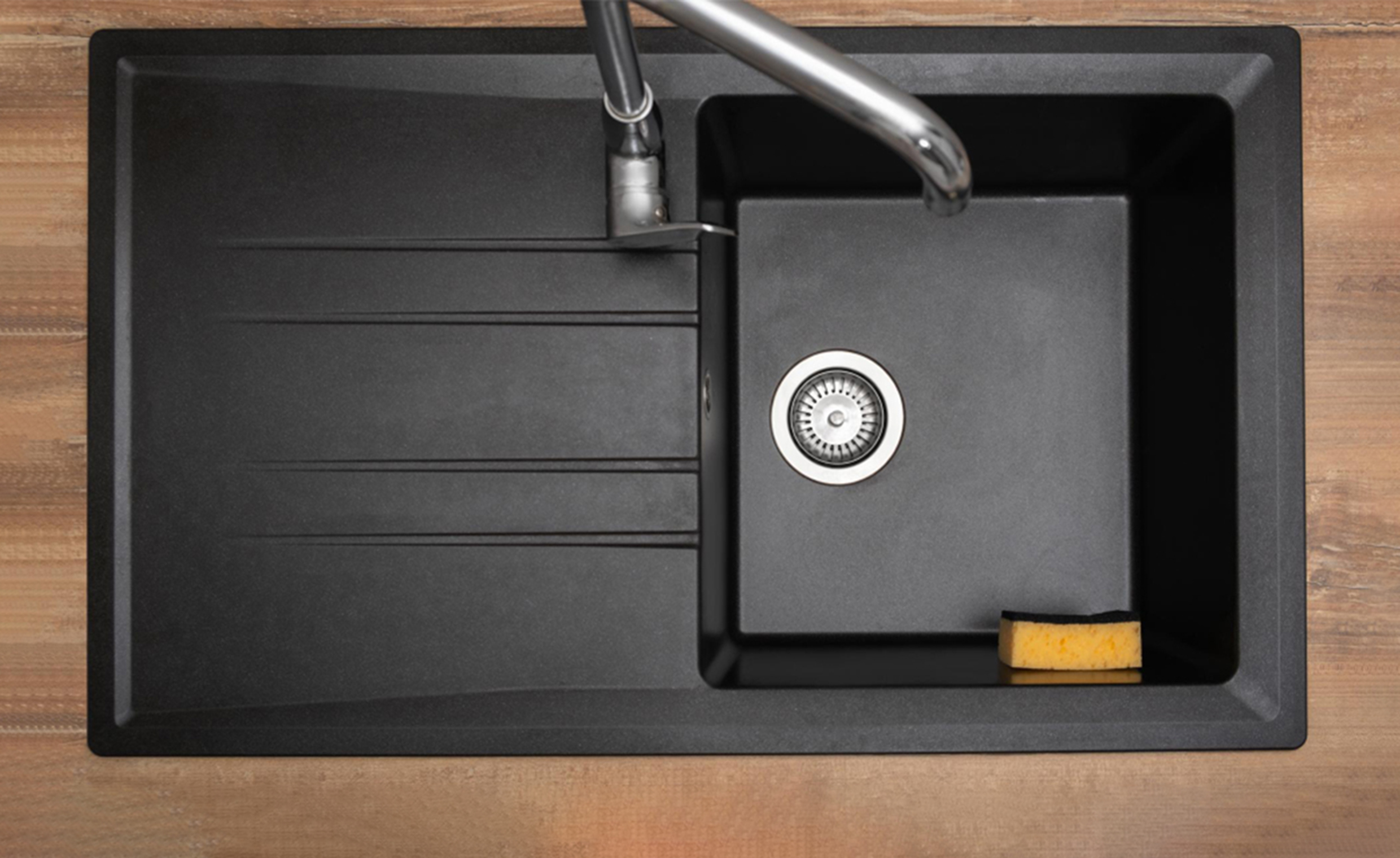
Granite kitchen sinks have a solid reputation for strength, long life, and timeless style. Homeowners choose them because they handle everyday use without losing their sleek look. Made from engineered granite composite and granite quartz stone, these sinks resist scratches, stains, and high heat better than many stainless steel or ceramic options. Modern designs, such as a granite stone kitchen sink with drainboard and a 41L capacity bowl sized at 480x430mm, pair practical function with strong structure. The overall 1000x500x200mm layout offers ample space for washing while an integrated drainboard boosts usability. With top-mount or under-mount installation and six color options, granite sinks combine durability with flexible design.
Why Are Granite Kitchen Sinks So Durable?
Granite Composite Material and Manufacturing Process
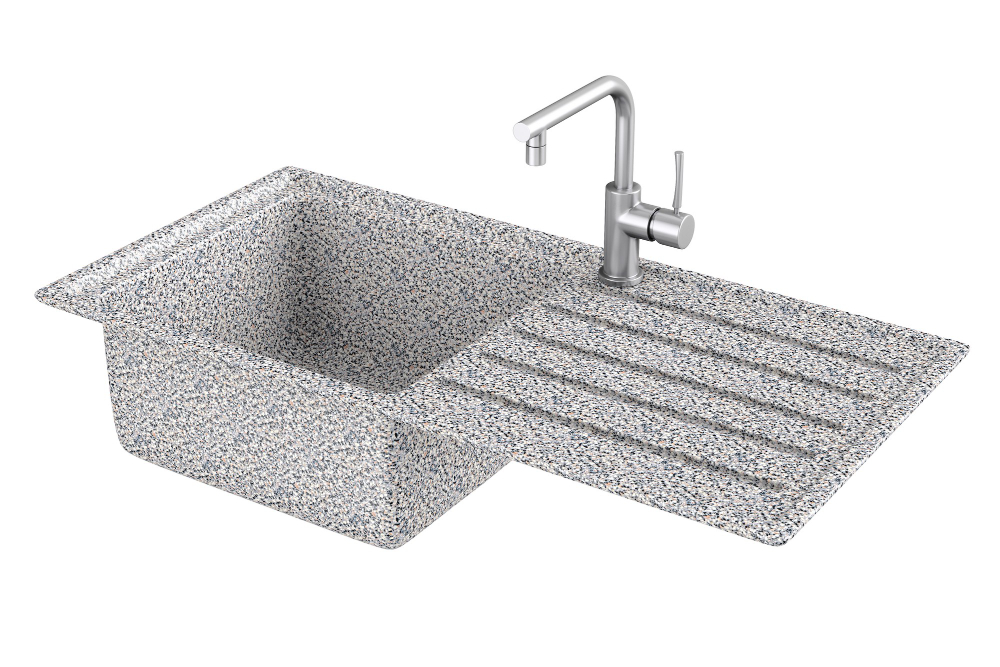
Granite kitchen sinks achieve their durability through a blend of natural stone and advanced engineering. Manufacturers typically use granite composite or granite quartz stone, mixing crushed granite with high-quality resins. This formula creates a dense, uniform material that maintains the strength of stone while reducing its brittleness. During production, the mixture goes into precision molds, forming consistent sink shapes and thicknesses. Controlled curing processes harden the material, locking in structural integrity and color. The result is a sturdy bowl and drainboard that resist daily wear. In products like a granite stone kitchen sink with a large 41L bowl and integrated drainboard, this engineered composition ensures the sink holds its form and performance for many years.
Resistance to Heat, Scratches, and Impact
Daily kitchen work involves hot pans, sharp knives, and heavy pots, so sink durability matters. Granite composite and granite quartz stone sinks offer strong resistance to heat, scratches, and impact. The dense structure helps these sinks tolerate hot cookware without scorching, warping, or discoloration under normal use. Their hard surface stands up well to minor knife contact and utensil friction, reducing visible scratching compared with softer materials. When you place heavy pots into a 41L capacity granite bowl, the material helps absorb and distribute impact, lowering the risk of cracks and chips. This makes a granite stone kitchen sink with drainboard ideal for busy homes where constant washing, stacking, and rinsing can quickly damage weaker sink materials.
Non-Porous Surface and Stain Resistance
Another key to granite sink durability is its non-porous or low-porosity surface. In composite granite and granite quartz stone, resins fill gaps between particles, leaving fewer tiny holes for liquids to enter. This structure helps block stains from coffee, wine, sauces, and oils that often penetrate porous materials. Because the sink resists absorption, it also reduces the growth of bacteria and mold, supporting a healthier kitchen. The smooth surface makes it easier to wipe away food residue before it dries. In a granite stone kitchen sink with 1000x500x200mm overall dimensions and an integrated drainboard, this stain resistance helps the sink stay fresh-looking and hygienic even with constant dishwashing and food prep.
Key Features That Enhance Granite Sink Durability
Thickness, Density, and Structural Strength
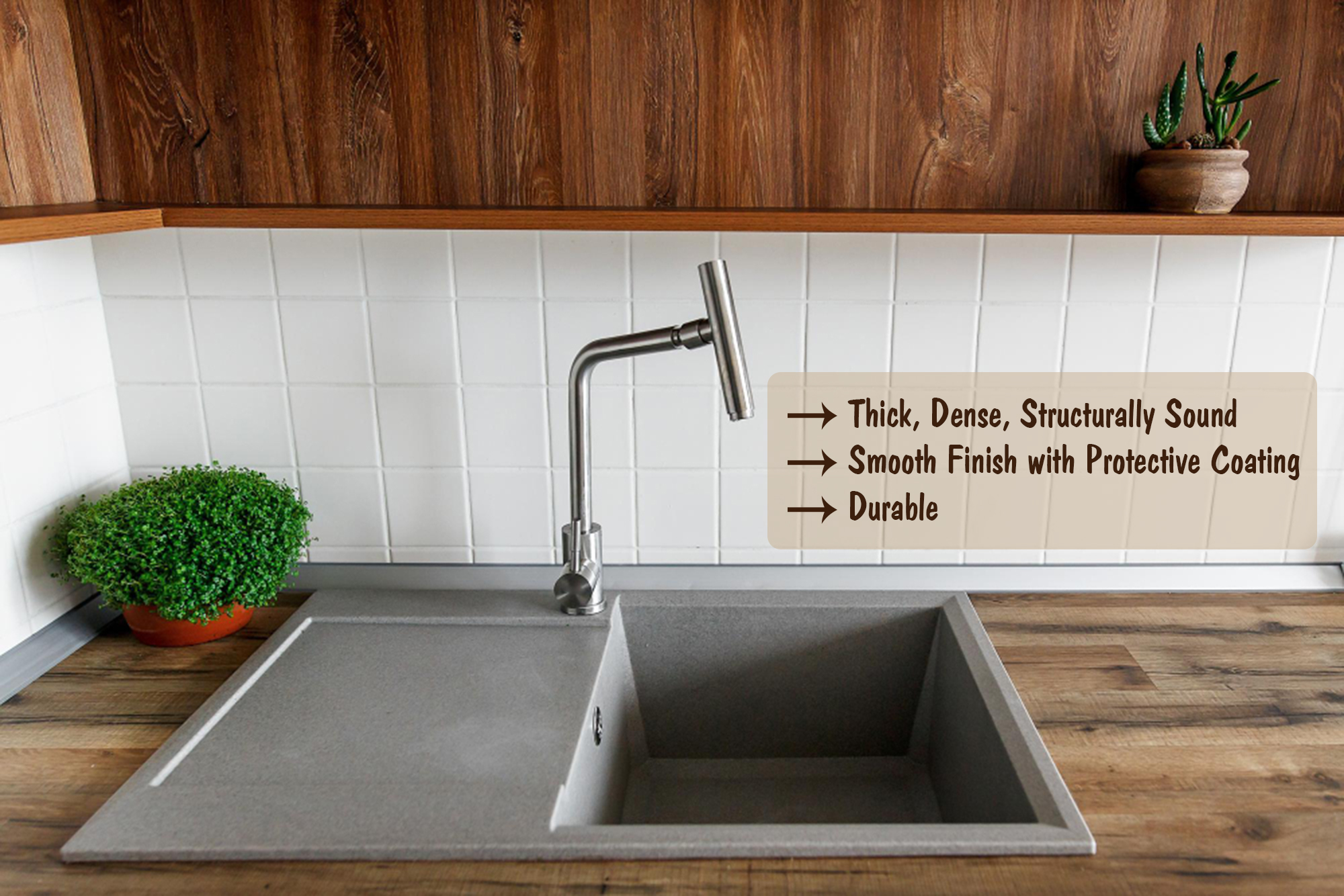
Granite sink durability depends heavily on thickness and density. A well-built granite stone kitchen sink uses generous wall thickness to support heavy loads and frequent use. The dense mix of granite and resin helps the material resist flexing or bowing when the bowl holds many dishes. For instance, a 41L capacity bowl sized at 480x430mm provides a robust washing area, especially when the overall sink dimensions reach 1000x500x200mm. This solid build supports full pots of water, stacks of plates, and large baking trays without strain. Structural strength also reduces the risk of cracks around key stress points, such as the drain opening, tap hole areas, and corners of the integrated drainboard.
Protective Coatings and Surface Finishes
Manufacturers often apply protective coatings or refine surface finishes to boost granite sink durability. These finishes smooth out micro-roughness, making the surface easier to clean and more resistant to marks. Some coatings help repel water and oils, allowing spills to bead rather than soak or cling. In a granite stone kitchen sink with drainboard, a well-finished surface helps food debris slide toward the drain, while the drainboard channels water efficiently. Surface treatments can also improve UV resistance, helping colored sinks maintain their tone over time. Whether you choose classic black, light grey, or one of six available colors, quality finishes protect the sink from fading, dulling, or uneven wear in busy kitchens.
Long-Term Performance in Busy Kitchens
Busy kitchens test sink durability every day. Granite composite and granite quartz stone sinks stand out because they maintain both function and appearance under heavy use. The 41L capacity bowl handles large loads, while the integrated drainboard supports frequent rinsing, drying, and food prep tasks. Top-mount or under-mount installation options allow secure fitting to different countertops, helping prevent movement or stress cracks. Over time, the dense, non-porous material resists common issues like surface pitting, dulling, or deep stains. Granite sinks also cope well with temperature changes from hot washing to cold rinsing. This reliable performance makes granite stone kitchen sinks a long-term investment for homeowners who cook and clean every day.
How to Maintain Durability Over Time?
Daily Cleaning and Care Best Practices
Regular care helps preserve the natural strength of granite kitchen sinks. Clean the sink each day with a soft cloth or sponge and mild dish soap. This simple habit removes food particles, oils, and soap film before they dry and stick. After washing, rinse thoroughly and wipe dry to reduce water spots and mineral buildup, especially on darker colors. Avoid harsh scouring pads or abrasive powders that can dull the finish. In a granite stone kitchen sink with integrated drainboard, clean both the 41L bowl and the drainboard grooves to keep water flowing freely. Use non-abrasive cleaners weekly for deeper cleaning, focusing on the area around the drain where grime often collects.
Preventing Damage from Heavy Use
Good habits can extend the life of even the strongest granite sink. Do not drop heavy pots or pans from a height into the bowl, as repeated hard impacts may stress the material over time. Use a protective sink grid or mat if you often wash cast iron or heavy cookware. Avoid placing extremely hot pots straight from the stove onto dry surfaces; let them cool slightly or rest them on a trivet, especially on the drainboard. Do not use harsh chemicals like paint removers or strong solvents in the sink. Rinse away bleach-based cleaners quickly. These steps help keep your granite stone kitchen sink stable, smooth, and crack-free for years.
Conclusion
The granite kitchen sinks deliver durability through smart engineering and strong materials. Granite composite and granite quartz stone, combined with thick walls, dense structure, and refined finishes, create sinks that resist heat, scratches, stains, and daily impacts. Designs such as a granite stone kitchen sink with a 41L capacity bowl, 1000x500x200mm overall dimensions, and an integrated drainboard offer generous space and practical function. The choice of top-mount or under-mount installation and six versatile colors ensures a tailored fit for many kitchen styles. With simple daily cleaning and careful handling of heavy cookware, homeowners can protect their investment. A well-maintained granite sink keeps performing reliably and looking elegant for many years.
Also Read: Various Types of Kitchen Sinks for Your House
FAQs on Granite Kitchen Sinks
1. Are granite sinks better than stainless steel sinks?
Yes, granite sinks are more scratch-resistant, quieter, and offer a premium look compared to stainless steel.
2. Do granite sinks crack easily?
No, they are highly durable, but extreme impact from heavy objects may cause damage over time.
3. Are granite sinks difficult to clean?
Not at all. They are low maintenance and can be cleaned with mild soap and water.
4. Can granite sinks handle hot utensils?
Yes, they are heat-resistant and can withstand hot pots under normal use.
5. Are granite sinks expensive?
They are slightly costlier than basic sinks but offer better durability and long-term value.
Author & Expert Review
Written By:  Nidhi Patel | Civil Engineer & Content Writer

| Credentials: B.E. (Mahatma Gandhi Institute of Technical Education and Research Centre), Registered with Gujarat Technological University (GTU). Experience: Civil Engineer with 3+ years of content writing experience, currently writing blogs for Gharpedia, part of SDCPL. Expertise: Specializing in SEO-optimized blogs and long-form articles focused on home improvement, construction, interiors and architect topics. I create well-researched, reader-focused content that balances technical accuracy with clarity, making complex subjects easy to understand. Find her on: LinkedIn |
Verified By Expert: Farhan Sheikh – Senior Manager – Architect, SDCPL | Associate Member – IIA

This article has been reviewed for architectural and interior design accuracy by Farhan Shaikh, Senior Manager – Architect at Sthapati Designers & Consultants Pvt. Ltd. As the lead for all architectural and interior projects at SDCPL and an Associate Member of the Indian Institute of Architects (IIA), he brings hands-on experience in architectural planning, interior design, project coordination, and sustainable strategies. His review ensures the content reflects practical design considerations, industry best practices, and real-world applicability across both architecture and interior spaces.
Find him on : Linkedin