






Table of Contents
Quick Summary
- Construction matters: Learn why panel thickness, steel gauge and overall build quality affect a garage door’s lifespan.
- Hardware counts: Explore the importance of rollers, hinges, brackets and tracks for smooth and reliable operation.
- Insulation helps: Understand how polyurethane insulation and effective weather seals improve comfort and protection.
- Choose wisely: Find out why manufacturers, warranties, parts availability and sourcing should influence your decision.
- Installation is crucial: See how proper track alignment, spring tension and opener adjustment affect performance.
- Regular care: Discover simple maintenance checks that can help extend the service life of a garage door.
Courtesy - Magnific
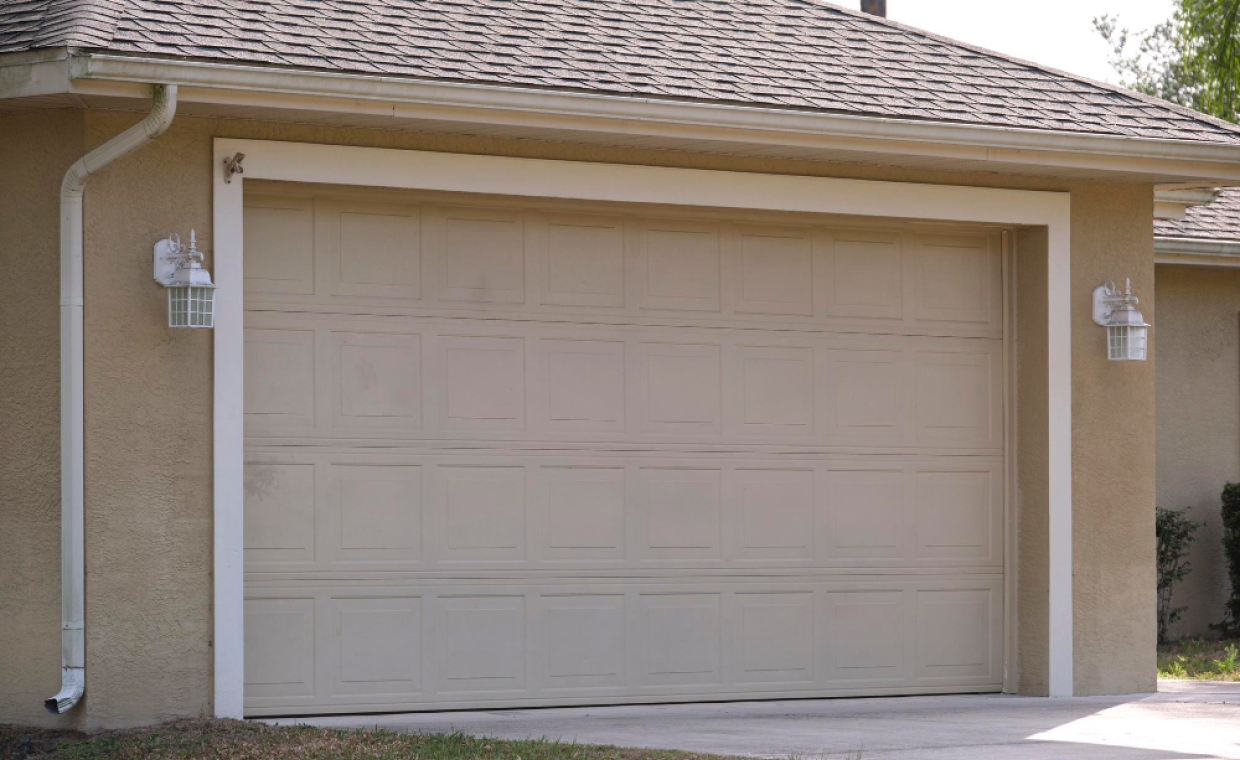
Two garage doors can look almost identical when displayed in a showroom, but one can dramatically outperform the other within a few short years. The difference normally comes down to construction. Construction is made up of materials, hardware, insulation and overall quality. The more you know about construction, the better equipped you will be to spend your money wisely and avoid making an unnecessary purchase to replace a door that shouldn’t have to be replaced.
Look Beyond the Surface
Most garage door buyers think about surface level characteristics like price, color and panel design. Those characteristics certainly play a part in your decision making, but they often don’t say much about longevity. A garage door is made up of many systems, and the weakest system will usually decide the threshold for when that door will start to cause you problems.
If you can, see a cross-section of the door. Seeing a cross-section will give you insight into the thickness of the skin, the type of insulation (if any), and how the door panels are reinforced. A door with a flimsy thin skin is easier to dent and flexes more with wind. A quality, well-constructed door stays more rigid and is oftentimes quieter.
Steel Gauge and Panel Construction
Courtesy - Magnific
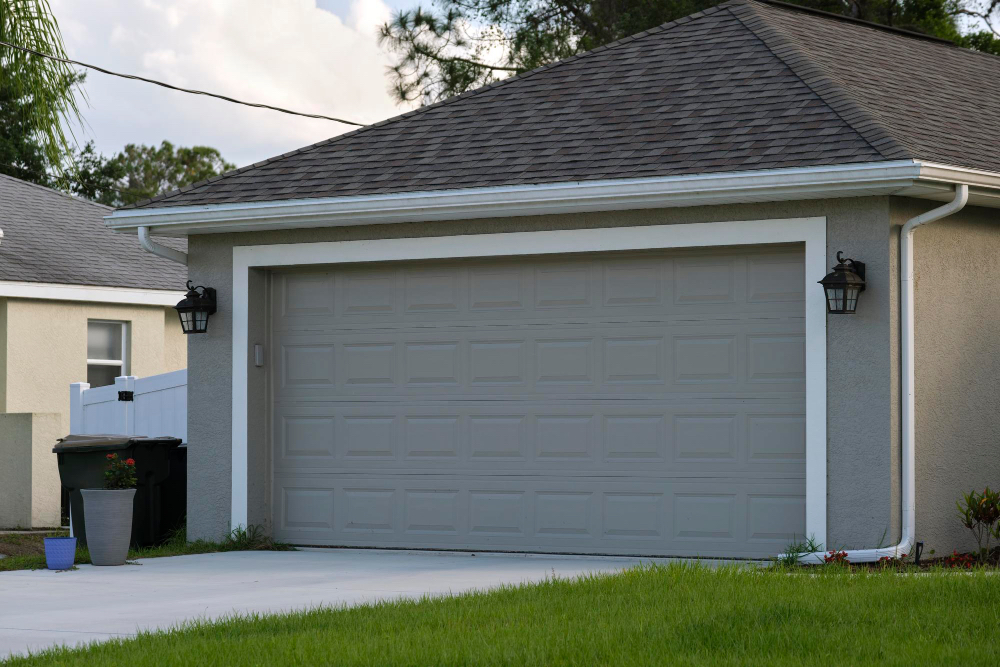
When talking about steel garage doors, the lower the gauge number, the thicker the steel. A 24-gauge door will usually be stronger and hold up against dents from things like a basketball or bike, better than a 29-gauge door.
Panel construction and design plays a large role as well. Sometimes the face of a panel is made up of two steel skins and a core of foam insulation. Oftentimes these panels are painted or coated with a baked-on finish, but a rust inhibiting paint will help if you live in a humid or coastal area and are exposed to road salt.
Hardware is Half the Story
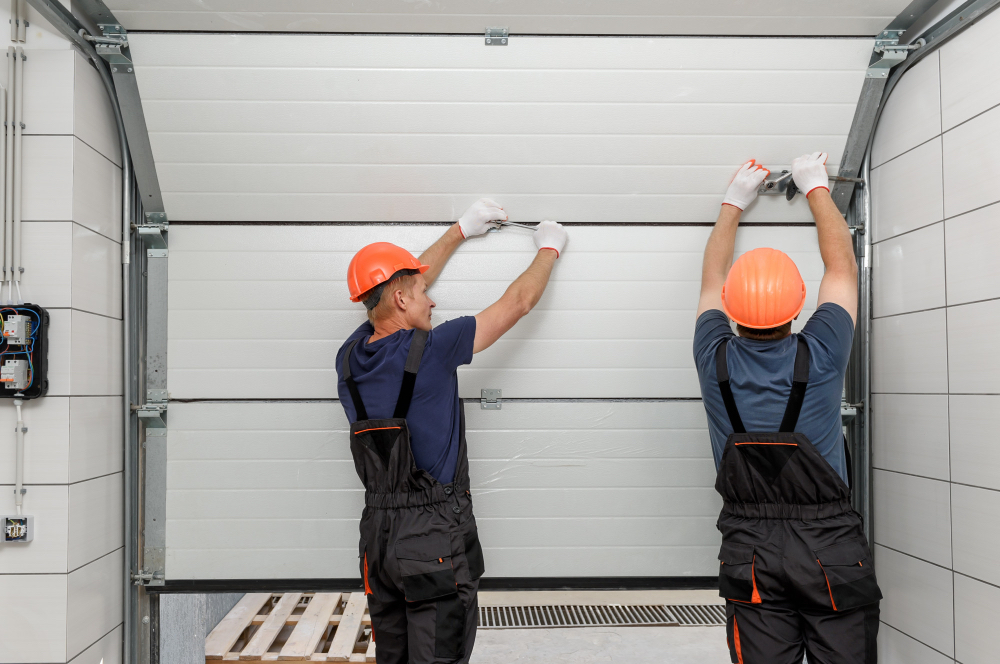
Since a garage door can open and close thousands of times in a year, it’s important that the hardware is up to the task. The important parts of a garage door are:
Rollers: A smoother, longer lasting balance of a door is accomplished with the use of torsion springs. When it comes to rollers, nylon rollers with sealed bearings do a better job at reducing wear and increasing noise.
Hinges and Brackets: Sagging is prevented by the use of a heavier gauge hinge.
Tracks: Rigid tracks eliminate binding and reduce door noise.
Hardware is important, and skimping on it is a false economy. Worn hardware leads to failures at the most inconvenient times.
Insulation and Weather Proofing
Courtesy - Magnific
Increased comfort and utility are benefits of an insulated garage door. Polyurethane insulation does a better job at reducing heat transfer than polystyrene.
In addition to insulation, the seals of a door play an important role at stopping drafts and pests. A door with insulation that retains a good seal is better than a door that has good insulation, but the seals are lacking.Seals should be checked and replaced if they are cracked or flat.
Why Brand and Sourcing Matter
All garage doors aren’t made equally. Look into the manufacturers behind the products to do research on quality control, part availability and warranty support. To ensure reliable performance, look into the high-end garage door products manufactured by premium garage door products. These companies will publish data about their products, stand by their work with reasonable warranties.
Compare warranties carefully. The best terms cover panels, finish, hardware and often labor and length of coverage varies. Some warranties have lengthy coverage terms, but narrow coverage, so read the details carefully.
Understanding Who Builds the Door
Courtesy - Magnific
Also important is understanding a door’s origin. A reputable garage door manufacturer who produces their own materials, testing, and production generally leads to more consistent quality and easier access to replacement parts in the future. This is important to note because an unavailable or hard-to-find component can make a minor repair a complete replacement.
Ask your installer who manufactures the door, how long parts will be available, and if the company provides any support after the sale.
Installation Makes or Breaks Performance
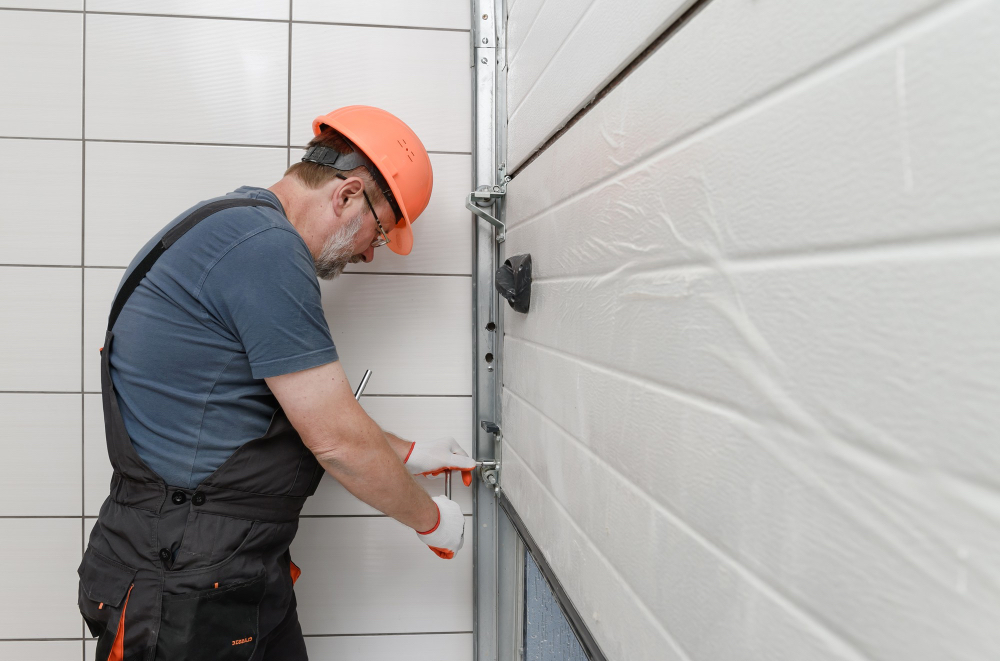
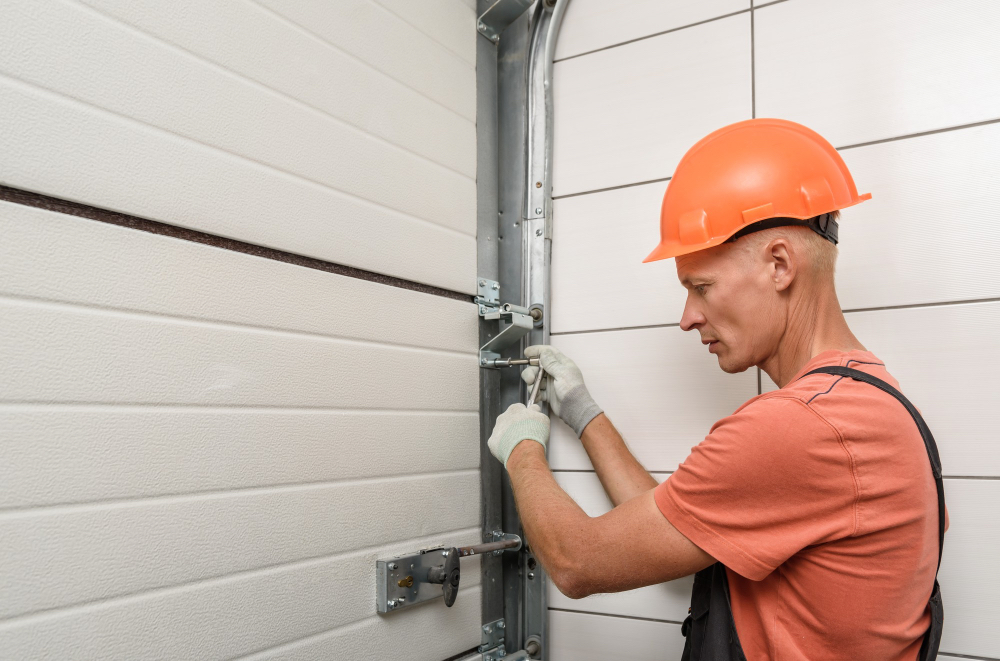
Even the best garage door can perform poorly with bad installation. Many factors play a role including level and plumb tracks, springs with the right tension and a properly adjusted garage door opener. Choose an installer with a lot of experience and written quotes. You should have clear after-sales service. Avoid anyone that pressures you to make an immediate decision.
Maintenance Protects Your Investment
Courtesy - Magnific
You need to maintain your investment, even the highest quality garage door. Listen for, and check for, issues with the operation of the door each month. Once or twice a year you should lubricate the rollers, hinges and springs of the garage door. Test the safety reversing feature of the garage door. Clean the tracks. Leave spring and cable work to trained professionals as these can be very dangerous.
Conclusion
A good garage door adds to the curb appeal of your home and keeps your family safe and comfortable. Look beyond appearance and cost to judge a garage door. The thickness of the steel, hardware, insulation and the warranties play a role as well. The company that manufactures and installs the door should also be taken into consideration. A little extra effort in judgment when buying the door can save you time and hassle down the road.
Also Read: Why Is Your Garage So Hot
FAQs – Garage Door Quality
1. What makes a garage door durable?
A durable garage door combines strong panel construction, quality hardware, effective insulation, reliable seals and professional installation.
2. Is a lower steel gauge better for a garage door?
Yes. A lower gauge generally indicates thicker steel. For example, 24-gauge steel is typically thicker and more resistant to dents than 29-gauge steel.
3. Is polyurethane insulation better than polystyrene?
Polyurethane generally provides better insulation and reduces heat transfer more effectively than polystyrene, making it a useful choice for an insulated garage door.
4. How often should a garage door be maintained?
Basic checks should be carried out monthly, while rollers, hinges and springs can generally be lubricated once or twice a year. Spring and cable work should be handled by trained professionals.
5. Does professional installation affect garage door lifespan?
Yes. Incorrect track alignment, spring tension or opener adjustment can cause premature wear and affect the door’s safety and performance.
Courtesy - Featured Image(Magnific)
Author & Expert Review
Written By:  Gaurav Mishra | Civil Engineer & Content Writer

| Credentials: B.E. (Mahavir Swami College, Surat), Registered with Bhagwan Mahavir University (BMU). Experience: Civil Engineer with 5+ years of content writing experience, currently writing impactful articles for Gharpedia, part of SDCPL. Expertise: Specializes in writing well-researched content on residential construction, construction materials, design planning, on-site practices, and safety, blending technical accuracy with everyday clarity. Find him on: LinkedIn |
Verified By Expert: Farhan Shaikh – Senior Manager – Architect, SDCPL | Associate Member – IIA

This article has been reviewed for architectural and interior design accuracy by Farhan Shaikh, Senior Manager – Architect at Sthapati Designers & Consultants Pvt. Ltd. As the lead for all architectural and interior projects at SDCPL and an Associate Member of the Indian Institute of Architects (IIA), he brings hands-on experience in architectural planning, interior design, project coordination, and sustainable strategies. His review ensures the content reflects practical design considerations, industry best practices, and real-world applicability across both architecture and interior spaces.
Find him on : LinkedIn