






Table of Contents
Quick Summary
- Choosing the right flooring depends on each room’s function, foot traffic, moisture exposure, and maintenance needs.
- Hardwood, laminate, and luxury vinyl are excellent choices for living rooms due to their durability and aesthetic appeal.
- Bedrooms benefit from comfortable flooring options such as carpet, engineered wood, or cork for added warmth and sound insulation.
- Kitchens, bathrooms, and entryways require water-resistant and durable materials like porcelain tile, vinyl, or natural stone to withstand daily wear.
- Before making a decision, consider your lifestyle, climate, budget, maintenance preferences, and long-term durability to select flooring that balances style with performance.
Courtesy - Magnific
Flooring is one of those things you don’t think about much until you’re standing in a showroom faced with a hundred samples that all sort of look the same. But it’s actually one of the bigger decisions you’ll make in a home – it shapes how a room looks, how it feels underfoot, how much upkeep you’re signing up for, and honestly, how safe certain rooms are. Floors take a beating every single day, so picking the right material for the right room matters more than people usually expect going in.
The tricky part is that no single flooring works everywhere. Something that’s perfect for a bedroom can be a bad call in a kitchen or bathroom. Once you understand what each material is actually good at – and where it falls short – the decision gets a lot easier.
Start With How the Room Is Actually Used

Courtesy - Magnific
Before you fall in love with a look, think about what the room has to deal with day to day. Living rooms, hallways, and entryways see constant foot traffic, so they need something that can take a beating. Bedrooms are the opposite – comfort matters more there than sheer toughness.
Then there’s moisture. Kitchens, bathrooms, and laundry rooms all deal with water regularly, so flooring in those spaces has to handle that without warping, staining, or breaking down. Picking based on looks alone in these rooms is how you end up redoing the floor a few years later.
Living Rooms and Family Spaces
Courtesy - Magnific
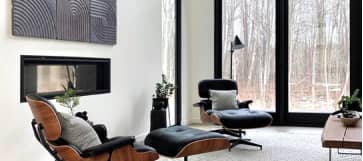
This is usually the room where everyone gathers, so the flooring needs to hold up while still looking good.
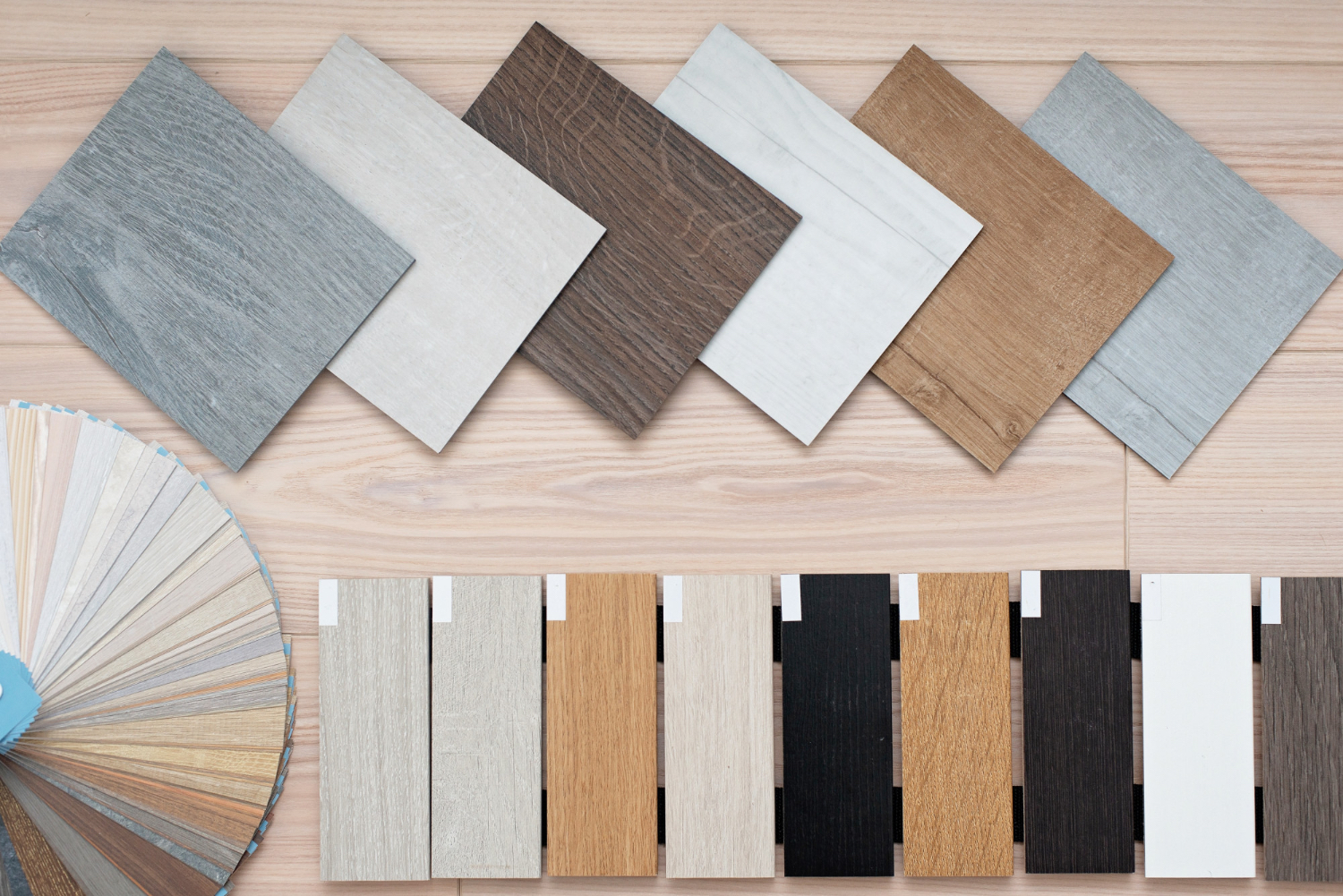
Hardwood is still the classic choice, and for good reason – it ages well, adds real warmth to a space, and tends to boost a home’s value. The tradeoff is that it needs regular care and doesn’t love being exposed to a lot of moisture.
Laminate is the more budget-friendly cousin – it can mimic wood or stone convincingly without the price tag or the maintenance headaches. There’s also a lot more variety in styles these days than laminate used to have a reputation for.
Luxury vinyl has become a favorite for busy households. It’s tough, handles water well, and does a surprisingly good job imitating natural materials – which makes it a solid pick if you want something low-maintenance that still looks good.
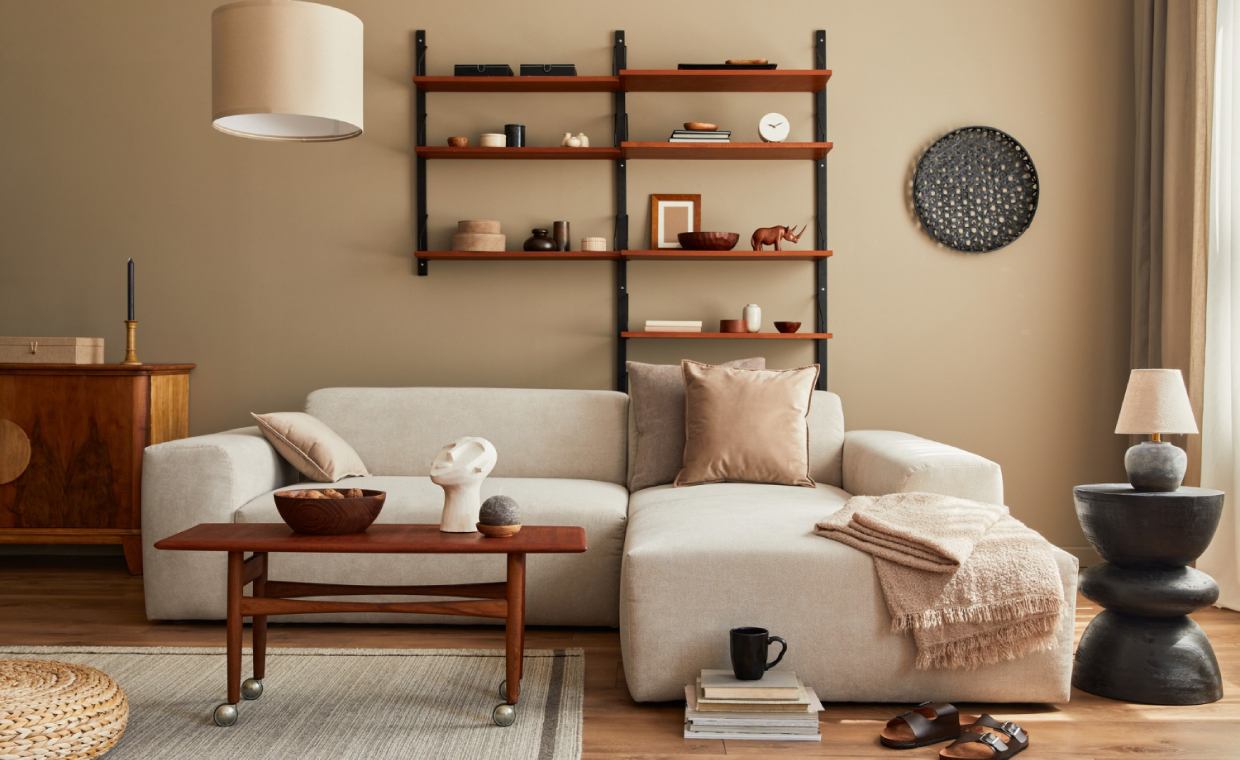
Once the floor is settled, the furniture on top of it matters just as much for pulling the room together. A wood sofa sits particularly well against hardwood or laminate – the shared warmth in tone keeps the space from feeling mismatched, and it tends to age alongside the floor rather than fighting with it.
Bedrooms
Courtesy - Magnific
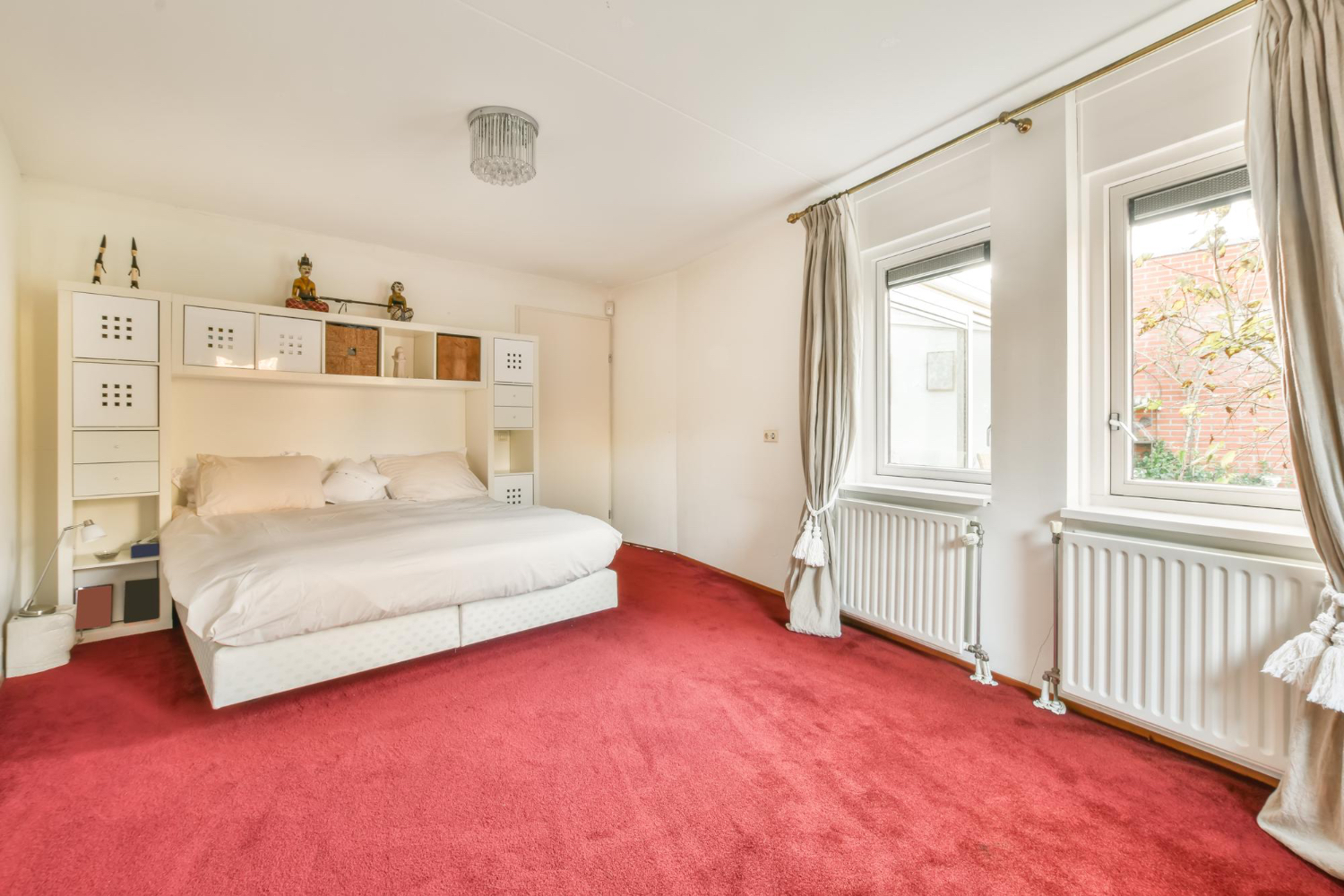
Bedrooms are about comfort first. You want something soft to land on when you get out of bed, not something that feels cold and hard.
Carpet is the traditional pick here – it’s soft, it insulates, and it muffles sound, which makes a bedroom feel cozier, especially somewhere colder. The downside is it needs more regular cleaning and isn’t the best fit if you’d rather avoid high-maintenance surfaces.
Wood can also work well in bedrooms, especially paired with a rug to soften things up.
Engineered wood is often the more practical version – similar look, better stability.
Cork is worth considering too if you’re leaning eco-friendly. It’s naturally soft, absorbs sound, and stays warm underfoot in a way tile never will.
Kitchens
Courtesy - Magnific
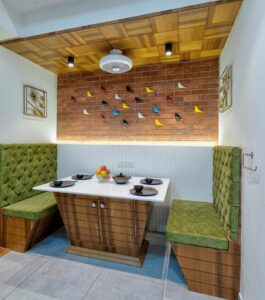
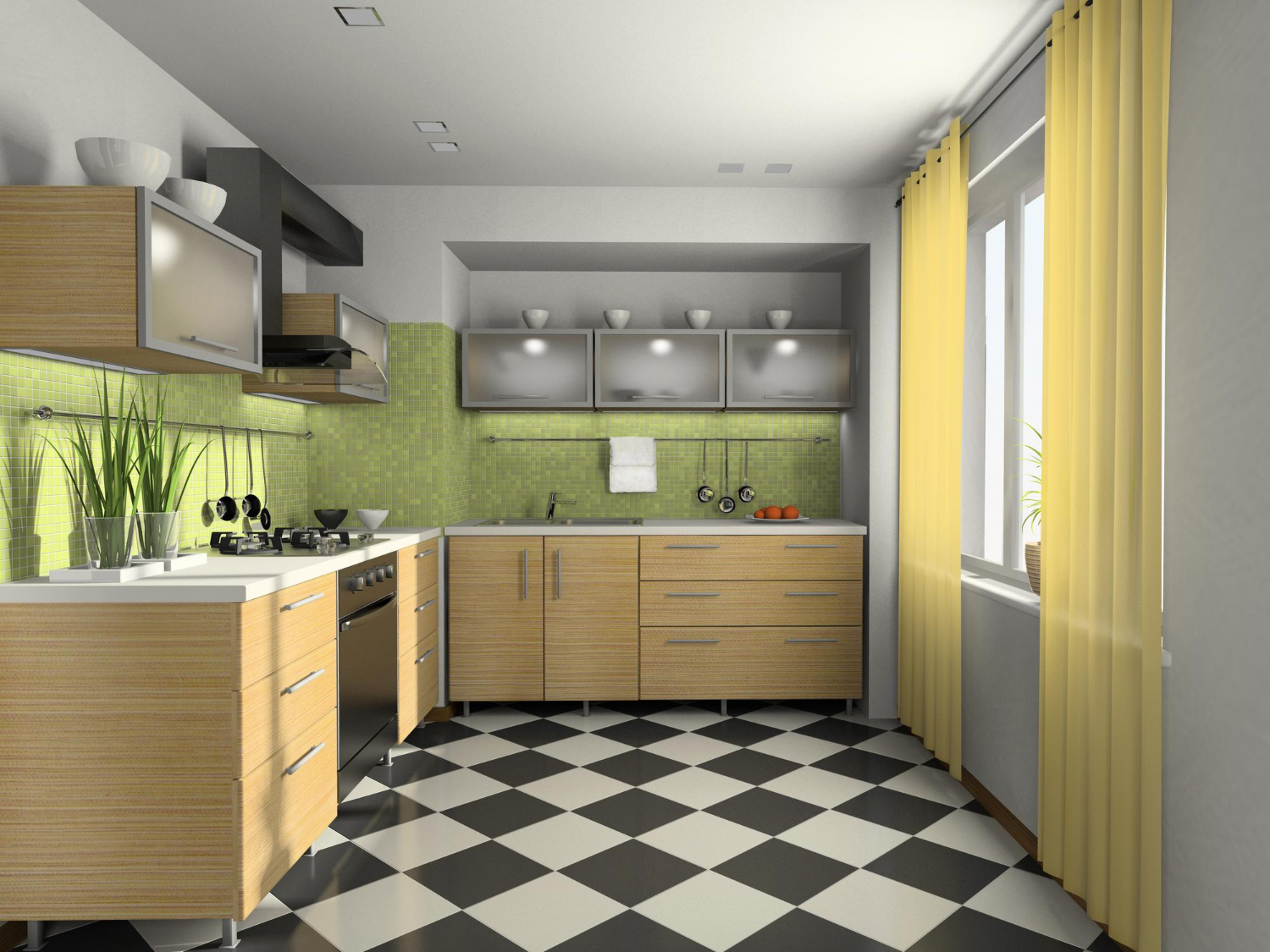
Kitchens take a lot of abuse – spills, stains, constant foot traffic, and cleaning. Durability and water resistance aren’t optional here.
Porcelain and ceramic tile are the go-to choices for a reason: they’re tough, easy to clean, and come in more colors and patterns than you’ll ever need. The tradeoff is that tile can feel hard and cold underfoot, so a rug or mat near the sink or stove goes a long way.
Vinyl holds up well against moisture and is a lot gentler on your feet than tile, which matters if you spend a lot of time standing while cooking. Good-quality vinyl handles daily kitchen chaos without asking much in return.
Natural stone looks incredible, but it comes with more upkeep – sealing and regular care are part of the deal if you want it to stay that way.
Bathrooms
Courtesy - Magnific
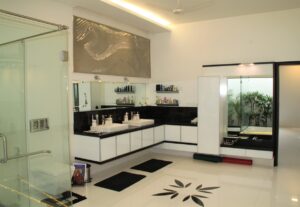
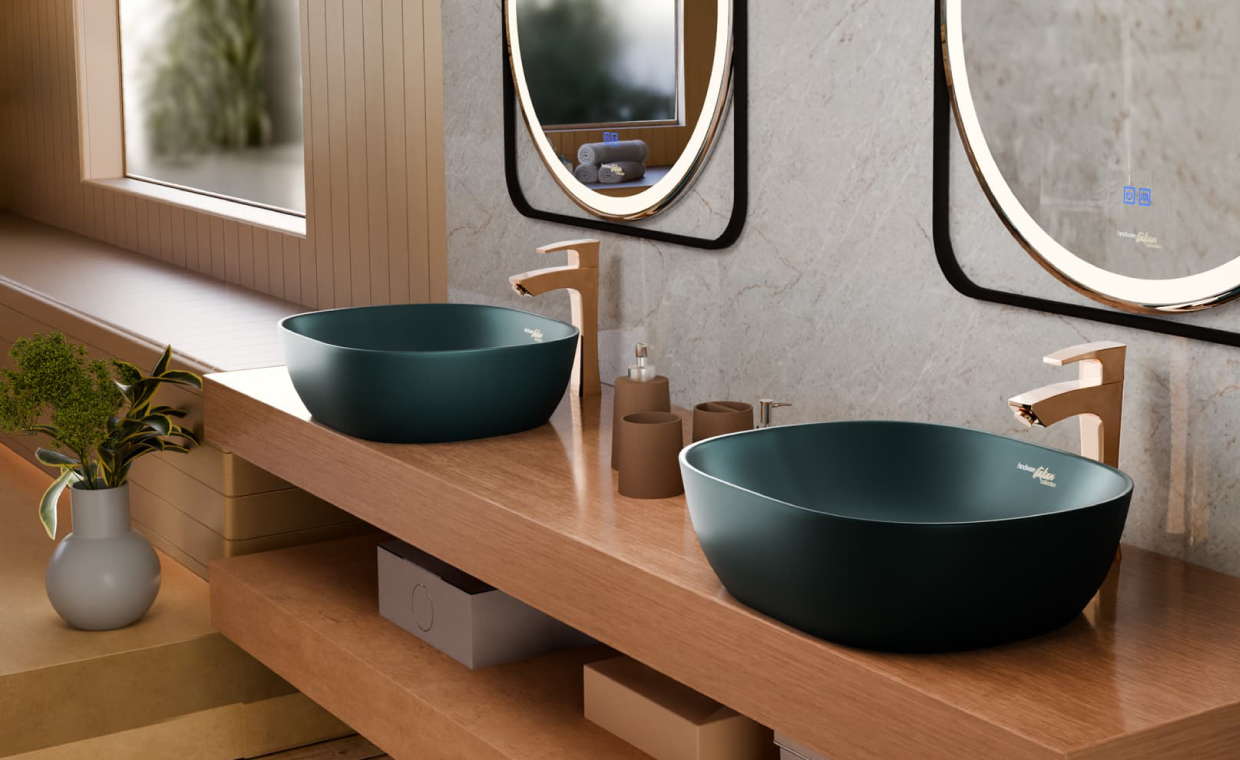
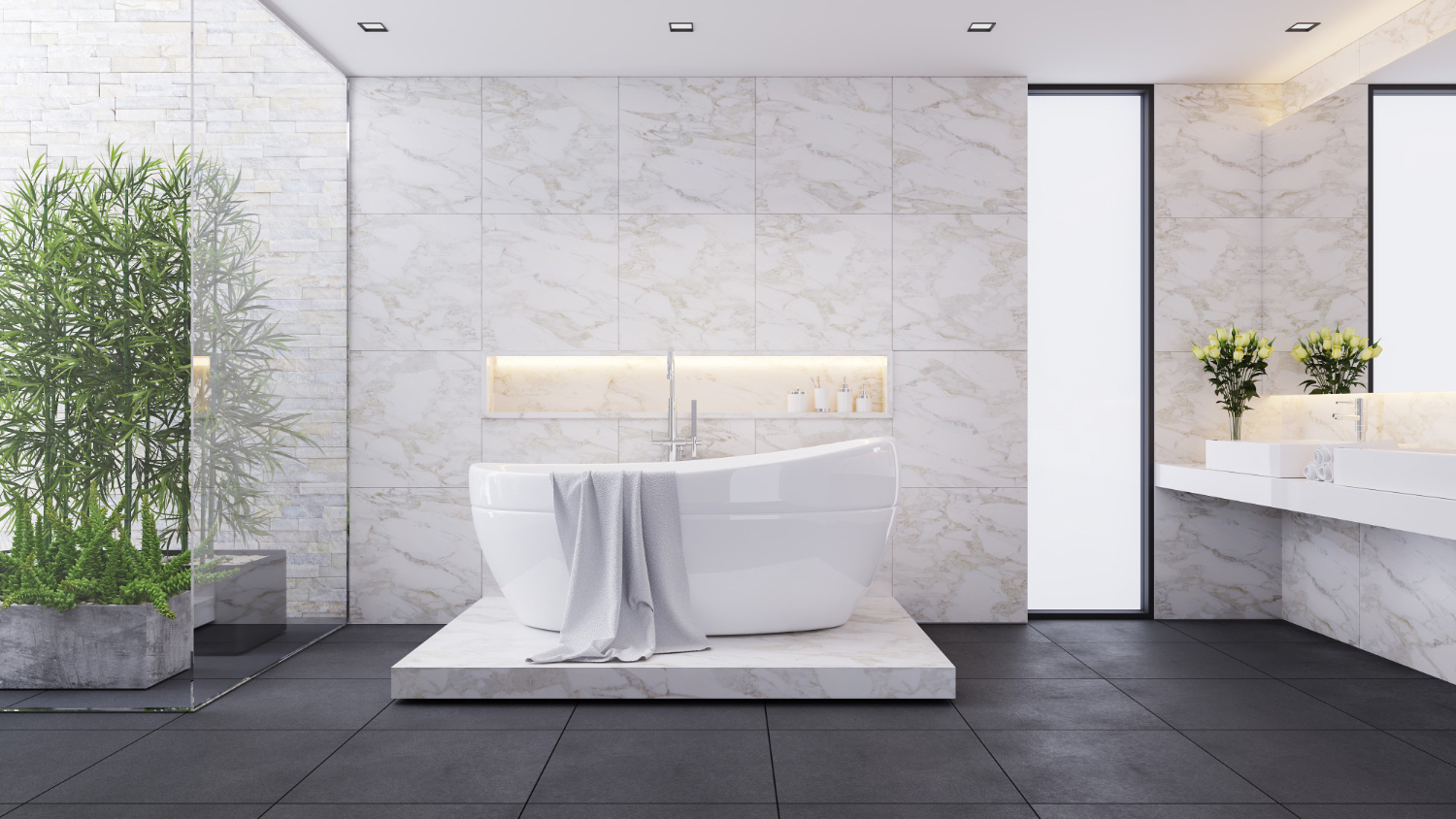
Water resistance is really the only thing that matters here. Everything else is secondary.
Porcelain tile is the standard for a reason – it barely absorbs water and holds up over time. If you can find a textured or slip-resistant version, that’s worth the extra safety, especially in a wet bathroom.
Vinyl is another solid, practical pick – waterproof, comfortable underfoot, and able to mimic stone or tile without the maintenance those materials demand.
Anything highly absorbent or hard to seal properly is worth avoiding in a bathroom – that’s usually where moisture problems start.
Entryways and Hallways
Courtesy - Magnific
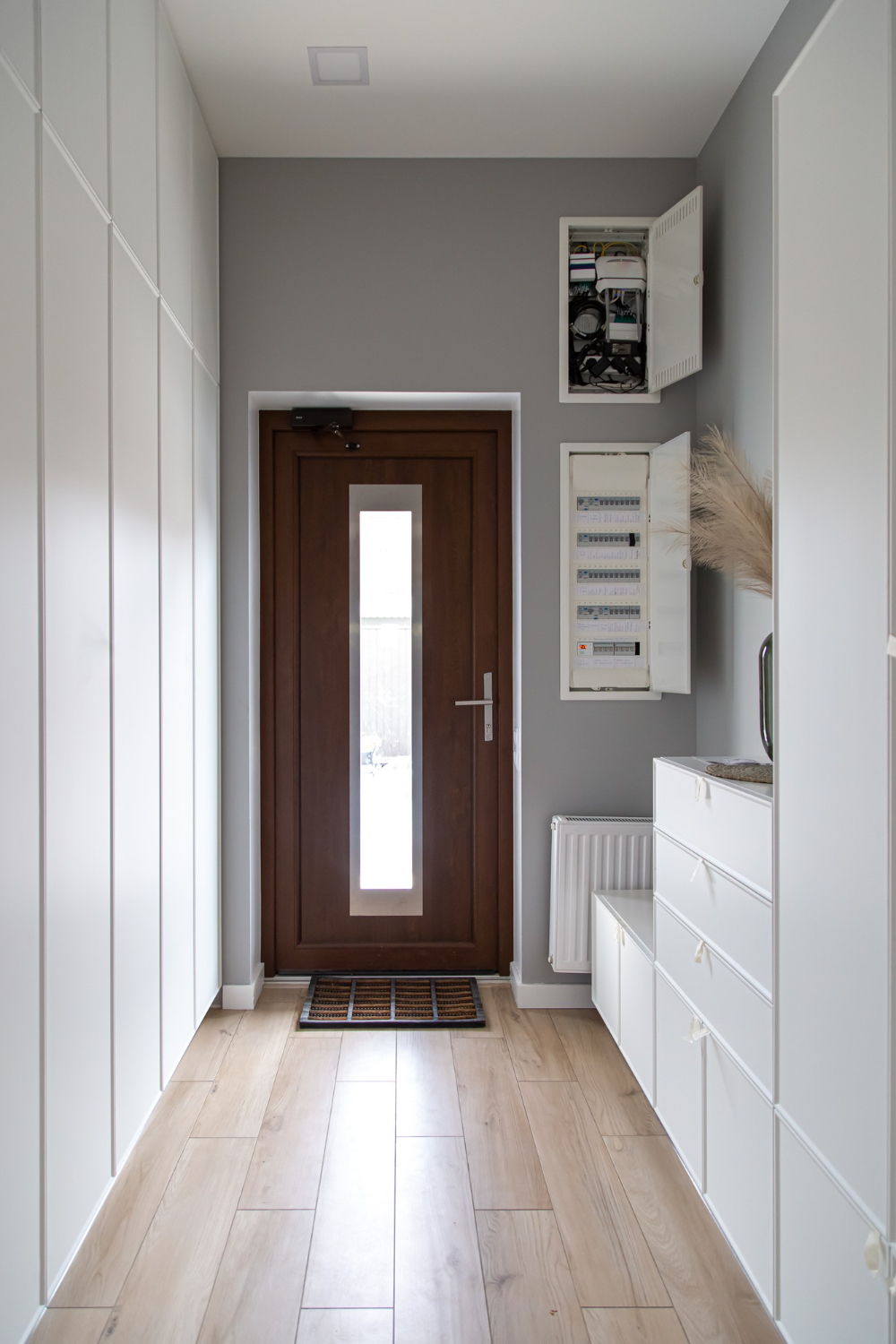
These spots get hit with more foot traffic than almost anywhere else in the house, plus dirt and moisture tracked in from outside. Durability has to come first.
Tile, stone, laminate, and tougher vinyl options all tend to work well here since they’re built to handle heavy use and clean up easily. Something scratch-resistant will keep the floor looking decent even after years of shoes, bags, and everything else coming through the door. A well-chosen entryway floor also does double duty – it sets the tone the moment someone walks in, and it protects the rest of your home from whatever gets tracked inside.
Other Things Worth Factoring In
Room function is the starting point, but it’s not the whole picture. Your climate, lifestyle, household size, pets, how much maintenance you’re actually willing to do, and your budget all shape the right choice too.
Got kids or pets? Scratch-resistant, easy-to-clean materials will save you a lot of frustration. Planning to stay in the home long-term? It might make sense to spend more upfront on something more durable.
Installation matters too – some flooring goes down fast with minimal fuss, while other options need a professional and more prep work than you’d expect.
Don’t Let Looks Win Every Argument
Flooring is a big part of how a room comes together – the color, texture, and pattern all need to work with your furniture, walls, and lighting. A rich hardwood floor paired with something like a wood sofa can make a living room feel intentional rather than thrown together, since the tones play off each other instead of competing. But looks shouldn’t be the only thing driving the decision. A gorgeous floor that’s a nightmare to maintain, or that just doesn’t hold up in a particular room, gets old fast.
The best choice is really the one that looks good and performs well for the room it’s in – not one or the other.
Bottom Line
There’s no universal “best” flooring – just the right material for the right room. Living areas can lean into style without sacrificing durability, bedrooms should prioritize comfort, and anywhere moisture shows up needs something genuinely water-resistant.
Think through how each room gets used, how much upkeep you’re realistically willing to do, and what fits your lifestyle and budget – and the decision gets a lot less overwhelming. Get it right, and you end up with floors that look good and actually hold up, room after room, year after year.
Also Read: A Comprehensive Guide to Flooring Options for Commercial Spaces
FAQs on How to Choose the Right Flooring for Every Room
1. Which flooring is best for a living room?
Hardwood, laminate, and luxury vinyl are excellent options because they offer durability, attractive finishes, and suit high-traffic family spaces.
2. What type of flooring works best in bathrooms?
Porcelain tile and waterproof vinyl are ideal for bathrooms because they resist moisture, are easy to maintain, and provide long-lasting performance.
3. What should I consider before choosing flooring?
Evaluate room usage, foot traffic, moisture levels, maintenance requirements, budget, household size, pets, and climate before selecting a flooring material.
4. Is carpet a good flooring option for bedrooms?
Yes. Carpet provides warmth, comfort, and sound insulation, making it a popular choice for bedrooms, although it requires regular cleaning.
5. Can one flooring material be used throughout the house?
The article recommends choosing flooring based on each room’s specific needs rather than using one material everywhere, as moisture levels, traffic, and comfort requirements vary.
Courtesy – Featured Image(Magnific)
Author & Expert Review
Written By:  Nidhi Patel | Civil Engineer & Content Writer

| Credentials: B.E. (Mahatma Gandhi Institute of Technical Education and Research Centre), Registered with Gujarat Technological University (GTU). Experience: Civil Engineer with 3+ years of content writing experience, currently writing blogs for Gharpedia, part of SDCPL. Expertise: Specializing in SEO-optimized blogs and long-form articles focused on home improvement, construction, interiors and architect topics. I create well-researched, reader-focused content that balances technical accuracy with clarity, making complex subjects easy to understand. Find her on: LinkedIn |
Verified By Expert: Farhan Shaikh – Senior Manager – Architect, SDCPL | Associate Member – IIA

This article has been reviewed for architectural and interior design accuracy by Farhan Shaikh, Senior Manager – Architect at Sthapati Designers & Consultants Pvt. Ltd. As the lead for all architectural and interior projects at SDCPL and an Associate Member of the Indian Institute of Architects (IIA), he brings hands-on experience in architectural planning, interior design, project coordination, and sustainable strategies. His review ensures the content reflects practical design considerations, industry best practices, and real-world applicability across both architecture and interior spaces.
Find him on : Linkedin