





Table of Contents
Quick Summary
- Regular maintenance helps extend your water heater’s lifespan.
- Annual flushing removes sediment buildup and improves efficiency.
- Setting the temperature around 120°F reduces wear and energy consumption.
- Testing the relief valve ensures safe pressure regulation.
- Inspecting the anode rod helps prevent internal corrosion.
- Fixing small leaks early avoids costly repairs and water damage.
- Keeping the surrounding area clear improves safety and accessibility.
- Water softening strategies reduce mineral scale buildup.
- Replacing worn components prevents performance issues.
- Monitoring changes in heating performance helps identify problems before they worsen.
A water heater usually fades into the background until showers turn cool, recovery slows, or rust stains appear. Most systems last longer when routine care limits scale, heat stress, and internal corrosion. Service life depends less on luck than on a few steady habits repeated over time. Simple checks, cleaner operation, and prompt attention to early warning signs can help a unit stay safe, efficient, and reliable for many additional years.
Know the Local Water

Southern California water often carries enough dissolved minerals to leave scale inside tanks and on heating surfaces. That residue thickens with time, raising fuel use and slowing recovery. First, many households notice popping sounds, cloudy hot water, or weaker output before seeking water heater repair San Diego, because local hardness can quietly shorten equipment life long before a leak becomes visible.
Flush Sediment Yearly
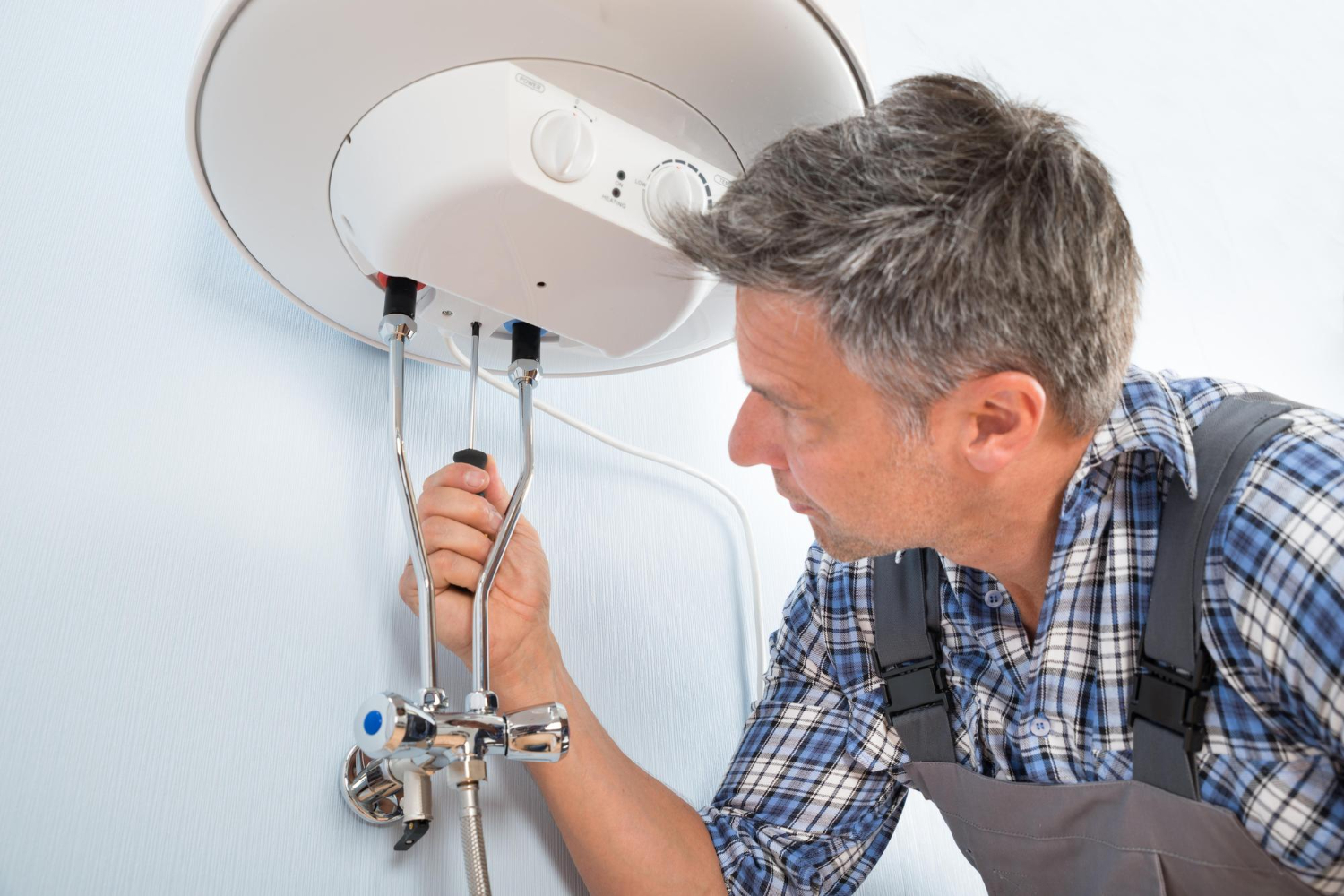
Sediment settles at the bottom of the tank and forms an insulating layer over the heat source. As that layer grows, the burner or element must run longer to reach the same temperature. A yearly flush removes much of this buildup before it hardens. That basic step often reduces rumbling, supports steadier heating, and lowers thermal strain on metal parts exposed to mineral deposits.
Lower the Temperature
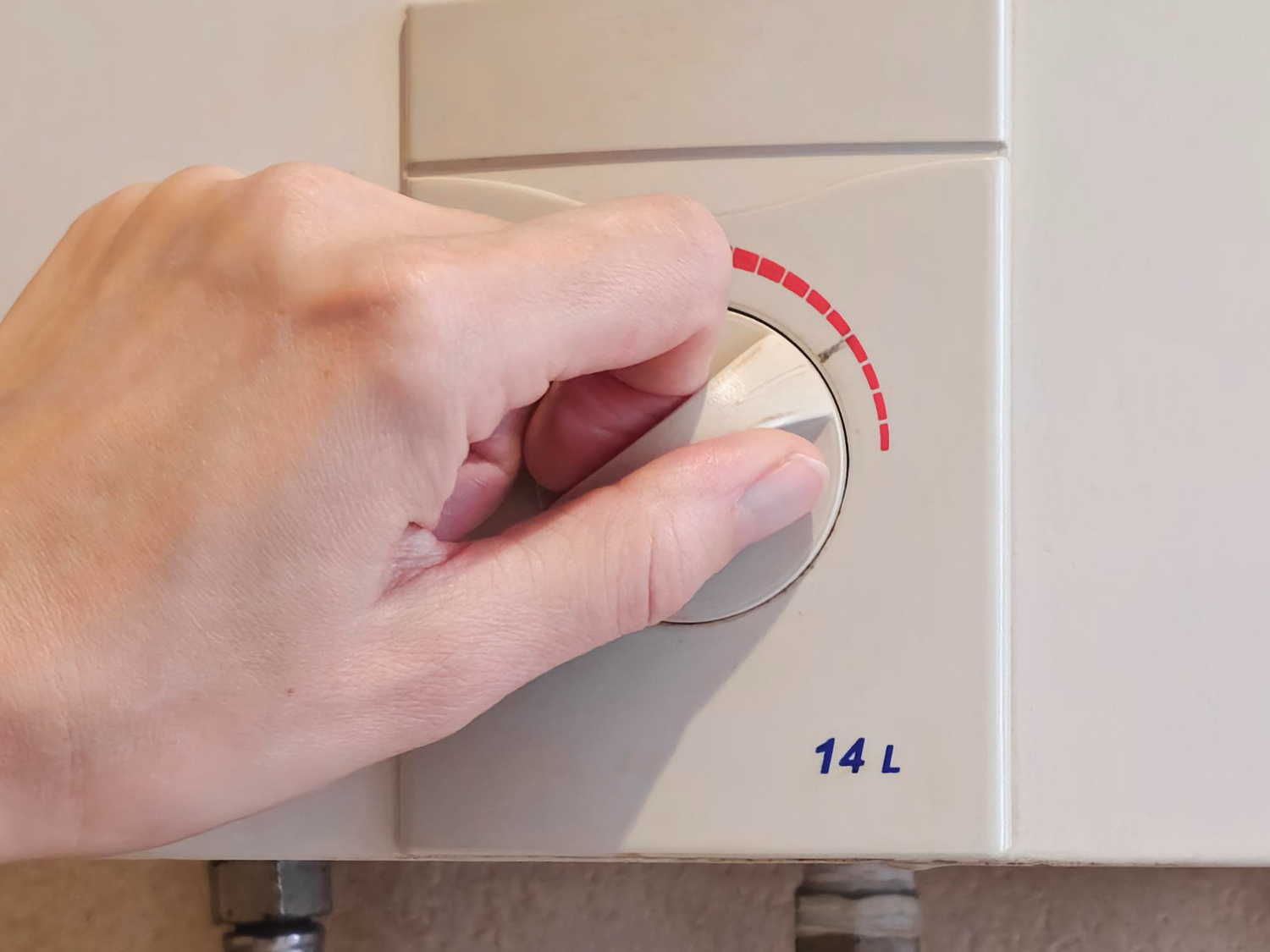
Excess heat accelerates wear inside any storage tank. Higher settings encourage mineral precipitation, increase pressure swings, and place extra stress on seals. Many homes function well at 120 degrees Fahrenheit, which balances comfort with safer operation. That setting may also reduce scald risk and cut energy use. Over months, lower temperatures can slow deterioration across fittings, valves, and internal surfaces touched by hot water.
Test the Relief Valve
The temperature and pressure relief valve acts as a safety control when pressure rises beyond normal limits. If it sticks closed, the tank loses an important safeguard. Constant dripping can also signal trouble elsewhere in the system. A careful test helps confirm that the valve opens and reseats as expected. Catching a faulty part early can prevent hidden pressure stress from weakening the tank wall.
Inspect the Anode Rod
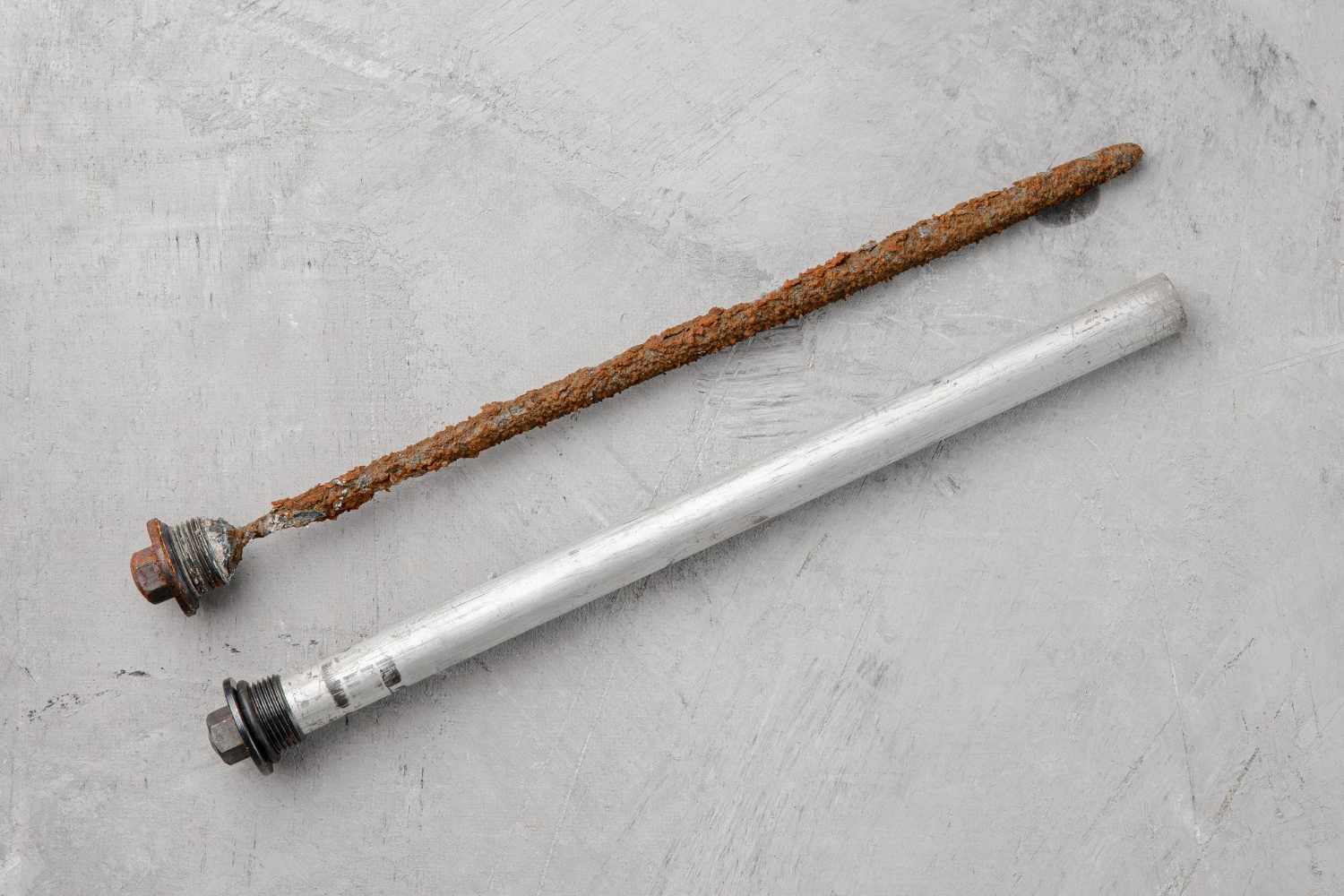
An anode rod protects the steel tank by attracting corrosive activity before the shell is attacked. Once that sacrificial metal is mostly consumed, rust can begin working on the tank itself. Many owners overlook this part for years, even though its condition strongly affects lifespan. Checking the rod every few years, then replacing it when depleted, can add meaningful time to the unit’s service life.
Watch for Small Leaks
A minor drip often signals a larger problem developing behind the surface. Moisture around fittings, supply lines, or the drain valve may reflect loose joints, worn seals, or pressure imbalance. Dampness also feeds corrosion and can damage nearby flooring or walls. Early repair matters because water intrusion rarely stays contained. Quick action may prevent waste, reduce structural harm, and preserve stable system performance.
Keep the Area Clear
Clutter around a water heater can interfere with both safety and maintenance. Stored items may block airflow, hide seepage, or make routine inspection less likely. Gas units need open space for proper combustion and venting conditions. Easier access also helps technicians spot wear before failure occurs. A clear utility area supports safer operation and improves the chances that small changes will be noticed promptly.
Add a Water Softening Strategy
Persistent hardness calls for more than occasional flushing. A softening or filtration approach can reduce the mineral load entering the heater each day. The best option depends on local water chemistry, plumbing layout, and household demand. Less scale inside the tank improves heat transfer and lowers internal stress. Faucets, showerheads, and other fixtures may also benefit, which makes mineral control a practical long-term measure.
Replace Aging Parts Promptly
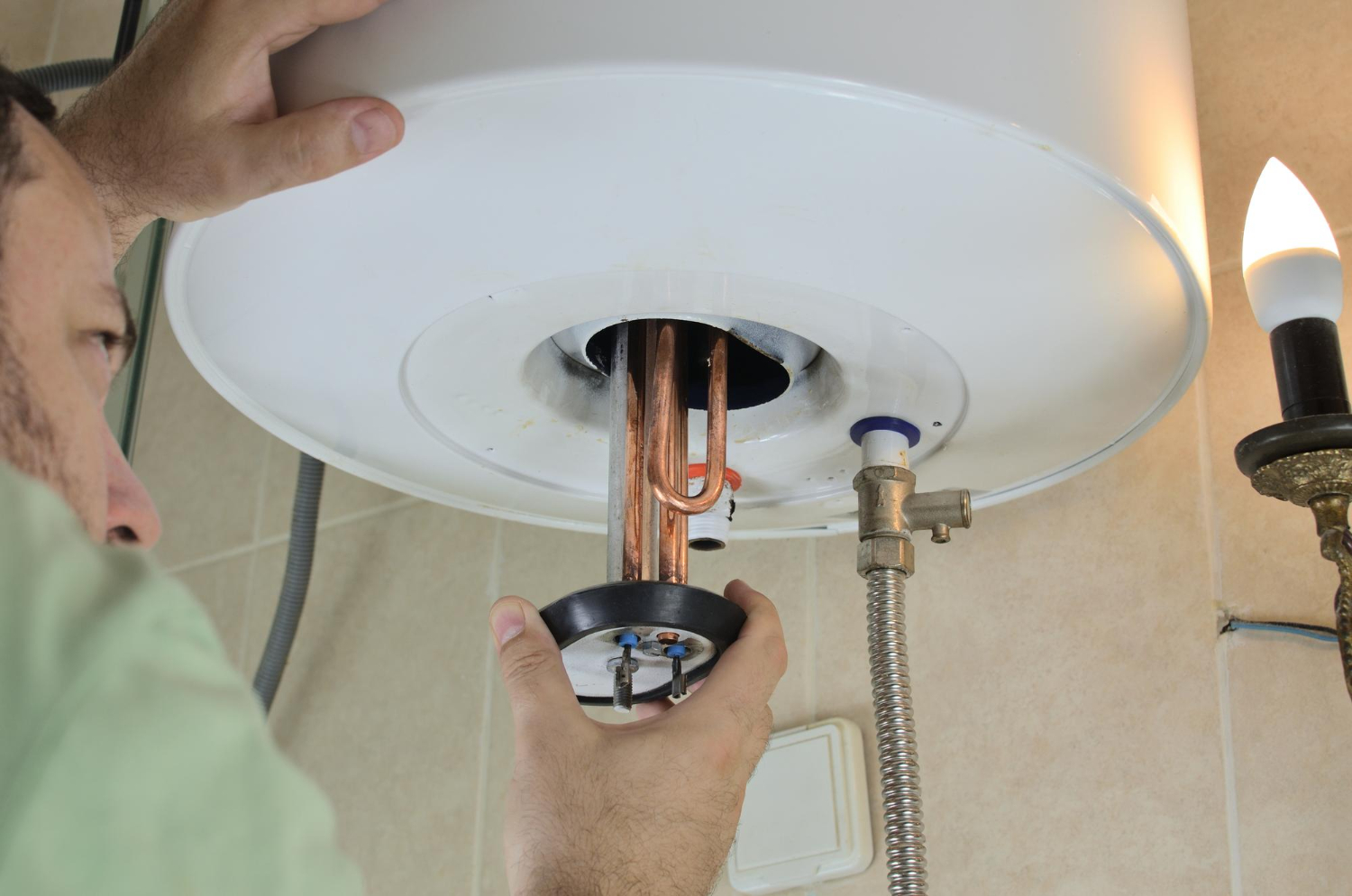
Water heaters rely on several modest components that wear out long before the tank fails. Heating elements, thermostats, dip tubes, and drain valves all affect performance. Once one piece weakens, the rest of the unit often works harder to compensate. Replacing a tired part early usually costs less than an emergency breakdown. Timely repairs can preserve efficiency and postpone full replacement by several seasons.
Notice Performance Changes
Most heaters show signs of decline before complete failure. Longer recovery, rusty hot water, fluctuating temperature, and unusual sounds often point to internal wear. Families who respond early usually have more repair choices and less disruption. Waiting can allow hidden damage to spread until the tank leaks or safety concerns emerge. Careful observation remains one of the clearest ways to protect both equipment and household comfort.
Conclusion
Longer water heater life usually comes from steady maintenance rather than major intervention. Annual flushing, moderate temperature settings, valve testing, and anode rod checks all reduce stress inside the tank. Attention to local mineral content also matters, especially where hard water speeds scale formation. When leaks, noise, or slower recovery appear, early service can limit damage and avoid sudden failure, helping hot water remain dependable for years.
Also Read: 6 Common Water Heater Problems And Solutions
Extend the Life of Water Heater FAQs
1. How often should I flush my water heater?
Most water heaters should be flushed once a year to remove sediment buildup and maintain efficiency.
2. What is the ideal temperature setting for a water heater?
A temperature setting of around 120°F (49°C) is generally recommended for safety, comfort, and energy savings.
3. Why is the anode rod important?
The anode rod protects the tank from rust and corrosion by attracting corrosive elements before they damage the tank.
4. How can hard water affect my water heater?
Hard water causes mineral deposits to build up inside the tank, reducing efficiency and shortening the unit’s lifespan.
5. What are the signs that my water heater needs maintenance?
Common signs include unusual noises, rusty water, leaks, fluctuating temperatures, and slower hot water recovery times.
Author & Expert Review
Written By:  Nidhi Patel | Civil Engineer & Content Writer

| Credentials: B.E. (Mahatma Gandhi Institute of Technical Education and Research Centre), Registered with Gujarat Technological University (GTU). Experience: Civil Engineer with 3+ years of content writing experience, currently writing blogs for Gharpedia, part of SDCPL. Expertise: Specializing in SEO-optimized blogs and long-form articles focused on home improvement, construction, interiors and architect topics. I create well-researched, reader-focused content that balances technical accuracy with clarity, making complex subjects easy to understand. Find her on: LinkedIn |
Verified By Expert: Avni Desai Environmental Engineer, SDCPL | M.E. (Environmental Engineering)
 Avni Desai Environmental Engineer,
 This article has been reviewed for environmental, MEP, and building services accuracy by Avni Desai, an Environmental Engineer at Sthapati Designers & Consultants Pvt. Ltd. (SDCPL). With over 8 years of experience in water supply, wastewater management, infrastructure design, and building services, she brings practical expertise in MEP services, sustainable solutions, design planning, and on-site practices. Her professional services include planning and design of water supply systems, sewage and wastewater treatment systems (STP/WTP), drainage, rainwater harvesting, and other sustainable building services. Her review ensures the content aligns with environmental standards, efficient services planning, and real-world applicability.
Find her on: LinkedIn