







Table of Contents
Quick Summary
- Sudden pest infestations can quickly disrupt daily life and may pose health or property risks.
- Emergency pest control solutions focus on acting fast to contain pests without worsening the problem.
- The first step is identifying the pest correctly, as each type requires a different treatment approach.
- Safe containment includes removing food sources, sealing exposed items, and keeping children and pets away.
- DIY methods may work for minor infestations like ants or pantry pests when handled early.
- Severe infestations involving rodents, termites, cockroaches, or bed bugs often require same-day professional help.
- Long-term prevention includes sealing entry points, fixing leaks, reducing clutter, and maintaining cleanliness to avoid future infestations.
A sudden pest infestation can make your home feel out of control fast. One minute you see a few ants near the counter, and the next minute there’s a full trail across the kitchen. A scratching noise in the wall can turn into a rodent problem. A single cockroach sighting can make you wonder how many are hiding where you can’t see.
Emergency pest control is about acting quickly without making the problem worse. The goal is to protect your family, contain the pest activity, and stop the infestation from spreading. You do not need to panic, but you do need a clear plan. Fast action matters, especially with pests that carry health risks, damage property, or multiply quickly.
What Counts as a Pest Control Emergency?
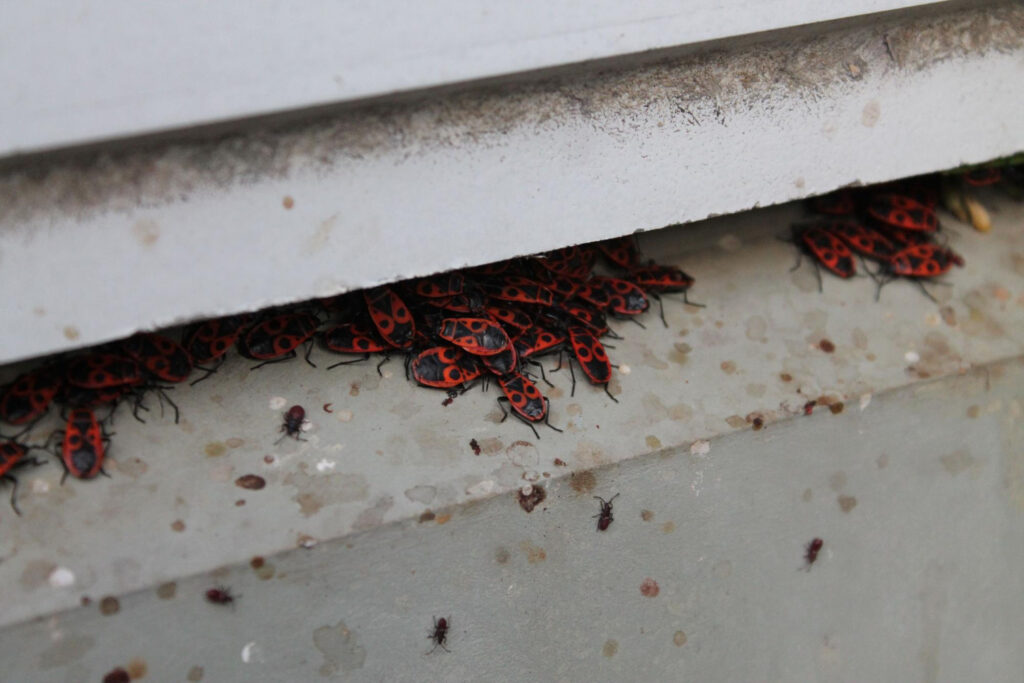
Not every pest sighting is an emergency. One spider in the garage is different from wasps entering a bedroom wall. A few fruit flies near old bananas are different from cockroaches running across the kitchen at night. The first step is knowing when a pest issue needs same-day attention.
Evo Pest Control handles emergency pest concerns by looking at the type of pest, the size of the infestation, and the risk inside the home. Some pests need fast containment because they can spread bacteria, sting, bite, chew wiring, or damage wood. Others are more of a nuisance and can be managed with cleaning, sealing, and monitoring.
You should treat the problem as urgent if pests are in living areas, food spaces, bedrooms, nurseries, or near pets. You should also act quickly if you see rodents, bed bugs, cockroaches, wasps, hornets, termites, fleas, or large ant activity. These pests can grow from a small issue into a much bigger one if you wait too long.
What to Do in the First 15 Minutes
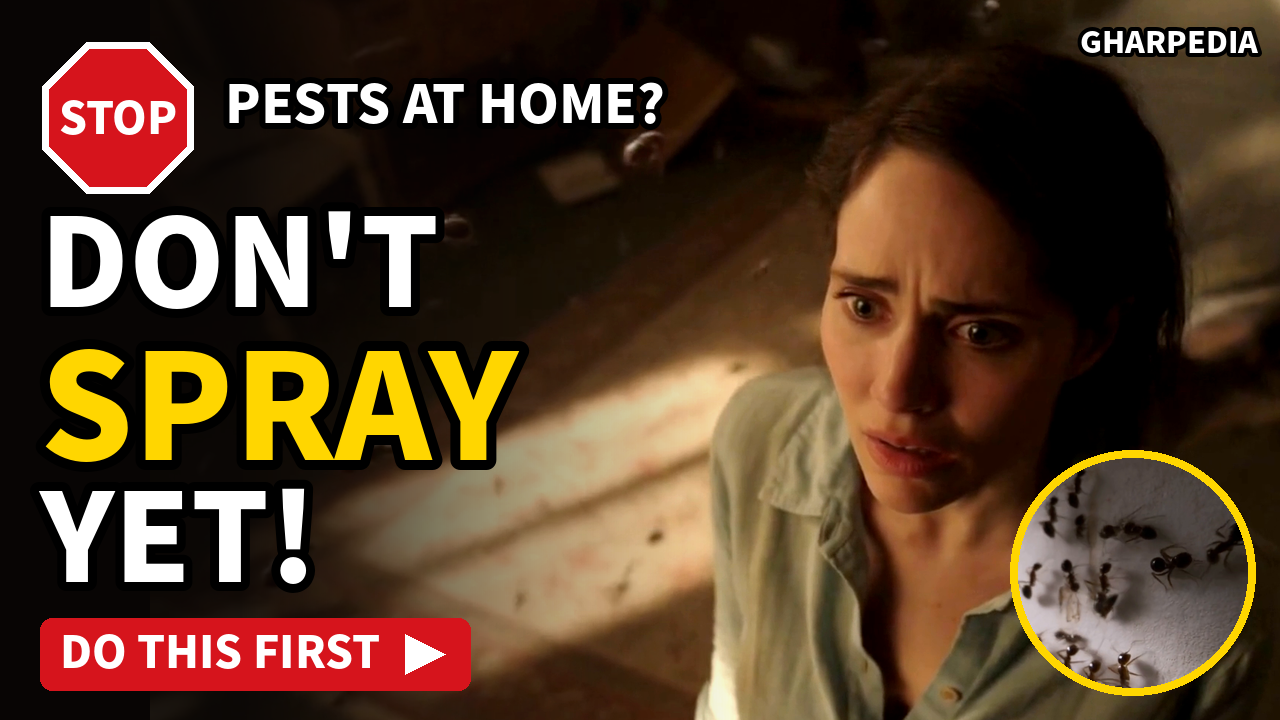
The first few minutes matter. Most homeowners either freeze, overreact, or grab a random spray from under the sink. That can create more trouble, especially if the spray scatters ants, drives cockroaches deeper into walls, or exposes pets and children to products used in the wrong place.
Start by staying calm and watching where the pests are moving. Try to find the source without disturbing nests, hives, or heavy activity. If you see insects coming from a crack, drain, window, or pantry item, that clue helps guide the next step. If you hear rodents in the wall, avoid banging on the wall, since that can push them into harder-to-reach spaces.
Move children and pets away from the area. Put away exposed food, cover pet bowls, and close doors to slow pest movement. Take photos or a short video if it is safe. This helps with identification and gives a pest control technician useful information if you need professional help.
Identify the Pest Before You Treat It
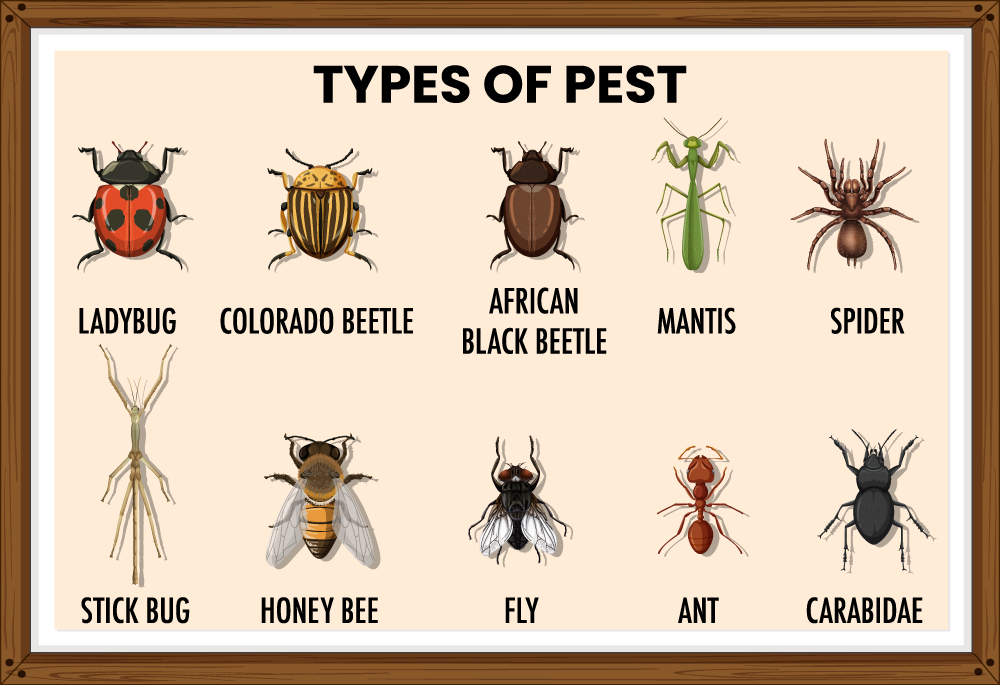
Treating the wrong pest wastes time. It can also make the infestation harder to control. Ants, cockroaches, fleas, bed bugs, termites, and pantry pests all need different methods. A product that works for one pest may do almost nothing for another.
Look at the pest’s size, color, movement, and location. Ants often travel on trails. Cockroaches may hide near warmth, food, water, and dark cracks. Bed bugs often leave bites, dark spots, shed skins, or small stains near mattresses and furniture. Rodents leave droppings, gnaw marks, greasy rub marks, and scratching sounds.
If you are not sure what you are dealing with, avoid heavy treatment until you identify it. A clear photo can help. So can checking the location where the pest appeared. A bug in a flour bag points to a different problem than bugs near a bathroom drain.
Contain the Infestation Safely
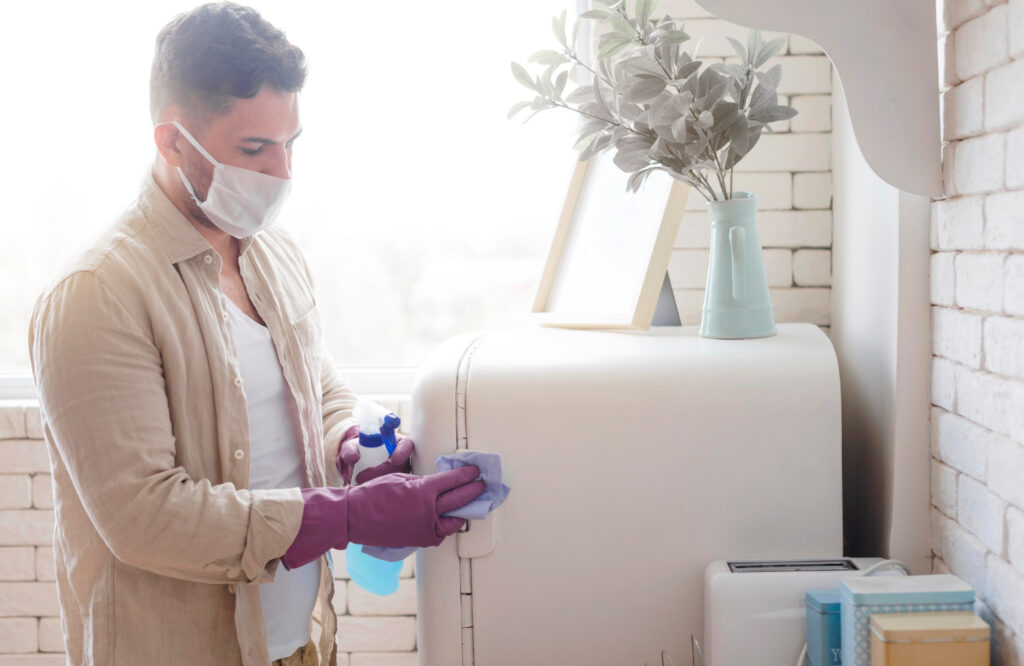
Containment buys you time. It keeps pests from spreading through the home before a full treatment plan is in place. The right containment step depends on the pest, but the main idea is simple. Limit access to food, water, hiding places, and new rooms.
For insects in the kitchen, wipe counters, seal food, empty trash, and clean spills. Do not leave dirty dishes overnight. For pantry pests, inspect dry goods like rice, flour, cereal, pasta, nuts, and pet food. Throw away infested items in a sealed outdoor trash bin.
For rodents, close doors to affected rooms and remove easy food sources. Do not leave pet food out. Do not try to seal every hole right away if you think rodents are inside, since you can trap them in walls. First, locate activity and use traps or professional help to remove them.
For wasps or hornets, do not block the nest opening. That can force them into the home. Keep people away from the area and avoid spraying nests from close range. Stinging insects can become aggressive when disturbed.
Emergency Solutions for Common Household Pests
Different pests call for different emergency actions. The wrong move can spread them, hide them, or make treatment less effective. A calm, pest-specific response gives you the best chance of stopping the problem fast.
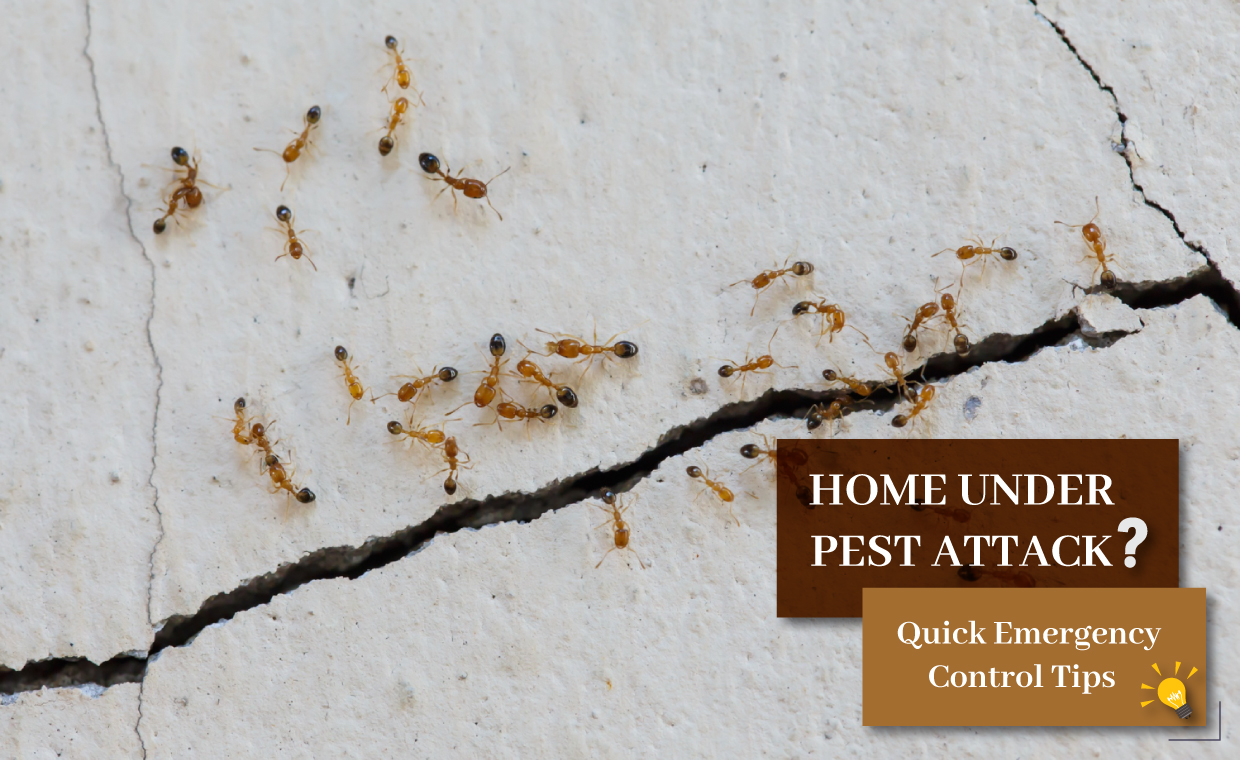
For ants, clean the trail with soap and water, then look for the entry point. Avoid spraying the trail heavily indoors, since some species split into new groups when stressed. Baits often work better because ants carry them back to the colony.
For cockroaches, remove food and water fast. Vacuum visible roaches if needed, then empty the vacuum outdoors in a sealed bag. Use gel bait or traps in hidden areas instead of spraying open surfaces everywhere. Cockroaches hide deep, so surface spray alone rarely solves the root issue.
For bed bugs, do not move bedding, pillows, or furniture into other rooms. That spreads the problem. Place bedding in sealed bags and wash on high heat if the fabric allows it. Vacuum mattress seams, bed frames, and nearby cracks, then dispose of vacuum contents outside.
For fleas, treat pets with guidance from your vet and wash pet bedding. Vacuum carpets, rugs, furniture, and baseboards. Fleas can develop in hidden areas, so one quick cleaning may not be enough. Repeat vacuuming is often part of the control process.
What Not to Do During a Sudden Infestation
Panic creates bad pest control. The most common mistake is using too much product. More spray does not mean better results. It can expose your family to more chemicals and push pests into deeper hiding spots.
Do not mix pest control products. Mixing sprays, powders, cleaners, or foggers can create unsafe conditions. Do not use outdoor products inside the home. Product labels exist for a reason, and ignoring them can create health risks.
Avoid bug bombs for most infestations. They often fail to reach pests hiding in cracks, wall voids, mattresses, cabinets, or appliances. They can also leave residue on surfaces. For pests like cockroaches and bed bugs, foggers may scatter the problem instead of solving it.
Do not ignore the source. Killing visible pests helps for the moment, but infestations return when the entry point, nest, moisture issue, or food source remains. Emergency pest control should stop the immediate issue and set up a longer-term fix.
When DIY Pest Control Is Enough
DIY methods can work for small, simple pest problems. If you see a few ants near a window, a few fruit flies near ripe produce, or pantry moths inside one stored food item, you may be able to control the issue yourself. The key is acting early and removing the cause.
A basic DIY plan should include cleaning, sealing food, reducing moisture, trapping, and monitoring. You can also seal small cracks, replace damaged door sweeps, and repair screens. These steps reduce pest pressure without overusing pesticides.
DIY works best when the pest is easy to identify, the activity is limited, and there is no property damage or health concern. If the problem keeps returning, spreads to other rooms, or involves hidden nesting, DIY control may only slow it down. That is when you need stronger inspection and treatment.
When to Call for Same-Day Pest Control
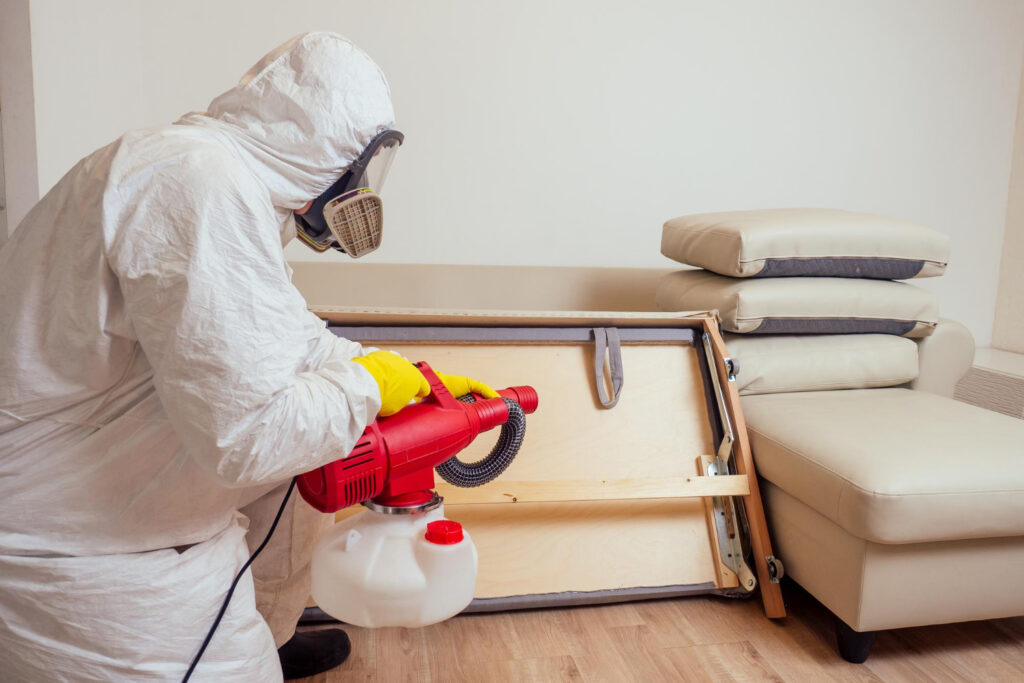
Some infestations need professional help right away. Rodents in living areas, bed bugs in bedrooms, wasps near entry doors, German cockroaches in kitchens, and termites near wood structures deserve fast attention. These pests can create health risks, damage property, or spread beyond the first area.
Call for same-day pest control if you see repeated activity in a short time. One roach may be a warning sign. Several roaches at night usually mean a larger hidden issue. One mouse dropping may point to more activity inside walls, cabinets, or garages.
You should also call quickly if someone in the home is vulnerable. Babies, elderly family members, people with allergies, and pets can face higher risks from bites, stings, contamination, or poor product use. Fast professional help can reduce guesswork and keep treatment more controlled.
How to Prepare for an Emergency Pest Control Visit
A little prep can make treatment work better. Before help arrives, write down what you saw, where you saw it, and when the activity started. Share photos or videos if you have them. Clear access to the affected areas so the technician can inspect properly.
Move items away from walls if the issue involves baseboards, closets, garages, or storage rooms. For kitchen pests, clear counters and remove open food. For bed bugs, avoid moving furniture into other rooms. For rodents, point out droppings, noises, gnaw marks, or any suspected entry points.
Ask what you need to do before and after treatment. Some services require people or pets to stay away from treated areas for a set time. Others need follow-up cleaning, trap checks, or repairs. Good preparation helps the treatment work and reduces delays.
How to Stop the Infestation From Coming Back
Emergency treatment solves the immediate problem, but prevention keeps your home protected. Once the active infestation is under control, inspect your home for the conditions that allowed pests in. Most infestations have a cause, even if it is not obvious at first.
Check for gaps around doors, windows, pipes, vents, and the foundation. Repair torn screens. Replace weak weatherstripping. Keep shrubs trimmed away from siding and remove clutter near the home. Pests like quiet, protected spaces close to food and shelter.
Inside the home, store pantry food in sealed containers. Clean under appliances, keep trash sealed, and fix leaks quickly. Moisture attracts many pests, including cockroaches, ants, silverfish, and rodents. A dry, clean, sealed home is harder for pests to invade.
A Simple Same-Day Action Plan
If pests suddenly show up today, do not overcomplicate the first response. You need to slow the problem, protect your home, and avoid mistakes. A simple plan works better than random spraying.
Follow these steps:
- Move children and pets away from the affected area
- Take photos or video of the pest activity
- Remove exposed food, trash, and standing water
- Avoid spraying nests, hives, or large pest activity
- Call for help if the pest is risky, spreading, or hard to identify
This plan gives you control without making the problem worse. It also helps you share useful details if you contact a pest control company. The more accurate your information is, the faster the right treatment can begin.
Take Action Before the Problem Spreads
A sudden infestation does not mean your home is dirty or neglected. Pests look for food, water, shelter, warmth, and entry points. If they find those things, they move in. They are not judging your housekeeping. They are opportunists with too many legs.
The best emergency pest control solutions start with calm action. Identify the pest, contain the affected area, remove attractants, and avoid risky product use. If the pest can bite, sting, spread bacteria, damage property, or multiply quickly, get same-day help before it spreads.
Your next move should be simple. Inspect the area, clean what you can safely clean, protect your family and pets, and act before the infestation becomes harder to remove. Fast, careful action today can save you money, stress, and a much bigger pest problem tomorrow.
Also Read: Life-changing Outdoor Pest Control Tips to Keep Pests Away from Your Home
Emergency Pest Control Solutions FAQs
1. What is considered a pest control emergency?
A pest control emergency includes sudden infestations of rodents, cockroaches, termites, bed bugs, wasps, or other pests that spread quickly or threaten health and property.
2. Can I handle a sudden pest infestation myself?
Small infestations may be manageable with cleaning, traps, and sealing food, but severe cases often need professional treatment.
3. How quickly should I act during an infestation?
You should act immediately to contain the pests, remove attractants, and prevent the infestation from spreading.
4. Are chemical sprays always effective for emergency pest control?
No. Incorrect spray use can worsen infestations by scattering pests or creating health risks for family members and pets.
5. How can I prevent future pest infestations?
Regular cleaning, sealing cracks, fixing moisture issues, storing food properly, and scheduling inspections can help prevent infestations.
Author & Expert Review
Written By:  Nidhi Patel | Civil Engineer & Content Writer

| Credentials: B.E. (Mahatma Gandhi Institute of Technical Education and Research Centre), Registered with Gujarat Technological University (GTU). Experience: Civil Engineer with 3+ years of content writing experience, currently writing blogs for Gharpedia, part of SDCPL. Expertise: Specializing in SEO-optimized blogs and long-form articles focused on home improvement, construction, interiors and architect topics. I create well-researched, reader-focused content that balances technical accuracy with clarity, making complex subjects easy to understand. Find her on: LinkedIn |
Verified By Expert: Farhan Shaikh – Senior Manager – Architect, SDCPL | Associate Member – IIA

This article has been reviewed for architectural and interior design accuracy by Farhan Shaikh, Senior Manager – Architect at Sthapati Designers & Consultants Pvt. Ltd. As the lead for all architectural and interior projects at SDCPL and an Associate Member of the Indian Institute of Architects (IIA), he brings hands-on experience in architectural planning, interior design, project coordination, and sustainable strategies. His review ensures the content reflects practical design considerations, industry best practices, and real-world applicability across both architecture and interior spaces.
Find him on : Linkedin