





Table of Contents
Quick Summary
- Home solar installation cost depends on system size, equipment quality, installation requirements, and location.
- A residential solar system can include panels, an inverter, mounting structures, wiring, safety equipment, and net-metering installation.
- The PM Surya Ghar Muft Bijli Yojana can provide eligible homeowners with central financial assistance of up to ₹78,000.
- Solar loans can help homeowners spread the remaining installation cost over manageable monthly payments.
- A rooftop solar system may recover its initial investment in around 3 to 4 years, depending on electricity use, tariffs, system size, and sunlight availability.
Courtesy - Magnific
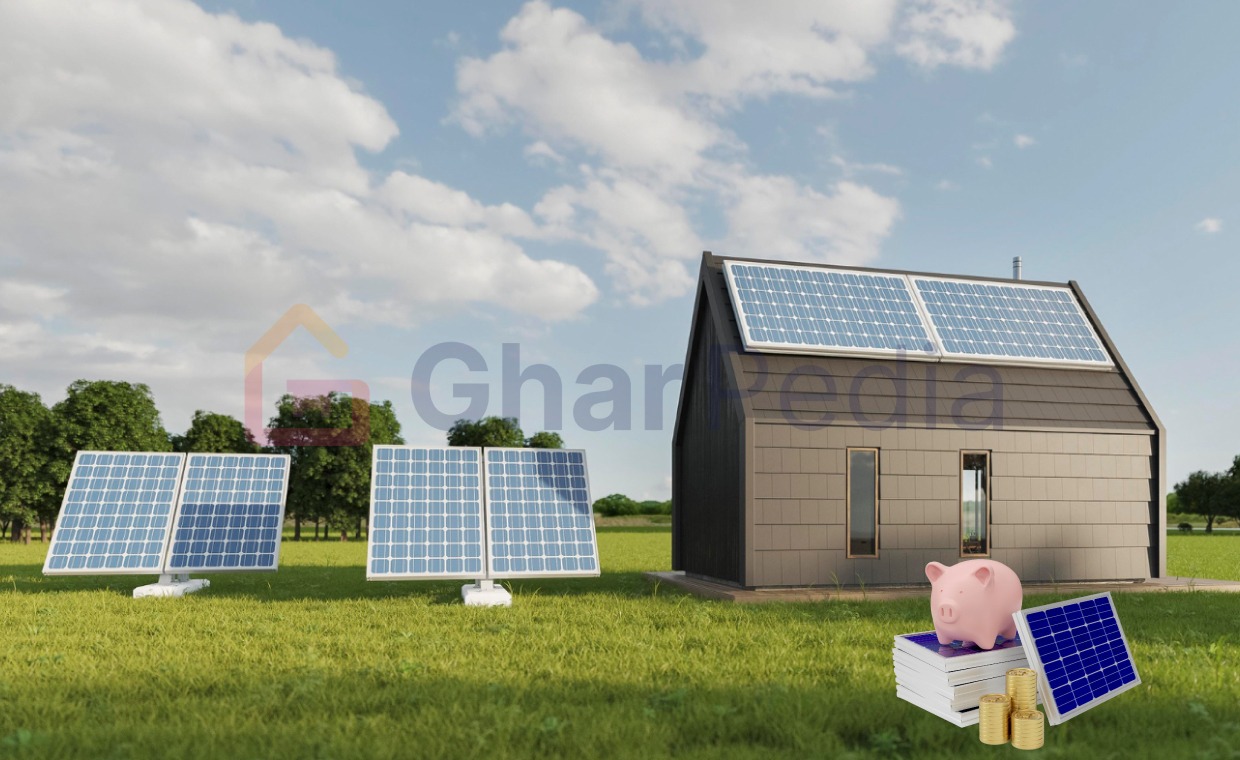
Rising electricity bills have become a major concern for many households. At the same time, most homes have unused rooftop space that receives enough sunlight to generate clean electricity every day. Installing a rooftop solar system allows homeowners to produce their own power, reduce dependence on the grid and lower monthly electricity bills.
Although the long-term savings are significant, many homeowners hesitate because they are unsure about the installation cost, government subsidies, or financing options. The good news is that rooftop solar has become much more affordable with the support of the PM Surya Ghar Muft Bijli Yojana and easy solar loans offered by several banks.
What is the Total Home Solar Installation Cost?
Courtesy - Magnific
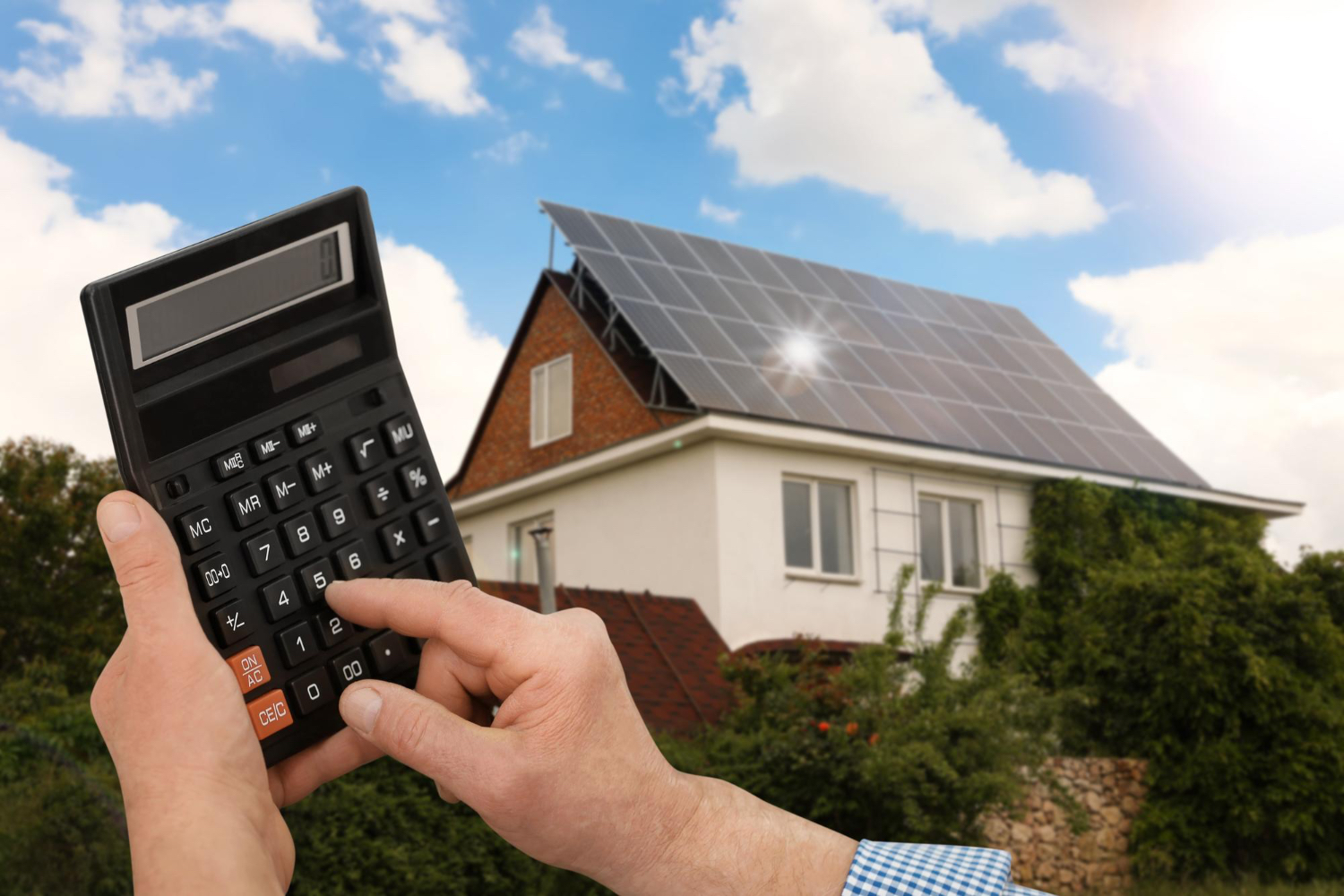
The cost of a home solar installation in India generally ranges from ₹55,000 to ₹75,000 per kW before government subsidies. The exact price depends on the system capacity, equipment quality, installation requirements and location.
A complete solar installation usually includes:
- Solar panels
- Grid-tied inverter
- Mounting structure
- Safety equipment
- Electrical wiring
- Installation charges
- Net-metering application and installation
The right system size depends on your household’s daily electricity consumption and the amount of shadow-free rooftop space available.
Here’s an estimate of installation costs for different system sizes:
| System Size | Approximate Cost | Daily Power Generation | Suitable For |
| 1 kW | ₹55,000–₹75,000 | Around 4 units | Small homes with basic electricity needs |
| 2 kW | ₹1,10,000–₹1,50,000 | Around 8 units | Small to medium-sized families |
| 3 kW | ₹1,65,000–₹2,25,000 | Around 12–15 units | Average households |
| 5 kW | ₹2,80,000–₹3,80,000 | Around 20–25 units | Large homes with higher electricity consumption |
| Disclaimer: The costs and daily power generation figures mentioned in this table are approximate and provided for general reference only. Actual costs and electricity generation may vary depending on location, system specifications, equipment quality, installation requirements, rooftop conditions, sunlight availability, electricity consumption, and prevailing market rates. | |||
Choosing high-efficiency solar panels can increase energy generation, especially if your rooftop space is limited.
How Does the PM Surya Ghar Subsidy Reduce Installation Cost?
The Government of India’s PM Surya Ghar Muft Bijli Yojana helps homeowners reduce the upfront cost of installing rooftop solar systems. Under the scheme, eligible households can receive central financial assistance of up to ₹78,000, depending on the system size.
Once the solar system is installed and the net meter is commissioned, the subsidy amount is transferred directly to the applicant’s verified bank account.
The subsidy significantly lowers the amount homeowners need to invest.
| System Size | Cost Before Subsidy | Central Subsidy | Approximate Cost After Subsidy | Daily Generation |
| 1 kW | ₹55,000–₹75,000 | ₹30,000 | ₹25,000–₹45,000 | Around 4 units |
| 2 kW | ₹1,10,000–₹1,50,000 | ₹60,000 | ₹50,000–₹90,000 | Around 8 units |
| 3 kW | ₹1,65,000–₹2,25,000 | ₹78,000 | ₹87,000–₹1,47,000 | 12–15 units |
| 5 kW | ₹2,80,000–₹3,80,000 | ₹78,000 (Maximum) | ₹2,02,000–₹3,02,000 | 20–25 units |
| Disclaimer: The costs and subsidy amounts shown in this table are indicative and may vary based on the applicable government guidelines, system capacity, eligibility, location, and prevailing installation costs. The actual subsidy received and final project cost should be confirmed through the official government portal and authorised solar installer before making a financial decision. | ||||
While the subsidy amount is capped at ₹78,000, larger systems continue to deliver higher electricity savings over their lifetime.
Installing high-efficiency N-Type TOPCon bifacial glass-to-glass solar panels from a trusted manufacturer such as Avaada Electro can further improve energy generation and help homeowners recover their investment sooner.
What Financing Options are Available for Home Solar Systems?
Even after applying the subsidy, some homeowners may prefer not to pay the full installation cost upfront. To make rooftop solar more affordable, several public sector banks and financial institutions offer dedicated solar loans. These loans allow homeowners to spread the installation cost over several years while immediately benefiting from lower electricity bills.
Some of the key benefits include:
- Affordable Interest Rates: Many banks offer concessional interest rates, making rooftop solar more affordable than standard personal loans.
- Minimal Upfront Investment: Since banks can finance a large part of the installation cost, homeowners only need to contribute a small portion of the project cost.
- Use the Subsidy to Reduce Your Loan: After receiving the PM Surya Ghar subsidy, homeowners can use the amount to partially repay the loan. This reduces the outstanding balance and lowers future EMI payments.
- Savings Begin Immediately: In many cases, the monthly savings on electricity bills are similar to or even higher than the monthly loan repayment. This means homeowners start experiencing financial benefits from the first month itself.
How Long Does It Take to Recover Your Investment?
One of the advantages of rooftop solar is its relatively short payback period. Most residential solar systems recover their installation cost in about 3 to 4 years, depending on electricity consumption, local tariffs, system size and sunlight availability.
Since solar panels generally have a performance life of 25 years or more, homeowners continue to benefit from decades of low-cost electricity after recovering their investment.
The long-term financial benefits include:
- Lower Electricity Bills: A well-sized 3 kW rooftop solar system can reduce household electricity bills by 70% to 90%, depending on energy usage.
- Protection from Rising Electricity Prices: Electricity tariffs continue to increase over time. Generating your own electricity reduces dependence on the grid and protects you from future tariff hikes.
- Long-Term Savings: Once the initial investment has been recovered, the electricity generated by the system is available at a very low operating cost. This translates into significant savings over the remaining life of the solar panels.
Final Thoughts
Government support through the PM Surya Ghar Muft Bijli Yojana, combined with affordable solar loans, has made residential solar systems accessible across India. The subsidy reduces the upfront installation cost, while financing options allow homeowners to spread the remaining expense over manageable monthly payments. At the same time, lower electricity bills help offset loan repayments, making the transition to solar financially practical.
Choosing high-quality solar panels from a trusted manufacturer such as Avaada Electro also improves long-term performance and energy generation. With proper installation and regular maintenance, a rooftop solar system can provide reliable electricity for more than 25 years, helping households save money while contributing to a cleaner and more sustainable future.
Also Read: How to Maintain Your Solar Panels at Home?
FAQs on Home Solar Installation Cost
1. What factors affect home solar installation cost?
The cost depends on the solar system size, equipment quality, installation requirements, and location.
2. How much subsidy can homeowners receive for rooftop solar?
Under the PM Surya Ghar Muft Bijli Yojana, eligible households can receive central financial assistance of up to ₹78,000, depending on the system size.
3. Can I finance a residential solar installation?
Yes. Several banks and financial institutions offer solar loans that allow homeowners to spread the installation cost over several years.
4. How long does it take for a home solar system to recover its cost?
According to the article, most residential solar systems can recover their installation cost in about 3 to 4 years, depending on factors such as electricity consumption, tariffs, system size, and sunlight availability.
5. What is included in the home solar installation cost?
A typical installation may include solar panels, a grid-tied inverter, mounting structures, safety equipment, electrical wiring, installation charges, and net-metering application and installation.
Courtesy - Featured Image(Magnific)
Author & Expert Review
Written By:  Nidhi Patel | Civil Engineer & Content Writer

| Credentials: B.E. (Mahatma Gandhi Institute of Technical Education and Research Centre), Registered with Gujarat Technological University (GTU). Experience: Civil Engineer with 3+ years of content writing experience, currently writing blogs for Gharpedia, part of SDCPL. Expertise: Specializing in SEO-optimized blogs and long-form articles focused on home improvement, construction, interiors and architect topics. I create well-researched, reader-focused content that balances technical accuracy with clarity, making complex subjects easy to understand. Find her on: LinkedIn |
Verified By Expert: Avni Desai Environmental Engineer, SDCPL | M.E. (Environmental Engineering)
 Avni Desai Environmental Engineer,
 This article has been reviewed for environmental, MEP, and building services accuracy by Avni Desai, an Environmental Engineer at Sthapati Designers & Consultants Pvt. Ltd. (SDCPL). With over 8 years of experience in water supply, wastewater management, infrastructure design, and building services, she brings practical expertise in MEP services, sustainable solutions, design planning, and on-site practices. Her professional services include planning and design of water supply systems, sewage and wastewater treatment systems (STP/WTP), drainage, rainwater harvesting, and other sustainable building services. Her review ensures the content aligns with environmental standards, efficient services planning, and real-world applicability.
Find her on: LinkedIn