







Table of Contents
Quick Summary
- A DIY floor cushion offers affordable, cosy and stylish seating for small or large homes.
- They are easy to use, move around and blend well with different décor themes.
- Many South-East Asian and Arabian cultures traditionally use floor seating, making cushions an integral part of their interiors.
- Floor cushions add warmth, safety and visual appeal, especially in homes with children.
- Different patterns and textures help enhance minimalist or white-on-white décor styles.
- A DIY floor cushion is simple to make using fleece fabric or a cot blanket.
- Basic sewing skills are enough to create a soft and durable cushion cover.
- Materials include fabric, cushion pad, tapestry wool, scissors, thread, needle, iron and sewing machine.
- Steps include cutting, stitching, turning, pressing, blanket-stitching and inserting the cushion pad.
A DIY floor cushion project is an easy and creative endeavour, which is fun, but at the end, also adds a value-added furnishing element to your home. Easy to store, space-saving, and a comfortable alternative to traditional furniture, a floor cushion is used for lounging, meditation, or in small spaces, while enhancing interior design with diverse shapes and textures. If you want to try your hand at making one such elegant furnishing item for your cosy home, you have made the right decision.
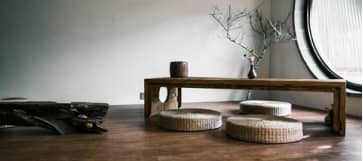
In many Southeast Asian countries, sitting on the floor instead of a chair is a common practice.
According to “Big Berry Backstage” (author of the article, Korean Floor Culture, published on medium.com), in countries like China, Japan, India and South Korea, many daily activities revolve around the floor. Hence, floor cushions are considered an important element in their home interior. Even Arabian interior design has given importance to using floor cushions to increase the aesthetic value of the interior.
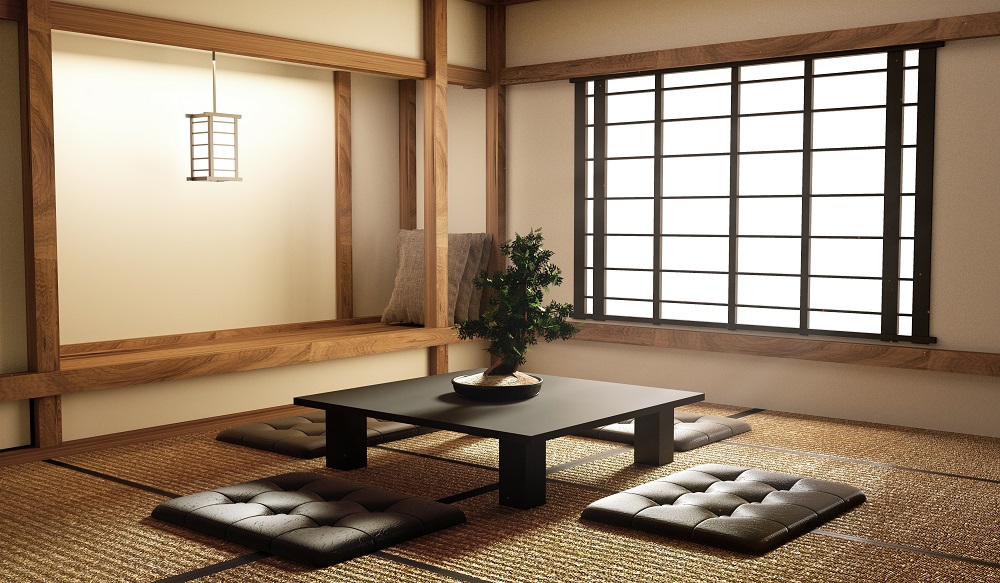
Floor cushions add warmth and an inviting touch to a room. Moreover, they improve safety, especially in households with children. In the white-on-white interior style, the floor becomes an important part of the overall decorating scheme.
You can experiment with different floor cushion patterns to give a trendy touch to your home décor. Floor cushions are comfortable for lazing about on the floor. Commonly, these cushions come with removable, machine-washable covers, which makes them suitable for high-traffic areas of homes.
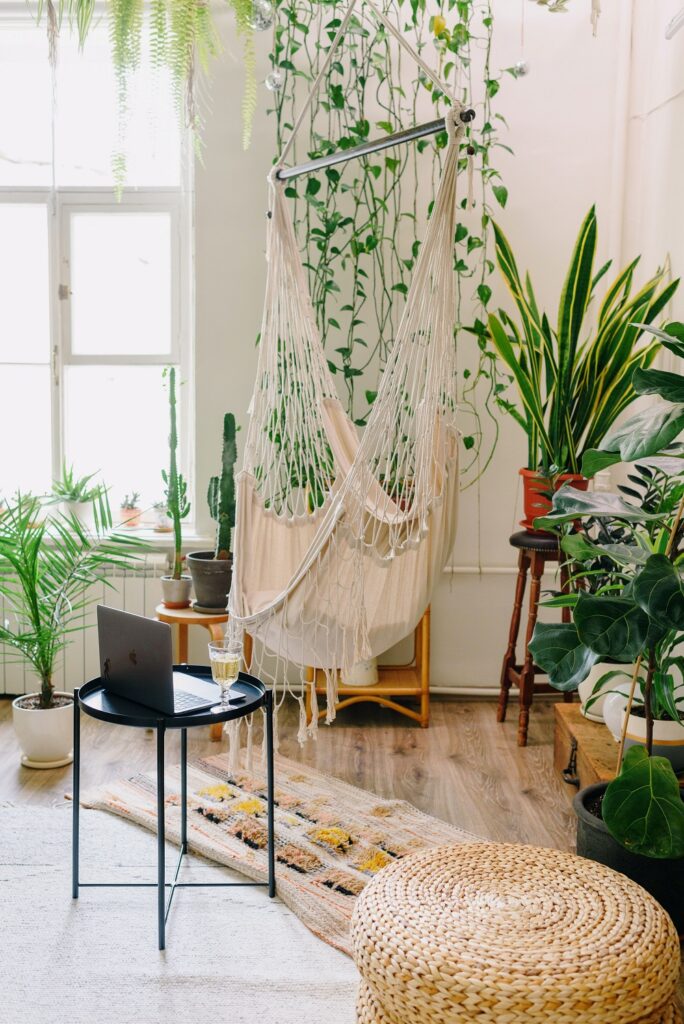
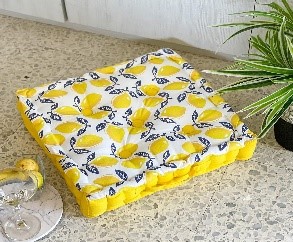
Floor cushions are useful in many ways. They can be used to provide extra seating space or as décor items. The soft floor cushions provide extra safety against falls if you have a toddler in the house. Speaking of ways to use floor cushions, we have a detailed article to read on:

Are you wondering about “how to make floor cushions”?
This project is rather simple and relies upon finding an interesting textured fabric and the right trimming. The cushion cover in the project can be made from a cot blanket, which is the perfect shape as well as being wonderfully soft and inviting; or you could use one metre of fleece fabric.
The cover is made in the most basic way, being machine-sewn on three sides and slip-stitched closed with the cushion pad inside. The blanket stitching suits the material perfectly. So get ready to sew floor cushions for your home.
Now that your question on “how to make floor cushions” has been answered, let’s gather the things required for this floor cushion tutorial.
Materials Required for a DIY Floor Cushion
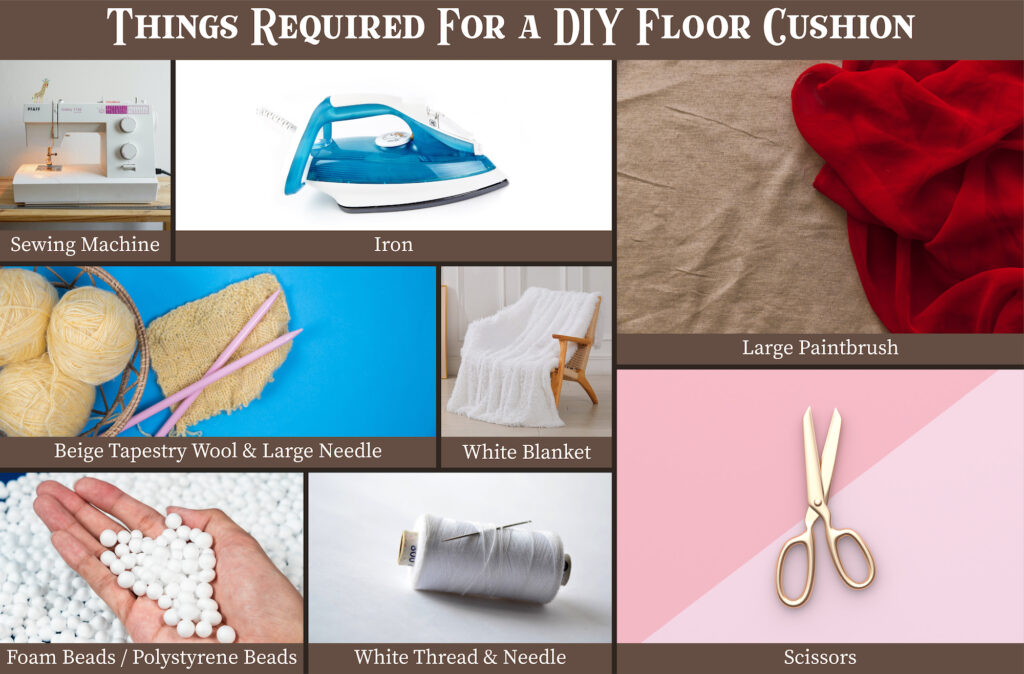
For a DIY floor cushion tutorial, you will require the following things:
- A creamy white cot blanket or one metre of fleece fabric
- A foam/feather or polystyrene bead floor cushion pad (low budge suggestion – buy a cheap floor cushion and re-cover it or make a calico liner and fill it with a pair of old pillows)
- Beige tapestry wool and a large needle for finishing in blanket stitch
- Cloth
- Iron
- Scissors
- Sewing machine
- Needle and white thread
Once you have gathered the things required to make your own floor cushions, just follow the below-mentioned steps for a DIY floor cushion.
Step-by-Step DIY Cushion/Floor Cushion Making Process
This step-by-step DIY cushion/floor cushion project is quick and easy, requiring only the most basic cutting and sewing skills. The result is a smart and wonderfully soft floor cushion.
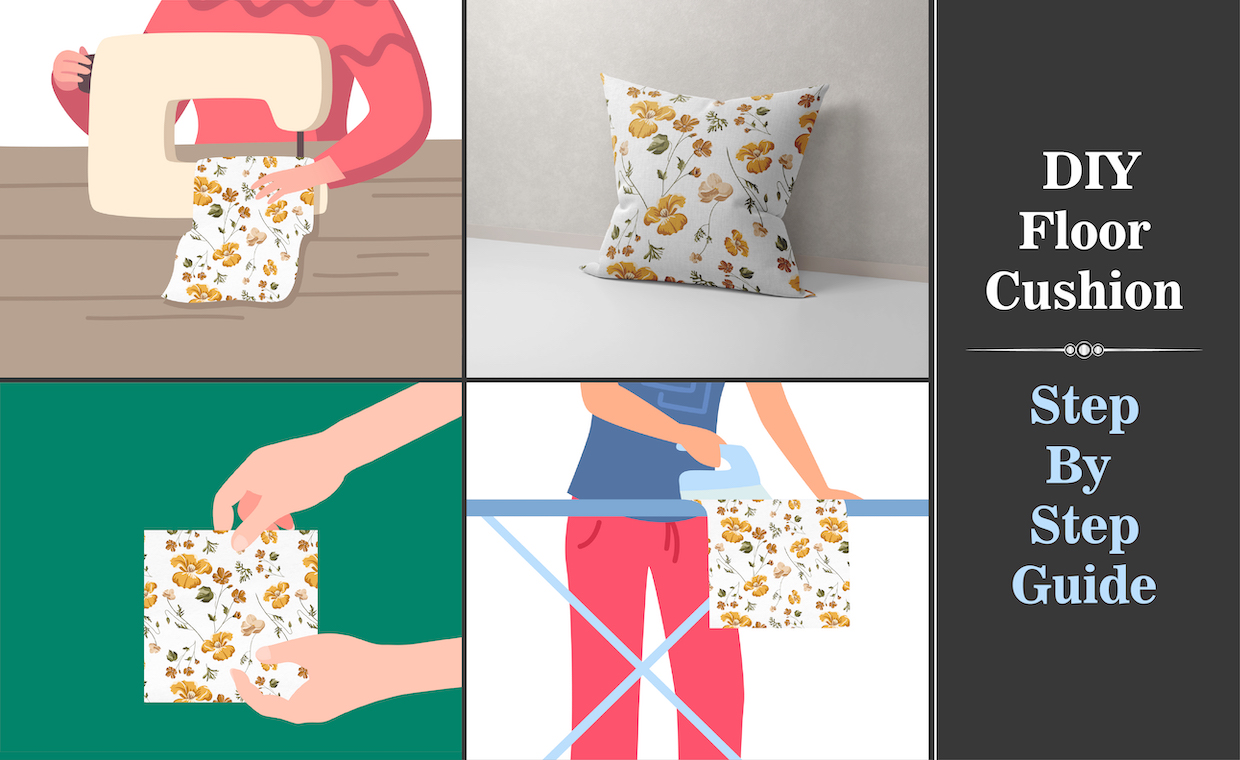
1. Fold the fleece or blanket in half lengthways and cut it to make two equal-sized pieces.
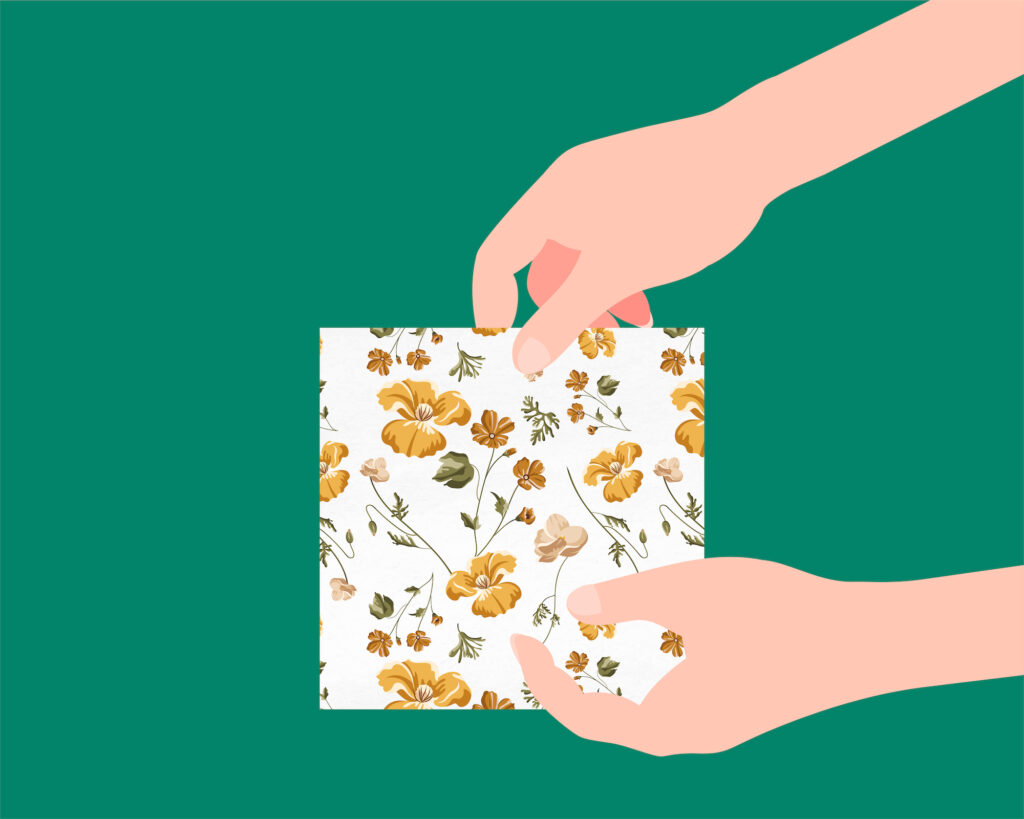
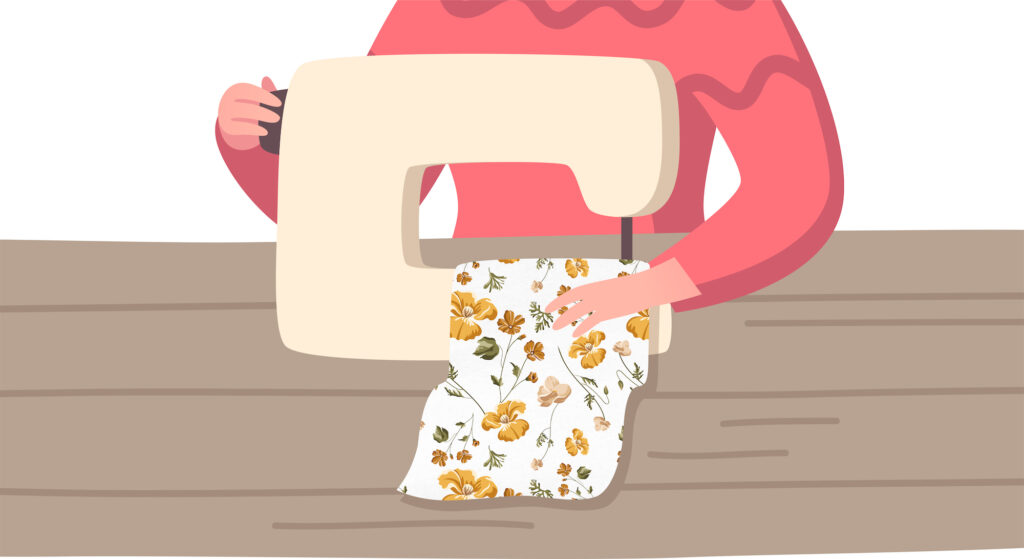
2. Cut off any edgings (which may be simple stitched folds of satin). Lay the two pieces on top of each other and stitch them together on three sides, 2 cm from the edge.
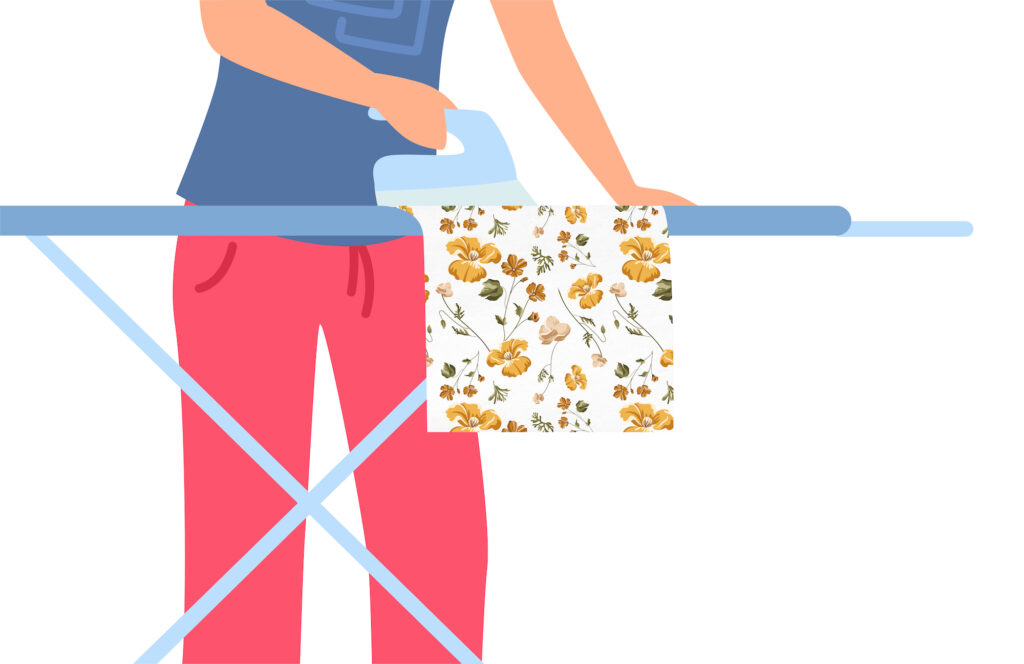
3. Snip across the corners and then turn the other way out to conceal the seams. Press flat, using a damp cloth underneath the iron to protect the fleece surface from the direct heat.
4. Thread the large needle with tapestry wool and sew a large blanket stitch on the three closed sides.
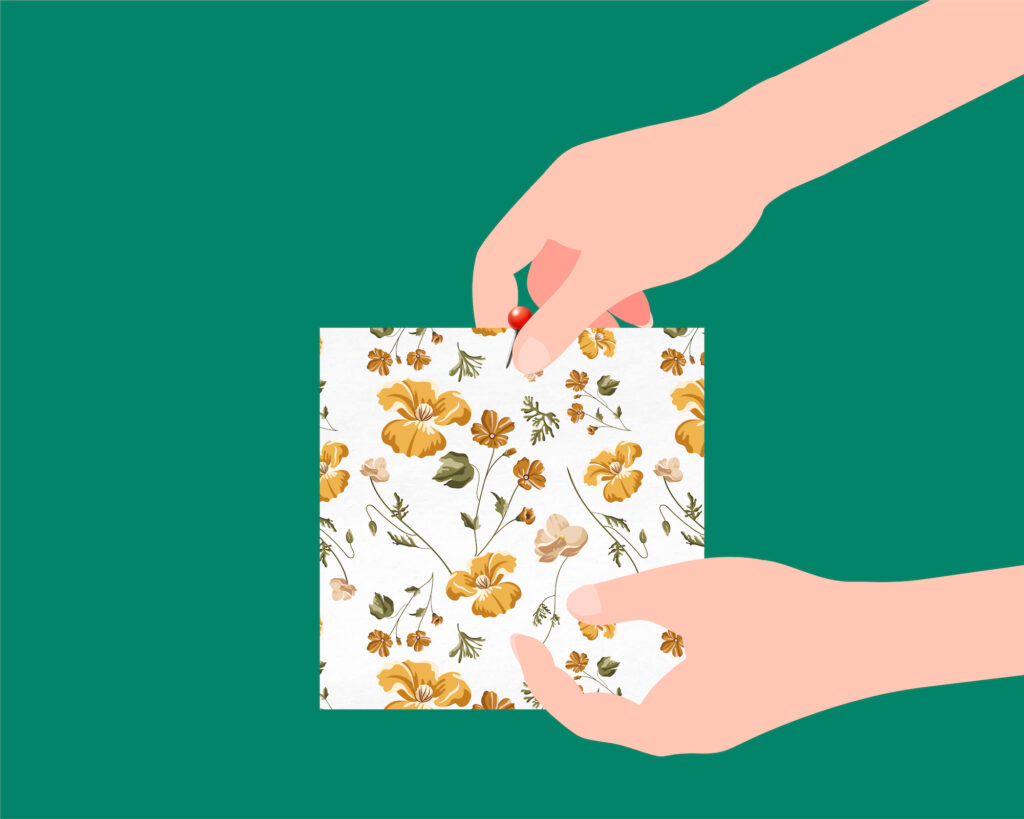
5. Put the cushion pad inside and slip stitch to close the open end. Continue the blanket stitch along this seam.
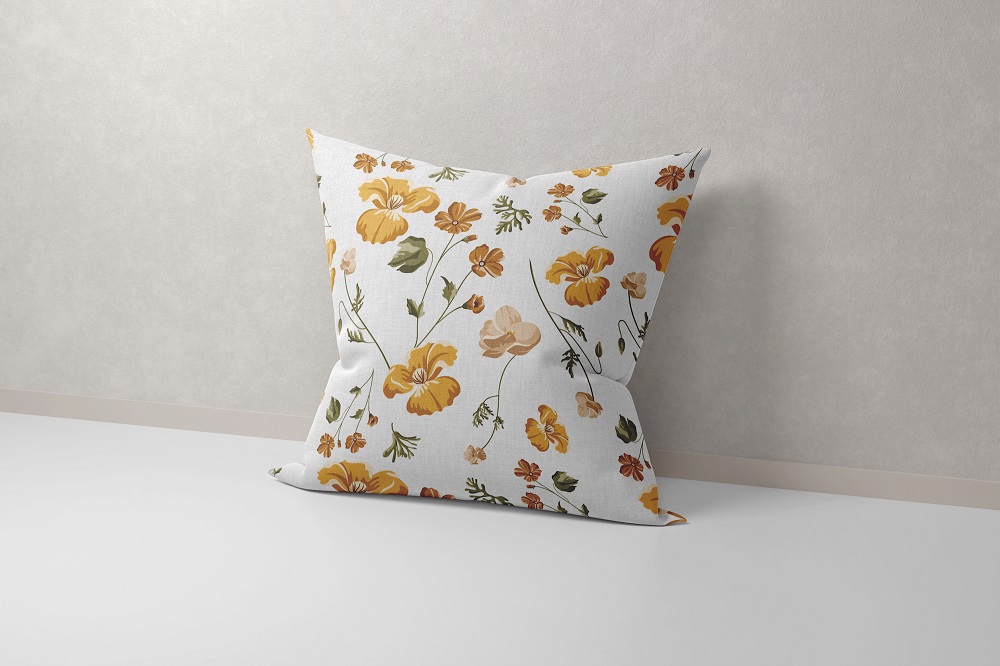
DIY Floor Cushions: Some Styles to Try
Don’t settle for the boring, plain cushions. Try your hands on something different. Here are a few ideas:
- Japanese Zen Style: Neutral colours, linen or cotton fabric
- Arabian Majlis Style: Rich jewel tones, embroidery, tassels
- Bohemian Style: Patchwork fabrics, ethnic prints
- Minimalist Style: Solid colours, square cushions
- Kids’ Room Cushions: Bright colours, cartoon prints
01. Avoid These Mistakes:
If you have decided to make your own floor cushions, keep the following points in mind:
- Avoid fabric that wears out quickly
- Avoid overfilling the cushion (loses comfort)
- Never skip removable covers
- Ensure reinforcing corner stitches
- Choose fabric that is easy to handle
- Always use non-slip fabric or backing
- Use breathable fabric for hot climates
- Machine wash removable covers weekly
- Sun-dry stuffing occasionally
- Vacuum cushions to remove dust
- Avoid damp floors to prevent mould
- Use old blankets or sarees as covers
- Stuff with buckwheat hulls or cotton waste
- Reuse old pillows
- Choose natural dyes.
Conclusion
Now that you know how to make this DIY floor cushion, the best part begins: relaxing and lounging on your handmade creation! This floor cushion DIY project is simple to create and practical for modern homes. We hope this tutorial inspires you to create your own floor cushions and enjoy both the comfort and satisfaction of a handmade furnishing piece.
Before you leave, explore the latest trends in floor cushion designs: Explore the Latest Cushion Trends for Your Home Interior!
FAQs on DIY Project on Floor Cushion
1. How Hard is It to Make A DIY Floor Cushion?
It’s very beginner-friendly, requiring only simple cutting, straight-line stitching and basic hand finishing.
2. What Fabric Works Best for Floor Cushions?
Fleece, cot blankets, thick cotton, or any soft yet durable upholstery fabric provide comfort and longevity.
3. What Can I Use as Stuffing for a Floor Cushion?
Foam pads, feather filling, polystyrene beads or even old pillows inside a calico liner make great budget-friendly fillers.
4. Are Floor Cushions Suitable for Homes with Toddlers?
Yes, they add soft, low-height seating and improve safety by cushioning falls.
5. How do Floor Cushions Enhance Home Décor?
They add texture, colour and warmth, double as extra seating and complement styles like minimalist, boho, Japanese and Arabian interiors.
References
BACKSTAGE, B.B. (2018). Korean floor culture. [online] Medium. Available from: https://medium.com/bigberry/korean-floor-culture-2f7b6849ca2d#:~:text=Next%20to%20China%2C%20Japan%20
Asadi, S., Babaizadeh, H., Foster, N. and Broun, R. (2016). Environmental and economic life cycle assessment of PEX and copper plumbing systems: A case study. Journal of Cleaner Production, [Online] 137, pp.1228–1236. Available from: https://www.sciencedirect.com/science/article/abs/pii/S0959652616311313
Author & Expert Review
Written By: Huta Raval | Guest Author
| An English Literature and Journalism Topper, Huta Raval has graduated from the L D Arts College, Ahmedabad. Post serving for 23 years in the NBFC and Public Library Sectors her desire for ‘writing the unwritten’ brought her to the creative field of content writing. Her clientele comprises of NGOs, Blogging Platforms, Newspapers, Academic Institutions, et al. |
Verified By Expert:  Ravin Desai – Co Founder – Gharpedia | Co Founder – 1 MNT | Director – SDCPL

This article has been reviewed for technical accuracy by Ravin Desai, Co-Founder of Gharpedia and Director at Sthapati Designers & Consultants Pvt. Ltd. With a B.Tech. in Civil Engineering from VNIT Nagpur and an M.S. in Civil Engineering from Clemson University, USA, and over a decade of international and Indian experience in the construction and design consultancy sector, he ensures all technical content aligns with industry standards and best practices.
Find him on: LinkedIn