





Table of Contents
Quick Summary
- Choosing between a custom rug and carpet depends on your room size, lifestyle, and long-term needs.
- Rugs are ideal for defining spaces, adding decorative appeal, and offering flexibility, especially for renters or those who frequently update interiors.
- Carpets provide wall-to-wall comfort, better noise reduction, and a seamless appearance, making them suitable for bedrooms, nurseries, and media rooms.
- Maintenance, installation requirements, and cleaning methods differ significantly, so these factors should be considered before making a decision.
- By evaluating comfort, durability, design preferences, and future flexibility, homeowners can select the flooring option that best enhances both functionality and aesthetics.
Floor coverings affect far more than how a room looks. They can soften footsteps, protect hard flooring, connect furniture, and make large rooms feel less empty. Custom Rugs suit spaces that need a movable decorative layer, whereas Custom Carpet provides broader coverage with a fitted appearance. Choosing between them comes down to room size, daily activity, maintenance, installation, and how often you change your decor.
Understand the Main Difference
A rug covers a selected portion of the floor.
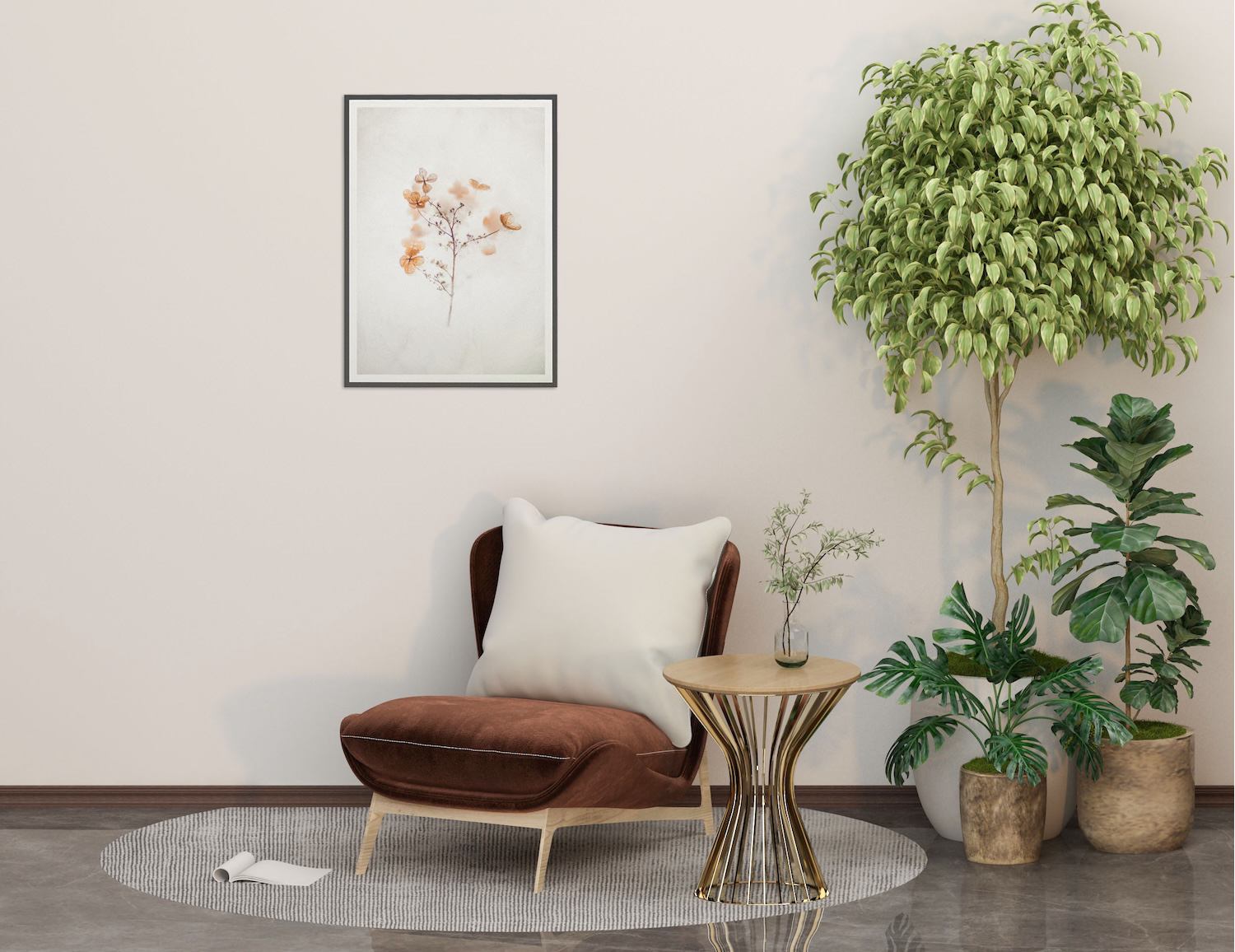
It can sit beneath a seating group, dining table, bed, desk, or entryway console. Since it is not permanently attached, you can move it to another room or replace it when your needs change.
Carpet generally covers most or all of the floor.
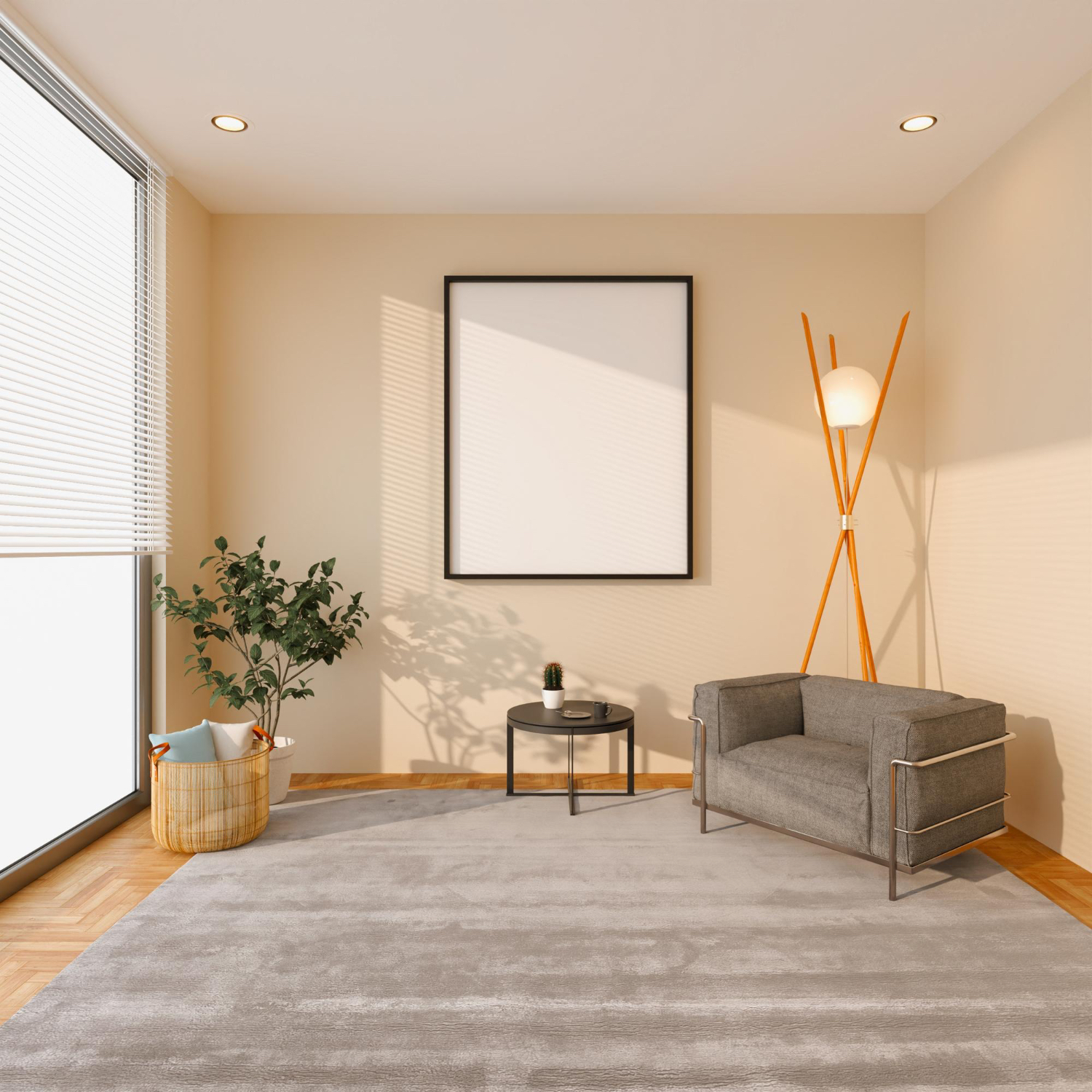
It may be cut to match the room and secured over padding. This creates a continuous surface without exposed flooring around the edges.
The distinction matters when planning a room. A rug defines one area and leaves part of the original floor visible. Carpet changes the entire floor and becomes a fixed part of the interior.
Consider the Room’s Size and Layout
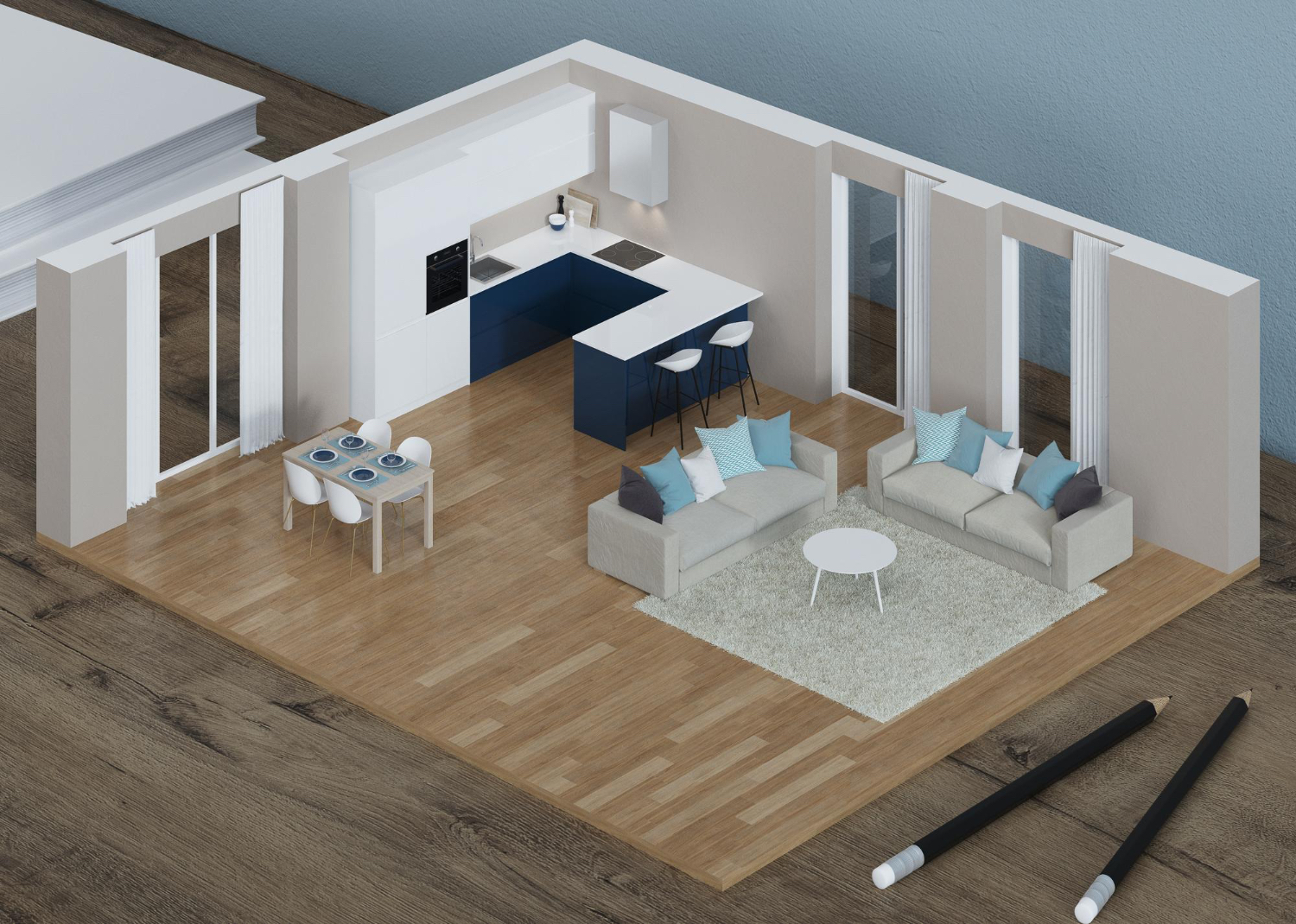
Rugs work well when you want to organize furniture into clear groups. In an open-plan living area, one can mark the seating zone without building a wall or adding a divider. A second rug can identify the dining area.
Accurate sizing is essential. A small rug in front of a large sofa may look disconnected from the furniture. For a balanced living-room arrangement, the front legs of the sofa and chairs should usually rest on the rug. In a dining room, the rug should extend far enough for chairs to remain on it when pulled away from the table.
Carpet may be more suitable for rooms with irregular corners or limited exposed flooring. Since it is measured and cut for the area, it can provide consistent coverage from wall to wall.
Think About Comfort and Noise
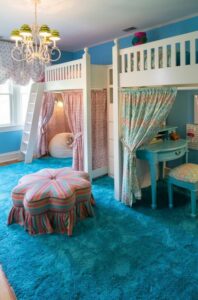
Bedrooms and family rooms often benefit from a softer floor. Carpet provides a cushioned surface across the room, which can feel comfortable when walking barefoot. Padding beneath it adds another layer between the floor and foot traffic.
A rug provides softness only where it is placed. This may be enough beside a bed, beneath a coffee table, or in a reading corner. It also allows you to retain hardwood, tile, or another floor material in the rest of the room.
Floor coverings can reduce the sharp sound of footsteps and furniture movement. Full coverage is useful in upstairs rooms, children’s bedrooms, and media spaces where noise travels to nearby areas. A thick rug can also reduce sound within a smaller zone without covering an attractive floor.
Plan for Cleaning and Daily Wear

Maintenance needs depend on the material, pile height, color, and amount of traffic. Entryways, dining rooms, and family spaces face more dirt and spills than formal rooms.
A rug can often be lifted, rotated, or taken away for professional cleaning. Rotation helps distribute wear when one side receives more foot traffic or sunlight. Smaller washable options may suit kitchens, children’s rooms, and pet areas.
Installed carpet requires regular vacuuming and prompt stain treatment. Deep cleaning usually takes place inside the room, so furniture may need to be moved. Damage in one spot can also be harder to address because the affected section forms part of a larger fitted surface.
Check the manufacturer’s cleaning instructions before using water, stain removers, or household detergents. The wrong treatment can affect color or damage fibers.
Decide How Much Design Control You Need
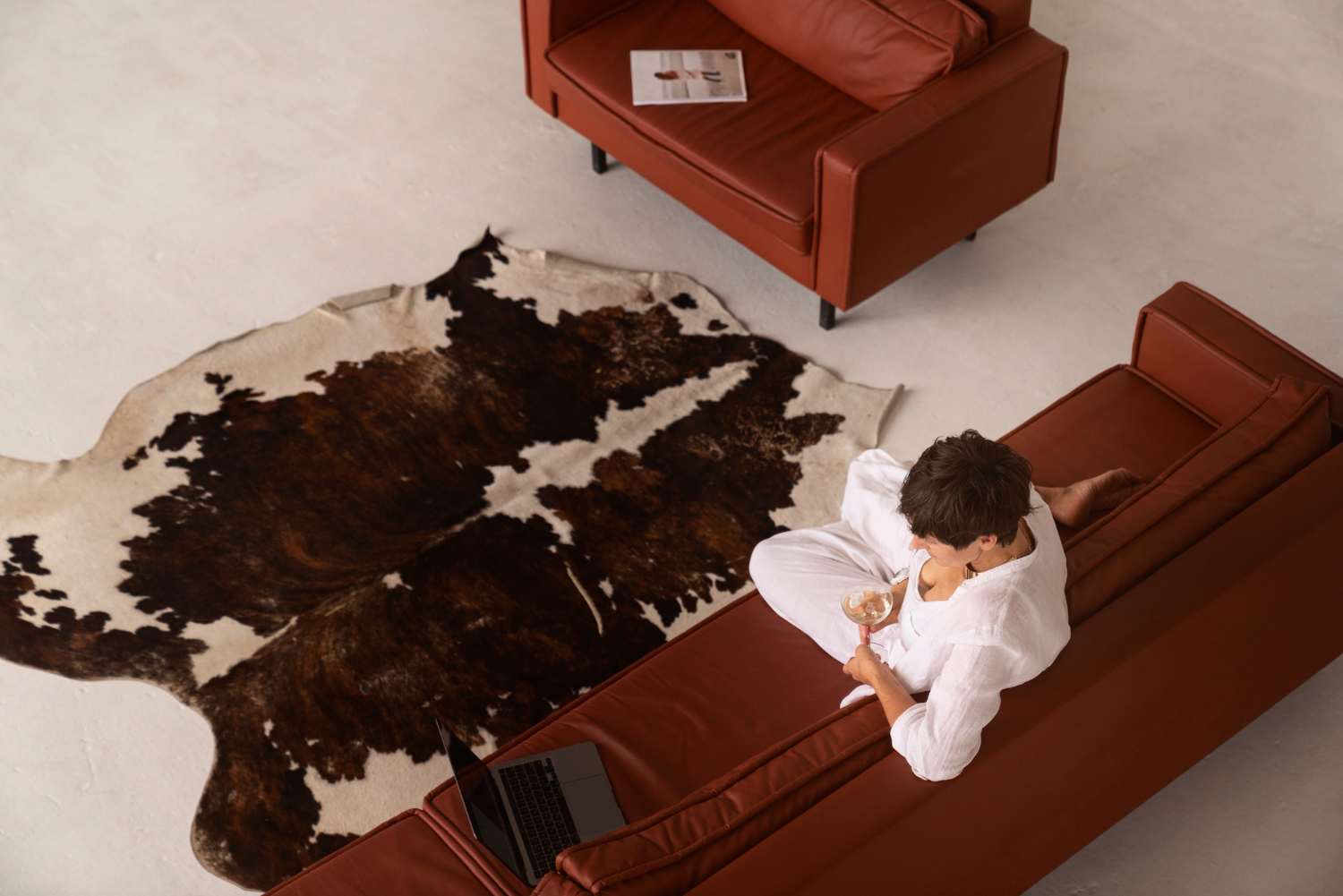
A personalized rug can be created around a room’s dimensions, color palette, artwork, or intended use. It may feature a geometric pattern, family design, business logo, or photographic image. This makes it useful when standard store sizes or patterns do not suit the space.
Services such as CanvasChamp offer personalization options, but the uploaded file still needs careful preparation. Use a clear image, review the crop, and keep essential details away from the edges. Consider how furniture will cover the design before deciding where the main visual element should appear.
Personalized carpet can also solve unusual sizing needs, especially in rooms where standard rolls create unnecessary waste. The pattern scale should match the room. Large motifs need enough visible floor area to be recognizable, whereas smaller repeats may suit compact spaces.
Account for Installation and Future Changes
A rug is usually the easier option for renters, frequent movers, and homeowners who update rooms regularly. It can be placed without making a permanent change to the property. A suitable rug pad can reduce movement and protect the floor beneath it.
Fitted carpet requires more preparation. The room must be measured carefully, furniture removed, and the existing floor checked before installation. Door clearance, transitions between rooms, seams, and padding also need attention.
That extra work can make sense when you want long-term coverage. It may be less practical when you expect to replace the flooring, change the room’s purpose, or move within a few years.
Choose According to the Room
Use a rug in living rooms, dining areas, entryways, home offices, and open-plan spaces where you want to define a specific zone. It is also a sensible choice when the existing floor is an important part of the room.
Consider carpet for bedrooms, nurseries, media rooms, basements, and other areas where full-floor softness or quieter foot traffic matters. Before installing it in a basement, check the floor for moisture problems and resolve them first.
Do not base the choice on appearance alone. Measure the room, note how people move through it, identify likely spills, and decide whether future flexibility matters. Those four checks will usually make the better option clear before you order.
Also Read: 6 Crucial Elements to Consider While Buying Rugs for Home
Custom Rug or Carpet FAQs
1. What is the main difference between a rug and a carpet?
A rug covers a specific section of the floor and can be moved or replaced easily, whereas a carpet is permanently installed to cover most or all of the floor.
2. Which is better for a living room: a rug or a carpet?
A rug is generally a better choice for living rooms because it helps define seating areas, adds visual interest, and allows the original flooring to remain visible.
3. Are carpets more comfortable than rugs?
Yes. Carpets provide continuous cushioning across the entire floor, making them more comfortable for bedrooms, family rooms, and areas where people often walk barefoot.
4. Which option is easier to clean and maintain?
Rugs are usually easier to maintain since they can be lifted, rotated, or professionally cleaned. Carpets require regular vacuuming, spot cleaning, and occasional deep cleaning in place.
5. How do I decide whether to install a rug or a carpet?
Consider your room size, foot traffic, comfort requirements, maintenance preferences, budget, and whether you want a permanent flooring solution or the flexibility to change your décor in the future.
Author & Expert Review
Written By:  Nidhi Patel | Civil Engineer & Content Writer

| Credentials: B.E. (Mahatma Gandhi Institute of Technical Education and Research Centre), Registered with Gujarat Technological University (GTU). Experience: Civil Engineer with 3+ years of content writing experience, currently writing blogs for Gharpedia, part of SDCPL. Expertise: Specializing in SEO-optimized blogs and long-form articles focused on home improvement, construction, interiors and architect topics. I create well-researched, reader-focused content that balances technical accuracy with clarity, making complex subjects easy to understand. Find her on: LinkedIn |
Verified By Expert: Farhan Shaikh – Senior Manager – Architect, SDCPL | Associate Member – IIA

This article has been reviewed for architectural and interior design accuracy by Farhan Shaikh, Senior Manager – Architect at Sthapati Designers & Consultants Pvt. Ltd. As the lead for all architectural and interior projects at SDCPL and an Associate Member of the Indian Institute of Architects (IIA), he brings hands-on experience in architectural planning, interior design, project coordination, and sustainable strategies. His review ensures the content reflects practical design considerations, industry best practices, and real-world applicability across both architecture and interior spaces.
Find him on : Linkedin