



Table of Contents
Quick Summary
- Discover how commercial and residential construction costs differ.
- Explains the impact of project size and structural complexity.
- Covers material choices and their influence on overall budgets.
- Discusses labour requirements and specialised workforce costs.
- Highlights permit approvals and regulatory compliance differences.
- Explains how project timelines affect construction expenses.
- Covers MEP system costs in commercial and residential buildings.
- Shows how financing options vary between the two construction types.
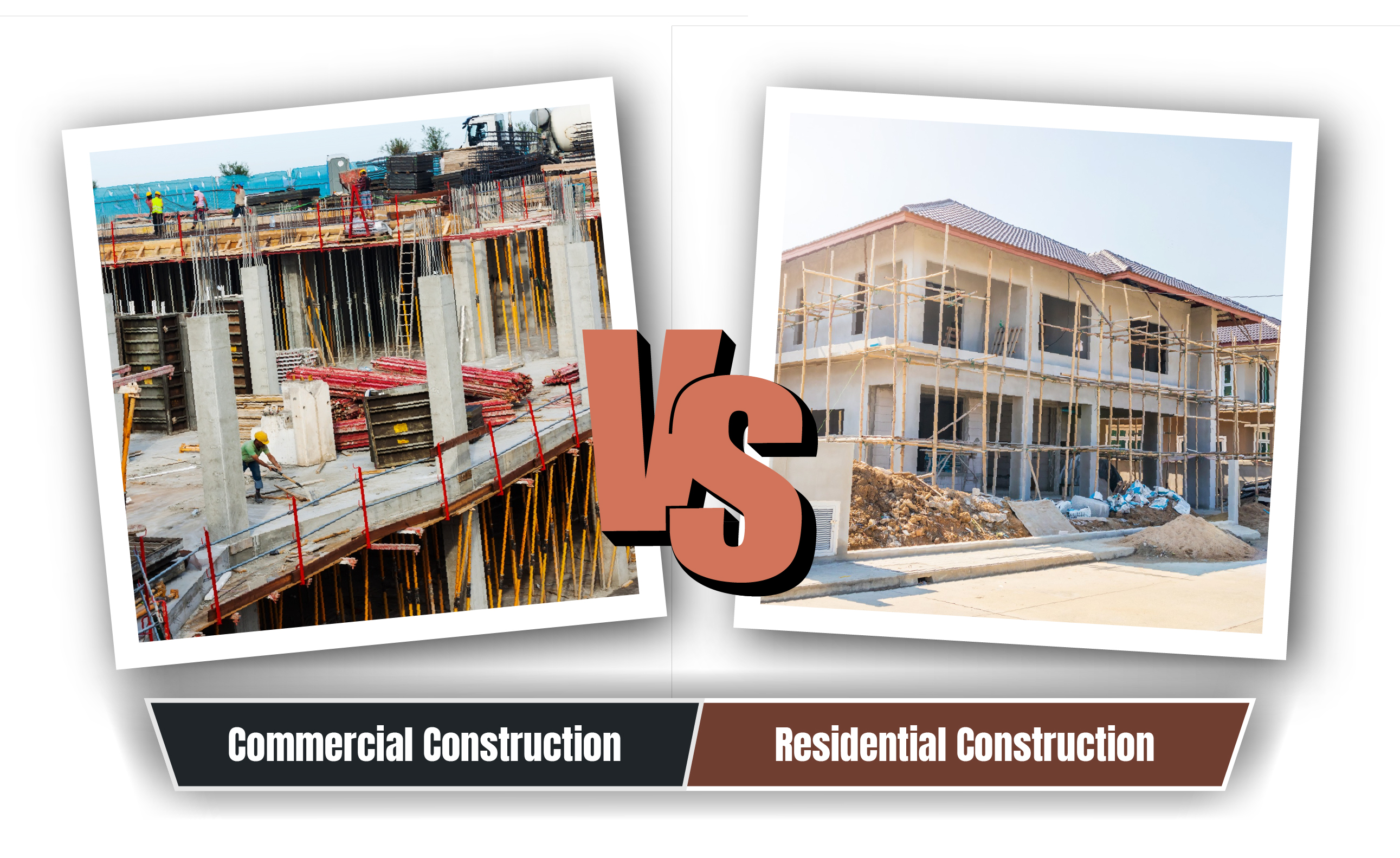
Construction costs vary widely depending on the type of project being built. While both commercial and residential construction share the same basic building blocks, such as labor, materials, and permits, the way these costs add up can differ significantly. Understanding these differences is important for property owners, investors, and anyone planning a building project, since it helps set realistic budgets and avoid unexpected expenses.
Scale and Complexity

One of the biggest factors separating commercial and residential construction is scale. Commercial buildings, such as office complexes, retail centers, and warehouses, are typically larger and structurally more complex than homes. They often require reinforced foundations, steel framing, and advanced structural engineering to support heavier loads and larger open spaces. Residential construction, on the other hand, generally relies on simpler wood framing and standard foundation systems, which are less expensive to design and build.
This added complexity in commercial projects increases both material and labor costs. Larger buildings need more square footage of flooring, roofing, and wall systems, and specialized engineering work adds to design fees before construction even begins.
Materials Used
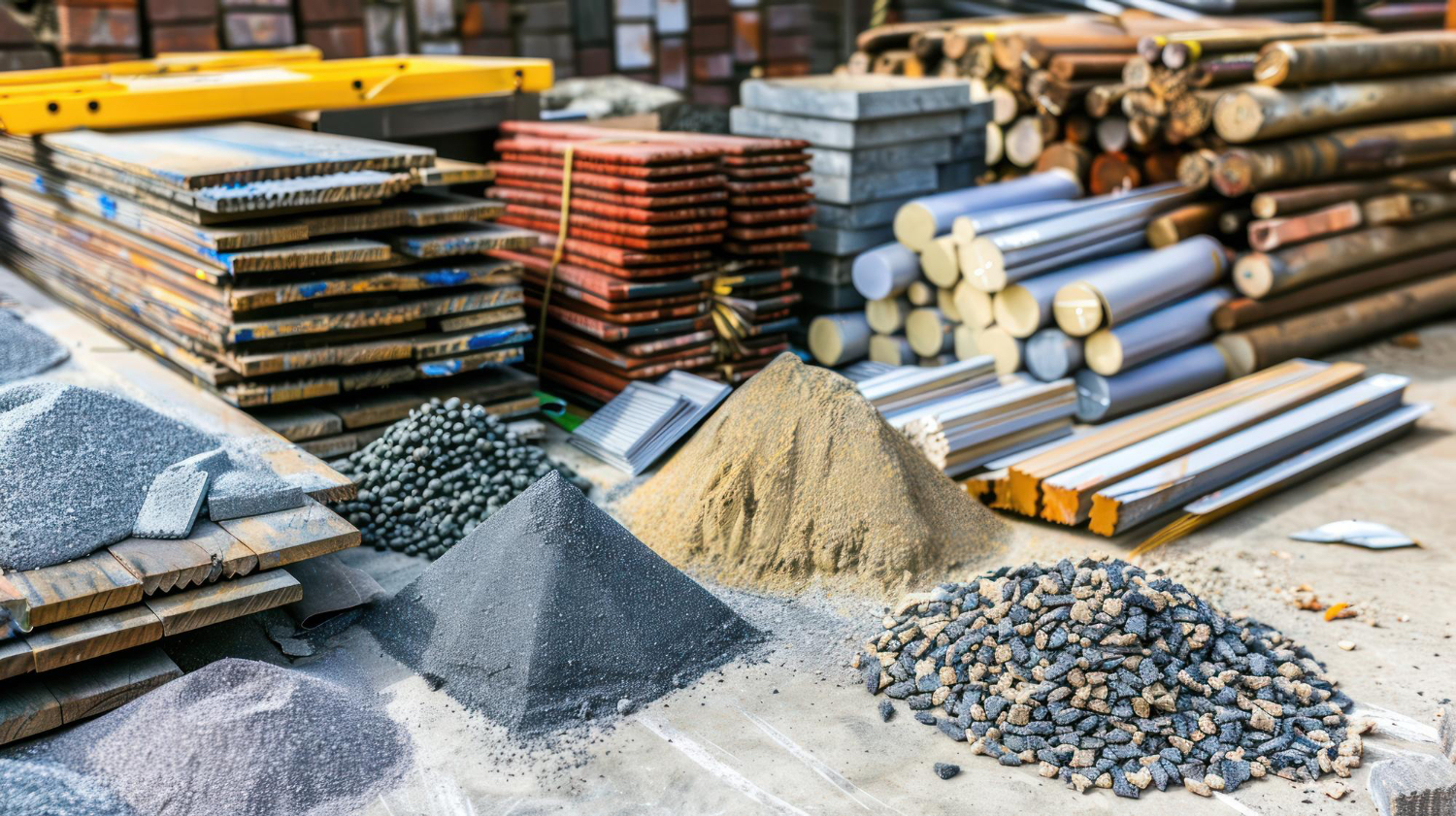
Material choice plays a major role in the cost gap between the two types of construction. Commercial buildings often use industrial grade materials designed for durability and code compliance, such as steel beams, reinforced concrete, and commercial grade glass. These materials tend to cost more per unit than the materials commonly used in homes, such as standard lumber, drywall, and asphalt shingles.
Additionally, commercial buildings must often meet stricter fire safety, accessibility, and load bearing standards, which can require premium materials that residential projects do not need. This is one reason why the cost per square foot for commercial construction is usually higher than for residential construction.
Labor and Workforce Requirements

Labor costs also differ between the two sectors. Commercial construction typically requires specialized trades, including electricians, HVAC technicians, and structural engineers, all of whom command higher wages due to the technical nature of the work. Projects often involve union labor, which can further increase costs due to standardized wage rates and benefits. Because of these complexities, many developers rely on construction cost estimating services to accurately forecast labor expenses and maintain budget control throughout the project.
Residential construction, in contrast, often involves smaller crews and general contractors who can handle multiple aspects of the build without needing as many specialized subcontractors. This generally keeps residential labor costs lower, although custom or high-end homes may still require specialized trades that raise prices.
Permits and Regulatory Compliance

Permitting and regulatory requirements are another area where costs diverge. Commercial construction is subject to a more rigorous review process, often requiring compliance with zoning laws, fire codes, accessibility standards such as the Americans with Disabilities Act, and environmental regulations. These approvals can take longer to secure and often involve additional fees for inspections and plan reviews.
Residential projects usually face a simpler permitting process, particularly for single family homes, since the codes governing them are less complex than those for commercial spaces. However, larger residential developments, such as apartment complexes, may face permitting requirements closer to those seen in commercial construction.
Timeline and Project Duration
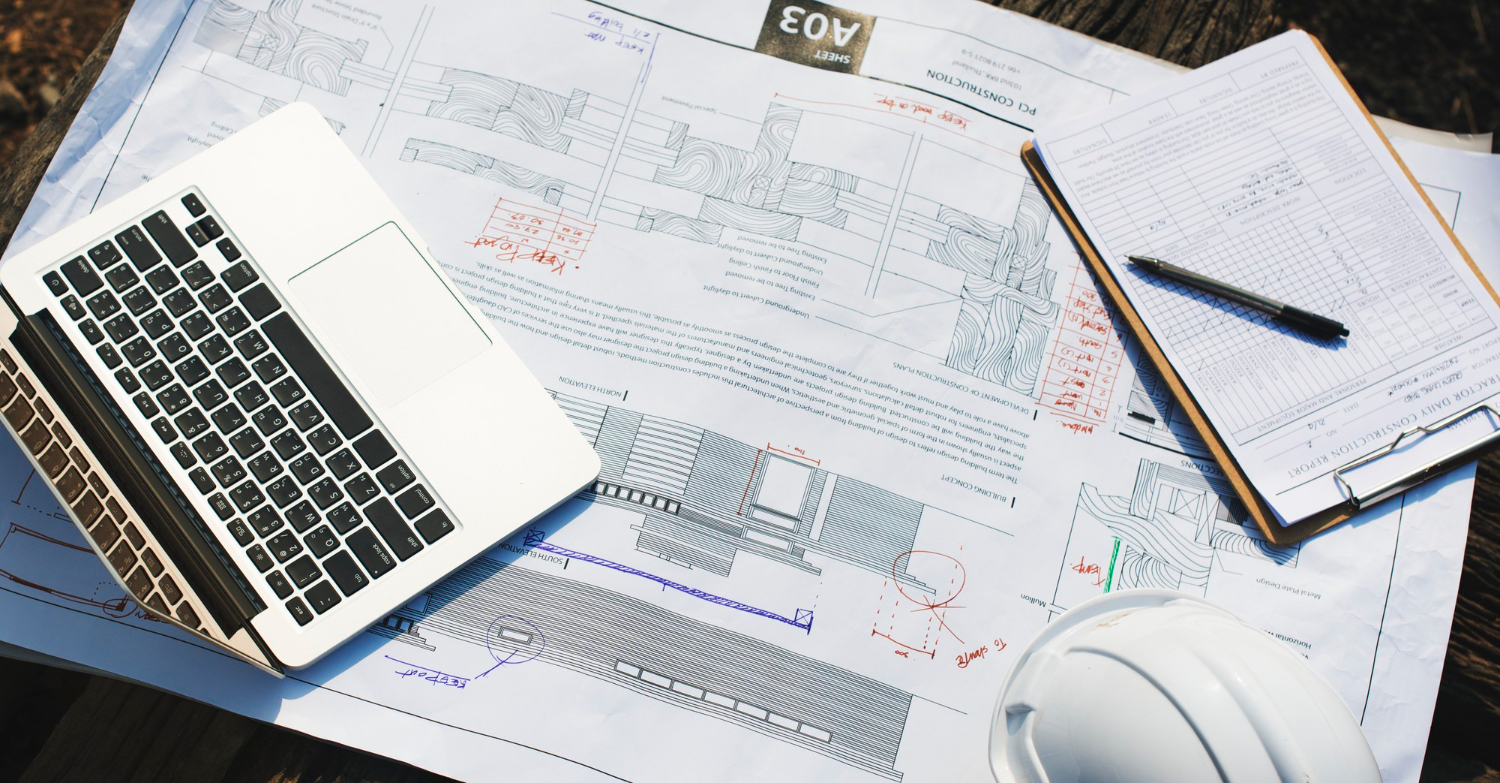
The timeline for completing a project also affects overall cost. Commercial buildings generally take longer to construct due to their size, complexity, and the number of contractors involved. Extended timelines can increase costs through prolonged equipment rental, extended labor contracts, and financing charges that accrue over a longer period.
Residential construction projects, especially standard single family homes, tend to move faster since they involve fewer coordination challenges and simpler designs. This shorter timeline often translates into lower overall costs, even though delays can still occur due to weather, material shortages, or design changes.
Mechanical, Electrical, and Plumbing Systems

Mechanical, electrical, and plumbing (MEP) systems are usually more advanced and more costly in commercial buildings. Offices, hospitals, and retail spaces often require complex HVAC systems, fire suppression systems, and specialized electrical setups to support heavy equipment or high occupancy levels. A professional construction estimating company carefully evaluates these systems during the planning phase to provide accurate cost projections and help stakeholders make informed budgeting decisions. Homes typically use simpler HVAC and electrical systems designed for lower occupancy and standard household needs. This difference significantly lowers the mechanical and electrical costs associated with residential construction compared to commercial projects.
Financing and Return on Investment

Financing structures also differ. Commercial construction loans often come with stricter underwriting requirements, higher interest rates, and shorter repayment terms compared to residential mortgages. Lenders view commercial projects as higher risk due to their dependence on business performance and market conditions.
Residential construction, particularly for individual homes, benefits from more accessible financing options, including traditional mortgages with longer repayment periods and generally lower interest rates. This makes residential projects more approachable for individual buyers, while commercial projects usually require investors or businesses with stronger financial backing.
Conclusion
While commercial and residential construction share some fundamental building processes, the cost differences between them are substantial. Larger scale, complex materials, specialized labor, strict permitting, extended timelines, advanced MEP systems, and different financing structures all contribute to higher costs in commercial construction compared to residential projects. Understanding these differences allows property owners, developers, and investors to plan more effectively, set realistic budgets, and avoid costly surprises as their projects move forward.
Also Read: How to Choose the Right Building Materials Supplier During Renovations
FAQs – Commercial vs Residential Construction
1. Why is commercial construction more expensive than residential construction?
Commercial construction usually costs more because it involves larger buildings, specialised materials, stricter regulations and more complex engineering.
2. What materials are commonly used in commercial construction?
Commercial projects often use reinforced concrete, structural steel, commercial-grade glass and fire-rated building materials for strength and safety.
3. How do labour costs differ between commercial and residential construction?
Commercial projects require specialised trades and technical expertise, which generally results in higher labour costs than residential projects.
4. Why do commercial buildings take longer to complete?
Their larger size, detailed planning, regulatory approvals and complex systems increase the overall construction timeline.
5. How can accurate cost estimation help construction projects?
Accurate estimating helps control budgets, reduce financial risks, improve planning and minimise unexpected construction expenses.
Author & Expert Review
Written By:  Gaurav Mishra | Civil Engineer & Content Writer

| Credentials: B.E. (Mahavir Swami College, Surat), Registered with Bhagwan Mahavir University (BMU). Experience: Civil Engineer with 5+ years of content writing experience, currently writing impactful articles for Gharpedia, part of SDCPL. Expertise: Specializes in writing well-researched content on residential construction, construction materials, design planning, on-site practices, and safety, blending technical accuracy with everyday clarity. Find him on: LinkedIn |
Verified By Expert: Ravin Desai – Co Founder – Gharpedia | Co Founder – 1 MNT | Director – SDCPL

This article has been reviewed for technical accuracy by Ravin Desai, Co-Founder of Gharpedia and Director at Sthapati Designers & Consultants Pvt. Ltd. With a B.Tech. in Civil Engineering from VNIT Nagpur and an M.S. in Civil Engineering from Clemson University, USA, and over a decade of international and Indian experience in the construction and design consultancy sector, he ensures all technical content aligns with industry standards and best practices.
Find him on: LinkedIn