





Table of Contents
Quick Summary
- Identify the exact function of the space – considering foot traffic, exposure, and load-bearing requirements – to avoid one-size-fits-all choices.
- Prioritise board grade, span details, and structural requirements when choosing quality materials for home improvement project tasks like framing, decking, or trim.
- Focus spending on high-impact areas like daily-use spaces, wet zones, load-bearing spots, and weather-exposed surfaces where durability matters most.
- Protect lumber prior to installation by keeping it elevated off the ground, covering it with adequate ventilation to prevent dampness, and inspecting for water damage or mould.
- Double-check product labels, grade stamps, manufacturer guidelines, connector types, and local building codes before cutting any materials.
- Get a second opinion from contractors, suppliers, or inspectors on your material list and installation plans to spot potential issues early.
Courtesy - Magnific
Choosing the right building materials prevents costly structural movement, gaps, and premature repairs down the road. High-quality supplies make installation smoother and protect your investment against the wear and tear of daily life.
Use these practical strategies to source durable lumber, avoid common buying mistakes, and match materials to the exact demands of your home improvement project.
Start With the Job Your Home Needs
Begin by separating must-haves from nice-to-haves. A load-bearing repair, built-in bench, or exterior step needs different specs than a cosmetic wall treatment, so list the job’s real demands first.
Use the existing space as your guide. Sun exposure, foot traffic, pets, kids, local weather, and cleaning habits all shape which boards, panels, or finishes belong there instead of chasing a one-size-fits-all recommendation from another project.
The National Association of REALTORS reports homeowners often remodel to replace worn surfaces, finishes, and materials. The same goal should be your filter: choose products sized for the current problem, compatible with nearby materials, and practical to maintain after the tools are packed away.
Pick Lumber That Will Hold Up

Courtesy - Magnific
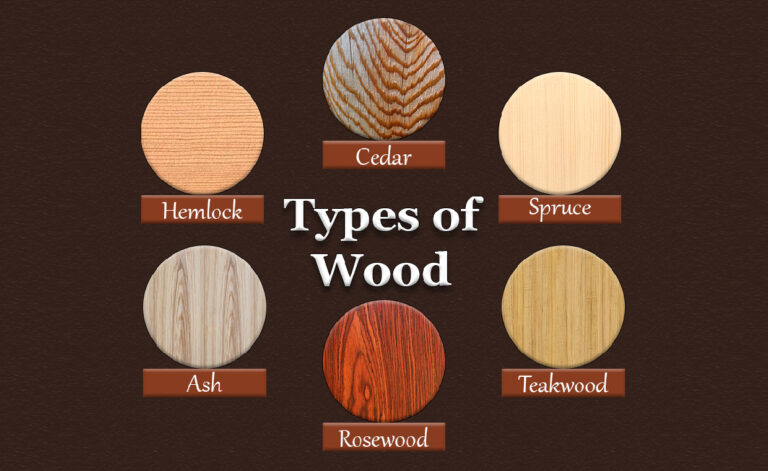
Before a single board goes in the truck, think about what each piece will be asked to do once it is cut, fastened, and finished. Framing, shelving, trim, decking, and outdoor rails all face different levels of stress, exposure, and visibility.
Bring room dimensions, span details, photos, and a rough-cut list so the order matches the actual build. Those details make it easier to separate structural lumber from boards meant for cleaner finish work.
After narrowing the list, compare the full lengths of each board. Homeowners who want a closer look at grade, straightness, and finish options may need guidance from local experts. If you are in Concord, for instance, you might want to visit Ashby Lumber to compare boards in person and ask which options fit the project’s load, location, and finished look.
Spend Smart, Not Just More
Material choices should be judged by lifespan, placement, and repair difficulty. A product hidden under flooring or inside a wall deserves more scrutiny than something you can repaint or swap out in an afternoon.
Before spending more, ask where the upgrade truly helps:
- Daily-use areas
- Wet spaces
- Load-bearing spots
- Weather-exposed surfaces
Better spending means fewer replacements, smoother installation, and less waste from rejected pieces. Leave part of the budget open for extra boards, matching trim, upgraded fasteners, or small changes once the work begins.
Do Not Ignore Moisture and Storage
Courtesy - Magnific
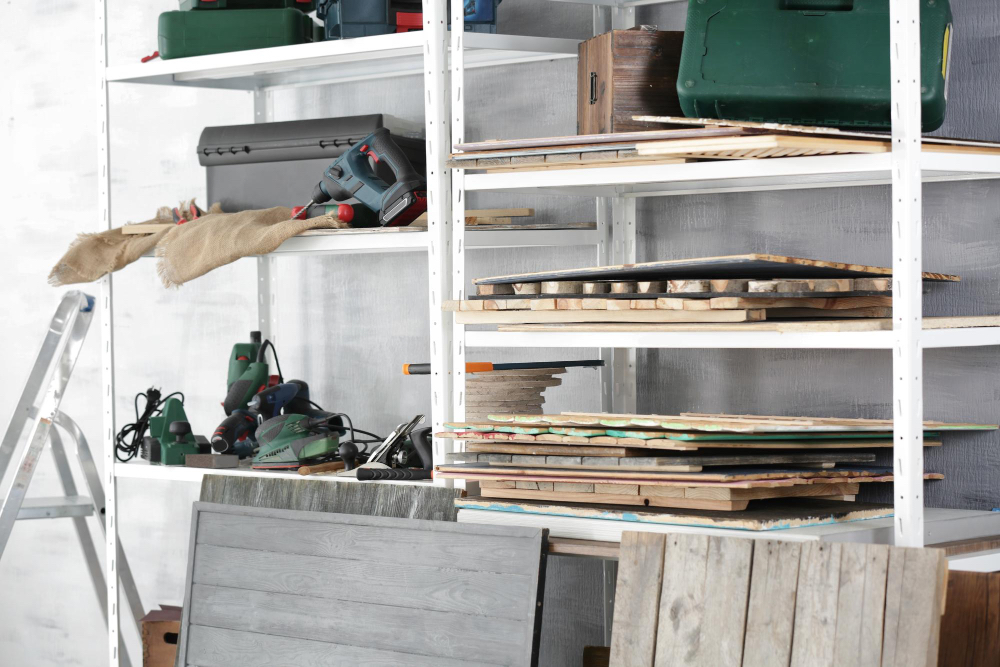
Moisture control comes down to three practical habits: keeping materials elevated, covering them the right way, and inspecting them before use. Those steps protect lumber from damage before it becomes part of the finished project.
Keep Materials Off the Ground
Stack boards on blocks, racks, or pallets so air can move underneath them. Ground contact can pull moisture into lumber and leave dirt or grit on surfaces meant for clean cuts.
Cover Without Trapping Dampness
A tarp helps during rain, but tight wrapping can hold moisture against the material. Leave room for airflow so boards can dry evenly rather than develop musty spots or surface staining.
Check Before You Build
The Building America Solution Center advises avoiding materials with visible water damage or mold. A quick inspection before cutting helps catch swollen edges, soft spots, discoloration, or boards that no longer sit flat.
Check Standards Before Installation

Courtesy - Magnific
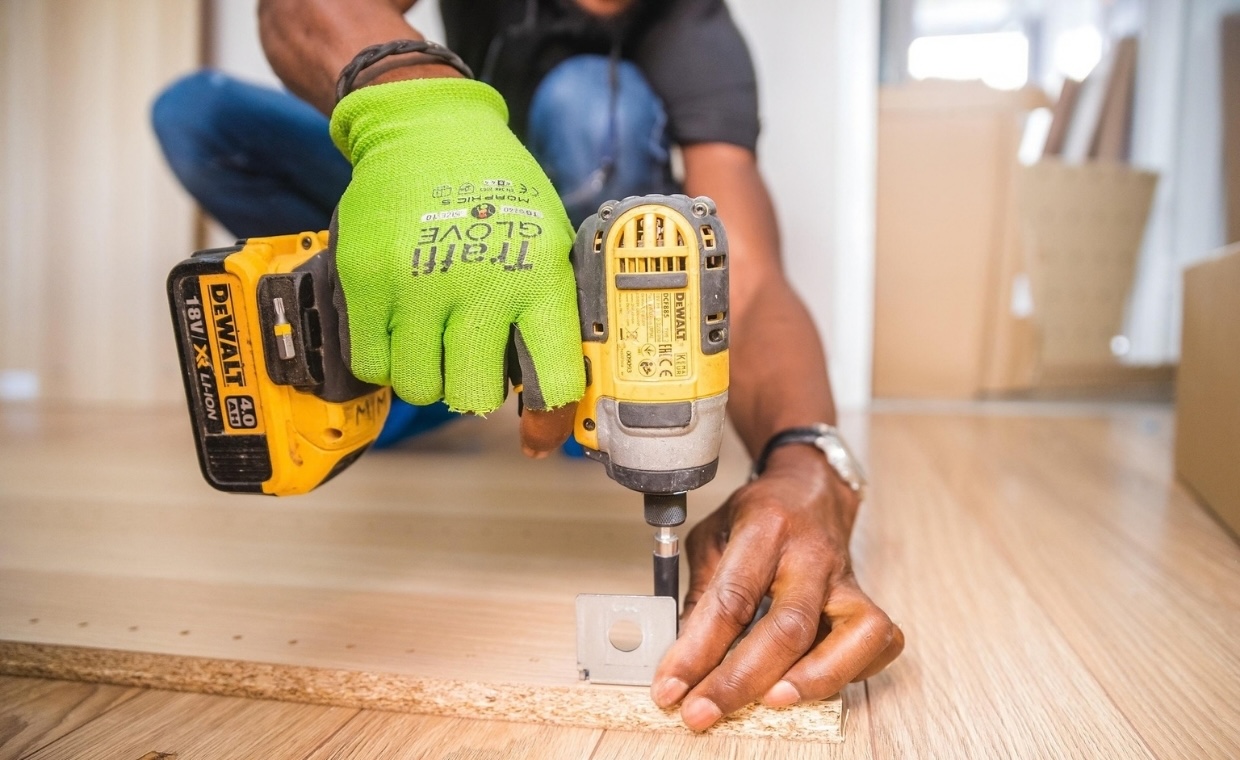
Quality materials still need to meet the project’s technical demands. Before work begins, confirm the span, load, exposure level, fastening method, and finish requirements for each major material.
Product labels, grade stamps, and manufacturer instructions can tell you where a material belongs and how it should be installed. Skipping those details can lead to failed inspections, weak connections, or voided warranties.
For larger projects, ask a contractor, inspector, or knowledgeable supplier to review the material list before anything is cut. Pay close attention to:
- Approved connector types
- Required spacing
- Compatible coatings
- Warranty limits
Let the Finished Work Speak for Itself
The real test of a home improvement project comes after the tools are put away. Doors should close cleanly, shelves should stay level, trim should meet neatly, and outdoor pieces should withstand the weather without causing new problems.
Before the next project begins, get a second opinion on the material list and installation plan. A supplier, contractor, or experienced builder can spot weak choices early and help you move forward with more confidence.
Also Read: How to Compare Interior Materials Before Renovation Starts
FAQs on Choosing Quality Materials for Home Improvement Project
1. Why is choosing quality materials for home improvement project decisions so important?
Selecting high-quality supplies prevents costly structural movement, gaps, and premature repairs down the line. It ensures smoother installation and protects your investment against daily wear and tear.
2. How do I determine which materials are best suited for my specific project?
Start by assessing the real demands of the space, such as foot traffic, sun exposure, moisture, and whether the job is load-bearing or strictly cosmetic. Matching products to these factors guarantees better long-term durability.
3. What should I inspect before buying or installing lumber?
Check boards for proper straightness, grade, span details, and signs of water damage or mould. Avoid using any materials that have soft spots, swollen edges, or visible discoloration.
4. How can I properly store building materials on-site to prevent damage?
Keep materials elevated off the ground on blocks or pallets to avoid moisture absorption, cover them with a tarp that allows proper airflow, and inspect every piece before installation.
5. Where should I allocate most of my budget during a renovation?
Prioritize spending on high-wear and critical structural areas, such as load-bearing spots, wet spaces, weather-exposed surfaces, and daily-use features.
Courtesy - Featured Image(Pixabay)
Author & Expert Review
Written & Verified By:  Shekhar J. Parikh – Co Founder – Gharpedia | Director – SDCPL

| Credentials: Director and Consulting Engineer at Sthapati Designers & Consultants Pvt. Ltd., with over 40 years of experience in civil engineering, project execution, and construction management. Experience: Civil engineering professional with 40+ years of practical experience across Gujarat and Maharashtra, specializing in construction projects, project execution, quality control, and construction management. Expertise: Specializing in civil engineering, construction management, project execution, site practices, and quality control. He reviews technical content to ensure it reflects practical site knowledge, industry standards, and best practices, while supporting informed decision-making related to property buying, selling, and renting. Find him on: LinkedIn |