






Table of Contents
Quick Summary
- Taking a closer look at how drain inspection methods have evolved over time
- Explains how traditional techniques rely on guesswork and physical probing
- Highlights how camera drain inspections provide real time visual diagnosis
- Compares accuracy, efficiency, and cost between both approaches
- Shows how camera inspections reduce unnecessary repairs and labour
- Discusses long term benefits including preventive maintenance
- Emphasises reduced disruption for homes and businesses
- Concludes that modern camera technology offers a more reliable solution
Drain problems are among the most frustrating issues for homeowners and businesses alike. Clogs, leaks, and blockages can disrupt daily routines and even cause costly damage if left untreated. Traditionally, plumbers relied on manual techniques to diagnose these problems, but modern technology has introduced camera drain inspections as a more advanced alternative. Comparing camera inspections with traditional methods reveals important differences in accuracy, efficiency, and long-term value.
Traditional Drain Inspection Methods
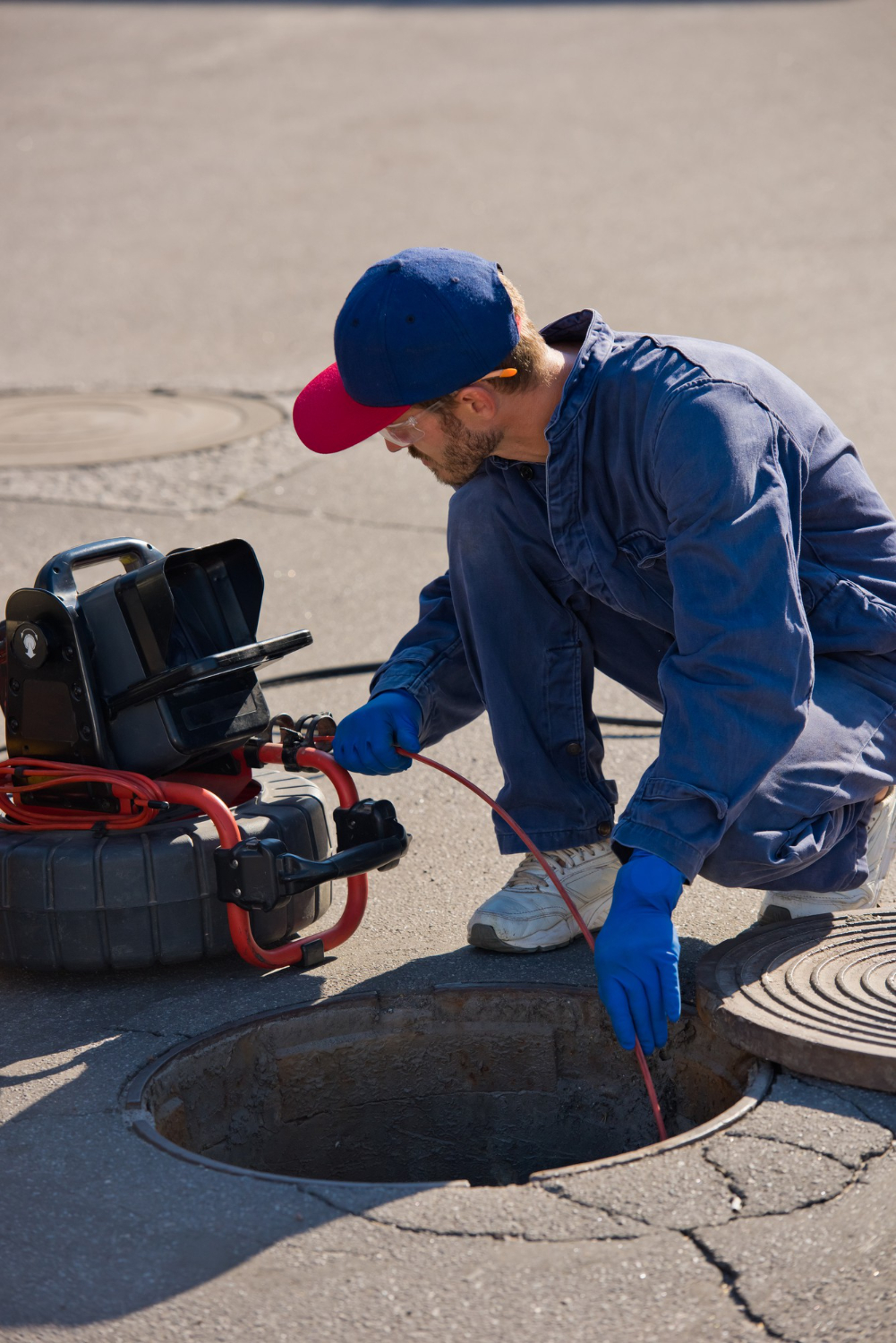
Before the advent of camera technology, plumbers used a combination of experience, physical tools, and trial-and-error to identify drain issues. Common techniques included using augers or snakes to probe pipes, listening for unusual sounds, and relying on visual clues such as water backups or slow drainage. While these methods could sometimes pinpoint the problem, they often required guesswork. In many cases, plumbers had to dig up sections of pipe or dismantle fixtures to confirm the source of the issue, which added time, labor, and expense.
Camera Drain Inspections Explained
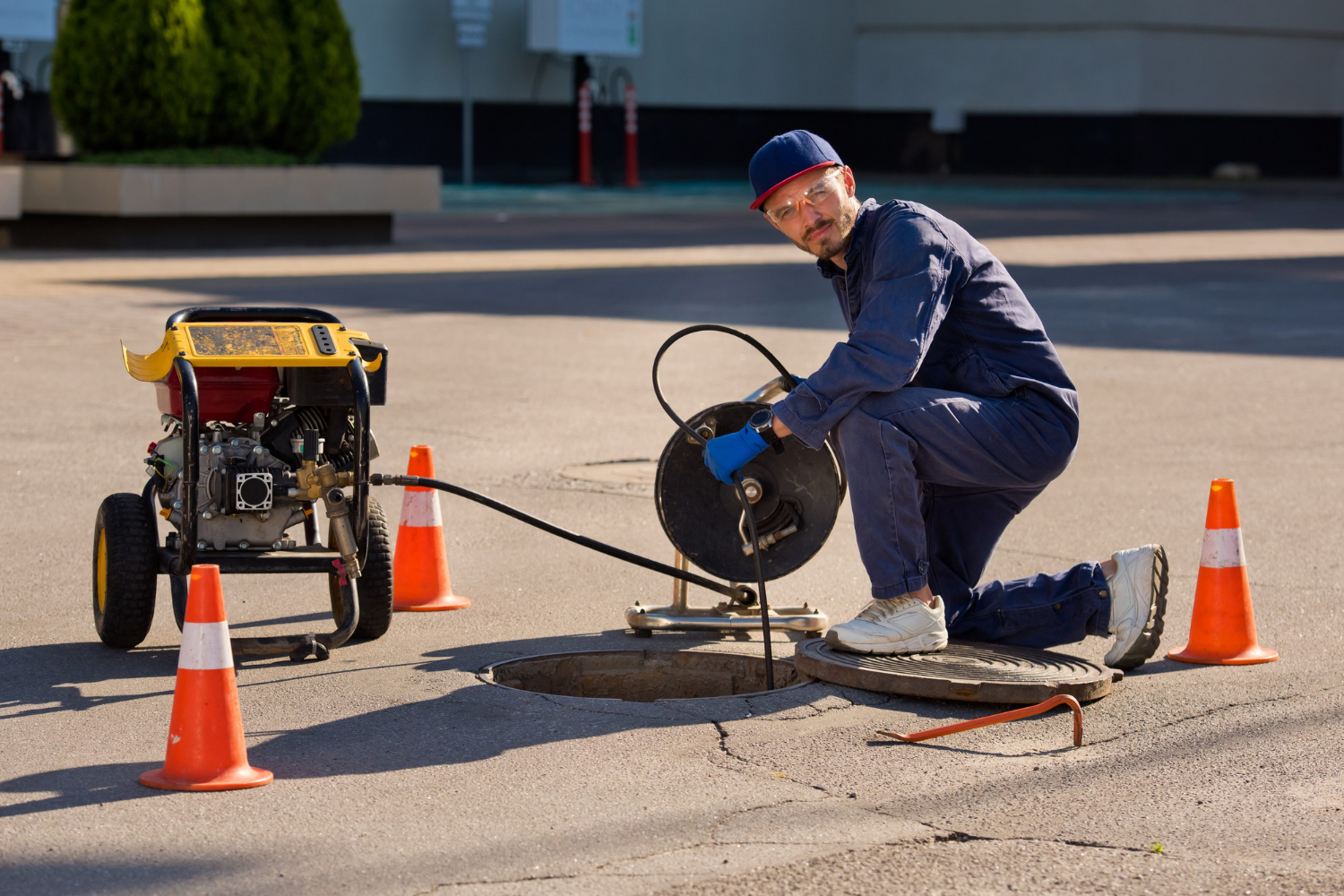
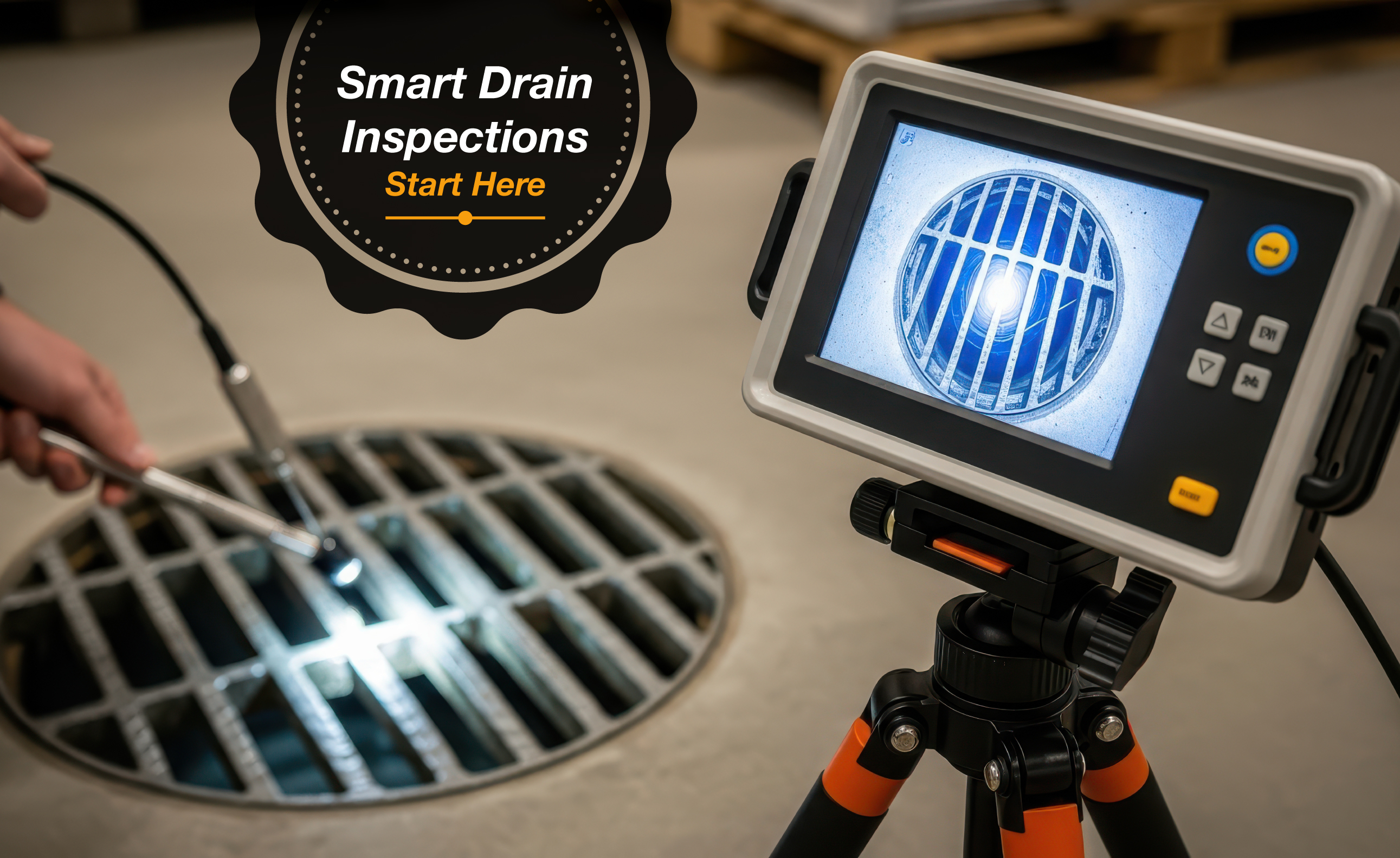
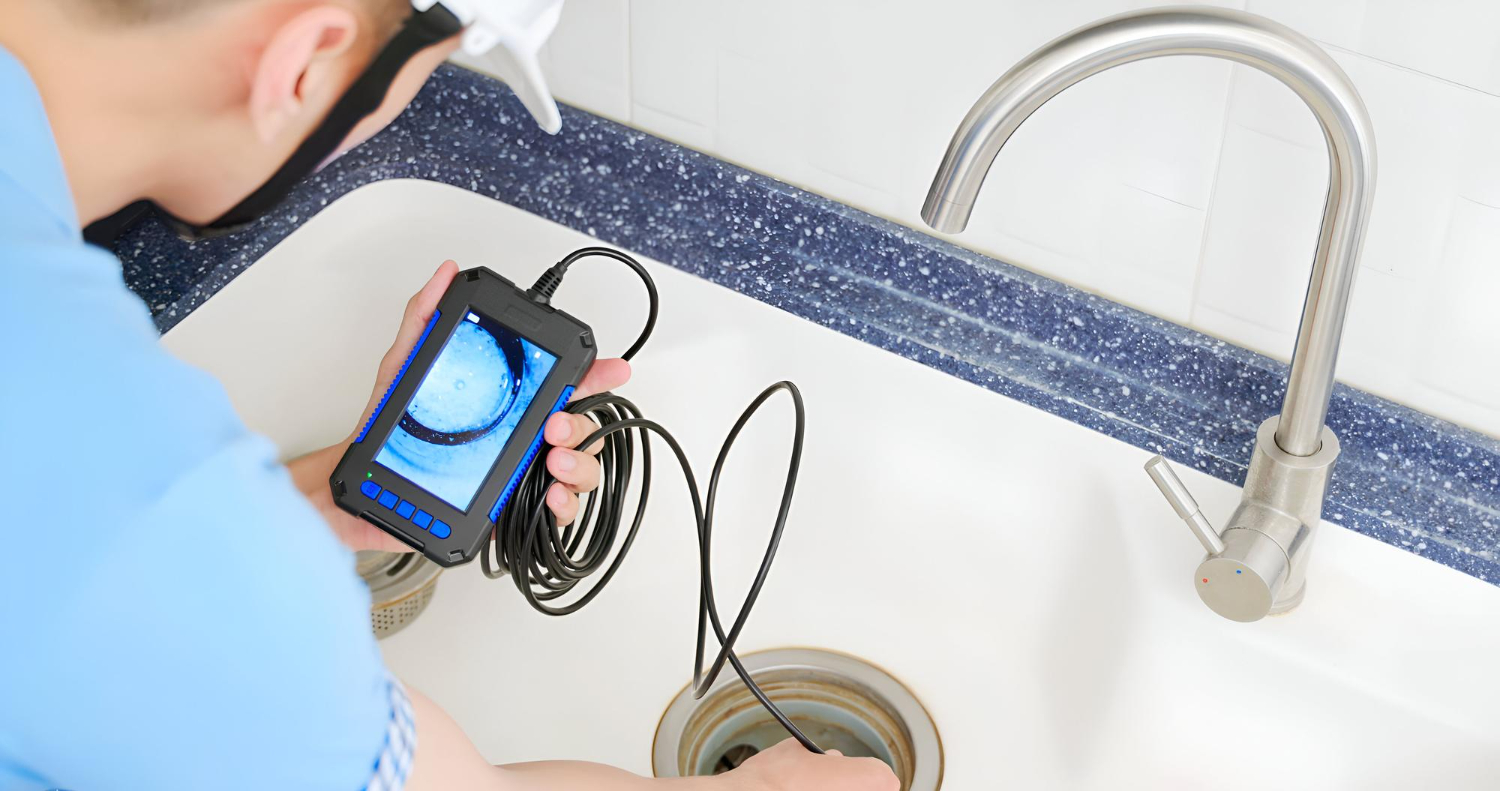
Camera drain inspections involve inserting a small, waterproof camera attached to a flexible cable into the plumbing system. The camera transmits real-time video footage to a monitor, allowing plumbers to see inside the pipes without invasive procedures. This technology provides a clear view of blockages, cracks, root intrusions, and other issues. By offering precise visual evidence, camera inspections eliminate much of the uncertainty associated with traditional methods.
Accuracy and Diagnostic Value
One of the most significant advantages of camera inspections is accuracy. Traditional methods often rely on symptoms rather than direct observation, which can lead to misdiagnosis. For example, a recurring clog might be treated as a buildup of debris when in reality it is caused by a cracked pipe or tree root intrusion. Camera inspections reveal the exact cause, enabling plumbers to recommend the most effective solution. This accuracy reduces the likelihood of repeated problems and unnecessary repairs.
Efficiency and Time Savings

Traditional inspections can be time-consuming, especially when they involve digging or dismantling parts of the plumbing system. Camera inspections, by contrast, provide immediate visual confirmation of issues. This efficiency saves both time and money, as plumbers can quickly identify the problem and proceed with targeted repairs. For homeowners and businesses, faster diagnosis means less disruption and quicker restoration of normal operations.
Cost Considerations

At first glance, camera inspections may seem more expensive due to the specialized equipment involved. However, they often save money in the long run. Traditional methods can lead to unnecessary labor costs, repeated service calls, and even property damage from exploratory digging. Camera inspections minimize these risks by providing clear, accurate information upfront. The investment in technology translates into fewer surprises and more predictable expenses.
Preventive Maintenance Benefits
Camera inspections are not only useful for diagnosing existing problems but also for preventive maintenance. By visually assessing the condition of pipes, plumbers can identify early signs of wear, corrosion, or intrusion before they escalate into major issues. Traditional methods rarely offer this level of foresight, making camera inspections a valuable tool for long-term property care. Preventive use of cameras helps extend the lifespan of plumbing systems and reduces the likelihood of emergencies.
Which Method Is Better?
While traditional methods still have their place in simple or minor issues, camera drain inspections clearly offer superior accuracy, efficiency, and long-term value. They reduce guesswork, save time, and provide peace of mind by showing exactly what is happening inside the pipes. For complex or recurring problems, camera inspections are the better choice, ensuring that solutions are precise and effective. Traditional techniques may remain useful for quick fixes, but when it comes to comprehensive diagnostics, modern technology has set a new standard.
Conclusion
The debate between camera drain inspections and traditional methods highlights the evolution of plumbing practices. Traditional techniques rely heavily on experience and physical probing, while camera inspections provide direct visual evidence of problems. For homeowners and businesses seeking reliable, efficient, and cost-effective solutions, camera inspections stand out as the better option. By embracing modern technology, property owners can ensure that their plumbing systems are maintained with accuracy and foresight, reducing both immediate headaches and long-term expenses. If you’re looking for reliable drainage solutions, https://tbpblockeddrainsandstormwater.com.au/ is the go-to resource for expert blocked drain and stormwater services tailored to both residential and commercial needs.
Also Read: A Breakdown of The Sewer Conversion Process: How Does It Work?
FAQs – Camera Drain Inspections
1. What is a camera drain inspection?
It is a method where a small waterproof camera is inserted into pipes to visually inspect blockages or damage.
2. Are camera drain inspections better than traditional methods?
Yes, they are more accurate and reduce guesswork, helping identify the exact issue quickly.
3. Do camera inspections cost more?
They may have a higher upfront cost but often save money by avoiding unnecessary repairs.
4. Can camera inspections detect all types of drain problems?
They can detect most issues such as cracks, blockages, and tree root intrusion.
5. When should I choose a camera drain inspection?
It is best for recurring problems, hidden leaks, or when the cause of blockage is unclear.
Author & Expert Review
Written By:  Gaurav Mishra | Civil Engineer & Content Writer

| Credentials: B.E. (Mahavir Swami College, Surat), Registered with Bhagwan Mahavir University (BMU). Experience: Civil Engineer with 5+ years of content writing experience, currently writing impactful articles for Gharpedia, part of SDCPL. Expertise: Specializes in writing well-researched content on residential construction, construction materials, design planning, on-site practices, and safety, blending technical accuracy with everyday clarity. Find him on: LinkedIn |
Verified By Expert:  Avni Desai | Environmental Engineer, SDCPL | M.E. (Environmental Engineering)
 Avni Desai | Environmental Engineer, SDCPL | M.E. (Environmental Engineering)
 This article has been reviewed for environmental, MEP, and building services accuracy by Avni Desai, an Environmental Engineer at Sthapati Designers & Consultants Pvt. Ltd. (SDCPL). With over 8 years of experience in water supply, wastewater management, infrastructure design, and building services, she brings practical expertise in MEP services, sustainable solutions, design planning, and on-site practices. Her professional services include planning and design of water supply systems, sewage and wastewater treatment systems (STP/WTP), drainage, rainwater harvesting, and other sustainable building services. Her review ensures the content aligns with environmental standards, efficient services planning, and real-world applicability.
Find her on: LinkedIn