





Table of Contents
Quick Summary
- Discover why bathroom waterproofing failures can remain hidden until serious damage develops.
- Understand how different building types can affect waterproofing requirements and potential risks.
- Compare liquid-applied, sheet membrane and foam waterproofing systems.
- Get an overview of typical waterproofing costs and possible additional repair expenses.
- Learn how damp grout, hollow tiles and mould can indicate waterproofing problems.
- Understand when permits and professional inspections may become necessary.
- Find out which questions to ask about membranes, flood testing, insurance and warranties.
- See how one Toronto renovation contractor approaches waterproofing as part of bathroom renovation work.
Courtesy - Magnific
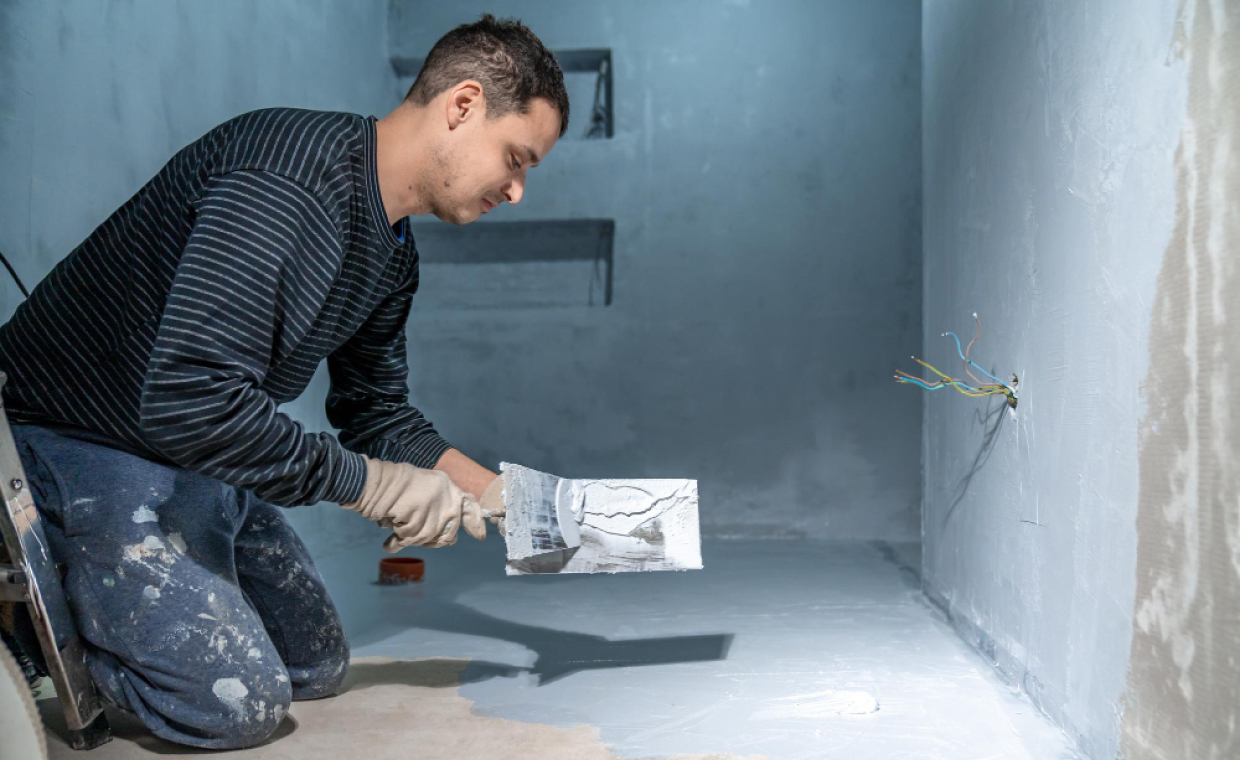
Bad bathroom waterproofing in Toronto usually shows itself 12 to 36 months after the tile goes up. Grout stays damp, tiles sound hollow, and mould appears. By then the membrane is buried, and the repair means tearing out the shower.
Standalone waterproofing costs $800 to $3,500 in the city. The usual shortcuts are bundling it into the tile quote, skipping membrane steps, and skipping the flood test before tiling.
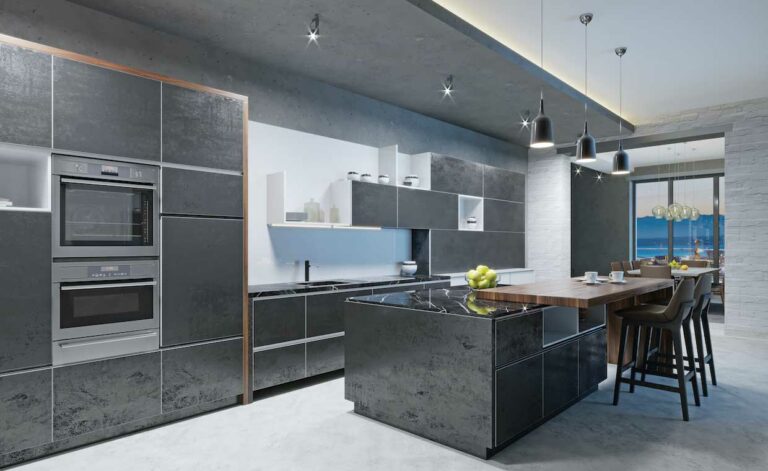
The risk climbs with the finish level. A steam shower, freestanding tub, or zoned heated floor adds moisture load and more transitions to seal. For a Toronto, ON, luxury bathroom remodel with book-matched slab stone and frameless glass, Mirage Renovations says most of its Yorkville, Lawrence Park, and Moore Park projects also involve replacing cast iron stacks and undersized joists.
Why Toronto Is a Tough Market
Courtesy - Magnific
Freeze-thaw cycling and high winter indoor humidity speed up moisture damage.
The existence of condominiums creates additional legal risks for property management entities. The 14th floor shower pan failure caused water to leak through the slab which reached the unit beneath it while starting insurance claim processes.
Housing age matters. Pre-1980s houses often have wooden subfloors and plaster walls that absorb moisture. The construction of modern condominiums includes concrete slabs but builders tend to create defective drainage systems and improper corner structures and flooring connections with walls. The substrate determines which system fits.
Public Money Is Moving into Toronto Construction
Ottawa and the City of Toronto announced in August that they will invest more than $2.7 billion over three years across more than 18 housing projects in the city, including more than $310 million from Build Canada Homes for nine projects on City-owned land. Build Canada Homes launched in September 2025 with $13 billion over five years, and on October 1 it committed $25 million toward about 80 supportive homes in Toronto.
The spending puts more work in front of Toronto’s skilled trades. For homeowners hiring a bathroom contractor, that is another reason to check insurance, systems, and warranties before signing.
What It Costs

Courtesy - Magnific
A sheet membrane system for a 50-square-foot shower runs $1,200 to $1,800 in labour and materials. Liquid-applied systems run $900 to $1,400 but need longer cure times.
Costs rise after demolition. Replacing cement board on one shower wall adds $300 to $600. A rotted subfloor beneath the pan adds $800 to $2,500.
Contractors should list waterproofing as its own line, separating materials, labour, cure time, and flood testing. Bundled quotes make it easier to cut scope unnoticed.
Three Systems in Use
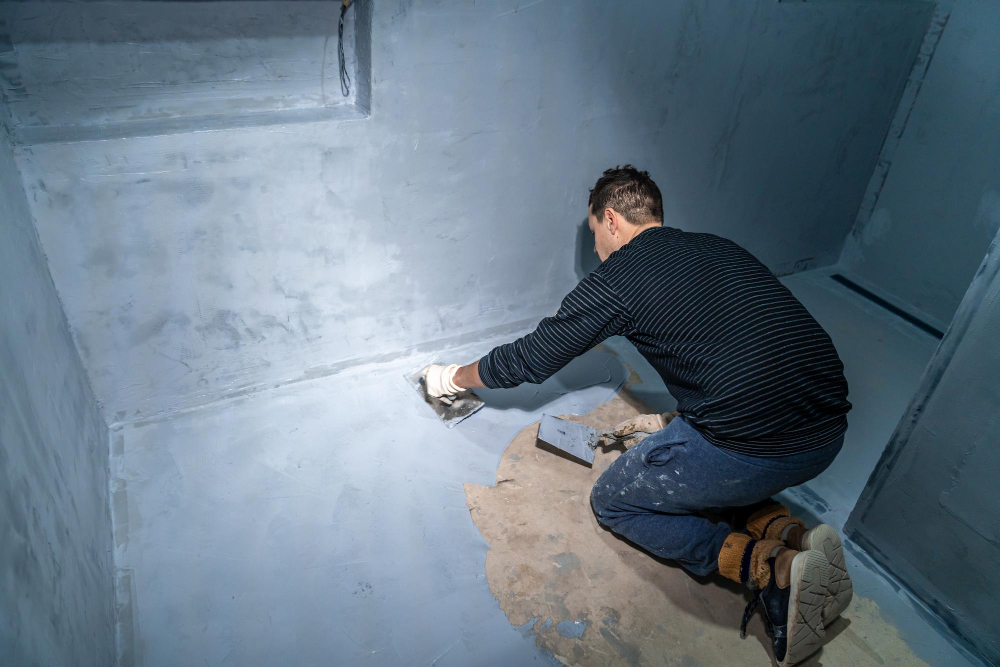
Liquid-applied membranes, such as Laticrete Hydro Ban and Mapei Mapelastic AquaDefense, suit odd shapes and many penetrations. Quality depends on the installer. Thin coats or missing corner reinforcement can crack within two to three years.
Sheet membranes, such as Schluter KERDI, give consistent thickness and a verifiable barrier. They are favoured in condos, where accountability spans multiple units.
Foam tile-ready systems combine waterproofing and substrate in one pre-sloped component. They cost more upfront, cut labour, and remove the junction where separate membranes often fail. They suit full shower replacements.
Warning Signs

Courtesy - Magnific
Failure shows in stages.
- Grout that stays damp more than two hours after a shower. Healthy grout dries in 30 to 60 minutes.
- Tile that sounds hollow when tapped, called debonding. Water has reached the wall or floor assembly.
- Mould at caulk joints, around the shower pan, or behind the toilet. The damage is advanced, and the system must be rebuilt from the substrate.
Permits and DIY
The City of Toronto does not require permits for standalone waterproofing projects which take place in existing bathroom spaces. The Ontario Building Code demands a permit for any work that involves moving fixtures or drains or changing walls while also requiring a plumbing inspection. Unpermitted work can result in a material defect which becomes evident during property sales or when insurance companies handle claims.
The DIY approach works best for small areas which receive minimal use such as backsplash and half-bath spaces. A complete demolition becomes necessary when the primary shower fails to work properly. The practice remains uncommon in condominiums because corporations now demand licensed contractors who must show proof of insurance coverage.
What to Ask Before Hiring
- WSIB coverage and general liability insurance, provided on request
- Which membrane product they use, how many coats or layers, how they handle drain flanges and inside corners, and whether they flood-test the pan
- Whether the project needs a permit, and whether they will pull it
- A written warranty of at least one year covering debonded tile, grout cracking, and moisture intrusion from installation failure
- References from bathrooms finished more than 12 months ago
Reviews are best read for pattern. A contractor with 47 reviews averaging 4.6 stars and three complaints about communication says more than the average does. Better Business Bureau records show whether complaints were resolved.
How One Toronto Contractor Handles It
Mirage Renovations was founded in 2006 by Tibor Amota, who arrived in Canada in 1996 and learned the trades from floor sanding to tile setting. The company quotes waterproofing as a separate line item, reviews it with the client before tiling, and uses sheet membranes as its shower standard.
Every bathroom gets a 24-hour flood test of the shower pan before tile. Most contractors skip this step because it adds a site visit and slows the schedule.
Mirage began with property managers. Its first contract was with Minto Properties in 2007, followed by Centurion, Rhapsody, and Boardwalk, and the company reports more than $19 million in completed renovations. It offers a written one-year warranty on bathroom waterproofing workmanship.
Also Read: How Do You Waterproof a Shower Remodel
FAQs – Bathroom Waterproofing Contractors
1. What do bathroom waterproofing contractors do?
Bathroom waterproofing contractors install protective systems behind tiles and other finishes to prevent water from reaching the underlying walls, floors and structural components.
2. How much does bathroom waterproofing cost?
The cost varies according to the size of the shower, waterproofing system, labour, substrate condition and any repairs required after demolition.
3. Which waterproofing system is best for a bathroom?
Liquid-applied membranes, sheet membranes and foam systems can all be suitable. The best choice depends on the bathroom design, substrate, penetrations and installation requirements.
4. Why is a shower pan flood test important?
A flood test can reveal leaks before the shower is covered with tiles. Identifying problems at this stage can prevent expensive demolition and repairs later.
5. What should I ask before hiring a waterproofing contractor?
Ask about their waterproofing product, installation process, flood-testing procedure, insurance, WSIB coverage, references, permits and written workmanship warranty.
Courtesy - Featured Image(Magnific)
Author & Expert Review
Written By:  Gaurav Mishra | Civil Engineer & Content Writer

| Credentials: B.E. (Mahavir Swami College, Surat), Registered with Bhagwan Mahavir University (BMU). Experience: Civil Engineer with 5+ years of content writing experience, currently writing impactful articles for Gharpedia, part of SDCPL. Expertise: Specializes in writing well-researched content on residential construction, construction materials, design planning, on-site practices, and safety, blending technical accuracy with everyday clarity. Find him on: LinkedIn |
Verified By Expert:  Avni Desai | Environmental Engineer, SDCPL | M.E. (Environmental Engineering)
 Avni Desai | Environmental Engineer, SDCPL | M.E. (Environmental Engineering)
 This article has been reviewed for environmental, MEP, and building services accuracy by Avni Desai, an Environmental Engineer at Sthapati Designers & Consultants Pvt. Ltd. (SDCPL). With over 8 years of experience in water supply, wastewater management, infrastructure design, and building services, she brings practical expertise in MEP services, sustainable solutions, design planning, and on-site practices. Her professional services include planning and design of water supply systems, sewage and wastewater treatment systems (STP/WTP), drainage, rainwater harvesting, and other sustainable building services. Her review ensures the content aligns with environmental standards, efficient services planning, and real-world applicability.
Find her on : LinkedIn