




Table of Contents
Quick Summary
- If you are planning a bathroom renovation, this guide explains how to select the most suitable bathroom wall materials for different wet areas.
- Discusses why moisture, humidity, and water exposure affect material performance.
- Explains wall material requirements for showers, vanity areas, powder rooms, and laundries.
- Compares popular options including tiles, bathroom wall panels, acrylic sheets, waterproof coatings, large slabs, and decorative finishes.
- Highlights important factors such as maintenance, installation, waterproofing, durability, and budget.
- Covers common mistakes homeowners make when choosing wet area wall finishes.
- Helps you balance appearance, practicality, and long-term performance for lasting results.
Choosing the right wall finish for a bathroom, shower, laundry, or other wet area is not only about design. Bathroom wall materials also need to handle moisture, humidity, splashes, cleaning, and everyday wear.Tiles are still common, but homeowners now have more options, including bathroom wall panels, acrylic sheets, waterproof coatings, large-format slabs, and decorative finishes for low-moisture zones.
The right wet area wall finish depends on where it will be used, how much water exposure it will face, how easy it is to clean, and how well it suits the room’s design and budget.
Why Wet Area Walls Need Careful Material Selection
Wet area walls face more stress than walls in dry rooms. Bathroom and laundry surfaces may deal with steam, condensation, direct water contact, cleaning products, and regular temperature changes.
If the wrong material is used, moisture can lead to swelling, staining, peeling, mould, or damage behind the surface. The substrate, waterproofing, sealing, joins, trims, and installation method also matter. A good-looking bathroom wall finish can fail if it is not suitable for the moisture level of the space.
Where The Wall Material Will Be Used
The same bathroom may need different wall materials in different zones. A finish that works behind a vanity may not be suitable inside a shower.
Shower Walls
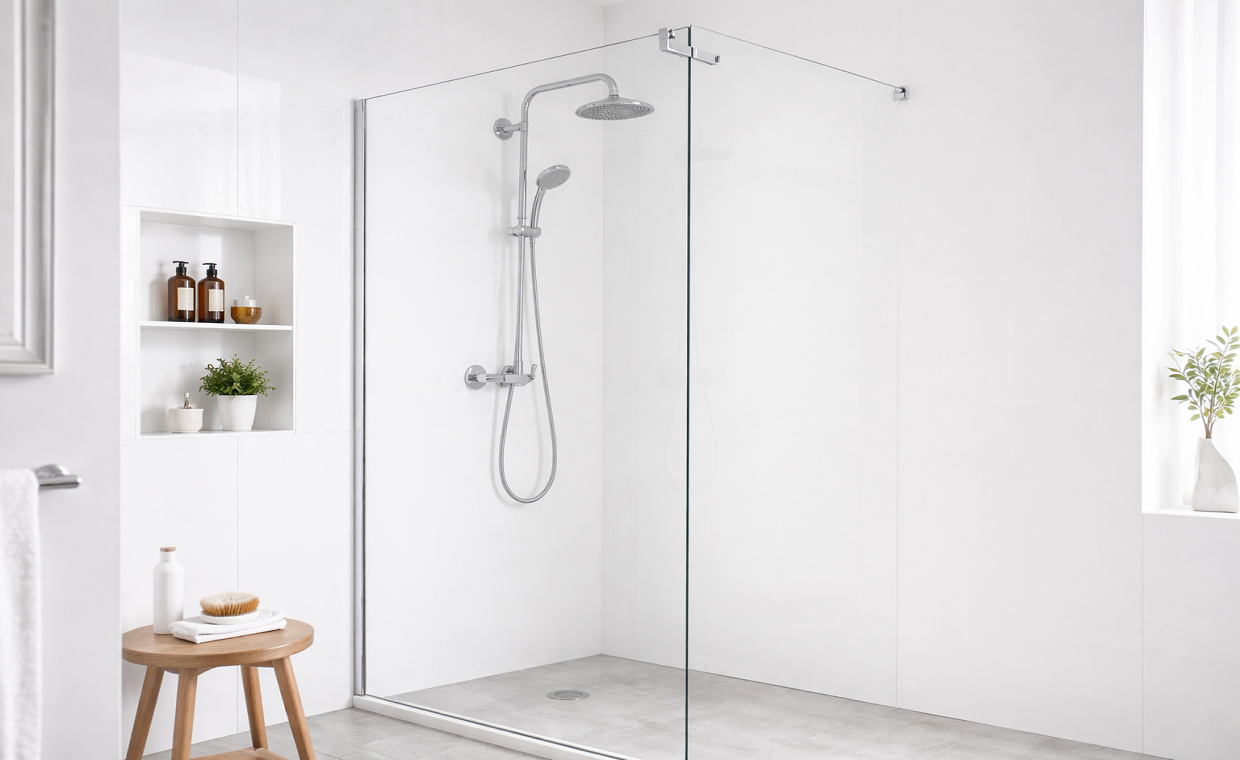
Shower walls need materials designed for direct water exposure. The finish should be supported by proper waterproofing, sealing, joins, and installation.
Vanity And Splashback Areas
Vanity walls and splashbacks usually face splashes rather than constant running water. This allows more flexibility, provided the material is moisture-resistant and easy to clean.
Powder Rooms And Low-Moisture Spaces
Powder rooms often allow more decorative wall finishes because there is usually no shower or bath creating constant humidity.
Laundries And Utility Wet Areas
Laundries need practical, durable, easy-clean wall materials that can handle splashes, detergent marks, moisture, and daily use.
Bathroom Wall Material Options to Consider
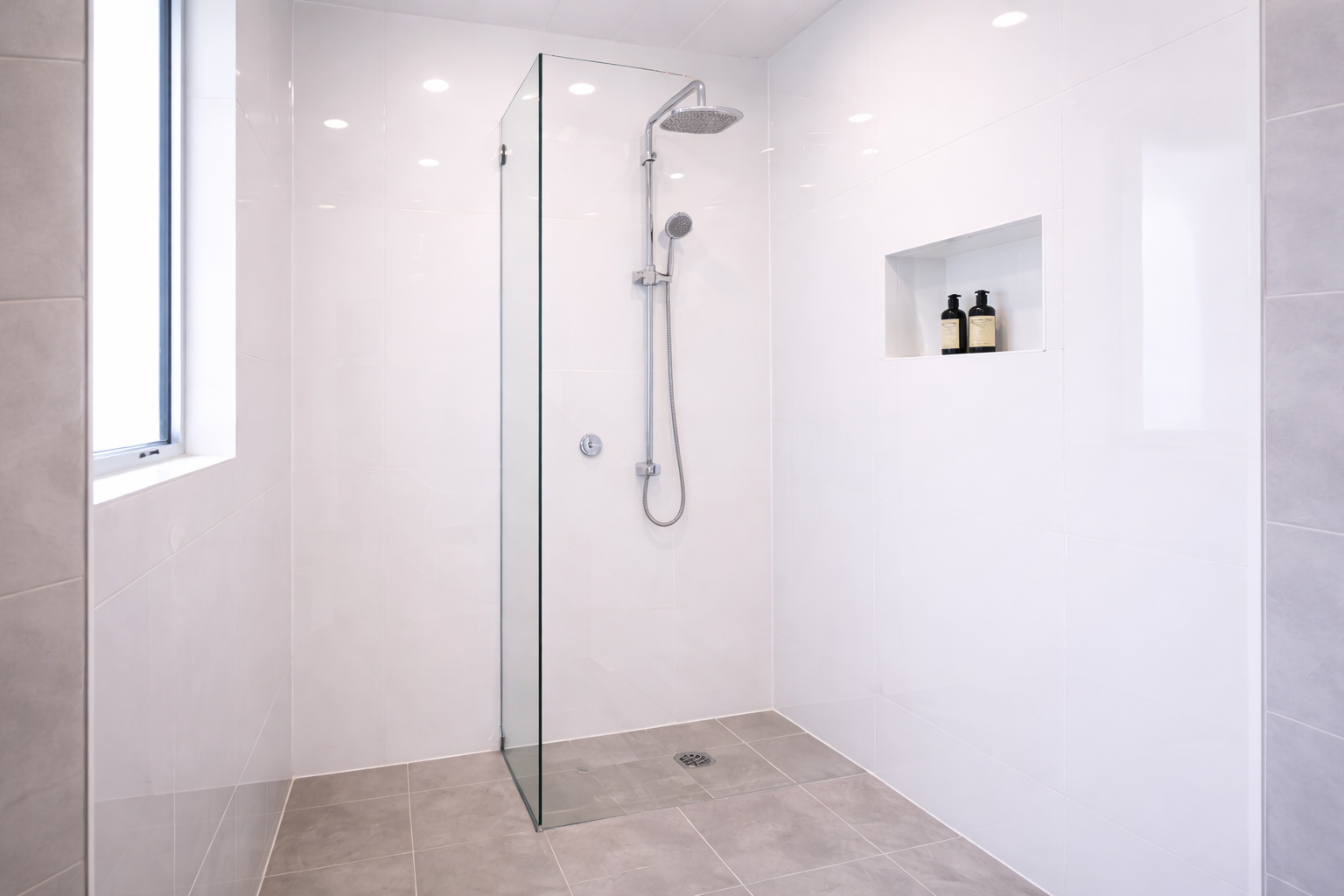
Once the wet-area location and moisture level are clear, the next step is to compare the main bathroom wall material options. Each finish has different strengths, maintenance needs, installation requirements, and design effects. The right choice depends on whether the surface will be used in a shower, vanity area, powder room, laundry, or another wet zone.
Traditional Tiles
Traditional tiles remain a reliable choice for wet area walls. They are durable, widely available, and suitable for bathrooms, showers, laundries, and splashbacks when installed correctly with proper waterproofing.
They also offer many design options, including different colours, shapes, sizes, textures, and patterns. The main limitations are grout maintenance, longer installation time, and the mess involved in removing old tiles during renovations.
Tiles are still a strong bathroom wall material, but they are not the only option. If easy cleaning, fewer joins, or faster installation matter, it is worth comparing tiles with other wet area wall finishes.
Bathroom Wall Panels
Bathroom wall panels are a practical option for homeowners who want a cleaner, low-maintenance bathroom wall finish. They can create a larger, more continuous surface with fewer grout lines than traditional tiles.
Depending on the product and installation system, bathroom wall panels may suit showers, bathrooms, laundries, and other wet areas. PVC wall panels are often chosen because they are lightweight, water-resistant, easy to handle, and available in different decorative finishes. Some suppliers, such as Wet Wall Works, offer PVC panels with a tongue-and-groove edge detail, which helps create a neater join between panels.
For homeowners comparing options beyond tiles, wall panels are often considered a tile alternative for bathroom walls because they can offer a cleaner surface with fewer grout lines and a faster installation pathway in suitable spaces.
When comparing different bathroom wall panels, look at water resistance, panel thickness, joining method, trims, installation requirements, and cleaning instructions before choosing a system for a wet area.
Acrylic And Solid Surface Sheets
Acrylic and solid surface sheets can create a smooth, modern bathroom wall finish with fewer joins than tiles. They often suit contemporary bathrooms where a glossy, seamless, or highly polished look is wanted.
These materials can be easy to clean and may help smaller bathrooms feel brighter by reflecting more light. However, they are often higher in cost and may require professional measuring, fabrication, and installation. Scratching, repairability, and long-term maintenance will depend on the specific material.
Waterproof Paint Systems and Coatings
Waterproof or moisture-resistant paint systems can be useful in selected bathroom zones, such as ceilings, powder rooms, and low-splash walls. They can also refresh a bathroom affordably when the existing surface is sound.
However, not all paints are suitable for direct wet areas. Surface preparation, ventilation, and manufacturer instructions matter. Paint should not usually be treated as a replacement for a proper shower wall system unless it is part of a tested wet-area coating system.
Natural Stone and Large Slabs
Natural stone, engineered stone, porcelain slabs, and other large-format materials can create a premium bathroom wall finish with strong visual impact. They are often used for feature walls, luxury bathrooms, and designs where fewer joins are preferred.
These materials are not suitable for every project. They can be heavy, costly, and more complex to install. Depending on the material, sealing may be required, and the substrate must be strong enough to support the weight.
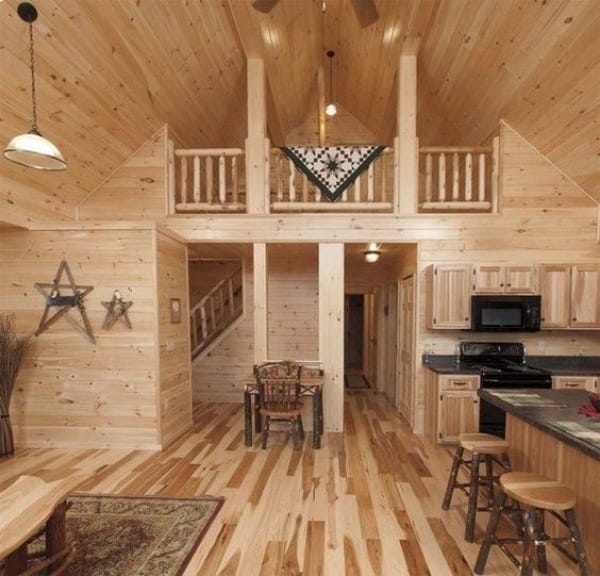
Decorative Panels and Timber-Look Finishes
Decorative panels and timber-look finishes can add warmth, texture, and softness to bathrooms. They may work well on vanity walls, powder rooms, and low-splash zones where the goal is to soften hard bathroom surfaces.
They should be used carefully in wet areas. MDF, timber, veneer-style products, and some decorative panels may fail if exposed to moisture. Always check whether the material is suitable for wet areas before installation, and avoid using decorative finishes as a substitute for a true shower wall system.
Key Factors to Compare Before Choosing
Before choosing a bathroom wall material, compare how it will perform in the actual space. A finish that works well in a powder room may not suit a shower, and a material that looks attractive on day one may become difficult to maintain if it is used in the wrong zone.
The main factors to compare include:
- Water exposure: Consider whether the wall will face direct water, occasional splashes, or general humidity. Shower walls need a higher level of wet-area performance than vanity walls or powder rooms.
- Cleaning and maintenance: Grout-heavy surfaces, smooth panels, painted finishes, textured coatings, and slab materials all clean differently. Choose a surface that suits how often the room is used.
- Installation time: Some materials require specialist trades, curing time, or demolition. Others may reduce disruption if the existing surface is sound and the system is suitable.
- Surface preparation: The wall behind the finish should be sound, dry, clean, and suitable for the chosen material. Covering a damp or damaged surface can create bigger problems later.
- Design style: The finish should suit the overall bathroom style, whether the room is minimal, classic, stone-look, warm, glossy, or understated.
- Budget: The lowest upfront cost is not always the most cost-effective choice if the material needs more cleaning, repair, or replacement over time.
Common Mistakes to Avoid
A bathroom wall finish should be chosen for both appearance and performance. Even a good-looking material can fail if it is used in the wrong location, installed over a poor surface, or exposed to more moisture than it is designed to handle.
Common mistakes include:
- Choosing based only on appearance: A finish may look beautiful, but it still needs to suit the moisture level, cleaning needs, and daily use of the space.
- Using decorative panels in direct wet areas: Timber-look, MDF, veneer-style, and decorative panels should not be used in showers unless they are specifically rated for that purpose.
- Ignoring waterproofing requirements: Wet area walls need the right waterproofing, sealing, joins, and installation system behind the visible finish.
- Covering damaged or damp walls: Installing a new finish over damp, soft, mouldy, or damaged walls can hide the problem rather than solve it.
- Forgetting ventilation: Poor ventilation can lead to condensation, mould, staining, and faster wear on bathroom wall materials.
- Skipping cleaning instructions: Some finishes need gentle cleaning products, while others can handle more regular scrubbing.
- Mixing too many finishes: In a small bathroom, too many colours, textures, or materials can make the room feel busy.
- Underestimating installation skill: Some bathroom wall materials are suitable for confident DIYers, while others need professional measuring, sealing, or installation.
Final Thoughts
Wet area wall materials need to balance design, water resistance, cleaning, installation, and long-term performance. Tiles remain a strong and familiar choice, but they are no longer the only option for bathrooms, showers, laundries, and other wet areas.
Bathroom wall panels, acrylic sheets, waterproof coatings, large slabs, and decorative finishes can all work well when used in the right location. The right bathroom wall material is not simply the one that looks best on day one. It is the finish that suits the wet area, handles moisture correctly, supports the design style, and remains practical to maintain over time.
Also Read: Practical Bathroom Design Ideas for Modern Homes
FAQs – Bathroom Wall Materials
1. What are the best bathroom wall materials for wet areas?
Tiles, bathroom wall panels, acrylic sheets, and large-format porcelain slabs are among the most popular bathroom wall materials because they offer good moisture resistance and durability when installed correctly.
2. Are bathroom wall panels better than tiles?
Bathroom wall panels can provide fewer joins, easier cleaning, and faster installation. However, the best choice depends on the room’s moisture level, budget, and design preferences.
3. Can waterproof paint be used on shower walls?
Most waterproof paints are better suited to ceilings and low-splash areas. Shower walls usually require a dedicated waterproof wall system designed for direct water exposure.
4. What should I consider when choosing a wet area wall finish?
Consider water exposure, maintenance requirements, installation complexity, waterproofing needs, design style, and long-term durability before selecting a wall finish.
5. Are decorative wall panels suitable for bathrooms?
Decorative panels can work well in powder rooms and low-moisture areas. However, they should only be used in wet zones if they are specifically rated for bathroom applications.
Author & Expert Review
Written By:  Gaurav Mishra | Civil Engineer & Content Writer

| Credentials: B.E. (Mahavir Swami College, Surat), Registered with Bhagwan Mahavir University (BMU). Experience: Civil Engineer with 5+ years of content writing experience, currently writing impactful articles for Gharpedia, part of SDCPL. Expertise: Specializes in writing well-researched content on residential construction, construction materials, design planning, on-site practices, and safety, blending technical accuracy with everyday clarity. Find him on: LinkedIn |
Verified By Expert: Farhan Shaikh – Senior Manager – Architect, SDCPL | Associate Member – IIA

This article has been reviewed for architectural and interior design accuracy by Farhan Shaikh, Senior Manager – Architect at Sthapati Designers & Consultants Pvt. Ltd. As the lead for all architectural and interior projects at SDCPL and an Associate Member of the Indian Institute of Architects (IIA), he brings hands-on experience in architectural planning, interior design, project coordination, and sustainable strategies. His review ensures the content reflects practical design considerations, industry best practices, and real-world applicability across both architecture and interior spaces.
Find him on : LinkedIn