






Table of Contents
Quick Summary
- Understand what backflow is and why it matters in hospitality venues.
- Identify how new kitchen and beverage equipment can create new cross-connections.
- Learn why renovations and plumbing layout changes should trigger a review.
- See why taking over an existing venue is a useful time to check the water system.
- Recognise water pressure changes, unusual smells, tastes and pipe noises as reasons to investigate.
- Find practical ways to schedule a review around service hours and planned maintenance.
- Know what information a plumber may check during a professional site review.
- Learn why raising plumbing concerns early can help avoid rushed work later.
Courtesy - Magnific
Backflow problems in hospitality venues tend to surface after something changes, not while everything stays the same. Plumbers who work with commercial kitchens say the trigger for a professional review is usually an event: new equipment, a renovation, a change of ownership, or a shift in how the water behaves.
A review is a structured look at how water moves through a venue and where it could flow the wrong way. For operators, the useful skill is knowing when to ask for one.
What Backflow Means at A Practical Level
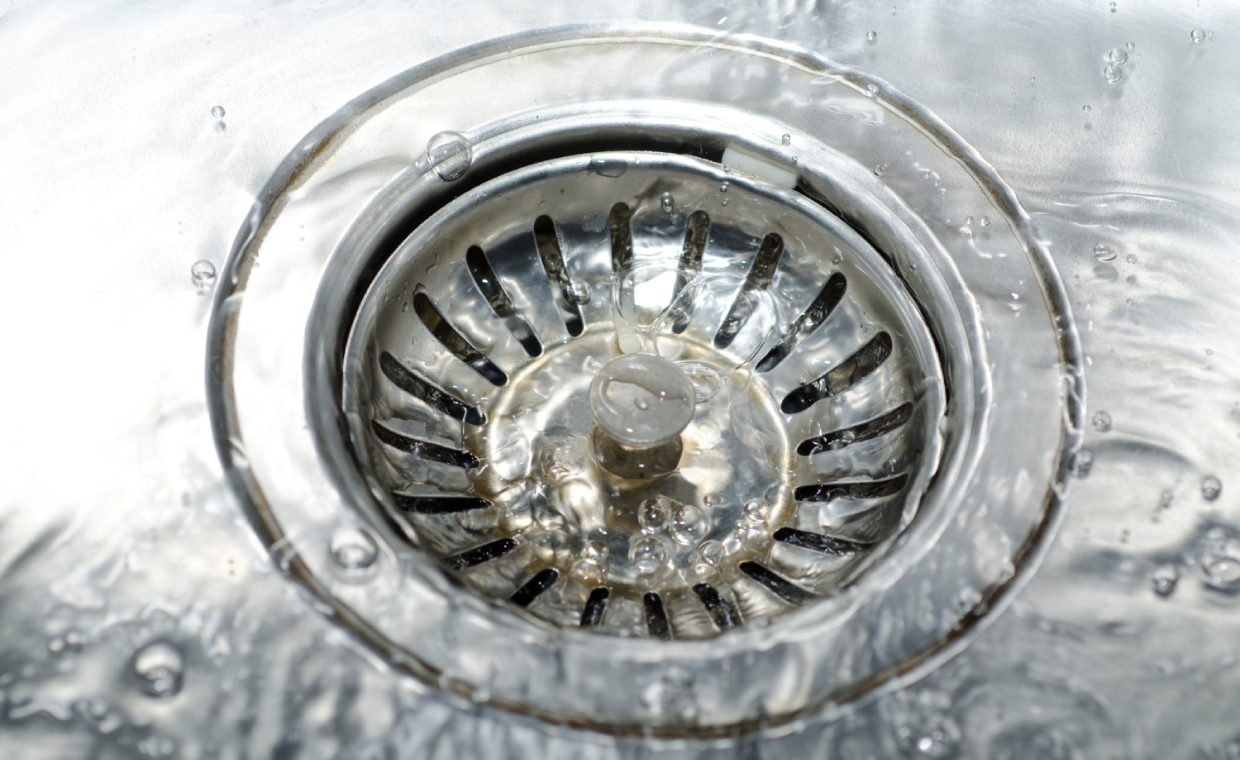
A venue’s water supply is designed to move in one direction, from the mains into the building and out through taps and equipment. Backflow is any reversal of that direction.
There are two causes. Backsiphonage happens when pressure in the supply main drops, during a burst pipe nearby or heavy local demand, and water is pulled backward toward the main.
Backpressure happens when equipment inside the building pushes back harder than the incoming supply. Pumps, boilers and pressurized drink systems can all produce it.
Both conditions only become a problem at a cross-connection, which is any point where the clean supply meets something else. In a hospitality venue that can be a hose left in a sink, a detergent line on a glasswasher, a boiler on a coffee machine, or a drinks system running on gas pressure.
A home kitchen might connect a dishwasher and little else. A commercial venue connects far more, and each connection is a point where reversed flow has somewhere to go.
Water utilities and plumbing guidance describe the same basic principle: once water leaves the clean supply and enters equipment or fittings, it shouldn’t return. Local rules on how venues achieve that differ, which is one reason the detail belongs with a licensed plumber.
Some protection sits at the property boundary and guards the wider supply network. Other protection sits at individual fixtures inside and guards the people in the building. Operators often know about one and not the other.
New Equipment Is a Reason for Review
Courtesy - Magnific
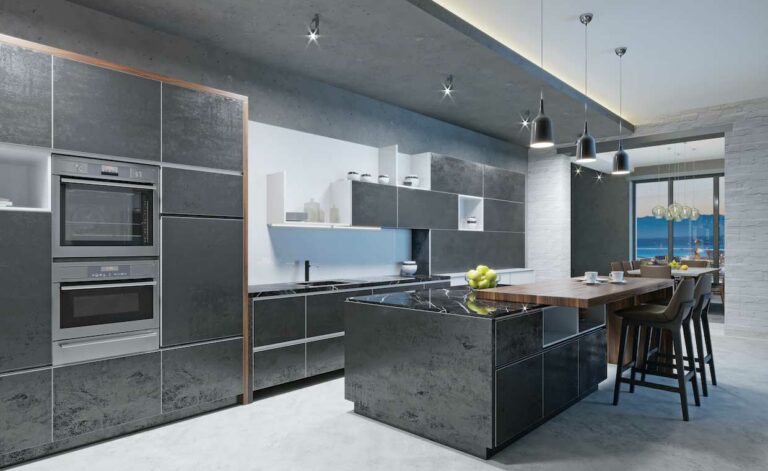
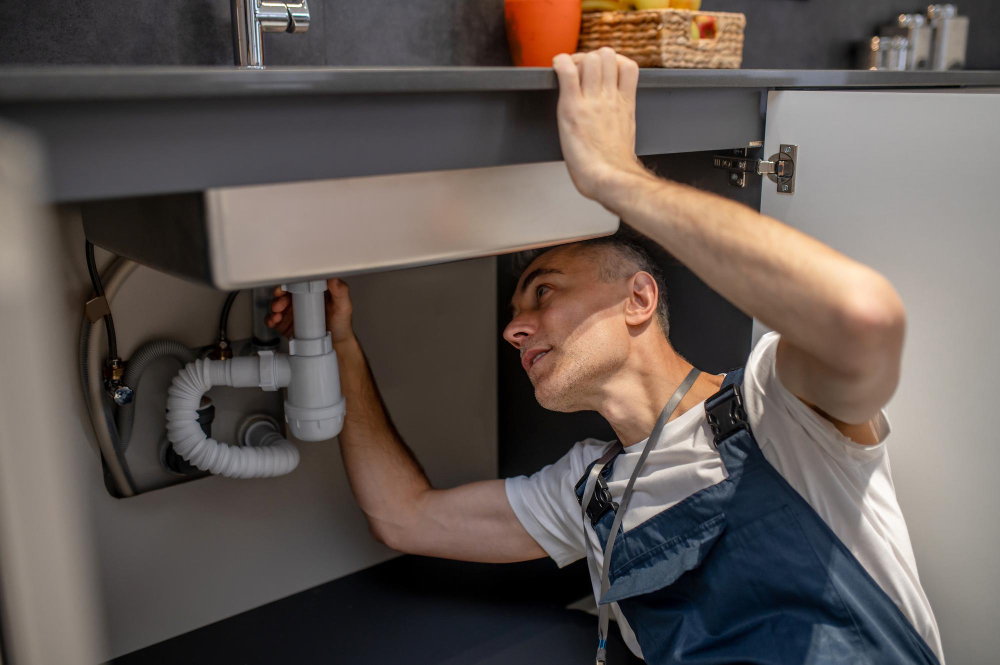
New kitchen equipment is a good reason to review backflow prevention. That review is separate from the scheduled test a testable backflow device needs, which is generally due every year even in a venue where nothing has changed. The machine arrives, it gets plumbed in, and the water system changes with it.
The usual examples are combi steamers, post-mix beverage guns, espresso machines on direct water lines, and glasswashers with automatic detergent dosing. Ice machines, water filters and booster pumps belong on the same list.
Each of these either adds a new cross-connection or changes the pressure behavior of the system it joins. Some do both.
A post-mix system combines water, syrup and pressurized gas at the gun. An espresso machine draws line water through its own pump and boiler. A combi steamer heats water under pressure, and a glasswasher injects detergent into its wash water automatically.
None of this makes the equipment a problem. It means each unit has a relationship with the water supply, and a plumber assessing the whole system needs to know about it.
The right moment to raise backflow is before installation, while the quote is still on the table. The questions are short ones: does the machine connect straight to the water line, can it build its own pressure, and does it dose or mix anything into the water.
A supplier’s installer focuses on getting the machine running. Whether the wider plumbing still makes sense afterward is a different question, and it’s one that belongs to the venue.
Renovations and Layout Changes
Renovations change plumbing in ways that don’t show on the finished surfaces. Moving a prep sink, adding a bar or coffee station, re-routing pipework, or extending the kitchen all redraw the map of where water goes.
New hose taps near chemical storage or waste areas deserve a mention during planning. So does any wash-down point added for a grease trap or bin area.
Temporary setups during works count as well. A hose run across the floor to keep a bar operating, or a bypass fitted while a section of pipe is replaced, can outlast the project it was meant for.
Outdoor areas get forgotten. Courtyard taps, irrigation tie-ins, cleaning points and water features all connect to the same supply as the kitchen.
Older buildings carry extra uncertainty. Decades of alterations by previous tenants can leave connections that nobody documented and nobody remembers.
Jobs come up where a line assumed to feed one fixture turned out to feed two, or where a pipe abandoned years earlier was still connected. None of this is visible until someone looks.
Any project that moves, adds, removes or caps off water points is a reason to raise backflow, even when the project itself has nothing to do with plumbing.
Taking Over an Existing Venue
Courtesy - Magnific
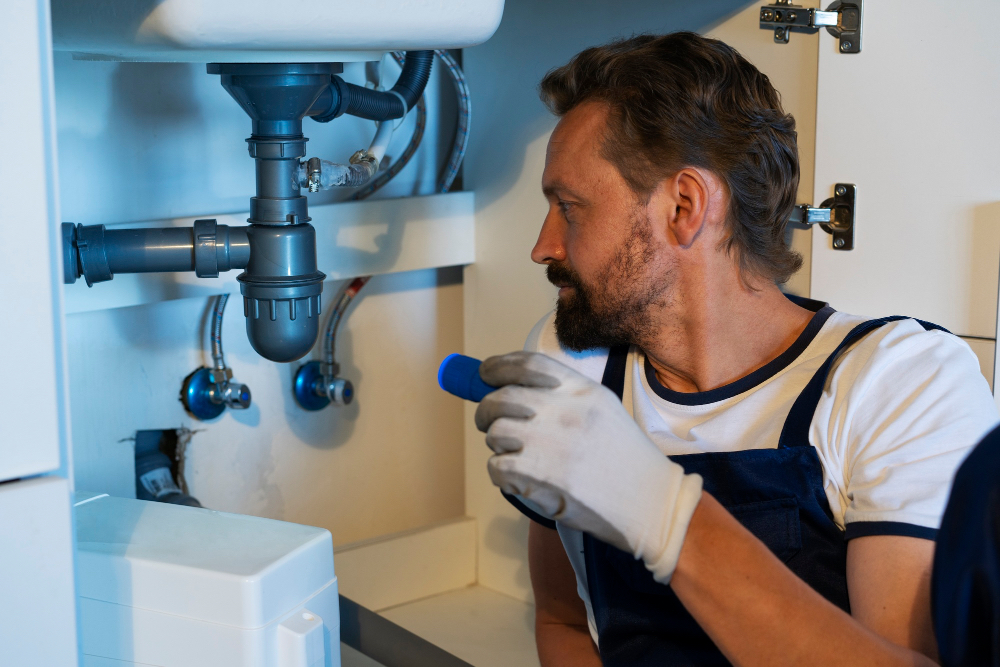
A change of ownership or lease is the trigger operators most often overlook. The incoming operator inherits whatever is in the walls, along with whatever records the previous operator kept.
Sometimes those records are thorough, but often there’s nothing to hand over at all.
Records, when they exist, tend to take recognizable forms: metal tags fixed to valves, stickers with dates, invoices from earlier plumbing visits. Their absence tells the incoming operator something as well.
Questions for the outgoing operator or the agent are worth asking early: when the plumbing was last assessed, whether any backflow devices are on the premises, where they sit, and who has worked on it before.
The landlord or building manager is another source. In leased premises, the property owner sometimes holds part of the plumbing history.
When the answers are vague, a review gives the incoming operator a baseline. It records what exists and where it sits, and it notes the condition of what is found before the new name goes over the door.
Finding someone to do the work is straightforward. A search for plumber Adelaide is the kind of query operators in that city use, and most regions have trade directories or local listings that do the same job.
A first visit at handover also sets up the relationship for what follows, from the first leaking tap to the next equipment install.
Changes in How the Water Behaves
Some triggers are not events on a calendar but things staff notice during service. Discolored water after supply works in the street, an odd taste or smell reported by the team, pressure that drops at prep sinks during busy periods. Banging in the pipes when equipment cycles on or off, a sound plumbers call water hammer, is another sign worth noting.
A valve or fitting that drips constantly, or one that discharges water now and then, is worth writing down. So is water that looks or tastes different at one tap but not at others.
None of these signs confirm backflow on their own. They are reasons to ask a question, and that is all they need to be.
Keeping a short note of what was noticed, and when, helps that conversation. “The prep sink slows every lunch service” is more useful than a general complaint about pressure.
Works in the street matter too. Mains repairs or construction next door can change local pressure, and venues sometimes notice the difference within the same week.
Timing a Review Around Service
Courtesy - Magnific
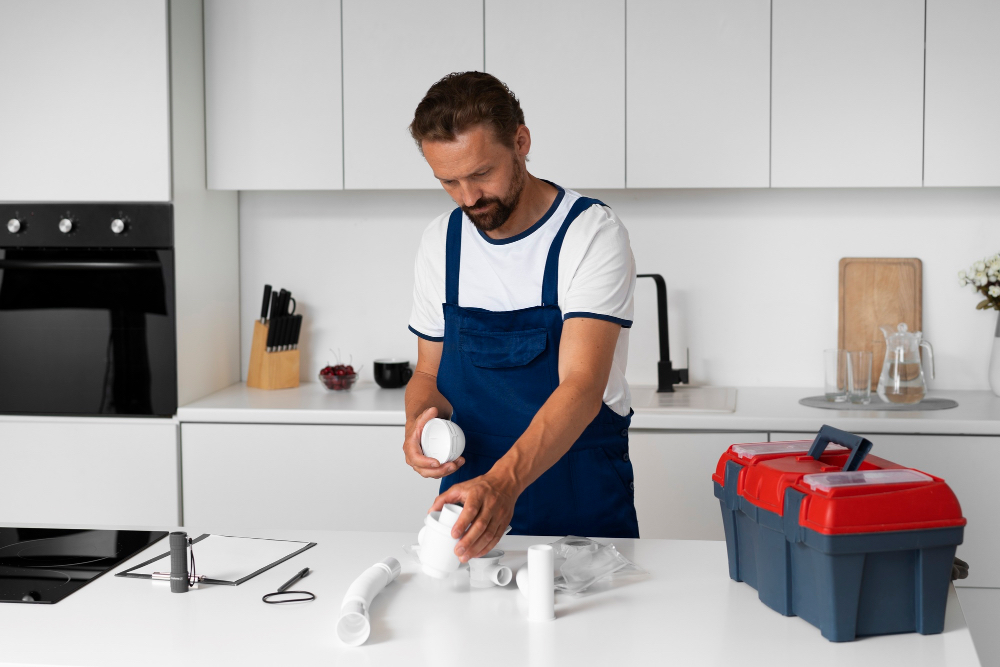
Hospitality runs on service windows, and plumbing work has to fit around them. Reviews are easiest to book on closed days, in the gap between lunch and dinner, before the day’s prep begins, or in the off-season.
The quieter the period, the more of the building a plumber can see without working around staff. Taps get turned off and on, and equipment gets looked at while it sits idle.
Seasonal venues have a built-in window. A café that closes for two weeks each year, or a bar with a slow quarter, can fold a review into that downtime alongside deep cleaning and equipment servicing.
Other plans shape timing as well. Raising plumbing during the planning of an equipment install or a refit is simpler than raising it afterward.
Coordinating trades helps. If a refrigeration technician or a benchtop installer is already booked, adding a plumbing look at the water connections costs little extra disruption.
A line item for a plumbing review in the project budget avoids the more common outcome: a rushed call after the new fit-out is finished.
What the Conversation Usually Covers
A review usually starts with questions. A plumber will ask what equipment connects to the water supply, what has changed recently, whether any records came with the building, and what plans exist for the next year or two.
The site walk that follows covers the meter area, the kitchen, the bar, chemical storage and outdoor taps. The aim is to map where water enters and where it goes, along with what it meets along the way.
Operators can expect to hear what devices exist on the premises and where the likely cross-connections sit. They can also expect plain answers about what needs attention now and what can wait.
It helps to have the equipment list and any old invoices on hand. Staff on the early shift often know which taps misbehave, and their notes are useful.
The visit is also a chance to raise what comes next. Equipment on order, a planned extension, a new outdoor area, or a menu change that adds a drinks line can all be raised in the same conversation.
The outcome is a picture of the venue’s water system as it actually stands, which for many operators is something they have never had.
The Pattern Behind Every Trigger
Every trigger on this list is a form of change. Equipment changes, buildings change, ownership changes, and sometimes the water itself changes.
Venues that handle it well tend to do two things: they keep whatever paperwork exists, and they raise the plumbing question early whenever change is planned. The rest is making a phone call before service starts, not after something goes wrong.
Also Read: What Can a Sewer Camera Inspection Reveal About Recurring Drain Clogs?
FAQs – Backflow Prevention
1. What is backflow prevention?
Backflow prevention stops water from flowing backwards from equipment, fixtures or other connections into the clean water supply.
2. When should a hospitality venue have a backflow review?
A review is particularly useful when new equipment is installed, plumbing is altered, a venue changes ownership or staff notice unusual water behaviour.
3. Can new kitchen equipment increase backflow risk?
Yes. Equipment such as espresso machines, combi steamers, glasswashers, beverage systems and booster pumps can introduce new cross-connections or change pressure conditions.
4. Should backflow be checked during a renovation?
Yes. Moving sinks, adding bars or coffee stations, rerouting pipework and installing new outdoor water points can change how water moves through the property.
5. What happens during a professional backflow review?
A plumber generally reviews the venue’s water connections, equipment, existing protection devices and potential cross-connections. They may also consider previous records and planned future changes.
Courtesy - Featured Image(Magnific)
Author & Expert Review
Written By:  Gaurav Mishra | Civil Engineer & Content Writer

| Credentials: B.E. (Mahavir Swami College, Surat), Registered with Bhagwan Mahavir University (BMU). Experience: Civil Engineer with 5+ years of content writing experience, currently writing impactful articles for Gharpedia, part of SDCPL. Expertise: Specializes in writing well-researched content on residential construction, construction materials, design planning, on-site practices, and safety, blending technical accuracy with everyday clarity. Find him on: LinkedIn |
Verified By Expert:  Shekhar J. Parikh – Co Founder – Gharpedia | Director – SDCPL

This article has been reviewed for technical and execution accuracy by Shekhar J. Parikh, Director and Consulting Engineer at Sthapati Designers & Consultants Pvt. Ltd. With over 40 years of experience in civil engineering, project execution, and construction management across Gujarat and Maharashtra, he ensures the content reflects practical site knowledge, quality control standards, and industry best practices, while also supporting informed decision-making for property buy, sell, and rent considerations.
Find him on : LinkedIn