





Table of Contents
Quick Summary
- Discover how Zellige tiles use handmade variations in colour, glaze, edges and thickness to create an organic appearance.
- Explore how their natural texture can soften clean-lined modern kitchens and bathrooms.
- See how subtle colour variations add movement without relying on complex patterns.
- Understand how glazed surfaces interact with natural and artificial light.
- Learn how Zellige tiles can be paired with wood, marble, concrete, metal, glass and other materials.
- Consider how vertical, horizontal, stacked and offset layouts can change the visual proportions of a space.
- Get a clearer picture of why the imperfections and individuality of Zellige make it a distinctive choice for contemporary interiors.
The world of interior design is buzzing about the latest trend in the market: ‘zellige tiles’. From web forums to social media posts to print magazines, zellige has seemingly entered every conversation about interior design.
But calling zellige the latest trend misses the fact that the tile has been around for centuries. Its current popularity may be new, but its design heritage certainly is not.
Zellige: Timeless Designs for Modern Spaces
Zellige is a traditional Moroccan glazed tile made from clay, with individual pieces traditionally shaped and glazed by hand. This handcrafted process creates variations in color, surface, edges, and thickness. When these individual pieces are installed together, these subtle differences become part of the overall surface, giving Zellige tile its distinctive organic and varied appearance.
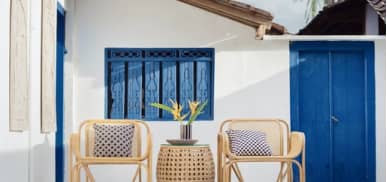
Rather than appearing perfectly uniform, zellige surfaces have a distinct personality that comes from these variations and the craftsmanship behind them. This quality works naturally in traditional interiors. Pairing zellige with wooden doors and frames, rattan furniture, and terracotta tiles can create a cozy, earthy atmosphere.
In modern spaces, the same zellige can add warmth and soften the crispness of clean-lined surfaces. Against the precision of modern decor, the slight irregularity of zellige feels inviting rather than out of place. This contrast between the neatness of modern design and the irregularity of handmade tile is part of what makes zellige work so well in contemporary spaces.
Let’s look at the distinctive qualities of zellige and how they can bring texture, depth, and character to contemporary spaces.
Variations for an Organic Appeal
The slight differences in color, surface, edges, and thickness give zellige its defining characteristic: variation. Instead of looking identical from one tile to the next, the pieces have small differences that can soften the clean geometry often found in modern interiors.
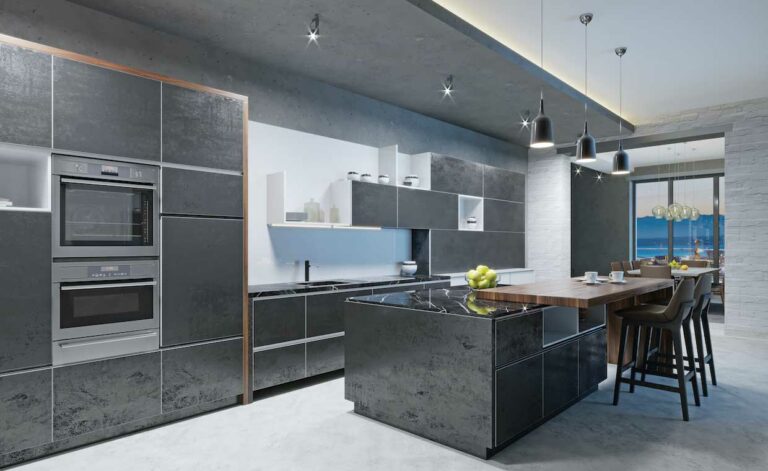
In a modern kitchen, zellige can soften the precision of flat-panel cabinetry and a smooth countertop. In a bathroom, it can keep a large tiled wall from feeling cold or overly uniform. This makes the tile particularly useful in rooms where the main elements are simple, and there are few decorative details.
The irregularity of tiles is particularly useful in interiors where the architecture and furniture are deliberately simple. Rather than adding one decorative item after another, the tile itself provides the detail.
While the handmade construction gives zellige its distinctive variation, sourcing authentic handcrafted tiles can be challenging. Modern manufacturing methods and design technology have made traditional Moroccan-inspired tiles like zellige more widely available. These timeless designs are now easier to source online, bringing the look and character of traditional zellige within reach of more homeowners.
Zellige Adds an Inviting Texture
Texture and pattern are not the same thing. A patterned tile usually gets its visual impact from a printed or geometric motif, whereas zellige can create interest through the surface itself.
This distinction can be useful when designing a room that already has enough visual information. A zellige backsplash can add an organic personality to a modern, open-concept kitchen without competing with the surrounding elements. Similarly, a zellige vanity surround can make plain white bathrooms come to life.
The surface irregularities give installations added depth, texture, and movement when multiple zellige tiles come together. The result is a wall that can look different from various angles, even when the same tile has been used throughout.
Color Variations Bring Movement
Zellige does not need a complex pattern to bring life into a room. Even a single shade can look different from one tile to the next, adding subtle variation across the installation, thanks to its handcrafted process.
The amount of variation also affects the overall feel of the space. Tiles with closely matched tones create a calmer backdrop, while greater differences in shade give the wall more character.
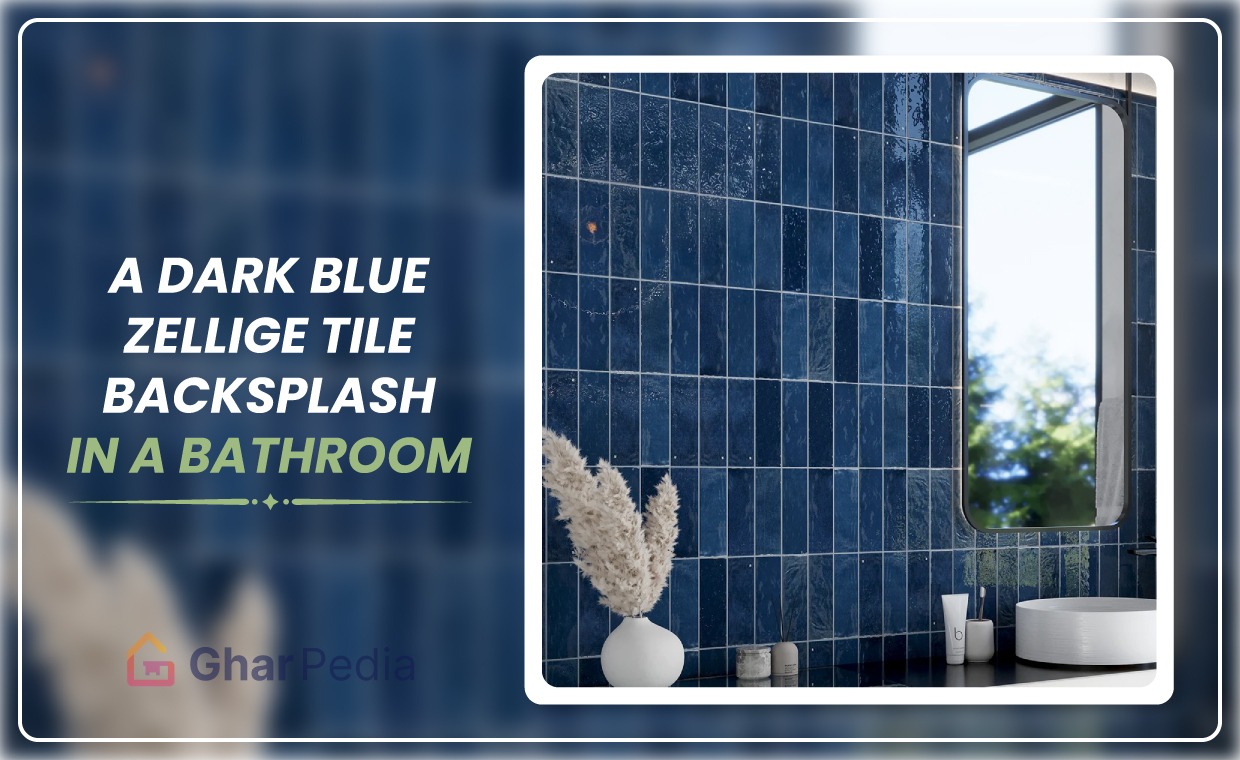
Beige, white, and cream work well when you want to keep a room light without making the walls look flat. Olive, sage, and earthy greens sit naturally alongside wood and warm neutrals. For more contrast, deeper blue, jewel green, or coppery shades can give a wall more visual weight without the need for another decorative element.
This makes zellige a useful option for adding color without committing to a busy pattern. The tile can provide enough variation on its own, even when the rest of the room remains relatively restrained.
Light as a Design Element
A zellige wall can look surprisingly different throughout the day because of its glazed surface. Variations in glaze, color, and surface texture affect how light reflects across the tiles. As the day progresses, sections of a zellige wall that appear relatively subdued in the morning can become more luminous as light moves across the glazed surface.
This play of light can be especially noticeable under open shelves, near windows, or around mirrors. A reflective zellige wall near doors and windows can help reflect and distribute natural light throughout a space.
Artificial lighting matters as well. Warm lighting can make earthy or neutral shades appear richer, while directional fixtures can emphasize the changes across the glaze.
Pairing with Other Materials
Design flexibility is another feature that makes zellige tiles a natural choice for contemporary interiors. Their handmade appearance and subtle color variation allow them to sit comfortably alongside materials such as wood, glass, porcelain, metal, concrete, wallpaper, and textiles.
Wood can soften the look of green, blue, or neutral zellige, while marble gives the tile a more refined setting. Concrete and dark metal create stronger contrast, giving the tile a distinctly contemporary feel. Glass, mirrors, and polished fixtures can also reflect the light across a glazed surface, making the subtle variations in the tile more noticeable.
The combination does not need to be perfectly coordinated. In fact, materials can differ in texture and finish while sharing a few underlying tones.
Installation Layout Matters Too
The way rectangular zellige is arranged can change the proportions of a wall. Set the tiles vertically, and the wall takes on a more elongated appearance. Run them horizontally, and the same wall can feel wider. Straight stacks look crisp and orderly, while an offset layout has a looser, more traditional feel.
There is no single layout that works for every zellige installation. Consider the tile’s size, shape, color variation, and the surface where it will be installed. When the glaze and color already provide plenty of variation, a straightforward layout can keep the finished wall from feeling too busy.
Final Thoughts
Trends are temporary; they come, they go. Sometimes they return, and sometimes they disappear. Zellige, however, is timeless, and its hundreds of years of history prove this. From social media posts and Pinterest boards to being featured in Houzz’s 2025 Fall design trends report, zellige tiles now have a permanent place in interior design discussions.
The appeal of zellige comes from its organic nature. Variations are considered imperfections in other tiles, but zellige celebrates them as its main feature. Changes in color, glaze, surface, and reflection give a finished zellige surface a character that cannot be matched.
Also Read: Everything You Need to Know About Rubber Flooring : A Complete Guide
FAQs – Zellige Tiles
1. What are Zellige tiles?
Zellige tiles are traditional Moroccan glazed clay tiles that are typically handmade. Their variations in colour, glaze, surface and shape give them a distinctive organic appearance.
2. Are Zellige tiles suitable for modern interiors?
Yes, Zellige tiles can work well in modern interiors. Their irregular texture and colour variation can soften the clean lines and uniform surfaces commonly found in contemporary spaces.
3. Where can Zellige tiles be used?
Zellige tiles can be used in areas such as kitchen splashbacks, bathroom walls, vanity surrounds and other suitable interior surfaces. Their application should be selected according to the tile manufacturer’s recommendations.
4. Do Zellige tiles have colour variations?
Yes, colour variation is one of the characteristic features of Zellige tiles. Different pieces may have slightly different shades because of their handmade production and glazing process.
5. How should Zellige tiles be arranged?
Zellige tiles can be installed in several layouts, including straight stacks, horizontal or vertical arrangements and offset patterns. The most suitable layout depends on the tile shape, room proportions and desired visual effect.
Author & Expert Review
Written & Verified By:  Shekhar J. Parikh – Co Founder – Gharpedia | Director – SDCPL

| Credentials: Director and Consulting Engineer at Sthapati Designers & Consultants Pvt. Ltd., with over 40 years of experience in civil engineering, project execution, and construction management. Experience: Civil engineering professional with 40+ years of practical experience across Gujarat and Maharashtra, specializing in construction projects, project execution, quality control, and construction management. Expertise: Specializing in civil engineering, construction management, project execution, site practices, and quality control. He reviews technical content to ensure it reflects practical site knowledge, industry standards, and best practices, while supporting informed decision-making related to property buying, selling, and renting. Find him on: LinkedIn |