






Table of Contents
Quick Summary
- Proper installation of split AC units requires reliable mounting of both indoor and outdoor units.
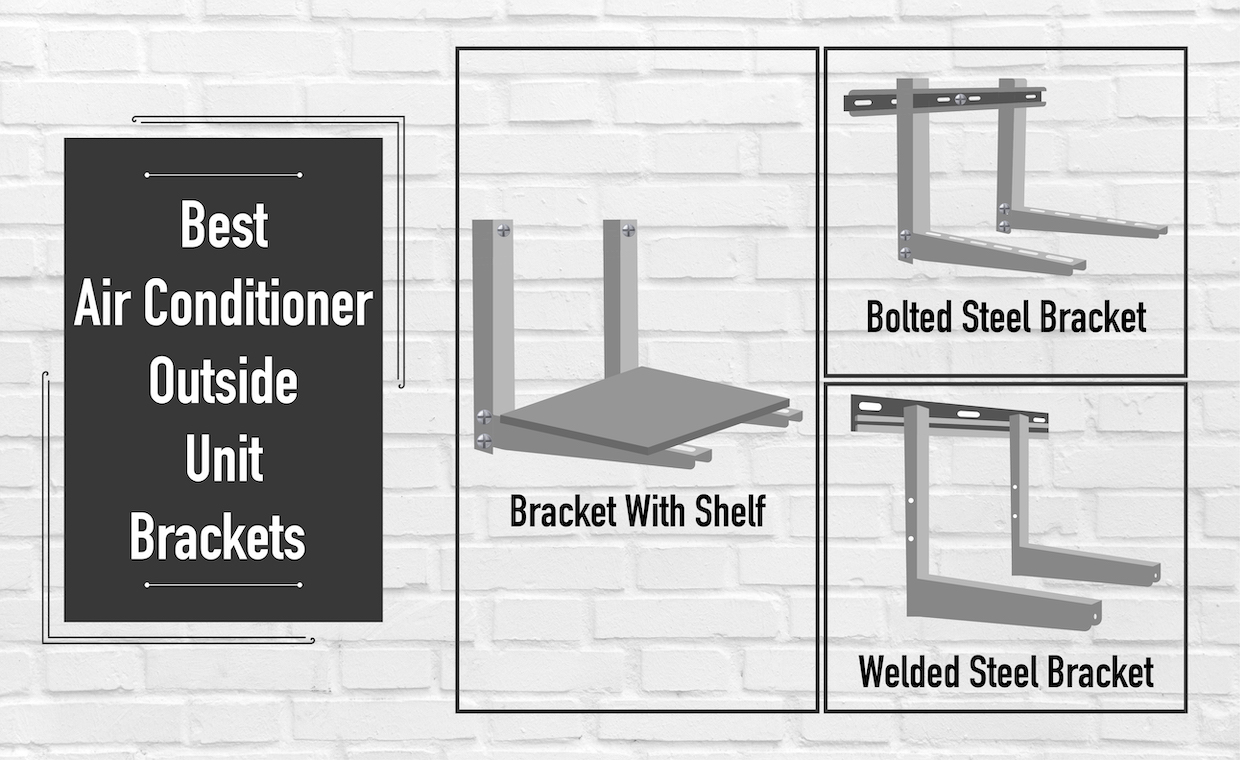
- Outdoor AC units (compressors) need special brackets, with three main types available:
- Welded Steel Brackets: simple, inexpensive, pre-welded, ideal for fixed ACs.
- Bolted Steel Brackets: modular, adjustable, easy to transport, good for changing AC units.
- Brackets with Horizontal Shelf: universal, durable, distributes weight evenly for larger units.
- Selection criteria include weight capacity, material thickness, powder coating, and strong welding.
- Safety and durability are more important than cost; low-quality brackets risk damage to the unit and surrounding areas.
- Always use certified brackets and follow manufacturer guidelines for secure installation.
- Proper bracket choice ensures longevity and safe operation of outdoor AC units.
Courtesy - Magnific
Every homeowner spends a lot of time carefully choosing the right AC, considering aspects like capacity, energy rating and brand. But one aspect that most homeowners often ignore is the AC mounting bracket, even though it largely decides the performance and lifespan of your air conditioning system.
Whether you live in a compact apartment, an independent property or a high-rise building, choosing the best air conditioner bracket is crucial for both safety and durability.
A weak or poorly installed air conditioner bracket can lead to vibration, noise, wall damage, rusting, reduced efficiency, and, in extreme cases, even the accidental collapse of the compressor unit.
But which type should you choose? Welded brackets? Bolted brackets? /Shellf brackets? And how do you know whether the bracket is strong enough for your AC unit?
In this guide, we explore the different types of AC mounting brackets, their advantages and disadvantages, installation considerations, safety tips, and expert recommendations to help you make the right choice while installing an air conditioner.
If you need air conditioning installation, it is recommended to visit the website. Continue reading to learn more about installing the outside compressor unit of an air conditioner.
Why Is an AC Bracket Important?
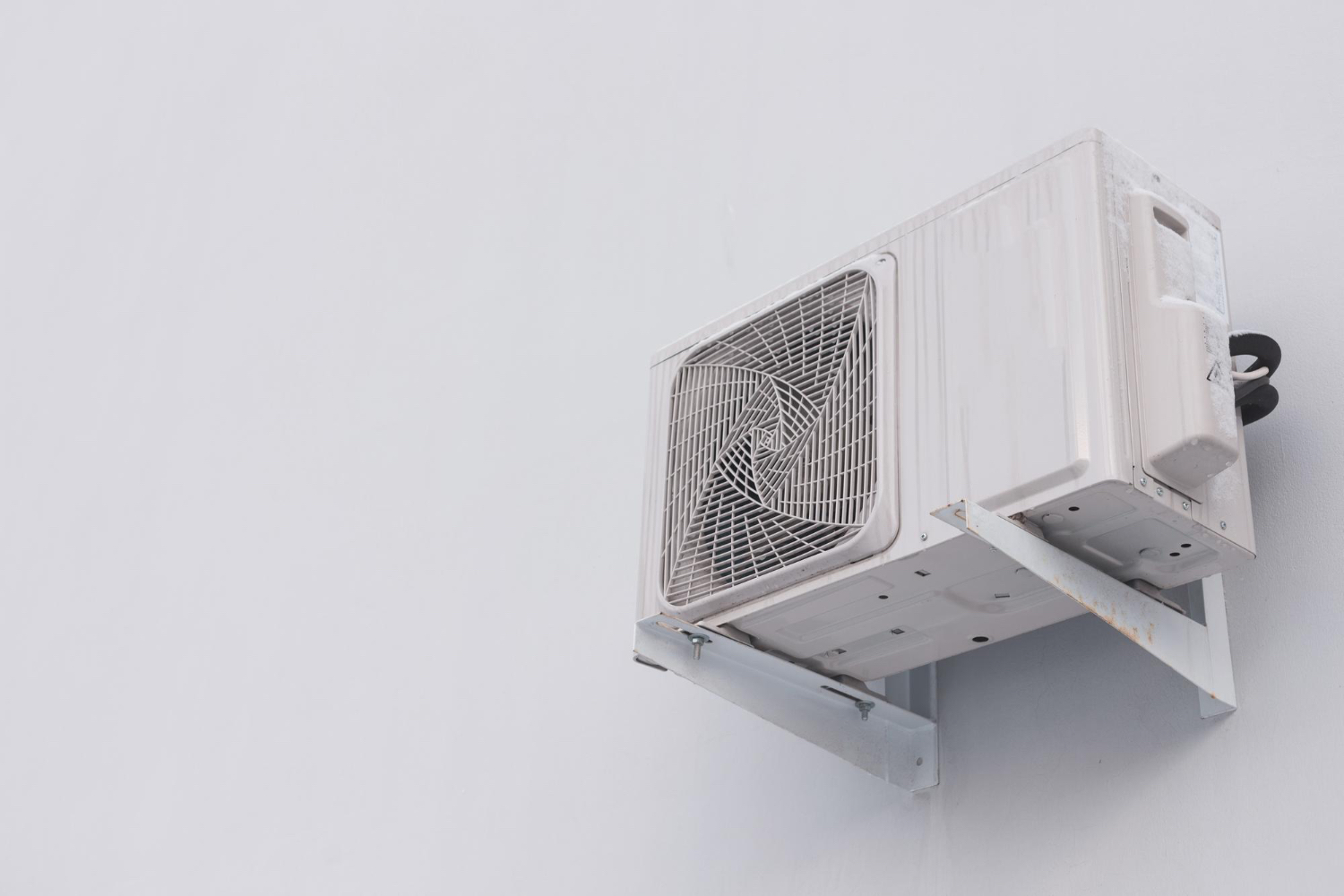
In split air conditioning systems, the outdoor compressor unit is mounted externally on walls, balconies, terraces, or dedicated stands. Since this unit is exposed to heat, rain, vibration, dust and changing weather conditions, it requires strong and reliable support.
A high-quality support bracket for air conditioner units helps:
- Distribute weight properly
- Minimise vibrations
- Improve operational stability
- Increase safety
- Extend the lifespan of the compressor unit
A poorly chosen bracket can weaken over time and damage both the appliance and the building surface.
What are the Types of Air Conditioner Brackets
Air conditioner brackets for the compressor unit are classified here on the basis of their assembly.
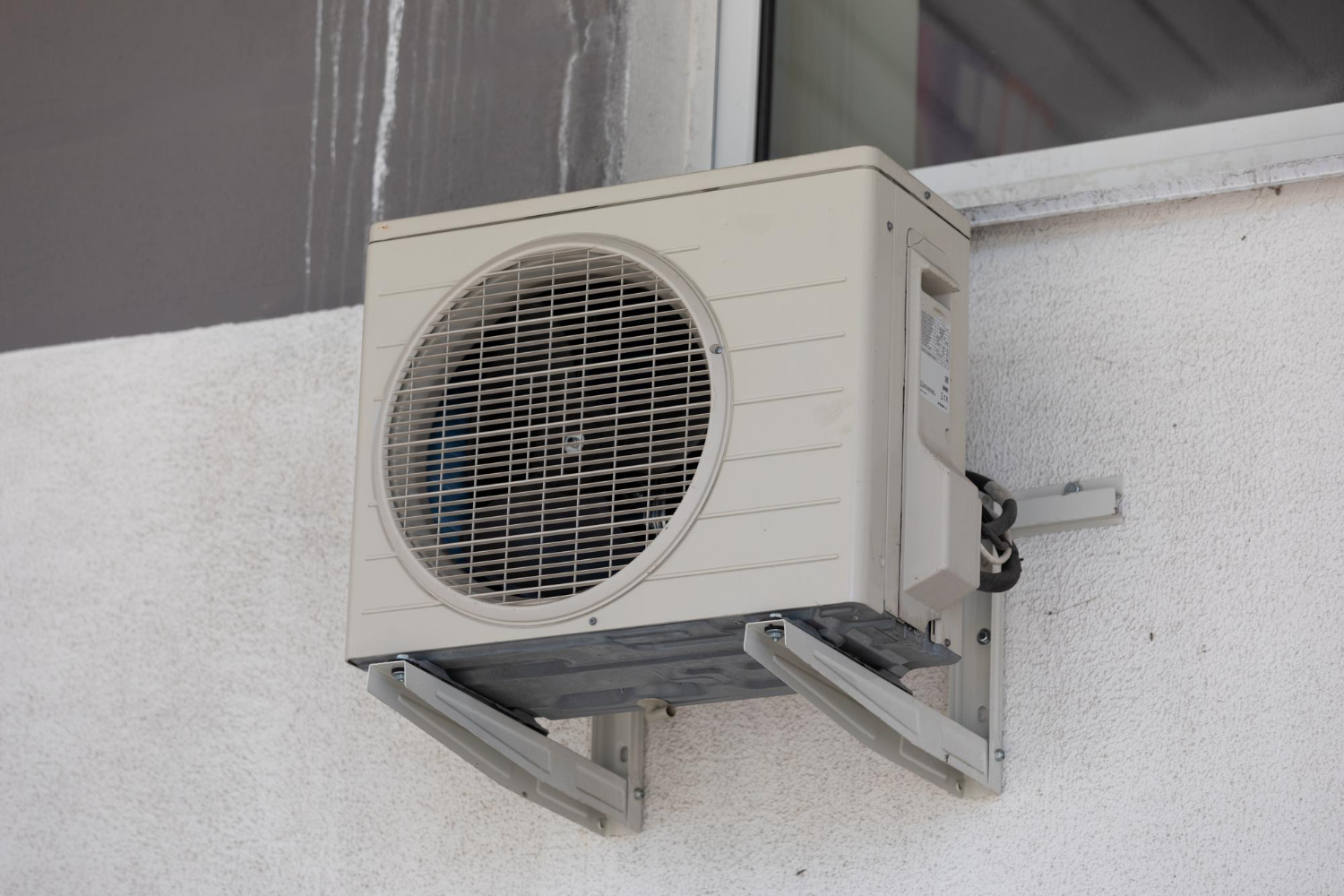
1. Welded Steel Brackets
Welded steel AC brackets represent a simple design in which steel components are permanently fixed together using welding seams. It is the best option if you plan to use the same AC for many years.
Pros:
- Strong and durable
- Affordable
- No assembly required
- Quick installation
Cons:
- Difficult to modify later
- Less flexible for changing AC sizes
Best For:
- Standard residential split ACs
- Permanent installations
- Budget-friendly setups
Courtesy - Magnific

2. Bolted Steel Brackets
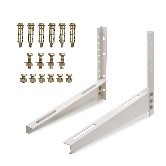
In bolted steel brackets, steel elements are connected using bolts. These brackets are available as separate parts that require assembly before being attached to the wall.
Pros:
- Adjustable structure
- Easier to transport
- Flexible sizing
- Easier replacement and maintenance
Cons:
- Requires proper assembly
- Loose bolts may cause vibration if not maintained well
Best for:
- Homes where AC units may need to be upgraded later
- Installations requiring flexibility
- Easy transportation and storage
Courtesy - Magnific
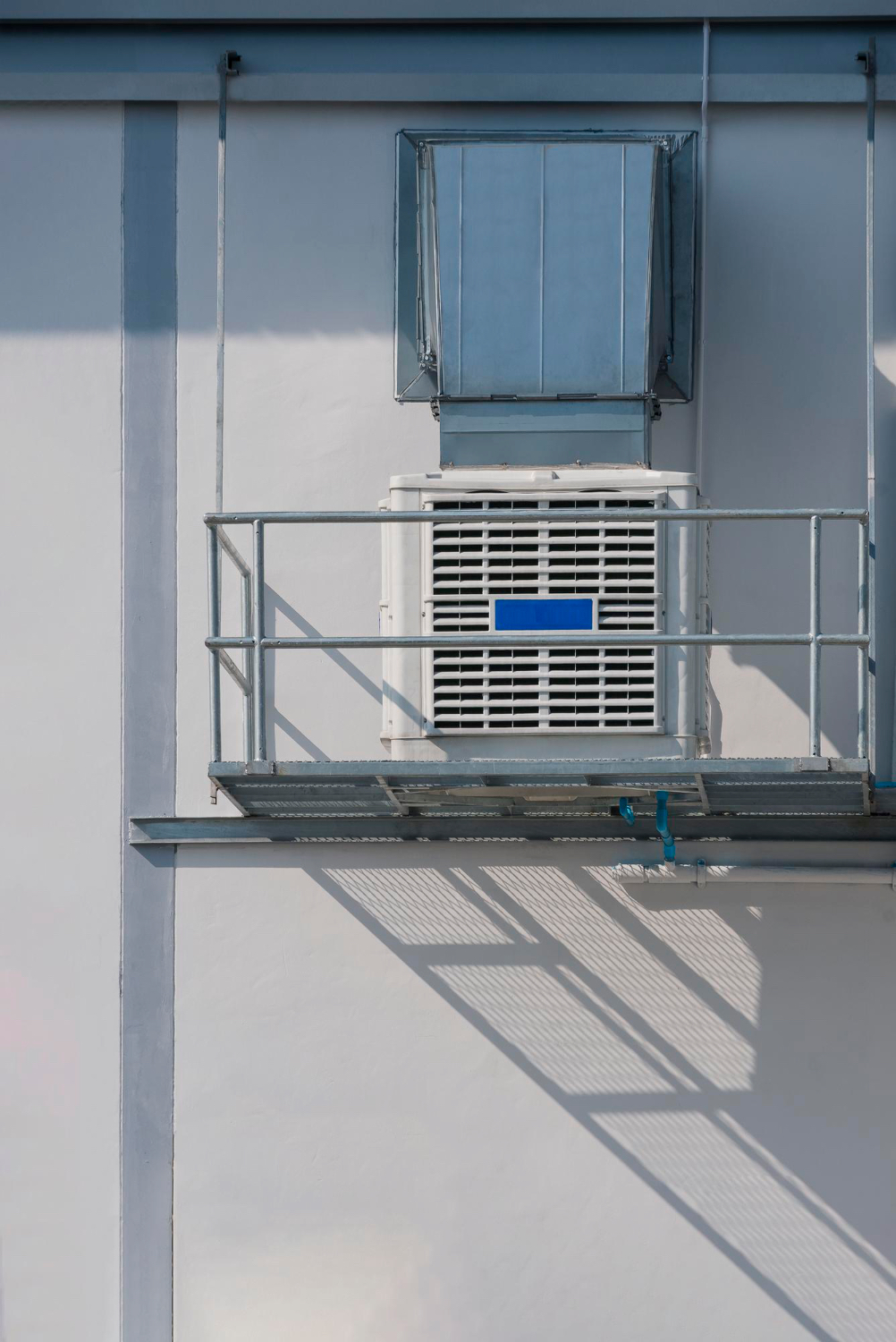
3. Brackets with Horizontal Shelf
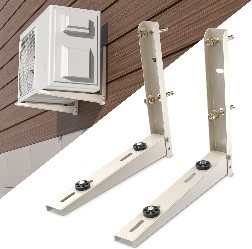
This type of support bracket for an air conditioner has a horizontal shelf. In this variant, besides fasteners and brackets themselves, there is a shelf on which the outdoor unit of the split system will be placed.
Pros:
- Excellent load distribution
- Strong structural support
- Suitable for large units
- Enhanced stability
Cons:
- Occupies more installation space
- Slightly costlier than regular brackets
Best for:
- Heavy outdoor compressor units
- Large-capacity split AC
- Commercial and premium residential systems
Courtesy - Magnific
Pro Tip:
Correctly chosen anchors and proper adherence to safety rules allow secure fixing of the air conditioner compressor bracket on the wall of almost any building. But what should you consider while purchasing the best AC support bracket system to provide safety for expensive equipment?
Which AC Bracket is Best for Your Home?
The best air conditioner bracket depends on several factors, including:
- AC tonnage
- Compressor weight
- Wall strength
- Climate conditions
- Installation location
Here’s a quick comparison:
| Bracket Type | Best For | Key Advantage |
| Welded Steel | Fixed installations | Strong & economical |
| Bolted Steel | Flexible setups | Adjustable structure |
| Shelf Bracket | Heavy AC units | Better weight distribution |
Factors to Consider Before Buying an AC Bracket
Before buying, check the dimensions and weight of the compressor unit that will be installed on the brackets. Choose brackets where the permissible load capacity is higher than the weight of your compressor unit. This safety margin helps extend the life of the fasteners and ensures compliance with installation standards,
Do not get attracted by complex designs or unnecessary features. The simpler the design and the fewer connecting joints it has, the easier it is to install and the more reliable it becomes. The simplicity makes the best air conditioner bracket.
Why should you focus on reliability and not on cost while choosing a bracket for an air conditioner compressor? The answer is simple. Since the external part of an air conditioning system can weigh up to 150kg or more, mounting an expensive unit on a low-quality bracket is unsafe both for the appliance and for people nearby.
Therefore, when selecting brackets for the air conditioner, you need to pay attention to some points:
1. Thickness:
The thickness of the manufacturing material. Low-quality manufacturers reduce metal thickness or narrow mounting sections to cut costs.
2. Load Capacity:
Always check the maximum load-bearing capacity of the bracket. Ideally, the bracket should support at least 1.5 to 2 times the weight of the compressor unit. This provides additional safety and durability over time.
3. Coating and Rust Protection:
Outdoor AC units remain exposed to moisture, rain, sunlight and pollution. Choose powder-coated brackets for better rust resistance, paint durability and weather protection. Galvanised coatings also improve corrosion resistance.
4. Welding:
Poor welding is one of the biggest reasons for bracket failure. Check for uneven joints, rough welding lines, cracks and poor finishing. Strong welding ensures better load stability and reduced vibration.
5. Anchor Bolt Quality:
Even the strongest bracket can fail if poor-quality anchor bolts are used. Always choose heavy-duty anchor fasteners, stainless steel bolts, and wall-compatible fixtures. Proper anchoring is especially important for high-rise buildings.
Common Mistakes During AC Bracket Installation
Improper installation can reduce the lifespan of both the bracket and the air conditioner. Avoid these mistakes:
- Installing brackets on weak walls
- Using undersized anchor bolts
- Ignoring vibration control
- Mounting without proper leveling
- Leaving insufficient ventilation space
- Choosing brackets without rust protection
- Installing the unit in areas with poor ventilation or direct exposure to constant water leakage
When to Change the AC Bracket
Courtesy - Canva
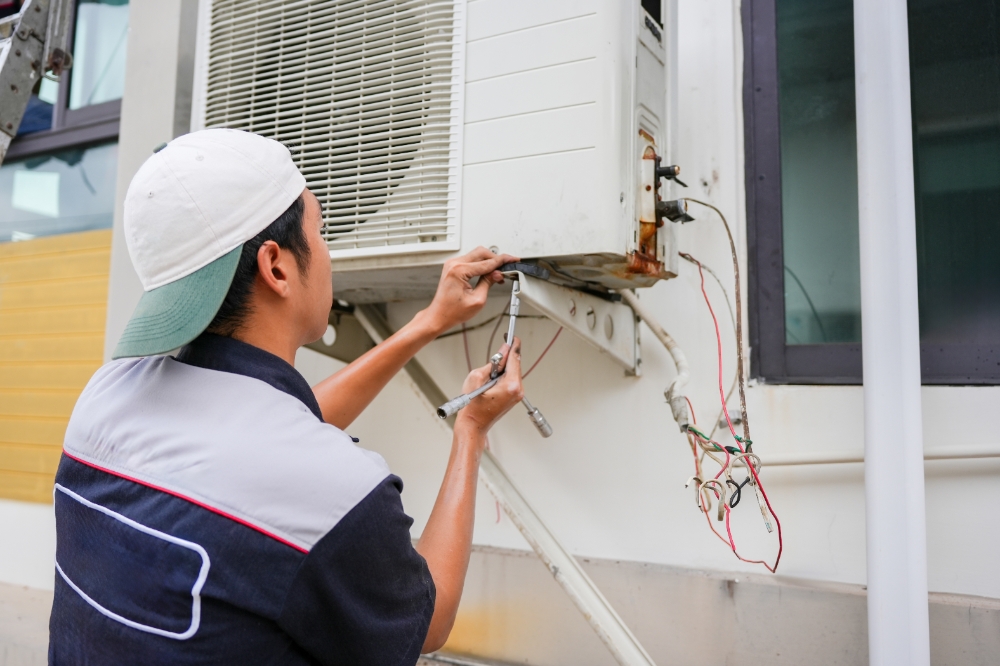
Avoid using cheap brackets because they corrode quickly, fail under load, damage walls and cause the outdoor unit to collapse. Always invest in reliable brackets. Replace the bracket if you notice rust formation, excessive vibration, bent metal sections, cracks near welding joints, loose anchors or water leakage near mounting points. Timely replacement prevents costly compressor damage.
AC Bracket Maintenance Tips
- Inspect bolts every few months
- Remove accumulated rust
- Repaint damaged coating areas
- Tighten loose fasteners
- Check wall cracks around anchors
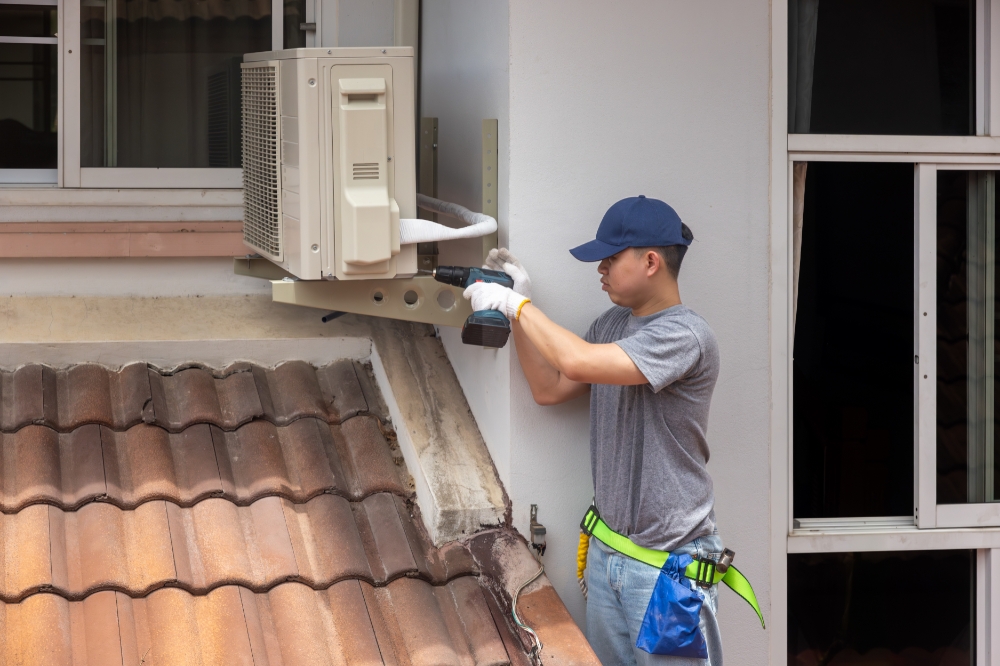
Installation of The Air Conditioner Outdoor Unit on Brackets
Courtesy - Canva
The best air conditioner bracket offers excellent load-bearing capacity, durability and safety, while also contributing to the life and durability of the air conditioner. So, instead of solely choosing a bracket based on price, focus on safety, durability, and structural quality.
Responsible manufacturers provide their products with documents confirming their quality. Any fasteners must meet the basic performance specifications, and the installation work must be carried out safely. And such a bracket that serves all these purposes is the best air conditioner bracket for your appliance. For all services regarding air conditioners and their outside unit installation, check this website.
Know more about AC installation from the link below. Criteria For AC Unit Installation in Your Home!
FAQs on The Best Air Conditioner Bracket
01. What types of brackets are used for outdoor AC units?
Welded steel, bolted steel, and brackets with horizontal shelves are used for outdoor AC units.
02. Which is the best bracket for a heavy AC compressor?
Brackets with horizontal shelves are the best brackets for a heavy AC compressor because they distribute weight evenly.
03. What factors should I consider when choosing an AC bracket?
Consider load capacity, material thickness, welding quality, and protective coating before choosing an AC bracket.
04. Can a low-quality bracket damage my AC unit?
Yes, it can cause unit failure and safety hazards.
05. Do AC brackets need certification?
Yes, certified brackets ensure quality, durability, and safe installation.
Author & Expert Review
Written By:  Nidhi Patel | Civil Engineer & Content Writer

| Credentials: B.E. (Mahatma Gandhi Institute of Technical Education and Research Centre), Registered with Gujarat Technological University (GTU). Experience: Civil Engineer with 3+ years of content writing experience, currently writing blogs for Gharpedia, part of SDCPL. Expertise: Specializing in SEO-optimized blogs and long-form articles focused on home improvement, construction, interiors and architect topics. I create well-researched, reader-focused content that balances technical accuracy with clarity, making complex subjects easy to understand. Find her on: LinkedIn |
Verified By Expert: Avni Desai Environmental Engineer, SDCPL | M.E. (Environmental Engineering)
 Avni Desai Environmental Engineer,
 This article has been reviewed for environmental, MEP, and building services accuracy by Avni Desai, an Environmental Engineer at Sthapati Designers & Consultants Pvt. Ltd. (SDCPL). With over 8 years of experience in water supply, wastewater management, infrastructure design, and building services, she brings practical expertise in MEP services, sustainable solutions, design planning, and on-site practices. Her professional services include planning and design of water supply systems, sewage and wastewater treatment systems (STP/WTP), drainage, rainwater harvesting, and other sustainable building services. Her review ensures the content aligns with environmental standards, efficient services planning, and real-world applicability.
Find her on: LinkedIn