







Table of Contents
Quick Summary
- Switch off the affected circuit or main power only when you can do so safely.
- Call 911 for electrical fires, heavy smoke, severe arcing, or serious electrical shocks.
- Never use water to extinguish an electrical fire.
- Avoid repeatedly resetting tripped breakers or attempting DIY electrical repairs during an emergency.
- Learn what information to provide an emergency electrician to help them assess the situation.
- Understand when professional electrical assistance is necessary to protect your home, property, and family from electrical hazards.
Courtesy - Magnific
Electrical problems can quickly turn from minor inconveniences into serious safety hazards. Sparks, burning odors, repeated breaker trips, buzzing panels, or sudden power loss can indicate a fault that needs immediate attention. In these situations, professional emergency electrician services can help identify the underlying problem and determine the safest solution. Knowing how to respond also matters. The right actions can reduce the risk of electrical shock, fire, and property damage while keeping everyone on the property safer.
What Actually Counts as an Electrical Emergency?
Courtesy - Magnific
Not every electrical problem qualifies as an emergency. A burned-out lightbulb or a breaker that trips once because several high-powered appliances run simultaneously may have a straightforward explanation.
An emergency involves an immediate or developing threat to personal safety, property, or electrical equipment. Warning signs can include smoke, burning odors, electrical shocks, exposed live wiring, severe arcing, repeated breaker trips, or unusual noises from an electrical panel.
You should consider three risks when judging the situation: electric shock, fire, and property damage. If the problem presents any immediate danger, prioritize safety instead of attempting to identify the cause yourself.
What Should You Do During an Electrical Emergency?
Courtesy - Magnific
Electrical emergencies require quick but careful action. Avoid touching damaged equipment and focus on keeping everyone safe.
Stay Away From Sparks, Smoke, and Exposed Wiring
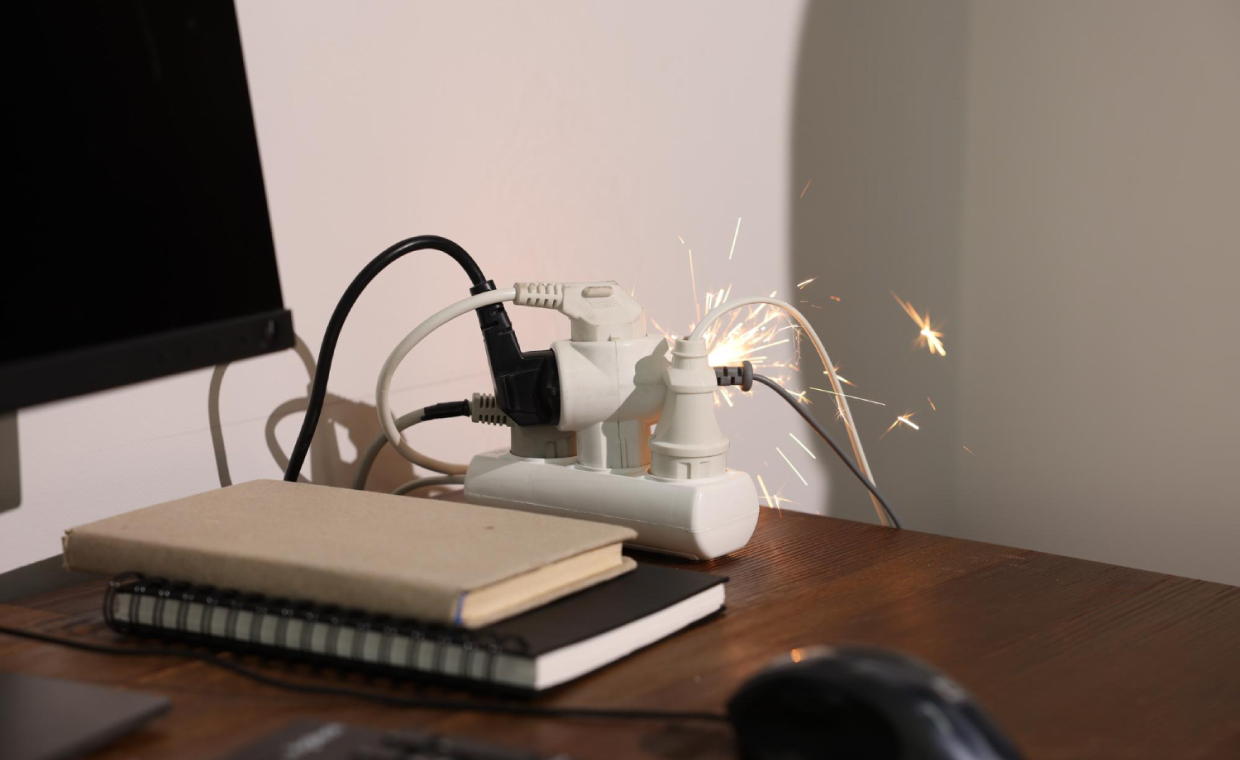
Never touch exposed wires, sparking outlets, or smoking electrical equipment. Keep children and pets away, and warn others about the hazard. If an appliance appears damaged, do not handle it while sparks, heat, or smoke are present.
Cut the Power Only If You Can Do It Safely
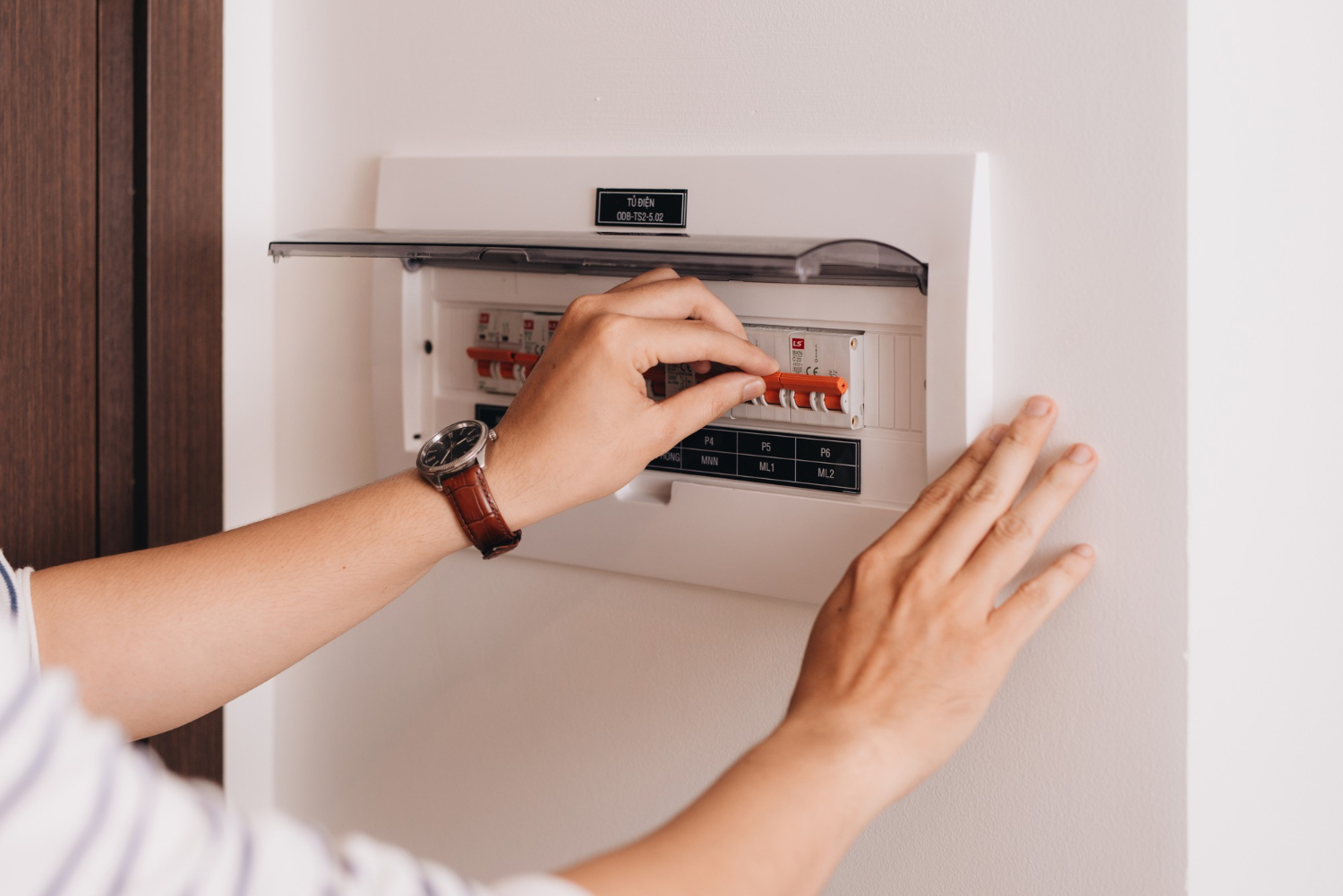
If you can safely reach the electrical panel, switch off the affected circuit or main disconnect. Do not approach the panel if you see water, smoke, flames, arcing, or visible damage. In those cases, leave the area and call for help.
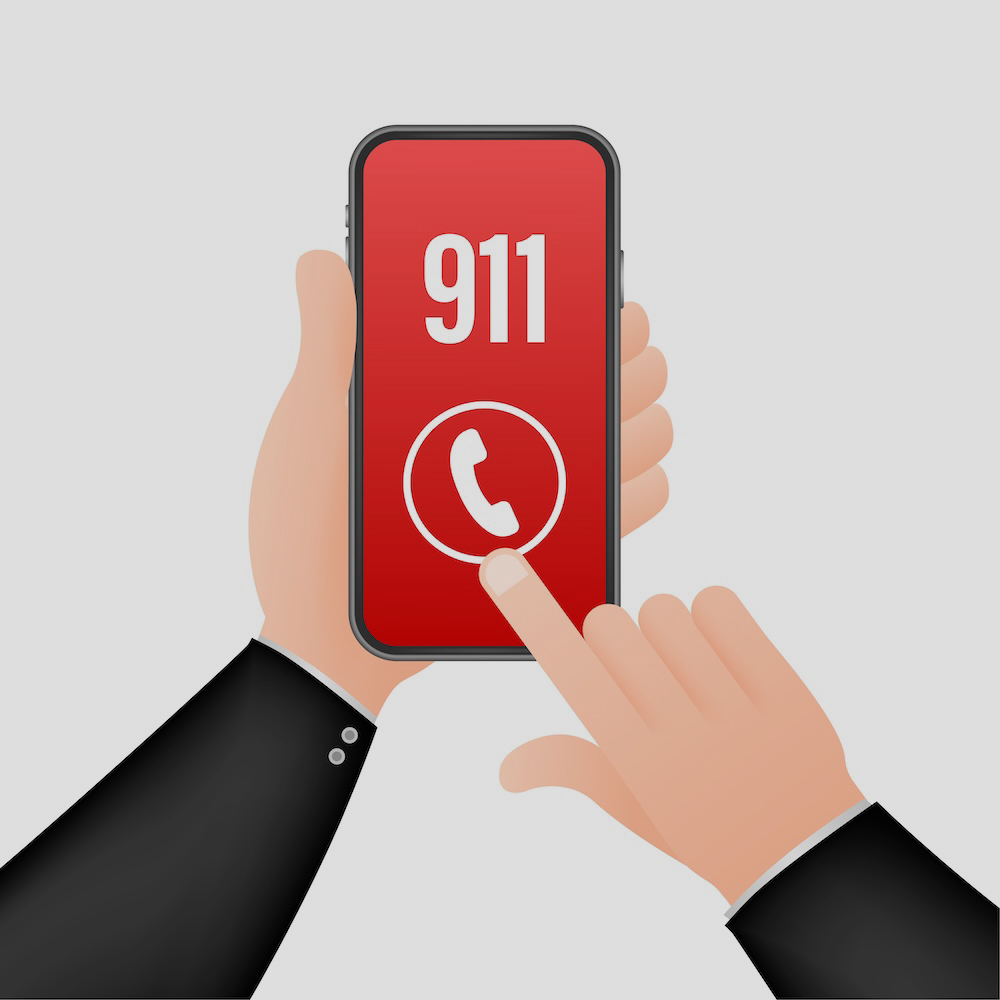
Call 911 When There Is Immediate Danger
Call 911 for active fires, heavy smoke, major arcing, or serious electrical shocks. Firefighters and emergency medical professionals should handle life-threatening situations before an electrician addresses the electrical fault.
Never Use Water on an Electrical Fire
Water can conduct electricity, so never throw it on an electrical fire. If flames are spreading or conditions feel unsafe, evacuate immediately and contact the fire department.
Leave the Property When Necessary
Evacuate if you see heavy smoke, spreading fire, severe arcing, or another serious hazard. Do not return until emergency professionals confirm that the property is safe.
Call a Qualified Emergency Electrician
Problems such as repeated breaker trips, burning odors, buzzing panels, hot outlets, or unexplained power loss require professional diagnosis. Qualified emergency electrician services can identify hidden faults and complete the appropriate repairs safely.
Which Electrical Warning Signs Should You Never Ignore?
Courtesy - Magnific
Electrical systems often show warning signs before a serious failure occurs.
Burning Smells
A burning or hot-plastic smell may indicate overheating wiring, outlets, switches, or insulation. Stop using the affected equipment and arrange an inspection.
Sparks or Smoke
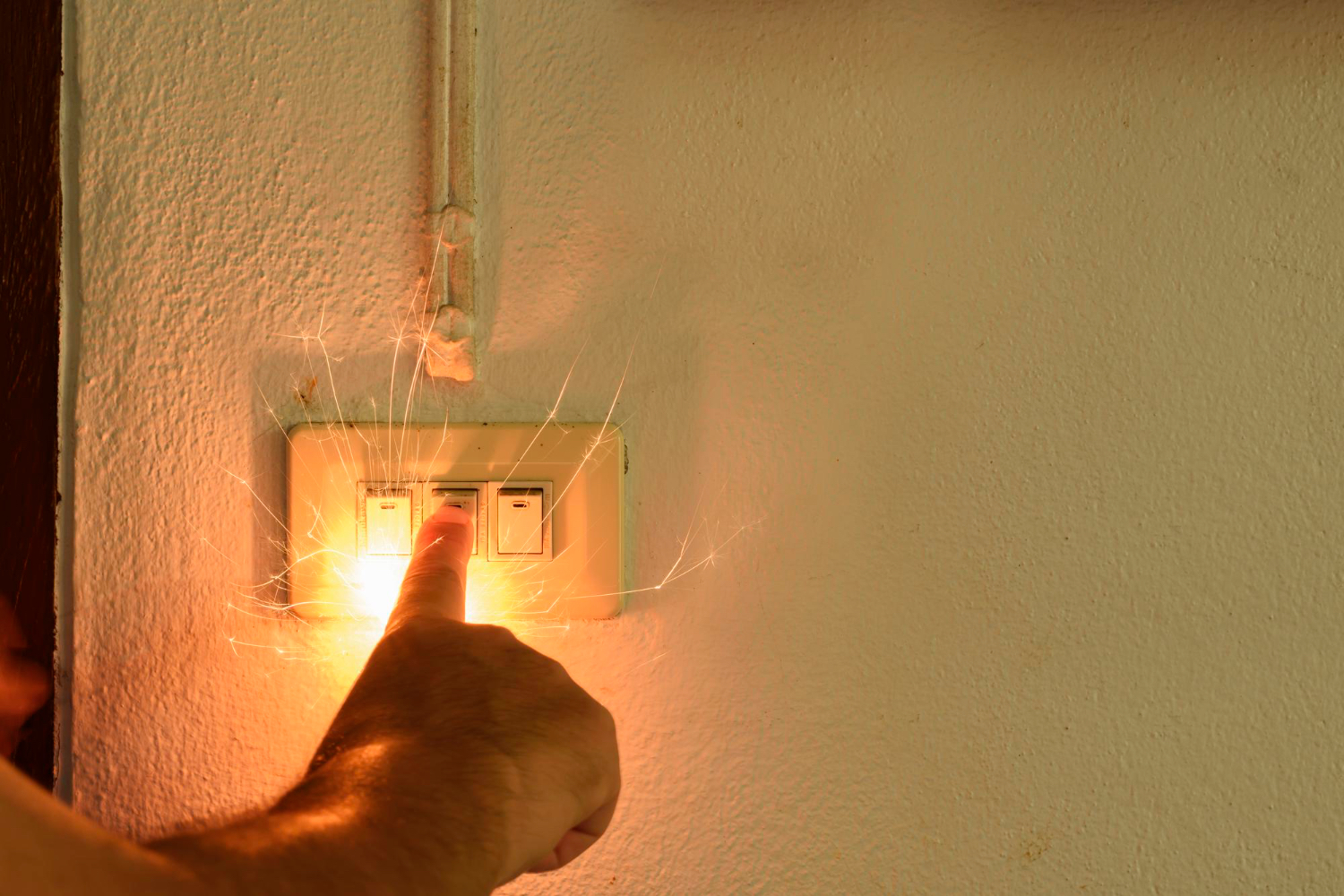
Repeated sparks, large sparks, or smoke from an outlet require immediate attention. Stop using the outlet and disconnect the circuit only if you can do so safely.
Buzzing Electrical Panels
Persistent buzzing or crackling can signal loose connections, faulty breakers, or damaged components. Do not open the panel yourself.
Repeated Breaker Trips
A breaker that trips once may indicate an overload. Repeated trips can point to short circuits, ground faults, or other wiring problems that need professional attention.
Warm or Scorched Outlets
Discoloration, melting, or unusual warmth can indicate excessive heat. Stop using the outlet and have it inspected.
Property-Specific Power Loss
If nearby properties still have power, the fault may lie within your electrical system. Check the panel only when it is safe to do so.
Electrical Problems Around Water
Never enter standing water near electrical equipment or wiring. Keep your distance and seek professional assistance.
Electrical Shocks or Tingling
Shocks or tingling from switches, appliances, or outlets can indicate faulty grounding or damaged wiring. Stop using the equipment and seek medical attention if the shock causes injury or concerning symptoms.
Quick Comparison: Routine Problem or Electrical Emergency?
| Situation | Possible Concern | Recommended Response |
| Breaker trips once after heavy appliance use | Circuit overload | Reduce the load and monitor |
| Breaker repeatedly trips | Short circuit, ground fault, or wiring problem | Contact an electrician promptly |
| Burning smell or scorched outlet | Overheating or electrical fault | Stop using the circuit and seek urgent help |
| Buzzing electrical panel | Loose connection or faulty breaker | Arrange professional inspection |
| Neighborhood-wide outage | Utility supply issue | Check with the utility provider |
| Only your property loses power | Property-specific electrical fault | Check safely, then contact an electrician |
| Smoke, fire, or severe arcing | Immediate life and fire hazard | Evacuate and call 911 |
What Should You Avoid Doing During an Electrical Emergency?
Courtesy - Magnific
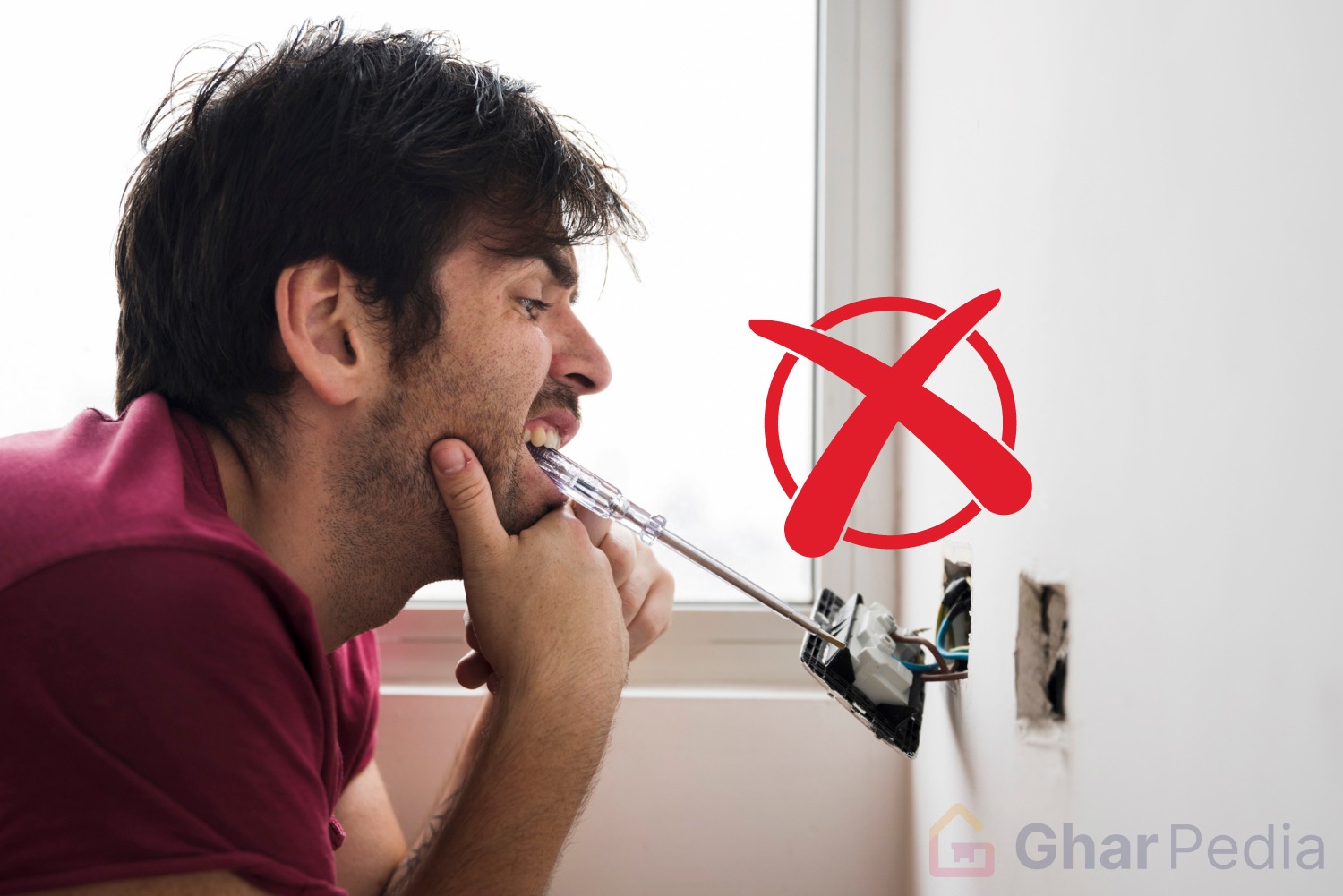
Knowing what not to do matters just as much as taking the correct action. Avoid improvising repairs when electricity presents an immediate hazard.
In particular:
- Do not repeatedly reset a breaker that keeps tripping.
- Do not touch exposed or damaged wiring.
- Do not attempt electrical repairs without suitable qualifications.
- Do not approach electrical equipment while standing in water.
- Do not use a damaged outlet or appliance to check whether it “works now.”
- Do not ignore an unexplained burning odor simply because you cannot see smoke.
Most importantly, do not allow curiosity to override caution. Leave electrical diagnosis to someone with the equipment and training to perform it safely.
What Information Should You Give an Emergency Electrician?
Clear information can help an electrician understand the situation before arriving. When you call, provide:
- Your property location.
- What happened immediately before the problem appeared.
- Whether you can see sparks or smoke.
- Whether you notice burning odors, buzzing, or crackling.
- Which rooms, outlets, or circuits have lost power.
- Whether any breakers have tripped repeatedly.
- Whether water or flooding has reached electrical equipment.
- Whether anyone has received an electrical shock.
Do not put yourself in danger to gather these details. Report only what you can observe safely. The electrician can perform the technical diagnosis after reaching the property.
How KSB Electric Helps With Urgent Electrical Problems in Connecticut
Electrical problems do not always happen during normal business hours. KSB Electric provides 24/7 emergency electrical assistance across Connecticut and serves residential, commercial, and industrial properties.
Its services extend beyond emergency response to troubleshooting and repairs, panel upgrades and surge protection, portable and standby generator installation, backup power, and electrical and wiring inspections. That broader capability can help address both an immediate fault and related electrical work identified during diagnosis.
Conclusion
Electrical emergencies require fast decisions, but safety should guide every one of them. Recognize warning signs early, keep away from damaged electrical components, and disconnect power only when you can reach the controls safely. If you encounter fire, heavy smoke, severe arcing, or an immediate threat to life, evacuate and call 911.
For urgent electrical faults without an active life-threatening emergency, contact a qualified electrician rather than attempting risky repairs yourself. Burning odors, sparks, repeated breaker trips, electrical shocks, scorched outlets, and unexplained power failures are not inconveniences to ignore. Treat them as warnings, act carefully, and obtain professional help when the situation requires it.
Also Read: Create an Electrical Circuit Map of your Home, Stay Sorted for Life
What to Do During an Electrical Emergency FAQs
01. What is considered an electrical emergency?
An electrical emergency involves an immediate safety risk, such as smoke, burning odors, exposed wiring, severe arcing, electrical shocks, or repeated breaker trips.
02. What should you do during an electrical emergency?
Stay away from damaged electrical equipment, keep others clear of the area, and switch off the power only if you can do so safely. Call a qualified electrician for professional help.
03. When should you call 911 for an electrical problem?
Call 911 if there is an active electrical fire, heavy smoke, severe arcing, or a serious electrical shock requiring immediate medical attention.
04. Can you use water to put out an electrical fire?
No. Never use water on an electrical fire because it can conduct electricity and increase the risk of electric shock. Evacuate and call the fire department.
05. Why does my circuit breaker keep tripping?
Repeated breaker trips may indicate an overload, short circuit, ground fault, or wiring problem. Avoid repeatedly resetting the breaker and have the electrical system inspected by a qualified electrician.
Courtesy - Featured Image(Magnific)
Author & Expert Review
Written By:  Nidhi Patel | Civil Engineer & Content Writer

| Credentials: B.E. (Mahatma Gandhi Institute of Technical Education and Research Centre), Registered with Gujarat Technological University (GTU). Experience: Civil Engineer with 3+ years of content writing experience, currently writing blogs for Gharpedia, part of SDCPL. Expertise: Specializing in SEO-optimized blogs and long-form articles focused on home improvement, construction, interiors and architect topics. I create well-researched, reader-focused content that balances technical accuracy with clarity, making complex subjects easy to understand. Find her on: LinkedIn |
Verified By Expert: Avni Desai Environmental Engineer, SDCPL | M.E. (Environmental Engineering)
 Avni Desai Environmental Engineer,
 This article has been reviewed for environmental, MEP, and building services accuracy by Avni Desai, an Environmental Engineer at Sthapati Designers & Consultants Pvt. Ltd. (SDCPL). With over 8 years of experience in water supply, wastewater management, infrastructure design, and building services, she brings practical expertise in MEP services, sustainable solutions, design planning, and on-site practices. Her professional services include planning and design of water supply systems, sewage and wastewater treatment systems (STP/WTP), drainage, rainwater harvesting, and other sustainable building services. Her review ensures the content aligns with environmental standards, efficient services planning, and real-world applicability.
Find her on: LinkedIn