








Table of Contents
Quick Summary
- Construction permission is the standard, legally required approval of your building plan before you start work, not an optional formality.
- The local authority checks structural safety, setbacks, land use, and infrastructure load before granting sanction.
- A typical application needs ownership documents, a certified building plan, and relevant NOCs.
- Approval timelines vary by authority, often ranging from a few weeks to a couple of months.
- Skipping permission risks fines, stop-work notices, and in serious cases, demolition.
Courtesy - Magnific
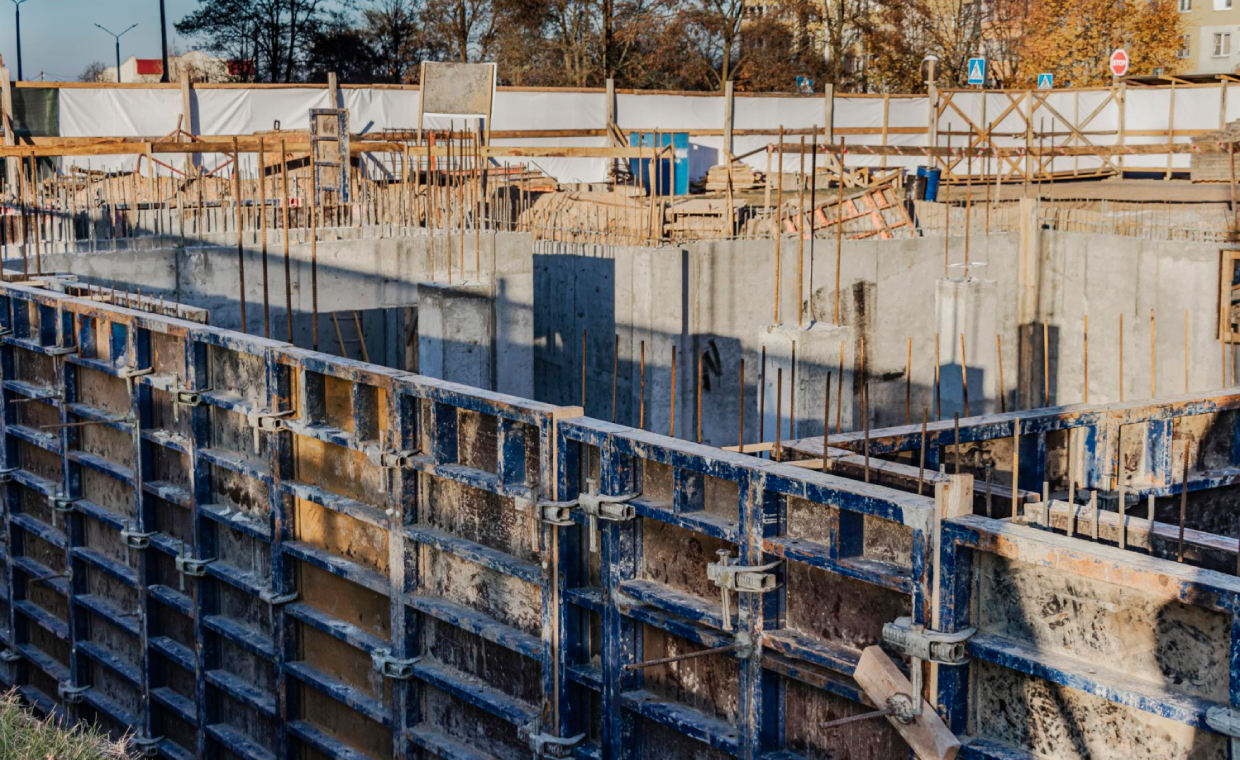
Construction permission is the formal sanction of your building plan by the local authority – a municipal corporation, municipality, panchayat, or development authority—and it’s required before work begins on almost any new building or major structural change. The authority checks that your plan meets safety, setback, ventilation, and zoning norms before approving. Building without this sanction is treated as unauthorised construction and can lead to fines, stop-work orders, or demolition.
What Is Construction Permission and Why Is It Required?
Construction permission, often called building plan sanction, is the local authority’s formal approval confirming your proposed construction complies with municipal or panchayat building bye-laws and, in many states, the National Building Code. It exists to ensure:
- Structural safety and sound design
- Proper setbacks, light, and ventilation
- Compliance with zoning and permitted land use
- That local infrastructure such as roads, drainage, and water supply can support the new construction
This requirement applies whether the land is owned outright, inherited, or newly purchased – ownership alone doesn’t grant the right to build without approval. Getting building permission from local authority offices is a legal prerequisite regardless of how the land was acquired.
Which Authority Grants Construction Permission in Your Area?

The right authority to approach depends on where your plot is located:
- Within city limits: A Municipal Corporation (for larger cities) or Municipality (for smaller towns) grants permission, usually through their town planning or building department.
- Rural or panchayat areas: The Gram Panchayat, or in some states a Panchayati Raj body, handles approvals, though rules here are often less stringent than in urban areas.
- Cantonment areas: Construction falls under the Cantonment Board, which follows separate defence-linked regulations.
- Areas under a development authority: Cities with a designated Development Authority (for example, covering peripheral or newly urbanising zones) may require permission from that authority instead of, or in addition to, the local municipal body.
If you’re unsure which of these applies to your plot, your local revenue office or the municipal helpdesk can confirm the correct authority before you prepare your application – approaching the wrong one wastes both time and documentation effort.
How Much Does Construction Permission Cost?

Courtesy - Magnific
Construction permission isn’t free, and the cost is rarely a single fixed fee. It typically includes:
- Scrutiny or processing fees: Charged for reviewing the submitted building plan, usually a flat or slab-based amount
- Development charges: Levied to fund local infrastructure, often calculated per square metre of built-up area
- Other charges: Such as labour cess, betterment charges, or charges linked to deviations from standard setbacks, where applicable
Costs scale broadly with plot size and built-up area, and can vary significantly between authorities, so it’s best treated as a state-and-authority-specific figure rather than a fixed number. Your architect or the local authority’s fee schedule (often published on their website) will give the actual applicable rates for your project.
Also Read: How Much Does It Really Cost to Build a Home in 2026?
How Do You Apply for Construction Permission?
Courtesy - Canva
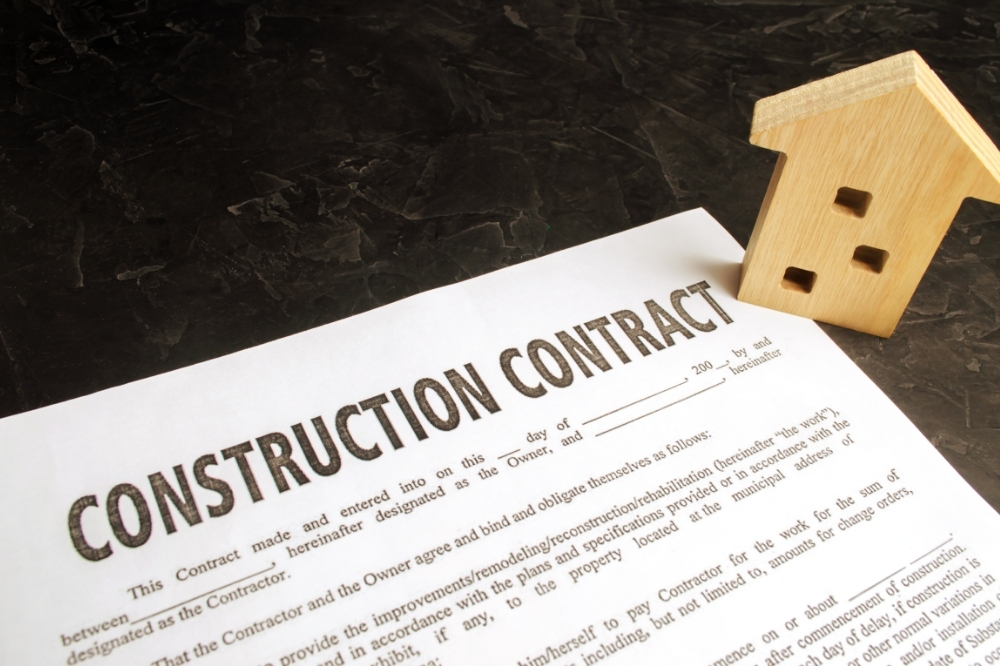
Knowing how to apply for construction permission starts with understanding the construction permission process end to end. The general steps, though they vary slightly by state and authority, typically follow this sequence:
- Engage a registered architect or engineer to prepare the building plan
- Submit the application with supporting documents to the local authority, often via an online portal
- The authority reviews the plan against zoning, setback, and safety norms
- On approval, you receive a sanctioned plan, after which construction can legally begin
Many states now offer online building permission systems, which can shorten processing time compared with manual submissions.
What Documents Do You Need for Construction Permission?
Courtesy - Magnific
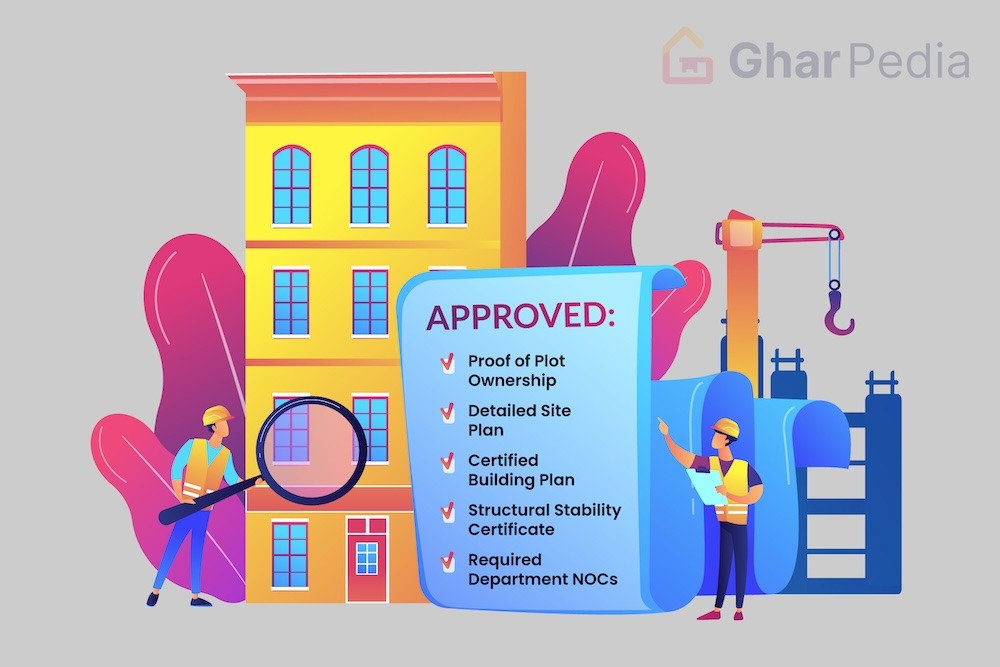
The documents required for construction permission typically include:
- Proof of ownership or title documents for the plot
- A site plan showing boundaries, access roads, and surrounding structures
- A building plan certified by a registered architect or engineer
- A structural stability certificate, particularly for multi-storey buildings
- No-objection certificates (NOCs) from relevant departments, such as fire safety or environment, where applicable
Exact requirements differ by state and project scale, so it’s worth checking the specific checklist published by your local authority.
How Long Does Construction Permission Approval Take?

Courtesy - Magnific
Building permission approval time varies considerably between authorities, but a straightforward residential plan is often approved within a few weeks to a couple of months, provided the documents are complete and the plot falls within permissible zoning. Delays commonly arise from incomplete paperwork, disputes over land use classification, or discrepancies between the submitted plan and the actual site.
What Happens If You Skip Construction Permission?
Courtesy - Magnific
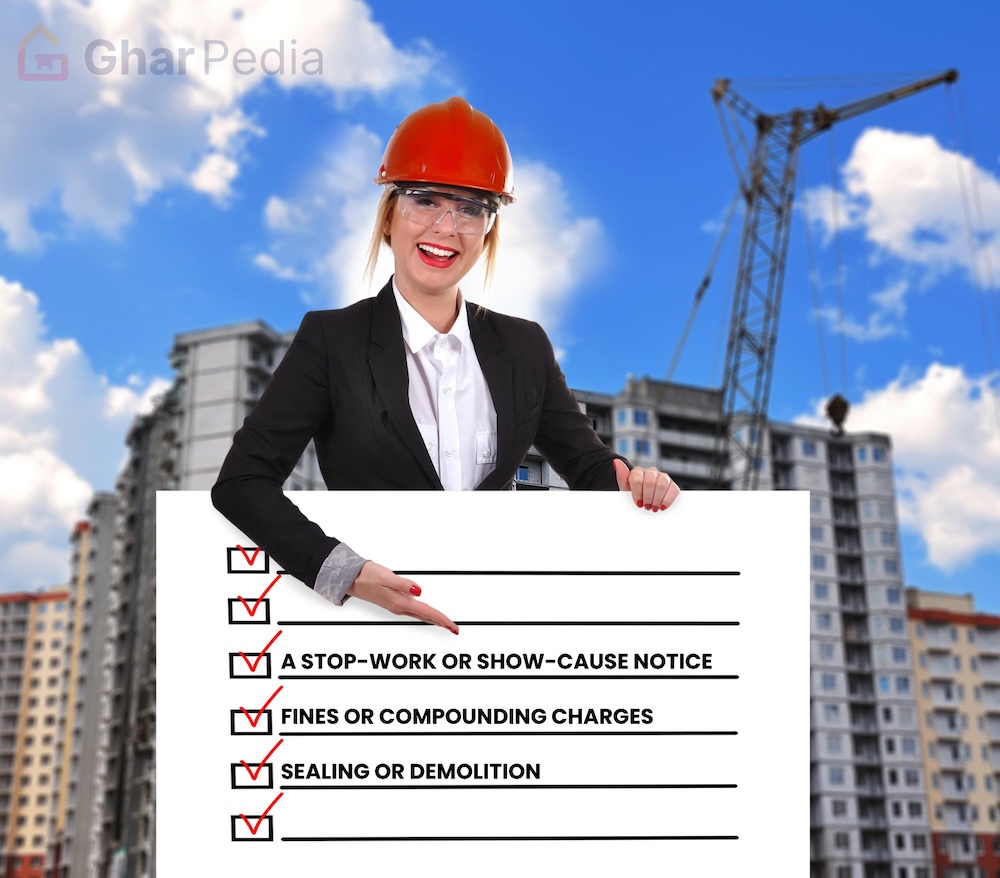
Building without the required sanction is treated as unauthorised construction, and local authorities generally have the power to act once it’s detected:
- A stop-work or show-cause notice is usually the first step, requiring the owner to explain the lack of sanction or halt work immediately
- Fines or compounding charges may follow, based on the extent and nature of the unauthorised work
- Sealing or demolition can be ordered where the deviation is significant, poses safety risks, or isn’t regularised within the given timeframe
The penalty for construction without permission goes beyond the immediate legal risk, too – unauthorised construction can also complicate resale, home loans, and property insurance, since lenders and insurers typically ask for a copy of the sanctioned plan.
Construction Permission vs Completion/Occupancy Certificate
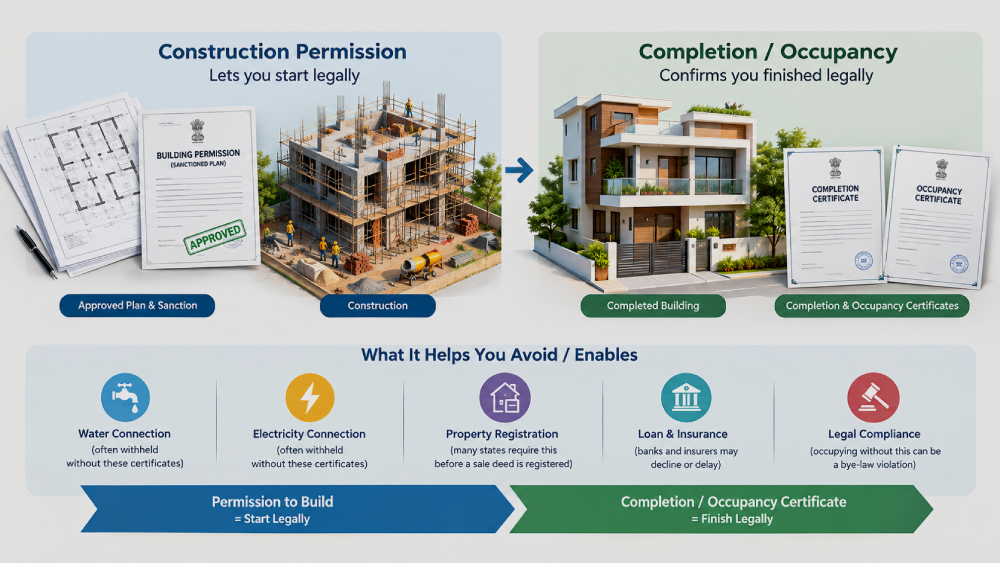
Getting sanction to start construction is only the first half of the compliance process. Once the building is complete, most authorities also require a Completion Certificate (confirming the construction matches the sanctioned plan) and, separately, an Occupancy Certificate (confirming the building is safe to move into or use).
Skipping this second step carries its own consequences, distinct from building without initial permission:
- Utility connections – water and electricity connections are often withheld or delayed without a completion or occupancy certificate
- Property registration – many states require this certificate before a sale deed can be registered, which can stall resale
- Loan and insurance issues – banks and insurers may decline or delay disbursement without it
- Legal exposure – occupying a building without this certificate can itself be flagged as a bye-law violation, even if the original construction was sanctioned
In short, a sanctioned plan lets you start legally; a completion or occupancy certificate confirms you finished legally too. Both matter.
Are There Any Exceptions Where Permission Isn’t Required?
Some authorities exempt genuinely minor, non-structural work – such as internal painting, replacing flooring, or fixing fixtures – from formal permission. This list isn’t standard across India, though; what counts as “minor” in one municipality may still require a notice or NOC in another. The safest approach is to get written confirmation from your local authority’s building department before assuming any exemption applies to your situation.
Can Unauthorised Construction Be Regularised Later?
In some cases, yes – several states run periodic compounding or regularisation schemes that allow owners to pay a penalty and bring unsanctioned construction onto record. This isn’t a right, though, and eligibility is usually limited to deviations within a permissible margin. Construction that significantly violates setback norms, exceeds permissible floor area, or compromises structural safety is generally not compoundable, regardless of penalty offered. Relying on future regularisation as a strategy is risky, since such schemes are discretionary and can be withdrawn or tightened at any time.
Construction Permission for Apartments and Builder Projects (RERA)

Courtesy - Magnific
Everything above largely concerns building your own house on your own plot. If you’re buying a flat in an under-construction project instead, the permission picture works differently and involves an additional layer: the developer, not you, is responsible for obtaining construction permission and the eventual completion/occupancy certificate for the project.
Separately, most such projects also need to be registered under RERA (the Real Estate (Regulation and Development) Act) with the relevant state authority. As a buyer, this means:
- You should verify the project’s building plan sanction and RERA registration number before booking, both usually available on the state RERA website
- Delays or absence of completion/occupancy certificates at the developer’s end can affect your possession timeline and ability to register your unit
- Your legal exposure differs from a self-build scenario – you’re relying on the developer’s compliance rather than managing the permission process yourself
If you’re evaluating an under-construction property, checking these approvals is arguably more important than understanding the permission process itself, since you have no direct control over it.
Construction Permission Requirements at a Glance
| Type of Work | Permission Generally Required? | Notes |
| New construction / new building | Yes | Full building plan sanction is mandatory |
| Structural alteration (extra floor, load-bearing wall change) | Yes | Requires an amended, sanctioned plan |
| Change of use (residential to commercial) | Yes | Needs separate conversion approval |
| Minor internal renovation (flooring, painting) | Usually No | Confirm locally, as rules vary |
| Boundary or compound wall beyond permissible height | Yes | Height limits differ by authority |
| Repair work without structural change | Sometimes No | Check local bye-laws for the threshold |
Also Read: New Home Construction: Dealing with Permits and Regulations
Conclusion
Construction permission is the starting point of a compliance chain, not a one-off box to tick. Getting the right authority to sanction your building plan is essential before you break ground, but the process doesn’t end there – validity periods, costs, and the eventual completion or occupancy certificate all carry their own requirements and risks if overlooked. For those building independently, staying ahead of each stage protects against fines, delays, and complications at resale. For those buying into a builder project, the responsibility shifts to the developer, but verifying their compliance remains firmly the buyer’s job.
FAQs On Construction Permission
01. Do I need construction permission if it’s my own plot?
Yes. Ownership of the plot doesn’t exempt you from obtaining a sanctioned building plan before construction begins.
02. How do I apply for construction permission from my local authority?
Submit a building plan prepared by a registered architect, along with ownership documents and any required NOCs, to your municipal corporation, municipality, or panchayat – often via their online portal.
03. What is the penalty for building without permission?
Penalties vary by state and by the extent of the violation, ranging from compounding fees to stop-work orders and, in serious cases, demolition.
04. Can I get my construction regularised if I built it without sanction?
Possibly, if your state or authority runs a compounding scheme and your construction falls within permissible deviation limits. Major violations are usually not eligible.
05. Can neighbours object to construction that lacks permission?
Yes. Neighbours or other affected parties can report suspected unauthorised construction to the local authority, which may then investigate and take action.
Disclaimer: This article provides general information only and is not a substitute for legal advice. Building regulations vary by state and local authority, so always confirm requirements with your relevant municipal body before starting construction.
Courtesy - Featured Image(Magnific)
Author & Expert Review
Written & Verified By Expert:  Vaidehi Desai | Owner – Gharpedia | MBA (Finance), PGDHRM

| Credentials: Owner and Operations Lead of Gharpedia, a venture of Sthapati Designers & Consultants Pvt. Ltd., with a strong background in finance, business operations, and human resource management. Experience: Business and operations professional with 10+ years of experience managing an educational and media platform focused on architecture, construction, and home-building, with expertise in organizational operations and content quality management. Expertise: Specializing in finance, business operations, human resource management, content quality, and organizational standards. She reviews content to ensure factual reliability, operational accuracy, consistency with organizational standards, and overall quality across architecture, construction, and home-building topics. Find her on : LinkedIn |