







Table of Contents
Quick Summary
- Home improvement videos help homeowners understand DIY techniques, explore design ideas and plan renovation projects with greater confidence.
- Visual demonstrations make practical tasks easier to follow by showing tools, materials, measurements and techniques in action.
- Accurate captions improve accessibility, clarify technical terms and help viewers follow instructions without sound.
- Captioning tools simplify video production, but automated transcripts require careful proofreading to correct errors.
- Well-planned tutorials use clear narration, steady camera work, close-up shots and appropriate safety guidance.
- Homeowners should adapt online advice to their property’s specific requirements and consult qualified professionals for complex or hazardous work.
Courtesy - Magnific
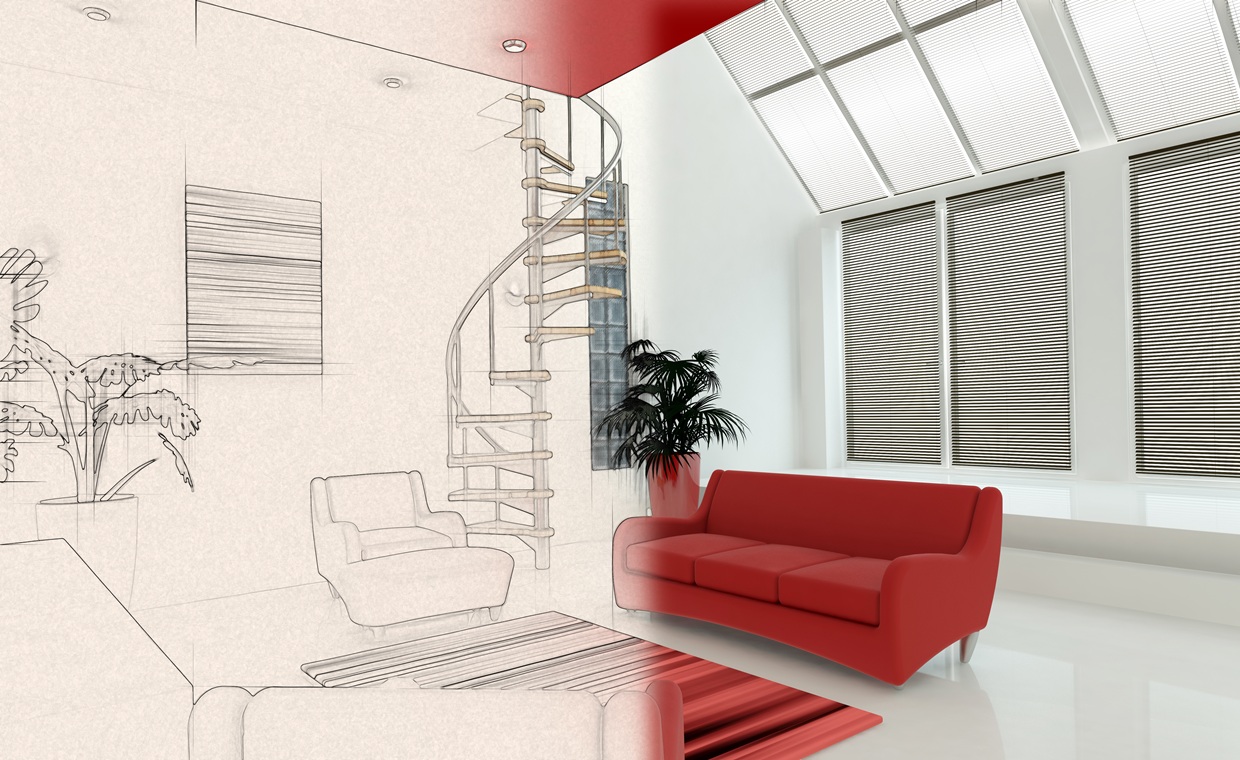
Most home improvement projects start with a simple thought. The living room could use a fresh coat of paint, the kitchen cupboards are bursting, the spare room has turned into a storage cave or the back garden deserves better than a cracked patio and two plastic chairs. Turning that thought into a finished result takes research, planning and a clear sense of what each step involves. Video has become one of the most useful resources for homeowners, because it shows techniques in action, explains design choices and presents solutions in a way that’s easy to picture.
From do-it-yourself tutorials to full renovation walkthroughs, videos let viewers watch how materials, tools and design ideas behave in real homes. They can also reveal common mistakes before anyone has opened a tin of paint. As more people turn to the internet for household guidance, the quality and accessibility of instructional videos matter more than ever. A good video can save a weekend. A bad one can cost several.
Why Visual Instructions Matter for DIY Projects
Written instructions still have their place, but some jobs are far easier to understand when someone shows them. Putting up shelves, painting a wall without streaks, arranging furniture or fitting cabinet handles all involve movements and small details that are hard to capture in words alone. Reading that a roller needs “even pressure” is one thing. Watching someone do it is another.
Videos let viewers pause, rewind and watch a tricky stage as many times as they need. Close-up shots can highlight measurements, where a tool sits and how a finish is applied. Before-and-after comparisons show just how much difference small changes can make, which often gives people the confidence to start.
A video about squeezing more storage out of a compact bedroom, for instance, can show vertical shelving, furniture that does two jobs and clever under-bed organizers. When the explanation is clear and well organized, viewers can adapt the ideas to their own rooms, even if their bedroom has an awkward sloping ceiling the presenter’s didn’t.
Making Home Improvement Videos Accessible to More People
Courtesy - Magnific
Accessibility is a key part of any educational content. Not everyone watches with the sound on, and some people have hearing difficulties or find spoken explanations hard to follow. Captions give everyone another way to take in the information.
Accurate captions turn spoken words into readable text, so viewers can follow along wherever they are. Someone researching kitchen renovation ideas on a packed train, for example, is far more likely to read captions than blast audio through the carriage. A parent watching a tutorial while a baby naps in the next room will feel much the same way.
Captions can also make technical terms, measurements, material names and safety instructions much clearer. In home improvement, a misheard measurement or tool setting can mean wasted wood, a wonky shelf or a job that has to be redone from scratch. Clear on-screen text cuts down on confusion, although it still needs checking for accuracy. A caption that says “fifteen” when the presenter said “fifty” is worse than no caption at all.
How Captioning Tools Support Clearer Instructional Content
Writing captions by hand can take a long time, especially for videos packed with detailed explanations or more than one speaker. Automated captioning tools can speed up the first stage by picking up speech and turning it into text.
A caption generator can help video creators build captions from spoken content, giving them a starting point for editing and improving readability. That’s useful for DIY teachers, interior design fans, renovation professionals and homeowners proudly filming their own projects. Someone documenting a bathroom makeover over several weekends can caption the whole series far more quickly.
Automatically generated text isn’t completely reliable, though. A whirring drill in the background, unusual product names, regional accents and technical vocabulary can all trip up transcription. Careful review is essential, with errors corrected and every measurement and instruction checked against what was actually said. The software listens. A person still has to proofread.
Formatting matters as well. Captions need to stay readable against the video background, stay on screen long enough to be read and keep clear of important details such as cutting lines, fixing points or safety gear. A caption sitting right over the spot where the saw needs to go defeats the whole purpose.
Planning and Producing Useful Home Improvement Videos
Courtesy - Magnific
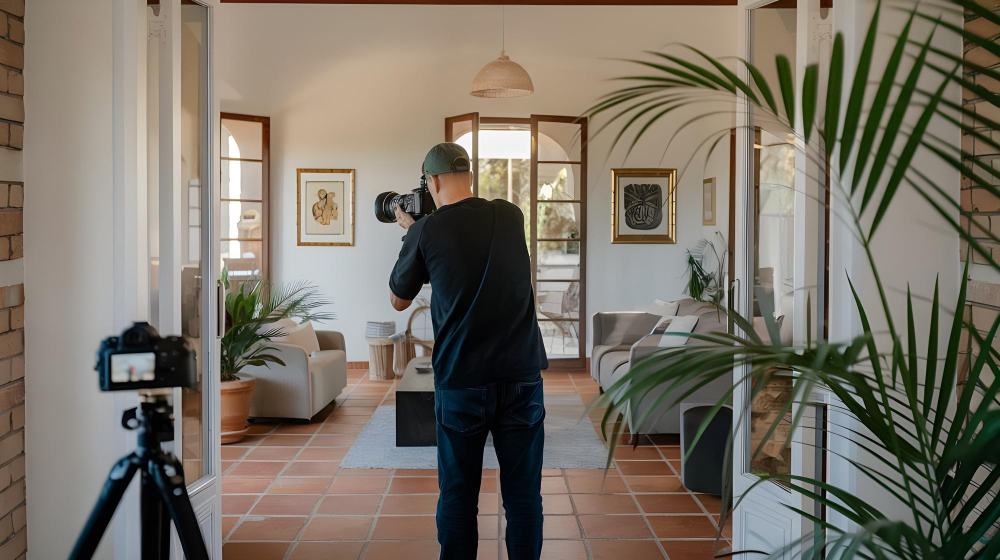
A helpful instructional video starts with a clear goal. Before pressing record, it pays to settle the problem being solved, the materials needed, how difficult the job is and the order of the steps. A video that wanders between three different projects rarely helps with any of them.
A practical structure usually opens with an introduction to the project, then lists the tools and materials, demonstrates each stage and finishes with a look at the result. Safety precautions belong wherever they’re relevant, especially with power tools, electrical work, ladders or heavy materials. Nobody watching a tutorial on fitting a ceiling light needs to learn the hard way that the power was still on.
Good lighting and a steady camera make demonstrations much easier to follow. Close-ups of the important steps help viewers spot details that a wide shot would miss, such as exactly where a screw goes into a bracket. Narration works best when it stays focused and uses plain language instead of trade jargon. “Drill a small pilot hole first” is far friendlier than a string of technical terms.
Captions can back up these production choices by reinforcing the essential instructions. On-screen text can also flag measurements, sum up each step or highlight reminders that viewers need to keep in mind while they work, such as letting the first coat of paint dry overnight.
Combining Digital Guidance with Practical Judgment
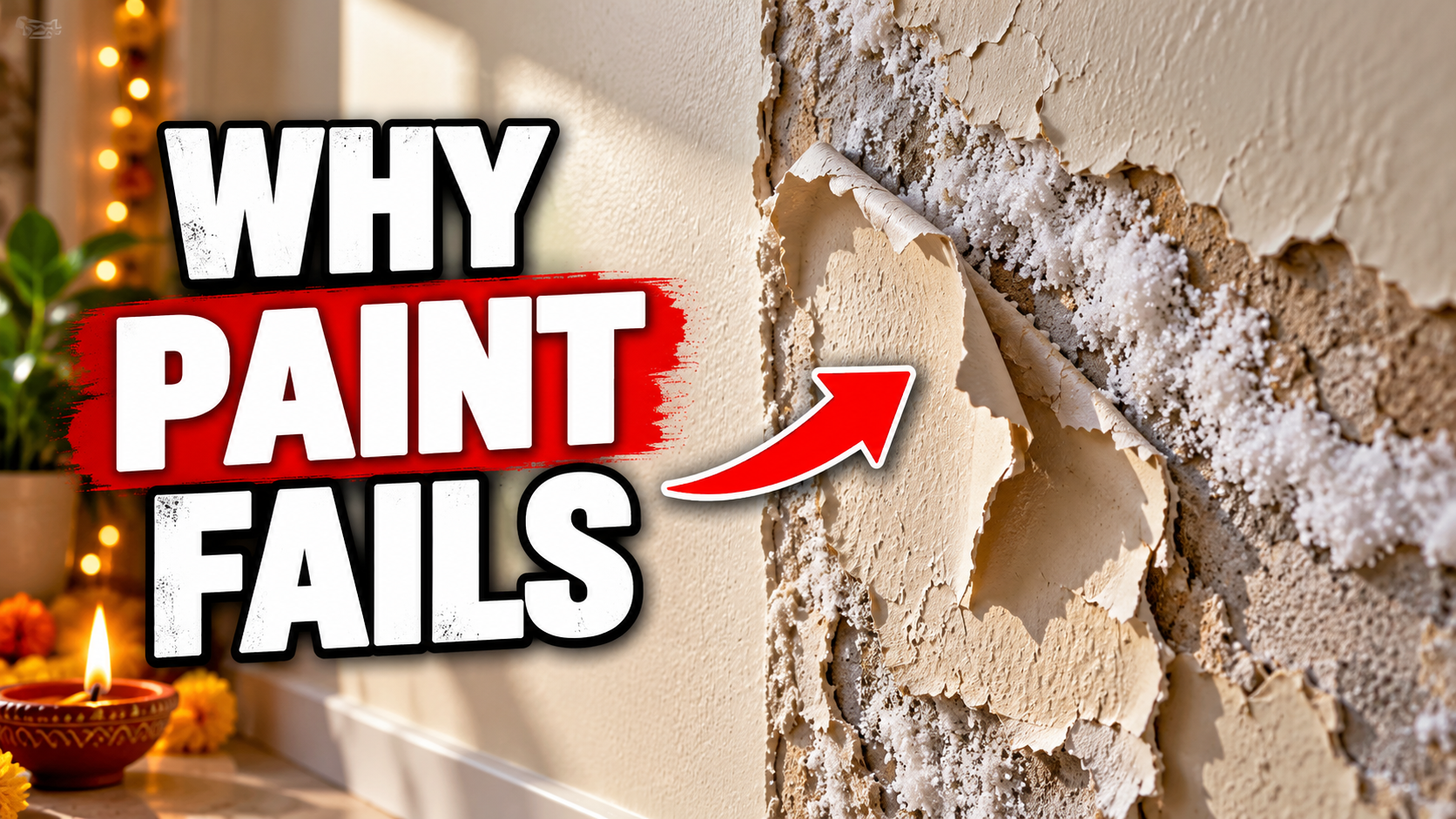
Online videos can offer inspiration and genuinely useful demonstrations, but every home is different. Wall materials, room sizes, building regulations, electrical systems and plumbing layouts all affect whether a particular method will work. A trick that looks effortless on a modern plasterboard wall can go badly wrong in an old house with crumbling lath and plaster.
Checking measurements, reading product instructions and weighing up the risks are all essential before taking on unfamiliar work. Projects involving structural changes, complicated electrical installations, gas connections or major plumbing work may need qualified professionals. Knowing when to put the drill down and pick up the phone is a skill in itself.
Instructional content works best when it helps people make informed decisions, rather than encouraging them to copy every demonstration without thinking about their own home. A good video gives viewers ideas. Good judgment decides which ones belong in their house.
Conclusion
Home improvement videos help homeowners explore design ideas, learn practical techniques and take on household projects with far more confidence. Clear demonstrations, thoughtful organization and accurate captions make this content easier to understand and useful to a much wider audience.
As digital learning continues to shape how people maintain and improve their homes, accessible video production will stay an important way of sharing reliable household know-how. By pairing visual demonstrations with carefully checked captions and sensible safety guidance, creators can help viewers turn good ideas into better-informed decisions. The best tutorials don’t just show how a job is done. They help people decide whether it’s a job for them at all.
Also Read: Home Improvements You Can Actually Do Yourself (And Which Need Professionals)
Frequently Asked Questions – Home Improvement Videos
Q1. How do home improvement videos help homeowners?
Home improvement videos demonstrate practical techniques, explain design options and help homeowners understand the materials, tools and steps involved in household projects.
Q2. Can DIY videos help reduce home renovation costs?
Yes, DIY videos can help homeowners complete suitable tasks themselves, potentially reducing labour costs. However, specialist work and mistakes caused by incorrect techniques may increase expenses.
Q3. Why are captions important in home improvement videos?
Captions make tutorials accessible to people with hearing difficulties and viewers watching without sound. They also help clarify measurements, technical terms and safety instructions.
Q4. Are online home improvement tutorials reliable?
Their reliability varies. Homeowners should check the creator’s expertise, compare advice with manufacturer instructions and consider their property’s specific requirements before following a tutorial.
Q5. When should homeowners hire a professional instead of following a DIY video?
Qualified professionals should handle complex electrical installations, gas connections, structural alterations and other tasks that require specialist knowledge, certification or regulatory compliance.