



Table of Contents
Quick Summary
- Explore how smart residential design is transforming modern homes.
- Learn about connected devices that improve convenience, security, and efficiency.
- Understand how intelligent automation helps reduce energy consumption.
- Discover ways to create flexible living spaces with adaptable layouts and furniture.
- Find out how ageing-in-place features support long-term comfort and accessibility.
- See how biophilic design, natural light, and indoor plants improve wellbeing.
- Learn about eco-friendly materials and sustainable construction practices.
- Understand the importance of air quality, water quality, and cybersecurity in future homes.
The future of residential design is moving toward smarter, more intuitive homes that adapt to the way people live. Rather than simply adding more technology, the focus is on thoughtful design that improves comfort, efficiency, and everyday convenience.
From smart systems that reduce energy use to layouts that improve natural light and airflow, these innovations are shaping healthier, more sustainable living spaces. Whether through connected technology, eco-friendly materials, or flexible design, the homes of tomorrow are being built to better support modern life.
Integrating Smart Home Technologies
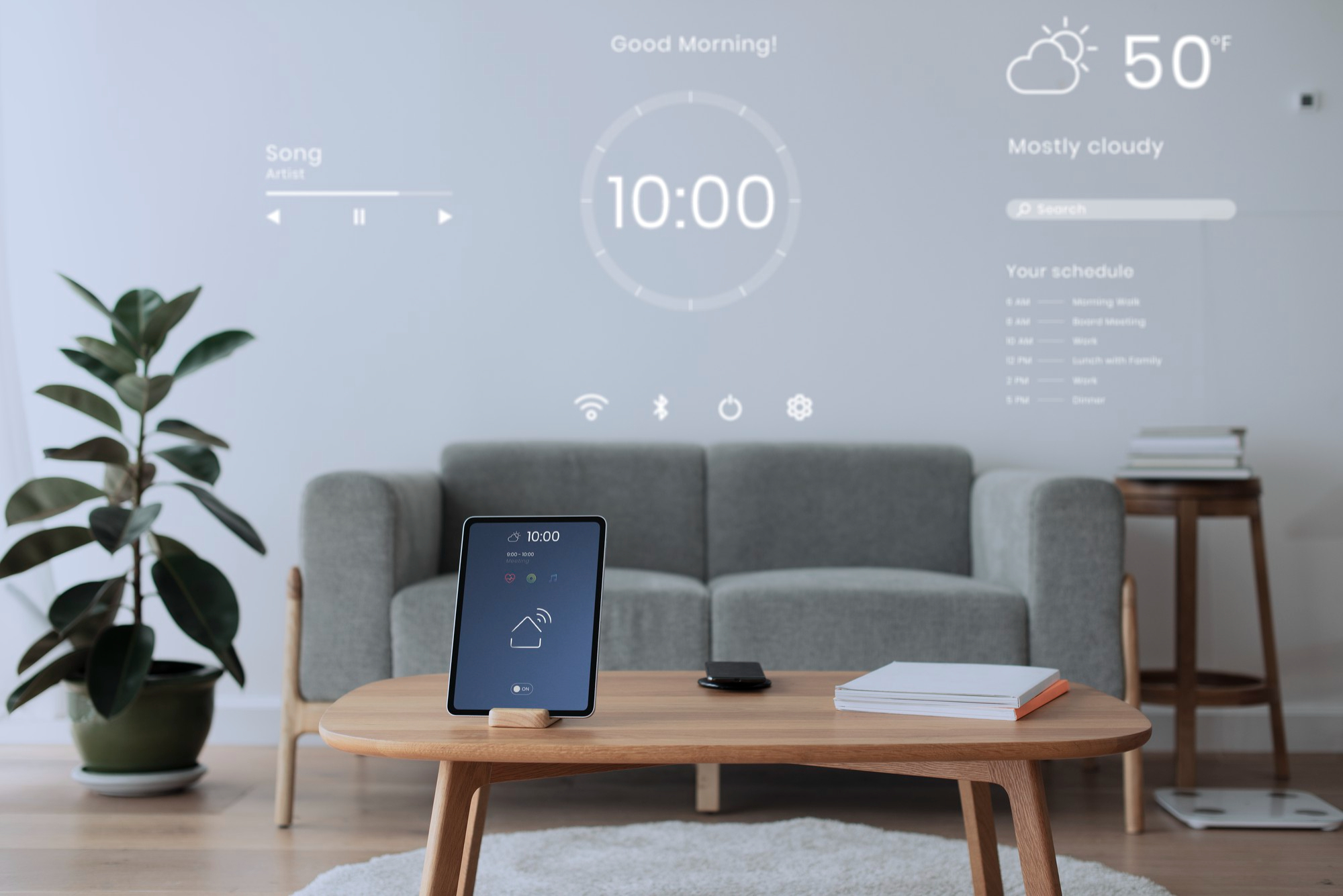
In today’s residential landscape, smart home technologies enhance daily life in profound ways. These innovations are paving the path for greater convenience, increasing energy efficiency, and stricter privacy measures in connected homes.
Emerging Connected Devices for Everyday Convenience
Your home is becoming a hub of intelligent devices designed to simplify your daily routine. Smart speakers, like Amazon Echo and Google Nest, not only play your favorite tunes but also manage calendars, control lights, and answer questions. Smart refrigerators can alert you when groceries are running low, while robotic vacuum cleaners take care of cleaning tasks autonomously. This integration transforms ordinary actions, making your interactions with your home more seamless and intuitive.
Consider the role of video doorbells and smart locks; these devices make securing your home effortless while providing peace of mind. You can see who’s at your door, unlock it remotely, and even grant temporary access to trusted guests. By embracing such technologies, your daily life becomes not just easier but also more efficient and secure.
Energy Efficiency Through Intelligent Automation
Smart home technologies offer significant advances in energy conservation. Devices like smart thermostats, such as the Nest Learning Thermostat, can learn your temperature preferences and adjust them automatically for optimal comfort and savings. You have the ability to control heating and cooling remotely, ensuring that energy is used wisely only when needed. Smart lighting systems allow you to automate and customize lighting based on schedules or occupancy, reducing unnecessary power consumption.
Energy-monitoring plugs and appliances give you real-time data about your energy usage, helping you make informed decisions. By adopting these technologies, you can not only reduce your utility bills but also contribute to a more sustainable living environment through conscious energy management.
Ensuring Privacy and Cybersecurity in Connected Homes
As more devices enter your home network, safeguarding privacy becomes paramount. It’s crucial to maintain strong passwords and regularly update device software to protect against vulnerabilities. You can enhance security by setting up a separate network for your smart home devices, ensuring your personal information remains protected.
Consider enabling two-factor authentication where possible, adding an additional layer of security. Companies are also making strides to encrypt data and ensure that your interactions remain confidential. By staying vigilant and informed, you can enjoy the convenience of connected devices without compromising on privacy or security.
Designing Flexible and Adaptable Living Spaces
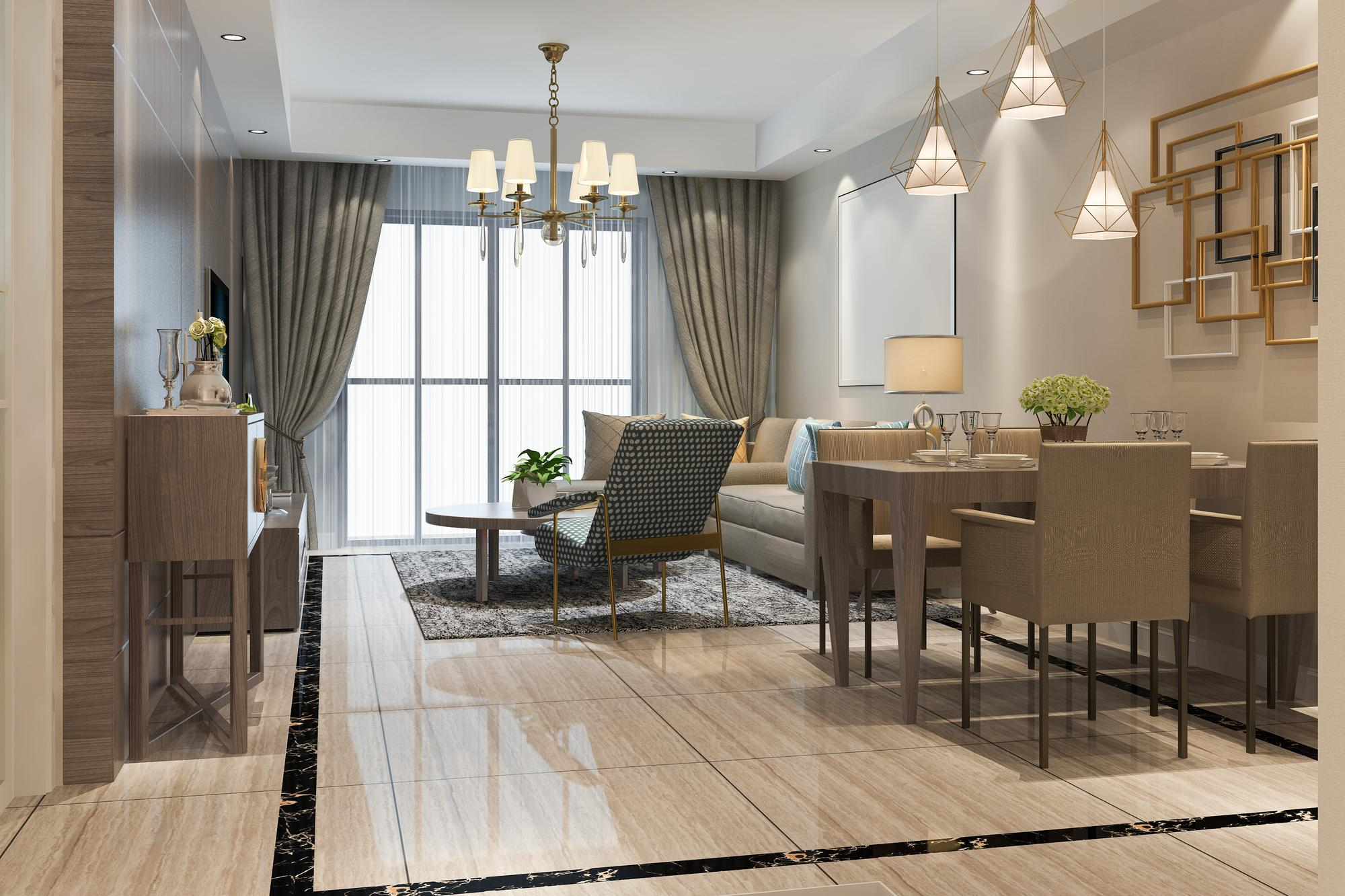
Creating a home that can adapt to your changing needs and lifestyle is essential. By incorporating open-plan layouts, solutions for aging, and innovative storage options, your living spaces become more functional and enjoyable.
Open-Plan Layouts and Multipurpose Rooms
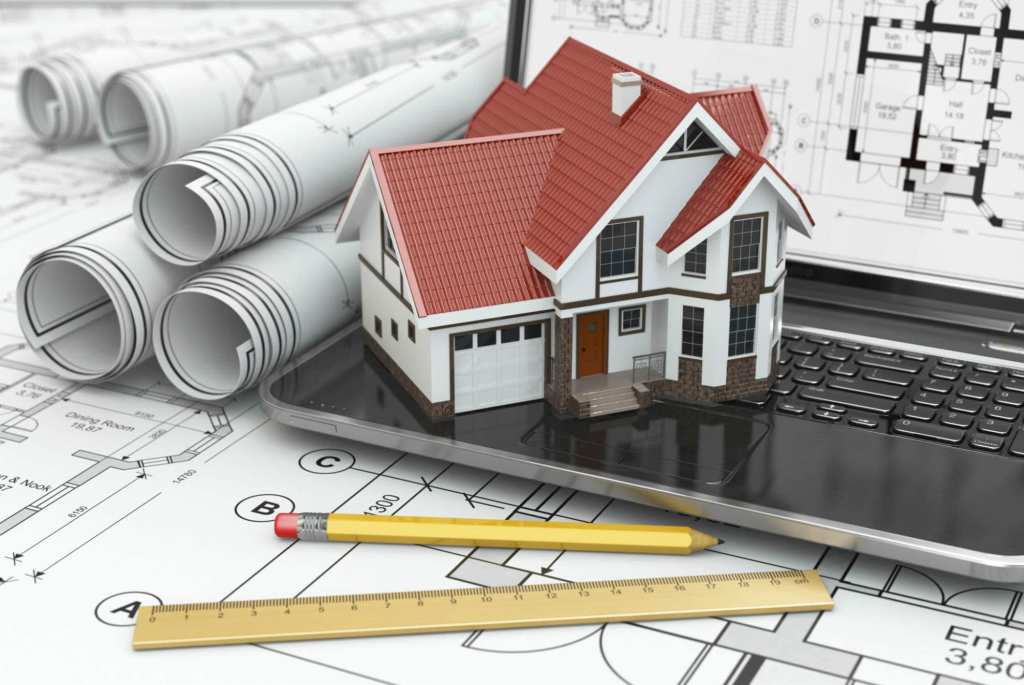
Open-plan layouts have become a cornerstone of modern design. They break down traditional boundaries between rooms, offering an expansive and fluid interior. This is where architectural visualization in modern design can be especially useful, helping homeowners picture how rooms will flow, function, and feel before construction begins. By removing walls, you can create spaces that encourage interaction and adjust to a variety of functions.
Multipurpose rooms play a key role here. Imagine a dining area that smoothly transitions into a home office or a guest room when needed. This versatility is crucial when you seek to maximize every square foot. To achieve this, consider using furniture like fold-out desks and adjustable tables. They can pivot between daily life and special occasions with ease.
Solutions for Aging in Place
Planning for the future means designing spaces that accommodate changes as you age. This involves integrating features that make daily tasks easier and safer, regardless of physical ability. For instance, lever-style door handles are easier to use than traditional knobs, providing convenience and ease.
Consider adding wider doorways to allow easy access for mobility aids like wheelchairs. Non-slip flooring and strategically placed grab bars in bathrooms can also prevent accidents. These subtle but important adjustments ensure you can live independently in your home for as long as possible.
Customizable Storage and Furniture Innovation
Innovative storage solutions empower you to tailor your space to your needs. Modular storage systems can be adjusted and reconfigured to accommodate new or changing items. They allow you to efficiently organize and access everything from clothing to gadgets.
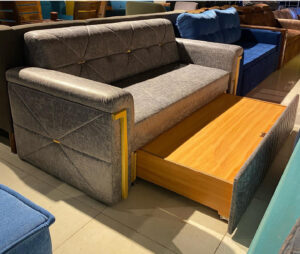
Furniture, too, is evolving. Look for pieces that offer built-in storage or can transform from one function to another. Sofas with hidden compartments or beds that fold into walls can save space and keep your living area organized. Customizable options let you express your personal style while maintaining order in a flexible living environment.
Prioritizing Wellness and Sustainability
In shaping the future of residential design, the integration of wellness and sustainability becomes crucial. It involves incorporating nature’s elements, adopting sustainable building practices, and ensuring clean air and water within homes.
Biophilic Elements and Natural Light
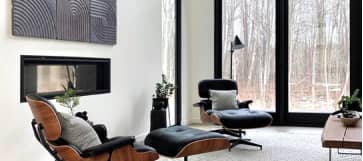
Imagine waking up to sunlight streaming through your windows, reducing your dependency on artificial lighting. Biophilic design principles bring the outdoors inside, enhancing your mood and productivity. It’s about strategically placing windows, skylights, and solar tubes to ensure your living room and kitchen have plenty of daylight.
Plants aren’t just decorative; they are integral to this approach. They purify the air and create tranquil spaces, fostering physical and mental health. From vertical gardens to indoor trees, choosing the right greenery can transform your environment. Consider low-maintenance options like succulents or ferns, which enhance indoor air quality without requiring constant attention.
Eco-Friendly Materials and Sustainable Construction
When planning your next home renovation or new build, choosing eco-friendly materials is a key consideration. Think bamboo flooring, recycled metal fixtures, or reclaimed wood accents. These materials are not only sustainable but also add a unique aesthetic to your space.
Incorporating insulated walls and energy-efficient windows can reduce energy use significantly, saving on heating and cooling costs. Building with sustainable techniques addresses thermal comfort and cuts carbon footprints. It showcases how choosing the right materials can impact both the global environment and your personal lifestyle.
Integrating Air and Water Quality Solutions
Your indoor air and water quality directly affect your health. Implementing solutions like HEPA air filters and water purification systems should be on your radar. Devices that monitor indoor air pollutants provide insights into maintaining healthy air levels.
Addressing potential issues like mold is vital for ensuring your living space remains healthy. Professional mold inspection and testing in Nashville can help detect hidden problems early and support a cleaner, safer indoor environment. Clean air and safe water mean a better living environment, improving your quality of life every day.
Final Thoughts
The future of residential design is about creating homes that feel smarter, healthier, and more adaptable to everyday life. By combining flexible layouts, sustainable materials, connected technology, and wellness-focused features, homeowners can build spaces that are not only more efficient but also more comfortable, practical, and ready for the years ahead.
Also Read: How Interior Design is Transforming Real Estate Value in 2025
FAQs – Smart Residential Design
1. What is smart residential design?
Smart residential design combines technology, sustainability, and adaptable layouts to create homes that improve comfort, efficiency, and everyday living.
2. How do smart home technologies benefit homeowners?
They offer greater convenience, improved security, energy savings, and better control over household systems through connected devices.
3. Why are flexible living spaces important in modern homes?
Flexible spaces can adapt to changing family needs, allowing rooms to serve multiple purposes and maximise available space.
4. What materials are commonly used in sustainable home design?
Popular options include reclaimed wood, bamboo flooring, recycled metals, energy-efficient windows, and environmentally responsible insulation materials.
5. How does residential design support health and wellbeing?
Features such as natural light, indoor plants, improved ventilation, air purification systems, and clean water solutions help create healthier living environments.
Author & Expert Review
Written By:  Gaurav Mishra | Civil Engineer & Content Writer

| Credentials: B.E. (Mahavir Swami College, Surat), Registered with Bhagwan Mahavir University (BMU). Experience: Civil Engineer with 5+ years of content writing experience, currently writing impactful articles for Gharpedia, part of SDCPL. Expertise: Specializes in writing well-researched content on residential construction, construction materials, design planning, on-site practices, and safety, blending technical accuracy with everyday clarity. Find him on: LinkedIn |
Verified By Expert: Farhan Shaikh – Senior Manager – Architect, SDCPL | Associate Member – IIA

This article has been reviewed for architectural and interior design accuracy by Farhan Shaikh, Senior Manager – Architect at Sthapati Designers & Consultants Pvt. Ltd. As the lead for all architectural and interior projects at SDCPL and an Associate Member of the Indian Institute of Architects (IIA), he brings hands-on experience in architectural planning, interior design, project coordination, and sustainable strategies. His review ensures the content reflects practical design considerations, industry best practices, and real-world applicability across both architecture and interior spaces.
Find him on : LinkedIn