




Table of Contents
Quick Summary
- Explore how smart home technology can simplify everyday household routines.
- Learn how smart lighting can automate schedules, brightness and remote control.
- Understand how smart thermostats can improve comfort and temperature management.
- See how connected cameras and video doorbells can make home security more convenient.
- Discover ways to extend smart technology outdoors through lighting and irrigation.
- Find out how a robot lawn mower can reduce the effort involved in regular lawn maintenance.
- Get practical tips for choosing smart devices that work with your existing home setup.
- Learn why starting with a few useful upgrades can be better than overcomplicating your home.
Courtesy: Magnific
Smart home technology is no longer limited to expensive or complicated systems. Today, homeowners can use a growing range of smart devices to make everyday routines more convenient, improve comfort, and reduce repetitive household tasks. From adjusting lights and managing indoor temperatures to monitoring the home remotely, small upgrades can make a noticeable difference to daily life.
The most useful smart home improvements are not necessarily the most advanced ones. Instead, they are the technologies that solve practical problems and fit naturally into the way a household already lives. A smart thermostat, for example, can simplify temperature management, while smart lighting can make it easier to control different areas of the home.
Smart technology can also extend beyond the walls of the house. Outdoor lighting, irrigation systems, security devices, and automated lawn care can help homeowners manage exterior spaces with less manual effort.
Start With Smart Lighting
Courtesy: Magnific
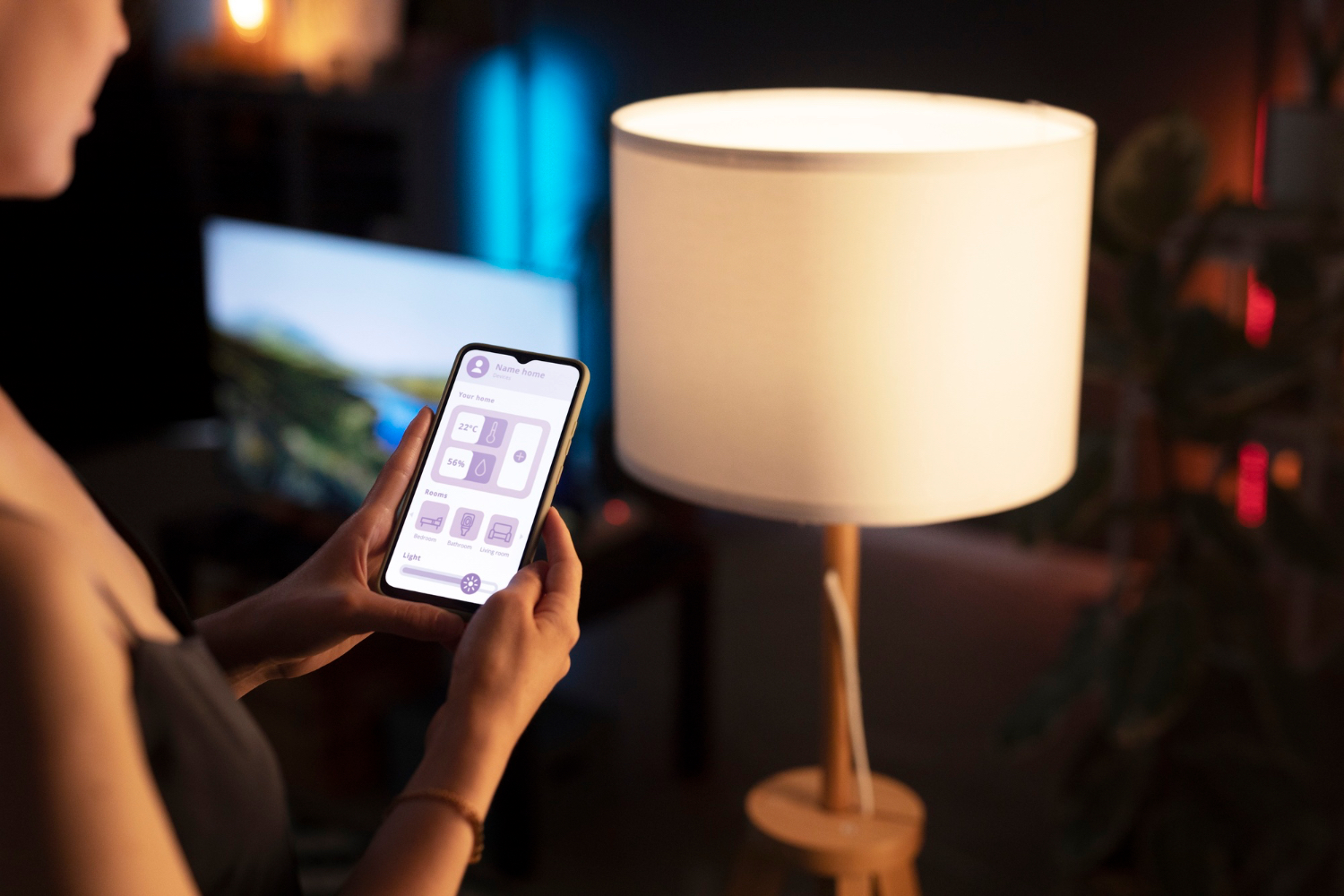
Lighting is one of the simplest areas of the home to improve with smart technology. Instead of relying entirely on traditional switches, homeowners can use smart lighting systems to control brightness, set schedules, and manage lights remotely. This can be particularly useful in homes with multiple rooms or outdoor areas where manually switching lights on and off can become repetitive.
Smart lighting can also be adapted to different routines. Lights can be programmed to turn on at a certain time in the morning, gradually dim in the evening, or switch off automatically when they are no longer needed. Some systems also allow users to control lighting through a smartphone or voice assistant, making it easier to adjust the atmosphere without walking to a switch.
Depending on the type of system, homeowners may be able to adjust brightness, create schedules, and manage lighting settings for different rooms or activities. These features can help make everyday routines more convenient without requiring major changes to the home.
The goal is not to make every light in the house “smart.” A few strategically chosen upgrades in frequently used areas can be enough to make everyday routines more convenient while keeping the system simple to manage.
Improve Comfort with a Smart Thermostat
Courtesy: Magnific
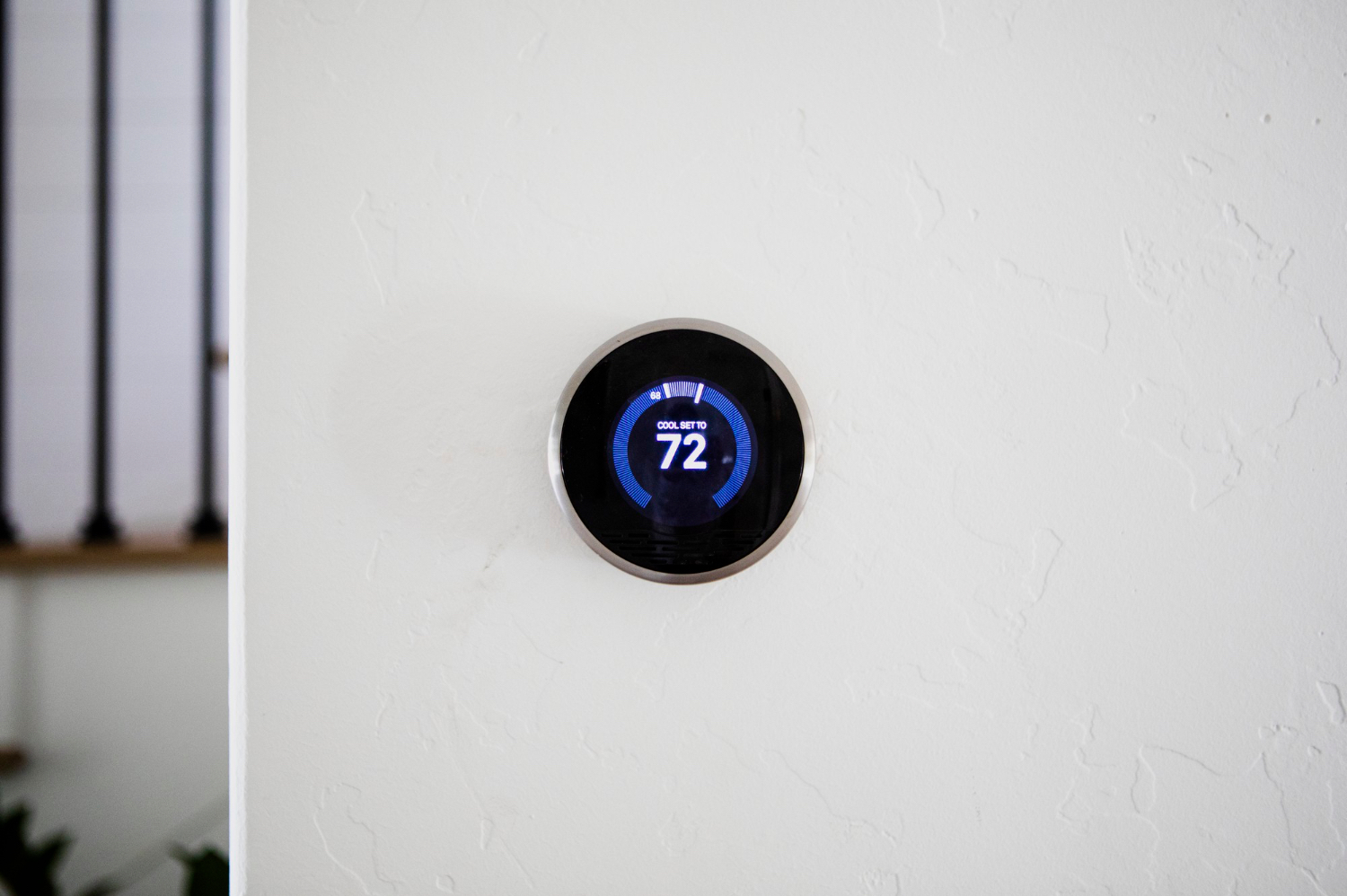
Temperature control is another area where smart technology can make everyday life more comfortable. Instead of manually adjusting the thermostat throughout the day, a smart thermostat can automate heating and cooling based on schedules, preferences, and household routines.
Many smart thermostats are designed to help homeowners manage indoor temperatures more efficiently. Depending on the system, users may be able to create schedules, adjust settings remotely, and make changes when household routines or plans change.
Beyond convenience, smarter temperature management can help reduce unnecessary heating or cooling. Scheduling the thermostat to use less energy when the house is empty, for example, can prevent the system from running at full capacity when no one is there.
For homeowners considering a smart thermostat, compatibility with the existing HVAC system should be checked first. Features are useful only when the device works properly with the home’s heating and cooling setup. A simple, compatible system that fits your routine is often more valuable than one with features you rarely use.
Add Smart Security for Greater Peace of Mind
Courtesy: Magnific
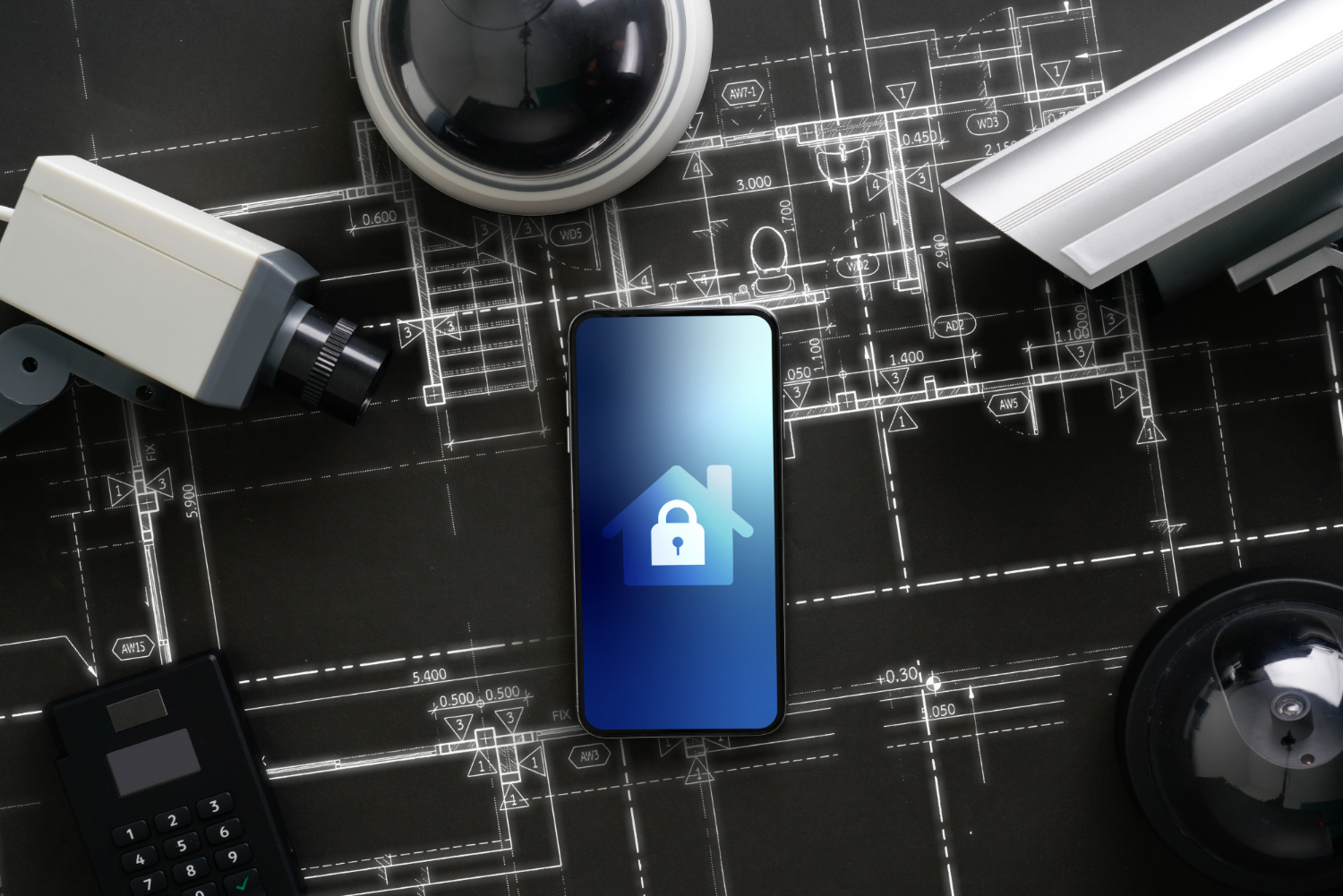
Home security is another area where smart technology can provide practical benefits. Modern security devices can help homeowners keep an eye on entrances, receive alerts, and check what is happening around the property without being at home.
Video doorbells and connected security cameras are common examples of smart security technology. Depending on the device and setup, homeowners may receive notifications when motion is detected, see activity around an entrance, and communicate with visitors remotely. Security cameras can provide similar convenience by allowing users to monitor selected areas through a mobile app.
The biggest advantage is not simply having more cameras or sensors, but having useful information when it matters. For example, motion alerts can let homeowners know when someone approaches an entrance, while remote access can be useful when receiving deliveries or checking the property while away.
When adding smart security devices, placement and privacy should also be considered. Cameras should focus on appropriate areas of the property, and homeowners should review device settings to understand what information is being recorded and stored. Used thoughtfully, smart security can add another layer of convenience without making the home feel overly dependent on technology.
Take Smart Technology Outdoors
Smart home improvements do not have to stop at the front door. Outdoor areas can also benefit from automation, especially when homeowners want to spend less time on repetitive maintenance and more time enjoying their yard.
Smart outdoor lighting can be scheduled to turn on around sunset, making pathways, patios, and entrances easier to use after dark. Automated irrigation systems can also help manage watering schedules based on the needs of the landscape, while outdoor security devices can provide additional visibility around the property.
These improvements can be particularly useful because outdoor tasks are often repetitive. Rather than manually controlling every device, homeowners can set schedules and let automation handle routine activities in the background.
The same idea can be applied to lawn care. Mowing is one of the most time-consuming recurring tasks for homeowners with a yard, so automated lawn maintenance can be a natural extension of a smart home setup. Instead of thinking about the lawn as a separate chore, homeowners can consider it part of a broader approach to making the entire property easier to manage.
Make Lawn Care Easier with a Robot Lawn Mower
Courtesy: Magnific
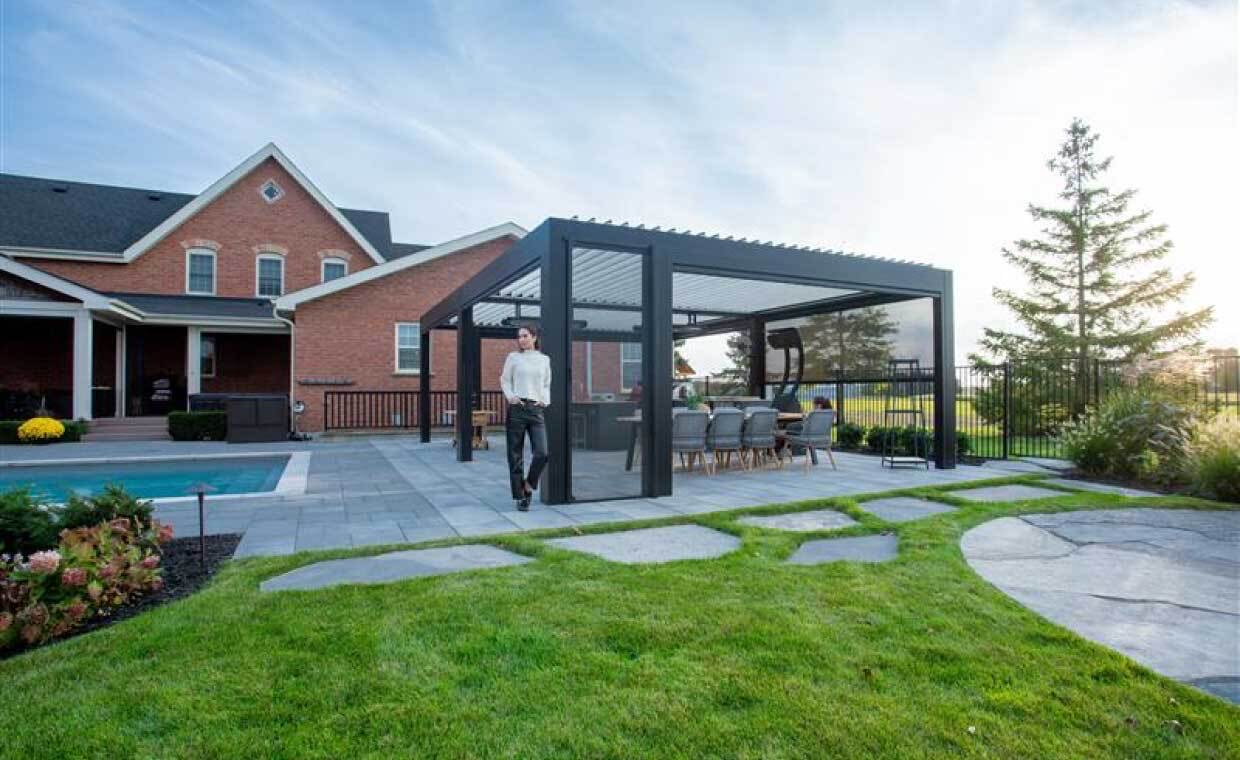
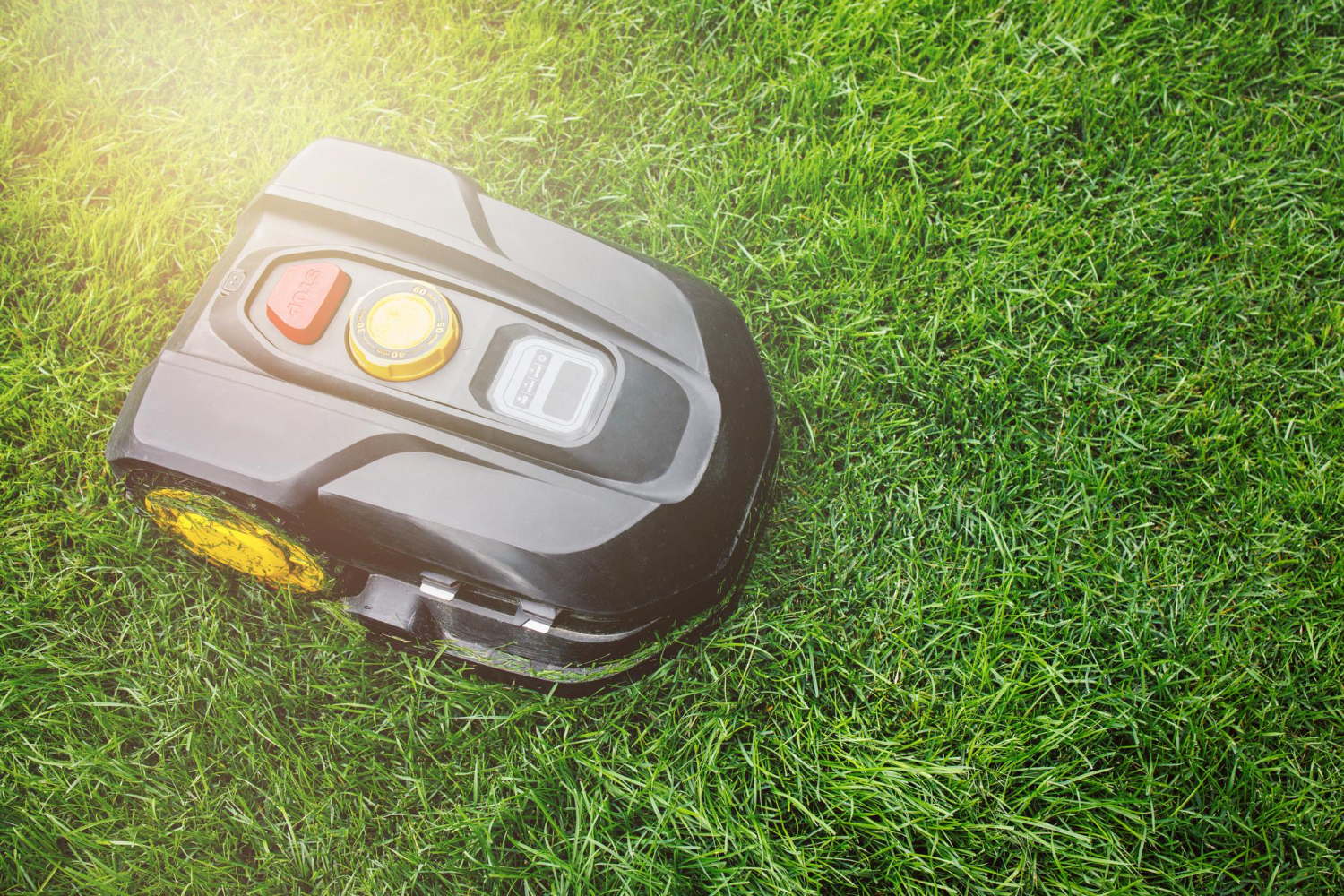
For homeowners with a lawn, mowing can be one of the most repetitive outdoor chores. A robot lawn mower can automate regular mowing, allowing the lawn to be maintained with less hands-on effort. Once properly set up, many models can follow a mowing schedule, return to a charging station when needed, and continue working according to the programmed routine.
Navigation is an important factor when choosing a robot mower. Different systems may use technologies such as positioning systems, cameras, sensors, or a combination of these tools to help the mower understand its surroundings and navigate the lawn. The right option depends on factors such as lawn size, layout, trees, garden beds, slopes, and other obstacles.
As with other smart home devices, the goal is not simply to add another connected product. A robot mower can be useful when its features match the property and genuinely help reduce a recurring maintenance task. For homeowners who want a more automated approach to outdoor care, it can be a practical addition to a broader smart home setup.
Choose Smart Improvements That Fit Your Lifestyle
The best smart home improvements are not necessarily the ones with the most advanced features. What matters more is whether a device solves a problem that regularly takes time, effort, or attention.
For some homeowners, that may mean automating lighting and temperature settings. For others, smart security devices can provide greater convenience when managing deliveries or monitoring the property while away. Those with larger outdoor spaces may find that automated irrigation, lighting, or lawn care makes a bigger difference to their daily routine.
It is also worth considering how different devices work together. A home does not need to be filled with connected products to be considered smart. Starting with one or two useful improvements and expanding gradually can make the transition easier and avoid unnecessary complexity.
Before choosing a device, consider the task you want to automate, how often you perform it, and whether the product is compatible with your existing setup. A smart home should ultimately make everyday life simpler—not create another system that requires constant attention.
Conclusion
Smart home technology can make everyday routines more convenient without requiring homeowners to completely redesign the way they live. From lighting and temperature control to security and outdoor maintenance, even small improvements can reduce repetitive tasks and make a home easier to manage.
The best approach is to focus on practical needs rather than adding technology simply for the sake of having it. Whether it is scheduling lights, adjusting the thermostat remotely, monitoring the front door, or automating lawn care, the right smart devices should save time and fit naturally into everyday routines.
As smart technology continues to expand beyond the interior of the home, outdoor tasks such as lawn maintenance are becoming part of the same connected lifestyle. With thoughtful choices, homeowners can build a smarter home gradually while keeping convenience, simplicity, and their own lifestyle at the center of the design.
Also Read: How Smart Home Renovation Planning Can Improve Efficiency and Control Costs
Frequently Asked Questions – Smart Home Improvements
1. What are the best smart home improvements for beginners?
Smart lighting, smart thermostats and video doorbells are good starting points because they can provide useful automation without requiring major changes to the home.
2. Can smart home technology help reduce energy use?
It can. Devices such as smart thermostats and lighting systems can be scheduled to reduce unnecessary heating, cooling and lighting when they are not required.
3. Is a smart thermostat compatible with every heating and cooling system?
No. Compatibility varies between systems, so homeowners should check the thermostat’s requirements against their existing HVAC setup before purchasing one.
4. Can smart technology be used outdoors?
Yes. Smart outdoor lighting, irrigation systems, security devices and robot lawn mowers can help automate several outdoor tasks and reduce repetitive maintenance.
5. Are robot lawn mowers suitable for every garden?
Not necessarily. Suitability depends on factors such as lawn size, slopes, layout, trees, garden beds and other obstacles. The mower’s navigation and operating capabilities should be considered before choosing a model.
Courtesy - Featured Image(Magnific)
Author & Expert Review
Written By:  Gaurav Mishra | Civil Engineer & Content Writer

| Credentials: B.E. (Mahavir Swami College, Surat), Registered with Bhagwan Mahavir University (BMU). Experience: Civil Engineer with 5+ years of content writing experience, currently writing impactful articles for Gharpedia, part of SDCPL. Expertise: Specializes in writing well-researched content on residential construction, construction materials, design planning, on-site practices, and safety, blending technical accuracy with everyday clarity. Find him on: LinkedIn |
Verified By Expert: Farhan Shaikh – Senior Manager – Architect, SDCPL | Associate Member – IIA

This article has been reviewed for architectural and interior design accuracy by Farhan Shaikh, Senior Manager – Architect at Sthapati Designers & Consultants Pvt. Ltd. As the lead for all architectural and interior projects at SDCPL and an Associate Member of the Indian Institute of Architects (IIA), he brings hands-on experience in architectural planning, interior design, project coordination, and sustainable strategies. His review ensures the content reflects practical design considerations, industry best practices, and real-world applicability across both architecture and interior spaces.
Find him on : LinkedIn