







Table of Contents
Quick Summary
- Dripping water or brown ceiling stains indicate moisture has breached the ceiling cavity, posing electrical and structural hazards.
- High winds crack or displace tiles, exposing timber frames to water penetration.
- Bowing ceilings or uneven rooflines signal severe structural timber damage from prolonged water exposure.
- Gaps letting sunlight into the attic mark direct entry points for rain, dust, and pests.
- Musty smells and recurring ceiling mold point to hidden, trapped moisture.
- Clogged gutters force water under rooflines and eaves, causing structural rot.
- Dented metal, cracked tiles, or dislodged ridge capping require immediate inspection for insurance and safety.
- Damaged insulation lets conditioned air escape, driving up HVAC costs.
- Document damage from the ground, catch leaks with buckets, avoid ladders, and call a licensed roofer.
Courtesy - Magnific
Your roof works hard, day in and day out, copping everything Sydney’s weather throws at it – belting summer sun, sudden southerly storms, and the odd hailstorm that seems to come out of nowhere. Most of the time, it just quietly does its job without you giving it a second thought. But every now and then, something goes wrong, and it’s important to know the difference between a minor issue that can wait for a routine check-up and a genuine emergency. Knowing the signs your roof damage requires emergency repair can save you thousands of dollars in water damage, mould, and structural issues down the track.
Let’s run through the eight big red flags you should never ignore.
1. Water Stains or Dripping on Your Ceiling

Courtesy - Magnific
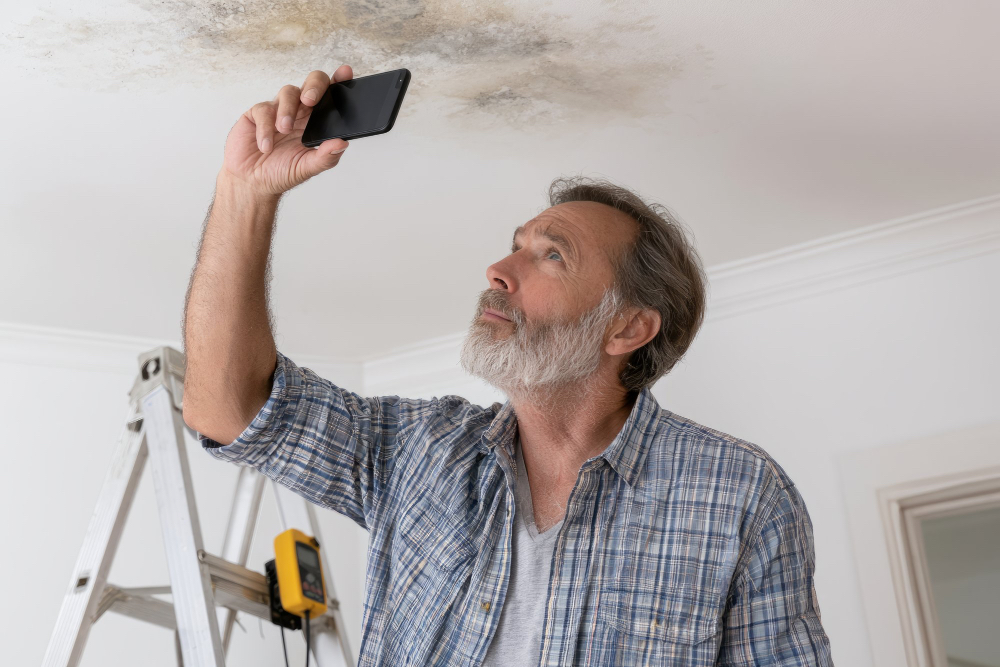
This is the big one, and honestly, if you spot a brown, yellowish patch spreading across your ceiling – or worse, actual dripping – you’re already past the ‘wait and see’ stage. Water stains mean moisture has found its way through your roofing and insulation and is sitting inside your ceiling cavity. Left alone, this can lead to sagging plasterboard, electrical hazards, and mould growth. If you notice active dripping during or after rain, that’s a clear emergency and needs urgent attention. For homeowners experiencing these issues, professional roof restoration Killara services can help identify the source of the leak and address underlying roofing problems before they become more serious.
2. Missing, Cracked, or Displaced Tiles After a Storm
Courtesy - Magnific
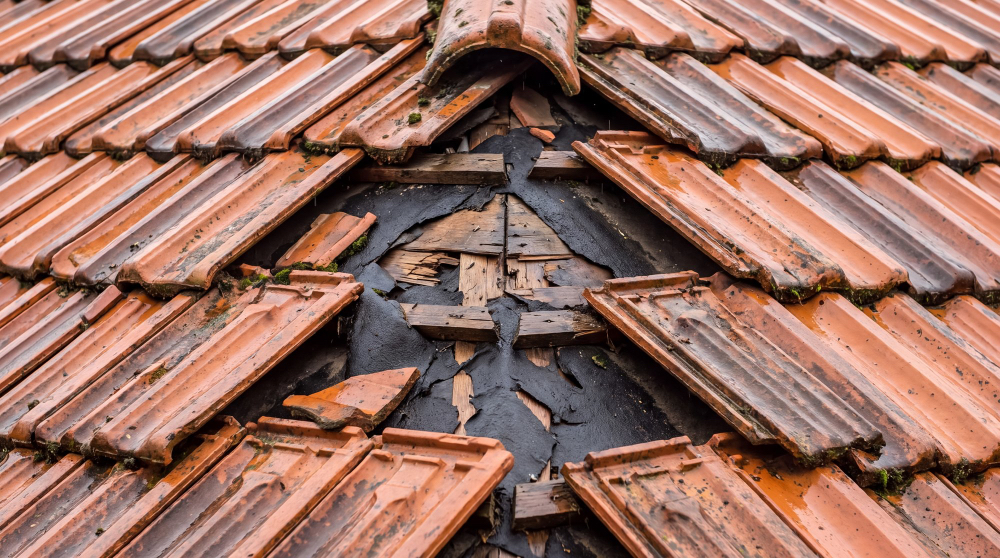
After a decent storm rolls through, it’s worth having a look (safely, from the ground with binoculars, not up a ladder yourself) at your roofline. Missing or cracked tiles leave your home’s timber frame exposed to the elements, and even a single dislodged tile can let a surprising amount of water through during heavy rain. If you can see daylight through your roof from inside the ceiling space, or notice tiles scattered in the yard after high winds, that’s a strong sign you need emergency repairs before the next downpour hits.
3. Sagging Roofline or Ceiling
Courtesy - Magnific
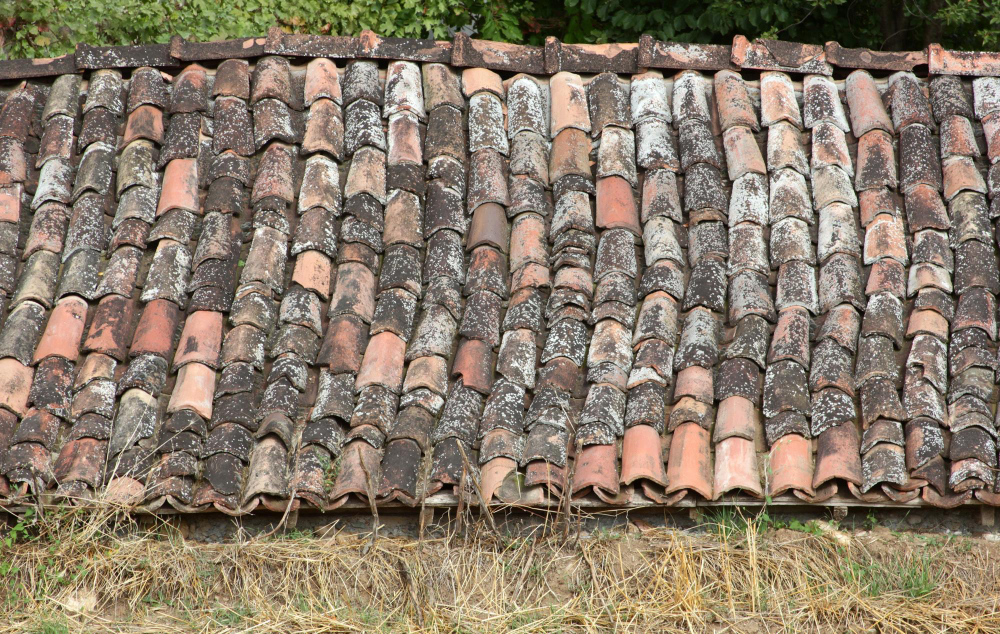
A roofline should be straight and even. If you notice dips, sagging, or a ceiling that seems to be bowing downward, this usually points to structural damage – often from prolonged water exposure that’s weakened the timber battens or rafters underneath. This isn’t something to leave for a ‘someday’ repair. A sagging roof can be a genuine safety hazard and, in worst-case scenarios, can lead to partial collapse if the weight isn’t addressed quickly.
4. Daylight Coming Through the Roof
Courtesy - Magnific
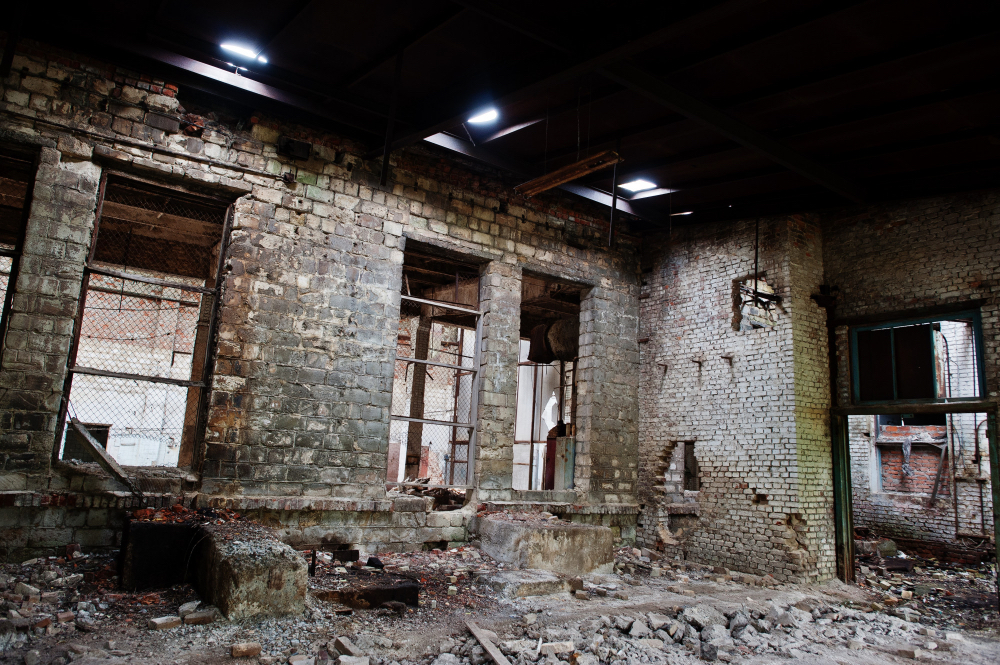
Pop your head into the roof cavity or attic space during the day and have a look around. If you can see pinpricks or larger gaps of daylight, that’s a dead giveaway that your roofing has holes, gaps, or badly deteriorated sections. Where light can get in, so can water, dust, and even pests. This is one of those signs your roof damage requires emergency repair that’s easy to check yourself and shouldn’t be brushed off.
5. Mould, Mildew, or a Musty Smell Indoors
A persistent musty odour, especially in upstairs rooms or near the ceiling, often means moisture is trapped somewhere it shouldn’t be. Mould doesn’t just look and smell unpleasant – it can also cause real health issues, particularly for family members with asthma or allergies. If you’re noticing mould patches on ceilings or walls that keep coming back no matter how many times you clean them, there’s a good chance the source is a roof leak that needs urgent professional attention.
6. Damaged or Clogged Gutters Causing Overflow
Courtesy - Magnific
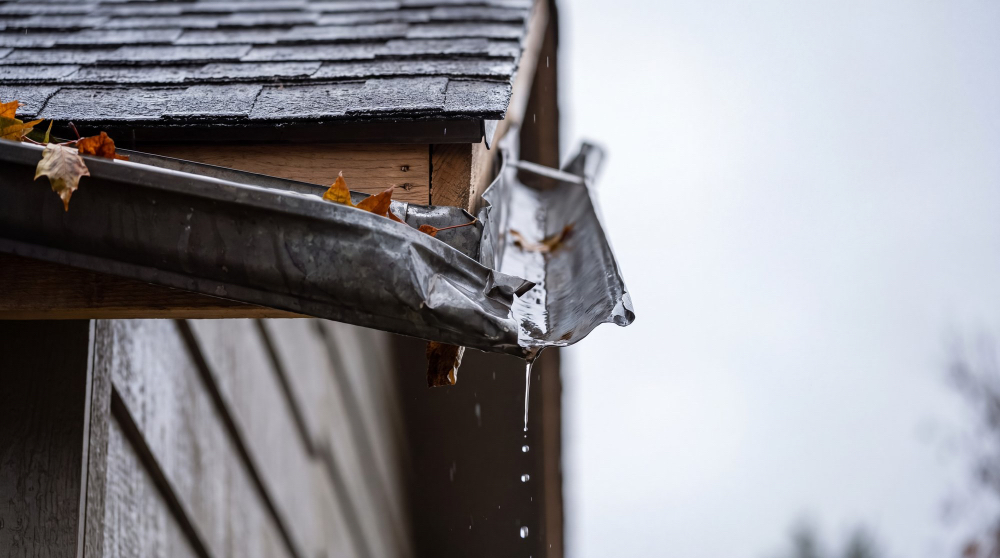
Gutters that are overflowing, pulling away from the fascia, or full of debris might seem like a minor annoyance, but they can quickly escalate into a bigger problem. When water can’t drain properly, it backs up under the roofline and eaves, leading to rot, rust, and water ingress into the roof cavity itself. If you’re seeing water cascading over the sides of your gutters during rain rather than flowing through the downpipes, get it checked before the next big storm season hits.
7. Visible Storm or Hail Damage
Courtesy - Magnific
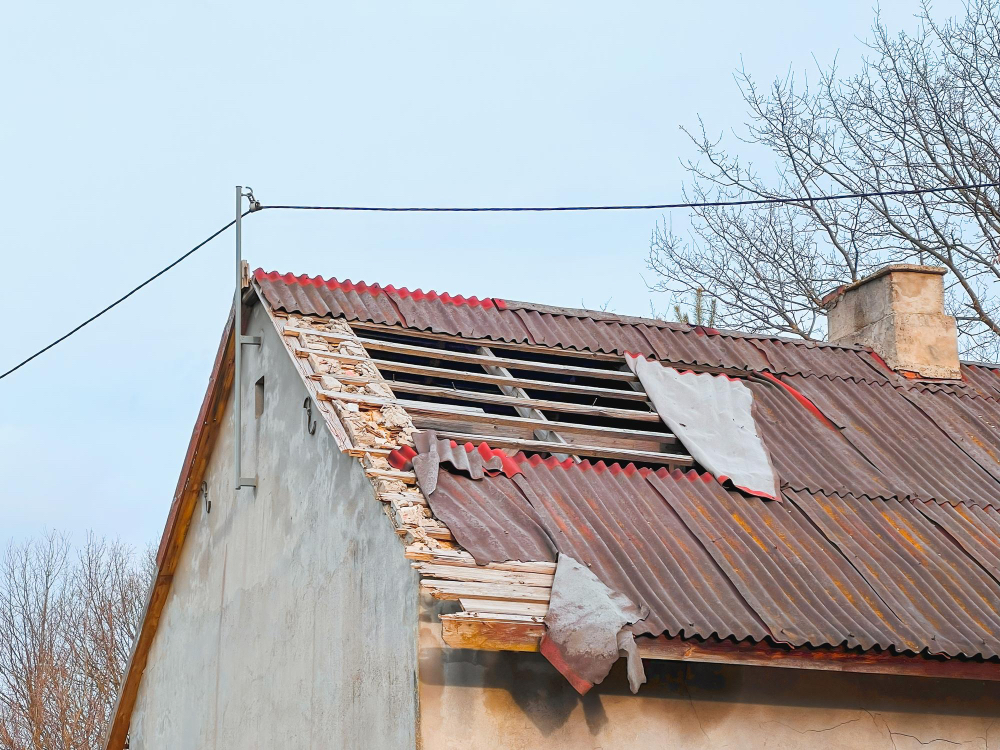
Sydney’s North Shore isn’t a stranger to the odd severe hailstorm, and hail can do a surprising amount of damage to roof tiles, Colorbond sheeting, and flashing, even when it doesn’t look too dramatic from the ground. Dented metal roofing, cracked tiles, or dislodged ridge capping after a hailstorm are all signs you need an emergency assessment. Many home insurance policies also require prompt reporting and repair after storm events, so it pays to act fast both for your roof’s sake and your claim.
8. A Sudden Spike in Your Energy Bills
This one catches a lot of homeowners off guard. If your heating and cooling bills have suddenly jumped without an obvious explanation, it could be a sign your roof insulation has been compromised by water damage or gaps in the roofing itself. A damaged roof lets conditioned air escape and outside temperatures seep in, forcing your air conditioner or heater to work overtime. Combined with any of the other signs on this list, a bill spike is worth investigating sooner rather than later.
What to Do If You Spot These Warning Signs
Courtesy - Magnific
If any of the above sound familiar, don’t wait around hoping it’ll sort itself out – roof damage very rarely gets better on its own, and every week you leave it usually means a bigger repair bill down the line. Here’s what we’d suggest:
- Take photos of the damage from a safe distance, both inside and outside if possible.
- Avoid climbing onto the roof yourself, especially after rain when tiles are slippery.
- Place a bucket or container under any active leaks to limit interior damage.
- Call a licensed local roofing specialist for an emergency inspection.
- Contact your home insurer if the damage relates to a storm or hail event.
A trusted local roofer will be able to assess the extent of the damage quickly, carry out any urgent temporary fixes (like tarping exposed sections), and then recommend the right long-term solution, whether that’s a targeted repair or a full roof restoration.
Why Local Knowledge Matters: Roof Restoration Killara and Surrounding Suburbs
Homes across Killara and the wider Ku-ring-gai area share a few common traits: leafy, tree-lined streets, a mix of older brick-and-tile homes alongside newer builds, and a fair bit of exposure to falling leaves, branches, and moisture that builds up on rooftops over time. If your roof has copped some damage recently, it’s worth choosing a team who understands the local conditions rather than a generic one-size-fits-all outfit. A specialist in roof restoration Killara knows exactly what tends to go wrong on roofs in this part of Sydney, from moss build-up under overhanging trees to the way older terracotta tiles hold up over the decades.
Choosing a local team also tends to mean a faster response time for genuine emergencies, since they’re already familiar with the area and can usually get someone out to assess the damage sooner rather than later.
Prevention Is Cheaper Than Emergency Repair
While it’s important to know the signs your roof damage requires emergency repair, the best outcome is avoiding an emergency altogether. Getting your roof inspected once or twice a year, keeping gutters clear, and organising a proper roof restoration every decade or so goes a long way toward preventing the kind of sudden, costly damage that catches homeowners off guard. Think of it a bit like servicing your car – a little regular maintenance now saves you from a much bigger headache (and bill) later.
Final Thoughts
Your roof is one of the hardest-working parts of your home, and when it starts showing signs of serious damage, it deserves prompt attention rather than a wait-and-see approach. Water stains, sagging, visible daylight, persistent mould, storm damage, and unexplained energy bill spikes are all clear indicators that it’s time to call in the professionals rather than reaching for a tube of sealant yourself.
If you’ve noticed any of these warning signs at your place, don’t leave it to chance. Get in touch with a trusted local roofing team for an emergency inspection, and if it turns out your roof needs more than a quick patch-up, ask about a full roof restoration Killara service to get your home properly protected for years to come.
Also Read: When Repair Is No Longer Enough: A Homeowner’s Guide to Full Roof Replacement
FAQs on Signs Your Roof Damage Requires Emergency Repair
01. What are the top signs your roof damage requires emergency repair?
Active ceiling leaks, visible roofline sagging, missing or displaced tiles post-storm, interior daylight in the attic, and rapid mold growth are key indicators that immediate action is needed.
02. How quickly should I act if I notice severe roofing leaks?
You should contact a licensed roofer immediately. Delaying action allows water to compromise structural timber, damage electrical wiring, and trigger dangerous mold growth within days.
03. What makes an indoor water stain a critical issue?
Active water dripping or spreading brown ceiling stains indicate moisture has already penetrated the roofing materials, insulation, and ceiling cavity, creating an urgent risk of plasterboard collapse.
04. Can a sudden jump in utility bills indicate roof issues?
Yes. Unexplained spikes in heating or cooling costs often reveal severe gaps or water-damaged insulation in your roof structure, allowing conditioned air to escape.
05. What initial steps should I take if I spot severe storm damage?
Safely take photos from ground level, place buckets under active indoor drips to catch water, avoid climbing onto the roof yourself, and call a professional roofer for an assessment and temporary tarping.
Courtesy - Featured Image(Magnific)
Author & Expert Review
Written By:  Nidhi Patel | Civil Engineer & Content Writer

| Credentials: B.E. (Mahatma Gandhi Institute of Technical Education and Research Centre), Registered with Gujarat Technological University (GTU). Experience: Civil Engineer with 3+ years of content writing experience, currently writing blogs for Gharpedia, part of SDCPL. Expertise: Specializing in SEO-optimized blogs and long-form articles focused on home improvement, construction, interiors and architect topics. I create well-researched, reader-focused content that balances technical accuracy with clarity, making complex subjects easy to understand. Find her on: LinkedIn |
Verified By Expert:  Ravin Desai – Co Founder – Gharpedia | Co Founder – 1 MNT | Director – SDCPL

This article has been reviewed for technical accuracy by Ravin Desai, Co-Founder of Gharpedia and Director at Sthapati Designers & Consultants Pvt. Ltd. With a B.Tech. in Civil Engineering from VNIT Nagpur and an M.S. in Civil Engineering from Clemson University, USA, and over a decade of international and Indian experience in the construction and design consultancy sector, he ensures all technical content aligns with industry standards and best practices.
Find him on: LinkedIn