






Table of Contents
Quick Summary
- Start with the overall design and confirm approvals before booking trades or buying materials.
- Plan landscaping early, including levels, drainage, retaining walls and access.
- Complete demolition, excavation and heavy access work before installing delicate finishes.
- Schedule structural work and services before plastering and painting.
- Get drainage right to prevent moisture problems and damage to finished walls.
- Leave flooring, fittings, turf and planting until the work that could damage them is complete.
- Following a logical renovation sequence can reduce rework, delays and unexpected costs.
Courtesy: Magnific
Sequence is the cheapest thing in a renovation and the easiest thing to get wrong. Here is the order that saves money on a Sydney home, and the point at which most projects quietly go sideways.
Almost every renovation blowout I have heard described started the same way. Nobody chose a bad trade and nobody bought the wrong tiles. The work simply happened in an order that forced somebody to redo something that was already finished.
It is an easy mistake to make. Renovating a house is not one project, it is eight or nine small ones that overlap, and the order that feels sensible to a homeowner is often the exact reverse of the order that works on site. People start with what they can picture. Trades start with what has to happen first so nothing gets wrecked later.
If you are planning work on a Sydney home this year, the sequence below will do more for your budget than any amount of haggling over quotes.
Design the Outside Before You Buy a Single Plant
Courtesy: Magnific
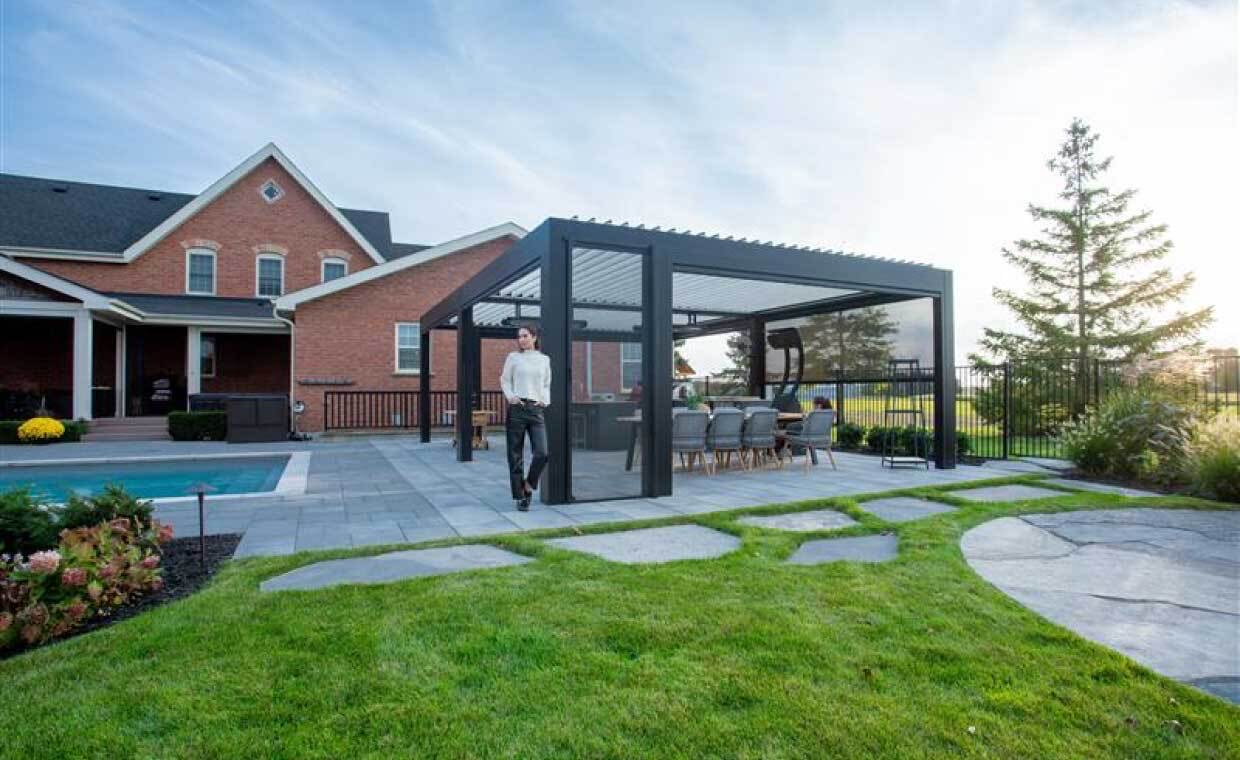
The garden is where impatience costs the most, because a backyard looks like something you can improvise. Buy a few advanced shrubs, lay some turf, work out the paving later. Six months on, the paving needs a fall the ground does not have, the shrubs are sitting where the retaining wall has to go, and half of it comes out again.
A proper design settles levels, drainage, sight lines and access before anyone spends money on materials. It also tells you what the site will actually allow, which is not always what the mood board promised. Sydney blocks slope, and a slope means either a retaining wall, a series of steps, or a compromise, and that decision changes the cost of everything sitting on top of it.
Most people begin by searching “residential landscapers near me” and ringing whoever picks up first, which is a reasonable place to start. The extra question worth asking each of them is whether they design as well as build. A crew that only installs will build exactly what you describe, and if the description is wrong, you have paid for a very tidy version of the wrong thing. A designer will ask about drainage, soil, how much sun the western fence gets in February, and whether you actually want a lawn area or just think you should have one.
Get that documented early. Everything else on site keys off it.
It is also the cheapest stage to change your mind. Moving a path on a drawing costs a phone call. Moving it once it is laid costs a demolition, a skip and a second lot of pavers.
Approvals Are a Lead Time, not a Formality
Courtesy: Magnific
The other reason to settle the design early is that parts of it may need permission, and permission runs on its own clock. Retaining walls above a certain height, structures near a boundary, and anything that changes stormwater flow can all attract council interest depending on where you are. Removing an established tree usually needs approval as well, and the rules differ from one Sydney council to the next, so the only reliable answer is the one your council gives you.
None of this is difficult. It is just slow, and it does not run in parallel with a trade waiting on site. Start it while you are still choosing finishes and it will not cost you anything except a few emails. Start it after the first delivery arrives and it becomes the reason your project sits idle for a month.
Worth a conversation with the neighbours at the same time, particularly for anything on a shared boundary. A fence or a wall discussed beforehand is a minor administrative task. The same job discovered after it is built is a dispute.
Heavy Access Comes Before Anything You Would Be Upset to Scratch
Courtesy: Magnific
This is the rule most homeowners never hear until it is too late. Anything that requires machinery, bulk materials, or a lot of foot traffic through the house needs to happen before the finishes go in.
Soil, sand, road base, pavers and green waste all have to travel, and on a typical Sydney block they travel down a side path barely wide enough for a wheelbarrow. Sometimes they travel through the house because there is no other route. If you have already laid new flooring, painted the hallway and installed a new door, you are about to spend a fortnight protecting all of it, and the protection will not be perfect.
Excavation and tree work belong in this bracket too. Stumps, root balls and large limbs are messy, and the machines used to shift them are not gentle on new surfaces. Do that work while the site is still rough.
Wall Finishes Go Last, And That Is Not Just Tradition

Courtesy: Magnific
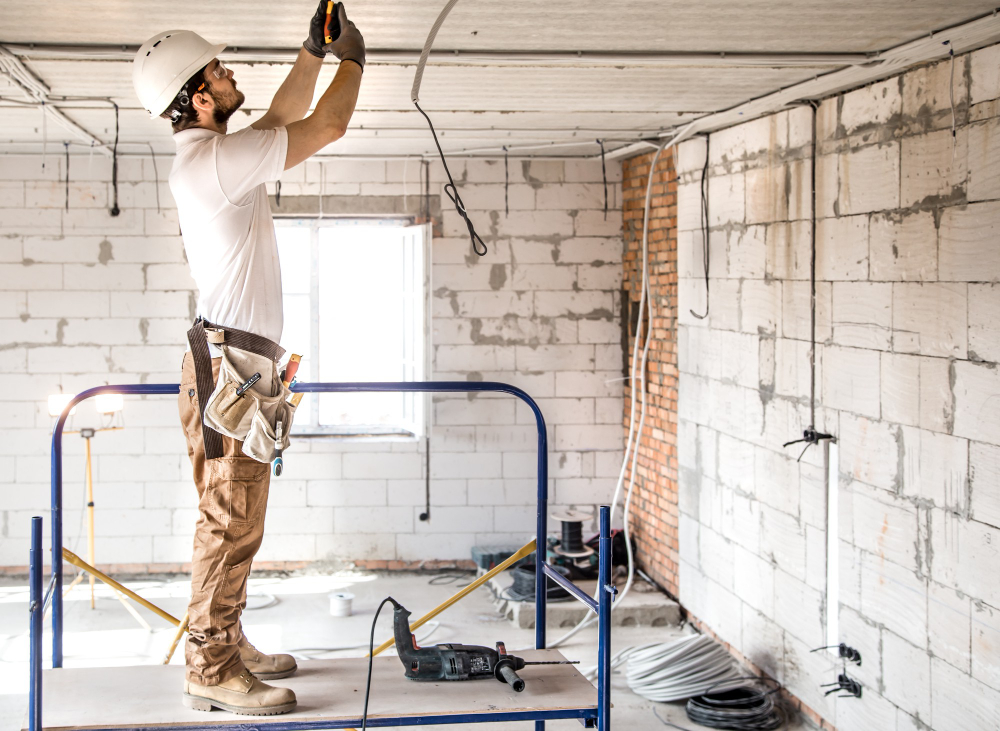
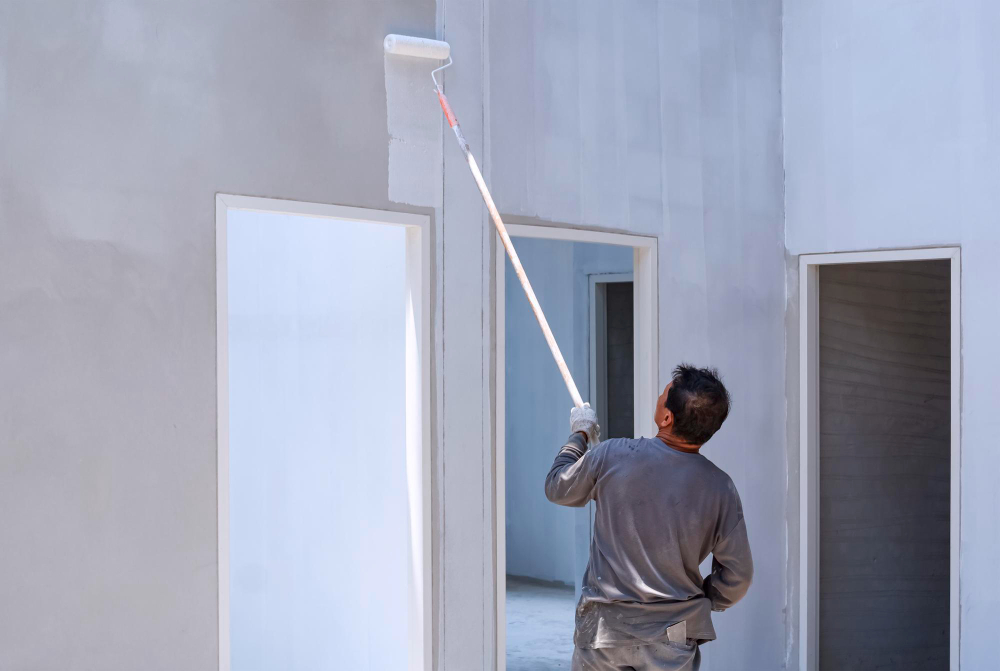
Plaster and paint are the last things in for a practical reason. Every trade before them opens walls. Electricians chase cables, plumbers relocate a tap, a builder widens an opening for bifold doors, and each of those leaves a patch that has to be made good. Finish the walls first and you simply pay to finish them twice.
This is also where the difference between a decent job and a poor one shows up most, because bad plastering is invisible until the light hits it. A patch that has not been feathered out properly announces itself on a sunny afternoon and no amount of paint will hide it. Quotes for plastering Sydney wide vary far more than most homeowners expect, and the gap is almost never about the final coat. It is about preparation, how many passes the plasterer allows for, and whether they are pricing to blend a repair into the surrounding wall or just to fill the hole.
There is a scheduling angle to it as well. Plastering is a dusty trade and the dust travels, so it wants to happen while the house is still a work site rather than after the new kitchen has gone in. Bring the plasterer through while everything is still covered and you avoid a cleanup that nobody quoted for.
Ask what the price assumes. A quote that includes sanding between coats and a proper cure time will look dearer than one that does not, and it is the cheaper of the two by the time you have lived with it for a year.
The Invisible Job That Decides How Long Everything Else Lasts

Courtesy: Magnific
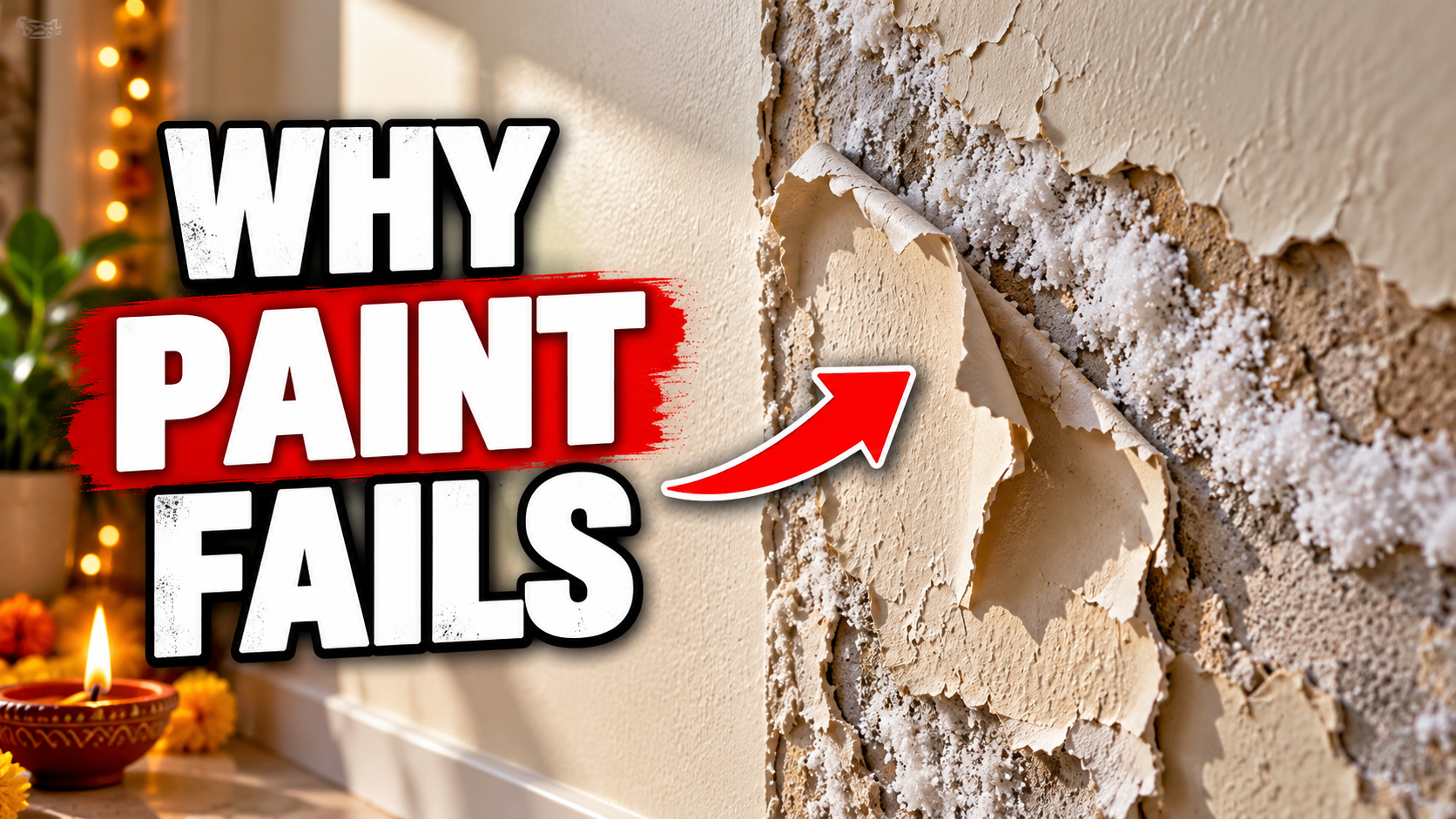
Drainage is the least glamorous line item in any renovation and the one that quietly determines whether the rest of the work survives. Water that sits against a wall finds its way in. It shows up months later as a damp patch on the inside, salt marks along the skirting, or paint that will not stay stuck no matter how many times it is redone.
The two halves of the job are connected here in a way people rarely anticipate. A garden built with the ground sloping gently back towards the house, or a new paved area sitting higher than the old damp course, will eventually ruin internal wall finishes that were done perfectly. The plasterer gets blamed. The plasterer did nothing wrong.
So when the landscape design is being drawn up, make sure somebody has answered where the water goes in a heavy downpour, not an average one. Sydney does not do average rain. It does nothing for six weeks and then delivers a month of it in two days.
A Running Order That Generally Works
Every project has its own quirks, but the broad sequence holds up. Design and approvals first, so you know what you are building and what the council will allow. Demolition, excavation and tree work next, while mess is free. Then the structural work, followed by services, since electricians and plumbers need open walls.
After that comes the heavy landscaping, retaining walls, drainage and hard surfaces, because those are the jobs that need machines and material deliveries. Only then do the internal finishes go in, plaster, then paint, then flooring and fittings. Soft landscaping, turf and planting, comes last of all, once nothing else is going to be dragged across it.
The temptation is always to bring the enjoyable parts forward. Resist it. Planting a garden in week two feels like progress and looks like progress, right up until a bobcat has to reach the back fence.
One Last Thought
Renovation stress is rarely about the work itself. It is about being asked to make decisions in the wrong order, under time pressure, with a trade waiting on an answer. Sorting the sequence at the start removes most of that, and it costs nothing except a bit of patience in the first fortnight, when the temptation to see something finished is at its strongest.
Also Read: How store layout and interior design drive retail sales
Frequently Asked Questions
01. Do I need a landscape design if the yard is small?
Small yards benefit more, not less. When space is tight, every decision constrains the next one, and there is no room to hide a mistake. A design on a courtyard block is mostly about levels, drainage and how people move through the space, and getting those three right is what makes a small garden feel bigger than it is.
02. Should painting happen before or after new flooring?
After the plastering, before the flooring, in most cases. Painting first means the floor installers work in a finished room and any scuff becomes a touch up. Some trades reverse it for particular floor types, so ask both parties to agree the order between themselves before either starts.
03. How long should I leave new plaster before painting it?
Long enough for it to dry properly, which depends on the weather, the room and how thick the work was. Rushing it is one of the more common causes of paint failing early. Your plasterer will give you a timeframe for the job in front of them, and it is worth building that into the schedule rather than treating it as a delay.
04. Can landscaping start while the inside is still being renovated?
The heavy end of it, yes, and often it should. Excavation, drainage and retaining walls fit comfortably alongside internal work. What you want to avoid is finishing the garden while trades are still carrying material in and out, because turf and new planting will not survive that traffic.
05. What is the single most expensive sequencing mistake?
Finishing surfaces before the messy work is done. Every other error costs you time or a little rework. That one costs you the full price of a job you have already paid for once, and it happens on a surprising number of projects.
Courtesy - Featured Image(Magnific)
Author & Expert Review
Written By:  Gaurav Mishra | Civil Engineer & Content Writer

| Credentials: B.E. (Mahavir Swami College, Surat), Registered with Bhagwan Mahavir University (BMU). Experience: Civil Engineer with 5+ years of content writing experience, currently writing impactful articles for Gharpedia, part of SDCPL. Expertise: Specializes in writing well-researched content on residential construction, construction materials, design planning, on-site practices, and safety, blending technical accuracy with everyday clarity. Find him on: LinkedIn |
Verified By Expert: Farhan Shaikh – Senior Manager – Architect, SDCPL | Associate Member – IIA

This article has been reviewed for architectural and interior design accuracy by Farhan Shaikh, Senior Manager – Architect at Sthapati Designers & Consultants Pvt. Ltd. As the lead for all architectural and interior projects at SDCPL and an Associate Member of the Indian Institute of Architects (IIA), he brings hands-on experience in architectural planning, interior design, project coordination, and sustainable strategies. His review ensures the content reflects practical design considerations, industry best practices, and real-world applicability across both architecture and interior spaces.
Find him on : LinkedIn