





Table of Contents
Quick Summary
- Moving into a new apartment can be stressful, but knowing how to protect furniture during a move prevents accidental scratches, chips, and costly structural damage to both properties.
- Before lifting heavy items, always walk the route to measure tight doorways, elevators, and narrow stairwells to avoid scrapes.
- Protecting floors before loading starts is equally crucial; use proper floor protection rather than loose blankets to keep high-traffic areas safe.
- When preparing large items, wrap and protect furniture during a move right in the room before transporting them through hallways.
- Use moving blankets and stretch wrap, while keeping small hardware organized in labeled bags.
- Fragile items like glassware and electronics require individual wrapping, proper box strength, and zero empty interior space.
- Avoid overloading boxes to prevent bottom failures, create an essential “first-night” box for immediate items, and inspect both apartments thoroughly at the end.
- Following these practical steps ensures your move remains organized and completely damage-free.
Courtesy - Magnific
Moving into a new apartment is exciting, but the hours between an empty old home and a finished new one are when floors, furniture and fragile belongings are most exposed to damage. A successful move is not only about getting everything from one address to another. It is also about protecting both properties and making sure the items that arrive can be unpacked and used without unpleasant surprises.
A little planning before moving day can prevent most common problems. The goal is to think about the route each item will take: out of the old room, through hallways and doors, into the vehicle, and then through a second building before reaching its final place.
1. Walk The Route Before Moving Anything
Courtesy - Magnific
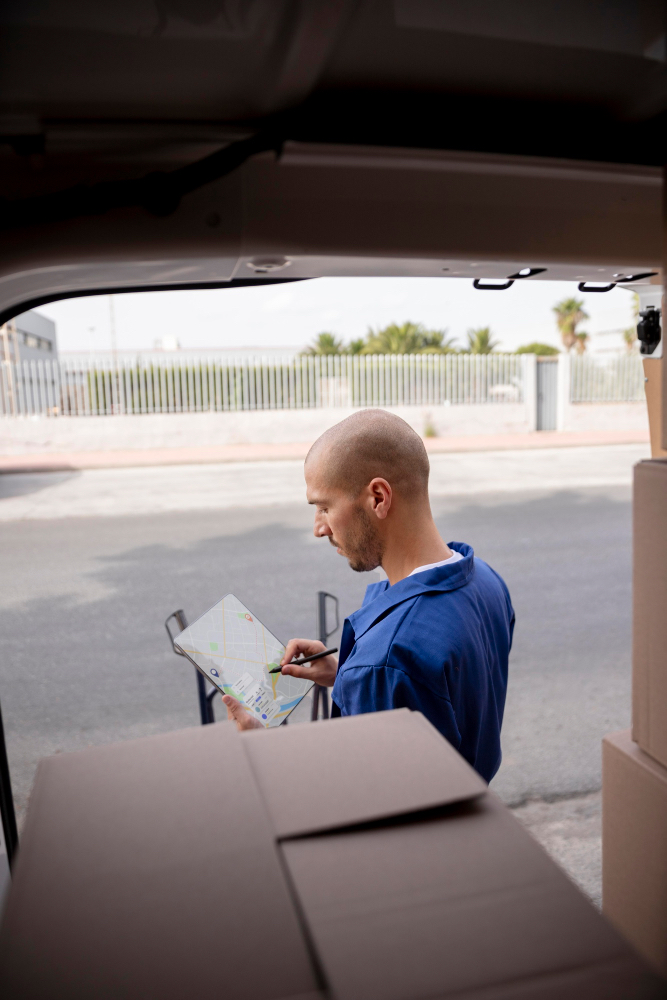
Before the first box is lifted, inspect the path from the apartment to the moving vehicle. Look for tight corners, narrow doors, low fixtures, stairs, elevator dimensions and places where furniture could scrape a wall. Do the same at the destination.
If a building uses a service elevator or loading area, confirm access in advance. In apartment buildings, a delay at the elevator can quickly create congestion in hallways and increase the chance that boxes or furniture will be set down in unsafe places.
Measure oversized pieces such as sofas, bed frames, dining tables and large cabinets. If an item cannot comfortably clear the route, disassembling it before the move is usually safer than trying to force it through a doorway.
2. Protect Floors Before Heavy Traffic Begins
Courtesy - Magnific
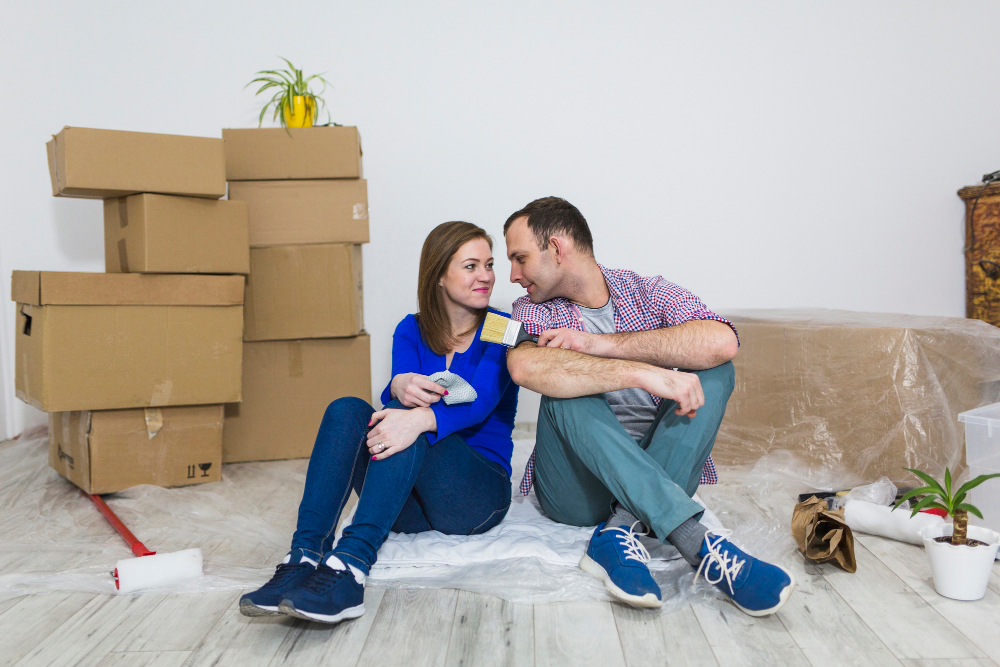
Floors take more punishment on moving day than most people expect. Dirt and small debris can be carried in on shoes and then dragged under boxes or furniture. Hardwood can be scratched, while tile can be chipped by a dropped tool or furniture leg.
Start by cleaning the main walking path. Then use suitable floor protection in high-traffic areas, especially near the entrance, hallways and turns. Protection should lie flat and stay secured so that it does not become a tripping hazard. Never assume that a moving blanket placed loosely on the floor will stay in position.
At the destination, protect the floor before unloading begins. It is much easier to prepare an empty entryway than to add protection after boxes have already started accumulating.
3. How To Wrap and Protect Furniture During a Move
Courtesy - Magnific
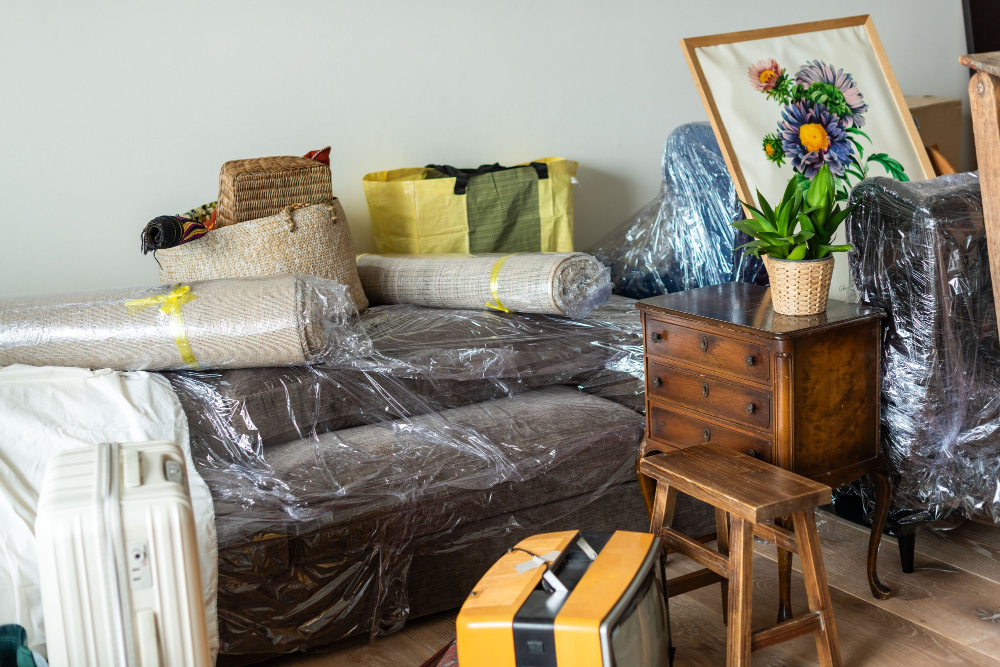
Furniture can be damaged long before it reaches the vehicle. Door frames, elevator walls and stair railings are common contact points. Cover finished surfaces and vulnerable corners before the piece leaves the room.
Moving blankets are useful for tables, dressers, headboards and other large pieces. Stretch wrap can help keep protective padding in place, but it should be used appropriately for the material underneath. Glass components, removable shelves and loose hardware should normally be taken out and packed separately.
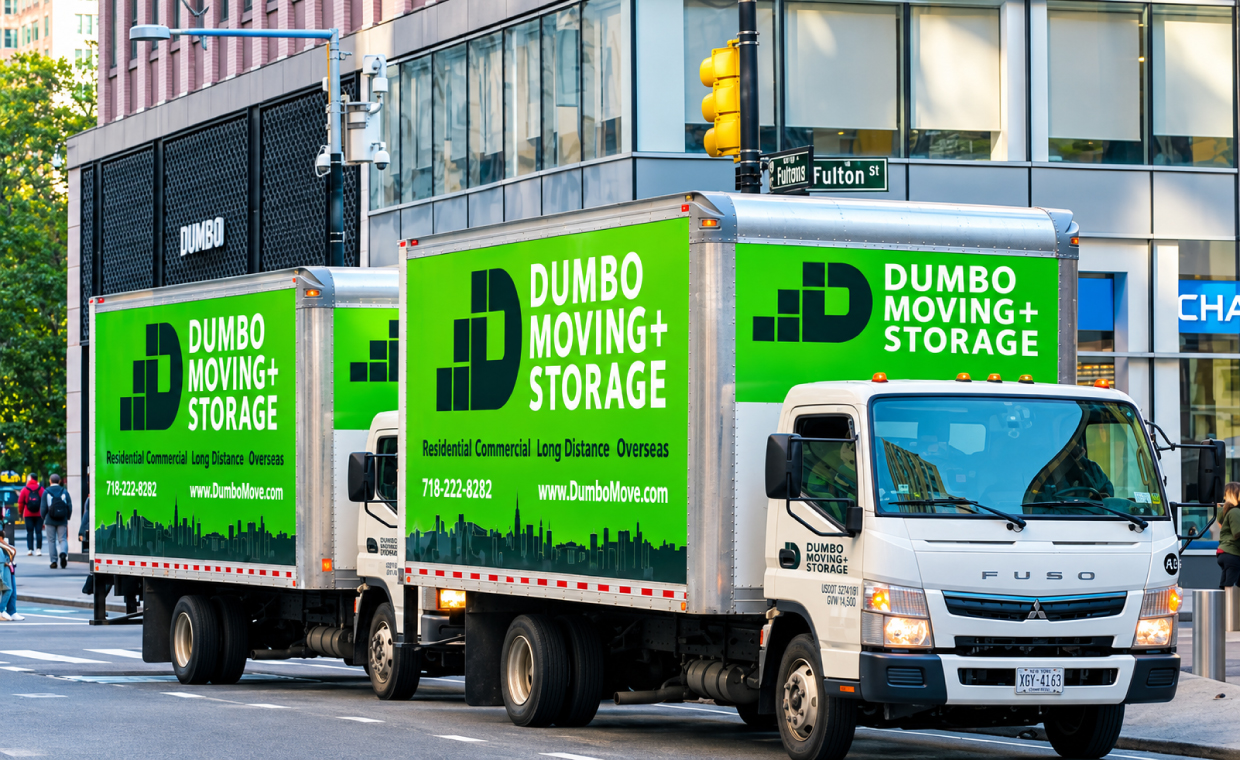
For a complicated apartment move, professional crews such as Dumbo Moving & Storage regularly combine furniture protection, disassembly, loading and building coordination so that protection continues through the entire route rather than only during transportation.
4. Give Fragile Items Their Own Packing Strategy

Courtesy - Magnific
Fragile belongings should not be treated as ordinary box contents. Dishes, glassware, artwork, mirrors, electronics and decorative objects all fail in different ways, so the packing method should match the item.
Use a box that is strong enough for the load and avoid leaving empty space that allows contents to shift. Wrap pieces individually where appropriate, separate hard surfaces, and add cushioning around the sides of the box. Heavy items belong toward the bottom; lighter pieces belong above them.
Labeling matters too. A simple room name helps with unloading, while a clear fragile marking tells anyone handling the box that it needs different treatment. For especially delicate or valuable pieces, note the correct orientation and avoid stacking other boxes on top.
5. Keep Hardware and Small Parts Under Control
Courtesy - Magnific
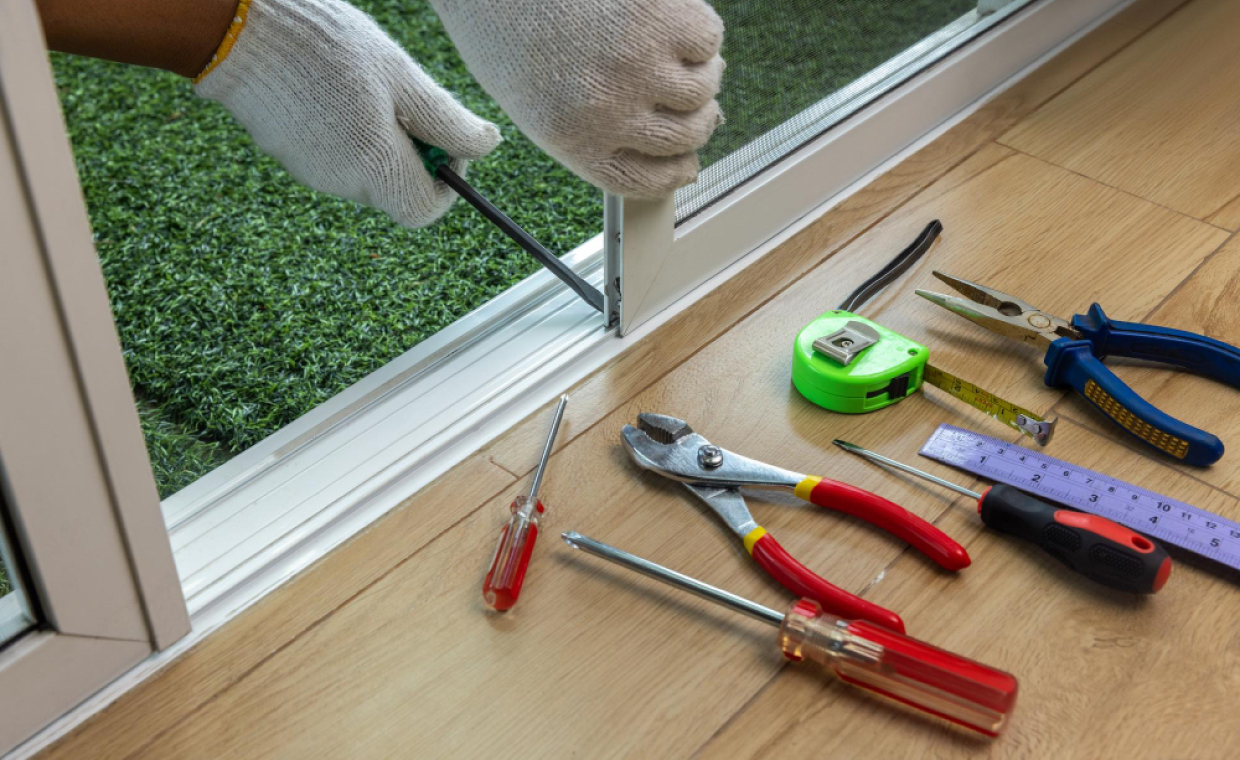
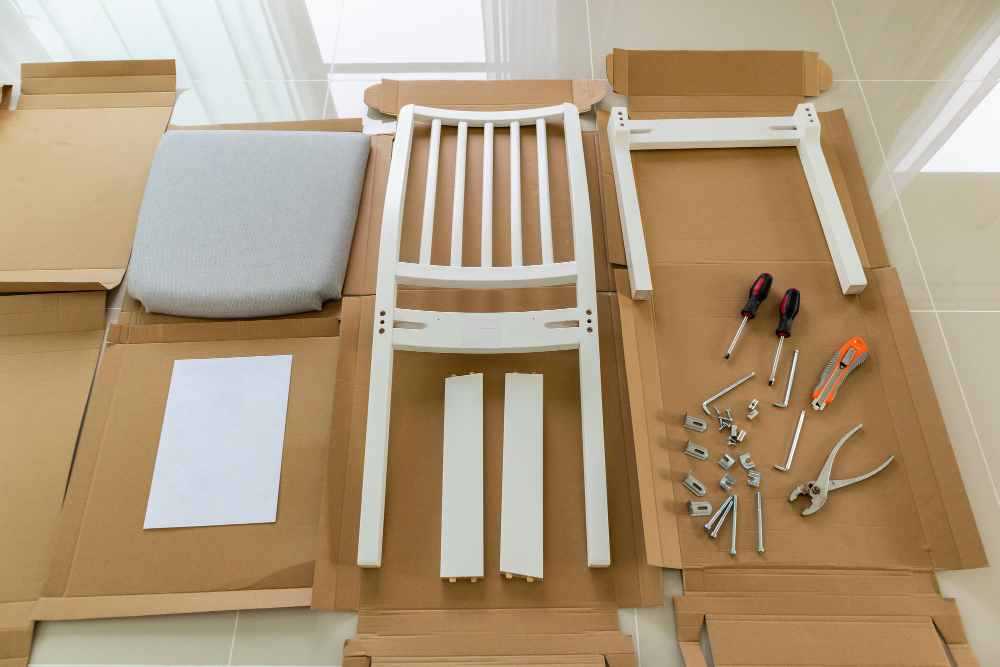
A perfectly protected bed or table is not very useful if its screws disappear during the move. When furniture is disassembled, put hardware in a small labeled bag and keep it with the corresponding piece or in a dedicated parts container.
Photographs taken before disassembly can also make reassembly easier. This is particularly useful for shelving systems, desks, television stands and furniture with several similar components.
6. Do Not Overload Boxes
An overloaded box creates two risks at once: the bottom can fail, and the person carrying it has less control around walls, doors and stairs. Books and other dense objects are usually better in smaller boxes. Bulky but light items can go into larger boxes.
Before sealing a box, lift it carefully to check whether it can be handled safely. Reinforce the bottom when necessary and use enough tape to keep the box square during lifting and stacking.
7. Plan For Timing Gaps Between Apartments
Sometimes the old apartment must be vacated before the new one is ready. A closing delay, renovation, lease timing issue or building access restriction can create a gap of several days or weeks. Trying to improvise after everything is already loaded can be expensive and stressful.
If there is a known gap, arrange temporary storage before moving day. A service that coordinates pickup, storage and redelivery can reduce unnecessary handling. For example, short-term storage in NYC can be combined with packing and transportation when belongings need a temporary place between homes.
Items going into storage should be packed with the storage period in mind. Clearly identify anything you may need before final delivery and avoid burying essential documents, medication, chargers or daily-use items in inaccessible boxes.
8. Create a First-Night Box

Courtesy - Magnific
Even a well-organized move rarely ends with every box unpacked. Prepare one clearly marked box or bag with the things you will need immediately: basic toiletries, chargers, a change of clothes, towels, simple kitchen items, pet supplies if applicable, and essential paperwork.
Keep this box separate from the main load or make sure it is one of the last items loaded and first items delivered. The same approach works for basic tools needed for furniture assembly.
9. Inspect Both Homes at The End
Courtesy - Magnific
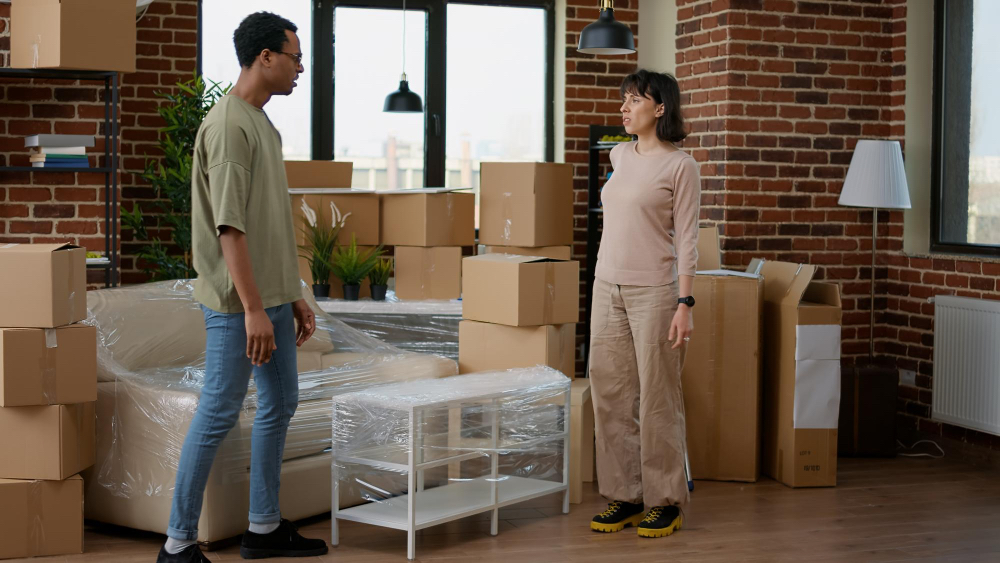
Before leaving the old apartment, walk through every room, closet and storage area. Check walls and floors and make sure no hardware, protective material or small belongings have been left behind.
At the new apartment, do another walkthrough after the large furniture is placed. It is easier to identify a new scratch or damaged item while the move is still fresh than several days later.
A Protected Move Is a Planned Move
Most moving-day damage is easier to prevent than to repair. Protecting floors before traffic starts, preparing furniture before it enters a hallway, packing fragile items according to their needs and planning for timing gaps can make the entire process smoother.
The best preparation is practical rather than complicated: understand the route, use the right materials, keep boxes manageable and decide in advance what happens if the new home is not immediately available. Those steps protect not only belongings, but also the home you are leaving and the one you are about to settle into.
Also Read: How Packers and Movers Ensure the Safety of Your Belongings
FAQs on Protect Furniture During a Move
01. Why is it important to protect furniture during a move before leaving the room?
Wrapping items inside the room prevents damage from accidental contact with narrow door frames, elevator walls, and stair railings along the exit route.
02. What materials should I use to protect furniture during a move?
Moving blankets, heavy-duty stretch wrap, and edge protectors work best to shield wood, glass, and finished surfaces throughout the entire journey.
03. How do I protect furniture during a move if it is too heavy or bulky?
Disassemble oversized pieces like bed frames and dining tables first, keeping all small hardware secured in a labeled bag for easy reassembly.
04. Can professional movers help protect furniture during a move?
Yes, professional teams combine protective wrapping, safe handling, disassembly, and building coordination to keep items secure from start to finish.
05. How do I prevent floor damage while trying to protect furniture during a move?
Clean the walkways first, then lay flat, non-slip floor protection along high-traffic pathways before carrying heavy furniture across hardwood or tile.
Courtesy - Featured Image(Dumbo Moving & Storage)
Author & Expert Review
Written & Verified By:  Shekhar J. Parikh – Co Founder – Gharpedia | Director – SDCPL

| Credentials: Director and Consulting Engineer at Sthapati Designers & Consultants Pvt. Ltd., with over 40 years of experience in civil engineering, project execution, and construction management. Experience: Civil engineering professional with 40+ years of practical experience across Gujarat and Maharashtra, specializing in construction projects, project execution, quality control, and construction management. Expertise: Specializing in civil engineering, construction management, project execution, site practices, and quality control. He reviews technical content to ensure it reflects practical site knowledge, industry standards, and best practices, while supporting informed decision-making related to property buying, selling, and renting. Find him on: LinkedIn |