







Table of Contents
Quick Summary
- Front load washers trap moisture, so smell and mould are the most common complaints. Wipe the gasket, keep the door ajar, and use measured HE detergent.
- Leaks usually come from a worn gasket, loose hoses, oversudsing or a badly refitted drain filter.
- Not draining or not spinning? Clean the drain filter first and check the drain hose for kinks.
- The door stays locked while water remains in the drum, so switch off, wait a couple of minutes and drain through the filter instead of forcing it.
- Shaking and noise usually trace back to unremoved transit bolts, an uneven floor or an unbalanced load.
- Long cycles can point to low water pressure, rebalancing or heavy suds, although some eco cycles are simply slow.
- Error codes differ by brand and model, so read your manual first.
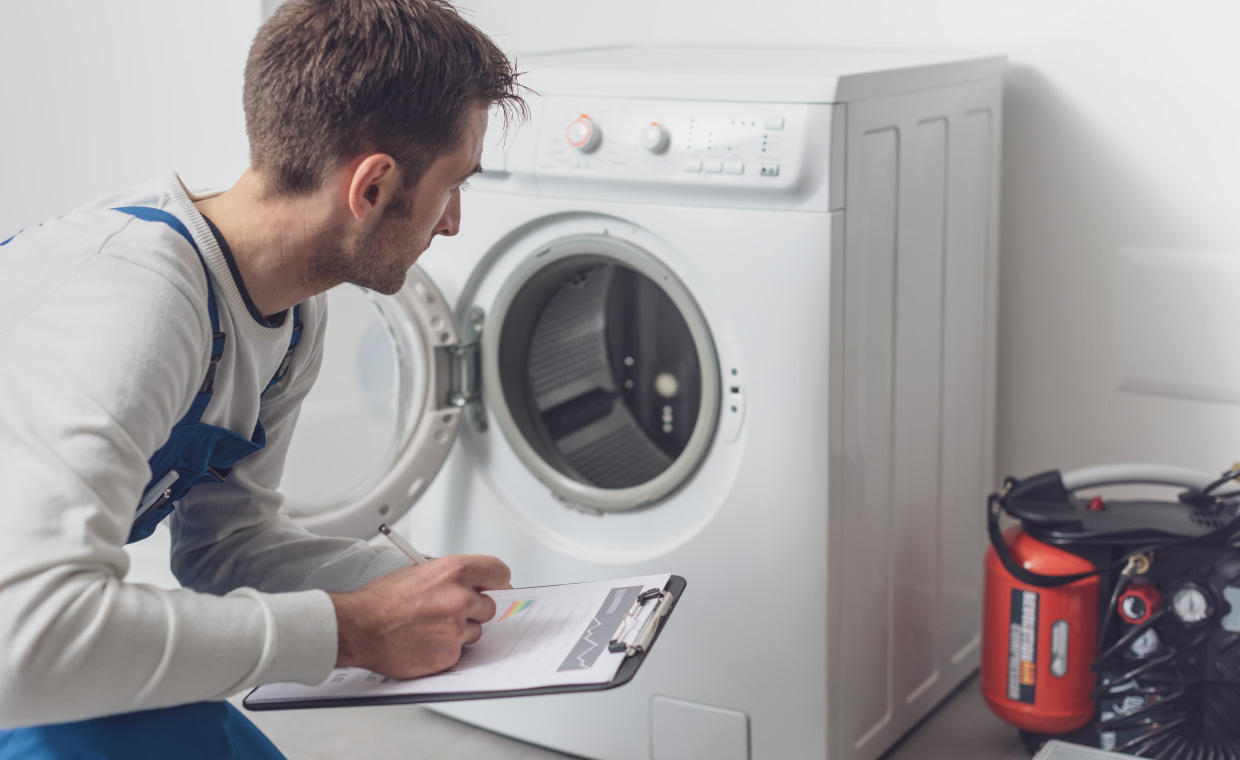
- Call a technician for grinding noises, burning smells, repeated error codes or water near electrical parts.
- Weekly gasket wipes and monthly filter and drawer cleaning prevent most problems.
Courtesy - Magnific
Front load washing machines are popular for good reasons. They use less water, treat clothes gently and wash well. But the airtight design that makes them efficient also traps moisture, soap and lint. That is why most front load washing machine problems, such as a bad smell, mould, leaks, noise or a stuck door, are small issues. Many can be fixed at home when caught early.
Like any electric appliance, a washing machine works best with a little regular care. This front loading washing machine problems and solutions guide covers the nine most common faults, what usually causes them, and what you can safely try before calling a technician.
Safety first: Always switch off and unplug the machine before touching hoses, filters or the door seal.
Commonly Observed Front-Loading Washing Machine Problems
| Problem | Common causes | First fix to try | DIY or technician? |
| Bad smell | Detergent residue, trapped moisture, dirty gasket and drawer | Wipe gasket, clean drawer, run a machine-cleaning cycle | DIY |
| Mold | Damp gasket, too much detergent, door always shut | Scrub gasket folds, dry after every wash | DIY (technician if gasket is torn) |
| Leaking | Worn gasket, loose hoses, too much foam, loose drain filter | Check hoses and filter cap, reduce detergent | DIY first, technician if it persists |
| Not draining | Blocked drain filter, kinked hose, faulty pump | Clean the filter, straighten the hose | DIY first, technician for pump |
| Door won’t open | Door lock still engaged, water in drum, power cut | Wait, switch off for a couple of minutes, drain | DIY first, technician for latch |
| Noise or shaking | Transit bolts, uneven floor, unbalanced load | Level the machine, redistribute clothes | DIY |
| Not spinning | Overload, drain problem, door not locking | Reduce load, clear drain, close door firmly | DIY first, technician for motor |
| Long wash cycles | Re-balancing, slow water fill, heavy suds | Balance load, check tap and inlet filter | DIY first |
| Error codes | Door, water, drain or load faults | Check manual for the code | Depends on the code |
01. Foul Odor from Washing Machine Drum
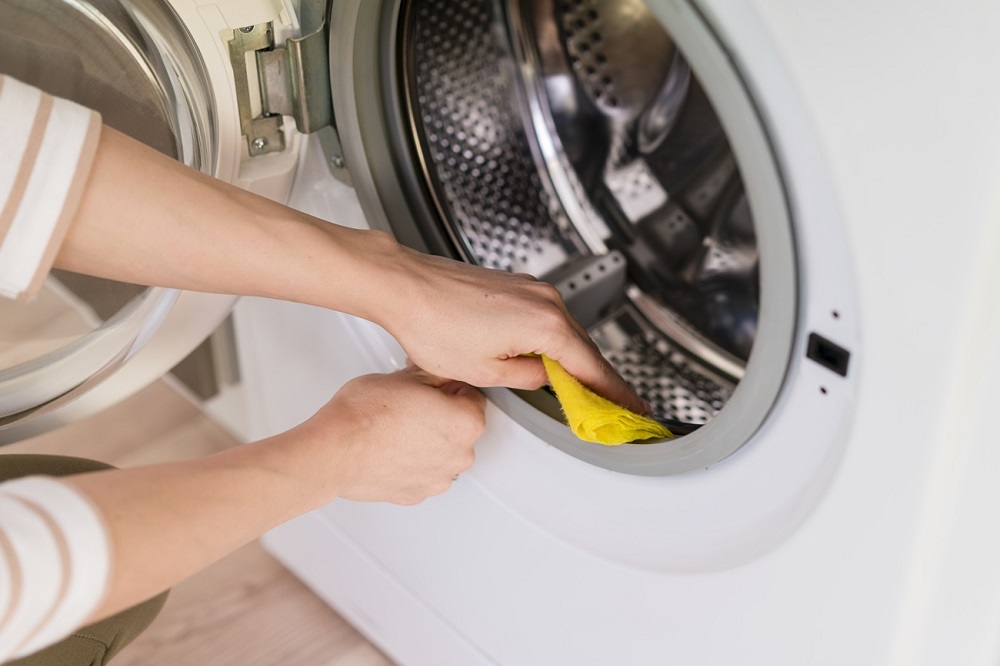
- Problem: The front-loading washing machine develops odor due to detergent residue and moisture accumulation.
- Solution: Wipe the gasket after washing. Pull back the rubber folds and dry them with a cloth.
- Leave the door and drawer slightly open after each wash so the drum dries out.
- Clean the detergent drawer. Most drawers pull out fully, and old detergent and softener build up behind them.
- Use low-suds HE (high-efficiency) detergent in the measured amount your manual recommends. Extra detergent feeds the smell.
- Run an empty hot cycle once a month with a washing machine cleaner made for front loaders.
02. Water Leakage from Washing Machine
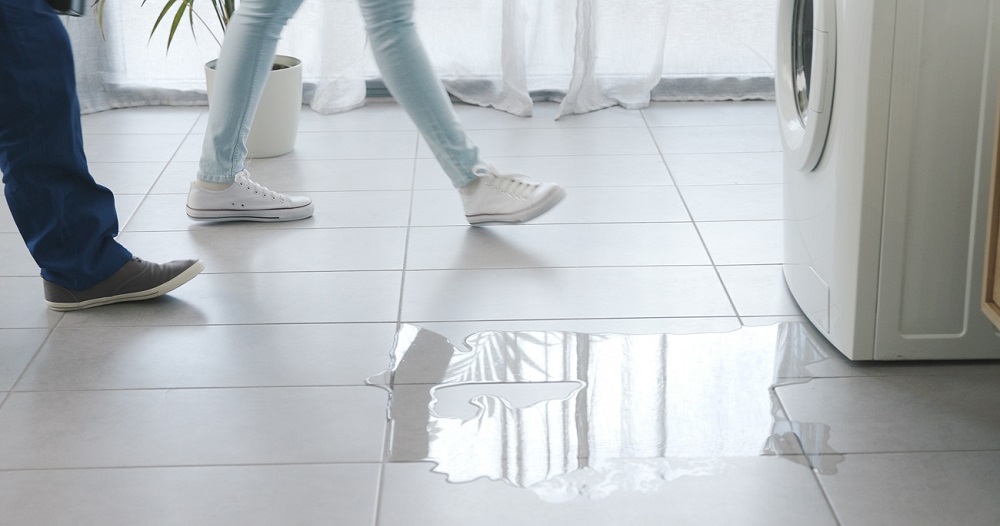
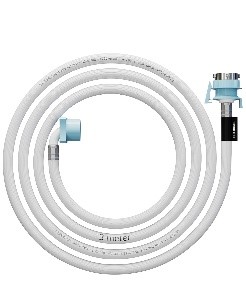
- Problem: Water leakage may occur due to a damaged door seal, loose hose connections, excess foam overflow during the wash cycle, rust or mineral deposit, or a clogged drain filter.
- Solution: Door gasket: Look for cracks, tears or a trapped item (a sock or hair clip) stopping the door from sealing.
- Hose connections: Loose or worn inlet and drain hoses are a frequent cause. Tighten them or replace damaged ones.
- Too much foam: Excess detergent can push suds and water out through the drawer or door.
- Drain filter cap: If it wasn’t screwed back tightly after cleaning, it will drip.
- Clogged drawer or drain filter: Blockages make water take the wrong path.
- Hard water scale or rust: Mineral deposits can damage seals over time.
- If the leak continues after these checks, or water is near sockets or wiring, switch off the supply and call a technician.
03. Noise or Vibration in Washing Machine
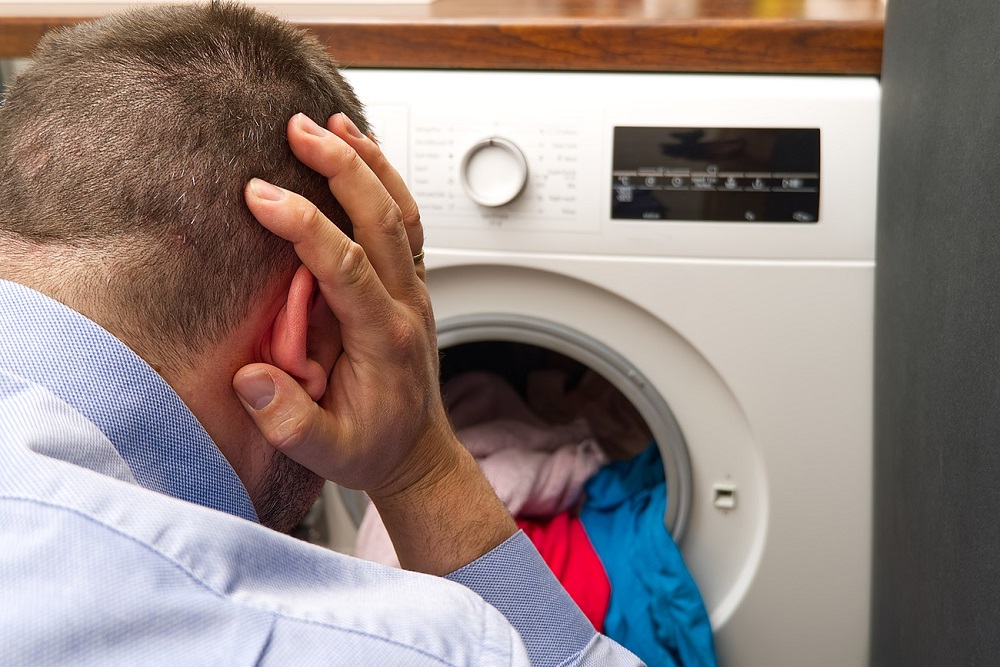
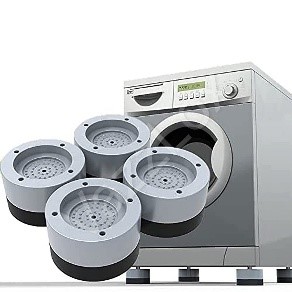
- Problem: Due to uneven load distribution or uneven machine level, the front-loading washing machine may create loud noise or vibration during the spin cycle.
- Solution: Transit (shipping) bolts: New machines ship with bolts that hold the drum steady in transit. If they aren’t removed before first use, the machine shakes badly.
- Uneven floor: Adjust the front levelling feet until the machine doesn’t rock when pushed at the corners. In bathrooms and utility areas, floors are often sloped toward a drain, which can leave a machine slightly tilted.
- Unbalanced load: A single heavy item like a blanket or jeans can throw off the drum. Mix large and small items.
- Overloading or very small loads: Both can cause imbalance. Leave a hand’s width of space at the top of the drum.
- Hard objects inside the drum: Coins, keys or buttons rattle during spin.
- Worn drum bearings: A rumbling or grinding noise even with an empty drum needs a technician.
04. Washing Machine Spin Problem
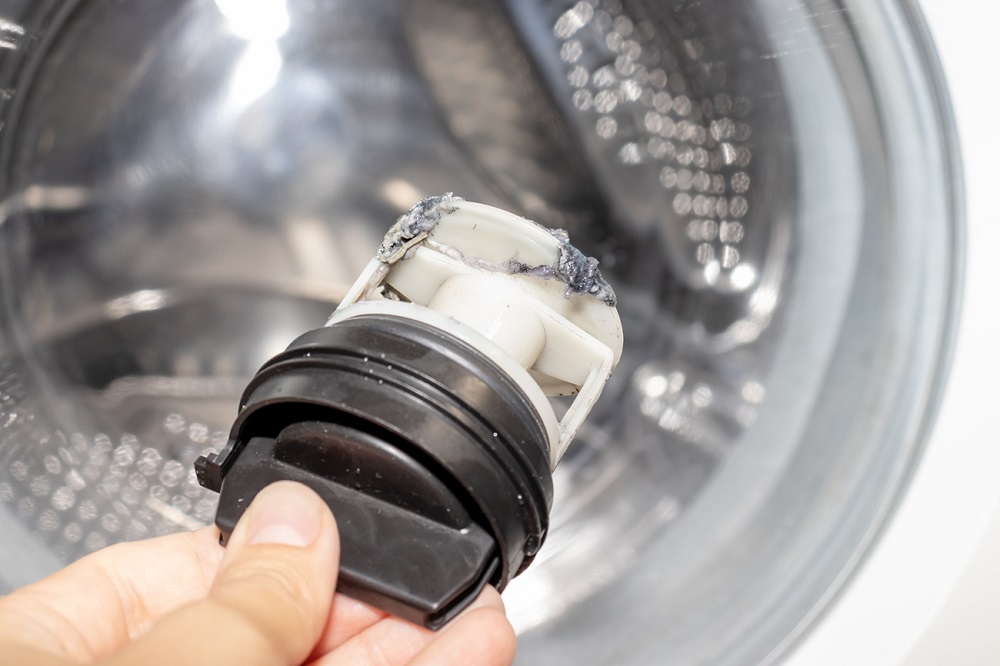
- Problem: If the drum doesn’t spin, it may be due to a clogged drain filter or overloading of clothes. It also occurs due to a door lock mechanism or a malfunctioning pump.
- Solution: Water hasn’t drained, so the spin never starts. Clean the drain filter first.
- Overloaded or lopsided drum: Remove a few items and redistribute the rest.
- Door not locking properly: Close it firmly and check for caught clothing.
- Faulty drain pump, door lock or motor: If basic checks fail, call a technician.
05. Long Wash Cycles
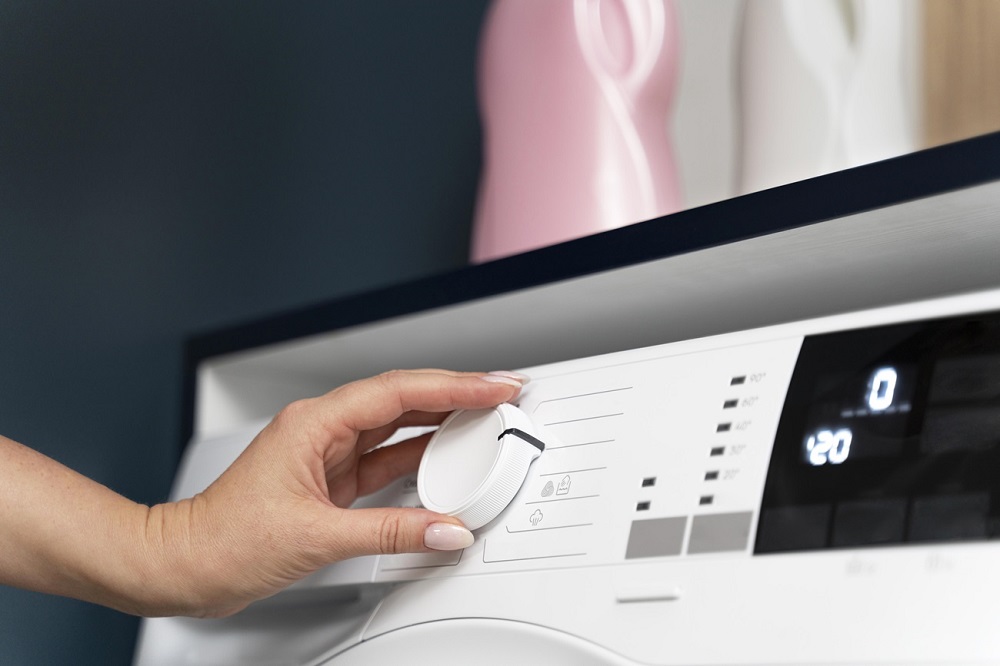
- Issue: A front-loading washing machine may sometimes extend the duration of wash cycles due to an imbalanced load or issues with the water inlet valve.
- Solution: Load imbalance, where the machine pauses to re-balance clothes before spinning.
- Slow water filling, from low tap pressure, a partly closed tap or a clogged inlet filter.
- Heavy suds, where the machine adds extra rinses to clear foam.
- Water heating, since hot washes take longer to reach the set temperature.
- If cycles stay long after these checks, get the water inlet valve and sensors inspected.
06. Mold Growth Inside the Washing Machine
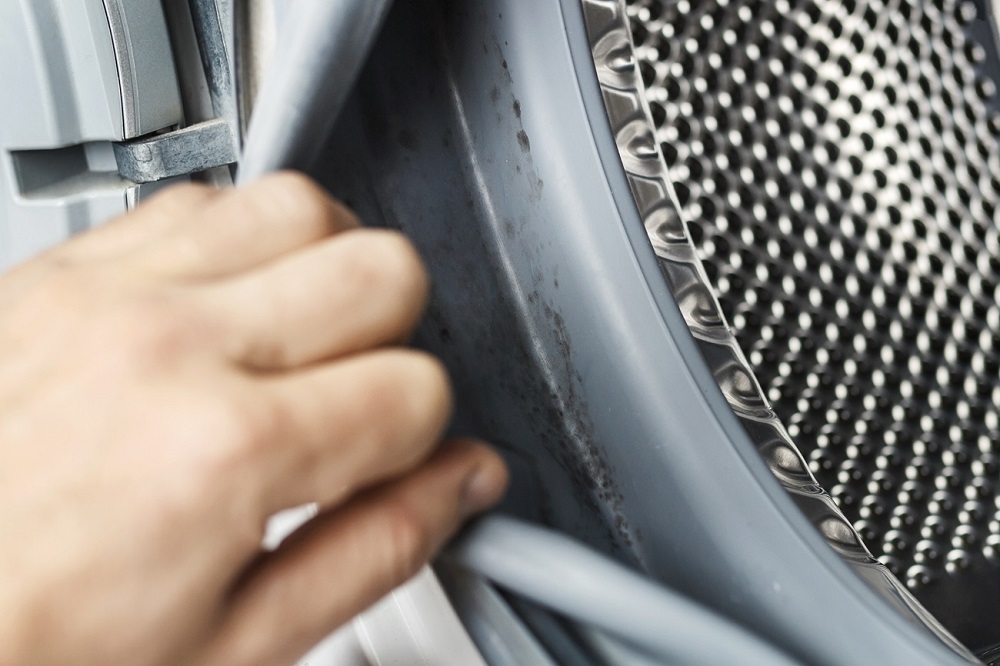
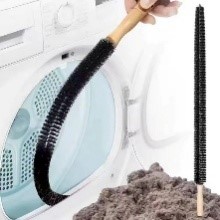
- Problem: Mold can develop in the drum or other parts of the washing machine, leading to health concerns and unpleasant odors.
- Solution: Protect yourself. Wear gloves and keep the room ventilated.
- Scrub the affected rubber with a cloth or soft brush and a manufacturer-approved cleaner. For light mould, a mild diluted vinegar solution can work (some guides suggest about 1 part vinegar to 4 parts water).
- Run a hot cleaning cycle afterwards and wipe the gasket dry.
- Prevent a repeat by drying the gasket after each wash and not leaving wet clothes inside.
- Replace the gasket if mould has eaten into the rubber or the seal is torn.
07. Faulty Codes
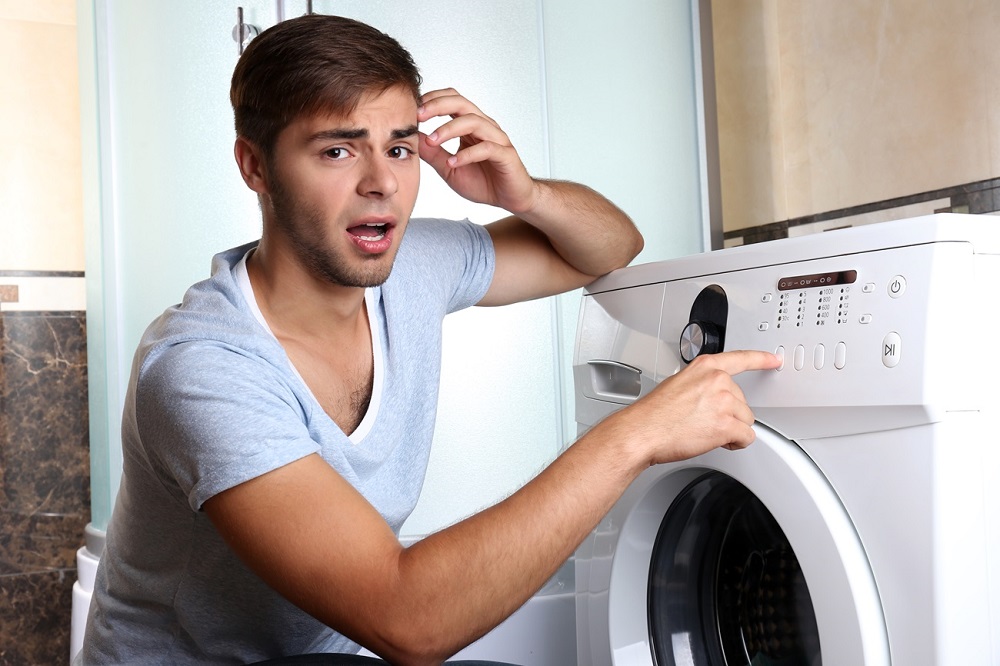
- Problem: The front-loading washing machine may display faulty codes indicating specific malfunctions. These codes may vary depending on the machine’s model.
- Solution: Read the user manual of your washing machine to interpret error codes. If the issue persists, call customer care or enlist the services of a qualified professional technician.
How Can I Prevent Most Front Load Washing Machine Problems?
A small routine prevents most of what you’ve just read. Frequencies are indicative, so follow your manual.
| Habit | How often | What it prevents |
| Wipe the door gasket and leave door ajar | After each wash | Mold, smell, leaks |
| Clean the detergent drawer | Monthly | Smell, clogging, overflow |
| Clean the drain filter | Monthly | Drain, spin and leak problems |
| Empty hot wash with machine cleaner | Monthly | Residue, odour |
| Check hoses and tap connections | Every few months | Leaks, slow fill |
| Check levelling and bolts after any move | When relocating | Noise, vibration, damage |
Other habits that help:
- Use only HE detergent, in the measured amount.
- Don’t leave wet laundry sitting in the drum.
- Don’t overload the drum.
- Keep the machine on firm, level flooring with a gap behind it for hoses.
When Should You Call a Technician?
Call for help rather than experimenting further if you notice:
- Grinding or rumbling noise with an empty drum
- A burning smell, sparks or a tripping power switch
- Water near sockets or wiring
- The same error code returning after you’ve fixed the obvious cause
- A pump, motor or door lock fault
Some problems go beyond a filter clean and a levelling adjustment, and a good technician can save the machine.
Find a Washing Machine Repair Near You
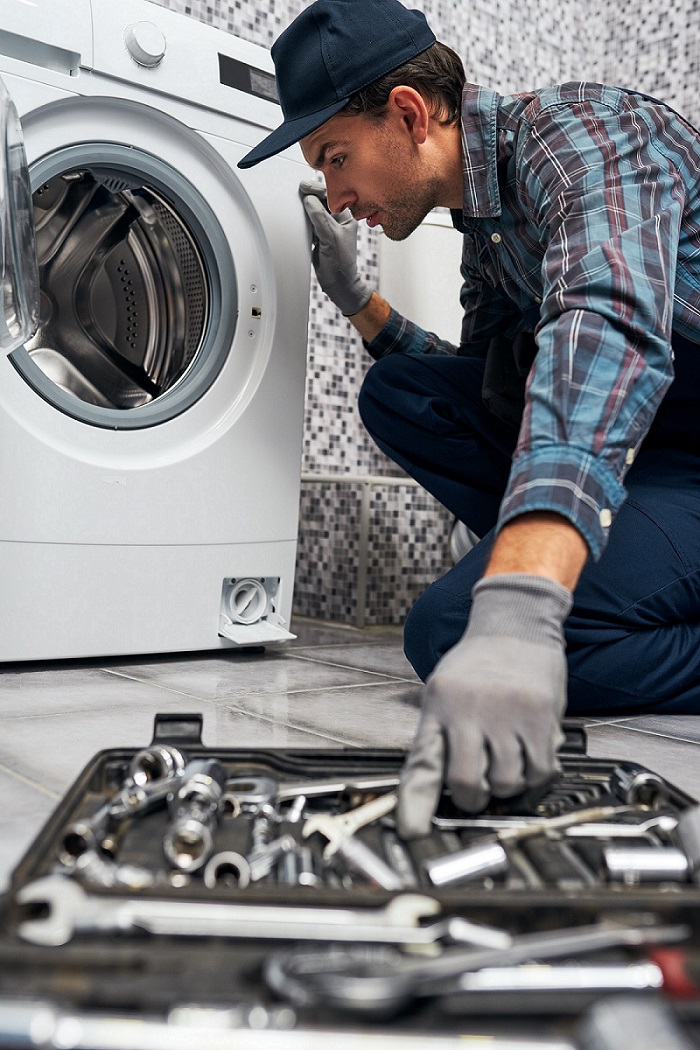
Seek the assistance of a reliable washing machine repair near you. Skilled technicians can diagnose the problem related to the motor, belt, or electronic components and provide efficient maintenance. Taking prompt action to address problems can avert additional damage and extend the lifespan of your washing machine.
Conclusion
Most front load washing machine problems start small and become expensive only when ignored. A dry gasket, a clean drain filter, measured HE detergent and a level machine solve a large share of them. Keep your manual handy for error codes, and when the problem goes beyond basic checks, call a qualified technician. Regular care keeps your machine efficient and long-lasting.
You may also love to read the following article too:
How To Clean Washing Machine And Dishwasher?
Front Load Washing Machine Problems: FAQs
1. Why does my front load washer still smell after cleaning?
Usually the gasket folds, drawer or drain filter were missed, or the door is being closed on a damp drum. Clean all three, use HE detergent in the measured amount, and leave the door slightly open after each wash.
2. Can I use vinegar to clean a front load washing machine?
Occasional use is common advice, but frequent use may wear rubber parts over time. Check your manual, and consider a cleaner designed for washing machines for routine use.
3. Is it okay to leave the washing machine door open?
Yes. Leaving the door and drawer slightly ajar helps the machine dry and prevents smells. If you have small children or pets, make sure they can’t climb inside.
4. How often should I clean the drain filter?
Roughly once a month is a common guideline, and more often if you wash heavily or have pets.
5. Are front load washing machines more problematic than top load ones?
Not necessarily. Front loaders need a bit more upkeep because of the gasket and moisture, but they are gentler on clothes and use less water. With basic care, most problems are avoidable.
Courtesy - Featured Image(Magnific)
Author & Expert Review
Written By:  Nidhi Patel | Civil Engineer & Content Writer

| Credentials: B.E. (Mahatma Gandhi Institute of Technical Education and Research Centre), Registered with Gujarat Technological University (GTU). Experience: Civil Engineer with 3+ years of content writing experience, currently writing blogs for Gharpedia, part of SDCPL. Expertise: Specializing in SEO-optimized blogs and long-form articles focused on home improvement, construction, interiors and architect topics. I create well-researched, reader-focused content that balances technical accuracy with clarity, making complex subjects easy to understand. Find her on: LinkedIn |
Verified By Expert: Farhan Shaikh – Senior Manager – Architect, SDCPL | Associate Member – IIA

This article has been reviewed for architectural and interior design accuracy by Farhan Shaikh, Senior Manager – Architect at Sthapati Designers & Consultants Pvt. Ltd. As the lead for all architectural and interior projects at SDCPL and an Associate Member of the Indian Institute of Architects (IIA), he brings hands-on experience in architectural planning, interior design, project coordination, and sustainable strategies. His review ensures the content reflects practical design considerations, industry best practices, and real-world applicability across both architecture and interior spaces.
Find him on : Linkedin